
The DS 7 range undergoes a complete shake-up: all plug-in hybrids disappear, leaving only a single BlueHDi engine.

An unexpected shift in strategy for the French premium SUV
The launch of the new DS Nº7 2026 is fast approaching, but before it arrives, DS Automobiles has made a decisive move regarding the current DS 7. This SUV, still praised for its comfort, premium finish and high level of equipment, competing directly with the Audi Q3, BMW X1, Lexus UX, Mercedes-Benz GLA and Volvo XC40, now faces a surprising change within the Spanish market: the complete removal of all plug-in hybrid powertrains, including the powerful 4×4 versions with the 0-emissions badge.
End of the PHEVs and a firm commitment to diesel
Until now, the DS 7 range featured three PHEV variants: an entry-level model with 225 hp, and two more powerful options with 300 and 360 hp, both equipped with all-wheel drive. They used a 12.9 kWh net battery that delivered up to 65 km of electric range, a competitive figure for its class. However, this entire setup has been discontinued. From this point on, customers will only be able to choose a single diesel engine–an unusual move in today’s market trends. DS keeps faith in the 1.5 BlueHDi with 130 hp, delivering 300 Nm of torque to the front axle with an efficiency-oriented approach.
Diesel, automatic and delivering notably low fuel consumption
This engine is paired exclusively with an eight-speed torque-converter automatic gearbox, enabling the DS 7 to accelerate from 0 to 100 km/h in 10.9 seconds, complete the 80–120 km/h overtake in 7.9 seconds, and reach a top speed of 195 km/h. Fuel consumption is rated at 5.5 l/100 km WLTP, supported by an 18-litre AdBlue tank and a 55-litre diesel tank. The SUV retains its strengths: a multi-link rear suspension, a generous 541-litre boot, and an overall length of 4.59 metres, positioning it among the larger, more premium compact SUVs.
Comprehensive trim levels with a clear premium orientation

The line-up is divided into three trims: Pallas, Jules Verne and Étoile. Even the entry version offers extensive equipment: six airbags, keyless entry, heated electric seats with driver memory, digital instrumentation, 19-inch wheels, dual-zone climate control and a full multimedia system with 12.3-inch 3D connected navigation and wireless Android/Apple compatibility. Additional features include a heated windscreen, aluminium pedals, electric door mirrors, light/rain/parking sensors, Alcantara upholstery and paddle shifters. Safety equipment includes lane-keeping assist, automatic high beams, rear-view camera, blind-spot monitoring, driver fatigue detection, road-sign recognition, autonomous emergency braking and Pixel LED headlights.
DS 7 pricing for 2025/2026: the new diesel-only range
Official pricing in Spain is as follows:
– DS 7 BlueHDi Pallas Automatic (130 hp): €46,535
– DS 7 BlueHDi Jules Verne Automatic (130 hp): €49,031
– DS 7 BlueHDi Étoile Automatic (130 hp): €50,471
All versions include up to 8 years or 160,000 km of warranty. With this restructuring, the DS 7 positions itself as a premium alternative focused on diesel efficiency, while awaiting the new DS Nº7 2026 to define the brand’s technological direction for the coming years.


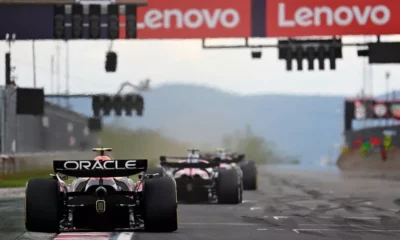







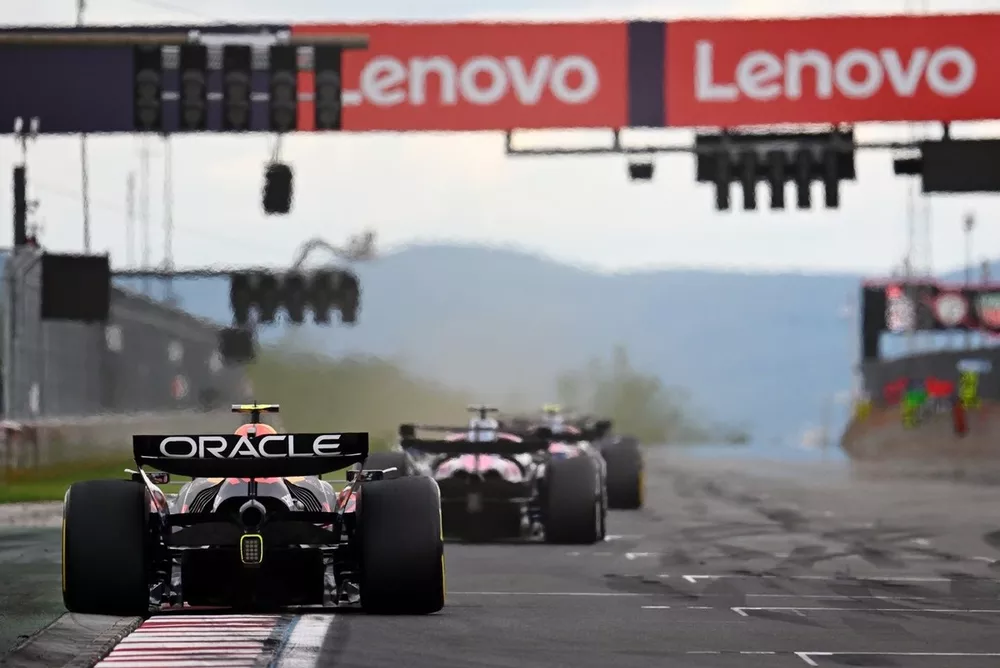
The Hungaroring is famous for making overtaking difficult, yet Formula 1 history reveals that starting from pole position is far from a guarantee of victory.
The Hungarian Grand Prix pole position has long been considered one of the most valuable starting spots in Formula 1. Because overtaking is notoriously difficult at the Hungaroring, many expect the pole sitter to control the race from lights out to the checkered flag.
However, the statistics tell a different story. History shows that winning from pole is far less common than many fans might expect.
Pole Position Has Produced Only 40% of Winners
Across 40 editions of the Hungarian Grand Prix, the pole sitter has won 16 races.
That means 40% of Hungarian Grand Prix winners started from first on the grid. Meanwhile, the remaining 24 races, or 60%, were won by drivers who started from another position.
As a result, qualifying on pole provides an advantage, but it certainly does not guarantee victory.
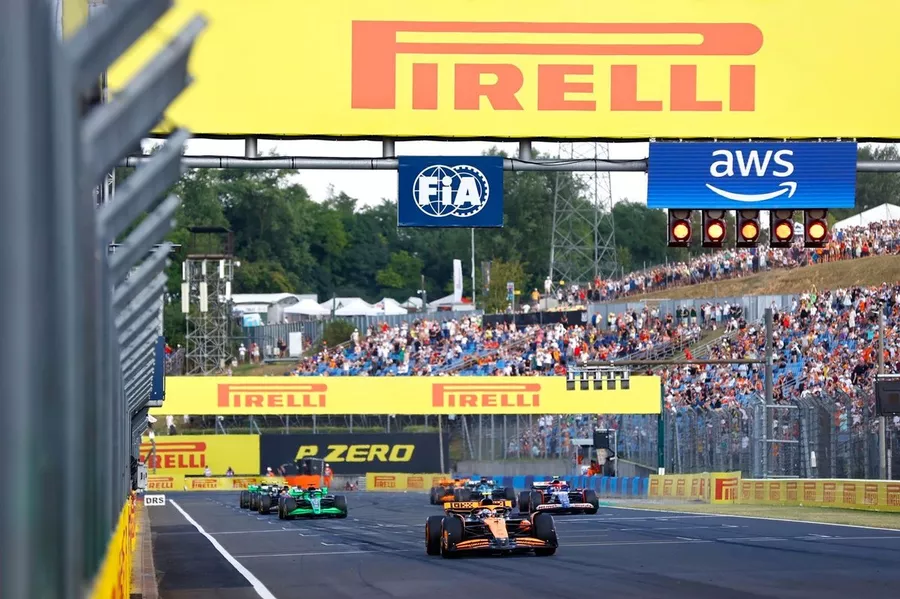
Pole position has produced 16 winners in 40 Hungarian Grand Prix races.
Recent History Favors Drivers Starting Behind Pole
The recent trend is even more surprising.
The last driver to convert pole into victory at the Hungaroring was Lewis Hamilton in 2020. Since then, every Hungarian Grand Prix has been won by a driver who started elsewhere on the grid.
Furthermore, recent winners have come from a variety of starting positions. Lando Norris won from third in 2025, Oscar Piastri from second in 2024, Max Verstappen from second in 2023 and an incredible tenth place in 2022, while Esteban Ocon claimed victory from eighth in 2021.
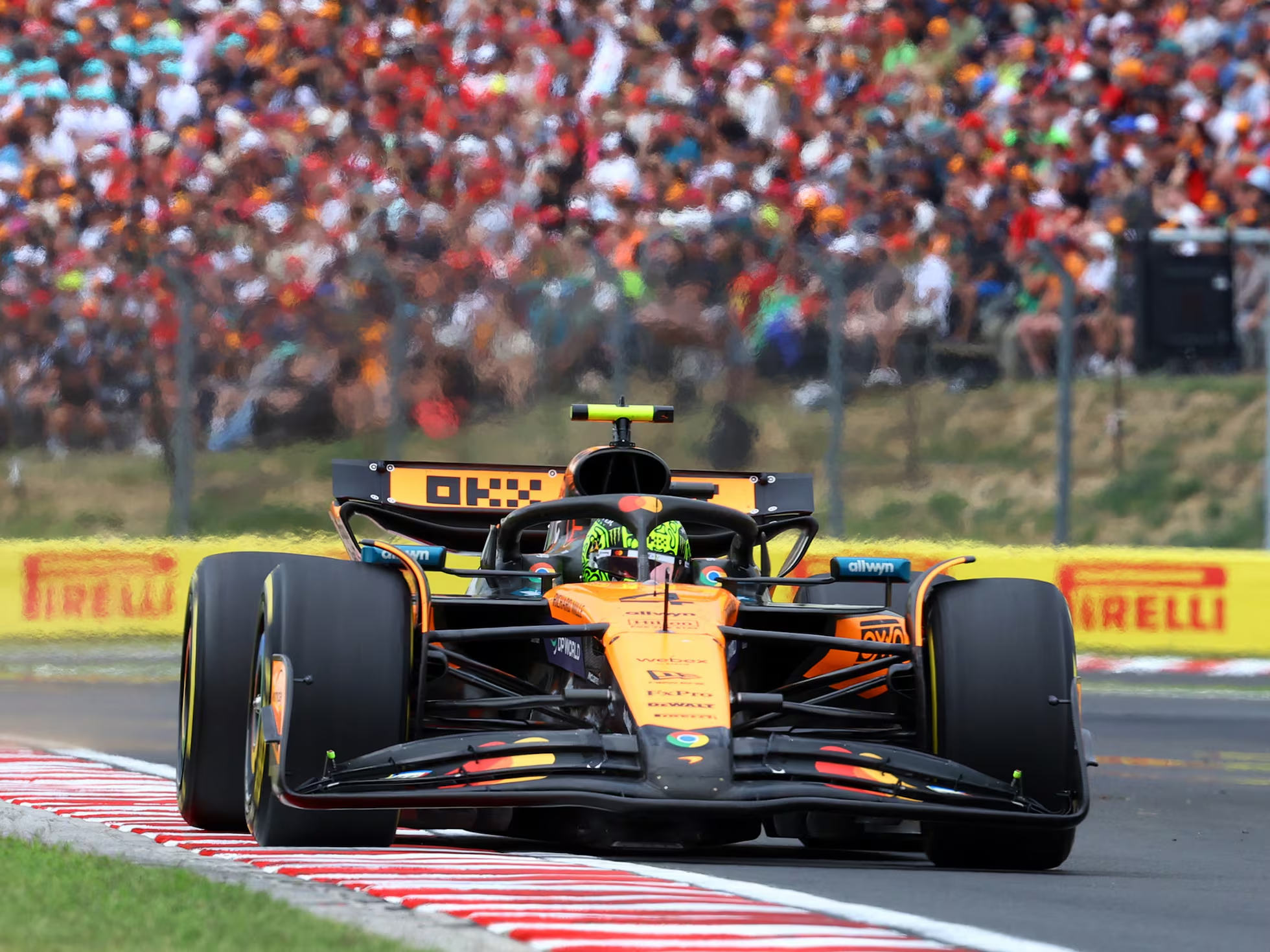
Several recent Hungarian Grand Prix winners started well behind pole position.
Winning From Different Grid Positions Is Possible
The statistics highlight just how unpredictable the Hungarian Grand Prix can be.
Eight winners have started from second, while nine have won from third on the grid. In addition, victories have even come from eighth, tenth, twelfth and fourteenth, proving that strategy, tire management and race circumstances can outweigh qualifying position.
Therefore, although track position remains important, Sunday often tells a different story than Saturday.
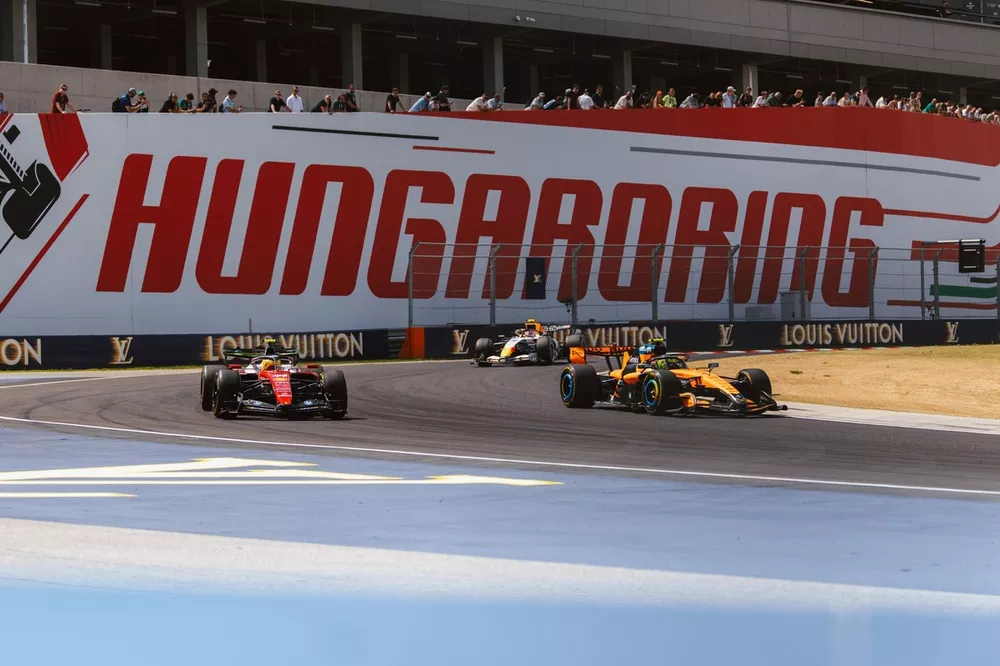
Formula 1 history shows that multiple grid positions have produced winners at the Hungaroring.
Hungarian Grand Prix Pole Position Is Helpful, Not Decisive
The Hungarian Grand Prix pole position remains a valuable advantage because overtaking opportunities are limited.
Overall, decades of Formula 1 history demonstrate that qualifying first is only part of the equation. Strong race pace, strategy, tire management and well-timed decisions have repeatedly allowed drivers starting behind the pole sitter to fight their way to victory.
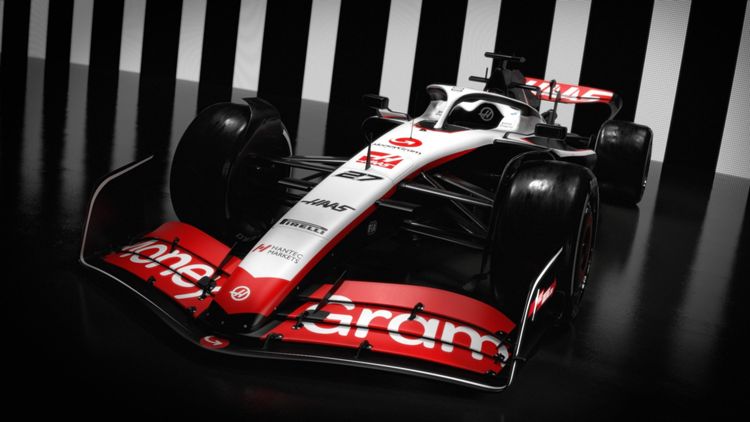
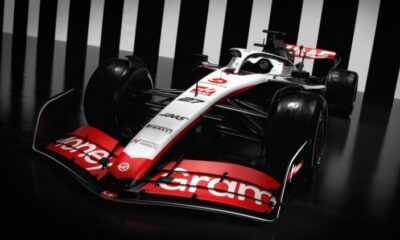
Haas Team Principal Ayao Komatsu believes Formula 1 has become too complex, arguing that the 2026 regulations make it difficult for fans to understand a driver’s true performance.
The F1 2026 rules have sparked fresh debate over the balance between driver skill and technology. According to Haas Team Principal Ayao Komatsu, modern Formula 1 has become so complex that fans can no longer accurately judge a driver’s true performance during a race weekend.
Moreover, Komatsu believes the sport should simplify its regulations and return more control to the drivers.
Software Is Playing a Bigger Role
The current regulations place significant emphasis on energy deployment and software management.
As a result, tiny differences in throttle application or braking can create major variations in straight-line speed, even between teammates driving identical cars. Consequently, lap time differences may not always reflect a driver’s actual performance.
Furthermore, these hidden variables make it difficult for viewers to understand why one driver suddenly gains or loses time.
Haas believes software has become too influential under the current Formula 1 regulations.
Komatsu Wants Drivers Back in Control
Ayao Komatsu argues that Formula 1 should become easier for both drivers and fans.
According to the Haas boss, drivers should be able to rely on instinct instead of constantly managing complex software systems. Therefore, the sport needs regulations that reward driving ability rather than intricate energy-management strategies.
In addition, Komatsu believes fans should be able to understand what they are watching without needing advanced technical knowledge.
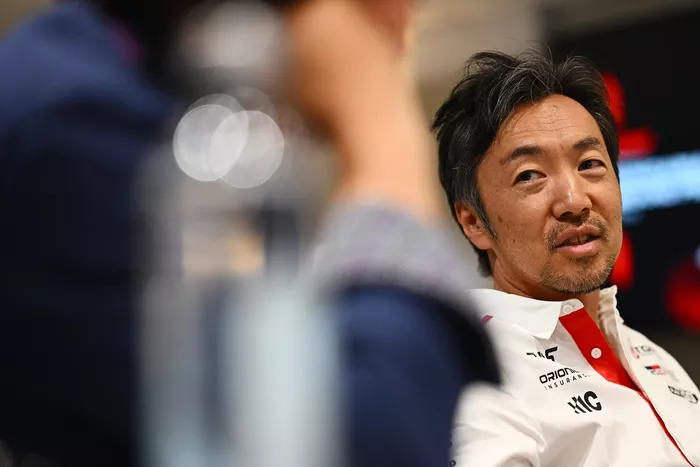
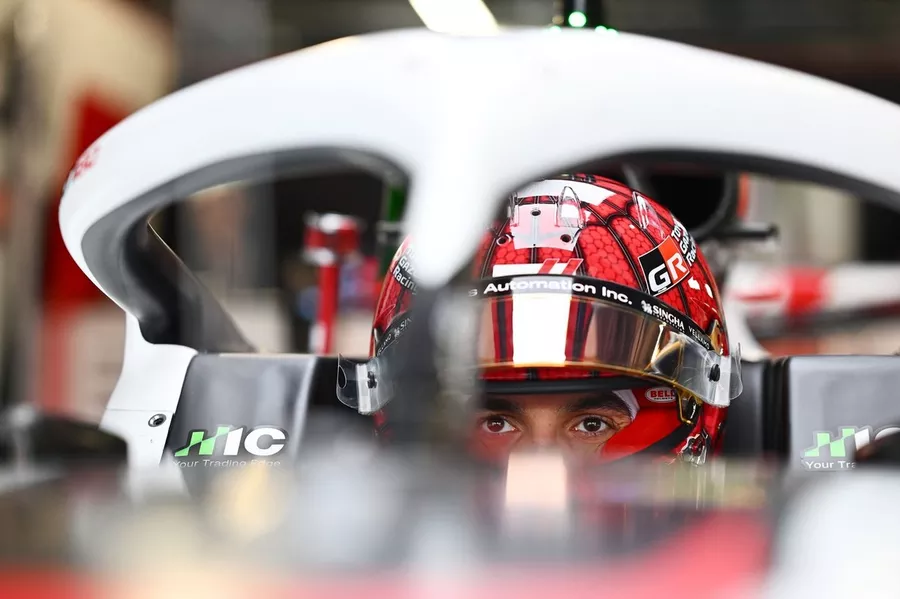
Ayao Komatsu says Formula 1 should place greater emphasis on driver skill.
Future Rule Changes Could Reduce Complexity
Formula 1 has already introduced adjustments to improve the current regulations.
However, Komatsu says those changes are only a temporary solution. Meanwhile, future rule revisions are expected to reduce the reliance on electrical deployment while increasing the contribution from the internal combustion engine.
As a result, the balance between software and driver input could become more straightforward over the coming seasons.
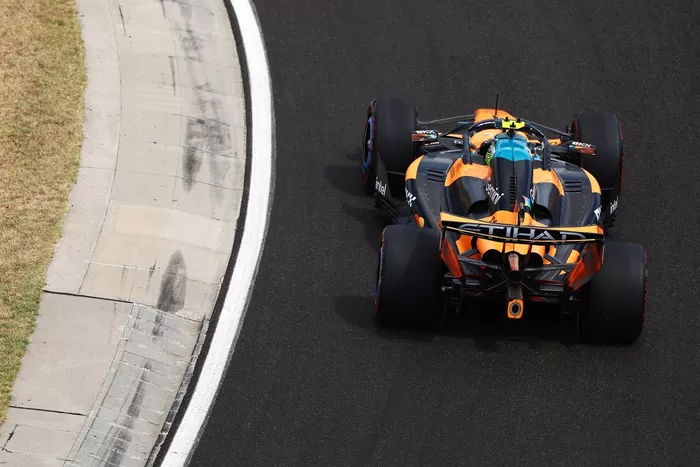
Future Formula 1 regulations aim to simplify energy management and improve racing.
F1 2026 Rules Continue To Divide Opinion
The F1 2026 rules remain one of the most discussed topics in the paddock.
Overall, Haas believes Formula 1 must simplify its technical regulations so fans can better appreciate the skill of the drivers. If future rule changes achieve that goal, the sport could become both easier to follow and more rewarding to watch.
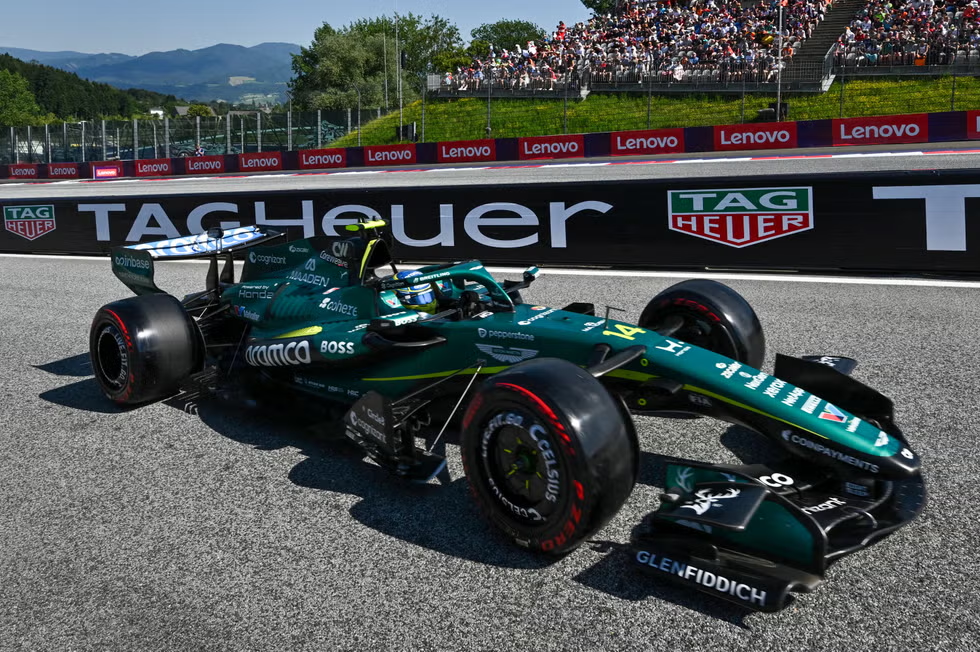
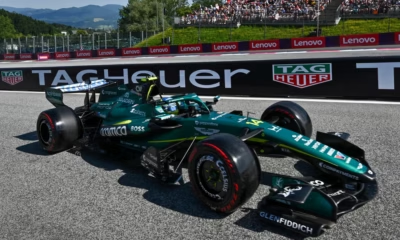
A major upgrade package gave Aston Martin a significant boost at the Hungarian Grand Prix, allowing Fernando Alonso to record his strongest Formula 1 qualifying result of 2026.
The latest Aston Martin upgrades appear to have delivered the breakthrough the team had been waiting for. At the Hungarian Grand Prix, Fernando Alonso advanced beyond Q1 for the first time in a full-length qualifying session this season, marking his strongest Saturday performance of the 2026 Formula 1 campaign.
Moreover, the result suggests Aston Martin has finally taken a meaningful step forward after months of struggling near the back of the grid.
New AMR26 Package Shows Immediate Progress
Aston Martin introduced an extensive update package for the AMR26, featuring multiple aerodynamic and mechanical revisions.
As a result, the car showed a clear improvement in pace around the Hungaroring. After repeatedly missing Q2 by large margins throughout the season, Alonso successfully advanced into the second qualifying session.
Furthermore, the performance represented a dramatic turnaround compared to Spa-Francorchamps, where Aston Martin struggled to match its midfield rivals.
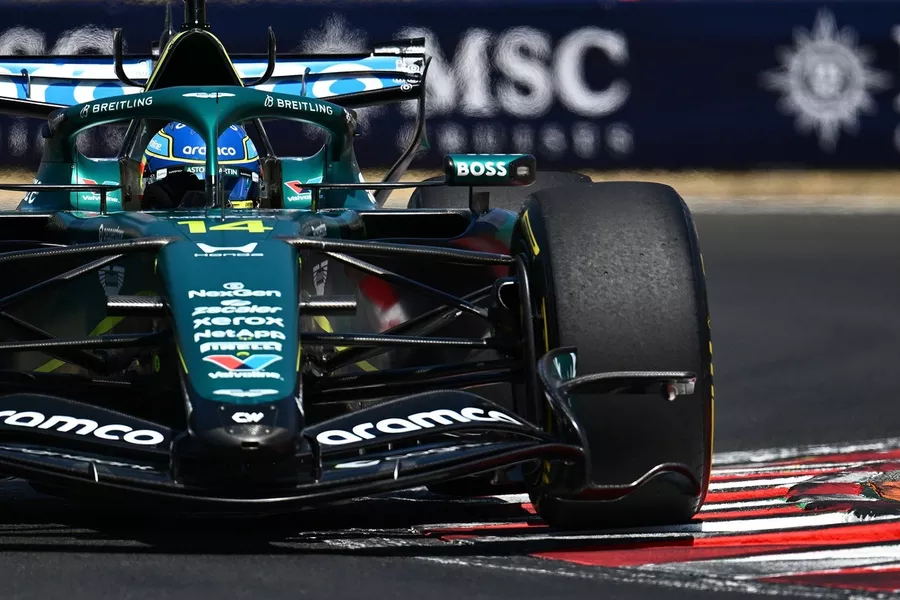
Aston Martin’s latest AMR26 upgrade package produced an immediate improvement in Hungary.
Alonso Outqualified Several Midfield Rivals
The upgraded car allowed Alonso to outperform several competitors during Q1.
He finished ahead of one Haas, both Williams drivers, his teammate Lance Stroll and both Cadillac entries. Consequently, Aston Martin secured its first appearance in Q2 during a standard qualifying session this season.
Although Alonso could not improve further in Q2, his final position still became his best qualifying result for a Grand Prix this year.
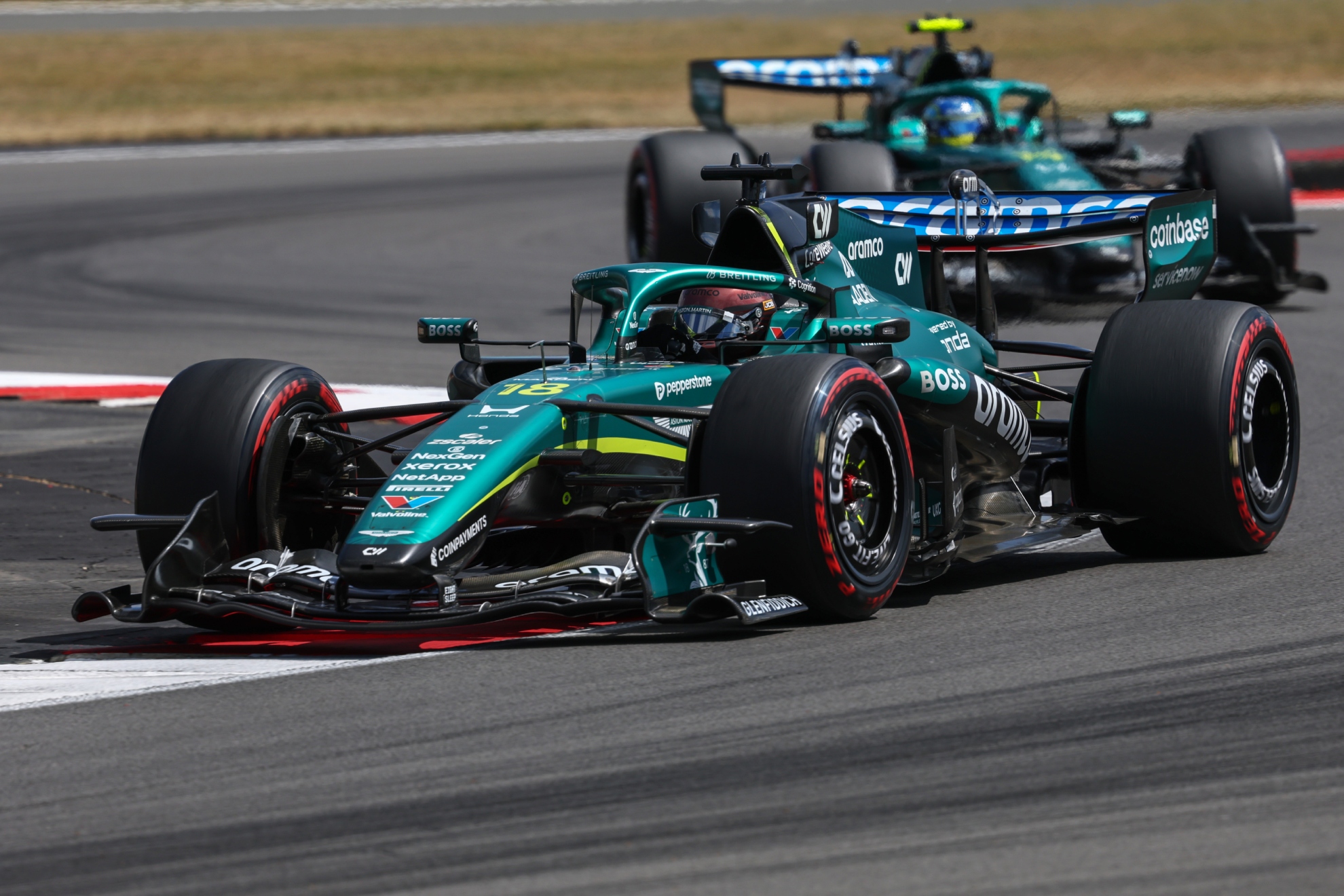
Fernando Alonso advanced to Q2 for the first time in a full qualifying session during 2026.
A Positive Sign Before Future Developments
The Hungarian Grand Prix may represent an important turning point for Aston Martin.
While the new Honda power unit is still scheduled to arrive later in the season, the current upgrade package has already made the team more competitive against its direct rivals. Meanwhile, both Fernando Alonso and Adrian Newey have expressed optimism about the direction of the project.
Therefore, Aston Martin hopes these improvements will provide a stronger foundation for the remainder of the 2026 season and future development.
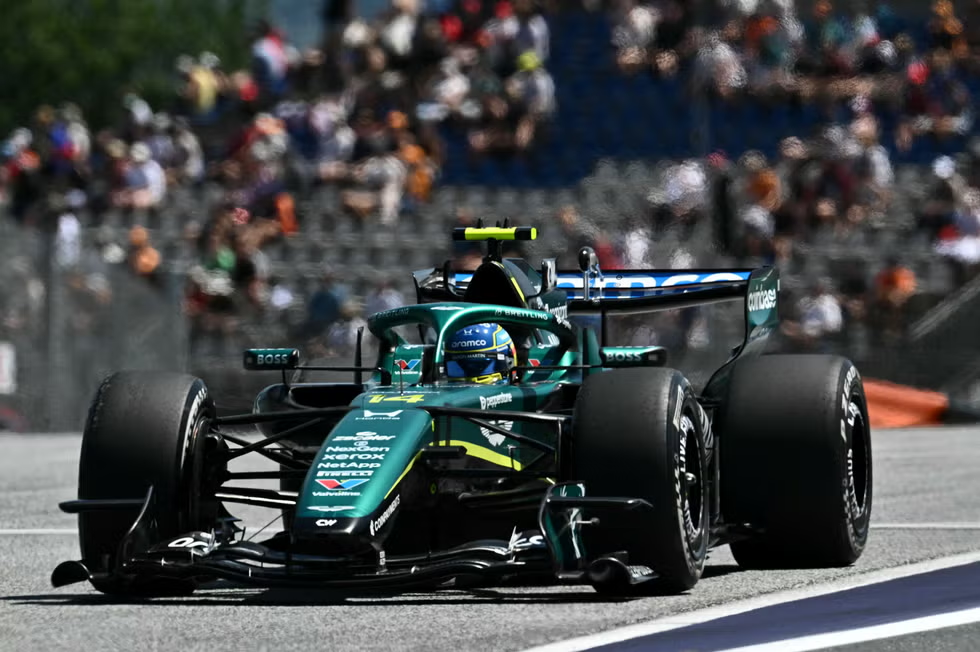
Aston Martin expects its latest upgrades to provide a stronger platform for future development.
Aston Martin Upgrades Offer New Optimism
The Aston Martin upgrades delivered exactly what the team needed in Hungary: measurable progress on track.
Overall, Alonso’s best qualifying result of the season provides encouraging evidence that the AMR26 is moving in the right direction. If development continues at this pace, Aston Martin could become a regular contender in the midfield during the second half of the Formula 1 season.
-

 TEST DRIVES2 months ago
2026 Subaru Outback Touring
-

 TEST DRIVES1 month ago
Lamborghini prepares multiple launches for 2026 as electrification plans continue
-
 TEST DRIVES2 months ago
2026 Hyundai Santa Cruz Limited AWD
-
 RACING1 month ago
Barcelona-Catalunya Grand Prix: Everything You Need To Know About Formula 1’s Ultimate Benchmark Circuit
-
 INTELLIGENT MOBILITY1 month ago
2026 Cadillac Escalade IQL Redefines Luxury In The Electric SUV Segment
-
 RACING1 month ago
George Russell Leads Final Barcelona Practice As Kimi Antonelli Receives Reprimand
-
 NOW TRENDING2 months ago
Porsche Creates A Buzz Lightyear-Inspired 911 GT3 RS That Looks Ready To Go “To Infinity And Beyond”
-
 RACING2 months ago
Why Formula 1 Has Pit Lane Speed Limits And How They Are Measured
You must be logged in to post a comment Login