
CLAVES DEL GRAN PREMIO
“¢ Max Verstappen (Red Bull), que arrancaba desde la pole position, se ha impuesto en un intenso y táctico GP de Estados Unidos con una estrategia a dos paradas. Tras ceder el liderato en la salida ante Lewis Hamilton (Mercedes), el holandés ha propuesto un ‘undercut’ a su rival en la vuelta 11 cambiado el P Zero Amarillo (medio) por el P Zero Blanco (duro), maniobra que le ha permitido heredar el liderato de su rival, que se ha detenido tres vueltas más tarde.

“¢ En la segunda ronda de pit stops, Verstappen ha parado, de nuevo, antes que Hamilton. El inglés lo ha perseguido desde entonces con unos neumáticos ocho giros más frescos, cruzando la bandera a cuadros a menos de un segundo del piloto de Red Bull.
“¢ El desgaste y la degradación han sido bastante altos, como ya se intuÃa desde los entrenamientos libres. Todo ello como consecuencia de las exigencias del circuito de Austin, que destaca por sus baches, una superficie bastante abrasiva y un primer sector muy rápido.

“¢ Un pequeño chaparrón caÃdo durante la mañana no ha alterado las condiciones del GP, que han sido cálidas y secas, aunque con algo de viento. La carrera ha iniciado con 31ºC en el ambiente y 39ºC sobre el asfalto.
“¢ Todos los pilotos han tomado la salida con el P Zero Amarillo (medio) salvo Carlos Sainz (Ferrar) y Yuki Tsunoda (AlphaTauri), que han iniciado con el P Zero Rojo con que marcaron su mejor tiempo en la Q2.
“¢ Como anunciaban las previsiones, la carrera ha sido a dos paradas para casi todos –salvo para dos pilotos que se han detenido en tres ocasiones.

COMPORTAMIENTO DE LOS NEUMÃTICOS
“¢ DURO C2: el compuesto más utilizado hoy domingo, y que la mayorÃa de corredores han utilizado durante dos stints gracias a su menor degradación en carrera. El último tramo de GP de Verstappen con estas gomas ha sido de 27 giros, y Hamilton ha marcado con ellos la vuelta rápida.
“¢ MEDIO C3: escogido por casi todos para la salida. Lance Stroll (Aston Martin) ha completado el stint inicial más largo con ellos, 18 giros, y su compañero Sebastian Vettel ha hecho lo propio en el segundo, 21 vueltas. Como era de esperar, este compuesto requerÃa de mayor gestión en carrera.
Ң BLANDO C4: Carlos Sainz ha completado un stint inicial de 11 giros con este compuesto. Tanto el madrile̱o como el otro corredor que lo ha utilizado en la arrancada, Yuki Tsunoda, han acabado en los puntos.

MARIO ISOLA – RESPONSABLE DE PIRELLI EN F1
“El nivel de desgaste ha sido alto, como se esperaba, en un circuito marcado por el calor y la abrasión, y que invitaba a optar por el medio para la salida y concentrarse, después, en el duro para el resto del GP. Este último compuesto ha resistido muy bien, protagonizando algunos stints muy largos que han desembocado en un final de carrera de infarto entre los dos protagonistas de la lucha por el tÃtulo. Tanto Max Verstappen como Lewis Hamilton iniciaban con el mismo cómputo de neumáticos previo a la carrera, pero lo han usado de un modo distinto. El inglés ha sacado el máximo partido a unas gomas más nuevas al final, y Verstappen a la posición en pista ganada tras sendos ‘undercuts’. El resultado ha sido un fantástico duelo estratégico que ha dibujado un final muy emocionante entre dos corredores en su mejor momento y que han gestionado sus cubiertas a la perfección”.









Audi has confirmed that its Formula 1 power unit will not receive another major upgrade during the remainder of the 2026 season as the manufacturer shifts its focus toward long-term development for 2027.
Audi has confirmed that its Audi F1 power unit will not receive another major hardware upgrade before the end of the 2026 Formula 1 season. Instead, the manufacturer will focus its resources on a larger development package planned for 2027.
Moreover, the decision reflects Audi’s long-term strategy as it balances performance gains with Formula 1’s financial regulations.
Budget Limits Shape Audi’s Development Strategy
Although Audi introduced an upgraded power unit package at the Spanish Grand Prix, the team has decided not to develop another major hardware update this season.
According to Audi team principal Allan McNish, the decision is driven by the championship’s cost cap. Every Formula 1 team must carefully balance spending between chassis development and power unit improvements while ensuring sufficient resources remain for future projects.
As a result, Audi believes investing in a larger upgrade for 2027 offers a better return than introducing another costly package during the current campaign.
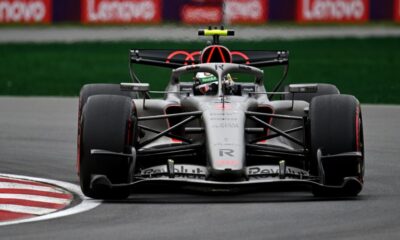
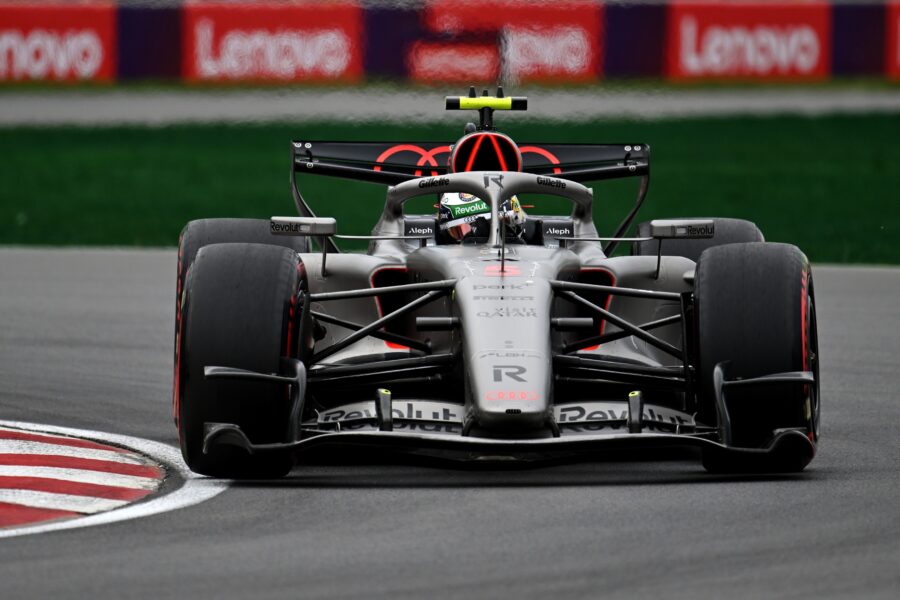
Audi is focusing its Formula 1 power unit development on a major upgrade planned for 2027.
Barcelona Upgrade Delivered Noticeable Progress
The Audi F1 power unit received its first significant update during the Spanish Grand Prix.
Rather than increasing outright performance, the package focused on improving driveability. According to Nico Hülkenberg, the revised power unit delivered smoother power delivery and better throttle response, addressing one of the biggest weaknesses of Audi’s package earlier in the season.
Furthermore, Audi’s recent progress has been reflected in its results. The team has scored points in each of the last three races, allowing it to move ahead of Williams in the Constructors’ Championship.
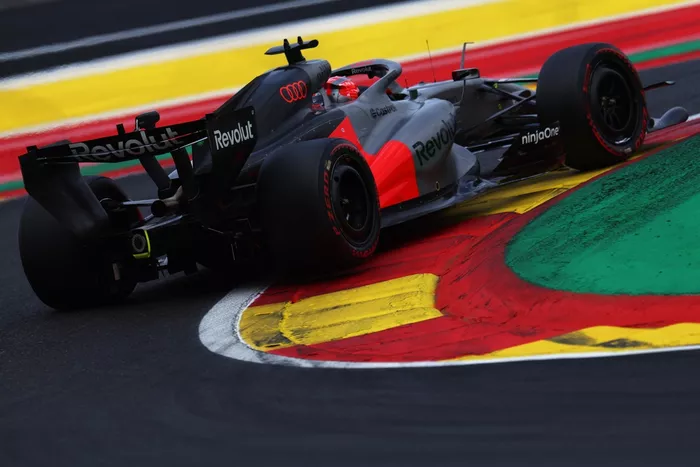
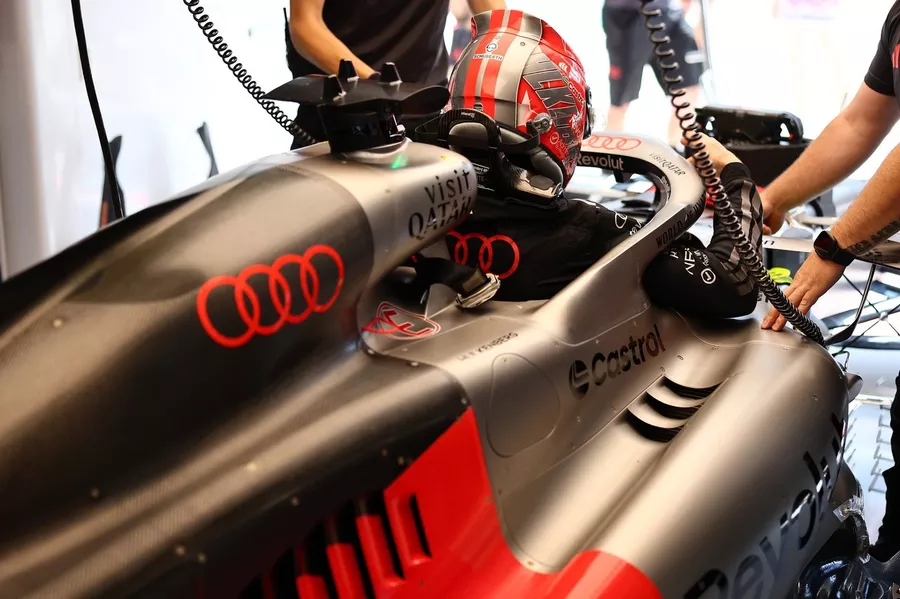
Audi’s Barcelona upgrade improved driveability and helped the team make consistent progress.
Why Driveability Matters in Formula 1
Hülkenberg explained that improving a power unit involves much more than increasing horsepower.
The way torque is delivered, throttle response and gearshift quality all influence how drivers control the car at the limit. Additionally, smoother power delivery makes it easier to accelerate out of corners while maintaining balance and maximizing grip.
Consequently, even subtle improvements can translate into valuable lap time during a Formula 1 race.
Audi Is Already Looking Toward 2027
Audi has made it clear that its next major Audi F1 power unit upgrade will focus on new hardware scheduled for the 2027 season.
Meanwhile, the team will continue developing its chassis throughout the remainder of 2026 while extracting additional performance from its existing engine package through setup optimization and software refinements. Therefore, fans should not expect another significant hardware change before next year.
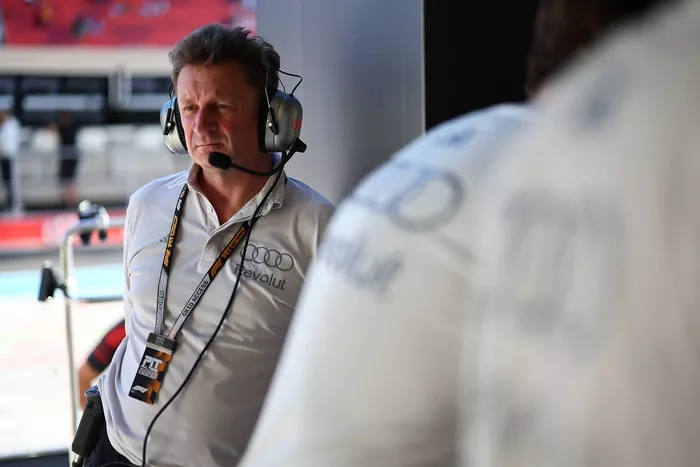
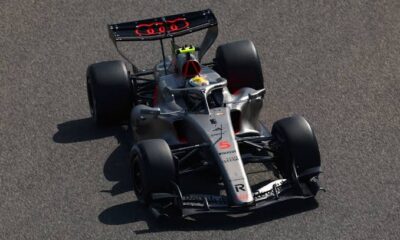
Audi will continue chassis development while preparing its next major power unit upgrade for 2027.
Long-Term Planning Takes Priority
Audi’s decision highlights the reality of modern Formula 1 development under strict financial regulations.
Overall, by postponing major power unit upgrades until 2027, the manufacturer aims to maximize its long-term competitiveness instead of pursuing short-term gains during the remainder of the 2026 season.
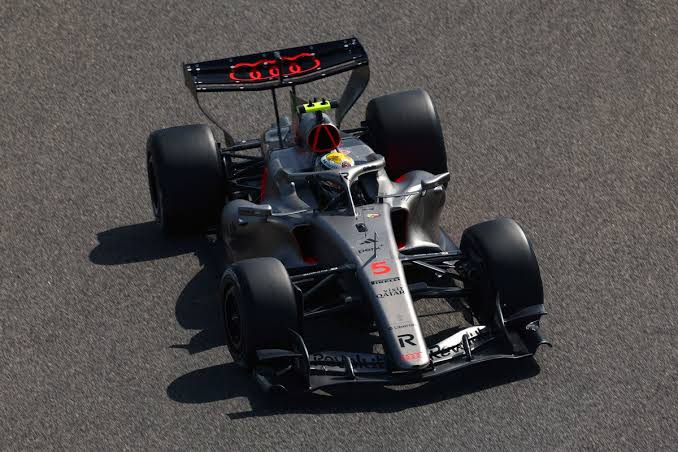
Gabriel Bortoleto finished fastest during Pirelli’s latest Formula 1 tire development test at the Hungaroring, where he joined Franco Colapinto in evaluating compounds designed for the 2027 season.
The Pirelli 2027 F1 tire test concluded at the Hungaroring with Gabriel Bortoleto posting the fastest lap over two days of development running. The Audi driver joined Franco Colapinto in helping Pirelli evaluate several tire compounds that could be introduced for the 2027 Formula 1 season.
Moreover, the demanding conditions allowed engineers to collect valuable data on tire performance and durability.
Bortoleto Finishes Ahead of Colapinto
Bortoleto set the quickest time of the test with a lap of 1:19.917 on the second day.
Meanwhile, Colapinto completed an extensive program for Alpine, recording a best lap of 1:20.139 after completing 139 laps on Wednesday. Furthermore, Aston Martin reserve driver Jak Crawford participated during Tuesday’s session before switching to a separate filming day later in the week.
As a result, Pirelli gathered a significant amount of information from three different Formula 1 teams.
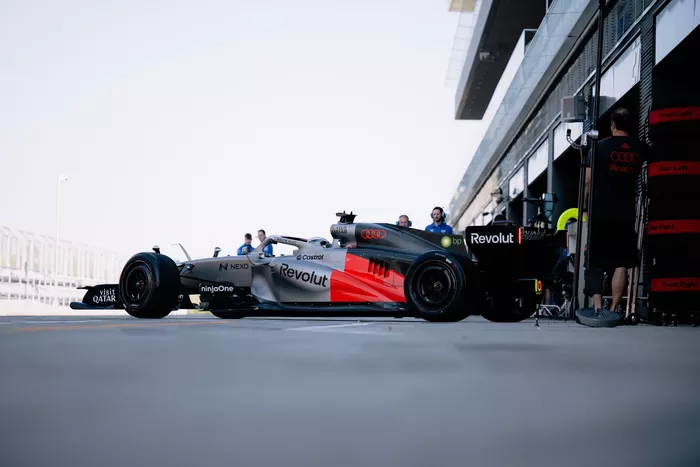
Gabriel Bortoleto recorded the fastest lap during Pirelli’s two-day tire test at the Hungaroring.
Thousands of Kilometers of Valuable Data
The testing program focused on evaluating different versions of the C3, C4 and C5 tire compounds.
Drivers completed qualifying simulations along with long race stints to measure performance, degradation and consistency under extreme conditions. Additionally, the Hungaroring presented a demanding environment, with track temperatures reaching nearly 60°C during the second day of running.
Consequently, Pirelli collected critical data to support development of its next-generation Formula 1 tires.
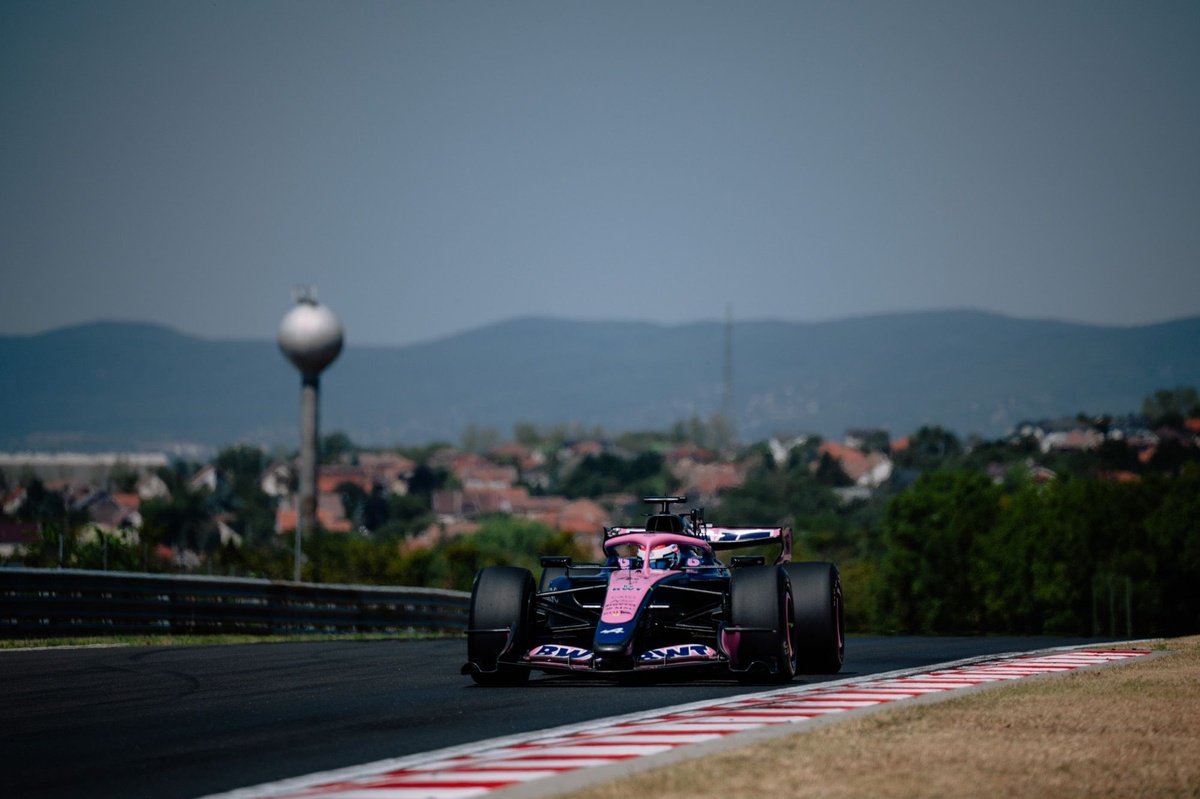
Franco Colapinto completed hundreds of kilometers while helping Pirelli develop its 2027 Formula 1 tires.
Preparation Continues for Formula 1’s Future
Across both days, the participating teams completed 660 laps, covering nearly 2,900 kilometers of running.
The extensive mileage will help Pirelli refine future tire compounds before Formula 1’s next technical era. Meanwhile, teams also benefited from additional track time following the Hungarian Grand Prix weekend.
Therefore, the Hungaroring test represented another important milestone in preparing the championship for the 2027 season.
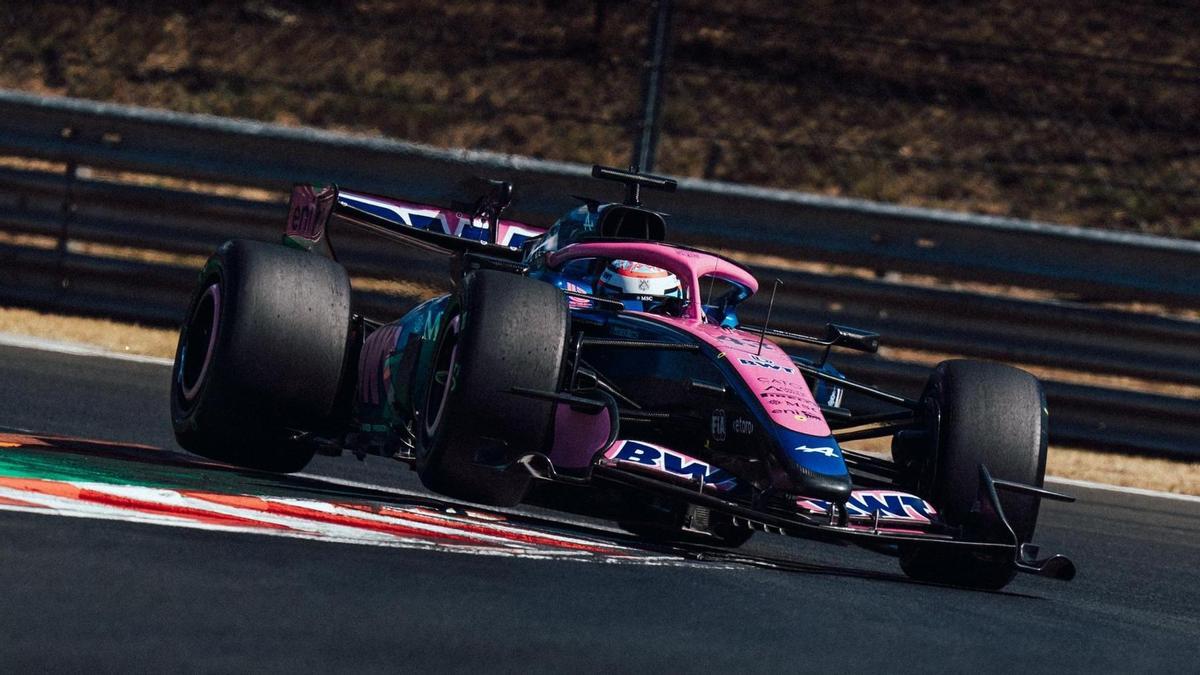
Pirelli completed another key step in developing Formula 1’s future tire compounds.
Pirelli 2027 F1 Tire Test Delivers Valuable Results
The Pirelli 2027 F1 tire test provided engineers with another opportunity to evaluate future compounds under demanding race-like conditions.
Overall, Bortoleto’s fastest lap and Colapinto’s extensive mileage helped Pirelli continue refining the tires that could shape Formula 1’s next generation of competition.
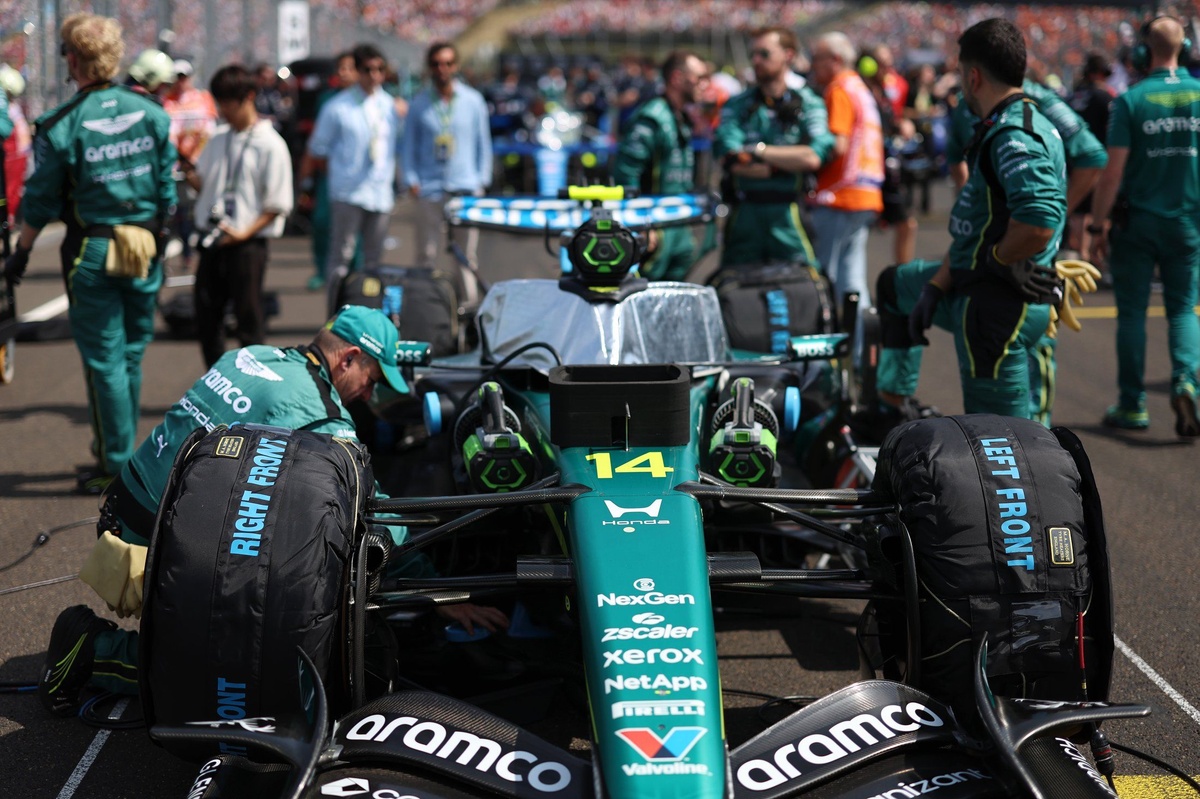
Aston Martin has completed the first track test of Honda’s upgraded Formula 1 power unit, giving the team valuable data before introducing the package at the Dutch Grand Prix.
The Aston Martin Honda engine package has taken an important step forward after the team completed its first on-track evaluation of Honda’s upgraded Formula 1 power unit. During a filming day at the Hungaroring, Aston Martin used the session to validate the revised engine before its expected race debut later this season.
Moreover, the test followed the encouraging performance shown by the team’s updated AMR26 package during the Hungarian Grand Prix weekend.
Jak Crawford Completes the Initial Test
Reserve driver Jak Crawford handled driving duties during the filming day, completing approximately 200 kilometers with the upgraded AMR26.
Although filming days are officially intended for promotional activities, teams also use them to verify new components under real track conditions. Furthermore, Aston Martin engineers worked alongside Honda technicians to compare data gathered during the Hungarian Grand Prix with the updated power unit.
As a result, the team collected valuable information ahead of the next phase of development.
Jak Crawford completed Aston Martin’s filming day with Honda’s upgraded Formula 1 engine.
Early Results Appear Encouraging
Initial feedback from the test suggests Honda’s latest upgrades have produced positive results.
According to early evaluations, engineers have significantly reduced the vibration issues that affected the power unit earlier this season. Additionally, the revised engine is expected to deliver a noticeable performance increase once introduced during a full race weekend.
Consequently, Aston Martin hopes the upgraded package will allow the team to compete more consistently for points during the remainder of the Formula 1 season.
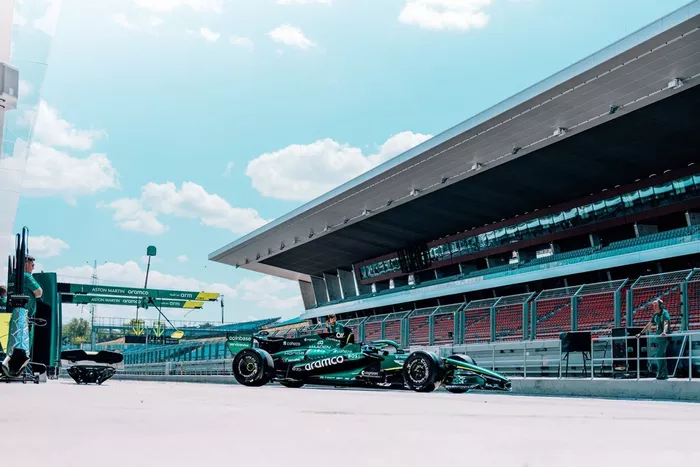
Aston Martin gathered valuable data while evaluating Honda’s revised Formula 1 power unit.
Focus Turns to the Dutch Grand Prix
The next major objective is the Dutch Grand Prix at Zandvoort, where Aston Martin is expected to introduce its complete upgraded package.
The combination of Adrian Newey’s latest aerodynamic revisions and Honda’s improved engine could provide the team’s biggest performance boost of the season. Meanwhile, engineers will continue analyzing the data collected in Hungary before finalizing the package for race conditions.
Therefore, Zandvoort is shaping up to be a crucial benchmark for Aston Martin’s progress in the second half of the championship.
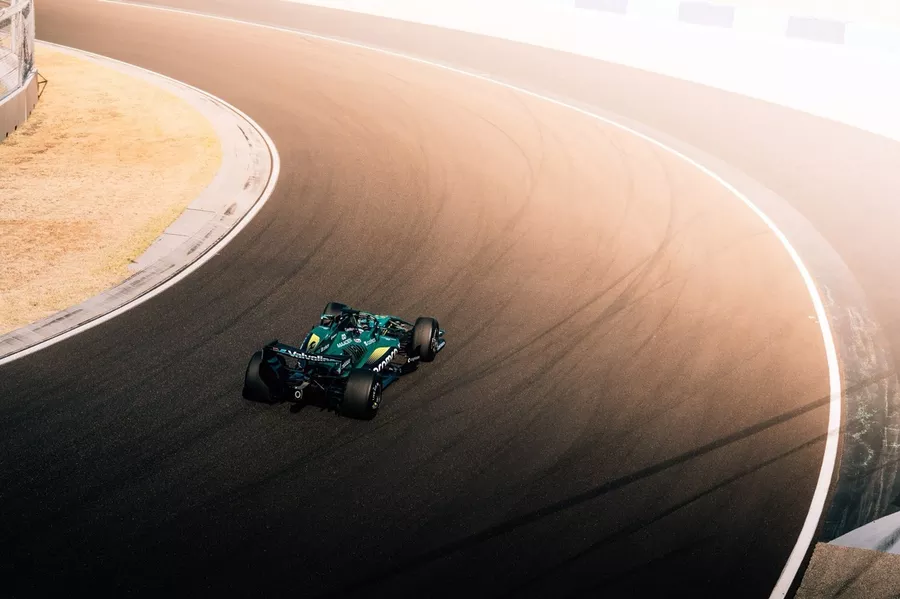
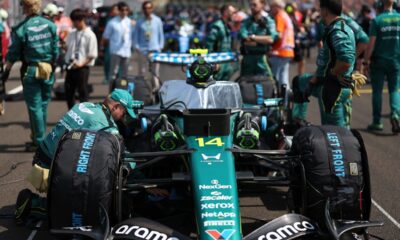
Aston Martin is expected to debut its full upgrade package at the Dutch Grand Prix.
Aston Martin Honda Engine Upgrade Brings New Optimism
The Aston Martin Honda engine test marks another important milestone in the team’s ongoing development program.
Overall, while more competitive running will be needed to measure its true potential, the initial signs are encouraging and could give Aston Martin a stronger platform to challenge for regular points as the Formula 1 season continues.
-
 TEST DRIVES2 months ago
2026 Subaru Outback Touring
-
 TEST DRIVES2 months ago
Lamborghini prepares multiple launches for 2026 as electrification plans continue
-
 INTELLIGENT MOBILITY1 month ago
2026 Cadillac Escalade IQL Redefines Luxury In The Electric SUV Segment
-
 RACING2 months ago
Barcelona-Catalunya Grand Prix: Everything You Need To Know About Formula 1’s Ultimate Benchmark Circuit
-
 RACING2 months ago
George Russell Leads Final Barcelona Practice As Kimi Antonelli Receives Reprimand
-
 RACING2 months ago
Why Formula 1 Has Pit Lane Speed Limits And How They Are Measured
-
 NOW TRENDING2 months ago
Porsche Creates A Buzz Lightyear-Inspired 911 GT3 RS That Looks Ready To Go “To Infinity And Beyond”
-
 NOW TRENDING2 months ago
2026 Audi Q7 Brings New Design, Smarter Technology, And Greater Versatility
You must be logged in to post a comment Login