
NOW TRENDING
Lotus U.S. Strategy: Emira Leads a Profitable Turnaround

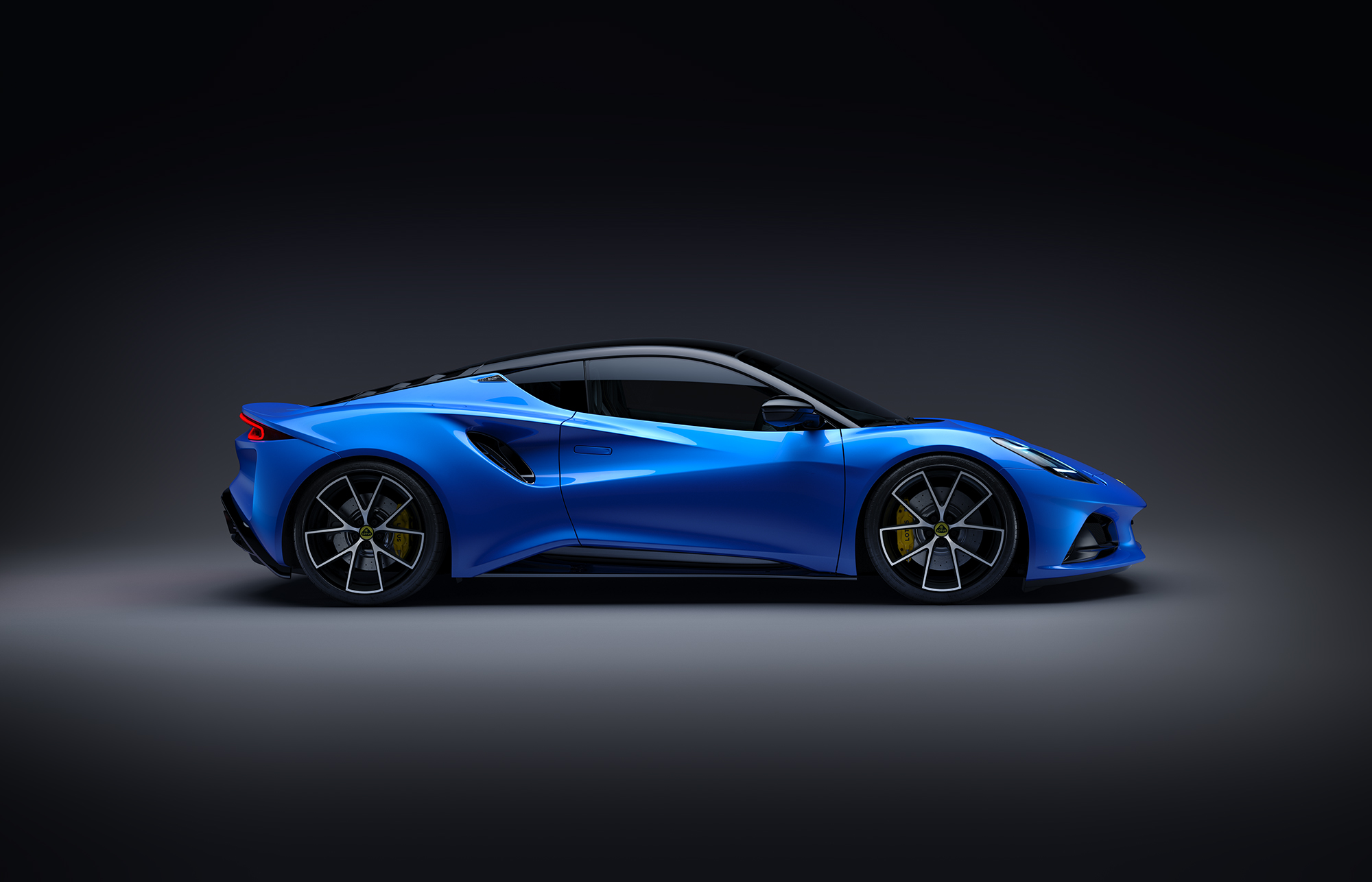
Lotus is looking to the U.S. market to drive growth while protecting its sports-car identity, with the Emira leading the strategy and future PHEV models set to follow.
Lotus sees the U.S. as a key growth market
Lotus is making the U.S. market a central part of its turnaround strategy.
The company wants to return to sustainable profitability without chasing sales volume at any cost. Instead, Lotus says it wants growth that protects its pricing power and the value of the brand.
That approach puts the U.S. in a particularly important position.
Lotus Chief Financial Officer Daxue Wang said American buyers are expected to remain especially interested in the company’s internal-combustion sports cars. The Emira is currently the key example.
Lotus’ U.S. website currently lists the Emira, Eletre, Emeya and Evija, confirming a broad presence in the American market.

The Lotus Emira remains the brand’s main internal-combustion sports car and a key part of its U.S. strategy.
The Emira is important because it keeps Lotus connected to its traditional sports-car identity.
The company currently offers the Emira in multiple configurations. Lotus’ latest range includes the Emira 420 Sport, Turbo SE and V6 SE, among others depending on market.
The car also remains closely tied to Hethel, where Lotus has manufactured its sports cars for decades. The company says Hethel has remained its manufacturing heart since 1966.
Lotus does not want growth at any cost
Sales are only one part of the turnaround plan.
Wang said Lotus is putting more emphasis on the quality of growth than on headline sales numbers. He also said the company’s gross margin has reached around 10%, with a 20% gross-margin target under its Focus 2030 strategy.
That strategy is broader than simply selling more cars.
Lotus officially announced Focus 2030 in May 2026. The plan includes greater flexibility in powertrain strategy and a new hybrid-V8 performance model.
The company is therefore trying to balance three priorities.
It wants to grow. It wants to improve margins. And it wants to preserve the character that makes Lotus different from larger luxury manufacturers.
The next sports cars will move toward PHEV power
The U.S. strategy is also connected to Lotus’ future product planning.
Wang said the company’s next generation of sports cars will move toward plug-in hybrid technology. He specifically pointed to the future Type 135, a high-performance V8-powered PHEV expected to reach global markets in 2028.
That represents an important shift.
Lotus had moved aggressively toward electrification with models such as the Eletre and Emeya. The company is now expanding its powertrain approach rather than relying on a single technology path.
For U.S. buyers, that could mean the future Lotus sports-car lineup will combine combustion power with electric assistance instead of moving directly to fully electric performance cars.

The Eletre represents Lotus’ electric “lifestyle car” strategy alongside the combustion-powered Emira.
The Eletre and Emeya occupy a different position within Lotus’ strategy.
Wang described the company’s EVs as “lifestyle cars”, while the internal-combustion models remain focused on the traditional sports-car side of the business. The executive also identified China as an important market for those lifestyle vehicles, with Europe remaining strategically important as well.
That distinction helps explain why Lotus is not abandoning its sports-car roots while it expands its EV range.
The U.S. could become Lotus’ main sports-car market
Lotus sees a particularly strong opportunity in America.
According to Wang, the U.S. is expected to be the company’s main market for sports cars. That makes the country especially important for the next generation of performance models.
The current American lineup already reflects that strategy.
Lotus USA sells the Emira alongside the Eletre and Emeya, while the Evija remains the ultra-low-volume flagship.
The company is also continuing to expand its U.S. retail and customer experience network.
Its U.S. website currently offers sales, available-car searches and test-drive opportunities for the Emira and Eletre.
That infrastructure will become more important if Lotus increases American sales with future PHEV sports cars.

The Emeya is one of Lotus’ electric performance models and is already offered in the U.S. market.
The Emeya shows how far Lotus has expanded beyond traditional sports cars.
Its current U.S. specification uses a dual-motor electric architecture with 905 horsepower and 985 Nm of torque. Lotus also highlights an 800-volt electrical system and rapid charging capability.
Those products give Lotus another way to reach customers.
But the company appears to be drawing a clear distinction between the role of high-volume lifestyle vehicles and the role of its core sports cars.
Hethel remains part of the long-term plan
The turnaround is not only about markets and products.
Lotus is also keeping its historic manufacturing base at Hethel in Norfolk, England.
Wang said the company remains committed to the site while investing in manufacturing capability, workforce development and operational efficiency.
That commitment fits Lotus’ own description of Hethel as the home of its sports-car production since 1966.
The company is also undergoing a broader organizational change.
In August 2026, Lotus announced the completion of its UK acquisition, creating one integrated global business structure for the brand.
The goal is to bring its different operations closer together as Lotus prepares for its next phase.
Lotus’ U.S. strategy will depend on margins as well as sales
The message from Lotus is becoming clearer.
The company wants the U.S. to drive growth, but it does not want to sacrifice brand value to achieve higher sales. The Emira remains central to that plan, while future PHEV sports cars are expected to broaden Lotus’ performance offering.
At the same time, the Eletre and Emeya give Lotus a presence in the growing luxury EV market.
That leaves the brand with several paths to growth.
The challenge will be making those products profitable while preserving the lightweight, driver-focused identity that defines Lotus. Its Focus 2030 strategy is designed to move the company in that direction, with higher margins and a wider range of powertrains.
For the Lotus U.S. strategy, the priorities are therefore clear: expand sales, protect pricing power and use the American market to support the next generation of Lotus sports cars. The Emira leads that effort today, while future hybrid models are expected to carry the strategy into the next decade.










-

 NOW TRENDING2 months ago
Aston Martin DBX Becomes Harry Da Souza’s Ride in MobLand
-
 TEST DRIVES2 months ago
2026 Maserati GranTurismo Trofeo Review: Miami
-
 INTELLIGENT MOBILITY2 months ago
Tesla Cybercab Navigation Problem Hits Austin Robotaxis
-

 INTELLIGENT MOBILITY2 months ago
Tesla Cybercab Cannot Be Charged at Home—Here’s Why
-
 INTELLIGENT MOBILITY2 months ago
2027 Nissan Rogue Hybrid: e-POWER Comes to America
-

 TEST DRIVES2 months ago
2026 Maserati GranTurismo Coupe
-
 Formula12 months ago
Cadillac F1 2026 Faces an Eight-Race Logistics Challenge
-

 NOW TRENDING2 months ago
2027 Lexus LS Gets Another Update, But Not in America