
NOW TRENDING
Jeep Launches New “This Is Jeep Country” Campaign


Jeep is reshaping its U.S. marketing strategy with “This Is Jeep Country,” a new campaign that connects 85 years of brand history with its current vehicle lineup and a broader community of drivers.
Jeep puts heritage at the center of its new campaign
Jeep has launched “This Is Jeep Country,” a new U.S. marketing campaign built around the brand’s history, vehicles and community.
The campaign debuted on September 9, 2026. It connects Jeep’s 85-year history with the brand’s long-standing focus on freedom, capability and adventure.
The central idea comes from Jeep’s own history. The campaign presents America as the brand’s first customer, linking the company’s origins in 1941 with its current SUV lineup.
The new campaign is also broader than a traditional vehicle advertisement. Jeep is using television, streaming, digital, social, experiential and out-of-home media to distribute the message.
The campaign’s U.S. focus is clear. It uses American landscapes, real Jeep-owner experiences and several generations of the brand’s vehicles to create a single identity.
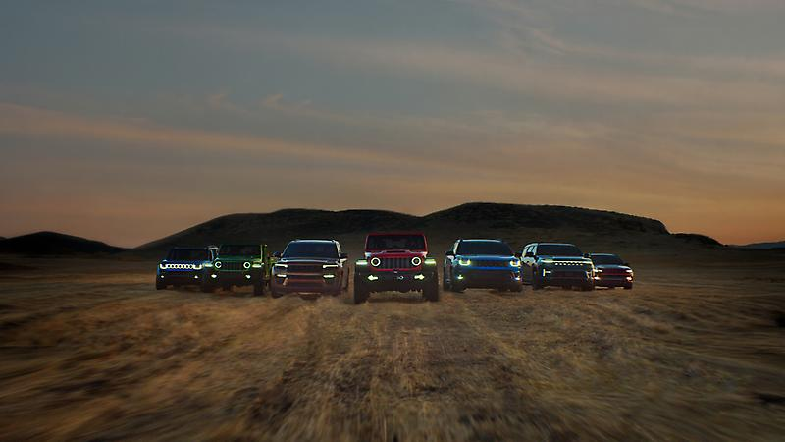
Jeep’s U.S. marketing continues to connect its vehicle lineup with outdoor driving, adventure and American landscapes.
The entire Jeep lineup becomes part of the story
One of the most important changes is the size of the campaign.
Jeep is not promoting just one model. Wrangler, Gladiator, Grand Cherokee, Cherokee, Compass, Grand Wagoneer and the all-electric Recon are all included.
That gives Jeep a common message across very different vehicles.
The Wrangler and Gladiator represent the brand’s traditional off-road image. The Grand Cherokee and Grand Wagoneer bring a stronger focus on comfort and luxury. The Recon adds an electric model to the same broader brand story.
Jeep says the vehicles appear across deserts, forests, mountains and coastlines. The campaign also incorporates footage from real owners and enthusiasts.
That community element is important.
Instead of presenting Jeep only through professionally produced footage, the campaign includes moments from actual owner experiences. Jeep says the approach is intended to recognize the people who have helped build its enthusiast community over the decades.
The campaign expands beyond one audience
The U.S. campaign also includes Hispanic and African American digital extensions.
These versions adapt the central message for different audiences while remaining connected to the main campaign. The extensions are running across digital and online channels.
This gives Jeep a broader way to communicate its brand identity.
The goal is not to create separate identities for each audience. Instead, the campaign keeps the same core themes while changing elements of the creative approach.
That is particularly relevant for a nationwide brand with a large and diverse customer base.
A different tone for Jeep’s marketing
“This Is Jeep Country” also marks a shift in the way Jeep presents itself.
The campaign puts heritage and brand identity ahead of a specific vehicle feature. The vehicles remain central, but the story begins with Jeep’s history and the people who drive its products.
The result is a campaign built around a simple idea: Jeep Country is not limited to one road or one type of vehicle.
The brand uses that idea to connect its off-road heritage with modern SUVs and the upcoming Recon EV.
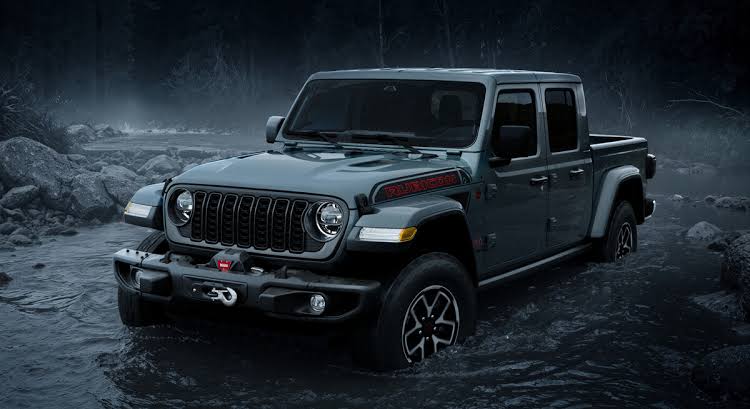
Jeep’s current U.S. portfolio combines traditional SUVs, trucks and newer electrified models under one brand identity.
NFL and streaming expand the reach
The campaign is also designed for a wide media footprint.
Jeep says “This Is Jeep Country” will appear across NFL and football media, as well as digital, connected TV and streaming platforms. The listed services include Disney+, Paramount+, Max and Peacock.
That gives Jeep access to both traditional television audiences and consumers watching content through streaming services.
The campaign was created in partnership with Chicago-based agency Highdive. It combines advertising with social, experiential and out-of-home activity.
Jeep’s new direction arrives with new leadership
The campaign also arrives during a period of change inside the brand.
Branden Coté became Jeep CEO in August 2026, and the new campaign represents one of his first major national marketing initiatives. The strategy puts a stronger emphasis on Jeep’s heritage and its relationship with owners.
At the same time, Jeep is expanding its vehicle portfolio.
The brand is adding new electrified products while maintaining traditional gasoline-powered models. The new Recon EV is an important part of that transition.
That makes the campaign useful beyond marketing.
It gives Jeep a common identity that can cover different types of vehicles as the lineup changes.
A campaign designed to connect old and new
The key challenge for Jeep is maintaining a recognizable identity while the brand changes its products.
“This Is Jeep Country” addresses that challenge by focusing on heritage, community and adventure rather than one particular powertrain.
The Wrangler can fit into the same narrative as the electric Recon. The Gladiator can share the same campaign with the Grand Wagoneer. Each model represents a different part of the Jeep lineup.
The campaign therefore gives Jeep a single U.S. message across its current portfolio.
“This Is Jeep Country” is now rolling across television, streaming, digital, social and experiential channels, making it one of Jeep’s broadest U.S. marketing efforts of 2026.









Ford pauses F-150 production in Michigan
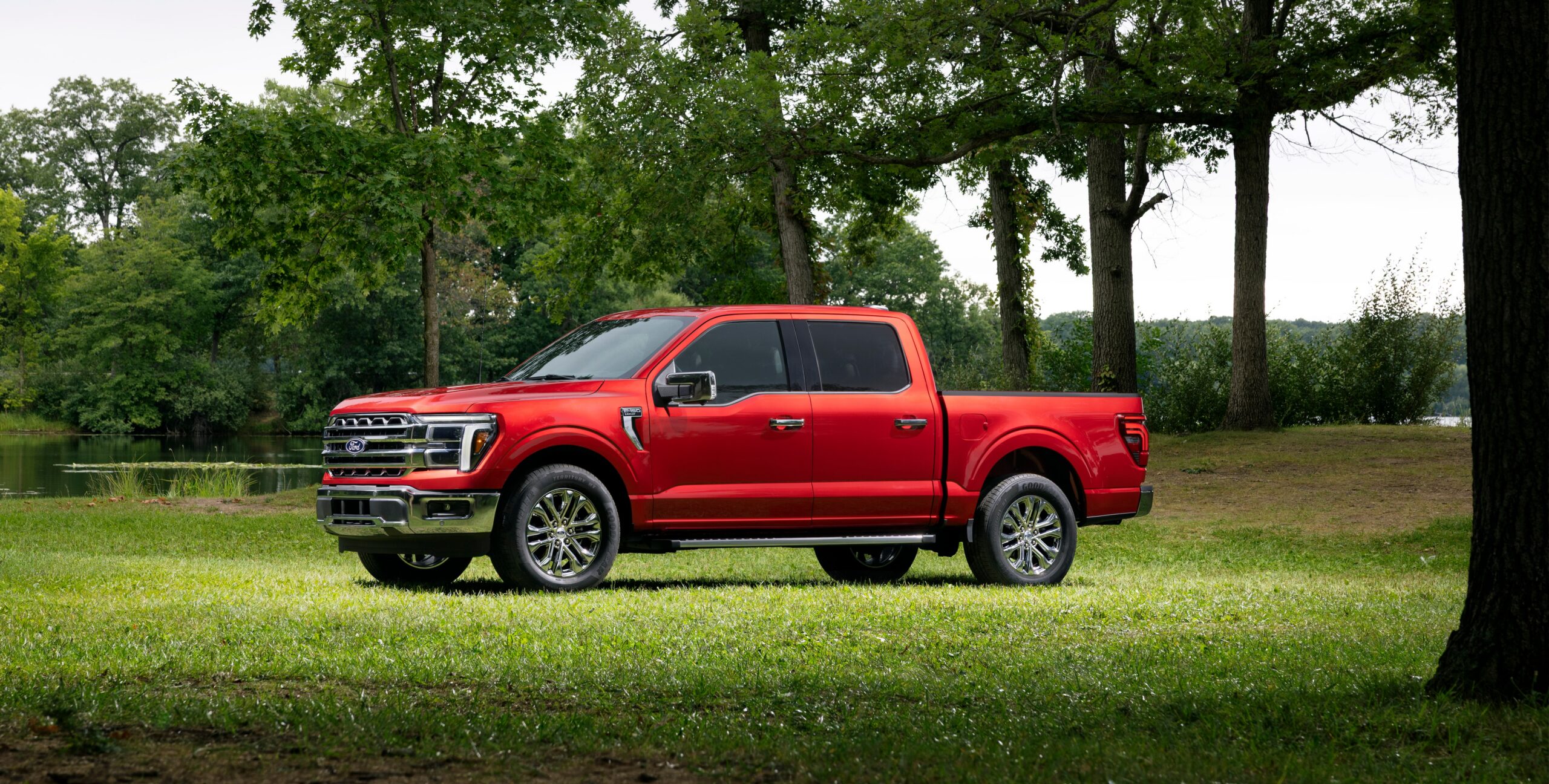
Ford has temporarily halted F-150 production at its Dearborn Truck Plant in Michigan because of a supply problem.
According to a company memo, all production crews at the facility were canceled from September 24 through September 29, 2026. The disruption affects one of Ford’s most important truck factories in the United States.
Ford’s Dearborn facility currently builds the F-150 and F-150 Raptor. The factory had around 4,995 employees as of June 2026, according to Ford’s plant information.
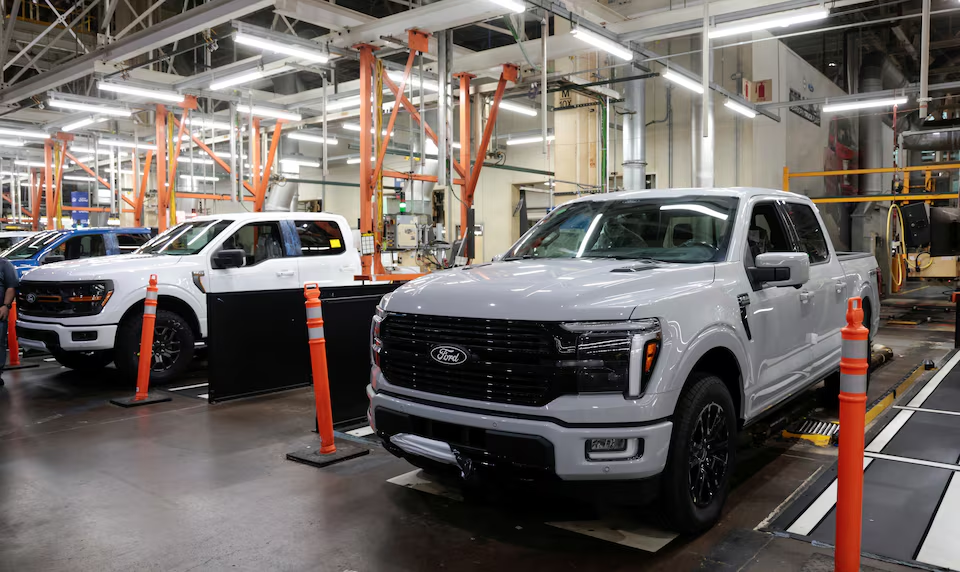
F-150 pickups move through the Dearborn Truck Plant, one of Ford’s key U.S. production facilities.
The exact supplier involved has not been identified.
People familiar with the situation told Reuters that the shutdown is linked to a supply problem. They also said the issue is unrelated to the aluminum shortage that affected Ford’s truck production after a fire at a supplier last year.
That distinction matters.
Ford had already been working to recover production lost during the earlier aluminum disruption. The latest shutdown creates another interruption as the company tries to increase F-Series output.
Kansas City also cuts some shifts
The impact is not limited to Michigan.
Ford’s Kansas City Assembly Plant in Missouri also canceled some F-Series shifts during the week because of the same supply issue, according to people familiar with the situation.
Kansas City builds both the F-150 and Ford Transit. Ford lists the facility as one of its current U.S. production sites for the F-150.
The company is also adjusting production elsewhere.
The Kentucky Truck Plant near Louisville increased truck production to help offset some of the lost output from other facilities.
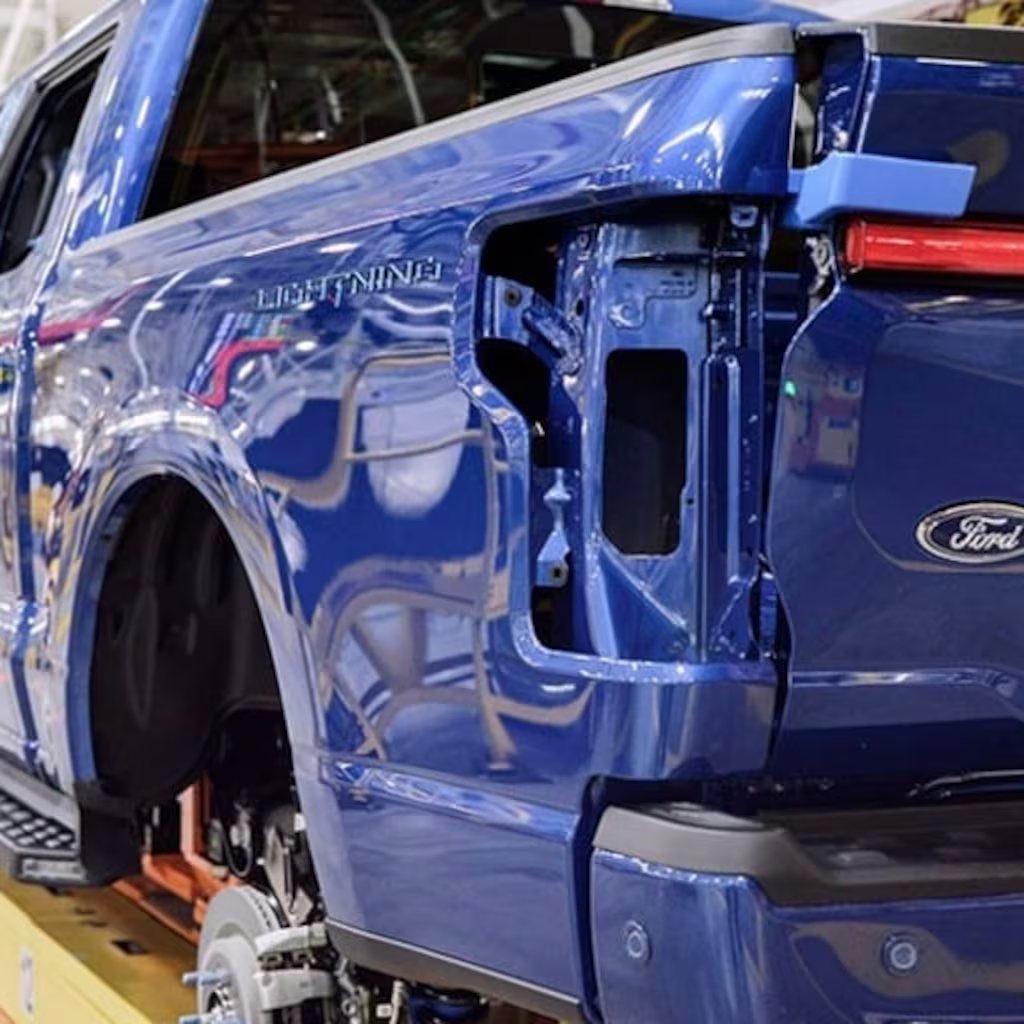
The F-150 moves through Ford’s manufacturing process before final delivery.
The changes show how closely connected Ford’s truck factories are.
A shortage at one supplier can affect several plants at once. Ford then has to move production between facilities to limit the impact.
This becomes especially important for the F-Series.
F-150 remains central to Ford’s truck strategy
The F-150 is the core of Ford’s U.S. pickup business.
Ford had planned to increase F-Series production in 2026 after the earlier aluminum-related disruption. The automaker said it intended to add more than 50,000 trucks of production capacity and create up to 1,000 jobs across its truck manufacturing operations.
At Dearborn, Ford planned to add a third crew capable of producing more than 45,000 additional F-150 gas and hybrid trucks in 2026.
The current production halt therefore comes at an inconvenient time.
The company is trying to restore output while also managing a complex supply chain for its highest-volume truck line.
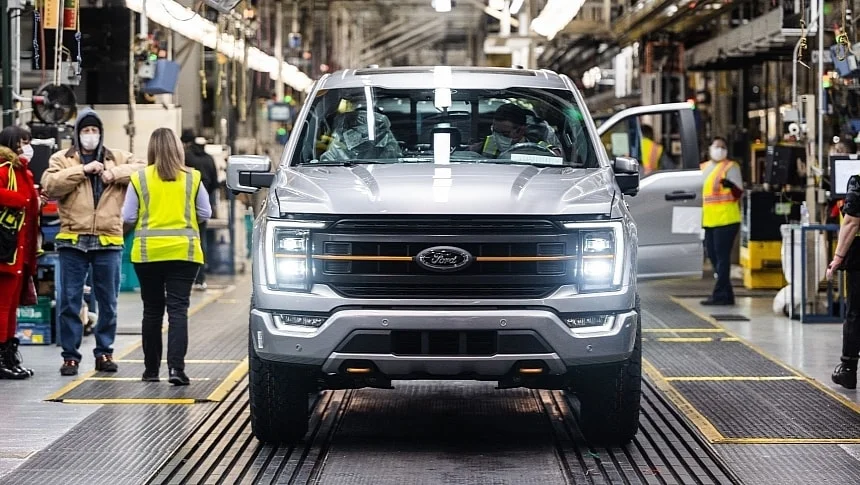
Rows of F-150 pickups inside the Dearborn Truck Plant highlight the scale of Ford’s truck operation.
Ford’s overall sales performance also adds context.
Through August 2026, Ford’s vehicle sales were down about 10% year over year, while F-Series sales were down 11%, according to the latest figures cited in the report.
The F-Series therefore remains important not only for production volume, but also for Ford’s broader U.S. sales performance.
The latest disruption is different from the aluminum shortage
Ford has spent much of 2026 recovering from the effects of the earlier aluminum supply disruption.
The company previously announced plans to raise F-Series production and add workers after a fire at a supplier’s aluminum facility reduced output.
The latest problem is different.
The supplier behind the September disruption has not been identified publicly. The available information only confirms that it is a separate supply issue.
That leaves Ford with limited room for error.
A production shutdown of several days can quickly reduce vehicle output. It can also force the company to move workers, parts and production schedules between plants.
Ford faces another test for its truck supply chain
The Dearborn shutdown is currently scheduled to run through September 29 based on the memo cited in the report. Other Ford facilities are making adjustments to compensate for the lost production.
The company has not publicly detailed the supplier problem or provided a full estimate of the number of F-150s affected.
For now, the situation is being managed through production changes at several U.S. plants.
The Ford F-150 production halt in Dearborn highlights how quickly a supply problem can spread through a large truck manufacturing network. With Kansas City also affected and Kentucky increasing output, Ford is using its U.S. production footprint to limit the disruption while it works to restore normal F-150 assembly.
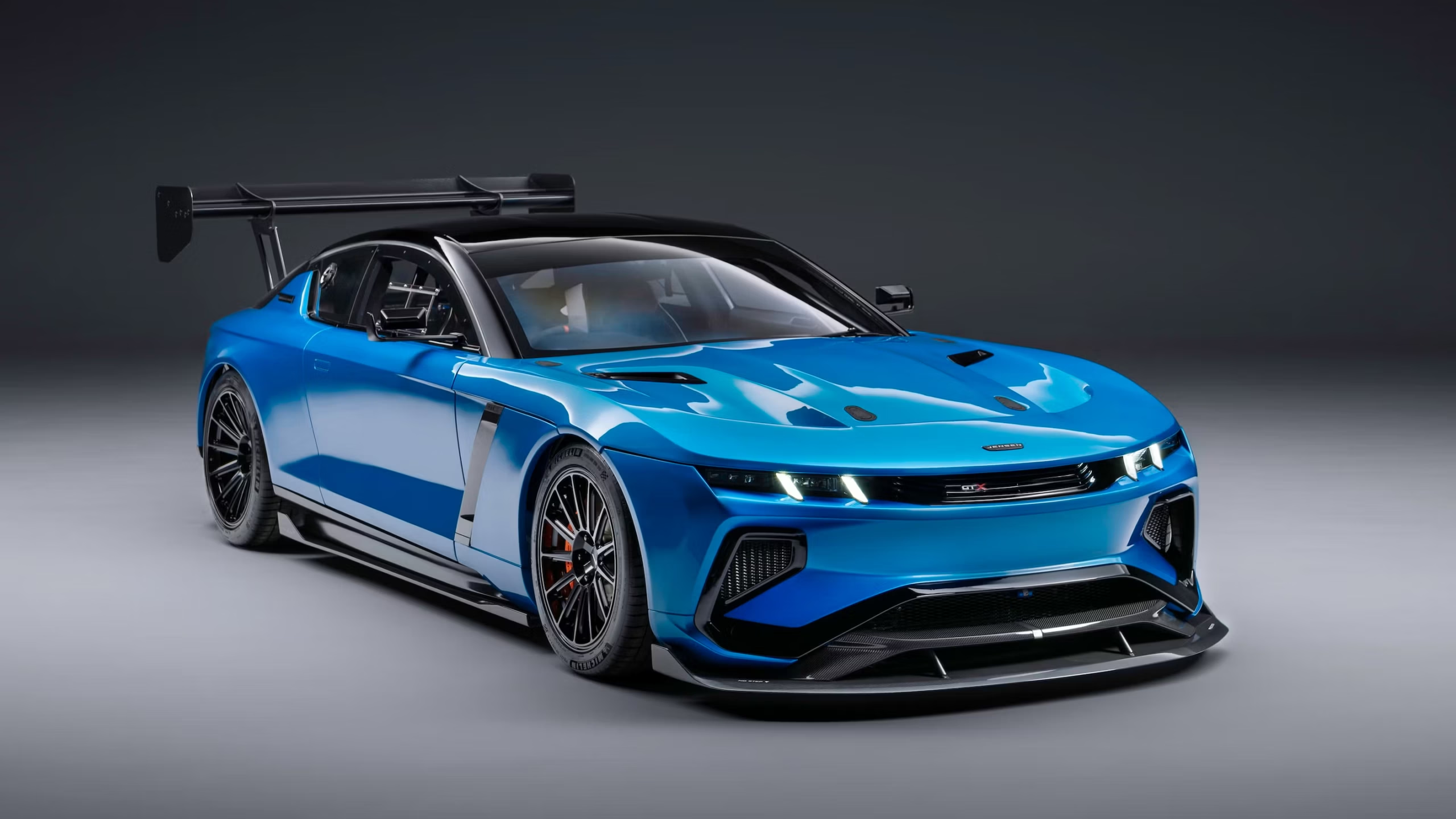
The new Jensen Interceptor GTX brings back the famous British name with a 960-hp supercharged V8, rear-wheel drive and a track-focused design.
Jensen brings back the Interceptor with a new GTX
The Jensen Interceptor GTX has entered its next phase of development.
The new model is not a restoration of the classic Interceptor. Instead, Jensen International Automotive has created an entirely new car that uses the historic name as inspiration. The GTX is currently a track-only prototype and serves as the engineering base for future road-going models.
Jensen says the car is being developed and handcrafted in the United Kingdom. It combines modern engineering with proportions inspired by the original Interceptor, which first appeared in 1966.
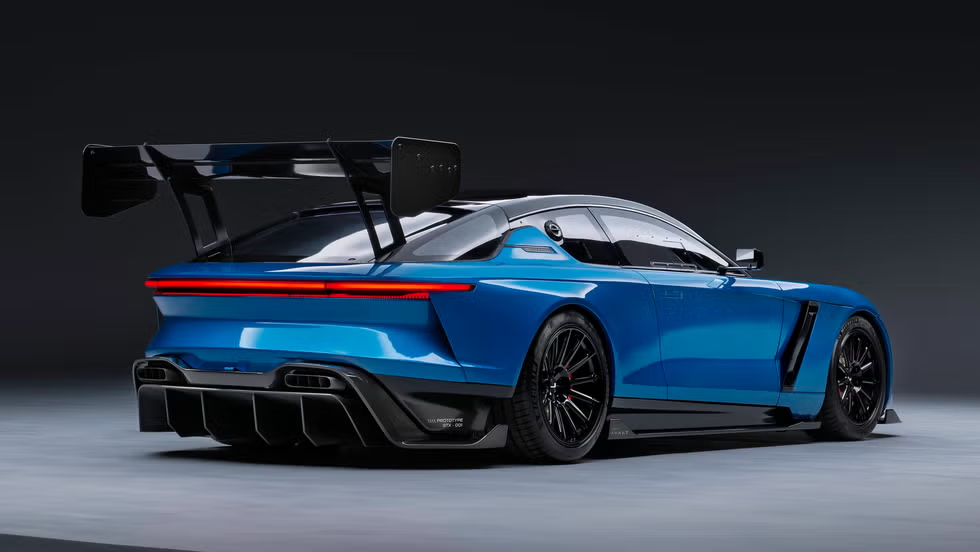
The GTX keeps the long hood and fastback profile associated with the original Interceptor while adding modern aerodynamic hardware for the track.
The result is a much more aggressive machine than the classic road-going Jensen.
The body uses hand-formed aluminum panels over an aluminum chassis. Jensen also adds a large rear wing, a deep rear diffuser and extensive carbon-fiber aerodynamic elements.
A supercharged V8 sits at the center
The biggest change is under the hood.
The Interceptor GTX uses a 6.8-liter supercharged V8 based on a General Motors engine architecture. Jensen sent the engine to Texas-based Late Model Engines, where it received extensive modifications.
Jensen quotes 960 bhp for the GTX.
The company also says the engine has the potential to reach up to 1,200 bhp with additional tuning. That gives the GTX a very large performance margin for a car developed primarily for track use.
The engine sends its power exclusively to the rear wheels.
That is combined with a six-speed sequential transmission and a carbon-fiber driveshaft. Future road cars could use different transmission solutions, including a conventional automatic or manual gearbox.
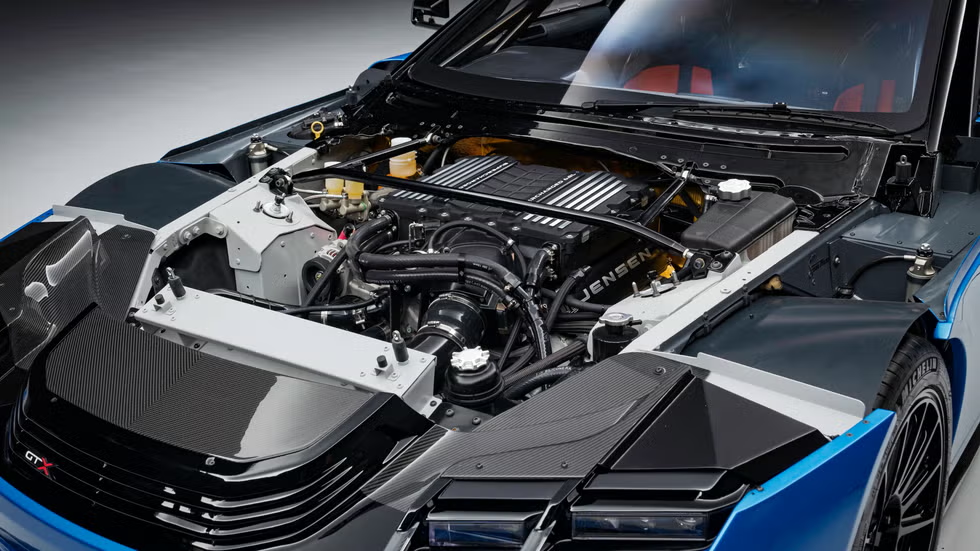
The supercharged 6.8-liter V8 gives the GTX its extreme output while Jensen continues testing the complete powertrain.
The engine is not the only part designed for serious performance.
Jensen says the GTX uses adjustable electronics, double-wishbone suspension and three-way adjustable dampers. The car also uses forged 20-inch Vossen wheels with Michelin Pilot Sport 4S tires.
The braking system is also designed for track use.
Steel brake rotors are paired with a brake-balance adjustment inside the cockpit. This gives the driver more control when preparing the car for different track conditions.
Aerodynamics are a major part of the package
The GTX’s design is much more than a modern interpretation of the classic Interceptor.
The front end features a large splitter and additional aerodynamic surfaces. Air-extraction openings behind the front wheels help manage heat around the brakes.
The rear is even more dramatic.
Jensen has fitted a large adjustable rear wing that can generate more than 771 pounds of downforce, according to the car’s published specifications. A large diffuser also helps manage airflow under the body.
The GTX’s rear combines a full-width lighting signature with a large diffuser and adjustable wing designed to increase track performance.
The cabin follows the same philosophy.
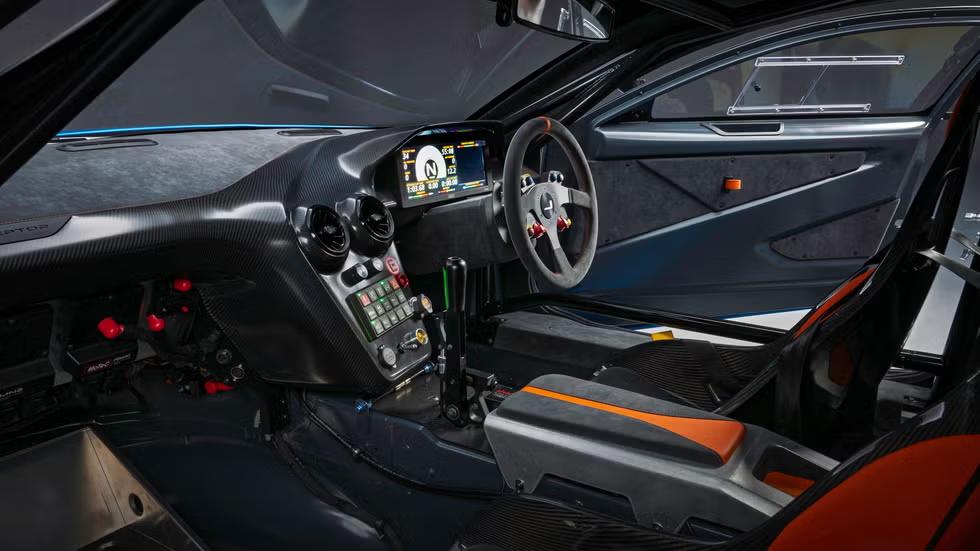
Inside, Jensen uses carbon-fiber seats, an FIA-approved roll cage, six-point harnesses and a fire-suppression system. The layout is focused on driving rather than luxury equipment.
That makes sense for the current GTX.
This version is a development vehicle and a track machine. Jensen is using it to test the architecture, powertrain and chassis before moving toward the road-going Interceptor models.
The GTX is only the beginning
Jensen has already outlined what comes next.
The company plans to develop an Interceptor GTR as a road-legal high-performance model. A more comfort-focused Interceptor GT will follow as the grand-touring version.
Both cars will share engineering DNA with the GTX.
However, their designs will be better suited to road use. Jensen has indicated that the GTR will retain much of the GTX’s aggressive character, while the GT will place greater emphasis on luxury and long-distance driving.
The company has not announced final production dates or prices for those versions.
The GTX itself is also expected to remain an ultra-limited track car while development continues. Jensen says dynamic testing and evaluation are now part of the program.
For now, the Jensen Interceptor GTX is the clearest expression of the company’s new direction.
It combines a British hand-built body with an American-derived V8, rear-wheel drive and modern motorsport technology.
The 960-hp GTX is not yet the road-going Jensen of the future, but it is the machine being used to develop the GTR and GT models that will eventually bring the new Interceptor to public roads.
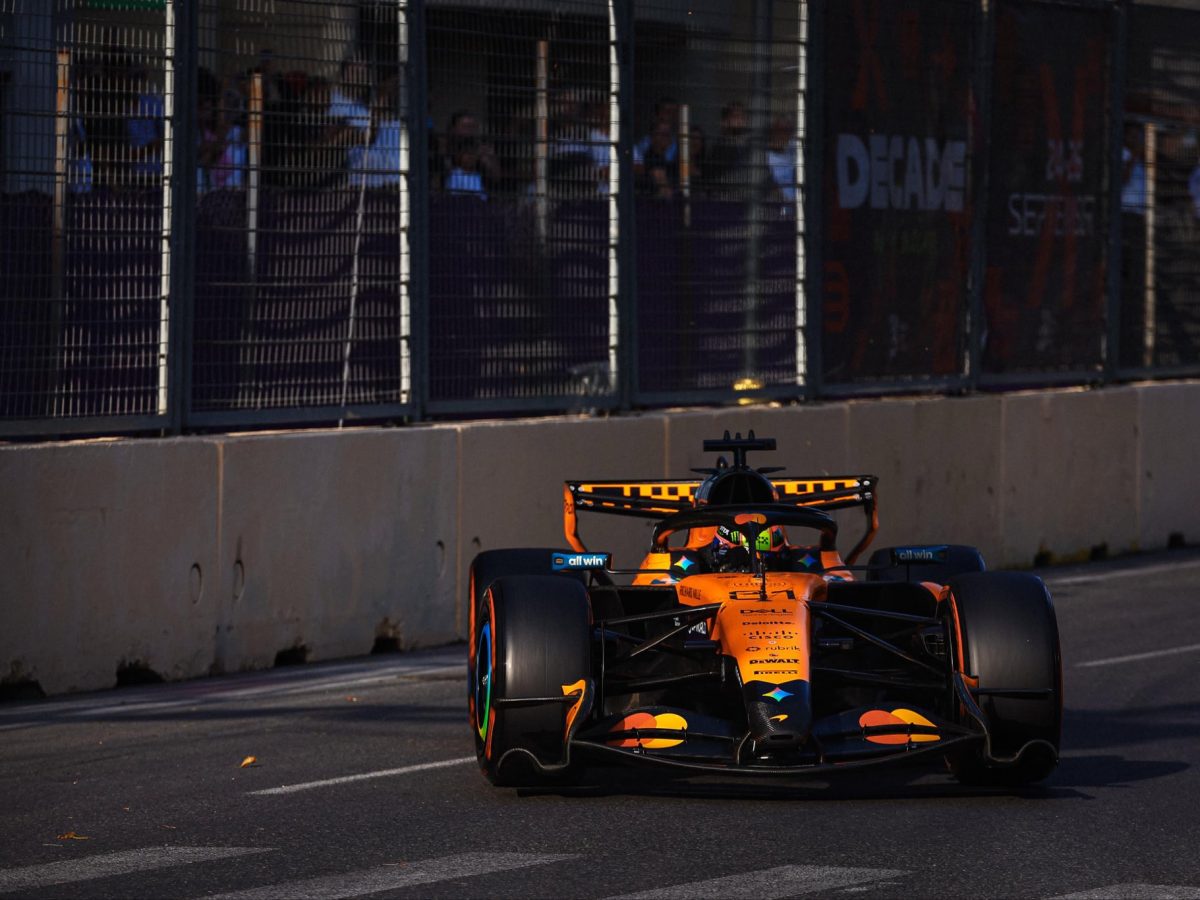
Oscar Piastri will start third at the 2026 Azerbaijan Grand Prix after McLaren found a late step in performance, although George Russell remained out of reach in the final phase of qualifying.
McLaren found its speed when it mattered
Oscar Piastri will start the 2026 Azerbaijan Grand Prix from P3 after a strong qualifying session at the Baku City Circuit.
McLaren had struggled to show its full potential during practice. The team then unlocked more performance in Q3, allowing Piastri and Lando Norris to briefly move to the front of the timing screen.
Piastri eventually stopped the clock at 1:43.364, just 0.001 seconds behind Charles Leclerc. George Russell claimed pole position with a 1:42.526.
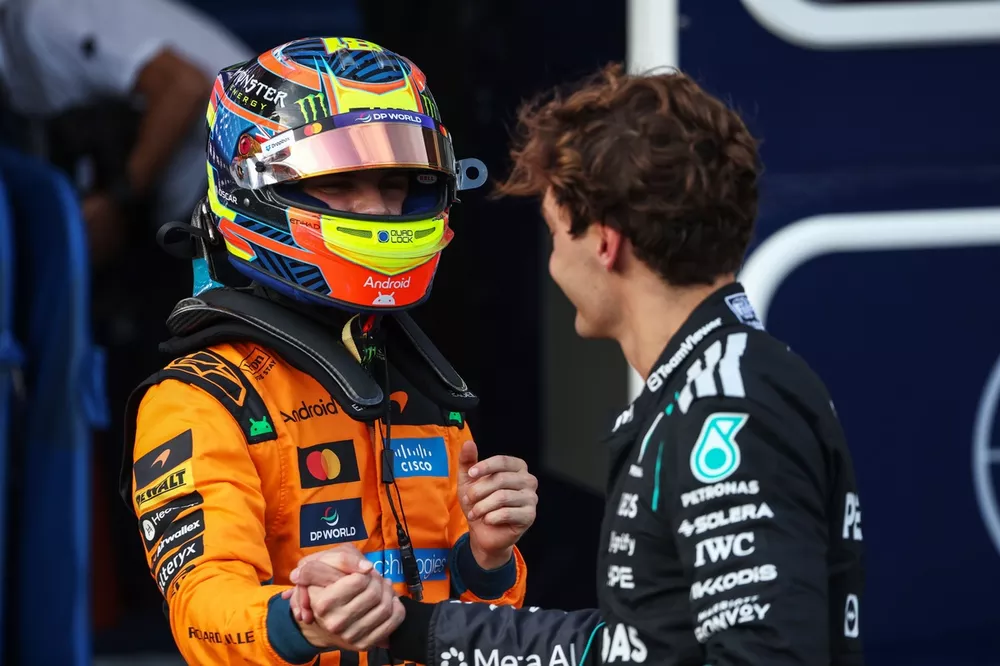
Piastri’s MCL40 looked stronger as qualifying progressed, despite McLaren starting the session on the back foot.
The jump in performance was familiar to Piastri.
“We seem like we’re a bit on the back foot through practice,” the Australian explained after qualifying. He added that McLaren repeatedly finds an extra step once qualifying begins.
The first Q3 runs created even more optimism.
Piastri and Norris temporarily occupied the top two positions. Russell then produced a much faster final run and took pole by 0.837 seconds over Leclerc.
For Piastri, the difference was clear.
He said there was “no hope against George” after seeing the Mercedes driver complete his final lap.
The wind made Baku even harder
Piastri also pointed to the strong and changing wind as one of the biggest challenges around Baku.
The conditions were already noticeable in practice. McLaren reported stronger gusts on Friday, with the wind contributing to several yellow flags during FP3.
The Australian said that keeping the car stable was difficult even on the straights.
A sudden gust could change the balance of the MCL40 from one lap to the next. Piastri also noted that wind-speed differences could be substantial, forcing drivers to adapt constantly.
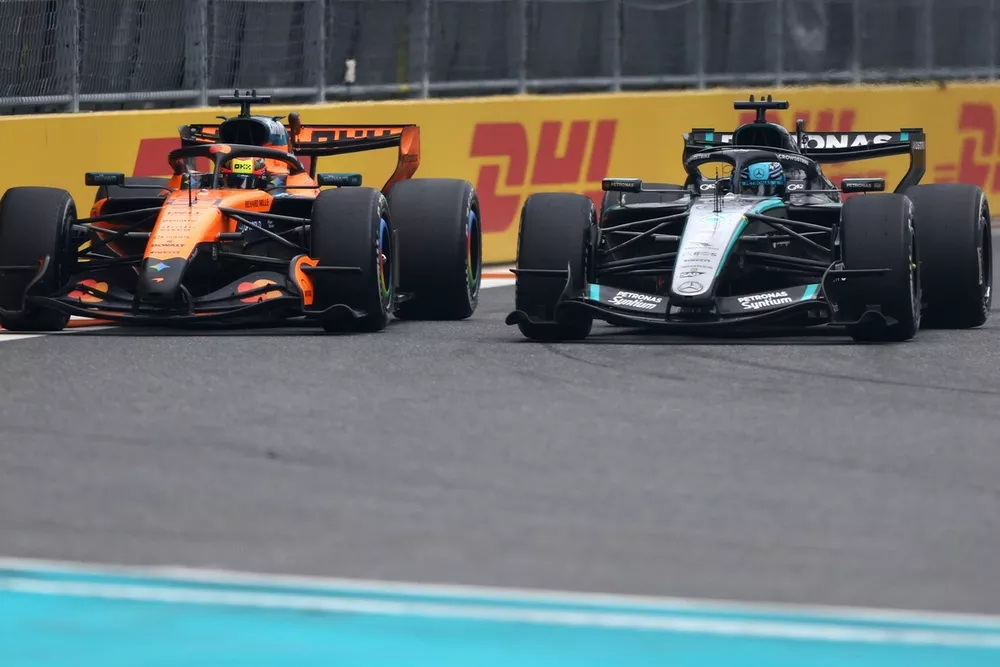
Piastri will start on the second row alongside Leclerc, with Russell taking pole position in Baku.
That is especially important at a street circuit.
Baku combines long straights with slow corners and very little margin for error. McLaren’s technical team described the circuit as a difficult compromise between straight-line speed and corner performance.
The team also introduced upgrades this weekend.
McLaren said the new package was performing as expected, while an overnight revision to the floorboards proved effective during Friday’s running.
That progress helped Piastri find the final tenths he needed.
McLaren has a strong starting position for the race
Starting third gives Piastri a clear opportunity to fight at the front.
McLaren expects the race to be complicated. The team highlighted tire degradation, Safety Cars and changing race conditions as factors that could alter the order.
That creates an important difference from qualifying.
Russell may have been far ahead over one lap, but McLaren’s own analysis suggests its race pace looked stronger than its qualifying pace during Thursday’s running.
Piastri also has a strong record at this circuit.
He won the 2024 Azerbaijan Grand Prix after a long battle with Charles Leclerc. McLaren is therefore returning to a venue that has already produced one of the Australian’s best Formula 1 results.
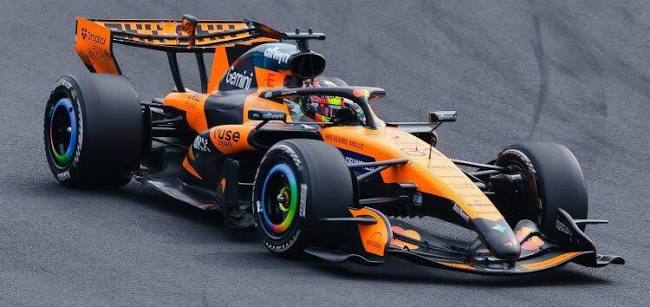
The MCL40 takes on the narrow castle section of Baku, one of the most demanding parts of the circuit.
The second McLaren will start further back.
Norris qualified P5 after locking up on his final qualifying lap. He also admitted that McLaren still has some straight-line performance issues to solve.
That leaves Piastri as McLaren’s best-placed driver on the Baku grid.
The Australian’s objective is now straightforward: stay in the leading group and be ready when the race changes shape.
The Oscar Piastri Baku qualifying result gives McLaren a strong starting position after a difficult practice period. Piastri will line up third behind Russell and Leclerc, with the race offering another chance to turn McLaren’s late qualifying pace into a podium challenge.
-

 NOW TRENDING1 month ago
Tesla Cybercab Gets September 3 Austin Launch Date
-
 INTELLIGENT MOBILITY2 months ago
GM Updates Infotainment System With Smarter Features
-
 NOW TRENDING2 months ago
2027 Audi Q9 and SQ9 Debut as Brand’s Largest SUVs
-
 NOW TRENDING2 months ago
2027 Hyundai Tucson Spied With New Design and Hybrid Power
-
 NOW TRENDING2 months ago
2026 Toyota GRMN Corolla Debuts as the Ultimate Hot Hatch
-
 NOW TRENDING2 months ago
Every GM Assembly Plant Operating in the U.S. in 2026
-
 NOW TRENDING2 months ago
Ferrari Sold Out Through 2027 as Demand Hits New High
-

 NOW TRENDING1 month ago
Audi’s New SUVs Could Help Reverse Its Sales Decline in 2026
You must be logged in to post a comment Login