
NOW TRENDING
Hyundai Palisade, Santa Fe And IONIQ 5 Named Among Kelley Blue Book’s Best Family Cars For 2026


Hyundai continues to strengthen its reputation among American families. The automaker has announced that three of its most popular models have been recognized on Kelley Blue Book’s 2026 Best Family Cars list, highlighting the brand’s commitment to safety, practicality and everyday usability.
The vehicles honored include the 2026 Hyundai Palisade, 2026 Hyundai Santa Fe and 2026 Hyundai IONIQ 5. Together, the three models account for a quarter of all vehicles selected for this year’s awards.
The recognition reflects Hyundai’s ability to offer solutions for a wide variety of family lifestyles, from traditional three-row SUVs to advanced all-electric vehicles.

The 2026 Hyundai Palisade was recognized by Kelley Blue Book as one of the best three-row family SUVs available today.
Three Hyundai Models Earn Top Family Honors
Kelley Blue Book evaluates vehicles using criteria that matter most to families, including safety, reliability, efficiency, value and overall practicality.
For 2026, Hyundai earned recognition in multiple categories.
The Palisade and Santa Fe were both selected among the best three-row midsize SUVs, while the IONIQ 5 secured a place among the top compact SUVs for families.
The achievement demonstrates Hyundai’s broad appeal across different segments of the automotive market.
Why Families Continue To Choose The Hyundai Palisade
The Hyundai Palisade remains one of the brand’s most important family vehicles.
Its spacious three-row interior, premium materials, advanced safety technologies and generous cargo capacity make it an attractive choice for larger households.
Hyundai has also focused on thoughtful storage solutions and comfort features that help simplify daily life and long-distance travel.
These qualities helped the Palisade earn its place on Kelley Blue Book’s list once again.
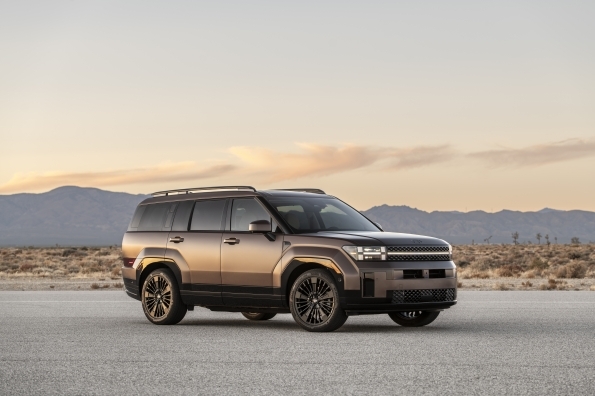
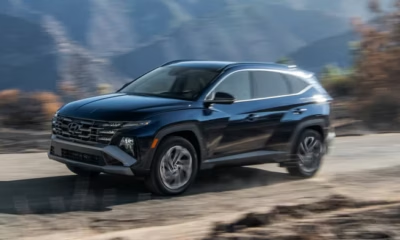
The redesigned 2026 Hyundai Santa Fe combines flexible interior space with family-friendly practicality and modern technology.
Santa Fe Delivers Flexibility For Growing Families
The Hyundai Santa Fe offers a different approach to family transportation.
Its versatile cabin allows owners to easily switch between carrying passengers and transporting larger cargo. Combined with modern technology and advanced driver-assistance systems, the Santa Fe continues to attract buyers looking for flexibility without moving into a larger SUV segment.
Hyundai says the vehicle was designed to adapt to the changing needs of modern families, whether for daily commuting or weekend adventures.
The IONIQ 5 Brings Electric Mobility To Family Buyers
The Hyundai IONIQ 5 represents the electric side of Hyundai’s family-focused strategy.
Its spacious cabin, flat-floor design and advanced technology create a comfortable environment for both drivers and passengers. At the same time, its electric powertrain offers families an efficient alternative to traditional gasoline-powered vehicles.
The model has become one of Hyundai’s most successful EVs in the United States and continues to receive recognition for its design and practicality.

The Hyundai IONIQ 5 brings electric technology, interior space and everyday practicality together in one family-friendly package.
Hyundai’s Formula For Family Success
According to Hyundai, families should not have to choose between efficiency, technology, comfort and versatility.
That philosophy is reflected across the Palisade, Santa Fe and IONIQ 5, three vehicles that address different needs while maintaining the qualities most buyers prioritize.
From spacious three-row SUVs to innovative electric vehicles, Hyundai’s lineup continues to evolve alongside the demands of modern American families.
The latest recognition from Kelley Blue Book reinforces the brand’s position as one of the strongest family-focused automakers in the U.S. market.








George Russell has reflected on a challenging opening half of the 2026 Formula 1 season, thanking Mercedes and the fans while insisting the team will continue pushing after the summer break.
The George Russell F1 2026 campaign has been filled with both highs and frustrating setbacks. Despite several missed opportunities during the opening half of the Formula 1 season, the Mercedes driver says he remains focused on the positives and is determined to continue fighting when racing resumes after the summer break.
Moreover, Russell believes the championship is still wide open, with plenty of races remaining and opportunities to recover.
A Strong Start Followed by Difficult Moments
Russell opened the 2026 season in impressive fashion by converting pole position into victory at the Australian Grand Prix. He also added another highlight by winning the Sprint race in China.
However, his momentum quickly changed. Mechanical issues during qualifying in Shanghai cost him another pole position, while later races brought a series of setbacks, including strategy problems, penalties, reliability issues and race-ending incidents.
As a result, Russell has often been unable to capitalize on his pace throughout the first half of the season.
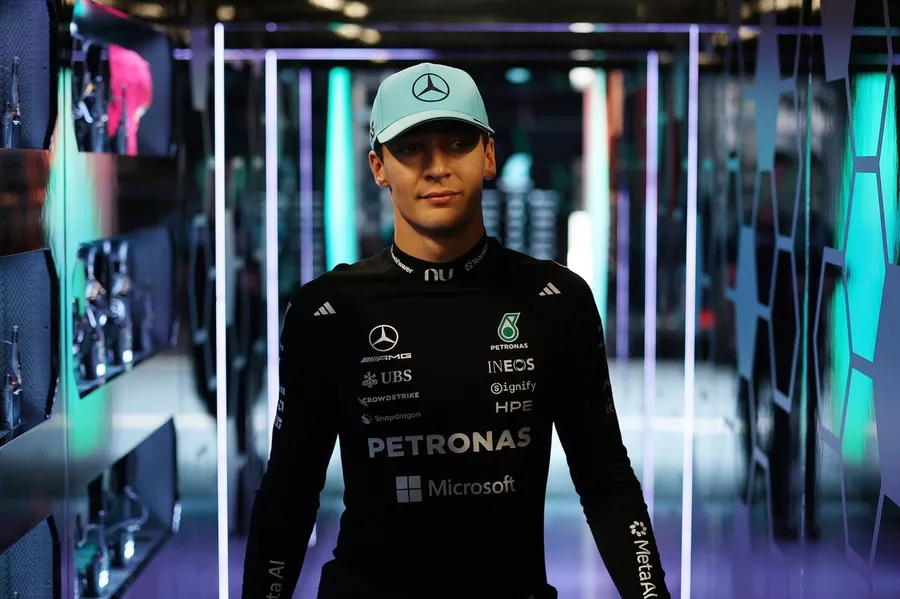
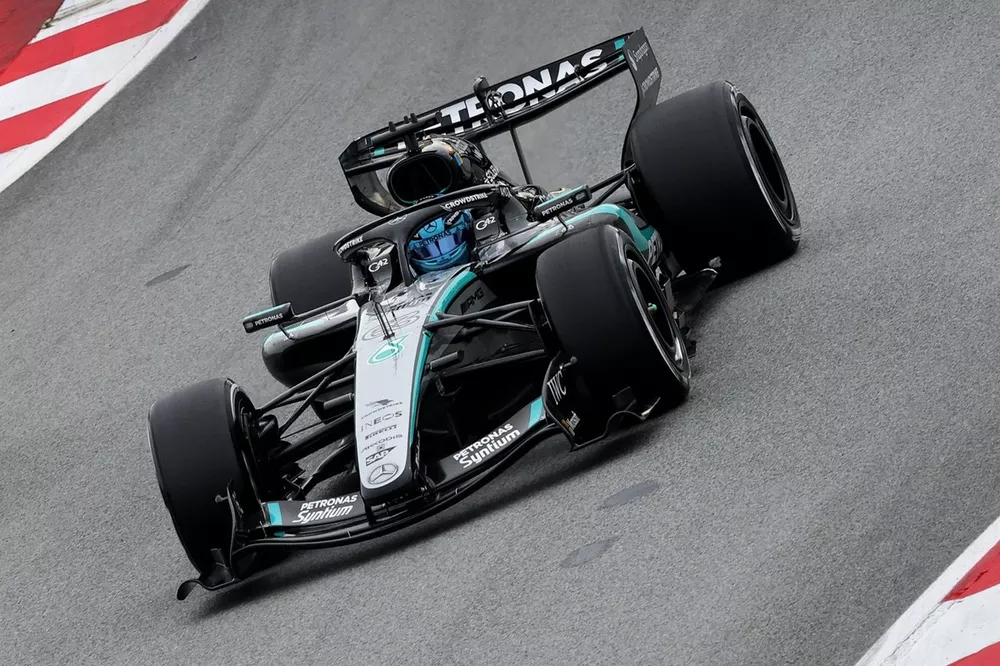
George Russell remains optimistic despite a difficult opening half of the 2026 Formula 1 season.
Mercedes Driver Refuses to Lose Confidence
Despite the challenges, the George Russell F1 2026 story remains one of determination.
Following the Hungarian Grand Prix, Russell shared a message thanking Mercedes for its hard work and expressing gratitude to the fans for their continued support. Furthermore, he emphasized that the team will keep pushing because anything can still happen before the end of the championship.
That positive mindset reflects Mercedes’ determination to improve during the second half of the season.
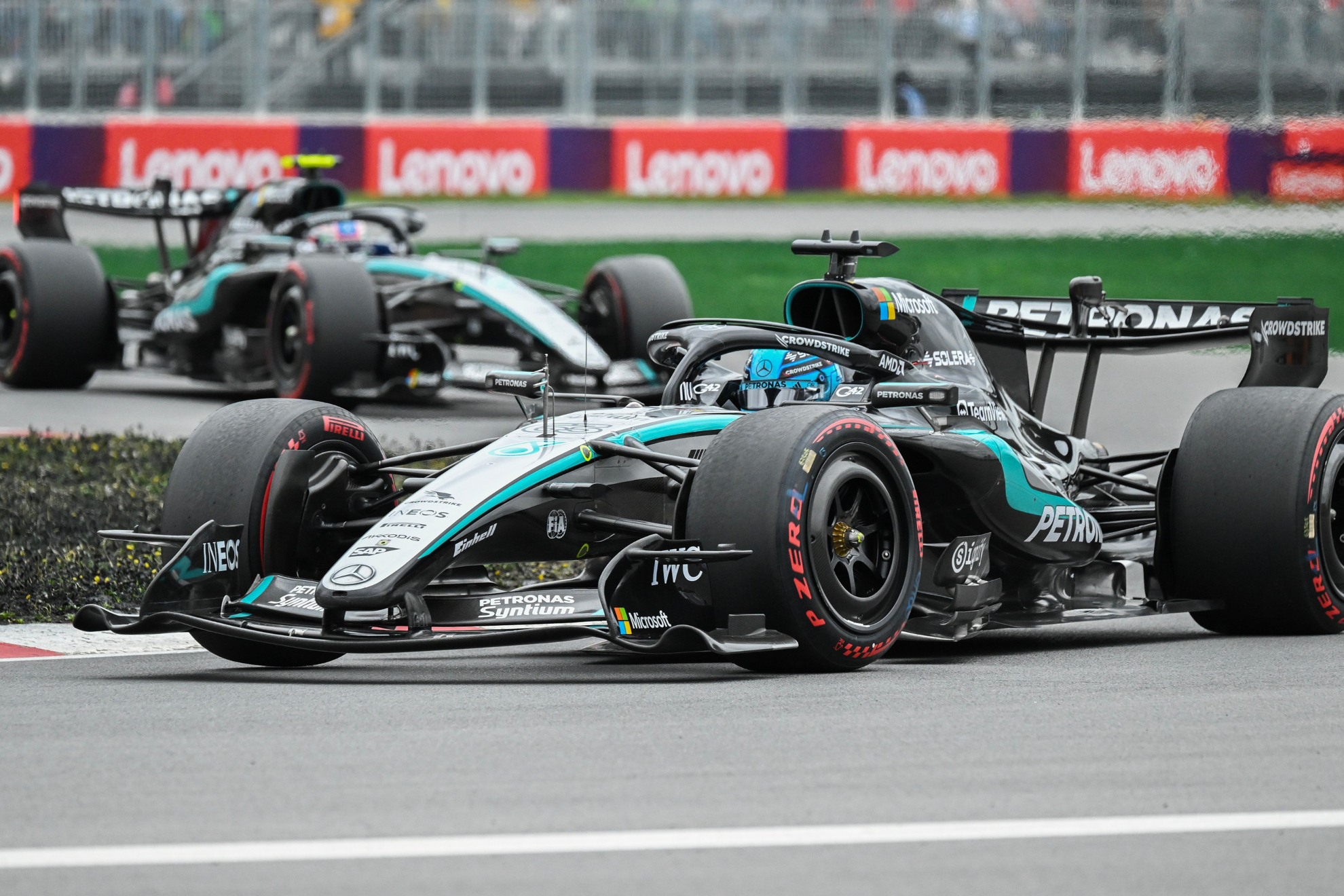
Russell thanked Mercedes and the fans while promising to keep fighting for stronger results.
Third in the Championship Despite the Setbacks
Although luck has rarely been on his side, Russell enters the summer break in third place in the Drivers’ Championship with 160 points.
He currently sits just nine points behind second place, while teammate Andrea Kimi Antonelli leads the standings after an impressive start to his sophomore Formula 1 season.
Consequently, Russell remains well positioned to challenge for higher championship positions once racing resumes.
Everything Still to Play For
The George Russell F1 2026 campaign is far from over.
Mercedes expects to continue developing the car during the second half of the season, giving Russell additional opportunities to convert his pace into stronger results. Therefore, the British driver believes consistency and perseverance will be essential in the races ahead.
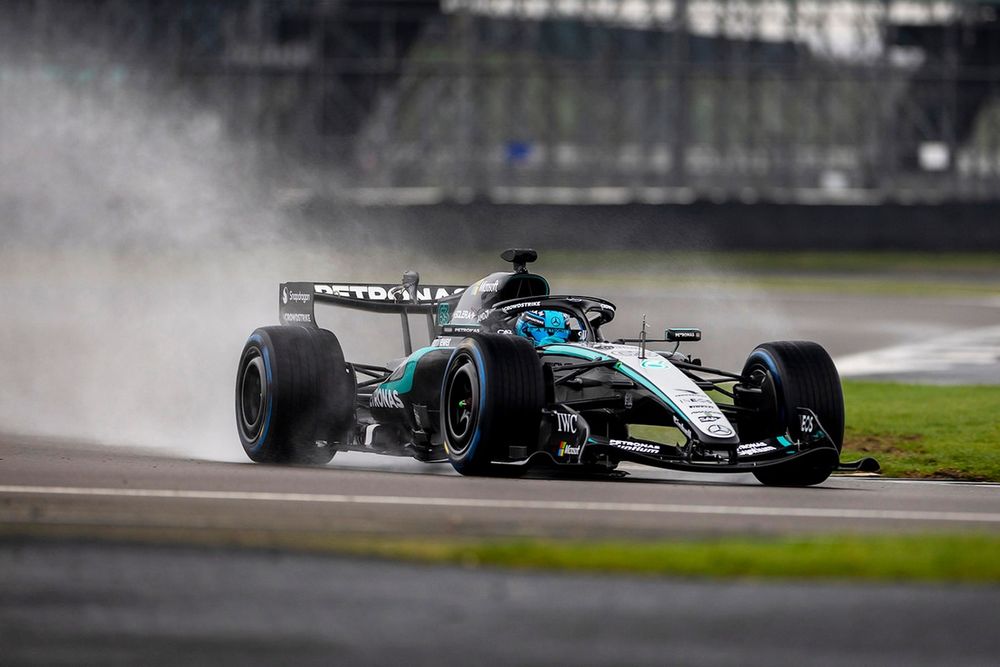
Russell heads into the summer break believing Mercedes can still fight for stronger championship results.
Russell Looks Ahead With Confidence
Although the first half of the season has included its share of disappointment, George Russell F1 2026 remains focused on the bigger picture.
Overall, the Mercedes driver is choosing optimism over frustration, convinced that the combination of hard work, continued development and remaining races can still change the outcome of his championship campaign.
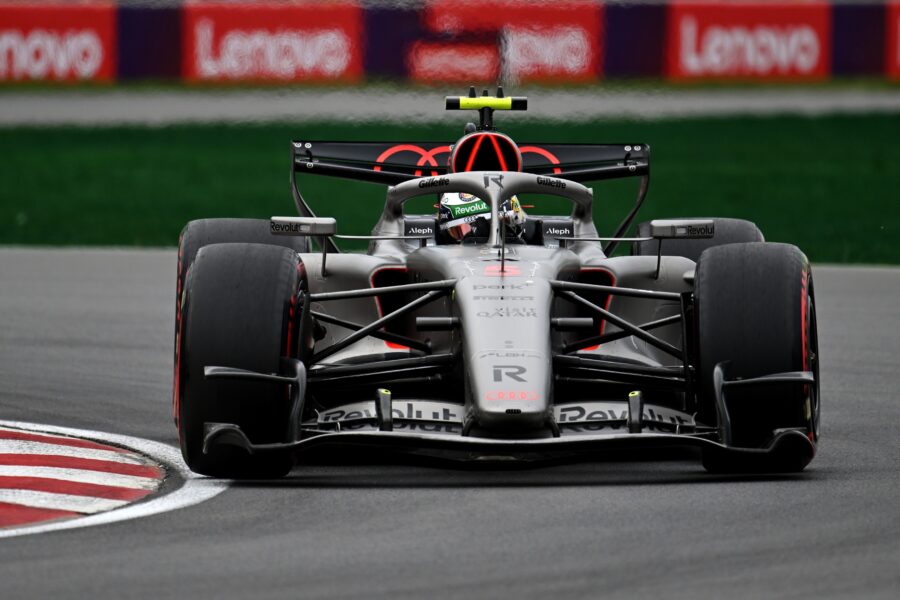
Audi has confirmed that its Formula 1 power unit will not receive another major upgrade during the remainder of the 2026 season as the manufacturer shifts its focus toward long-term development for 2027.
Audi has confirmed that its Audi F1 power unit will not receive another major hardware upgrade before the end of the 2026 Formula 1 season. Instead, the manufacturer will focus its resources on a larger development package planned for 2027.
Moreover, the decision reflects Audi’s long-term strategy as it balances performance gains with Formula 1’s financial regulations.
Budget Limits Shape Audi’s Development Strategy
Although Audi introduced an upgraded power unit package at the Spanish Grand Prix, the team has decided not to develop another major hardware update this season.
According to Audi team principal Allan McNish, the decision is driven by the championship’s cost cap. Every Formula 1 team must carefully balance spending between chassis development and power unit improvements while ensuring sufficient resources remain for future projects.
As a result, Audi believes investing in a larger upgrade for 2027 offers a better return than introducing another costly package during the current campaign.
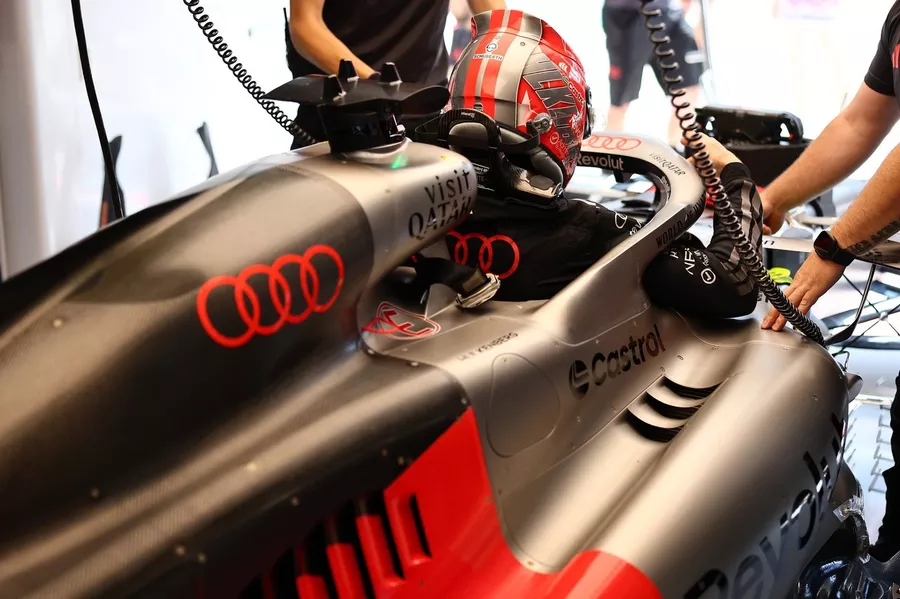
Audi is focusing its Formula 1 power unit development on a major upgrade planned for 2027.
Barcelona Upgrade Delivered Noticeable Progress
The Audi F1 power unit received its first significant update during the Spanish Grand Prix.
Rather than increasing outright performance, the package focused on improving driveability. According to Nico Hülkenberg, the revised power unit delivered smoother power delivery and better throttle response, addressing one of the biggest weaknesses of Audi’s package earlier in the season.
Furthermore, Audi’s recent progress has been reflected in its results. The team has scored points in each of the last three races, allowing it to move ahead of Williams in the Constructors’ Championship.
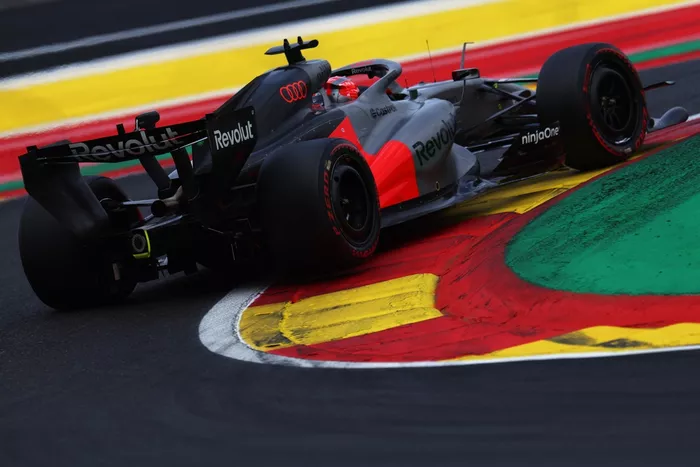
Audi’s Barcelona upgrade improved driveability and helped the team make consistent progress.
Why Driveability Matters in Formula 1
Hülkenberg explained that improving a power unit involves much more than increasing horsepower.
The way torque is delivered, throttle response and gearshift quality all influence how drivers control the car at the limit. Additionally, smoother power delivery makes it easier to accelerate out of corners while maintaining balance and maximizing grip.
Consequently, even subtle improvements can translate into valuable lap time during a Formula 1 race.
Audi Is Already Looking Toward 2027
Audi has made it clear that its next major Audi F1 power unit upgrade will focus on new hardware scheduled for the 2027 season.
Meanwhile, the team will continue developing its chassis throughout the remainder of 2026 while extracting additional performance from its existing engine package through setup optimization and software refinements. Therefore, fans should not expect another significant hardware change before next year.
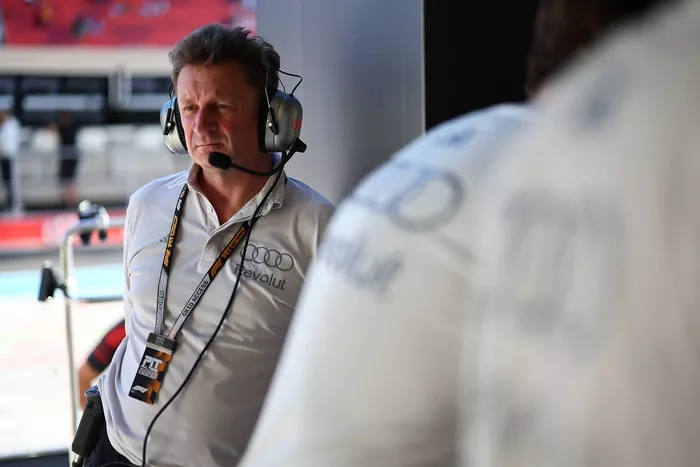
Audi will continue chassis development while preparing its next major power unit upgrade for 2027.
Long-Term Planning Takes Priority
Audi’s decision highlights the reality of modern Formula 1 development under strict financial regulations.
Overall, by postponing major power unit upgrades until 2027, the manufacturer aims to maximize its long-term competitiveness instead of pursuing short-term gains during the remainder of the 2026 season.
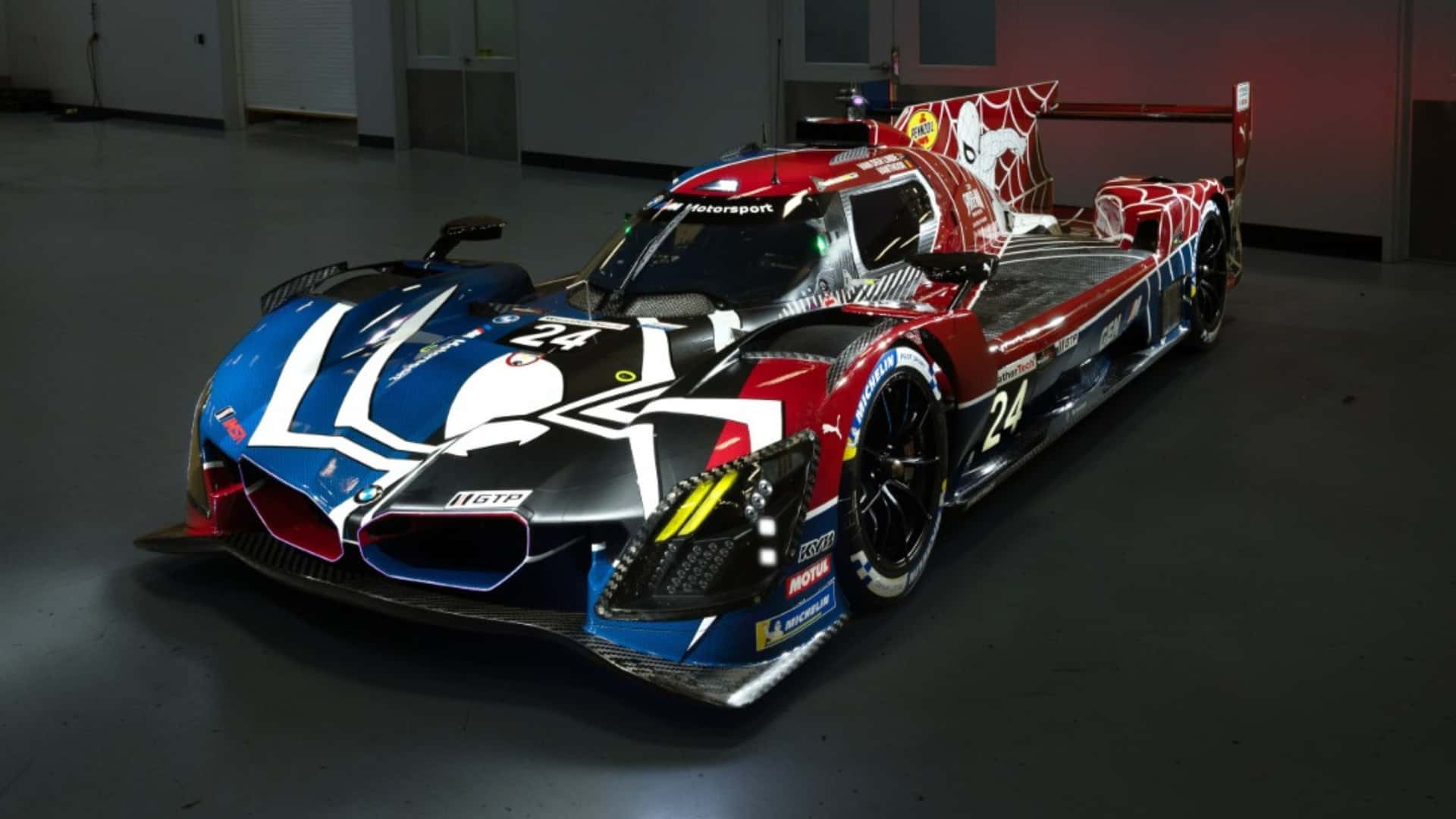
BMW is bringing Spider-Man to the racetrack with a one-off M Hybrid V8 livery for this weekend’s IMSA WeatherTech SportsCar Championship while expanding its collaboration with Marvel and Sony.
A One-Off Spider-Man Design for Road America
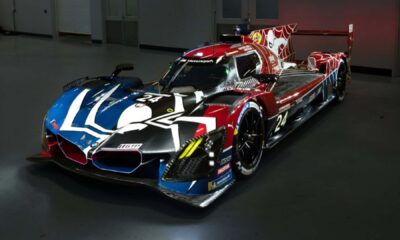
The BMW M Hybrid V8 Spider-Man race car features a striking combination of blue, red and white, matching the superhero’s instantly recognizable color scheme.
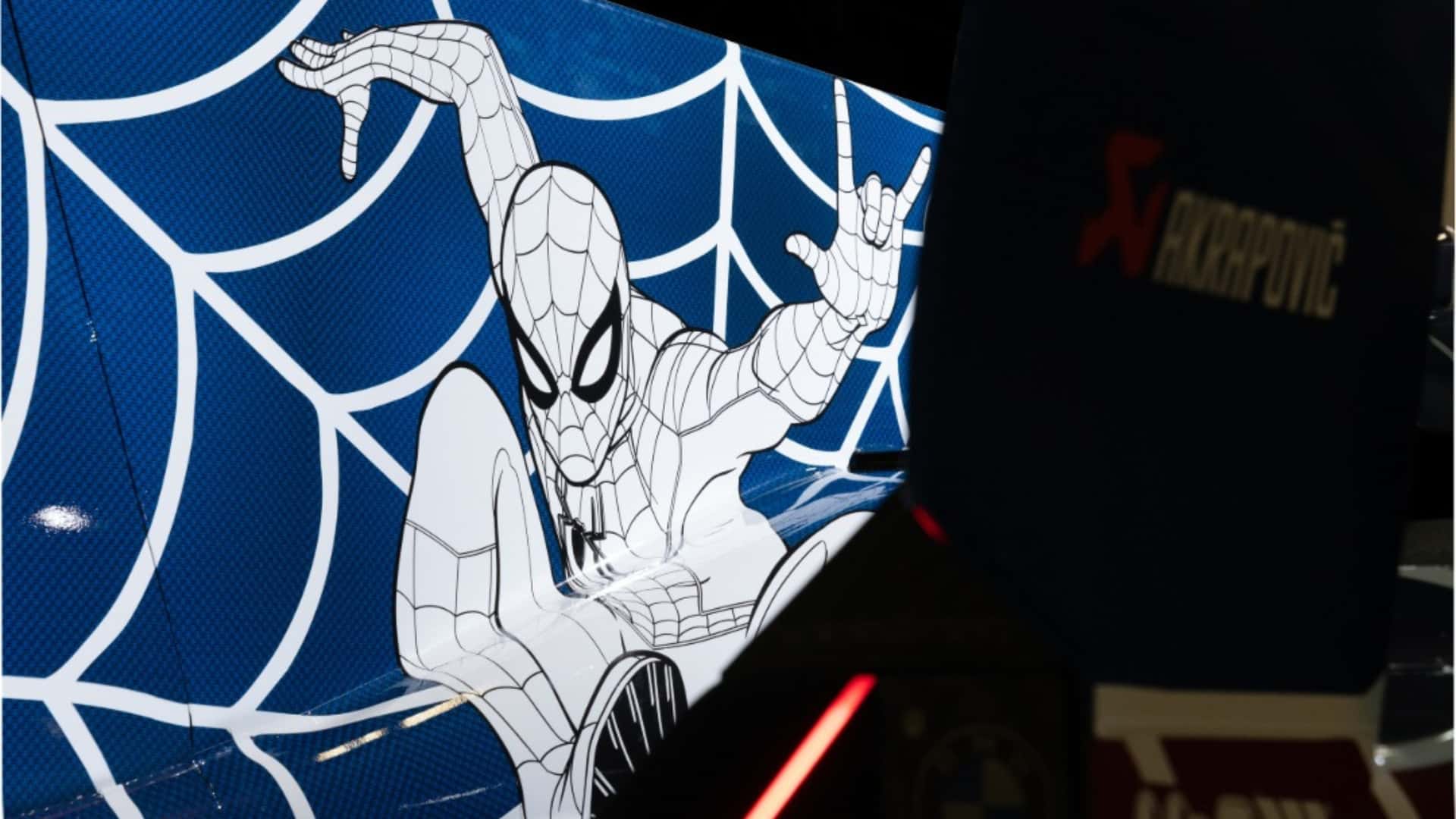
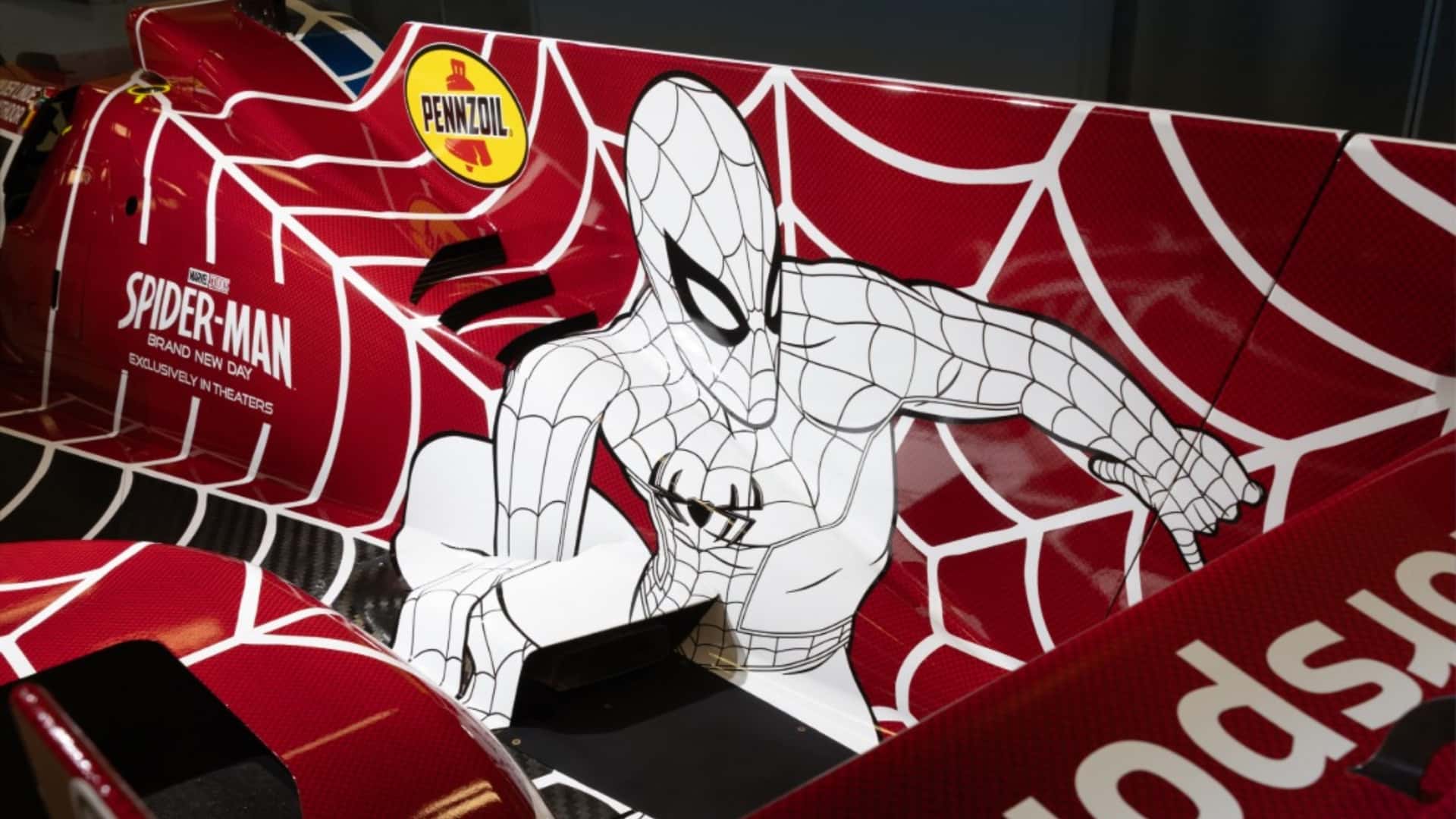
The front of the prototype is dominated by a large white spider graphic, while an illustration of Spider-Man appears on the engine cover fin. As a result, the car becomes one of the most distinctive entries on the IMSA WeatherTech SportsCar Championship grid this season.
The No. 24 BMW will be driven by Dries Vanthoor and Sheldon van der Linde during the six-hour endurance race at Road America.
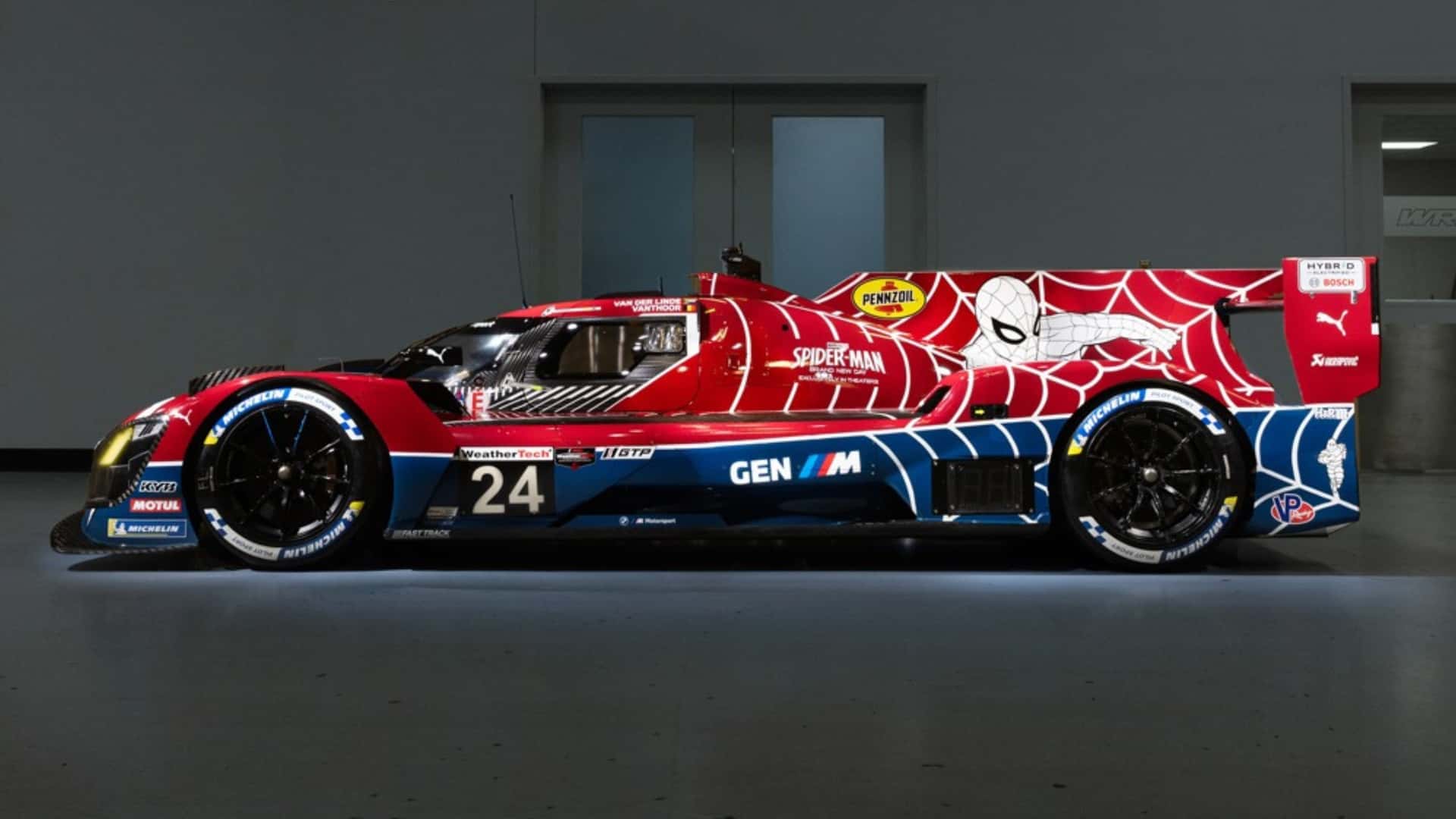
BMW’s M Hybrid V8 features a unique Spider-Man-inspired livery for the Road America IMSA race.
The Partnership Goes Beyond the Racetrack
BMW’s collaboration with Marvel extends well beyond its IMSA race program.
Both the BMW 5 Series and the upcoming BMW iX3 will appear in Spider-Man: Brand New Day, further strengthening the relationship between the automaker and the film. Additionally, BMW developed the one-off BMW iX3 Flow, a concept vehicle featuring full-color E Ink Prism technology capable of displaying animated exterior graphics.
Furthermore, the futuristic concept will remain on display at BMW Welt in Germany through September.
The BMW iX3 Flow showcases animated E Ink technology as part of the Spider-Man collaboration.
BMW Owners Also Receive a Spider-Man Experience
BMW is also bringing the collaboration directly to customers.
Owners of eligible BMW models in participating markets will receive a special software experience between July 27 and August 10. When starting their vehicles, drivers will see an exclusive Spider-Man welcome banner followed by a full-screen animation and synchronized lighting sequence.
Consequently, the partnership extends beyond movie theaters and race tracks to create an interactive experience for BMW owners.
Eligible BMW owners will receive exclusive Spider-Man animations through their vehicle’s infotainment system.
BMW Blends Motorsports, Entertainment and Technology
The BMW M Hybrid V8 Spider-Man project demonstrates how the automaker continues to connect racing, digital technology and popular culture.
Overall, from the special IMSA race car to exclusive in-car software experiences and futuristic concept vehicles, BMW is using its partnership with Marvel to create a unique promotional campaign ahead of Spider-Man: Brand New Day.
-
 TEST DRIVES2 months ago
2026 Subaru Outback Touring
-
 TEST DRIVES2 months ago
Lamborghini prepares multiple launches for 2026 as electrification plans continue
-
 INTELLIGENT MOBILITY1 month ago
2026 Cadillac Escalade IQL Redefines Luxury In The Electric SUV Segment
-
 RACING2 months ago
Barcelona-Catalunya Grand Prix: Everything You Need To Know About Formula 1’s Ultimate Benchmark Circuit
-
 RACING2 months ago
George Russell Leads Final Barcelona Practice As Kimi Antonelli Receives Reprimand
-
 RACING2 months ago
Why Formula 1 Has Pit Lane Speed Limits And How They Are Measured
-
 NOW TRENDING2 months ago
Porsche Creates A Buzz Lightyear-Inspired 911 GT3 RS That Looks Ready To Go “To Infinity And Beyond”
-
 NOW TRENDING2 months ago
2026 Audi Q7 Brings New Design, Smarter Technology, And Greater Versatility
You must be logged in to post a comment Login