
Volkswagen confirms that the combustion-engined Polo is here to stay and is preparing a major technical evolution that includes electrification.
When the ID.Polo concept was unveiled, many assumed that the future of Volkswagen’s smallest car would be fully electric. However, the German brand has chosen a different path. The Volkswagen Polo will continue with internal combustion engines and could adopt hybrid technology, following a strategy similar to the one already announced for the T-Roc. This was confirmed by Martin Sander, a member of Volkswagen’s board, who made it clear that the current Polo still has plenty of life left within the company’s product strategy.
A platform with significant room for evolution

The European-spec Polo, together with the SEAT Ibiza and Skoda Fabia, is built on the MQB-A0 platform – a cost-efficient and space-optimised architecture that Volkswagen still considers highly relevant. According to Sander, this base can continue to evolve and incorporate technologies from the more advanced MQB Evo, including new digital interior interfaces, more sophisticated ADAS systems and, crucially, a more modern electrified architecture.
The key to this transformation lies in the powertrain. Volkswagen has already confirmed in Brazil that the MQB platform will receive a comprehensive update from 2026 to integrate hybrid systems, to the extent that it will be renamed MQB37. This technical overhaul, applied to models built in São Bernardo do Campo, will serve as a direct reference for Europe, where the Polo could benefit from mild-hybrid or more advanced hybrid solutions to meet increasingly strict emissions regulations.
From a strategic standpoint, the decision makes perfect sense. Demand for electric vehicles remains uneven across Europe, and Volkswagen, as a volume manufacturer, must cater to a wide range of customers. As Sander explained, while countries such as Norway are already close to being 100% electric, the situation in southern Europe is very different, with electric vehicles accounting for barely 10% of sales in markets like Italy or Spain.
This technical update will not be limited to the Polo. Everything suggests that the T-Cross will also benefit from this hybrid evolution, strengthening Volkswagen’s offering of electrified combustion models against future electric SUVs such as the ID.Cross. In doing so, Volkswagen ensures the continuity of its most popular models, adapting them to the energy transition without forcing a full switch to electric power before the market is truly ready.


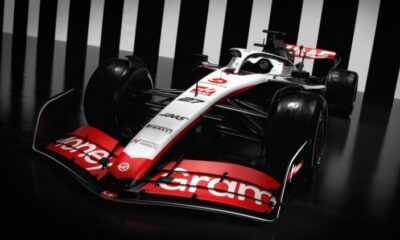







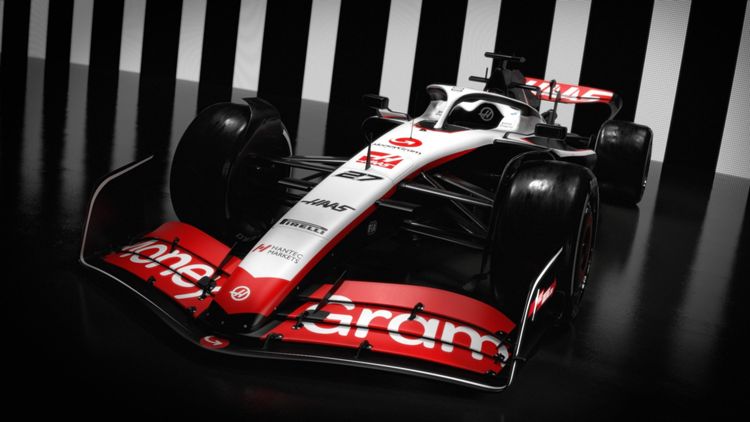
Haas Team Principal Ayao Komatsu believes Formula 1 has become too complex, arguing that the 2026 regulations make it difficult for fans to understand a driver’s true performance.
The F1 2026 rules have sparked fresh debate over the balance between driver skill and technology. According to Haas Team Principal Ayao Komatsu, modern Formula 1 has become so complex that fans can no longer accurately judge a driver’s true performance during a race weekend.
Moreover, Komatsu believes the sport should simplify its regulations and return more control to the drivers.
Software Is Playing a Bigger Role
The current regulations place significant emphasis on energy deployment and software management.
As a result, tiny differences in throttle application or braking can create major variations in straight-line speed, even between teammates driving identical cars. Consequently, lap time differences may not always reflect a driver’s actual performance.
Furthermore, these hidden variables make it difficult for viewers to understand why one driver suddenly gains or loses time.
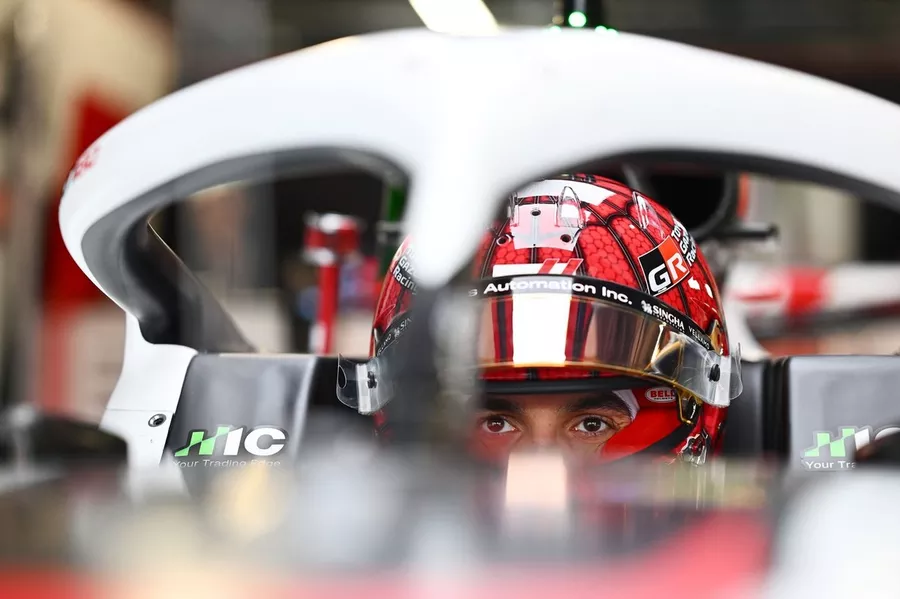
Haas believes software has become too influential under the current Formula 1 regulations.
Komatsu Wants Drivers Back in Control
Ayao Komatsu argues that Formula 1 should become easier for both drivers and fans.
According to the Haas boss, drivers should be able to rely on instinct instead of constantly managing complex software systems. Therefore, the sport needs regulations that reward driving ability rather than intricate energy-management strategies.
In addition, Komatsu believes fans should be able to understand what they are watching without needing advanced technical knowledge.

Ayao Komatsu says Formula 1 should place greater emphasis on driver skill.
Future Rule Changes Could Reduce Complexity
Formula 1 has already introduced adjustments to improve the current regulations.
However, Komatsu says those changes are only a temporary solution. Meanwhile, future rule revisions are expected to reduce the reliance on electrical deployment while increasing the contribution from the internal combustion engine.
As a result, the balance between software and driver input could become more straightforward over the coming seasons.
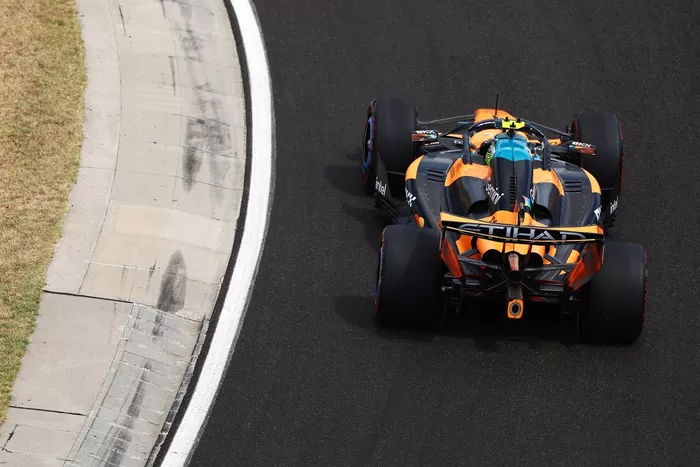
Future Formula 1 regulations aim to simplify energy management and improve racing.
F1 2026 Rules Continue To Divide Opinion
The F1 2026 rules remain one of the most discussed topics in the paddock.
Overall, Haas believes Formula 1 must simplify its technical regulations so fans can better appreciate the skill of the drivers. If future rule changes achieve that goal, the sport could become both easier to follow and more rewarding to watch.
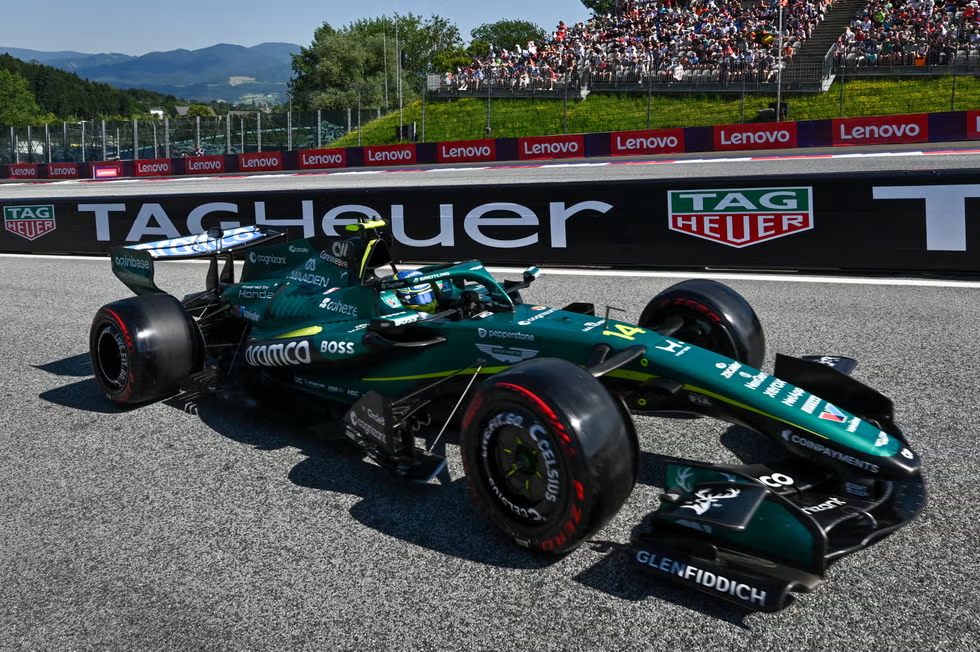
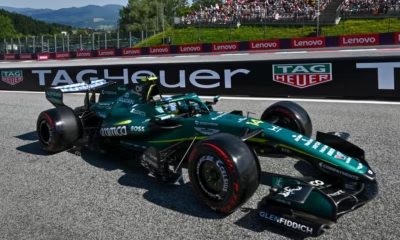
A major upgrade package gave Aston Martin a significant boost at the Hungarian Grand Prix, allowing Fernando Alonso to record his strongest Formula 1 qualifying result of 2026.
The latest Aston Martin upgrades appear to have delivered the breakthrough the team had been waiting for. At the Hungarian Grand Prix, Fernando Alonso advanced beyond Q1 for the first time in a full-length qualifying session this season, marking his strongest Saturday performance of the 2026 Formula 1 campaign.
Moreover, the result suggests Aston Martin has finally taken a meaningful step forward after months of struggling near the back of the grid.
New AMR26 Package Shows Immediate Progress
Aston Martin introduced an extensive update package for the AMR26, featuring multiple aerodynamic and mechanical revisions.
As a result, the car showed a clear improvement in pace around the Hungaroring. After repeatedly missing Q2 by large margins throughout the season, Alonso successfully advanced into the second qualifying session.
Furthermore, the performance represented a dramatic turnaround compared to Spa-Francorchamps, where Aston Martin struggled to match its midfield rivals.
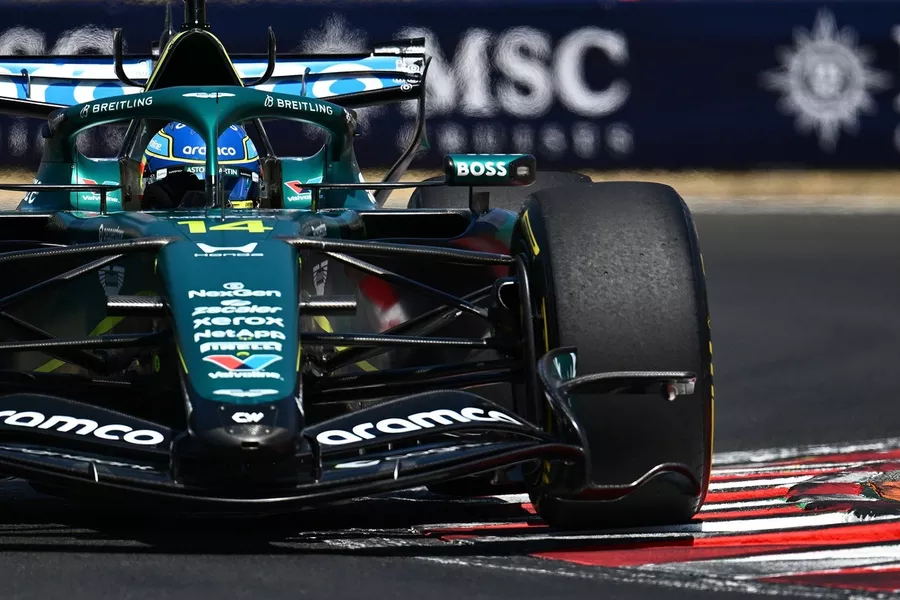
Aston Martin’s latest AMR26 upgrade package produced an immediate improvement in Hungary.
Alonso Outqualified Several Midfield Rivals
The upgraded car allowed Alonso to outperform several competitors during Q1.
He finished ahead of one Haas, both Williams drivers, his teammate Lance Stroll and both Cadillac entries. Consequently, Aston Martin secured its first appearance in Q2 during a standard qualifying session this season.
Although Alonso could not improve further in Q2, his final position still became his best qualifying result for a Grand Prix this year.
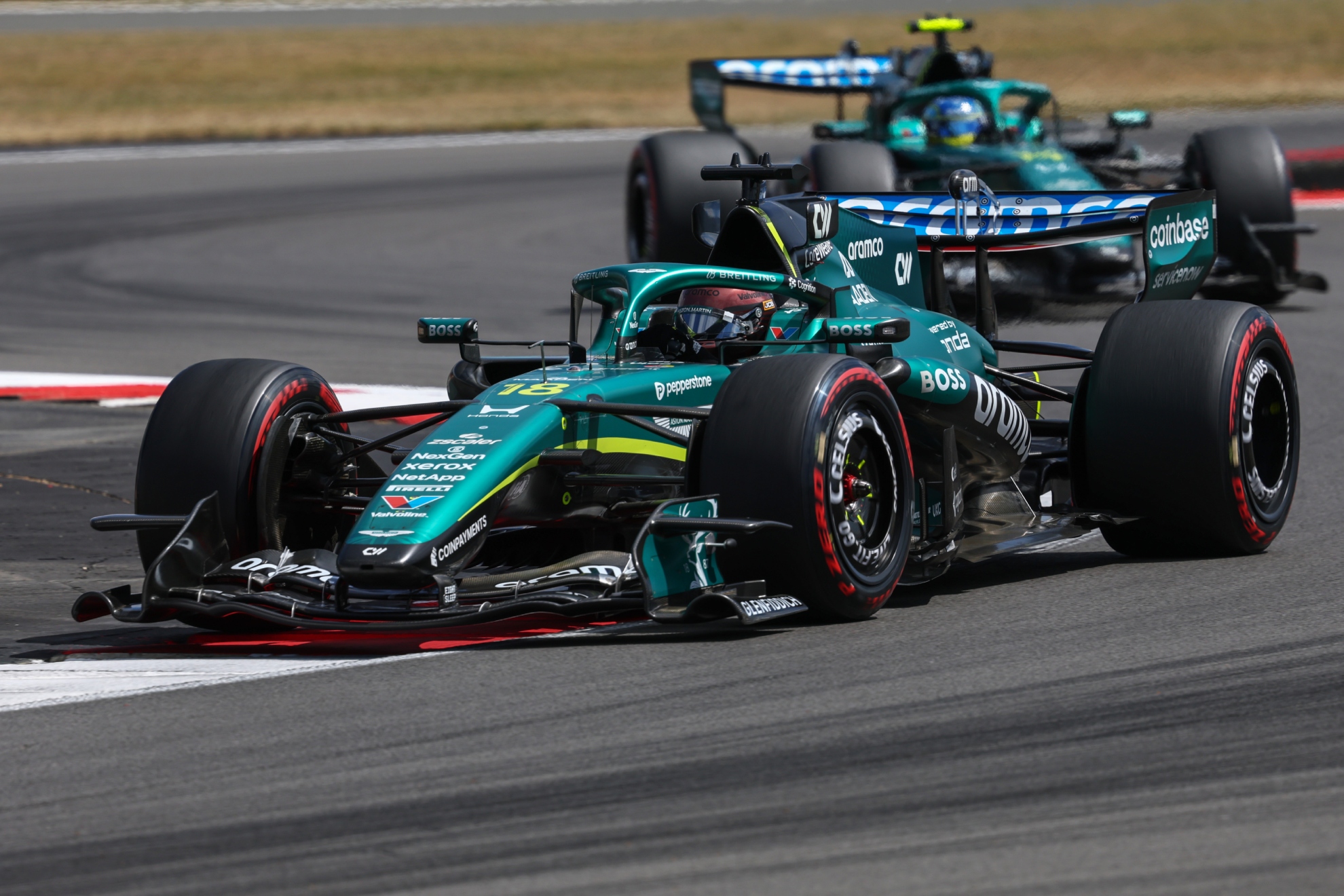
Fernando Alonso advanced to Q2 for the first time in a full qualifying session during 2026.
A Positive Sign Before Future Developments
The Hungarian Grand Prix may represent an important turning point for Aston Martin.
While the new Honda power unit is still scheduled to arrive later in the season, the current upgrade package has already made the team more competitive against its direct rivals. Meanwhile, both Fernando Alonso and Adrian Newey have expressed optimism about the direction of the project.
Therefore, Aston Martin hopes these improvements will provide a stronger foundation for the remainder of the 2026 season and future development.
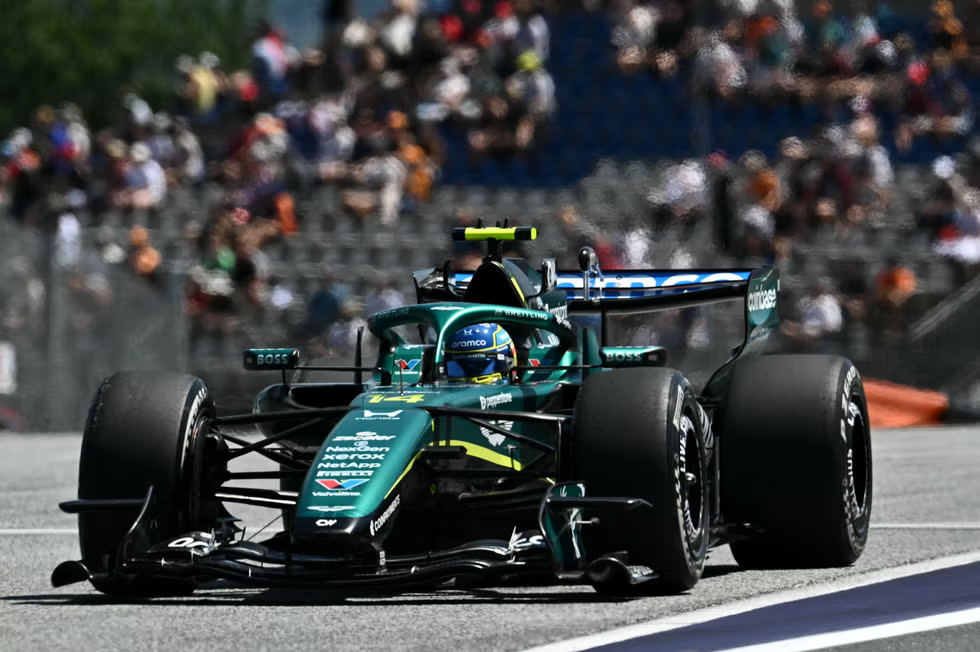
Aston Martin expects its latest upgrades to provide a stronger platform for future development.
Aston Martin Upgrades Offer New Optimism
The Aston Martin upgrades delivered exactly what the team needed in Hungary: measurable progress on track.
Overall, Alonso’s best qualifying result of the season provides encouraging evidence that the AMR26 is moving in the right direction. If development continues at this pace, Aston Martin could become a regular contender in the midfield during the second half of the Formula 1 season.
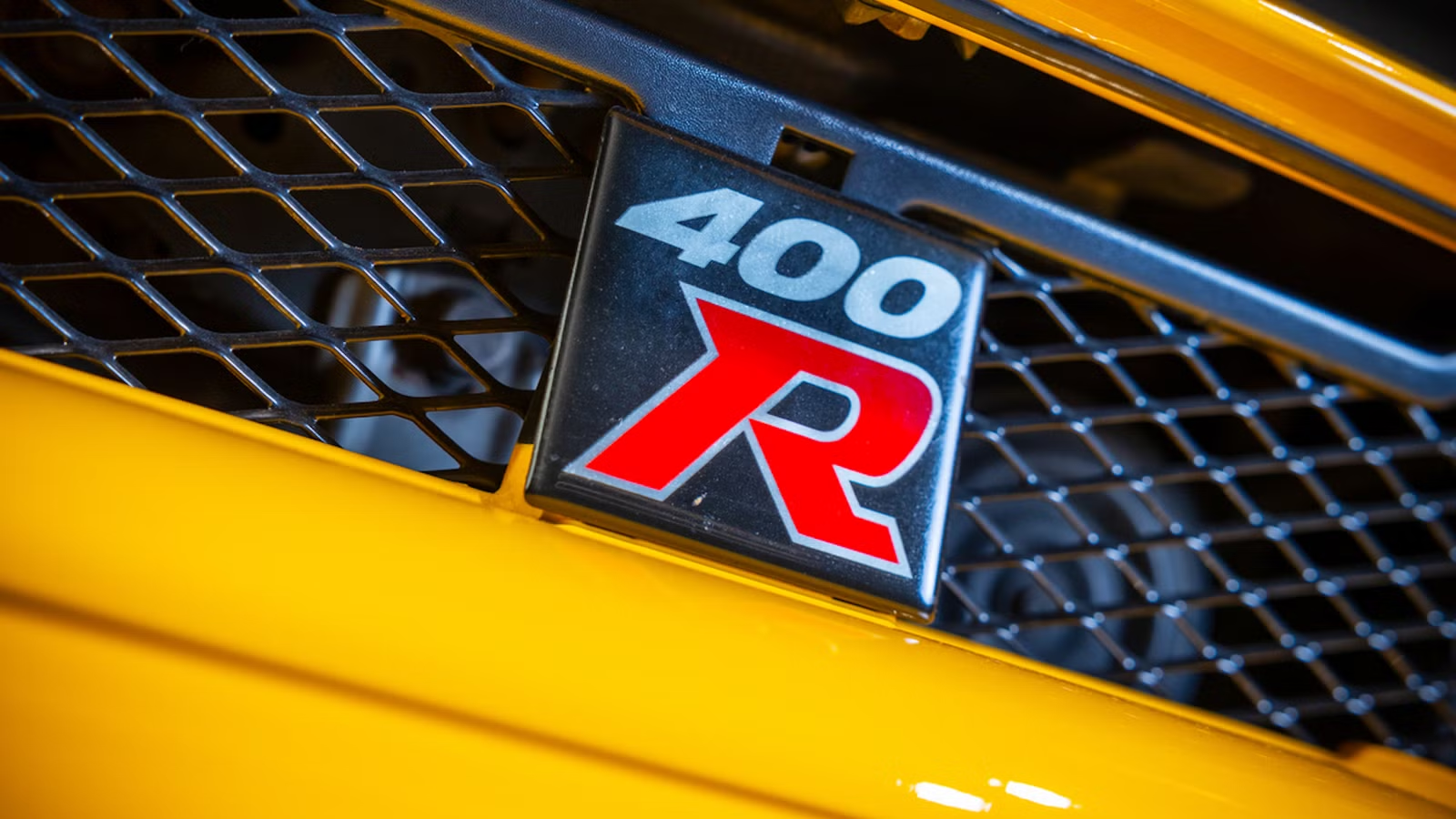
The Nismo 400R transformed the Skyline GT-R into one of the most extreme JDM performance cars ever built, combining Le Mans technology with limited production.
The Nismo 400R remains one of the most legendary Nissan performance cars ever created. While most Japanese manufacturers followed the unofficial 276-horsepower agreement, Nismo took a completely different approach by building a Skyline GT-R with an official 400 horsepower and race-derived engineering.
Moreover, the limited-production model became an instant icon thanks to its exclusive components and motorsport pedigree.
Built From Nissan’s Le Mans Experience
The Nismo 400R was developed after Nissan’s participation at the 1996 24 Hours of Le Mans.
Engineers used the endurance racing program as inspiration, adapting technology from the GT-R LM race car to create the ultimate road-going R33 Skyline GT-R. Consequently, the project went far beyond a traditional performance upgrade.
Instead, Nismo engineered a car that reflected its racing experience while remaining road legal.
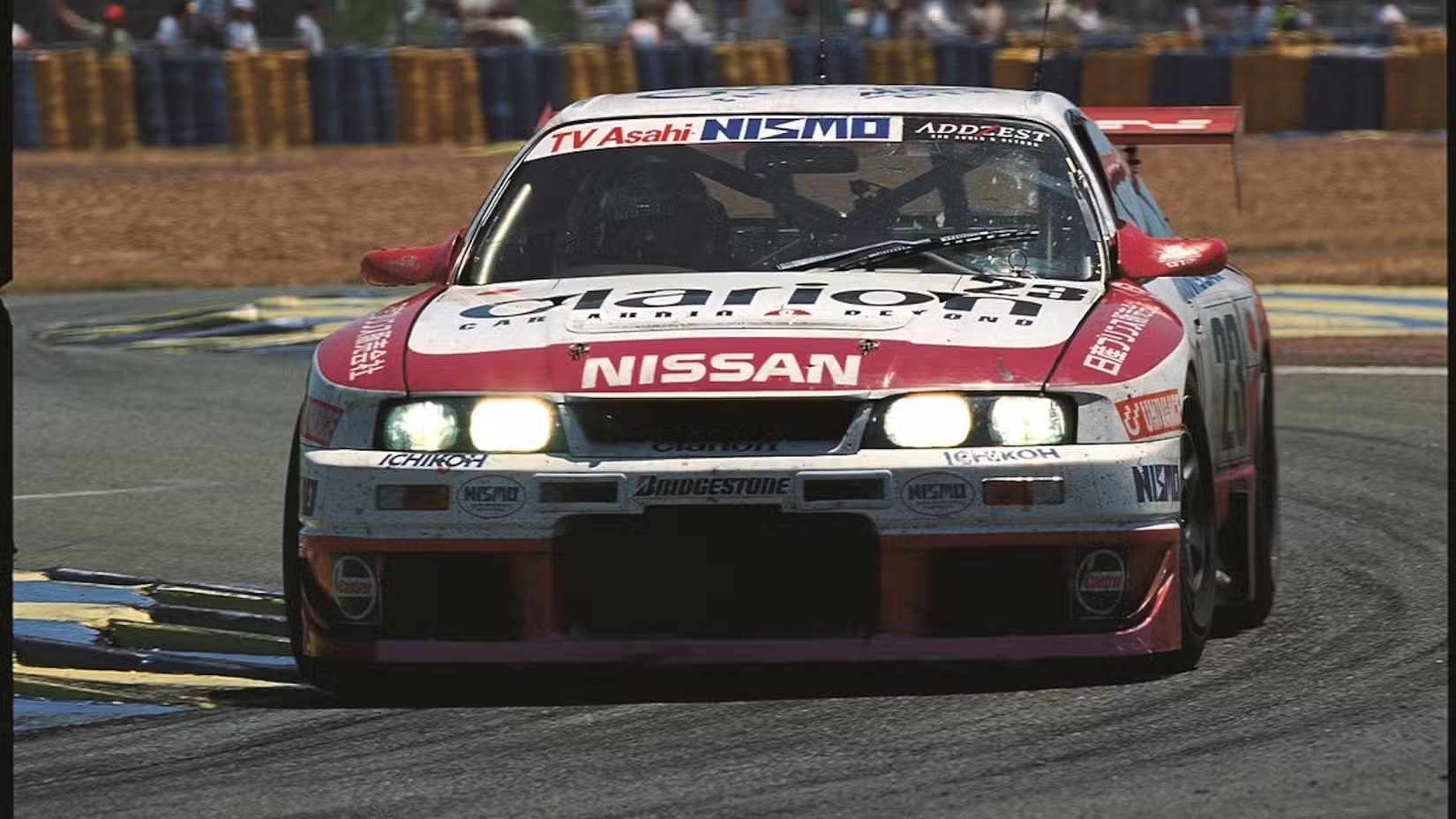
The Nismo 400R borrowed technology and inspiration from Nissan’s Le Mans racing program.
A Race-Bred Engine Produced 400 Horsepower
Although the standard Skyline GT-R already offered impressive performance, Nismo completely reworked its famous RB26DETT engine.
Engine displacement increased from 2.6 liters to 2.8 liters, while larger turbochargers, upgraded cooling components, reinforced internals and an exclusive engine control unit dramatically improved performance. As a result, the RB-X GT2 engine produced 400 horsepower, making the Nismo 400R one of the few Japanese performance cars to openly exceed the industry’s unofficial horsepower limit.
Furthermore, suspension, chassis and aerodynamic upgrades transformed the car into a far more capable machine than the standard R33 GT-R.
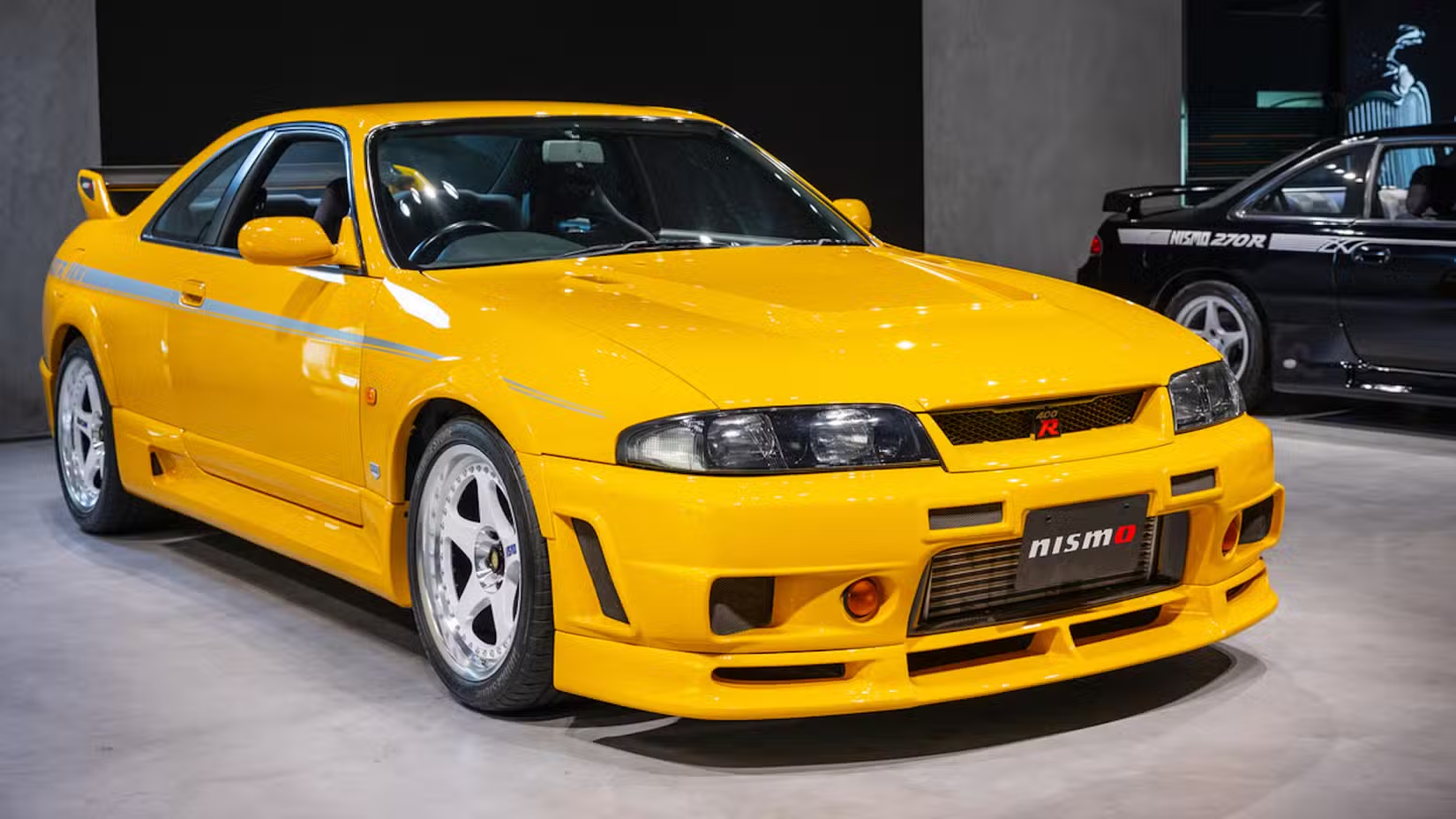
The RB-X GT2 engine helped the Nismo 400R officially produce 400 horsepower.
One of the Rarest Skyline GT-R Models Ever Built
Nismo originally planned to build 100 examples of the 400R.
However, production ended after only 44 hand-built cars were completed, instantly making the model one of the rarest Skyline GT-R variants ever produced. Consequently, surviving examples have become highly desirable among collectors and regularly command extraordinary prices.
Today, the Nismo 400R is widely regarded as one of the most collectible Japanese performance cars of the 1990s.

Only 44 examples of the Nismo 400R were hand-built, making it one of the rarest GT-R models.
Nismo 400R Became a JDM Legend
The Nismo 400R proved that Nissan’s performance division was willing to ignore convention in pursuit of engineering excellence.
Overall, its Le Mans-inspired technology, officially rated 400-horsepower engine and extremely limited production secured its place among the greatest JDM cars ever built. Decades later, the Nismo 400R remains one of the most sought-after Skyline GT-R models in automotive history.
-

 TEST DRIVES2 months ago
2026 Subaru Outback Touring
-
 TEST DRIVES1 month ago
Lamborghini prepares multiple launches for 2026 as electrification plans continue
-
 TEST DRIVES2 months ago
2026 Hyundai Santa Cruz Limited AWD
-
 RACING1 month ago
Barcelona-Catalunya Grand Prix: Everything You Need To Know About Formula 1’s Ultimate Benchmark Circuit
-
 INTELLIGENT MOBILITY1 month ago
2026 Cadillac Escalade IQL Redefines Luxury In The Electric SUV Segment
-
 RACING1 month ago
George Russell Leads Final Barcelona Practice As Kimi Antonelli Receives Reprimand
-
 NOW TRENDING2 months ago
Porsche Creates A Buzz Lightyear-Inspired 911 GT3 RS That Looks Ready To Go “To Infinity And Beyond”
-
 RACING2 months ago
Why Formula 1 Has Pit Lane Speed Limits And How They Are Measured
You must be logged in to post a comment Login