
Formula1
How Monaco’s Podium Was Decided By Less Than 0.5 km/h

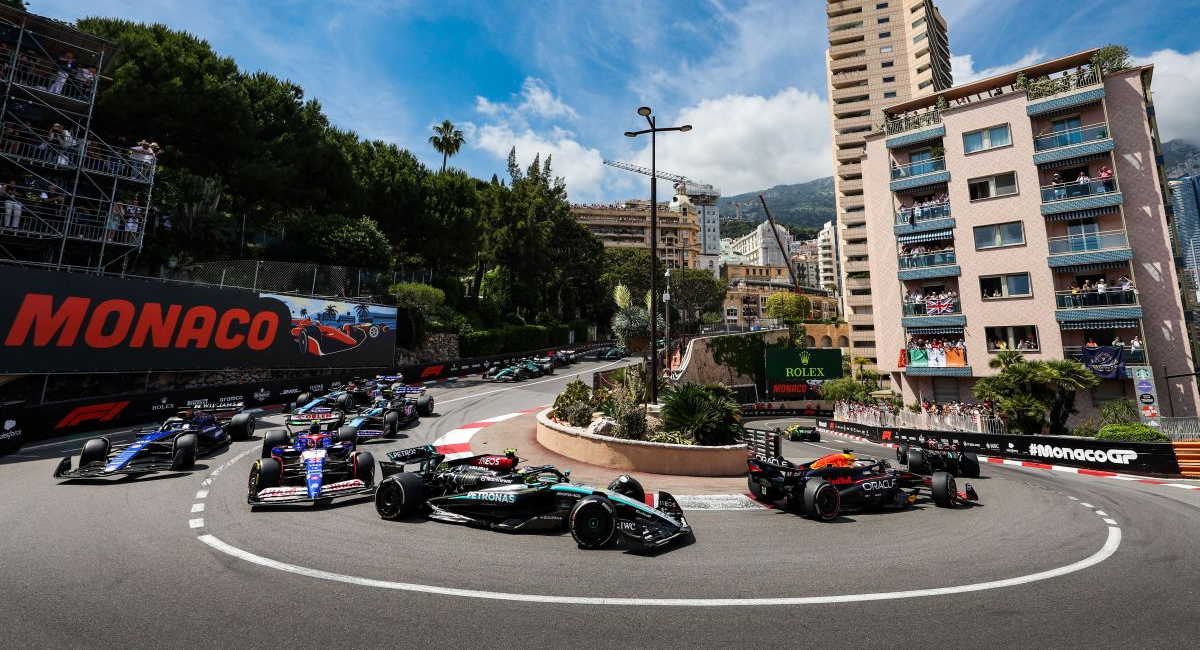
Speed equals distance divided by time. It is one of the simplest formulas in physics, yet it played a decisive role in determining the Monaco Grand Prix podium behind dominant race winner Kimi Antonelli.
A difference of less than half a kilometer per hour in pit lane speed calculations ultimately reshaped the outcome of Formula 1’s most prestigious race, turning what appeared to be secure podium finishes into heartbreak for several drivers.
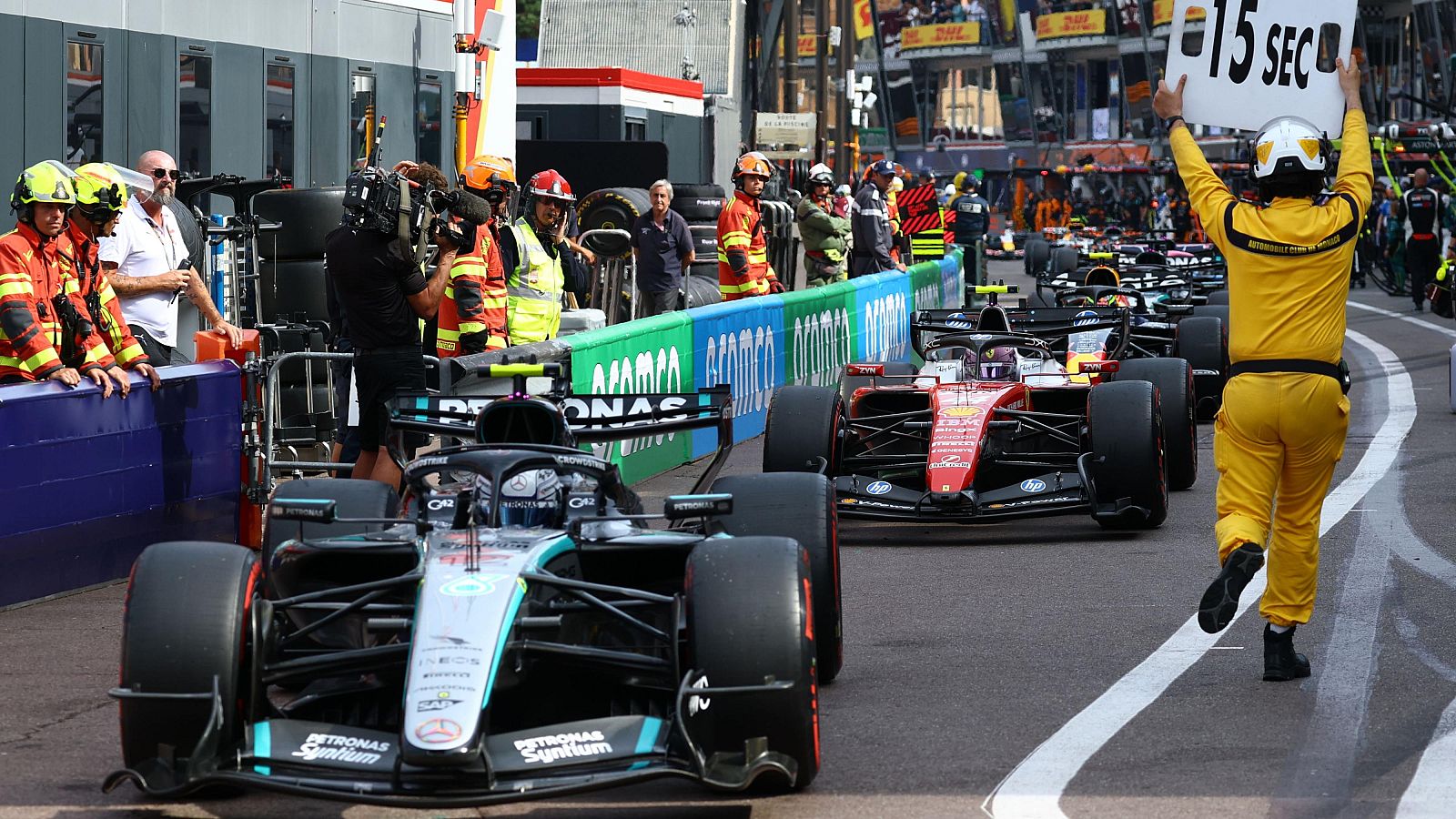
Tiny differences in pit lane speed calculations had a major impact on the final Monaco Grand Prix classification.
Despite the incredible pace displayed on track, the most important number of the weekend was not 300 km/h. Instead, it was the seemingly harmless 60 km/h speed limit enforced inside Monaco’s notoriously narrow pit lane.
Pit lane speeding penalties are relatively uncommon in Formula 1. During the opening rounds of the 2026 season, only a handful of violations had been recorded. Monaco, however, proved to be a completely different story.
Why Monaco Was Different
Throughout the race weekend, officials recorded 11 pit lane speeding violations, including six during Sunday’s Grand Prix.
Unlike public roads, Formula 1 does not use radar guns to measure speed. Instead, the FIA calculates a car’s average speed between electronic timing loops positioned throughout the pit lane.
The system measures the distance along the centerline of the fast lane and calculates how long a car should take to travel between timing points at the prescribed speed limit.
Any driver arriving at the next timing loop sooner than expected is considered to have exceeded the limit.
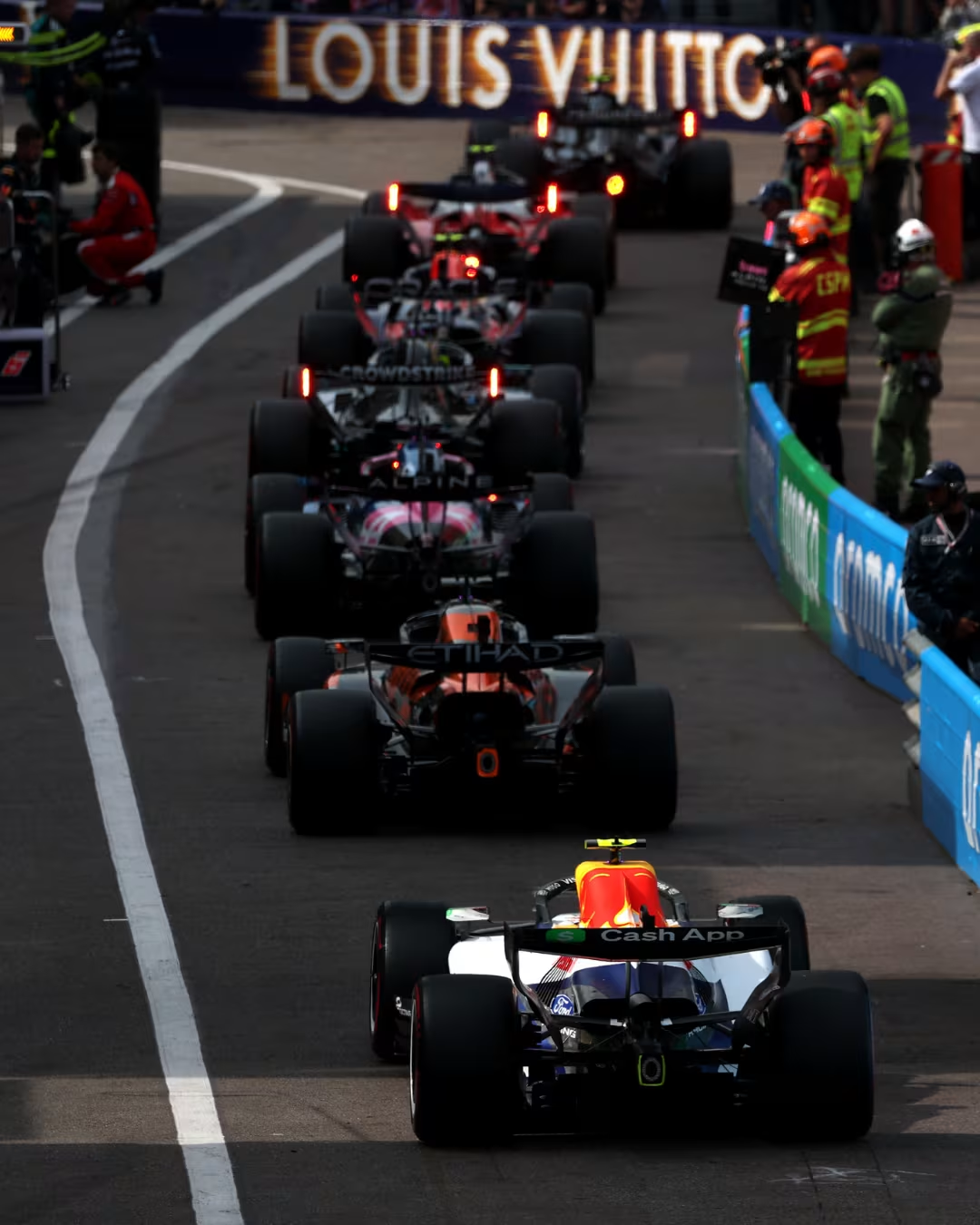
Pit lane speeding violations became one of the biggest talking points during the Monaco Grand Prix weekend.
Monaco’s pit lane presents a unique challenge because drivers must negotiate corners at both the entry and exit.
The layout was further modified this year to accommodate Cadillac’s arrival, creating an even more unusual configuration. As drivers attempted to straighten their line through the pit lane, many clipped sections of the slow lane, effectively shortening the distance traveled.
That tiny reduction was enough to trigger the FIA’s calculations and result in penalties.
Five of the six speeding penalties issued during the race were for exceeding the limit by just 0.1 km/h. Another was recorded at only 0.4 km/h above the limit.
Hamilton, Russell And Gasly Pay The Price
Lewis Hamilton became the first of the frontrunners to receive a speeding penalty after his pit stop on lap 28.
At the time, the Ferrari driver appeared comfortably secure in second place. However, as Charles Leclerc closed the gap during the second stint, Hamilton’s five-second penalty suddenly threatened to cost him the position.
A Safety Car intervention following Lance Stroll’s accident ultimately allowed Ferrari to bring both drivers into the pits and manage the penalty without losing track position.
Leclerc was far less fortunate. Frustrated by the strategy call, the Monegasque later crashed after the restart and lost what looked set to be a podium finish.
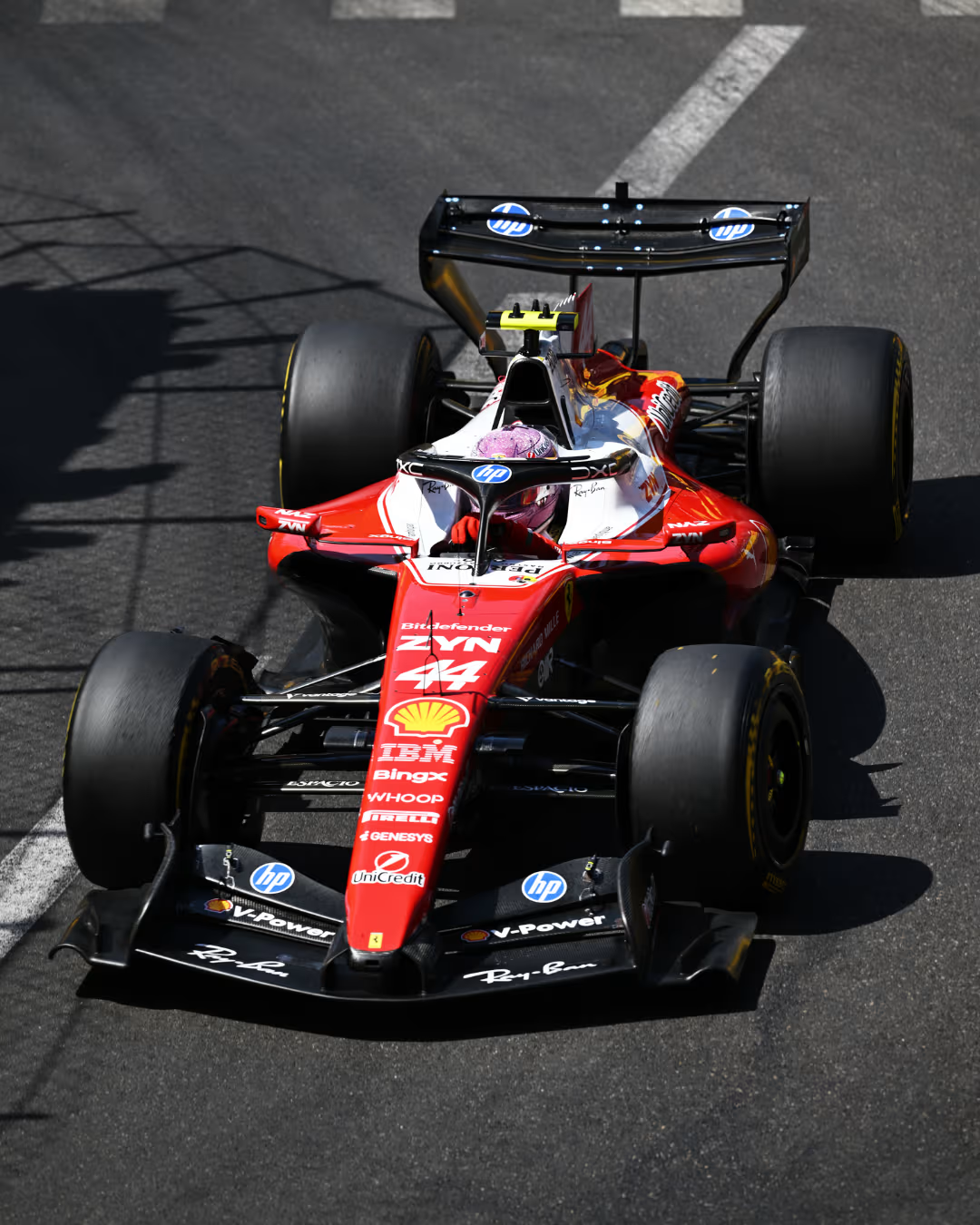
Lewis Hamilton was among several drivers penalized for exceeding the Monaco pit lane speed limit.
George Russell’s situation proved even more costly.
The Mercedes driver initially appeared capable of absorbing his five-second penalty thanks to a comfortable gap over the cars behind. However, confusion during the Safety Car period led Mercedes to service Russell’s car before properly serving the penalty.
The consequence was severe. The original five-second penalty was converted into a drive-through penalty, dropping Russell out of contention and eventually leaving him outside the points.
Pierre Gasly briefly looked set to inherit a podium position after moving ahead of Isack Hadjar during the race’s final stages.
The Frenchman crossed the finish line in third place but was ultimately denied a podium after receiving not one but two speeding penalties. One of those violations occurred while following the Safety Car through the pit lane.
Heartbreak For Alpine
For Gasly, the result was particularly painful.
Monaco represents one of the closest races to a home Grand Prix for the French driver, and standing on the podium in Monte Carlo would have been one of the highlights of his Formula 1 career.
Instead, the penalties dropped him to seventh place.
After the race, Alpine submitted a request for a right of review, with the final outcome still to be determined.
A Lesson In Precision
The Monaco Grand Prix demonstrated just how precise modern Formula 1 has become.
In a sport often decided by tenths or hundredths of a second, less than half a kilometer per hour was enough to alter the final podium order.
While several drivers were caught out by Monaco’s unique pit lane geometry, Kimi Antonelli avoided trouble entirely and cruised to another commanding victory.
Sometimes, the difference between celebrating on the podium and leaving disappointed comes down to the simplest equation of all: speed equals distance divided by time.








-
 TEST DRIVES2 months ago
2026 Maserati GranTurismo Trofeo Review: Miami
-
 INTELLIGENT MOBILITY2 months ago
Tesla Cybercab Navigation Problem Hits Austin Robotaxis
-

 INTELLIGENT MOBILITY2 months ago
2027 Nissan Rogue Hybrid: e-POWER Comes to America
-
 TEST DRIVES2 months ago
2026 Maserati GranTurismo Coupe
-

 NOW TRENDING2 months ago
Land Rover Defender Recall 2026: 23,677 JLR SUVs Affected
-
 Formula12 months ago
Cadillac F1 2026 Faces an Eight-Race Logistics Challenge
-
 NOW TRENDING2 months ago
2027 Silverado HD: New 8.3L Duramax V8 Revealed
-

 NOW TRENDING2 months ago
Hyundai September 2026 Sales Hit Record 77,439