
RACING
Genesis Magma GT3 Concept Previews The Brand’s Racing Future At Le Mans

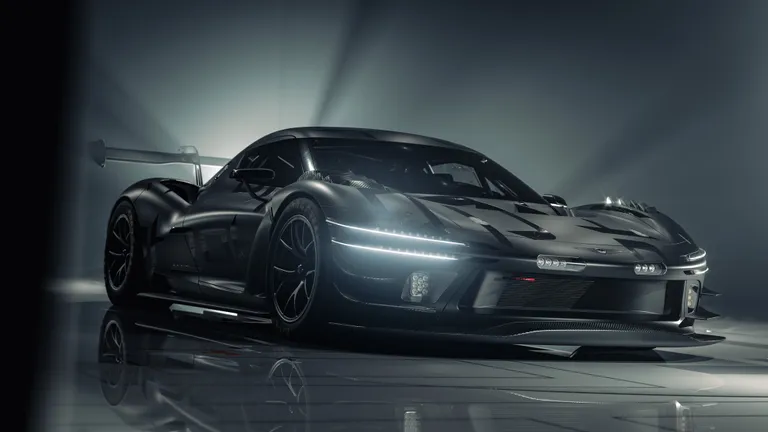
Genesis has taken another major step toward the world of motorsport. During the 24 Hours of Le Mans, the luxury automaker unveiled the new Magma GT3 Concept, a striking race-focused machine developed in collaboration with Hyundai Motorsport.
The concept offers the clearest indication yet of how Genesis plans to approach high-performance racing in the coming years. While the company stops short of confirming production plans, the project demonstrates that motorsport is becoming an increasingly important part of the Genesis brand.
Alongside the GT3 Concept, Genesis also revealed the interior of the Magma GT grand touring concept first shown in late 2025.

The Genesis Magma GT3 Concept previews the brand’s future ambitions in GT3 racing and high-performance engineering.
Built Specifically For GT3 Competition
Unlike many concept cars that begin life as modified production vehicles, the Magma GT3 Concept was designed with racing as its primary objective.
Genesis says the vehicle follows a performance-first philosophy and was engineered to meet GT3 technical requirements. The concept features a much wider stance, larger air intakes and extensive aerodynamic modifications designed to improve cooling and performance on the racetrack.
A prominent front splitter, enlarged ducts and a more aggressive body structure help separate the GT3 Concept from conventional road-going vehicles.
The result is a machine that looks ready to compete at some of the world’s most demanding endurance events.
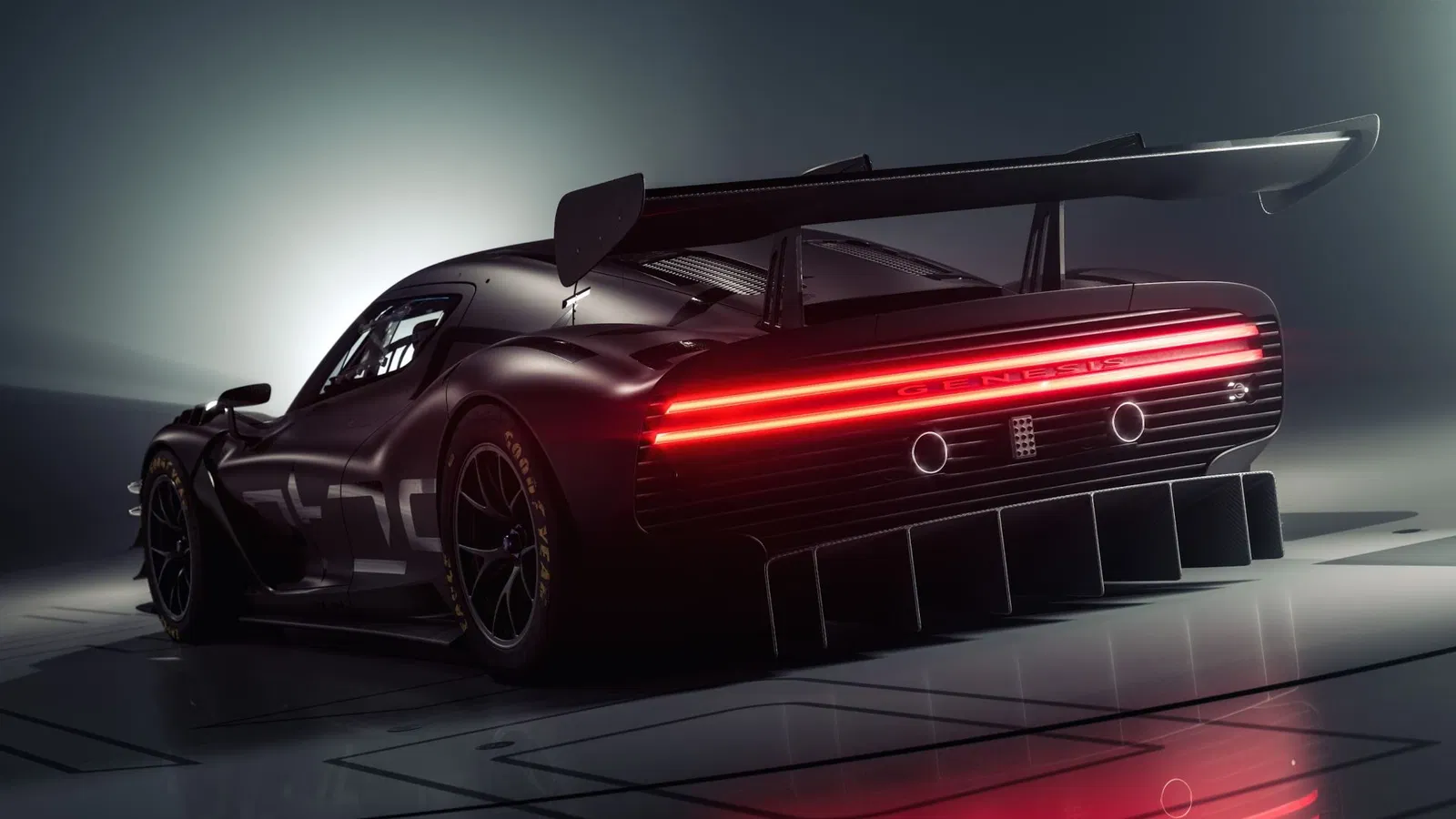
The GT3 Concept features a wider track, race-focused aerodynamics and aggressive bodywork developed with performance in mind.
Aerodynamics Play A Key Role
Every surface of the Magma GT3 Concept appears designed to serve a purpose.
Genesis incorporated a fixed rear wing, a large rear diffuser and additional aerodynamic elements intended to improve stability at high speeds. The company also focused on thermal management and airflow optimization, both critical components of modern GT3 racing.
The concept retains Genesis’ signature two-line LED lighting design, complemented by four additional racing-style auxiliary lamps that reinforce its competition-ready appearance.
According to Genesis, the project serves as an independent design study exploring how motorsport engineering could influence future high-performance road cars.
The Magma GT Receives A Production-Like Interior
In addition to the GT3 race car, Genesis provided a closer look at the interior of the Magma GT concept.
The luxury grand tourer adopts a two-seat layout with a dramatic dual-cockpit design. A tall center console separates driver and passenger while creating a focused, performance-oriented environment.
The cabin blends luxury and sportiness, combining premium materials with race-inspired details.
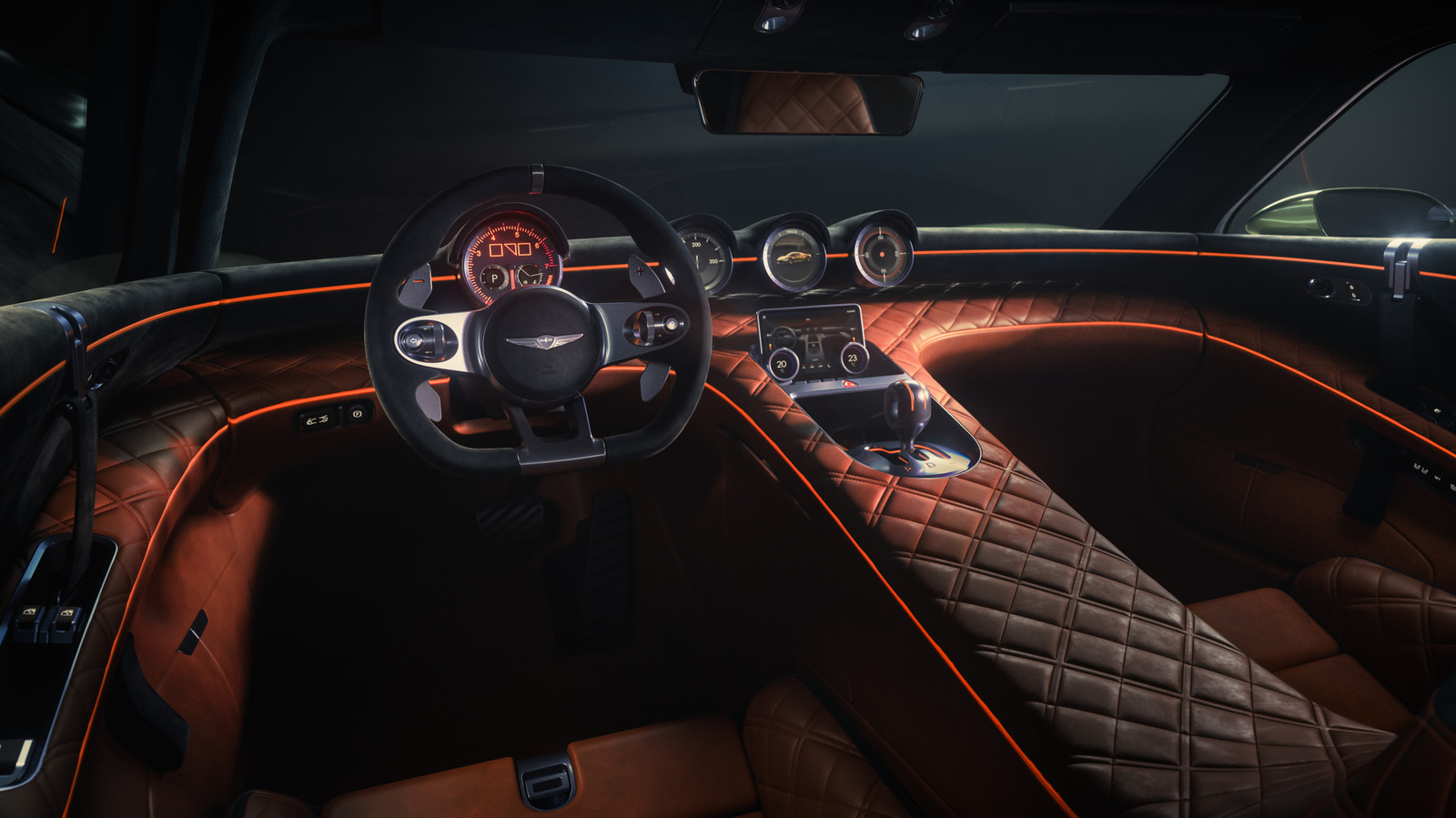
The Magma GT features a dramatic two-seat cockpit with a high center console and luxury-focused design.
A Driver-Focused Cockpit
The interior incorporates several distinctive elements that could preview future Genesis performance models.
Three circular displays sit prominently within the dashboard, accompanied by a compact infotainment screen and touch-sensitive controls. Behind the steering wheel is an analog-inspired instrument cluster designed to emphasize driver engagement.
Genesis has wrapped much of the cabin in quilted leather, including the dashboard, doors, seats and center console. Alcantara accents add a more sporting character throughout the interior.

The flat-bottom steering wheel, analog-inspired gauges and premium materials create a unique blend of luxury and performance.
What The Magma Program Means For Genesis
The Magma performance division represents one of Genesis’ most ambitious projects to date.
By combining luxury, performance and motorsport expertise, the brand is positioning itself to compete more directly with established performance divisions such as BMW M, Mercedes-AMG and Audi Sport.
Although Genesis says the GT3 Concept remains under evaluation, its appearance at Le Mans sends a strong signal about the company’s future direction.
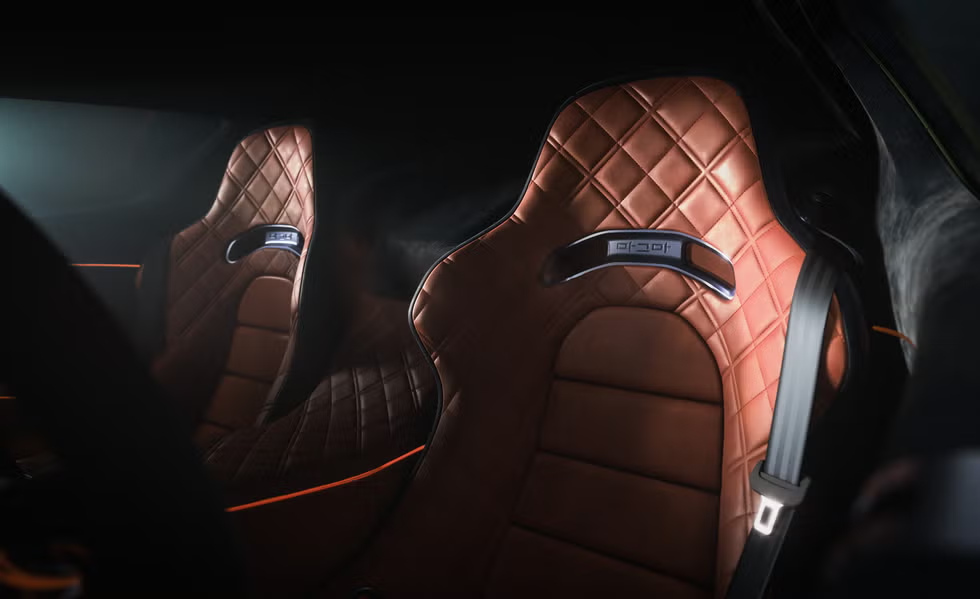
Premium leather, Alcantara and bespoke performance details showcase Genesis’ vision for future high-performance grand touring vehicles.
A New Chapter For Genesis Performance
The Magma GT3 Concept is more than a simple design exercise. It represents Genesis’ growing commitment to racing, engineering innovation and high-performance vehicles.
Whether elements of the concept eventually reach production remains to be seen, but one thing is clear: Genesis is preparing to play a much larger role in the world of performance cars, both on the road and on the racetrack.











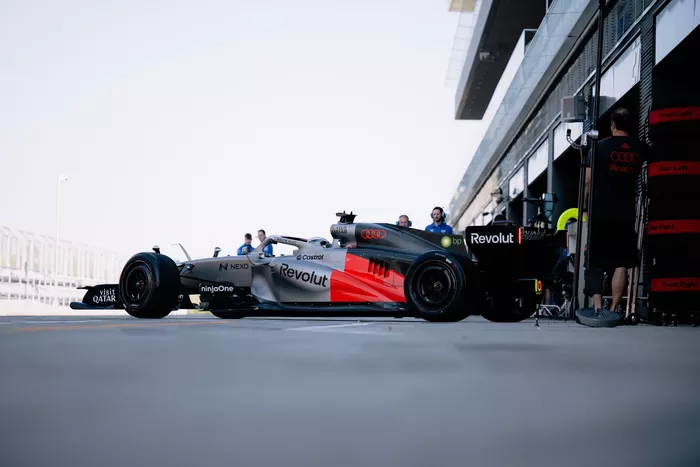
Audi has confirmed that its Formula 1 power unit will not receive another major upgrade during the remainder of the 2026 season as the manufacturer shifts its focus toward long-term development for 2027.
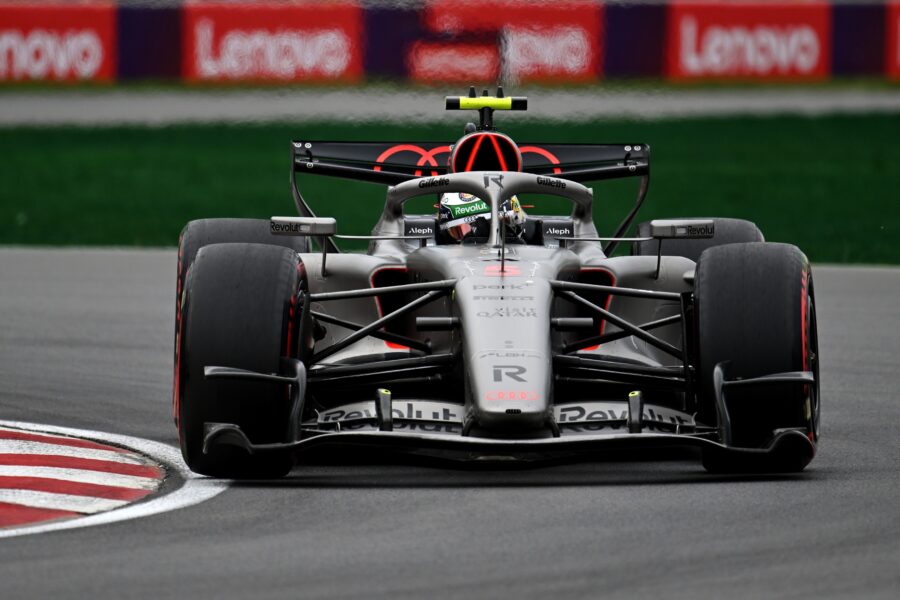
Audi has confirmed that its Audi F1 power unit will not receive another major hardware upgrade before the end of the 2026 Formula 1 season. Instead, the manufacturer will focus its resources on a larger development package planned for 2027.
Moreover, the decision reflects Audi’s long-term strategy as it balances performance gains with Formula 1’s financial regulations.
Budget Limits Shape Audi’s Development Strategy
Although Audi introduced an upgraded power unit package at the Spanish Grand Prix, the team has decided not to develop another major hardware update this season.
According to Audi team principal Allan McNish, the decision is driven by the championship’s cost cap. Every Formula 1 team must carefully balance spending between chassis development and power unit improvements while ensuring sufficient resources remain for future projects.
As a result, Audi believes investing in a larger upgrade for 2027 offers a better return than introducing another costly package during the current campaign.
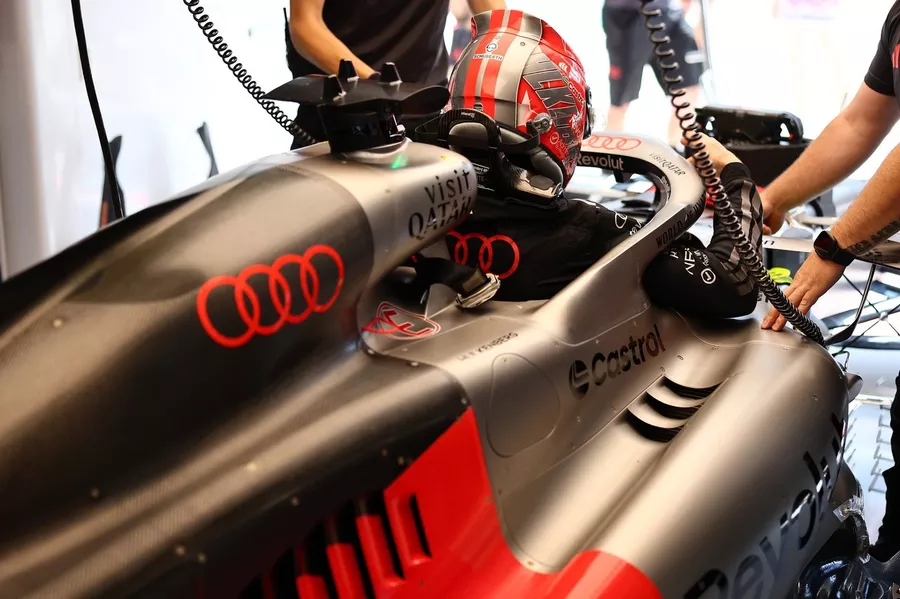
Audi is focusing its Formula 1 power unit development on a major upgrade planned for 2027.
Barcelona Upgrade Delivered Noticeable Progress
The Audi F1 power unit received its first significant update during the Spanish Grand Prix.
Rather than increasing outright performance, the package focused on improving driveability. According to Nico Hülkenberg, the revised power unit delivered smoother power delivery and better throttle response, addressing one of the biggest weaknesses of Audi’s package earlier in the season.
Furthermore, Audi’s recent progress has been reflected in its results. The team has scored points in each of the last three races, allowing it to move ahead of Williams in the Constructors’ Championship.
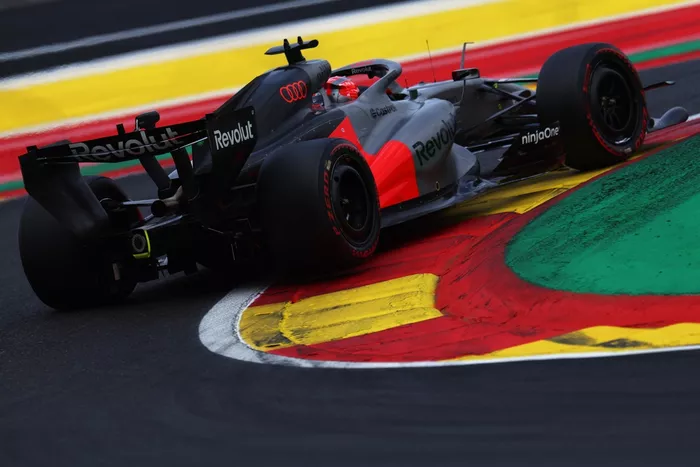
Audi’s Barcelona upgrade improved driveability and helped the team make consistent progress.
Why Driveability Matters in Formula 1
Hülkenberg explained that improving a power unit involves much more than increasing horsepower.
The way torque is delivered, throttle response and gearshift quality all influence how drivers control the car at the limit. Additionally, smoother power delivery makes it easier to accelerate out of corners while maintaining balance and maximizing grip.
Consequently, even subtle improvements can translate into valuable lap time during a Formula 1 race.
Audi Is Already Looking Toward 2027
Audi has made it clear that its next major Audi F1 power unit upgrade will focus on new hardware scheduled for the 2027 season.
Meanwhile, the team will continue developing its chassis throughout the remainder of 2026 while extracting additional performance from its existing engine package through setup optimization and software refinements. Therefore, fans should not expect another significant hardware change before next year.
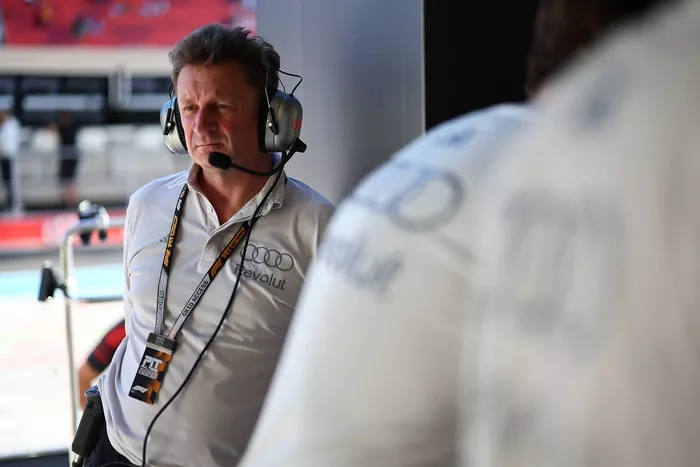
Audi will continue chassis development while preparing its next major power unit upgrade for 2027.
Long-Term Planning Takes Priority
Audi’s decision highlights the reality of modern Formula 1 development under strict financial regulations.
Overall, by postponing major power unit upgrades until 2027, the manufacturer aims to maximize its long-term competitiveness instead of pursuing short-term gains during the remainder of the 2026 season.
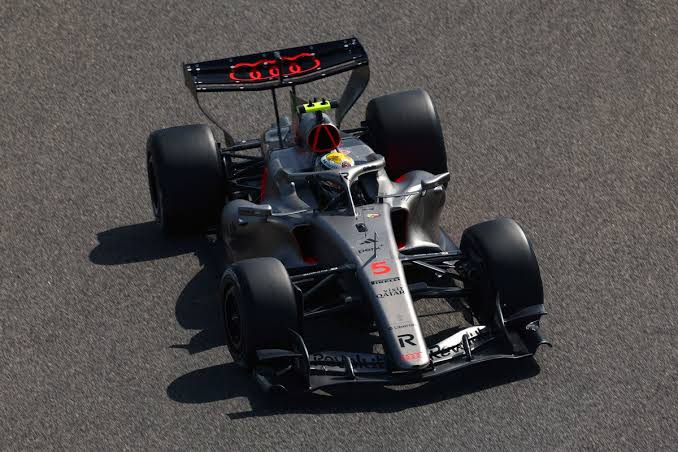
Gabriel Bortoleto finished fastest during Pirelli’s latest Formula 1 tire development test at the Hungaroring, where he joined Franco Colapinto in evaluating compounds designed for the 2027 season.
The Pirelli 2027 F1 tire test concluded at the Hungaroring with Gabriel Bortoleto posting the fastest lap over two days of development running. The Audi driver joined Franco Colapinto in helping Pirelli evaluate several tire compounds that could be introduced for the 2027 Formula 1 season.
Moreover, the demanding conditions allowed engineers to collect valuable data on tire performance and durability.
Bortoleto Finishes Ahead of Colapinto
Bortoleto set the quickest time of the test with a lap of 1:19.917 on the second day.
Meanwhile, Colapinto completed an extensive program for Alpine, recording a best lap of 1:20.139 after completing 139 laps on Wednesday. Furthermore, Aston Martin reserve driver Jak Crawford participated during Tuesday’s session before switching to a separate filming day later in the week.
As a result, Pirelli gathered a significant amount of information from three different Formula 1 teams.
Gabriel Bortoleto recorded the fastest lap during Pirelli’s two-day tire test at the Hungaroring.
Thousands of Kilometers of Valuable Data
The testing program focused on evaluating different versions of the C3, C4 and C5 tire compounds.
Drivers completed qualifying simulations along with long race stints to measure performance, degradation and consistency under extreme conditions. Additionally, the Hungaroring presented a demanding environment, with track temperatures reaching nearly 60°C during the second day of running.
Consequently, Pirelli collected critical data to support development of its next-generation Formula 1 tires.
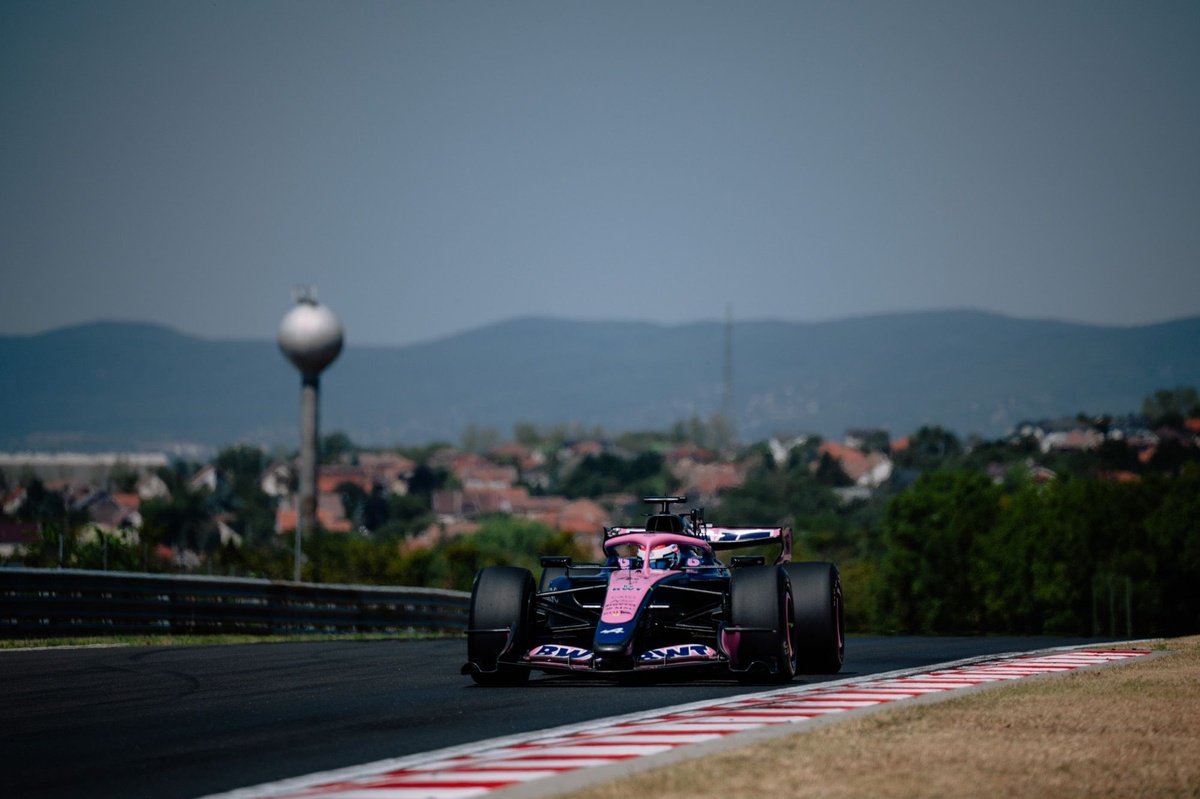
Franco Colapinto completed hundreds of kilometers while helping Pirelli develop its 2027 Formula 1 tires.
Preparation Continues for Formula 1’s Future
Across both days, the participating teams completed 660 laps, covering nearly 2,900 kilometers of running.
The extensive mileage will help Pirelli refine future tire compounds before Formula 1’s next technical era. Meanwhile, teams also benefited from additional track time following the Hungarian Grand Prix weekend.
Therefore, the Hungaroring test represented another important milestone in preparing the championship for the 2027 season.
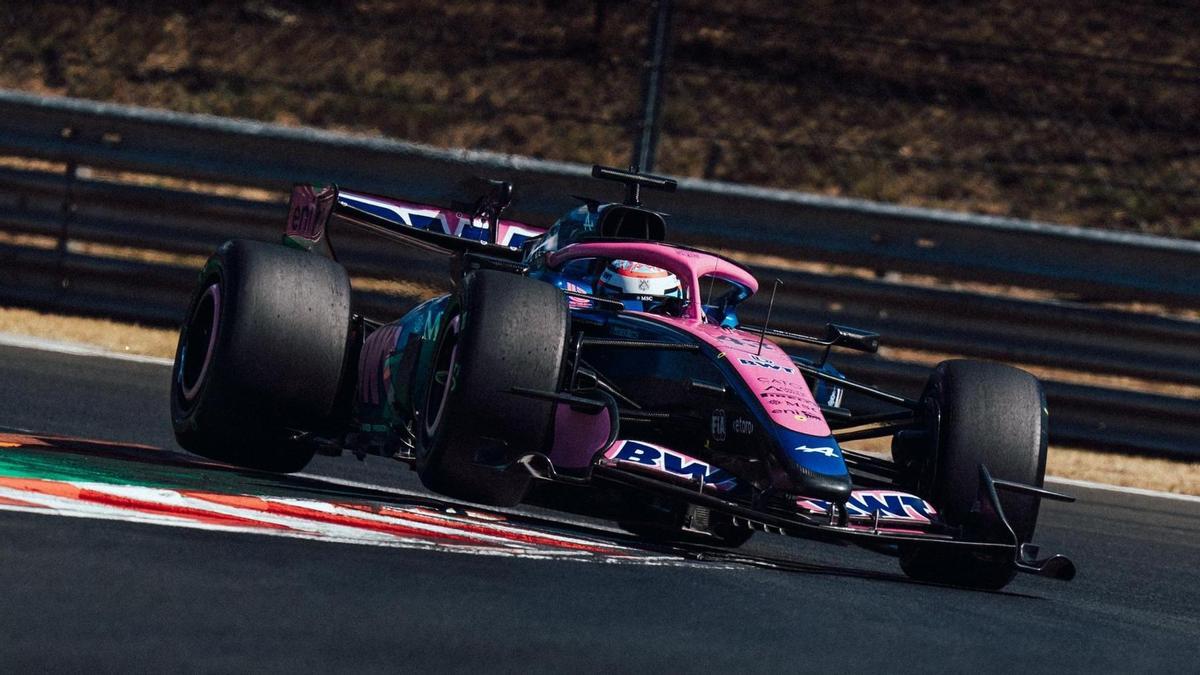
Pirelli completed another key step in developing Formula 1’s future tire compounds.
Pirelli 2027 F1 Tire Test Delivers Valuable Results
The Pirelli 2027 F1 tire test provided engineers with another opportunity to evaluate future compounds under demanding race-like conditions.
Overall, Bortoleto’s fastest lap and Colapinto’s extensive mileage helped Pirelli continue refining the tires that could shape Formula 1’s next generation of competition.
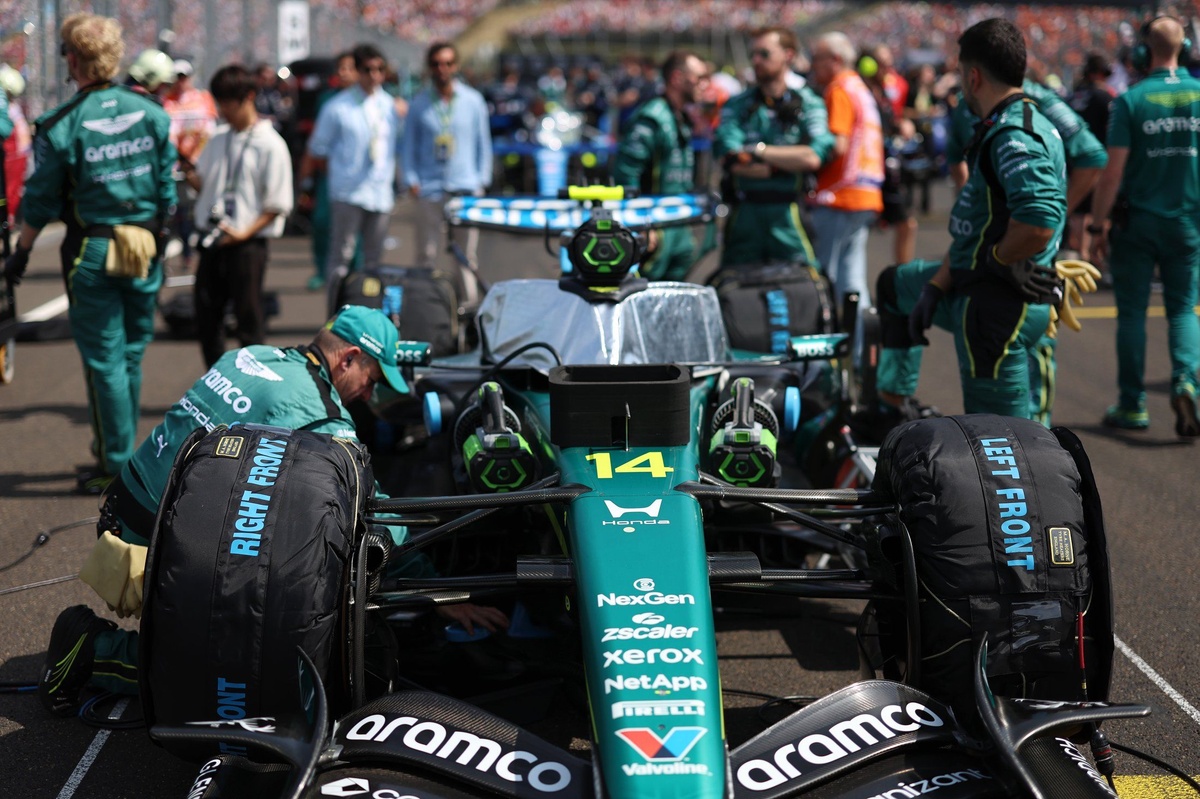
Aston Martin has completed the first track test of Honda’s upgraded Formula 1 power unit, giving the team valuable data before introducing the package at the Dutch Grand Prix.
The Aston Martin Honda engine package has taken an important step forward after the team completed its first on-track evaluation of Honda’s upgraded Formula 1 power unit. During a filming day at the Hungaroring, Aston Martin used the session to validate the revised engine before its expected race debut later this season.
Moreover, the test followed the encouraging performance shown by the team’s updated AMR26 package during the Hungarian Grand Prix weekend.
Jak Crawford Completes the Initial Test
Reserve driver Jak Crawford handled driving duties during the filming day, completing approximately 200 kilometers with the upgraded AMR26.
Although filming days are officially intended for promotional activities, teams also use them to verify new components under real track conditions. Furthermore, Aston Martin engineers worked alongside Honda technicians to compare data gathered during the Hungarian Grand Prix with the updated power unit.
As a result, the team collected valuable information ahead of the next phase of development.
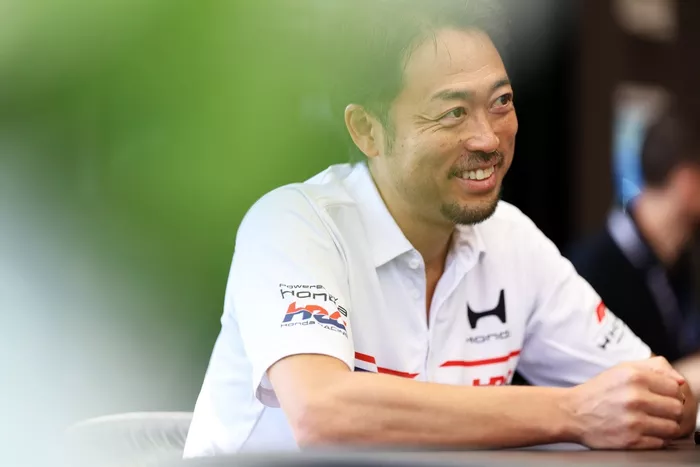
Jak Crawford completed Aston Martin’s filming day with Honda’s upgraded Formula 1 engine.
Early Results Appear Encouraging
Initial feedback from the test suggests Honda’s latest upgrades have produced positive results.
According to early evaluations, engineers have significantly reduced the vibration issues that affected the power unit earlier this season. Additionally, the revised engine is expected to deliver a noticeable performance increase once introduced during a full race weekend.
Consequently, Aston Martin hopes the upgraded package will allow the team to compete more consistently for points during the remainder of the Formula 1 season.
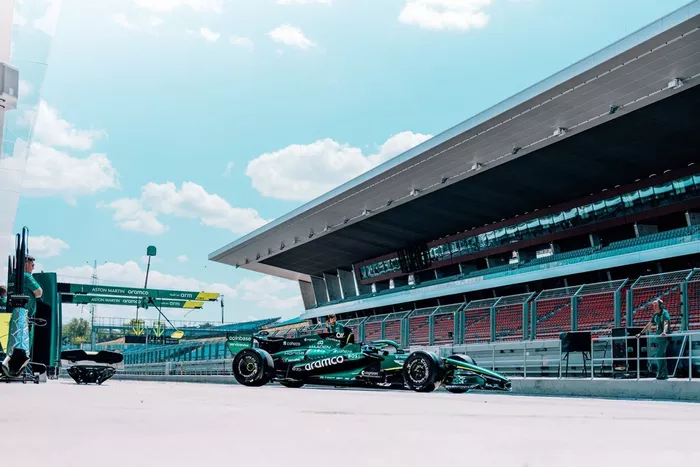
Aston Martin gathered valuable data while evaluating Honda’s revised Formula 1 power unit.
Focus Turns to the Dutch Grand Prix
The next major objective is the Dutch Grand Prix at Zandvoort, where Aston Martin is expected to introduce its complete upgraded package.
The combination of Adrian Newey’s latest aerodynamic revisions and Honda’s improved engine could provide the team’s biggest performance boost of the season. Meanwhile, engineers will continue analyzing the data collected in Hungary before finalizing the package for race conditions.
Therefore, Zandvoort is shaping up to be a crucial benchmark for Aston Martin’s progress in the second half of the championship.
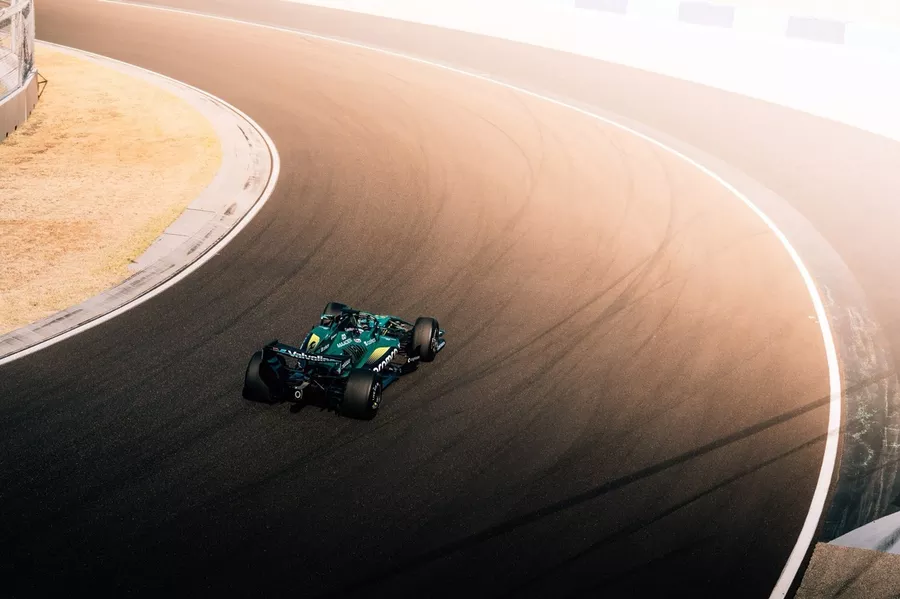
Aston Martin is expected to debut its full upgrade package at the Dutch Grand Prix.
Aston Martin Honda Engine Upgrade Brings New Optimism
The Aston Martin Honda engine test marks another important milestone in the team’s ongoing development program.
Overall, while more competitive running will be needed to measure its true potential, the initial signs are encouraging and could give Aston Martin a stronger platform to challenge for regular points as the Formula 1 season continues.
-

 TEST DRIVES2 months ago
2026 Subaru Outback Touring
-

 TEST DRIVES2 months ago
Lamborghini prepares multiple launches for 2026 as electrification plans continue
-
 INTELLIGENT MOBILITY1 month ago
2026 Cadillac Escalade IQL Redefines Luxury In The Electric SUV Segment
-
 RACING2 months ago
Barcelona-Catalunya Grand Prix: Everything You Need To Know About Formula 1’s Ultimate Benchmark Circuit
-
 RACING2 months ago
George Russell Leads Final Barcelona Practice As Kimi Antonelli Receives Reprimand
-
 RACING2 months ago
Why Formula 1 Has Pit Lane Speed Limits And How They Are Measured
-

 NOW TRENDING2 months ago
Porsche Creates A Buzz Lightyear-Inspired 911 GT3 RS That Looks Ready To Go “To Infinity And Beyond”
-
 NOW TRENDING2 months ago
2026 Audi Q7 Brings New Design, Smarter Technology, And Greater Versatility
You must be logged in to post a comment Login