
NOW TRENDING
Genesis GV90 Screen Turns the SUV Into a Movie Lounge

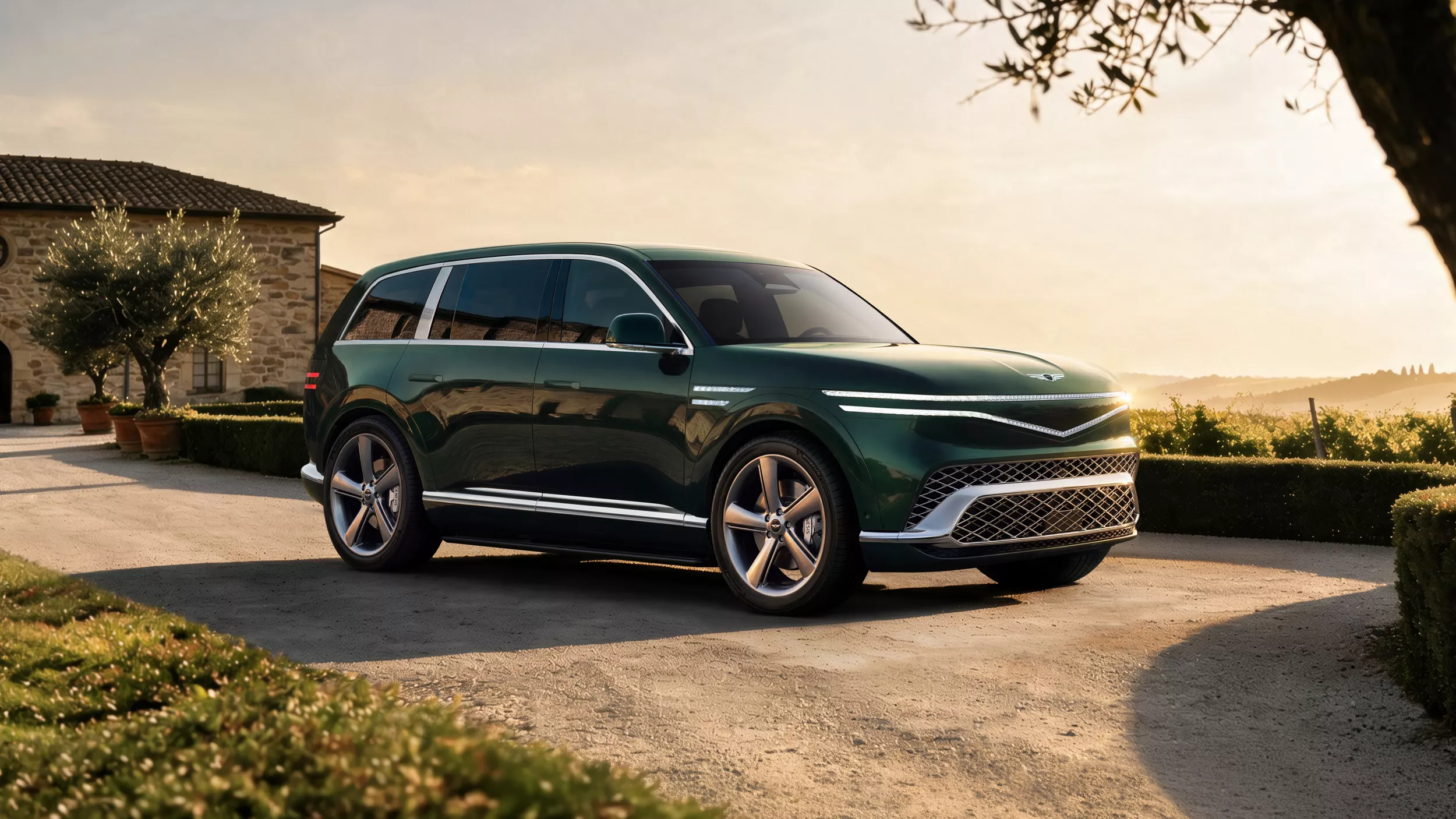
Genesis gives its giant screen a second act
The Genesis GV90 takes one of the biggest trends in modern cars (larger displays) and adds a mechanical twist.
Its 23.6-inch OLED Cinematic Display can rise by 90 millimeters when the SUV is parked. The movement reveals the full 24.6-inch screen, expanding the usable viewing area by about 1.7 times.
The feature was designed to turn the GV90’s cabin into something closer to a private lounge.
Genesis says the extended display switches to Media Home mode, allowing occupants to access compatible streaming services and live channels, depending on market and service availability.
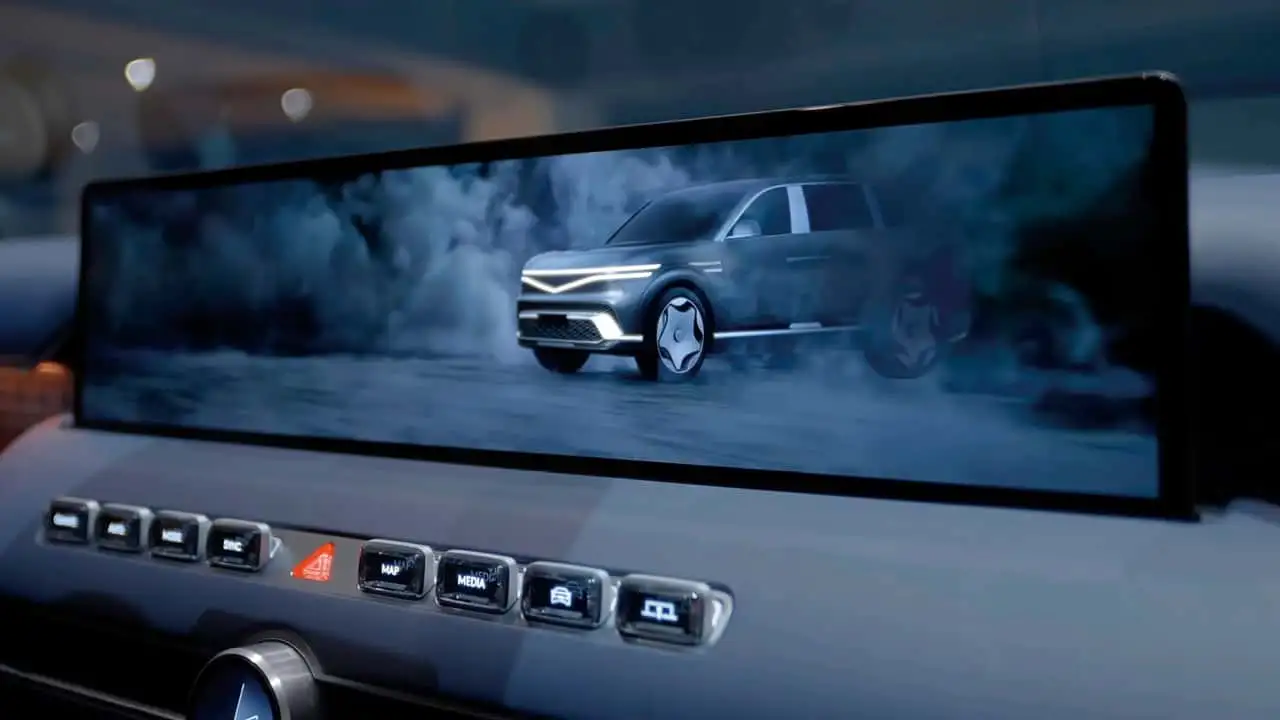
The GV90’s cabin combines luxury seating with a large central OLED display and lounge-style design.
The screen had to survive real-world driving
Making a display rise from the dashboard created an engineering problem.
The mechanism needs a motor, gears and guide rails. Those parts add weight, and the extra mass could increase vibration while the vehicle is moving.
Genesis therefore mounted the display assembly directly to the cowl crossbar, a structural component behind the dashboard.
That decision was intended to reduce movement and keep the screen stable over uneven roads. The engineering team also had to coordinate the mechanism with the dashboard design and surrounding components.
The system uses a brushless DC motor and linear motion guides to control the screen’s movement.
The objective was not only reliability. Genesis also wanted the mechanism to operate quietly enough that its movement would not distract occupants.
Genesis tested the mechanism more than 100,000 times
The GV90’s screen went through an extensive durability program.
Genesis says the mechanism completed more than 100,000 test cycles. Operating noise remained below 40 decibels across low, ambient and high-temperature conditions.
The engineers also tested the system in extreme cold.
One member of the development team entered a chamber cooled to -30°C (-22°F) to evaluate how the mechanism behaved in the lowest-temperature conditions.
That attention to durability matters because the screen is not a simple static panel.
Every time an owner parks and activates the feature, the mechanism moves. Genesis therefore had to develop it as a component expected to operate repeatedly throughout the vehicle’s life.
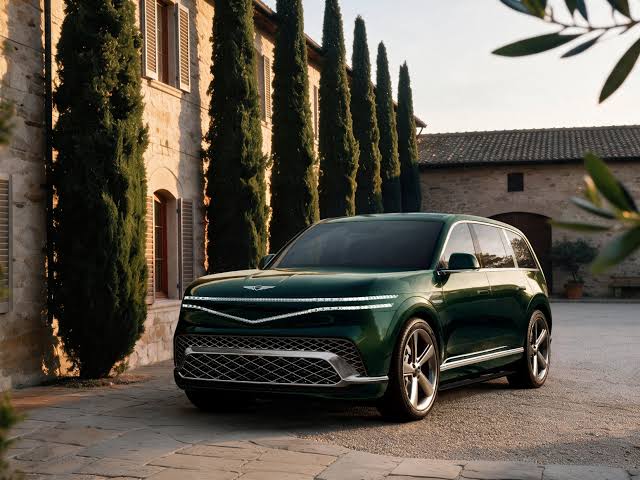
When extended, the GV90 display provides access to the vehicle’s Media Home interface.
Safety was another major challenge
The screen cannot simply remain extended all the time.
Genesis designed the system to automatically retract when the vehicle begins moving. This keeps the larger display from interfering with the driver’s view and helps maintain the required safety conditions.
Airbag clearance was another important consideration.
The engineers had to make sure the expanded display would not interfere with the front passenger airbag deployment path. That requirement influenced both the movement and the final position of the screen.
This is one reason the system is more complicated than a conventional dashboard display.
The mechanism has to coordinate hardware, software, vehicle movement and occupant protection.
The display works with Pleos Connect
The hardware is only part of the experience.
The GV90 is the first Genesis model to use Pleos Connect, Hyundai Motor Group’s next-generation infotainment platform. The system was developed specifically for the GV90 and works with the pop-up display.
While driving, the 23.6-inch screen displays vehicle information, navigation and media.
The GV90 also uses a 25-inch head-up display, keeping important driving information in the driver’s field of view.
When parked, the system changes its priorities.
The larger screen becomes an entertainment interface. At the same time, the vehicle can allocate more computing resources to multimedia functions because the demands of driving-related systems are reduced.
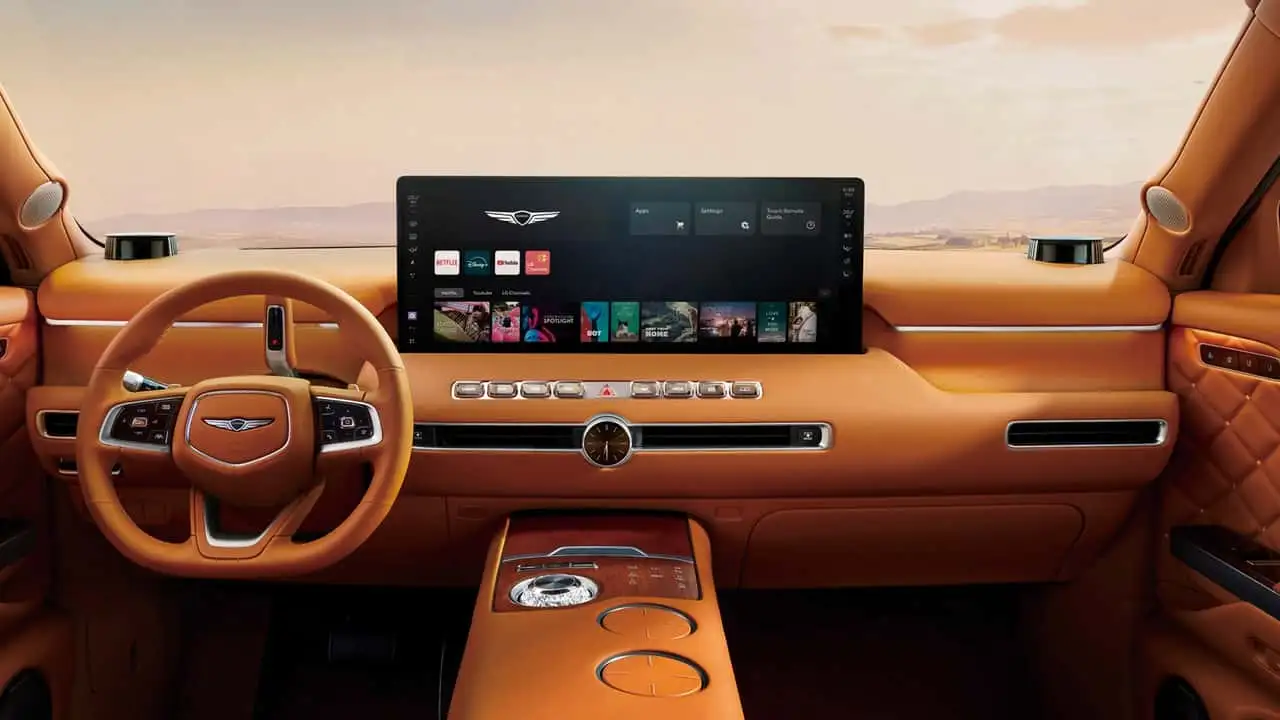
The GV90 is designed around a lounge-like cabin with premium materials and passenger-focused technology.
Genesis is turning the SUV into a private lounge
The screen is part of a much larger interior philosophy.
Genesis describes the GV90 as a lounge-like luxury SUV. The cabin can include massage seats, premium materials, a 25-speaker Bang & Olufsen system and multiple personalized routines.
The U.S. market is already part of the plan.
Genesis USA lists the 2028 GV90 as arriving in early 2027. The company also says the model shown on its U.S. website is a non-U.S. specification vehicle, so final American-market equipment can differ.
That makes the pop-up screen more than a novelty.
It is one of the technologies Genesis is using to differentiate its flagship electric SUV from conventional luxury vehicles.
The Genesis GV90’s motorized OLED display combines a 23.6-inch driving screen with a 24.6-inch parked entertainment display. Behind the simple movement is a complex system tested for vibration, noise, durability, extreme temperatures and airbag clearance.


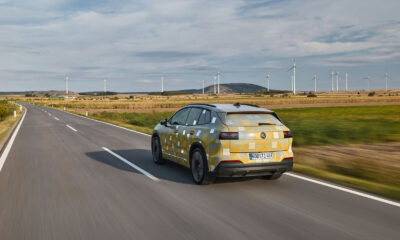






Volkswagen is replacing the ID.4 with the new ID. Tiguan, an electric SUV that will also succeed the ID.4 in North America after its European launch in early 2027.
Volkswagen is replacing the ID.4 with the new ID. Tiguan, an electric SUV that will also succeed the ID.4 in North America after its European launch in early 2027.
Volkswagen gives its electric SUV a familiar name
Volkswagen is giving its electric SUV strategy a major change for 2027.
The Volkswagen ID. Tiguan will replace the ID.4 nameplate. It will also sit alongside the regular Tiguan, which continues with combustion and hybrid powertrains.
The move is part of Volkswagen’s broader shift toward using established names for new electric models. The ID. Polo and ID. Cross follow the same approach.
The new ID. Tiguan will make its global debut in early October. Volkswagen says it will arrive in markets at the beginning of 2027.
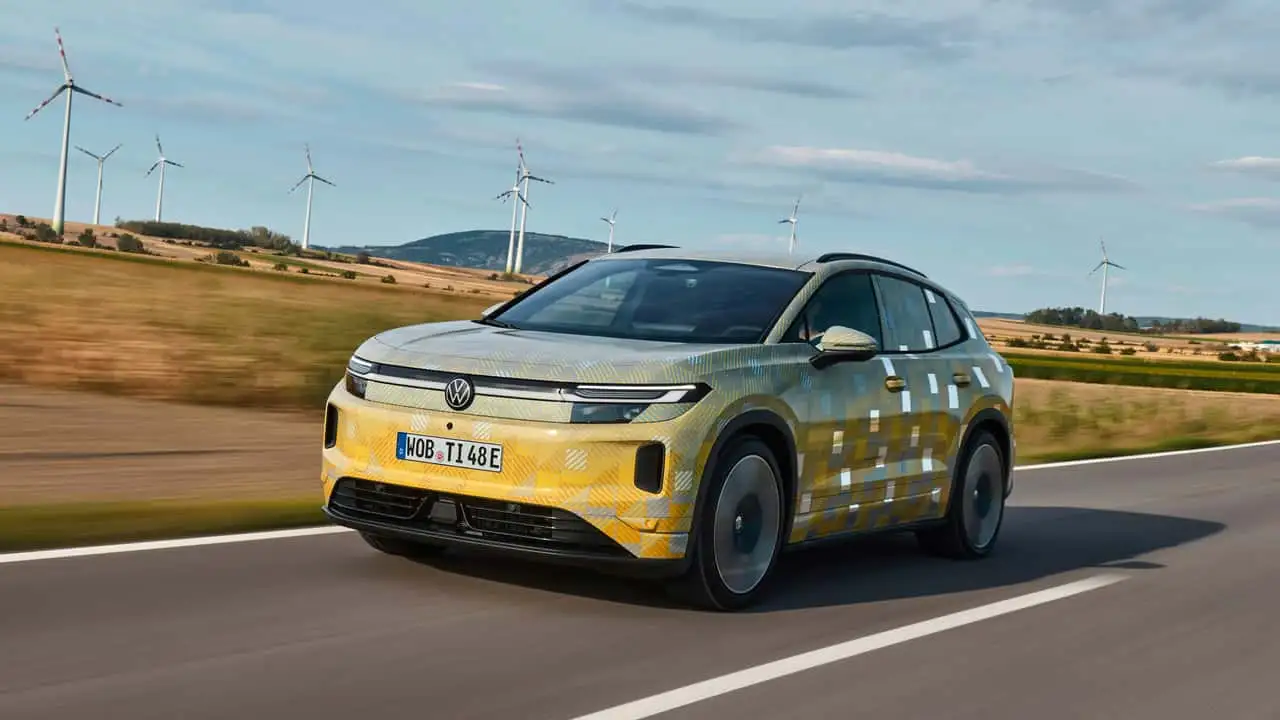
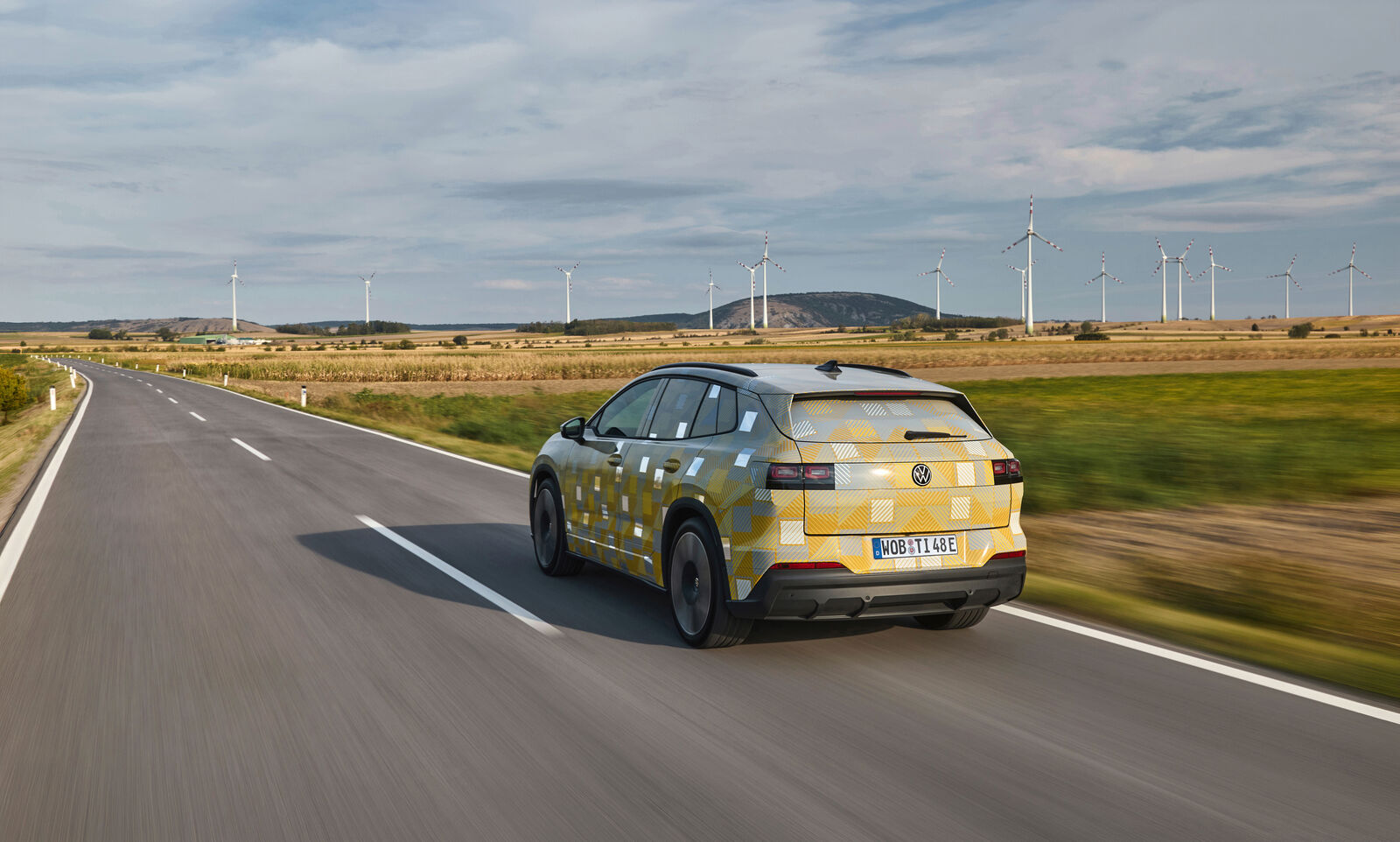
The near-production ID. Tiguan is still wearing camouflage ahead of its October debut.
The name is important because the Tiguan is one of Volkswagen’s best-known SUVs.
Volkswagen says more than 8.3 million Tiguans have been produced. The company wants that recognition to carry into the electric era.
The ID. Tiguan is not the electric version of the regular Tiguan
Despite the shared name, the two SUVs remain technically separate.
The electric ID. Tiguan uses Volkswagen’s MEB electric architecture. The gasoline, diesel and plug-in hybrid Tiguan uses the company’s MQB-based architecture.
That means the two vehicles are not simply different powertrain versions of the same SUV.
Volkswagen will continue selling both models at the same time. The conventional Tiguan will keep its combustion and hybrid options, while the ID. Tiguan focuses entirely on electric propulsion.
This approach also gives Volkswagen more flexibility while EV adoption develops at different speeds around the world.
A major redesign is coming
The name is not the only change.
The new ID. Tiguan receives a completely revised exterior design. Volkswagen says the vehicle will have a stronger visual presence and a more substantial appearance than the outgoing electric SUV.
The camouflaged prototypes already show some of the changes.
The front and rear sections have been redesigned. The lighting is also expected to follow the newer visual language already introduced by other Volkswagen electric models.
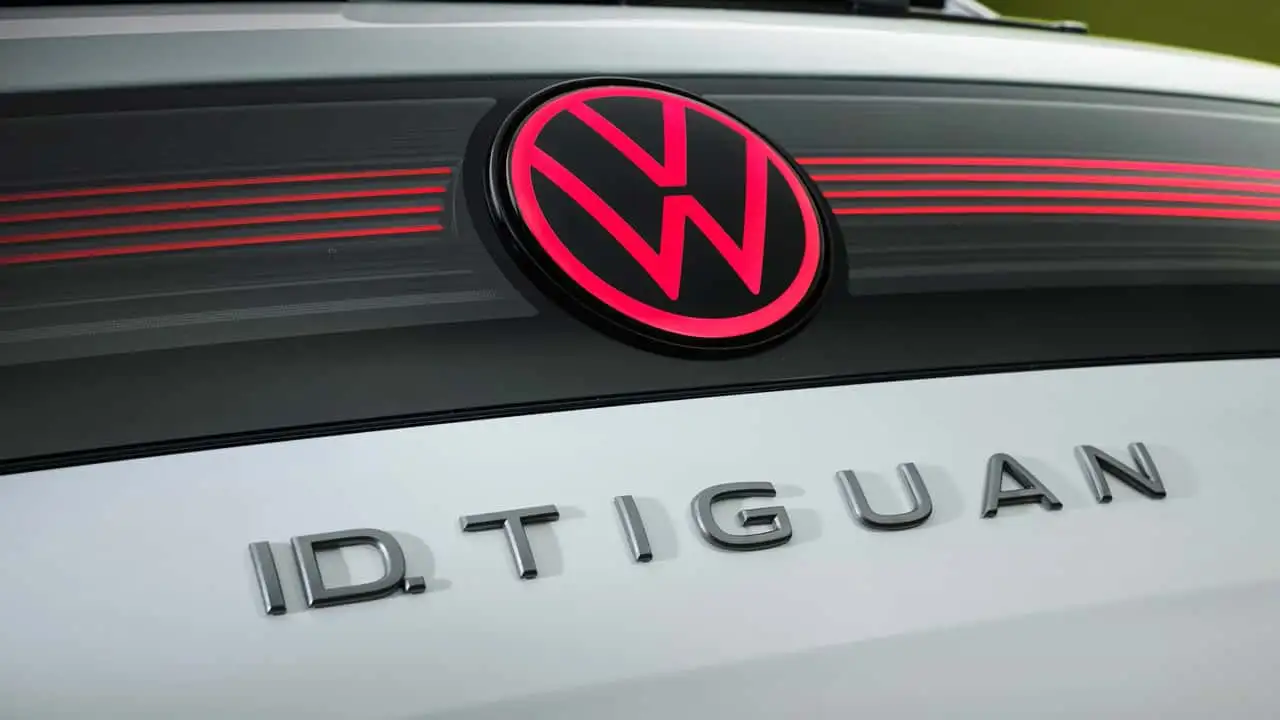
The rear design uses a more upright shape while keeping the proportions of a compact electric SUV.
The profile remains familiar.
The ID. Tiguan keeps the basic crossover proportions associated with the ID.4. However, the new bodywork gives the vehicle a more conventional Volkswagen SUV appearance.
That is an important change.
Volkswagen is trying to make its electric models easier to identify as part of the wider brand. Reusing established names is one part of that strategy. The new styling is another.
The interior gets more physical controls
The cabin is expected to receive one of the biggest changes.
Prototype images show a larger digital instrument cluster and a redesigned central display. More importantly, Volkswagen is bringing back more physical controls.
The touch slider used in the ID.4 is being removed. A row of physical buttons is expected below the center screen.
The steering wheel also receives physical buttons instead of the previous touch-sensitive controls.
These changes follow a clear direction from Volkswagen. The company has been moving away from an interior dominated by touch controls after repeated criticism from customers.
The production ID. Tiguan will reveal the complete dashboard in October.
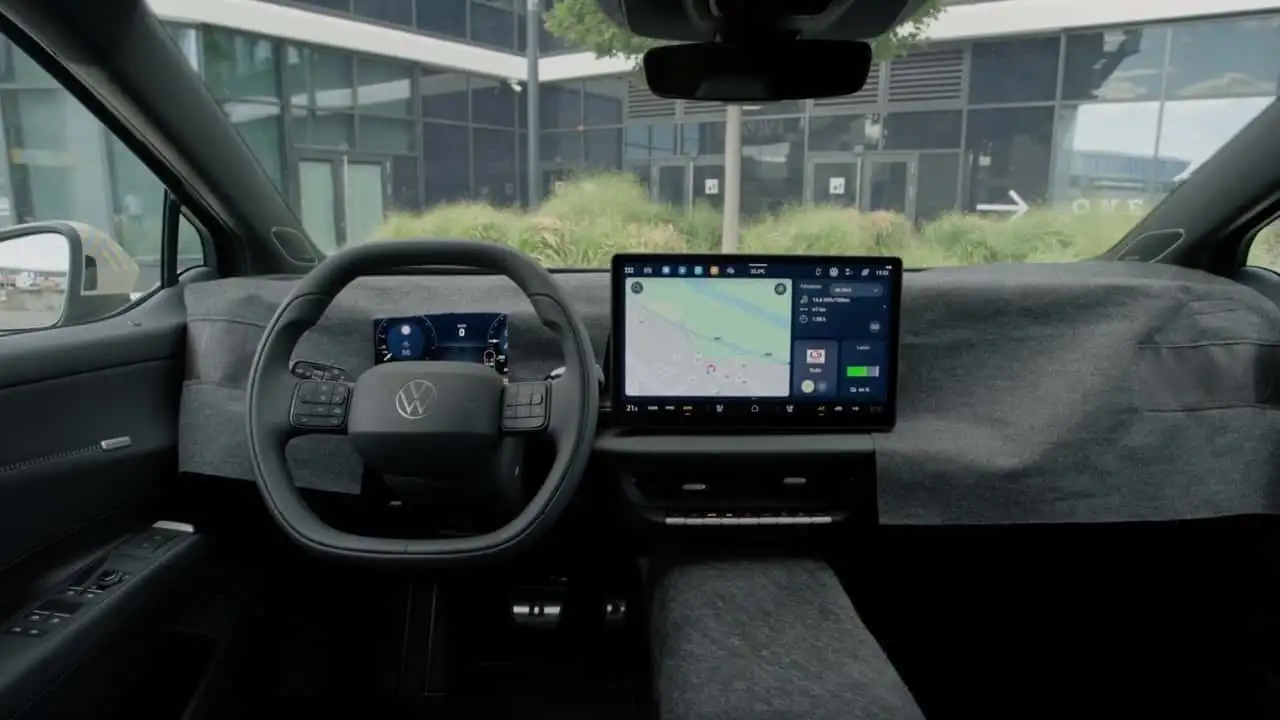
Volkswagen is continuing final development and testing before the ID. Tiguan’s public premiere.
The biggest technical specifications are still being kept under wraps.
Volkswagen has not yet published final battery sizes, EPA range figures, U.S. horsepower ratings or pricing for the ID. Tiguan.
Those details are expected around the world premiere in early October.
That is important for the U.S. market because Volkswagen has not yet published a separate North American specification sheet.
The ID. Tiguan is coming to North America
The U.S. connection is clear.
A Volkswagen spokesperson confirmed that the ID. Tiguan is planned to succeed the ID.4 in the North American market. The company says the European launch will come first in early 2027, with North American timing and market-specific information to follow.
That makes the ID. Tiguan an important vehicle for Volkswagen in the United States.
The ID.4 is no longer the company’s long-term electric SUV answer for North America. The new model will take over that role while using a name already familiar to American SUV buyers.
Volkswagen’s U.S. website currently lists the conventional 2026 Tiguan alongside the 2026 ID.4, showing how the two lineups currently coexist.
Volkswagen is changing more than the name
The ID. Tiguan represents a broader change in Volkswagen’s electric strategy.
The company is moving away from a lineup dominated by numbered ID models. Instead, new electric vehicles increasingly receive recognizable names such as Polo and Tiguan.
That could make the electric range easier for mainstream customers to understand.
The ID. Tiguan also gives Volkswagen a chance to address several criticisms aimed at the ID.4. The exterior is more conventional, the interior returns physical controls and the Tiguan name connects the EV directly with one of Volkswagen’s best-known SUVs.
For American buyers, the most important point is already confirmed.
The 2027 Volkswagen ID. Tiguan will succeed the ID.4 in the North American market, although Volkswagen has not yet announced the exact U.S. launch date, specifications or pricing.
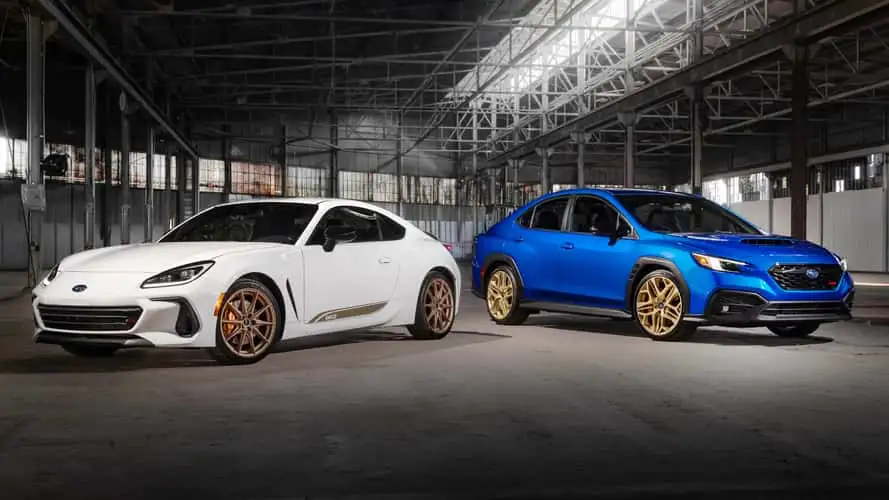
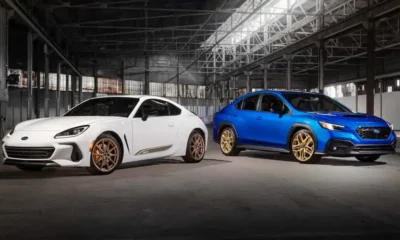
Subaru is celebrating 25 years of the WRX in America and 15 years of the BRZ with two limited-production, manual-only special editions for 2027.
Subaru brings back two enthusiast-focused editions
Subaru has unveiled the 2027 WRX GD25 and 2027 BRZ ZC15 at Boxerfest 2026 in York, Pennsylvania.
Both models celebrate important milestones in the U.S. The WRX marks 25 years in America, while the BRZ reaches 15 years. Their names also reference the original chassis codes.
Production will be limited to 350 WRX GD25 units and 300 BRZ ZC15 units. Subaru also confirms that both editions will use a six-speed manual transmission.
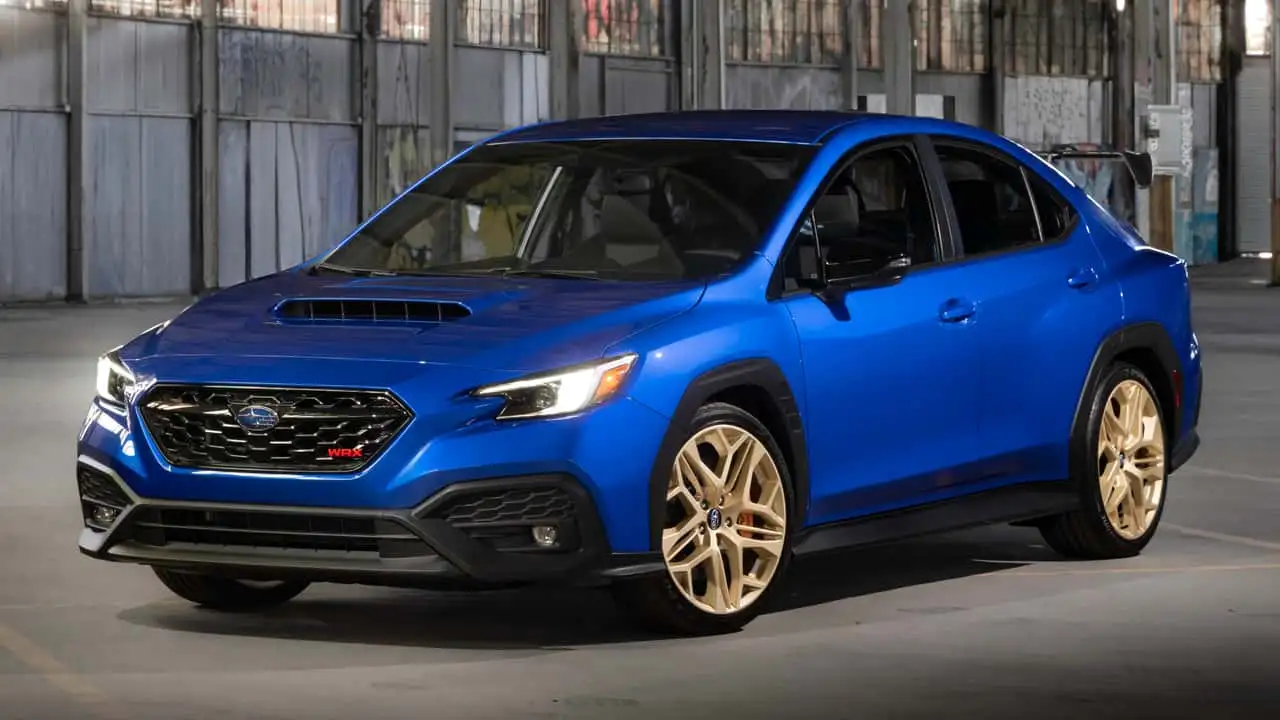
The WRX GD25 combines World Rally Blue paint, gold wheels and a large carbon-fiber rear wing.
2027 Subaru WRX GD25
The WRX GD25 is finished exclusively in World Rally Blue.
It also gets gold 19-inch wheels, upgraded Brembo brakes and Bridgestone Potenza S007 tires. Subaru adds stiffer springs and revised damping to sharpen the chassis.
The standout feature is the rear wing.
It is a dry-carbon-fiber swan-neck wing from Subaru Tecnica International, the same component used on Travis Pastrana’s WRX ARA25L rally car. A flexible strut tower bar adds more rigidity at the front.
The engine remains familiar.
The GD25 uses a 2.4-liter turbocharged SUBARU BOXER engine with 271 horsepower. Power goes through a six-speed manual transmission with an STI short shifter and Subaru Symmetrical All-Wheel Drive.
Inside, Subaru adds Recaro seats with black Ultrasuede and red stitching, plus an STI shift knob.
2027 Subaru BRZ ZC15
The BRZ receives a different visual treatment.
The ZC15 comes exclusively in Ceramic White. It uses matte bronze wheels, red Brembo calipers and bronze side decals. Subaru also adds a black decklid spoiler.
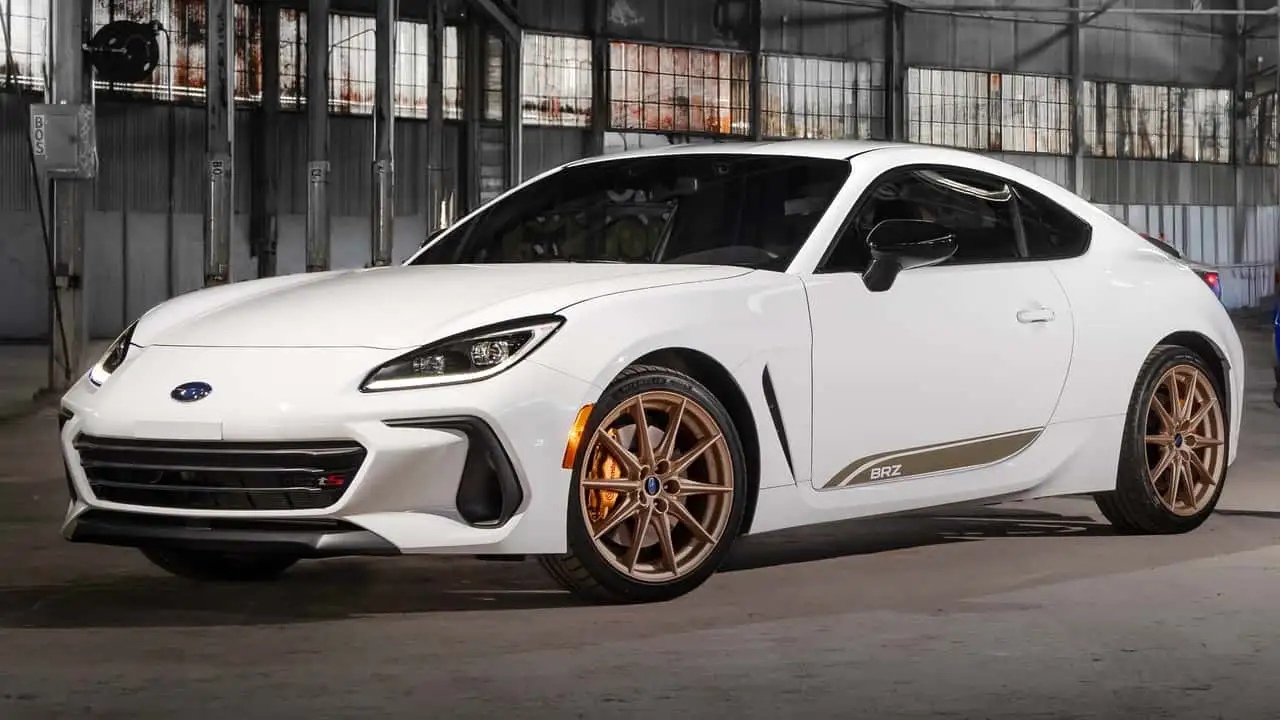
The BRZ ZC15 uses a Ceramic White body, bronze wheels and a black rear spoiler.
The mechanical package is also upgraded.
A flexible V-bar adds chassis rigidity. The car keeps its 2.4-liter naturally aspirated BOXER engine, producing 228 horsepower and 184 lb-ft of torque.
The six-speed manual is the only transmission. Power goes exclusively to the rear wheels, preserving the BRZ’s traditional sports-car layout.
The interior gets black leather-appointed upholstery with Bordeaux Red inserts. Subaru also adds a unique ZC15 anniversary plaque and an STI short shifter.
Two special editions with the same idea
The WRX and BRZ take different approaches, but the formula is similar.
Both receive heritage-inspired colors, performance hardware and manual transmissions. Both are also limited to a small production run.
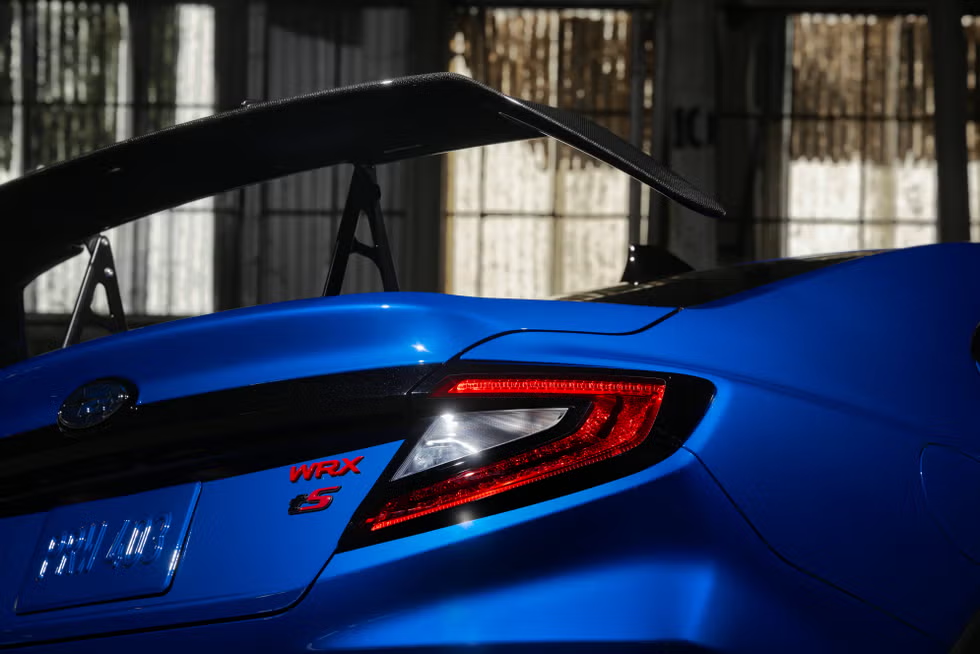
The two special editions connect Subaru’s current performance cars with their history in the U.S.
Subaru expects the BRZ ZC15 to arrive in early 2027.
The WRX GD25 is scheduled for summer 2027. Pricing will be announced closer to each model’s launch.
For U.S. enthusiasts, these editions offer something increasingly uncommon: small-production performance cars with manual transmissions and dedicated hardware.
The 2027 Subaru WRX GD25 and BRZ ZC15 will be built in very limited numbers, with the WRX capped at 350 units and the BRZ at 300.
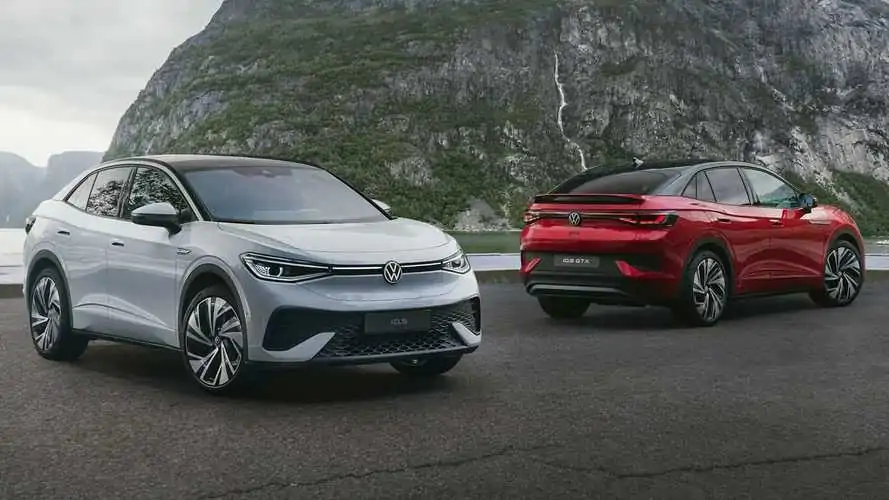
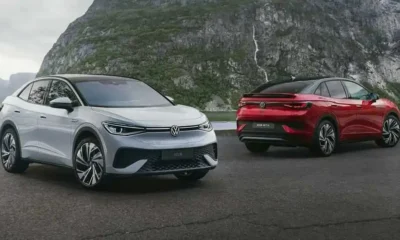
Volkswagen is ending the ID.5 without a direct successor, with the new electric ID. Tiguan set to replace both the ID.4 and ID.5 from 2027.
Volkswagen ends the ID.5 experiment
The Volkswagen ID.5 is officially coming to the end of its production run.
Volkswagen has confirmed that the new ID. Tiguan will take over the roles previously occupied by both the ID.4 and ID.5. The new electric SUV will make its world premiere in early October, with European sales scheduled to begin in early 2027.
The decision closes a relatively short chapter for the ID.5.
Introduced in 2021, the model was Volkswagen’s first electric SUV coupe. It shared its basic architecture with the ID.4 but added a lower, more sloping roofline and a different rear design.
A familiar shape gives way to a traditional SUV
The new ID. Tiguan takes a different approach.
Volkswagen is moving toward a more conventional SUV body rather than creating another coupe-style electric model. The company says the new model will offer high-quality design, a spacious interior, intuitive operation and new technologies.
That gives Volkswagen one electric SUV instead of maintaining two closely related body styles.
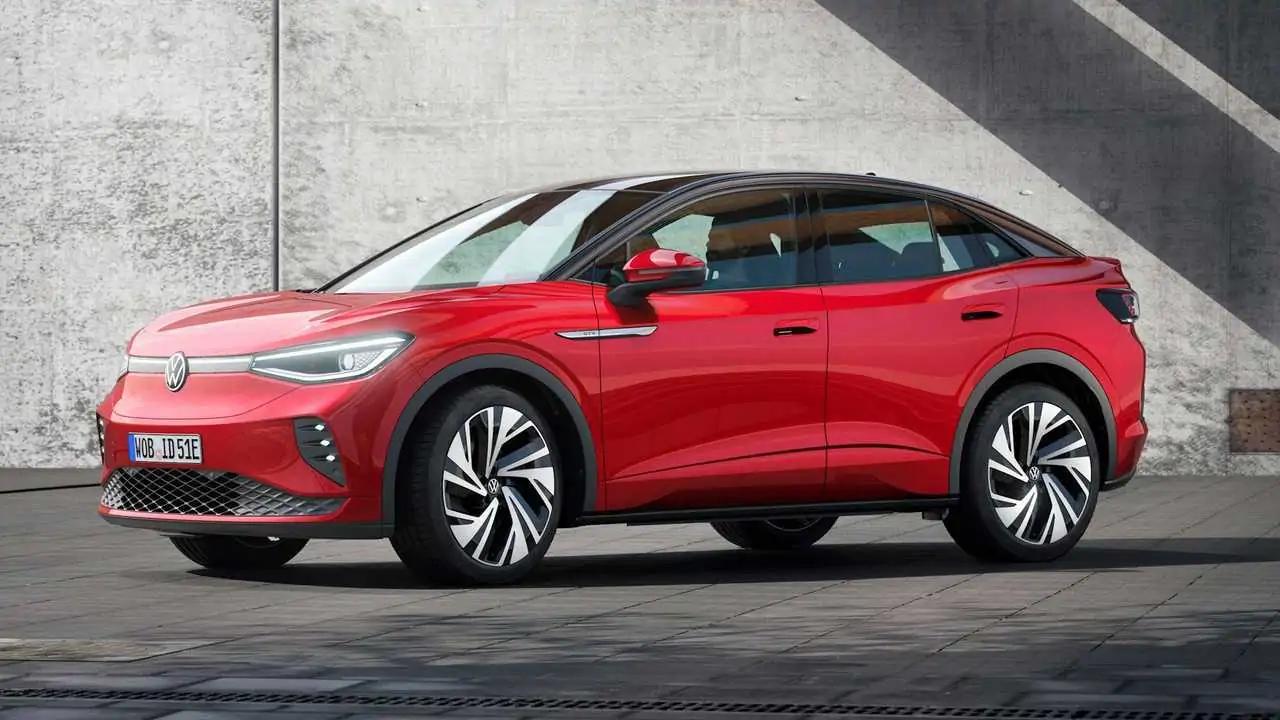
Volkswagen is currently showing the near-production ID. Tiguan in camouflage ahead of its October world premiere.
The change also fits Volkswagen’s broader naming strategy.
After introducing electric models such as the ID. Polo and ID. Cross, the company is moving toward familiar names for future EVs. Volkswagen says this approach should make the relationship between its electric vehicles and established model families clearer.
The ID.5 will not get a replacement
The most important detail is that the ID.5 is not being renamed.
Volkswagen has confirmed that there is no direct successor planned for the coupe-style EV. Instead, the ID. Tiguan will cover the space previously occupied by both the ID.4 and ID.5.
That means there will not be a separate coupe-SUV version alongside the new electric Tiguan, at least based on the information available today.
The strategy puts more emphasis on practicality.
A conventional SUV offers more usable interior space and easier packaging. It also gives Volkswagen a closer visual link between its electric and combustion-powered SUVs.
The ID.5 was never sold in the United States
There is an important U.S. market detail.
The ID.5 was never officially sold in the United States. Its retirement therefore has no direct impact on the current U.S. ID lineup.
The new ID. Tiguan is different.
Volkswagen has said the electric SUV will launch in Europe first, while North American timing and market-specific details will be announced later.
For American readers, that means the ID.5 story is mainly a look at Volkswagen’s European strategy. The ID. Tiguan, however, could become much more relevant to the U.S. lineup.
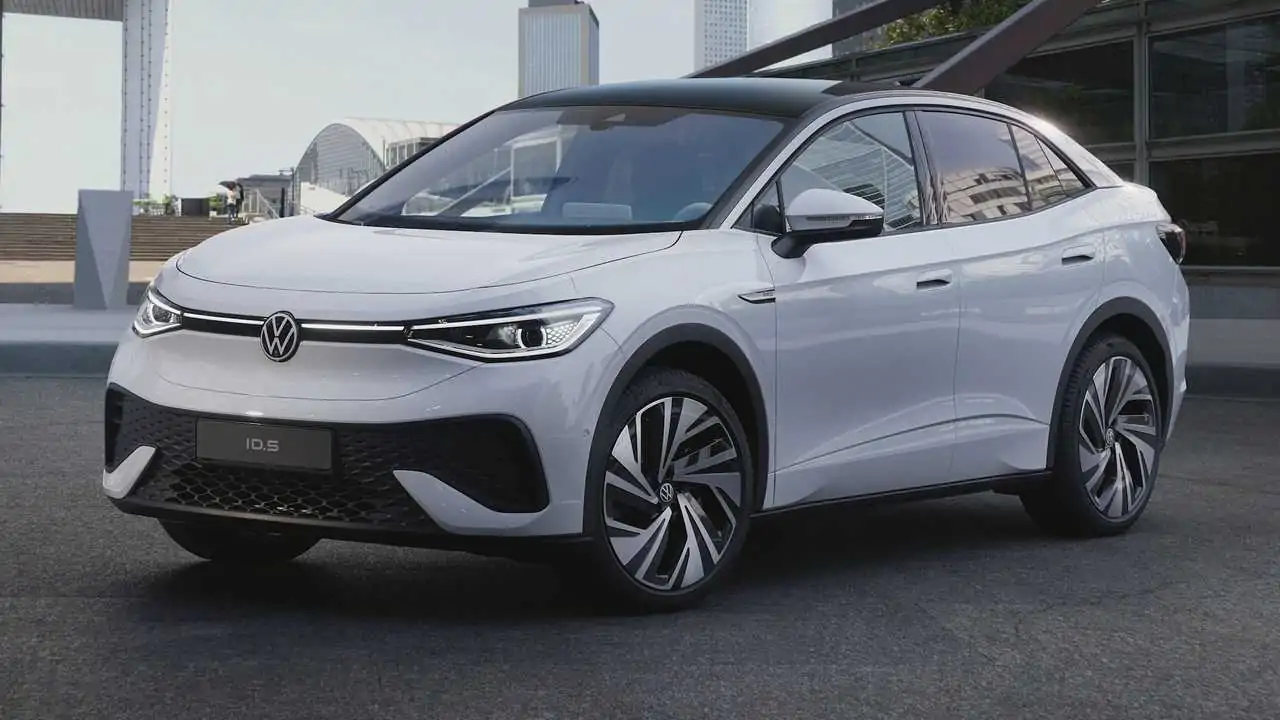
Volkswagen is moving away from numerical EV names
The ID.5 was part of Volkswagen’s first major EV naming strategy.
The company created a family based around names such as ID.3, ID.4, ID.5 and ID.7. That approach helped separate electric models from conventional Volkswagen vehicles.
The company is now reversing part of that strategy.
The electric Polo, Cross and Tiguan bring familiar names back into the EV portfolio while retaining the ID prefix.
The Tiguan name is particularly important.
Volkswagen says more than 8.3 million Tiguans have been produced, while the model has been its global best-selling vehicle in recent years. The electric version will therefore enter the market with a much more established name than the ID.4 or ID.5 ever had.
The ID.4 and ID.5 are being consolidated
The new strategy effectively combines two electric SUVs into one.
The ID.4 provided the traditional SUV shape. The ID.5 offered a more stylish, lower-roof alternative. Volkswagen is now choosing the conventional format for the next generation.
That does not mean Volkswagen is abandoning electric SUVs.
Quite the opposite.
The company is giving the segment a more recognizable name and a new generation of technology. The ID. Tiguan is expected to use Volkswagen’s newer electric architecture and will debut with more information on range, charging, power and pricing in October.
For now, the key fact is simple.
The Volkswagen ID.5 is ending without a direct replacement, while the ID. Tiguan will replace both the ID.4 and ID.5 in Volkswagen’s European electric range from 2027. North American timing for the ID. Tiguan is still pending.
-
 NOW TRENDING1 month ago
Tesla Cybercab Gets September 3 Austin Launch Date
-
 NOW TRENDING2 months ago
2027 Audi Q9 and SQ9 Debut as Brand’s Largest SUVs
-
 NOW TRENDING2 months ago
2027 Hyundai Tucson Spied With New Design and Hybrid Power
-
 NOW TRENDING2 months ago
Ferrari Sold Out Through 2027 as Demand Hits New High
-
 NOW TRENDING2 months ago
Audi’s New SUVs Could Help Reverse Its Sales Decline in 2026
-
 NOW TRENDING2 months ago
Mazda Plans Updates for CX-70 and CX-90 After Sales Drop
-
 NOW TRENDING2 months ago
Cadillac spent $16 million on the Blackwing V8 before canceling it
-
 NOW TRENDING2 months ago
GM Invests $157 Million in Missouri Assembly Plant
You must be logged in to post a comment Login