
NOW TRENDING
California Approves New Replacement Tire Efficiency Rules


California has approved the nation’s first replacement-tire efficiency standards, with the first requirements starting in 2029 and stricter rules following in 2033.
California is moving ahead with a new set of replacement tire efficiency rules that will change which aftermarket tires can be sold in the state.
The California Energy Commission (CEC) unanimously approved the Replacement Tire Efficiency Program, making California the first state in the country to establish efficiency standards specifically for replacement tires.
The program is designed to reduce fuel consumption and emissions while keeping exemptions for several specialty tire categories.
California creates the first replacement-tire efficiency program
The new regulations focus on tires sold through the aftermarket rather than those installed on new vehicles at the factory.
California regulators believe the program can produce significant environmental and financial benefits once it is fully implemented.

California’s new replacement tire program introduces efficiency standards for tires sold through the aftermarket.
According to state estimates, the rules could save California drivers nearly $1 billion cumulatively while reducing carbon dioxide emissions by approximately 2 million metric tons per year.
However, the regulations went through several revisions before receiving final approval.
Those changes were important for automotive enthusiasts and specialty-tire buyers because they created additional exemptions.
Performance and off-road tires receive exemptions
The original proposal generated concern among tire manufacturers, aftermarket businesses, and enthusiasts.
After a public comment period, California revised the regulations to allow several types of specialty tires to remain available.
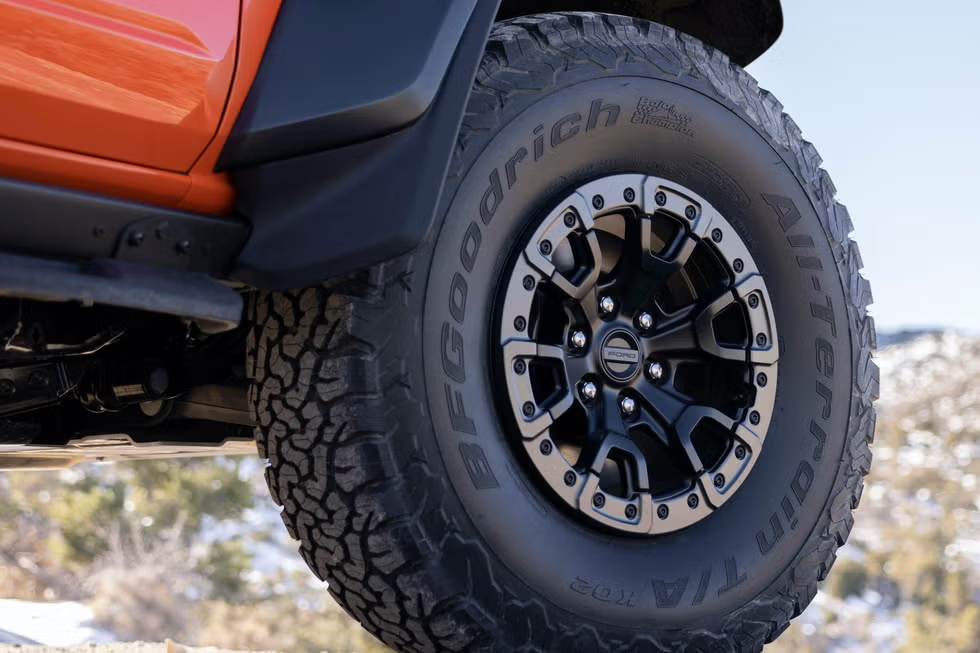
Revisions to the program created exemptions for several specialty tire categories, including high-performance and off-road applications.
The final rules include exemptions for high-performance competition tires, along with certain off-road tires and all-season winter performance tires.
That means the program will not eliminate every type of specialized replacement tire from California’s aftermarket.
The changes helped address some concerns surrounding consumer choice, although not every industry group believes the final rules go far enough.
Tire industry support comes with conditions
Major tire manufacturers such as Michelin and Bridgestone supported the program while emphasizing the importance of balancing efficiency with safety.
Dunlop took a more cautious position after the rules were approved. The company urged California to consider the broader effects of replacement-tire requirements and continue working with manufacturers, consumers, and the automotive industry.

California’s final tire rules received support from some manufacturers but continued to face opposition from aftermarket groups.
The Specialty Equipment Market Association (SEMA) remained opposed to the regulation.
SEMA cited concerns surrounding tire affordability, consumer choice, and the potential impact on small businesses. However, the organization also acknowledged that the final version was significantly improved compared with the original proposal.
The new standards arrive in two stages
California will not implement the entire program at once.
The first phase begins in 2029, giving tire manufacturers and retailers time to prepare for the new requirements.
A stricter set of standards is scheduled to take effect in 2033, increasing the efficiency requirements over time.
The phased approach is intended to give the aftermarket a longer transition period while allowing California to move toward its broader emissions-reduction goals.
The California replacement tire rules represent a major change for the aftermarket. The state is now setting efficiency requirements for replacement tires while preserving specific exemptions for specialty applications.
For California drivers, the most important changes will arrive beginning in 2029. The rules could eventually reshape the tire market, but the exemptions and phased implementation mean specialty products will continue to have a place in the state.













-

 NOW TRENDING2 months ago
Aston Martin DBX Becomes Harry Da Souza’s Ride in MobLand
-

 TEST DRIVES2 months ago
2026 Maserati GranTurismo Trofeo Review: Miami
-

 INTELLIGENT MOBILITY2 months ago
Tesla Cybercab Navigation Problem Hits Austin Robotaxis
-

 INTELLIGENT MOBILITY2 months ago
Tesla Cybercab Cannot Be Charged at Home—Here’s Why
-

 INTELLIGENT MOBILITY2 months ago
2027 Nissan Rogue Hybrid: e-POWER Comes to America
-

 TEST DRIVES2 months ago
2026 Maserati GranTurismo Coupe
-

 Formula12 months ago
Cadillac F1 2026 Faces an Eight-Race Logistics Challenge
-

 NOW TRENDING2 months ago
2027 Lexus LS Gets Another Update, But Not in America