
Cadillac’s most exclusive model – a hand-built electric rival to Rolls-Royce – now reaches ultra-luxury status with the 2026 update.

The Cadillac Celestiq, one of the world’s most exclusive and meticulously crafted electric cars, has just received a significant price hike. According to Automotive News, the 2026 model will cost $60,000 more than its predecessor, pushing the starting price to around $400,000. It’s an astonishing figure, even among luxury EVs, as the American marque aims to redefine the concept of bespoke, hand-built exclusivity.
A Showcase of American Technological Luxury
The Cadillac Celestiq debuted in 2022 as the brand’s most ambitious project yet, designed to demonstrate its mastery in the electric era. Built on General Motors’ Ultium Platform, this fully electric vehicle produces 655 horsepower and 640 lb-ft of torque from a dual-motor setup, capable of reaching 60 mph in just 3.7 seconds in Velocity Max mode. It also features adaptive air suspension and Magnetic Ride Control 4.0, technology derived from GM’s racing expertise and performance development programs.
The price increase comes with added standard features: the 2026 model now includes a smart glass panoramic roof and eight years of connected services, further cementing its place as Cadillac’s ultimate technology flagship. The company has also streamlined the customization process, a vital step for a vehicle that is essentially handcrafted – with no two cars alike.
Bespoke Luxury on a Rolls-Royce Level
Each Celestiq is built to order, allowing customers to choose from exclusive paints, bespoke upholstery, unique trims, and tailor-made details, transforming every unit into a collectible masterpiece on wheels. Cadillac aims to position this model as a symbol of modern American luxury, rivaling Rolls-Royce and Bentley, yet fully embracing electrification and cutting-edge innovation.
Among its standout features are Super Cruise driver assistance, four-wheel steering, a pillar-to-pillar HD display, a 38-speaker sound system, and even heated armrests. The car also incorporates 3D-printed components, blending artisanal craftsmanship with futuristic technology – the hallmark of 21st-century automotive luxury.
Exclusivity Guaranteed
Cadillac has confirmed that all 25 units of the 2025 Celestiq have already been sold, while orders for the 2026 version are now open. However, the brand has no plans to increase production, preserving the model’s ultra-exclusive status and using it as a showcase of innovation and capability. With this move, Cadillac proves that American craftsmanship can rival the finest European luxury brands, offering a hand-built, fully electric, and truly one-of-a-kind car.









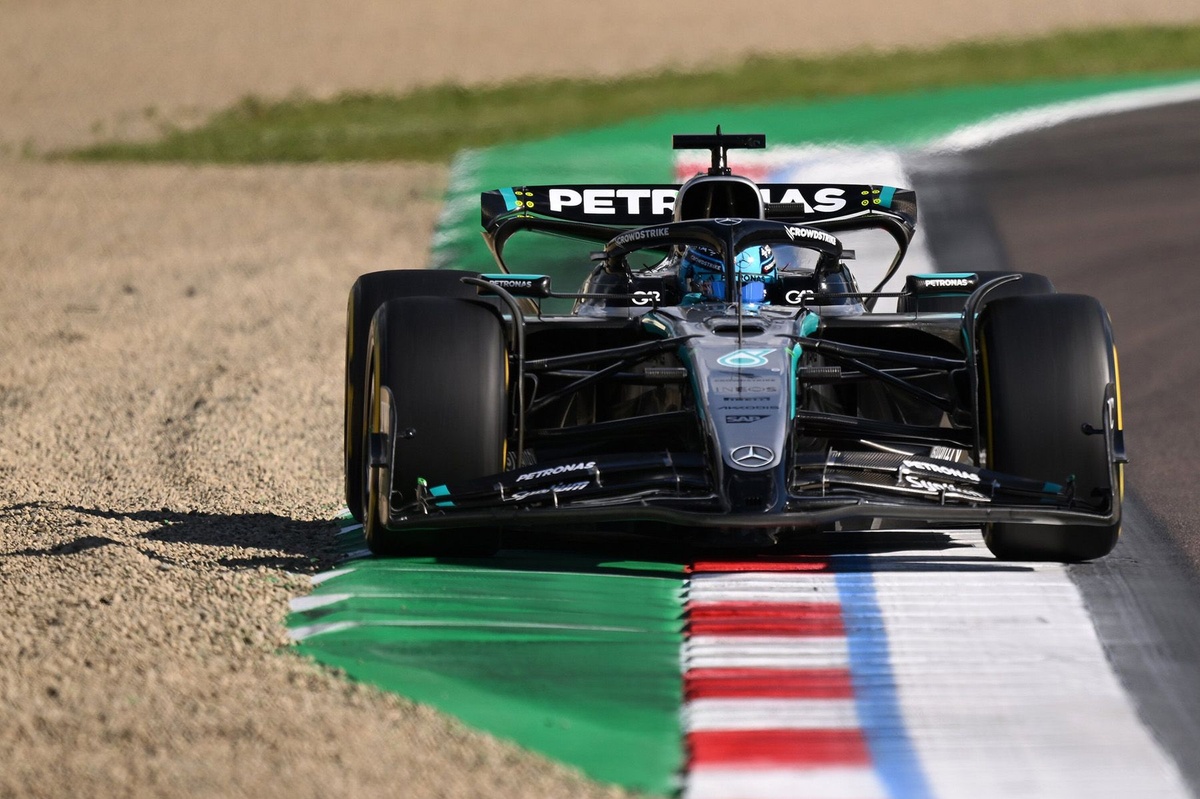
George Russell says Formula 1’s 2026 regulations have forced him to completely rethink his driving style, describing the adjustment as the toughest challenge of his career.
George Russell has admitted that adapting to Formula 1’s 2026 regulations has become one of the biggest challenges of his racing career. The Mercedes driver says the combination of new cars, power units and tires has forced him to abandon driving habits developed over the past two decades.
After entering the season as one of the championship favorites, Russell now finds himself chasing teammate Andrea Kimi Antonelli, who leads the standings after the opening nine rounds.
A New Generation of Cars Requires a New Driving Style
Speaking ahead of the Belgian Grand Prix, Russell explained that the latest Formula 1 machinery demands a completely different approach behind the wheel.
The British driver compared the process to trying to recreate a masterpiece without experience, saying that changing instincts built over 20 years is far more difficult than simply knowing what needs to be done.
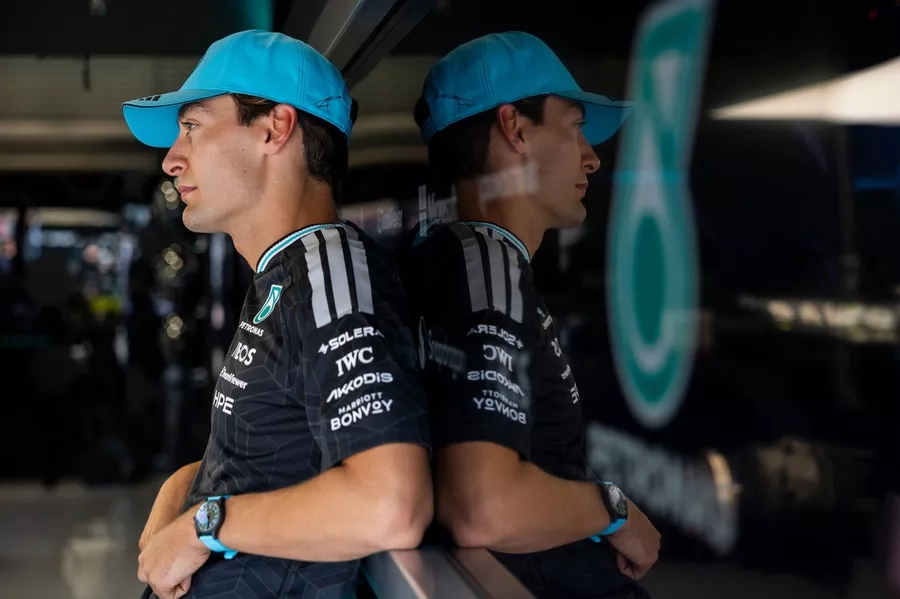
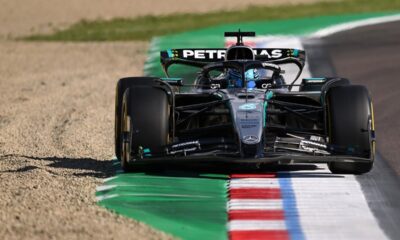
George Russell says the 2026 Formula 1 cars require a completely different driving style.
From Instinct to Constant Thinking
Russell revealed that one of his greatest frustrations is having to consciously think about every aspect of his driving instead of relying on instinct.
For most of his career, speed came naturally through subconscious reactions. Under the 2026 regulations, however, he must constantly evaluate whether his traditional driving style will work or if he needs to adjust his technique for each circuit and condition.
That mental process, he says, has become one of the biggest obstacles to consistently extracting maximum performance from the Mercedes.
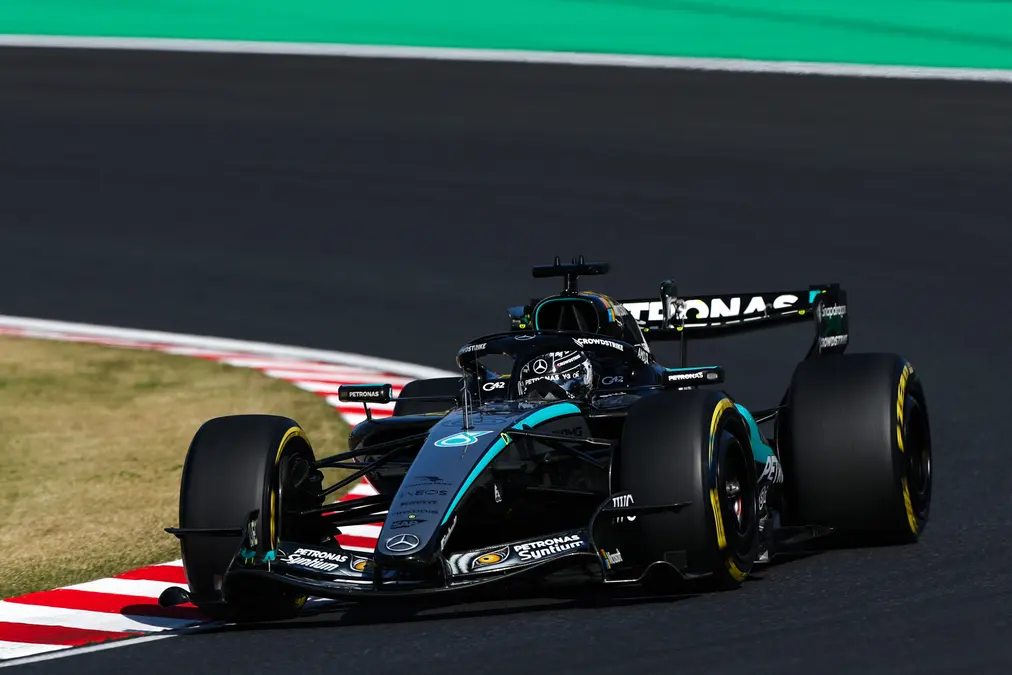
The Mercedes driver is working to adapt to Formula 1’s new technical regulations.
Turning New Habits Into Second Nature
Russell believes the ultimate objective is to make these new techniques feel as natural as the driving style that carried him through the junior categories and into Formula 1.
He acknowledged that he understands exactly what changes are required, but transforming those adjustments into automatic reactions will take time. Until then, adapting to the new generation of Formula 1 cars remains his biggest challenge in the fight for the 2026 championship.
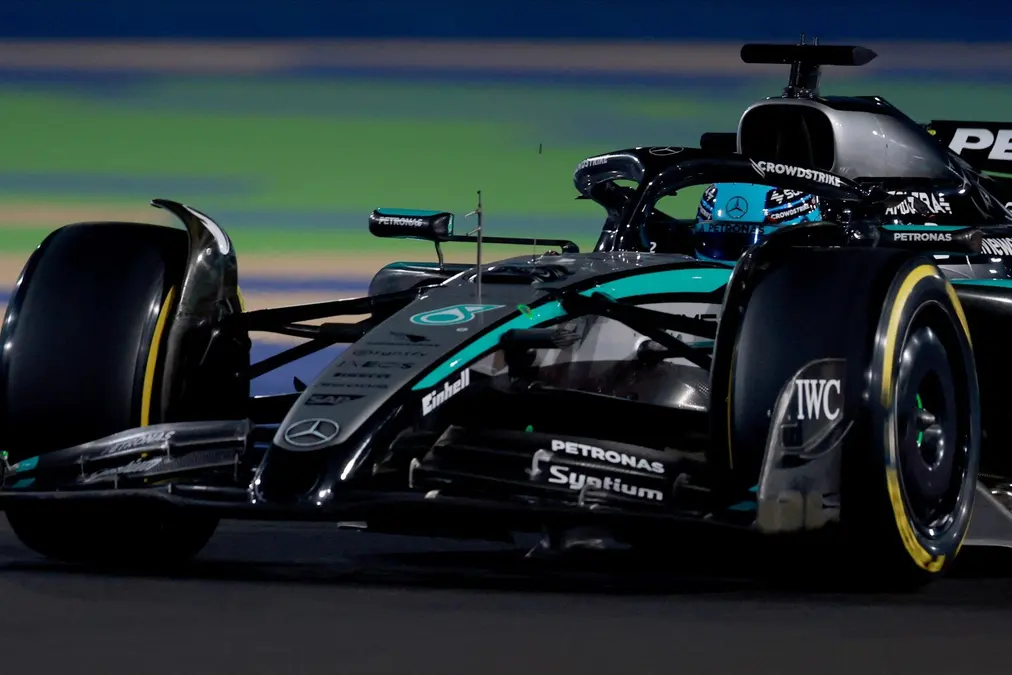
Russell hopes the new driving techniques will eventually become second nature.
The Mercedes driver remains confident that continued experience with the 2026 cars will allow him to unlock their full potential, but admits the learning process is unlike anything he has faced during his career.
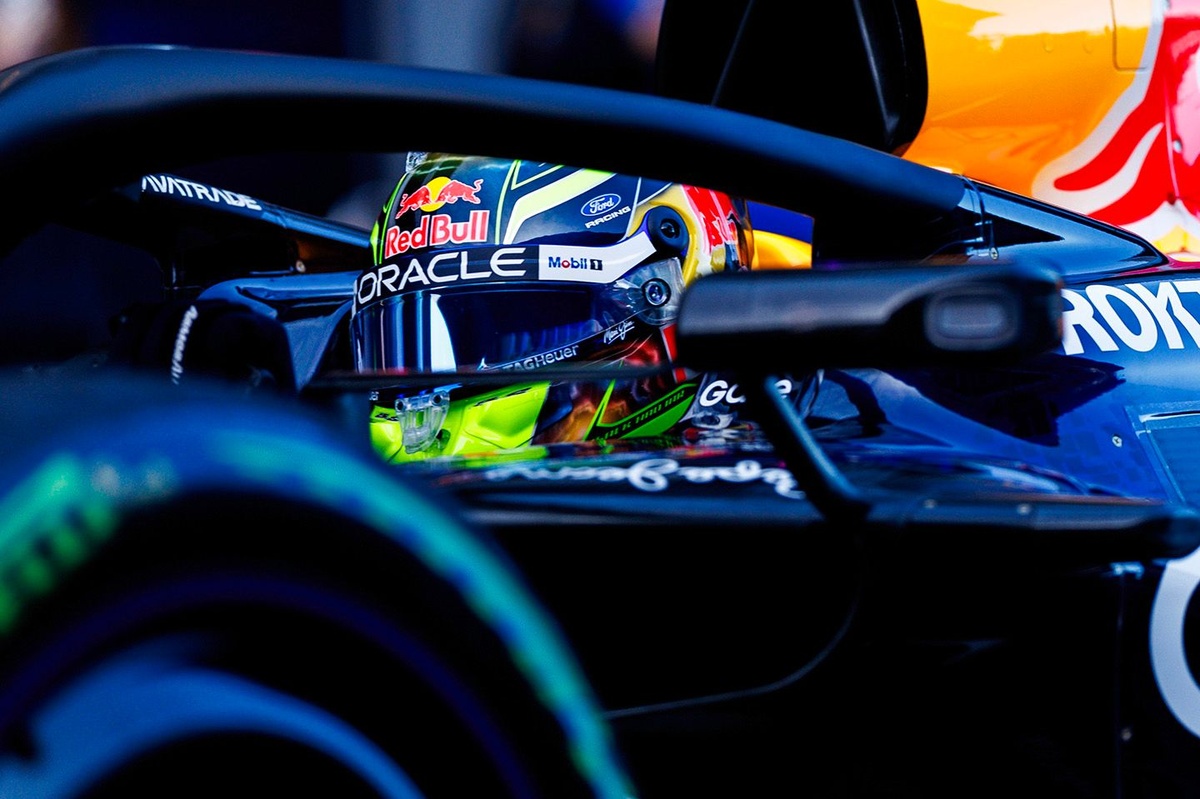
Isack Hadjar has confirmed he will start from the back of the grid at the 2026 Belgian Grand Prix due to a power unit penalty, shifting his focus to race pace at Spa-Francorchamps.
Isack Hadjar has confirmed he will start from the back of the grid for the 2026 Formula 1 Belgian Grand Prix after taking a new Red Bull-Ford power unit. The Racing Bulls driver revealed the penalty ahead of the Spa-Francorchamps weekend, knowing that his attention will now shift from qualifying to maximizing race pace.
Despite the setback, Hadjar remains optimistic about making progress on one of Formula 1’s most overtaking-friendly circuits.
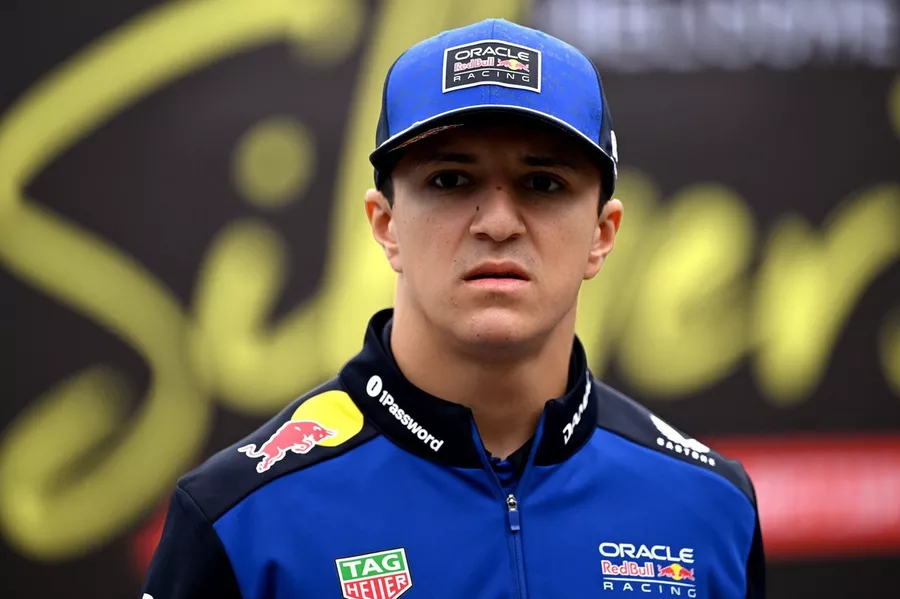
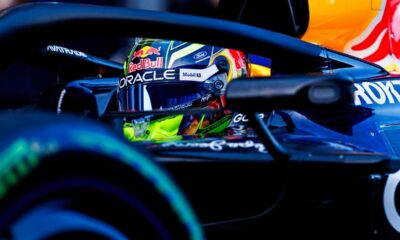
Isack Hadjar will serve a grid penalty at the Belgian Grand Prix.
Power Unit Penalty Changes Hadjar’s Weekend Strategy
Hadjar explained that the expected engine changes automatically trigger a grid penalty, leaving him with little incentive to focus on qualifying results. Instead, Racing Bulls will prioritize race setup in hopes of climbing through the field on Sunday.
The French driver arrives in Belgium after an impressive run of consistency, recording five consecutive top-six finishes. However, he admitted matching that streak at Spa will be significantly more difficult given his starting position.
He also acknowledged that Racing Bulls still trails Ferrari and Mercedes in outright pace, although he believes the team continues to make steady progress throughout the season.
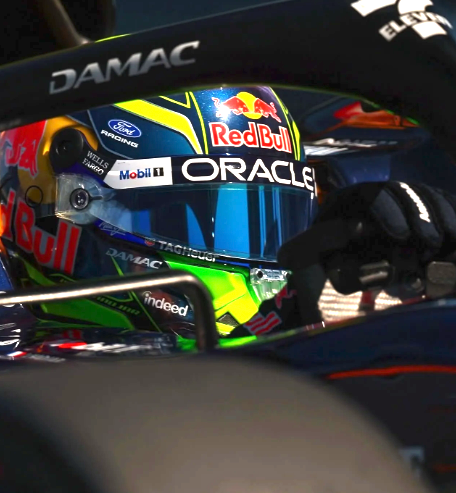
Racing Bulls will prioritize race pace after Hadjar’s engine penalty.
Spa Offers Hope for a Recovery Drive
Although Hadjar expects to line up at the very back of the grid, he believes Spa-Francorchamps provides plenty of opportunities to overtake and recover positions during the race.
The Belgian Grand Prix is also expected to feature multiple grid penalties, with Lando Norris confirming he will drop ten places after McLaren opted to introduce Mercedes’ latest reliability-upgraded power unit.
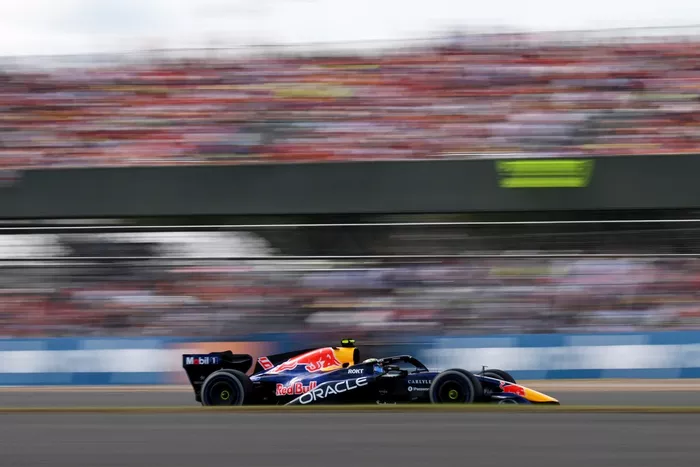
Spa-Francorchamps could allow Hadjar to recover positions during Sunday’s race.
Hadjar remains confident that Racing Bulls has the pace to fight through the field. While another top-six finish will be far more challenging, the French driver believes an aggressive recovery drive is still possible if the race unfolds in his favor.
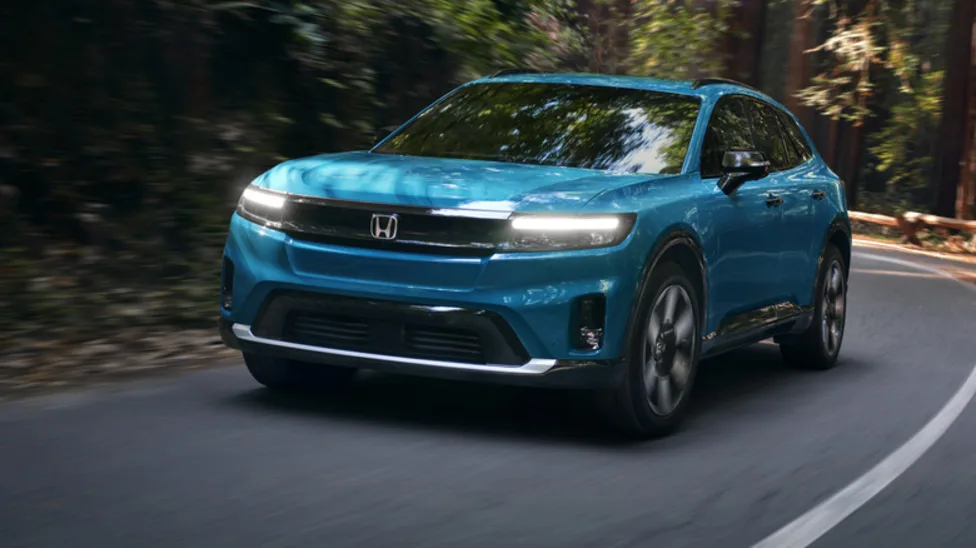
Honda has confirmed the Honda Prologue EV will be discontinued after the 2026 model year, leaving the brand without a fully electric vehicle in the U.S. starting in 2027.
The decision follows a significant slowdown in EV demand and the cancellation of Honda’s previously announced next-generation electric vehicle plans.
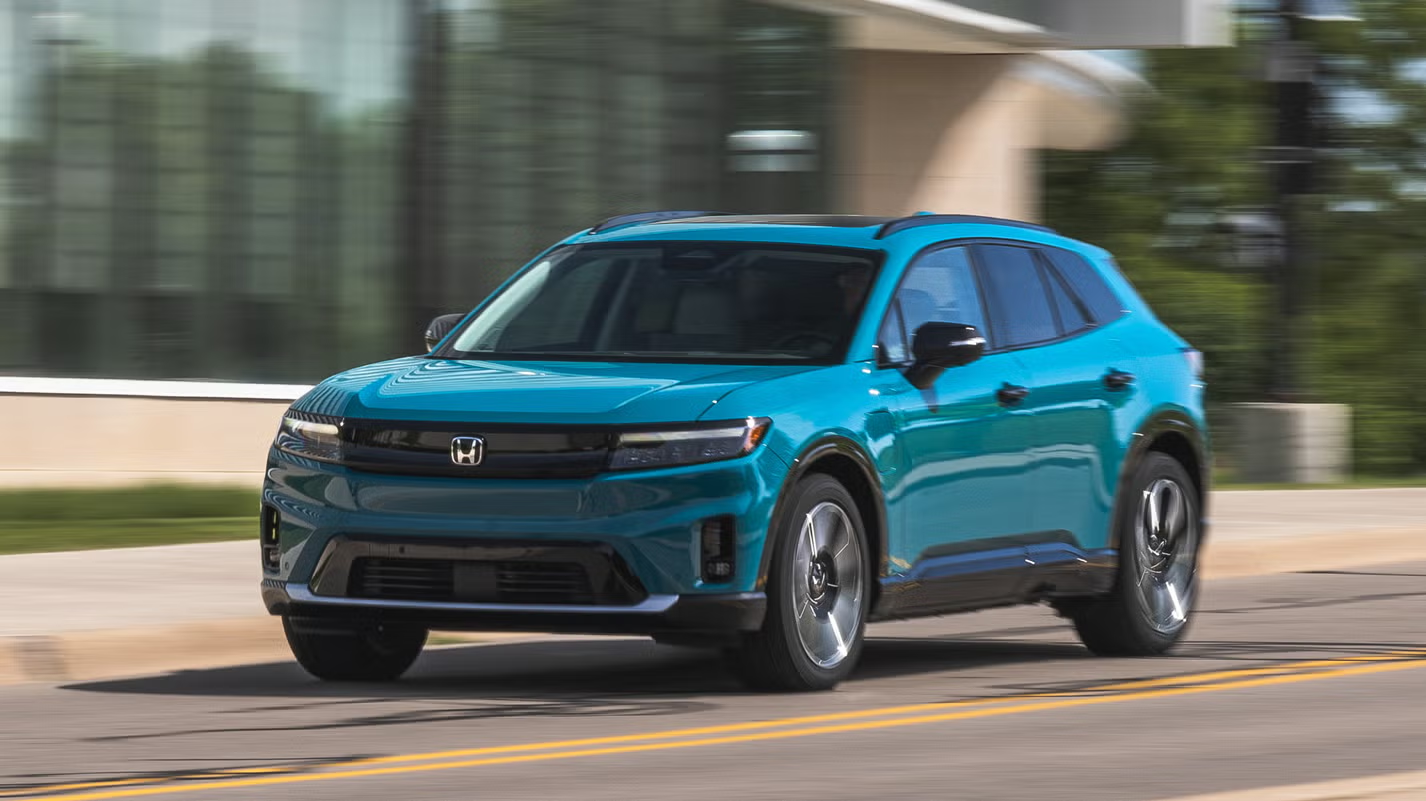
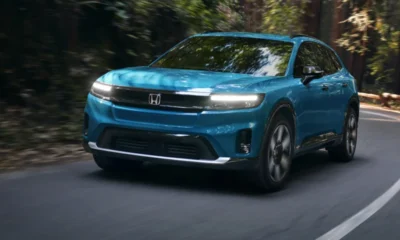
Honda will end production of the Prologue EV after the 2026 model year.
Honda Prologue EV enjoyed early success before sales slowed
Introduced for the 2024 model year, the Honda Prologue EV quickly became one of the brand’s fastest-growing models. The electric SUV posted strong sales during its first two years on the market before demand softened in 2026.
Sales were impacted by changing market conditions and the end of federal EV purchase incentives, contributing to a sharp decline during the first half of the year. Even so, the Prologue surpassed 80,000 units sold in the United States during its production run.
Built on General Motors’ Ultium platform, the Prologue shared much of its engineering with the Chevrolet Blazer EV.
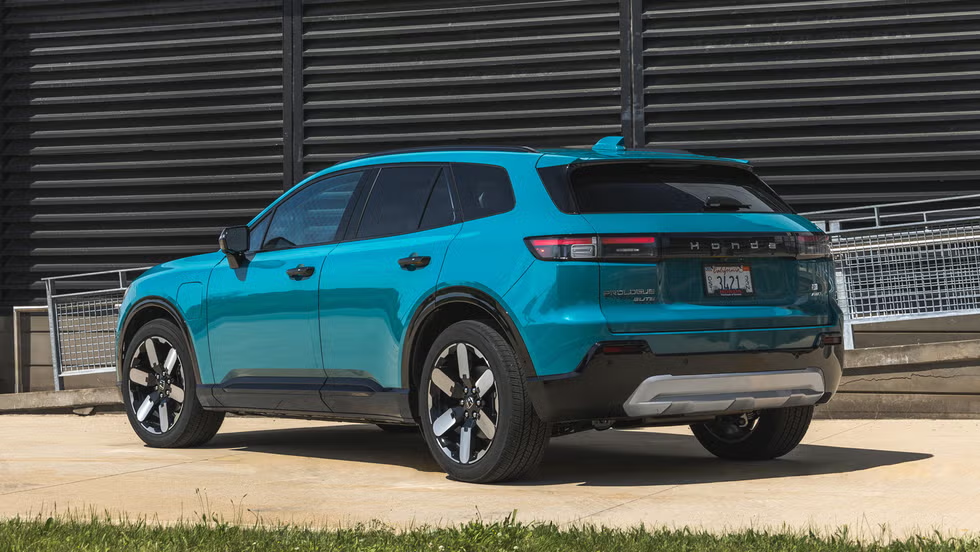
The Honda Prologue EV was developed in partnership with General Motors.
Honda’s electric lineup enters a new chapter
The Honda Prologue EV was originally expected to serve as a bridge until Honda introduced a new generation of in-house electric vehicles. However, those future EV programs have since been postponed, leaving the automaker without a fully electric model in its U.S. lineup beginning in 2027.
Honda says current Prologue owners will continue receiving full after-sales support, including warranty coverage, replacement parts, and dealer service. While the company remains committed to long-term electrification, its immediate strategy is shifting as market conditions continue to evolve.
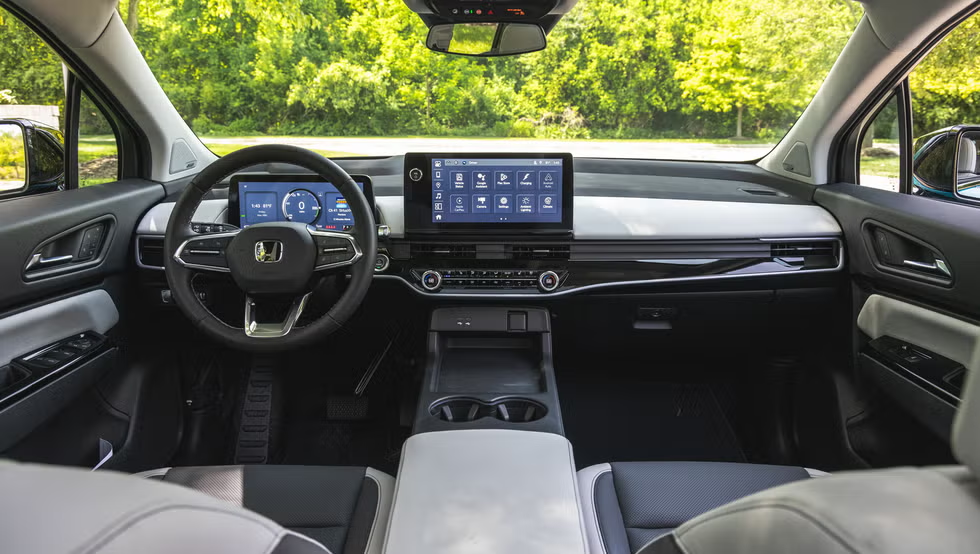
Honda will continue supporting Prologue EV owners through its nationwide dealer network.
Although the Honda Prologue EV will soon exit production, it played an important role in helping the automaker establish a presence in the growing electric vehicle segment. The model also provided valuable experience as Honda prepares its next generation of EV technology for future global products.
-
 TEST DRIVES1 month ago
2026 Subaru Outback Touring
-
 TEST DRIVES2 months ago
2026 Hyundai Santa Cruz Limited AWD
-
 TEST DRIVES1 month ago
Lamborghini prepares multiple launches for 2026 as electrification plans continue
-
 RACING1 month ago
George Russell Leads Final Barcelona Practice As Kimi Antonelli Receives Reprimand
-
 RACING1 month ago
Barcelona-Catalunya Grand Prix: Everything You Need To Know About Formula 1’s Ultimate Benchmark Circuit
-
 NOW TRENDING1 month ago
Porsche Creates A Buzz Lightyear-Inspired 911 GT3 RS That Looks Ready To Go “To Infinity And Beyond”
-
 RACING1 month ago
Why Formula 1 Has Pit Lane Speed Limits And How They Are Measured
-
 NOW TRENDING1 month ago
2026 Audi Q7 Brings New Design, Smarter Technology, And Greater Versatility
You must be logged in to post a comment Login