
NOW TRENDING
2027 Ford F-150 Gets a Bigger Base Engine and More V8 Options

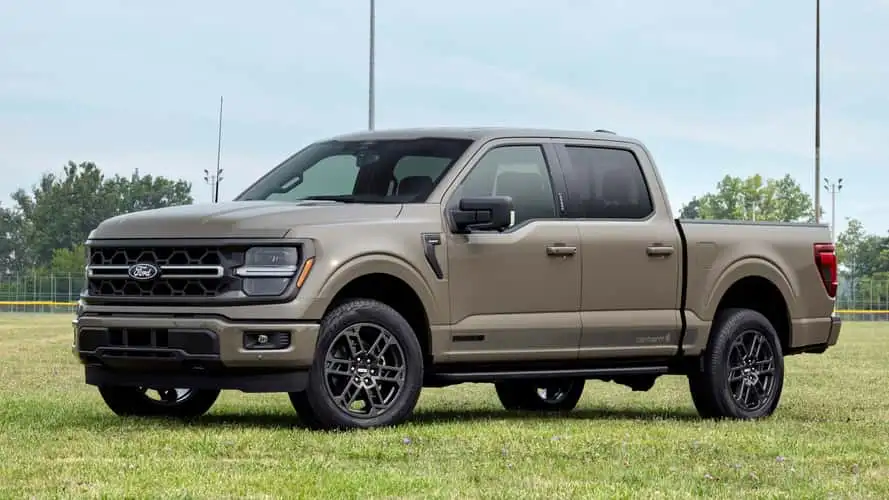
Ford is giving the F-150 several important updates for 2027, including a larger base engine, more V8 availability and a new Carhartt package.
The 2027 Ford F-150 arrives with several changes aimed at keeping America’s best-known pickup fresh before the next major generation arrives. The biggest update sits under the hood, where Ford replaces the familiar 2.7-liter EcoBoost V6 with a larger 3.0-liter EcoBoost.
The new twin-turbocharged V6 produces the same 325 horsepower and 400 lb-ft of torque as the outgoing engine. However, Ford says the larger displacement improves the truck’s everyday driving character by delivering its torque in a more useful way.
The update is joined by broader availability of the 5.0-liter V8 and an entirely new Carhartt package.
The F-150’s Base Engine Gets Bigger
For 2027, the 3.0-liter EcoBoost becomes the entry engine for the F-150, replacing the 2.7-liter unit that previously occupied that position.
Ford says the new engine maintains the same headline output, but chief program engineer Kelly Kohlstrand says the larger displacement provides “a little bit of a better everyday driving experience.”
That means Ford is not chasing a major horsepower increase with the change. Instead, the goal is to make the truck feel stronger and more responsive during normal use.

The 2027 Ford F-150 replaces its former 2.7-liter EcoBoost base engine with a larger 3.0-liter twin-turbocharged V6.
The rest of the core powertrain lineup carries over for 2027. The 3.5-liter EcoBoost remains available, while the 3.5-liter PowerBoost hybrid continues to produce 425 horsepower and 570 lb-ft of torque.
The high-performance Raptor lineup also continues, with the Raptor using the high-output 3.5-liter EcoBoost and the Raptor R retaining its supercharged 5.2-liter V8.
Ford Brings the 5.0-Liter V8 Back to More Trims
The other major powertrain change involves the naturally aspirated 5.0-liter V8. Ford is expanding its availability for 2027, bringing the 400-horsepower engine to the King Ranch and Platinum trims.
That means buyers can now find the V8 across the F-150 range, from the work-focused XL all the way to the Platinum.

Ford expands 5.0-liter V8 availability for the 2027 F-150, including the King Ranch and Platinum trims.
The move gives customers more choice at a time when many full-size pickups are increasingly dependent on turbocharged engines and hybrid systems.
For buyers who still prefer the sound and character of a naturally aspirated V8, the expanded availability could make the 2027 F-150 considerably more appealing.
The F-150 Gets New Grilles and Wheels
Ford is also making several visual changes across the lineup.
The XLT, Lariat, King Ranch and Platinum grades receive redesigned grilles and wheels. The new design uses a wider split-bar treatment that gives the front end a slightly different appearance from the outgoing truck.
The same theme carries over to the new wheel designs, creating a more unified look across the updated models.
These changes are relatively subtle, but they help distinguish the 2027 trucks from their predecessors without requiring a major redesign.
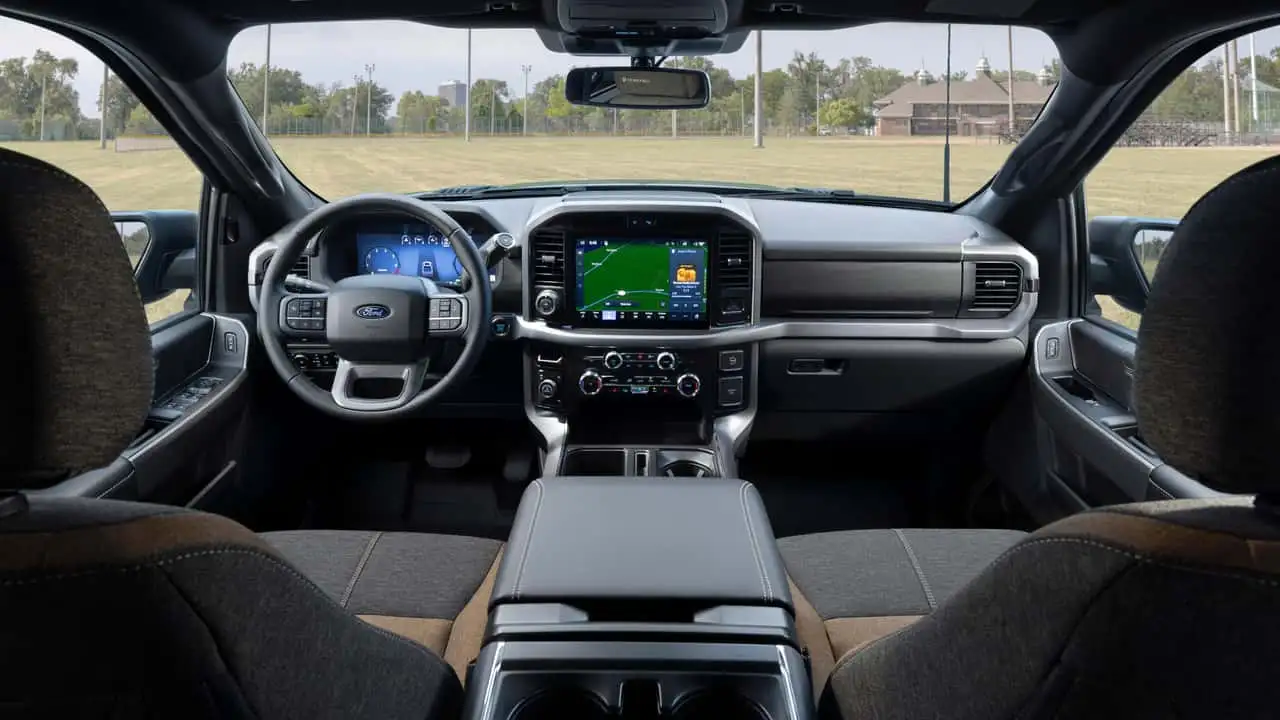
The new F-150 Carhartt package adds unique exterior details and a workwear-inspired interior to the 2027 lineup.
Ford Gives the F-150 a Carhartt Makeover
The most distinctive addition to the 2027 lineup is the new F-150 Carhartt package.
Priced at $4,195, the package is available on 4×4 XLT Crew Cab models. It adds unique anodized wheels and exterior trim, Carhartt graphics and a branded spray-in bedliner.
Inside, the truck receives a two-tone cabin with specially embroidered seats carrying Carhartt branding. The logo also appears on the rear map pockets, while unique stitching is added to the steering wheel and door panels.
The package follows Ford’s earlier Carhartt collaboration on the Super Duty, bringing the same workwear-inspired theme to its smaller full-size pickup.
2027 Ford F-150 Pricing Starts at $40,585
The 2027 F-150 will start at $40,585 including destination charges, according to the supplied pricing information. That gets buyers an entry-level XL Regular Cab with rear-wheel drive.
The starting price represents a $500 increase over the previous model year.
Meanwhile, the F-150 Carhartt starts at $62,660 before destination charges. With the current $2,795 destination fee, that would put the estimated transaction price at $65,455.
Ford Makes the F-150 More Flexible for 2027
The 2027 Ford F-150 does not represent a complete redesign, but Ford has made several changes that matter to pickup buyers.
The new 3.0-liter EcoBoost gives the base truck a larger engine without changing its headline output, while the expanded 5.0-liter V8 availability gives buyers more ways to choose traditional V8 power.
Add in the refreshed exterior details and the new Carhartt package, and the F-150 enters 2027 with a broader range of configurations and a stronger focus on different types of truck buyers.










Ford is making its off-road F-150 lineup more accessible for 2027 with new entry-level Tremor and Raptor trims that sacrifice some equipment for significantly lower prices.
Ford is making two of its most capable off-road pickups more affordable for 2027. The 2027 Ford F-150 Raptor and F-150 Tremor are both getting new entry-level versions that remove some comfort and convenience features while keeping the hardware needed for serious off-road driving.
The strategy is straightforward. Buyers who care more about performance than luxury can now get into a Tremor or Raptor for several thousand dollars less.
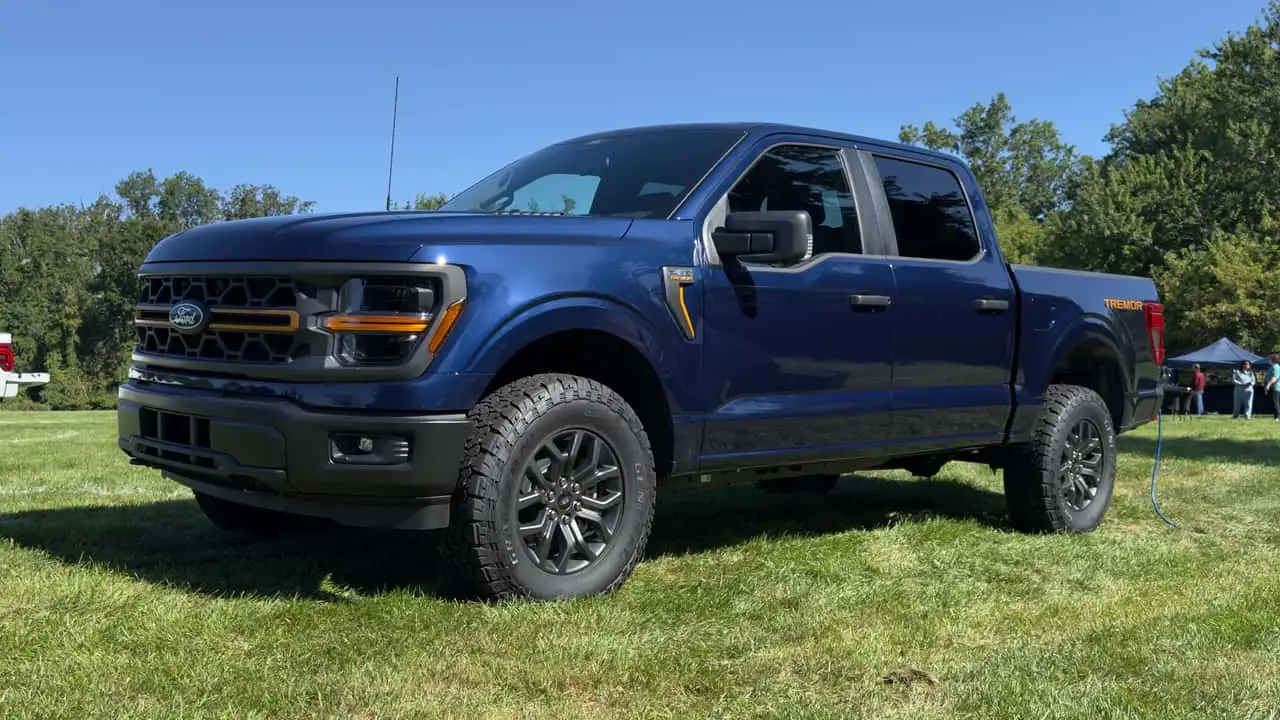
The new 2027 F-150 Tremor starts at $62,410 with destination, while the Raptor starts at $77,800.
2027 F-150 Tremor Drops $5,300
Ford has created a simpler Tremor by removing several features from the truck.
The new version borrows some equipment from the STX trim on which it is based, including its steering wheel. However, it loses dual-zone climate control, heated seats, a power-operated rear window and running boards.
The audio system has also been downgraded from the eight-speaker B&O setup to a six-speaker system.
The 2027 Ford F-150 Tremor starts at $62,410 with destination, making it $5,300 cheaper than the previous model.
Despite the equipment cuts, Ford has not positioned the new Tremor as a less capable off-road truck.
Instead, the changes target convenience and comfort features that buyers focused on trail performance may consider less important.
That allows Ford to lower the entry price without fundamentally changing the purpose of the Tremor.
Ford Also Creates a “Diet” Raptor
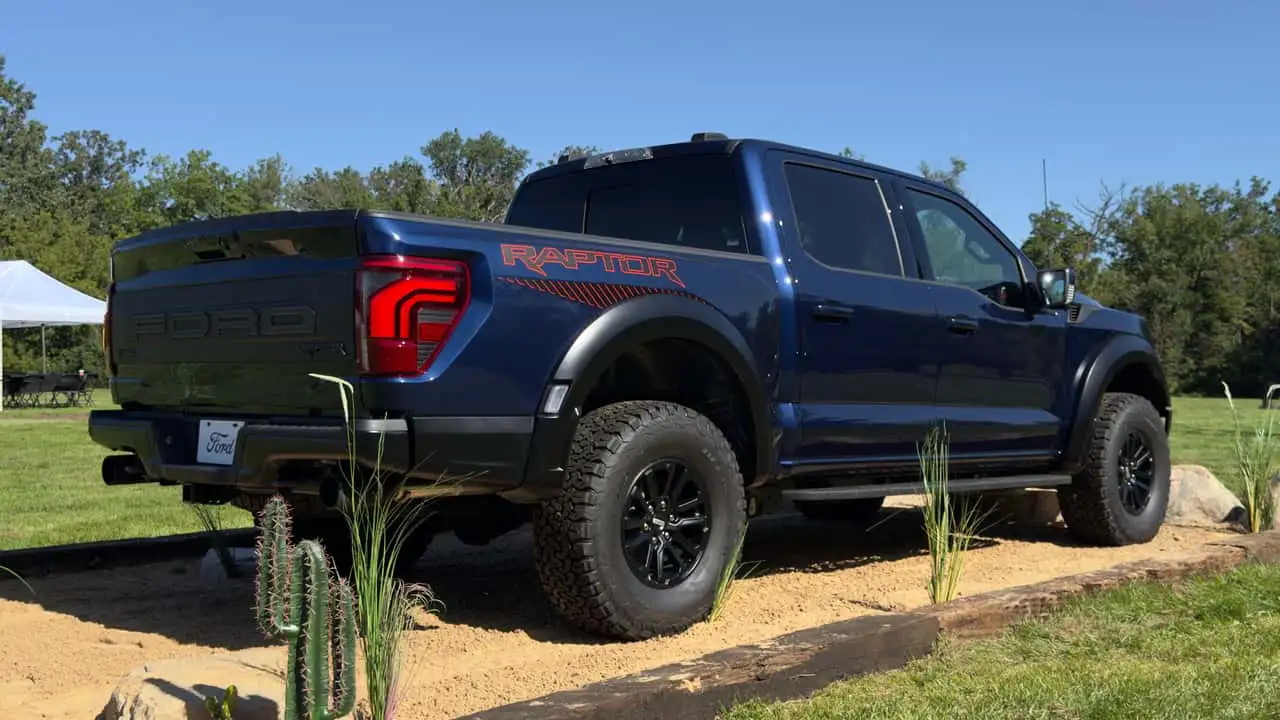
The 2027 Ford F-150 Raptor gets a similar treatment.
Ford removes the head-up display, power passenger seat, under-seat storage and fog lamps from the new entry-level version.
The truck’s Pro Power Onboard system is also reduced from 2.0 kW to 400 watts. Additionally, the power-adjustable steering column is replaced with a manual unit.
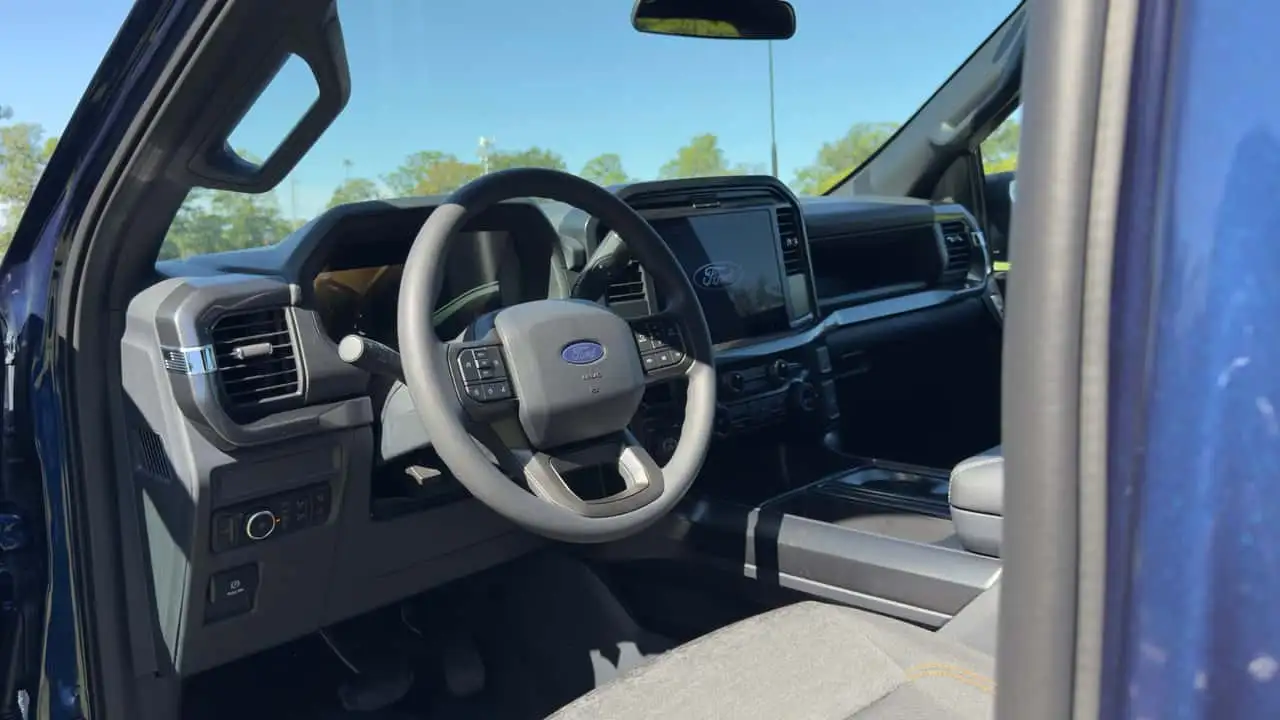
The entry-level 2027 Ford F-150 Raptor loses several comfort features but retains the performance hardware that defines the model.
The audio system sees another downgrade, moving from the 14-speaker setup to an eight-speaker B&O system.
However, Ford leaves the most important part untouched: the engine.
Raptor Keeps Its 450-HP EcoBoost
Under the hood, the standard Raptor continues using Ford’s high-output 3.5-liter EcoBoost V6.
It produces 450 horsepower and 510 lb-ft of torque, preserving the performance buyers expect from Ford’s off-road flagship.
The Raptor R also remains available with its supercharged 5.2-liter V8. That engine continues to produce an impressive 720 horsepower.
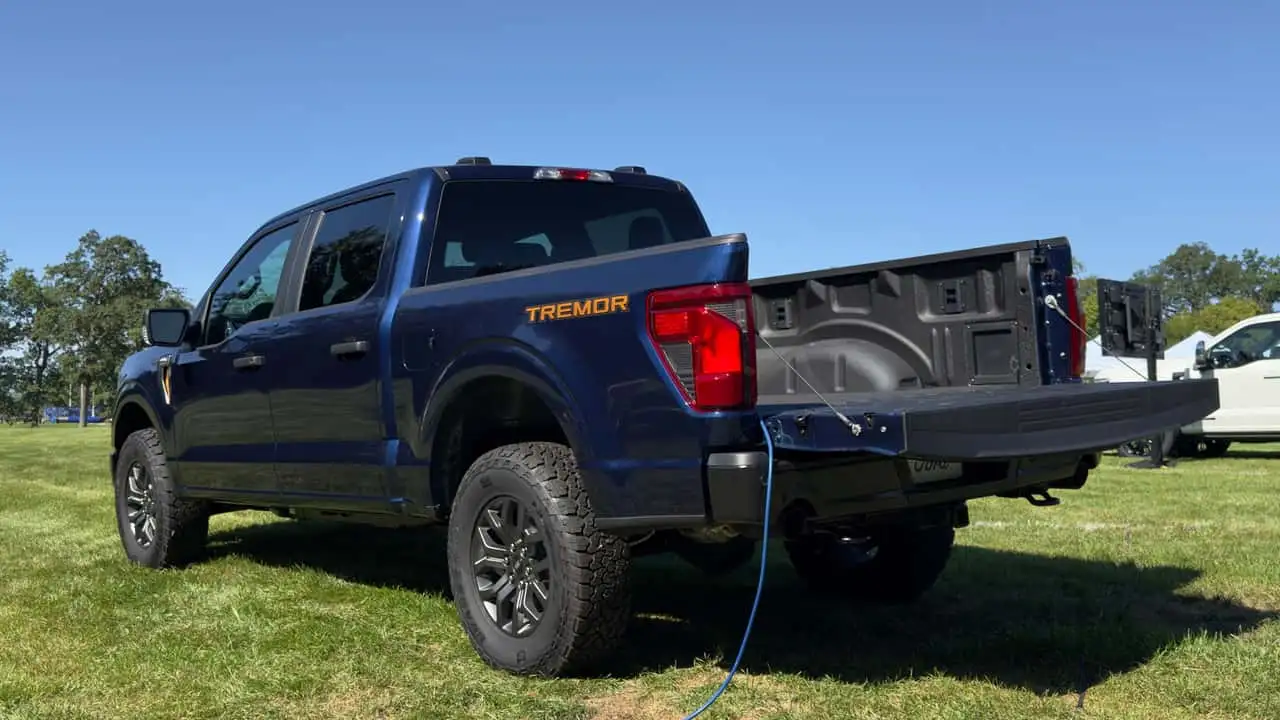
The Raptor R keeps its supercharged 5.2-liter V8 and 720 horsepower for 2027.
That means Ford has separated luxury equipment from the core performance package. Buyers can spend less on a Raptor without giving up the engine that makes the truck special.
2027 Raptor and Tremor Pricing
The pricing changes are substantial.
The 2027 F-150 Tremor starts at $62,410, including the $2,795 destination charge. That represents a $5,300 reduction compared with the 2026 model’s $67,710 starting price.
Meanwhile, the 2027 F-150 Raptor starts at $77,800 with destination, which is $4,000 below the previous model’s $81,800 starting price.
Ford Makes Off-Road Performance More Accessible
The 2027 Ford F-150 Raptor and Tremor demonstrate a different approach to lowering vehicle prices. Rather than changing their fundamental off-road capabilities, Ford has removed equipment that is less important to performance-focused buyers.
The result is a pair of pickups that should appeal to customers who would rather save thousands of dollars than pay for luxury features they may rarely use.
For the Raptor, especially, the strategy is significant. A lower starting price gives more buyers access to the 450-horsepower EcoBoost V6 without forcing them to move into a more heavily equipped and expensive configuration.
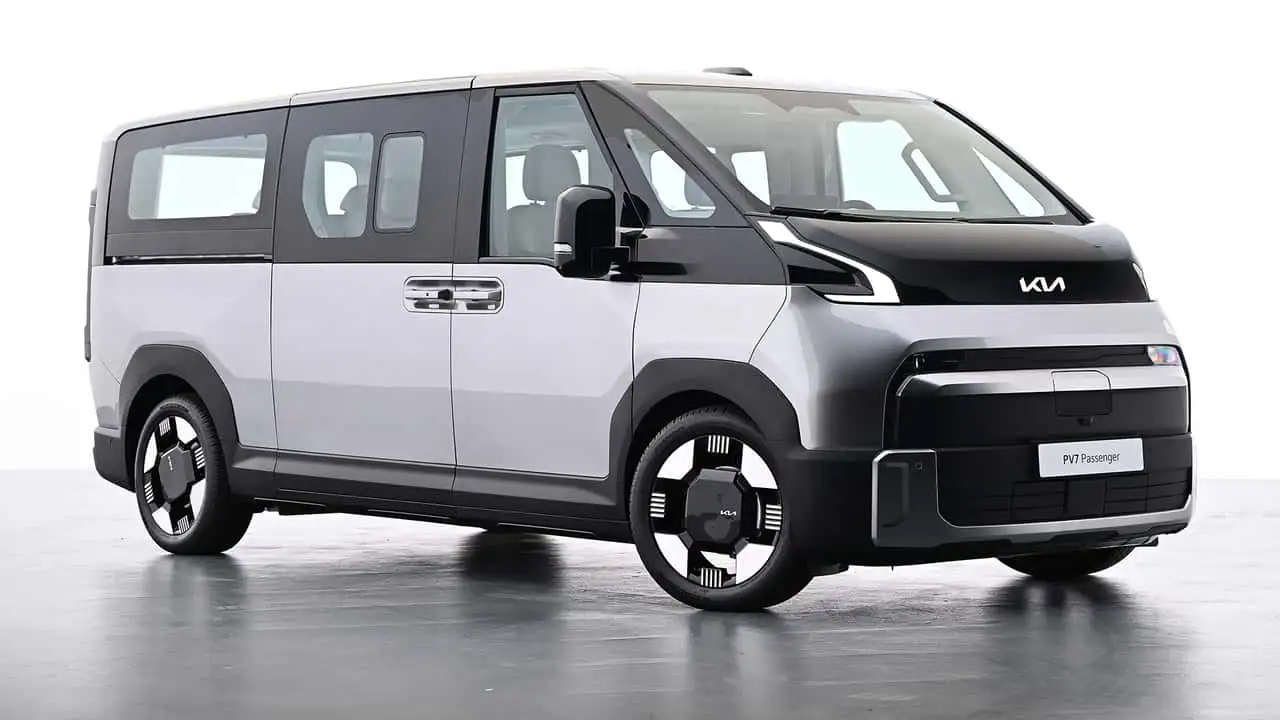
Kia is expanding its electric commercial vehicle lineup with the PV7, a highly flexible van planned in 23 versions for cargo, passenger and specialized uses.
The Kia PV7 is the latest expansion of Kia’s electric commercial vehicle strategy, bringing a much larger and more versatile model to the brand’s growing Platform Beyond Vehicle lineup.
Unveiled at IAA Transportation 2026 in Hannover, Germany, the PV7 will be offered in both Cargo and Passenger configurations. Kia is planning an unusually broad range of versions, with as many as 23 variants expected across different body styles and applications.
The van is built on Kia’s dedicated E-GMP.S architecture, which uses a flat floor to maximize cabin and cargo space.
The PV7 Comes in Cargo and Passenger Forms
The PV7 measures 17.6 feet long, 6.5 feet wide and 6.5 feet tall, with a 11.5-foot wheelbase. That gives Kia plenty of room to tailor the electric van for very different customers.
Cargo versions will be available with two or three seats. The Long model offers up to 215.4 cubic feet of cargo space, while the High Roof variant increases capacity to 282.5 cubic feet.
Depending on the configuration, payload capacity can reach 2,646 pounds.
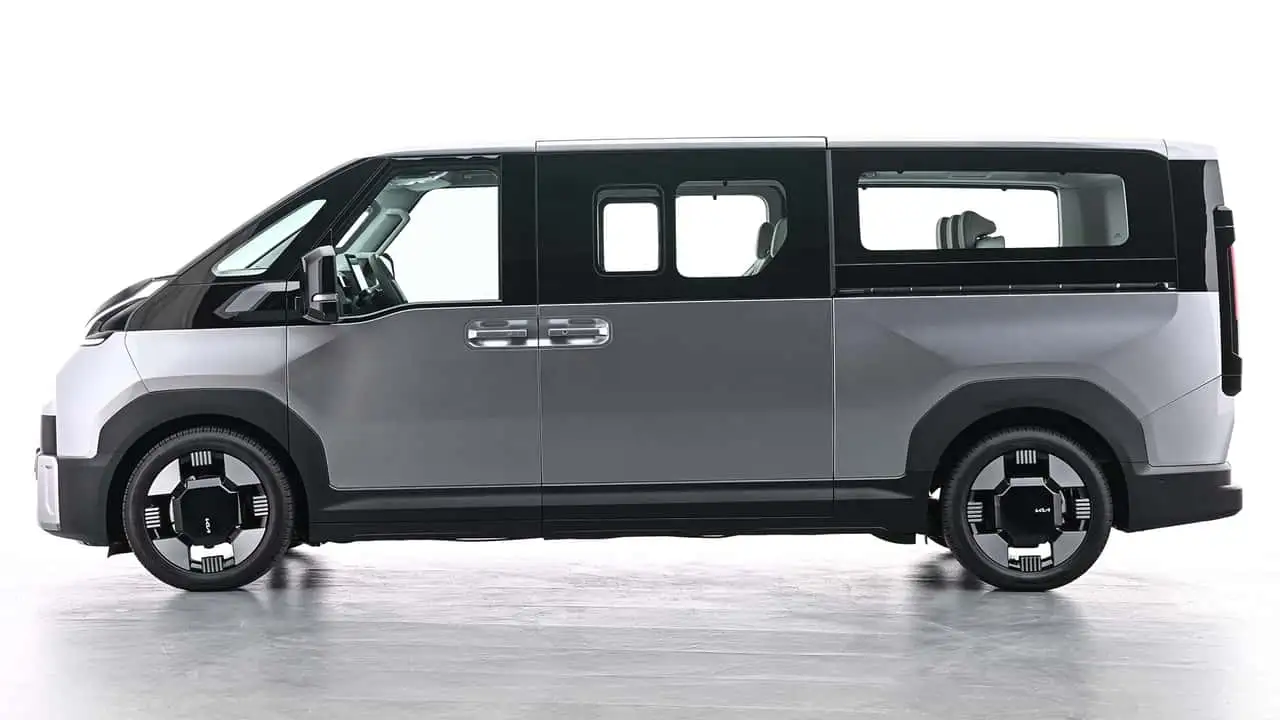
The Kia PV7 Cargo is designed for delivery, logistics and commercial applications, with up to 282.5 cubic feet of cargo space.
The Long version also has a low 21.7-inch loading height and can accommodate up to three Euro pallets.
Kia will offer multiple cargo-floor layouts, while buyers can choose between a traditional lift-up tailgate and twin-swing rear doors designed to make loading easier in tighter locations.
The Passenger PV7 Can Carry Up to 11 People
The passenger version takes the PV7 in a completely different direction.
European models can carry up to nine people, while Korean-market versions will support as many as 11 occupants. Kia is also giving customers considerable flexibility with removable seats mounted on long rails.
The seven-seat configuration can be rearranged, while the nine-seat model can be ordered with or without a fourth row.
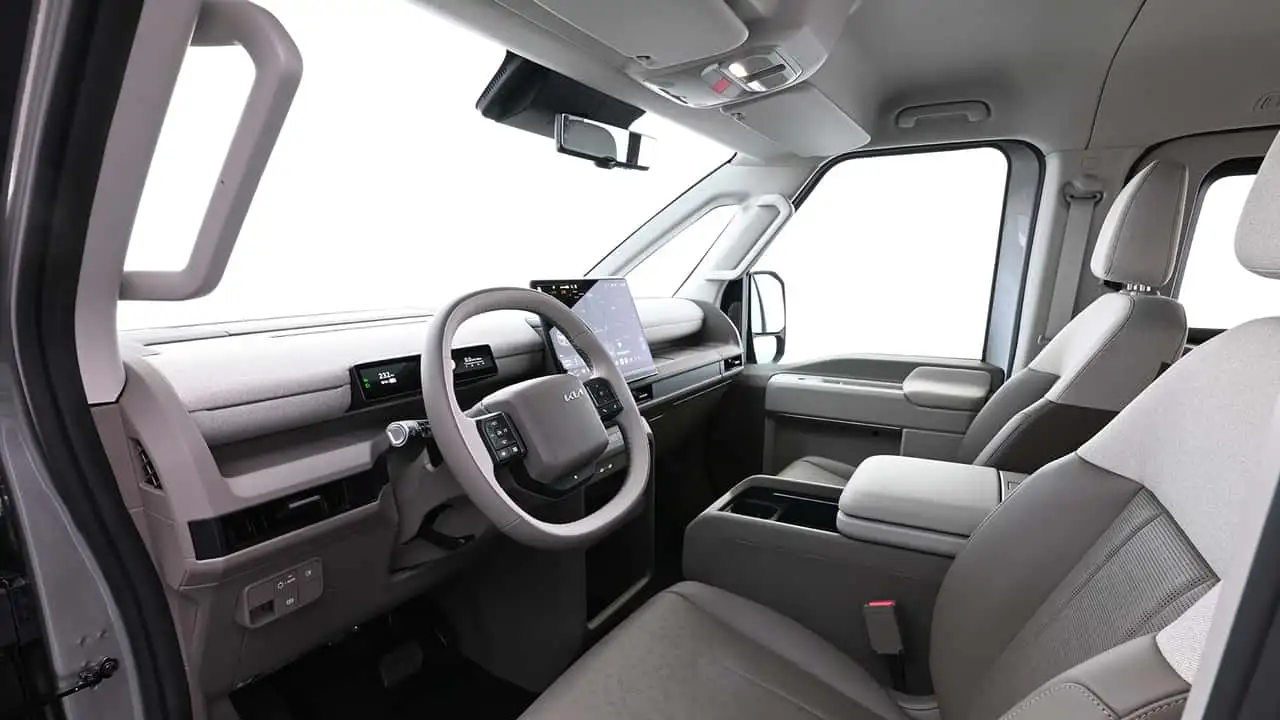
The Kia PV7 Passenger can carry up to nine occupants in Europe, with even greater seating capacity planned for Korea.
That versatility could make the PV7 suitable for employee transportation, rental fleets and tourism operators.
Kia also plans to make the passenger cabin more comfortable with rear climate controls, USB-C ports, additional storage and power-sliding doors.
Two Battery Sizes and Up to 286 Miles of Range
The Kia PV7 will launch with two NCM battery options: 71.5 kWh and 96.2 kWh.
The electric powertrain produces up to 268 horsepower and 310 lb-ft of torque, with power initially sent to the front wheels. An all-wheel-drive version is planned for a later date.
The Long Range Cargo model with the larger battery is expected to travel more than 286 miles on the WLTP cycle.
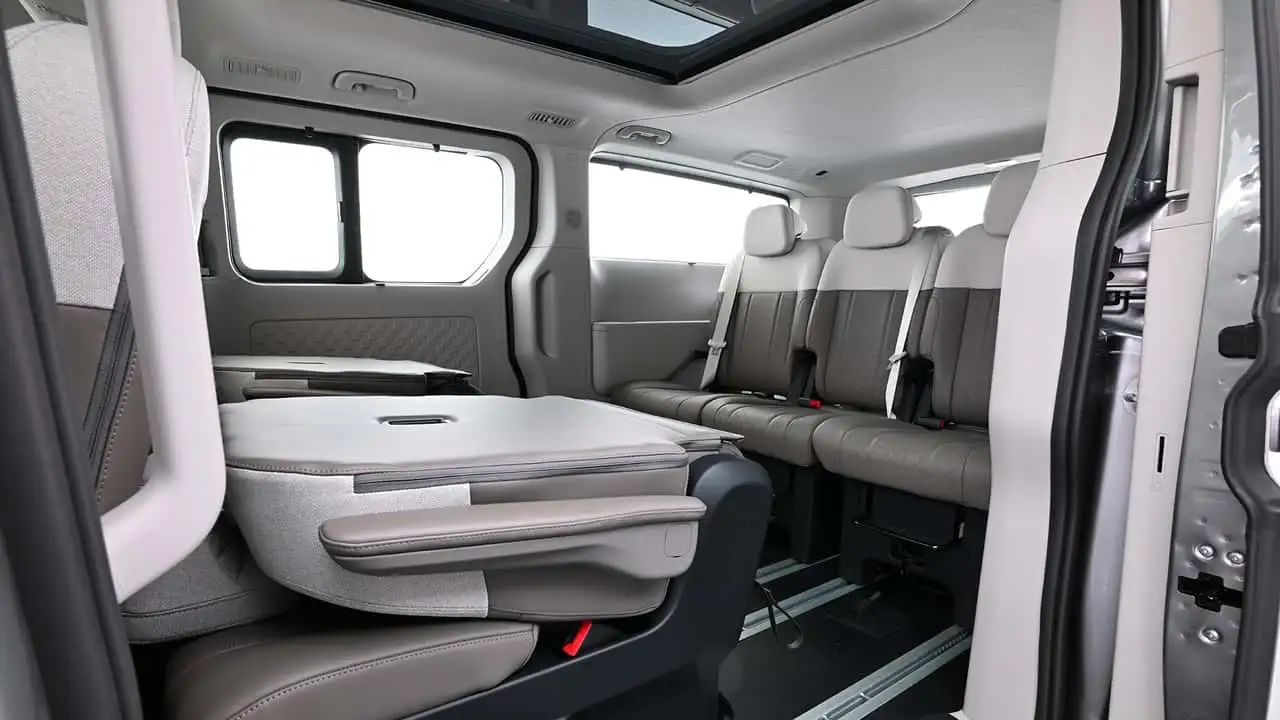
The Kia PV7 offers 71.5-kWh and 96.2-kWh batteries, with the larger pack delivering an expected range of more than 286 miles.
Kia is also taking advantage of an 800-volt electrical architecture. When connected to a 350-kW DC fast charger, the battery can reportedly go from 10% to 80% in the mid-20-minute range.
Another unusual feature is the inclusion of two charging ports. Alongside the front AC/DC port, an optional rear-side AC connection gives fleet operators more flexibility when positioning the van for charging.
The PV7 Can Power Tools and Equipment
Kia is designing the PV7 to do more than transport passengers or cargo.
The van supports Vehicle-to-Load functionality, allowing operators to use the battery to power tools and other equipment. A dedicated heavy-load driving mode can also adjust the vehicle’s behavior depending on how much weight it is carrying.
Inside, the PV7 features 12.9-inch and 14.6-inch displays and uses Kia’s Android Automotive-based Pleos Connect infotainment system.
That combination turns the large commercial vehicle into a more connected workspace rather than simply a basic transportation platform.
Kia Plans 23 PV7 Variants
The Kia PV7 is only the beginning of the broader lineup. Kia plans to offer 23 different versions, including Cargo Compact, Cargo Long, High Roof, Passenger Compact, Passenger Long and Chassis Cab configurations.
Conversion models will further expand the platform’s applications, allowing the same basic vehicle architecture to serve very different commercial needs.
That approach gives Kia a way to compete across multiple parts of the electric van market without developing an entirely different vehicle for every customer.
Kia’s Electric Van Strategy Is Getting Much Bigger
The Kia PV7 is shaping up to be one of the most flexible electric commercial vehicles in Kia’s lineup. With multiple batteries, cargo and passenger versions, fast charging, V2L capability and 23 planned variants, the company is clearly targeting a much wider audience than with a conventional delivery van.
The first versions are not expected to reach Korea and Europe until the second half of 2027. By then, Kia will have had additional time to expand the lineup and prepare the many specialized configurations planned for the platform.
Rather than being just another electric van, the PV7 is designed as a complete commercial vehicle platform that can adapt to different jobs, making flexibility one of its biggest strengths.
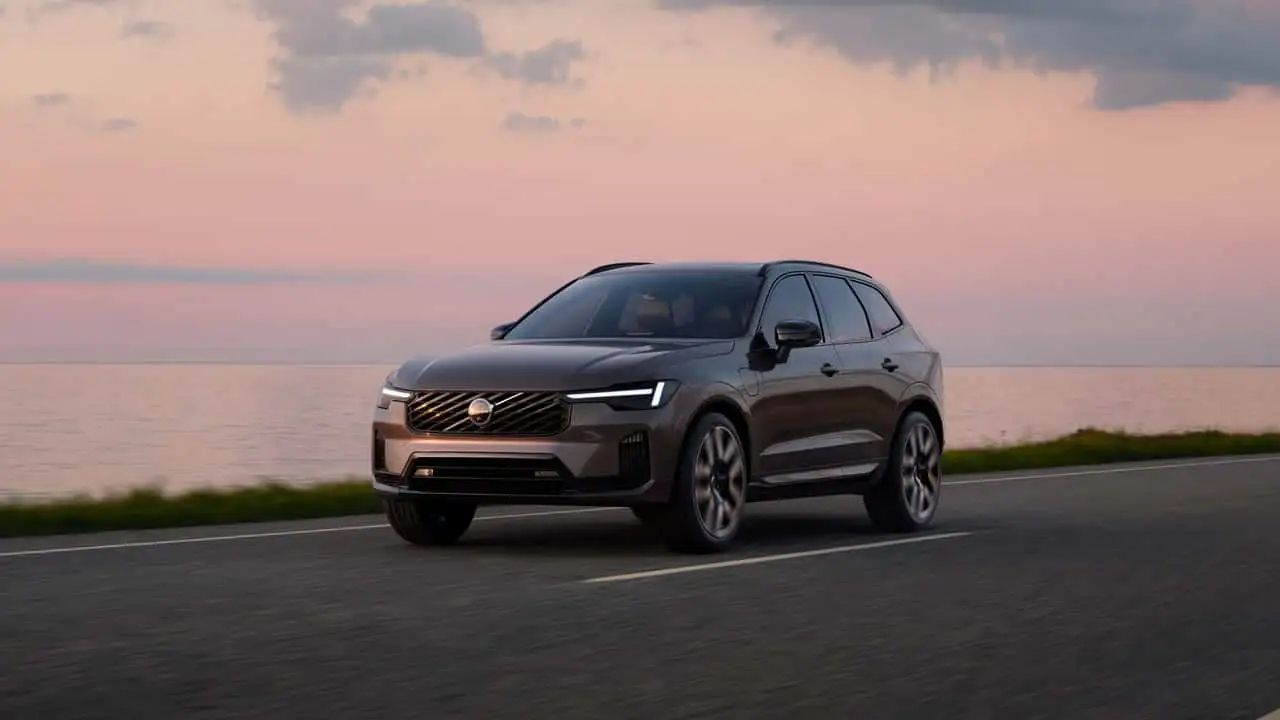
Volvo is bringing unusually long-range plug-in hybrids to the U.S. with the 2028 XC60 and XC90, offering up to 78 miles of electric driving and 455 horsepower.
The 2028 Volvo XC60 XC90 plug-in hybrids are set to challenge the usual limits of PHEVs in the United States. Volvo is preparing both SUVs with significantly larger batteries and more than 70 miles of electric-only range.
The XC60 T8 will lead the lineup with 78 miles of EV range, while the larger XC90 T8 will deliver 73 miles. Volvo says the extended range is designed to make electric driving a much bigger part of the daily experience while still retaining the flexibility of a gasoline engine.
Both SUVs also deliver 455 horsepower, making these long-range plug-ins more than simple efficiency-focused models.
Volvo Gives Its PHEVs Serious Performance
The 2028 XC60 T8 combines a 2.5-liter four-cylinder engine with the larger battery and electric motor. Total output reaches 455 horsepower and 523 lb-ft of torque, while an eight-speed automatic transmission sends power to all four wheels.
The result is a 0-60 mph time of just 4.5 seconds.
More importantly, the XC60 can travel up to 78 miles using electric power alone. Volvo believes that is enough for some owners to complete several days of regular driving without relying heavily on the gasoline engine.
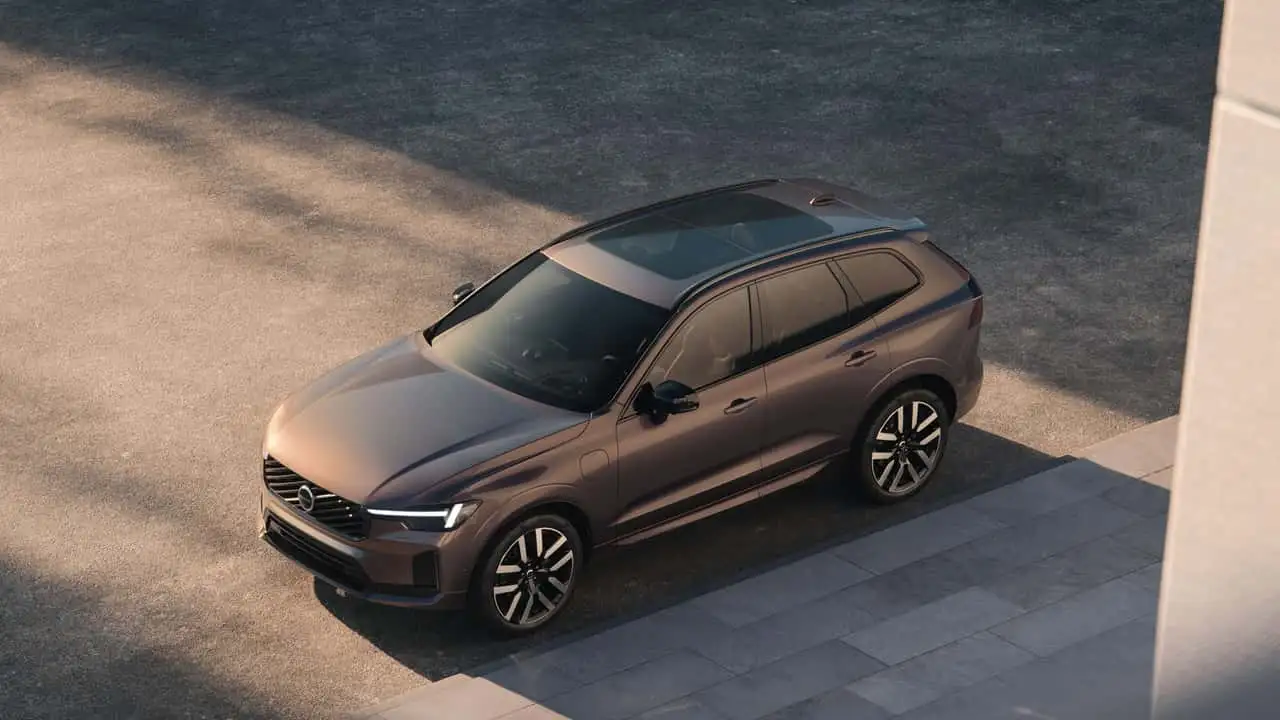
The 2028 Volvo XC60 T8 combines 455 horsepower with an impressive 78 miles of electric range.
The XC90 uses essentially the same powertrain but is naturally slower because of its larger size and additional weight. It reaches 60 mph in 5.0 seconds while offering 73 miles of electric range.
Both SUVs have a 112-mph top speed.
The XC60 Gets Another Design Refresh
Volvo is also updating the XC60 for the 2028 model year. The changes give the SUV another visual refresh while keeping its basic design and cabin architecture familiar.
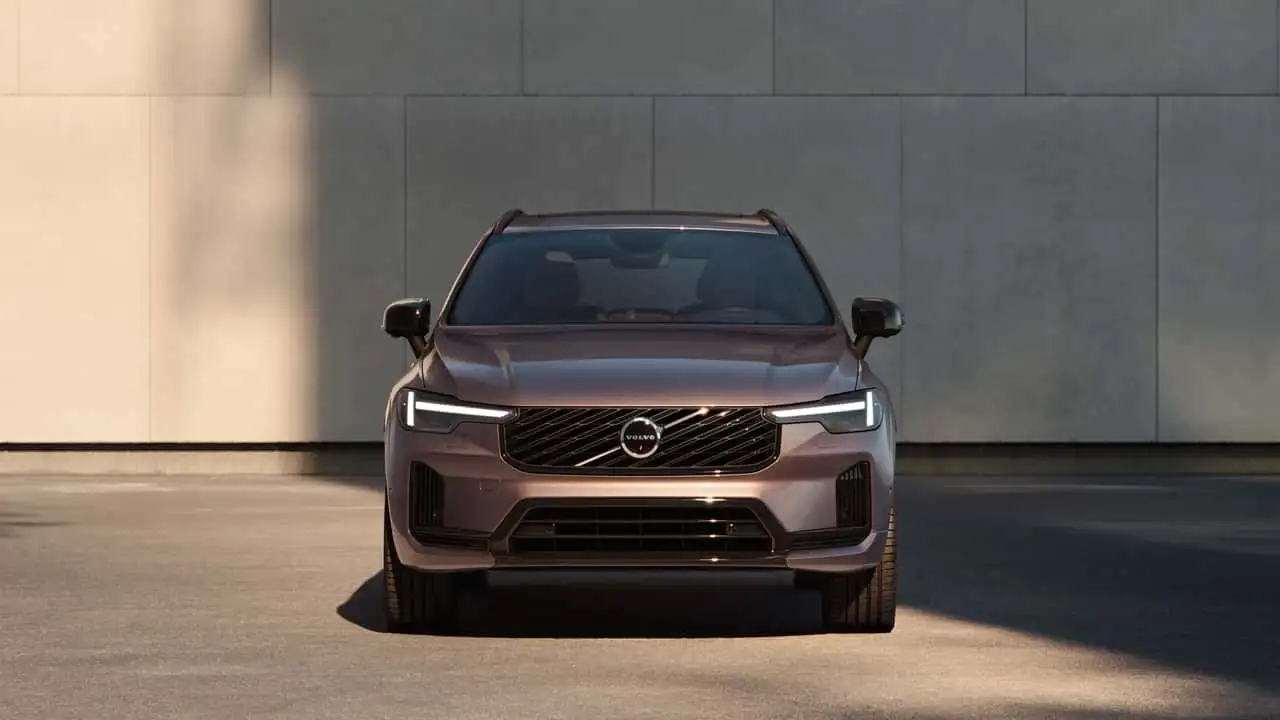
The front end receives a redesigned bumper, grille and hood. New sculpted fenders and a revised rear bumper provide additional changes around the rest of the body.
The XC60 also gets the latest version of Volvo’s signature Thor’s Hammer LED headlights.
The refreshed 2028 Volvo XC60 gains a redesigned front end and Volvo’s latest Thor’s Hammer LED lighting.
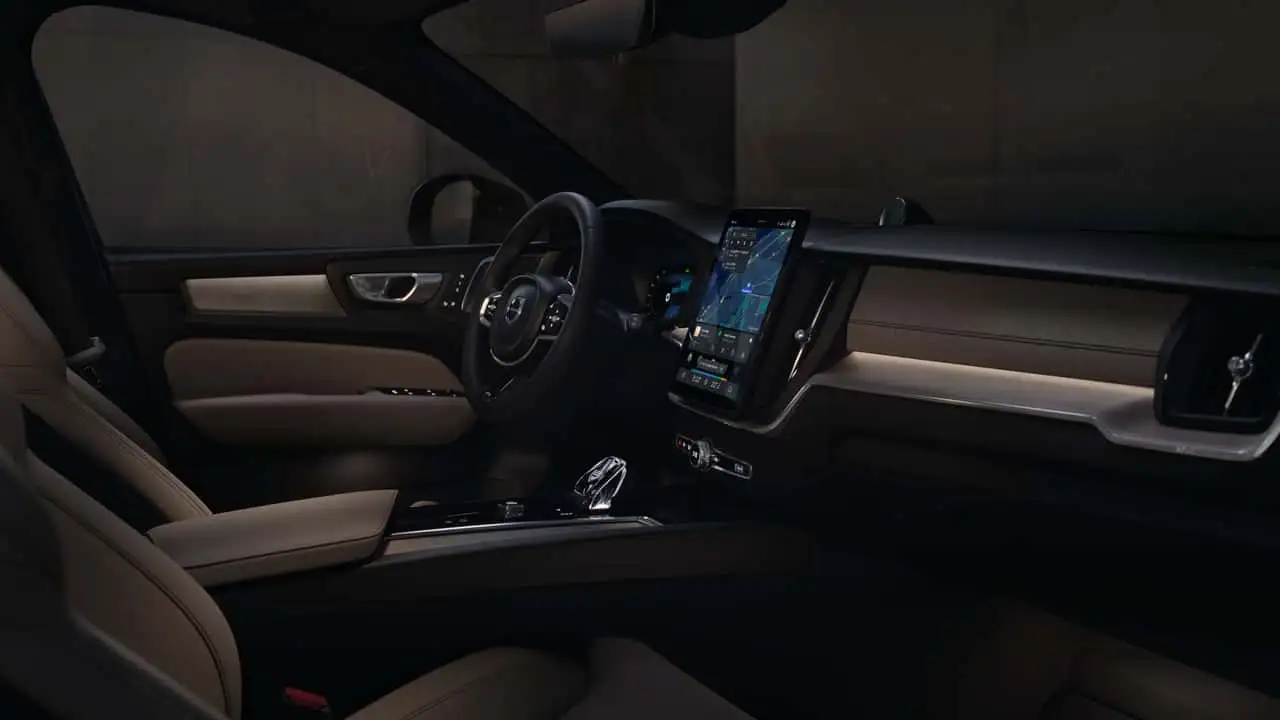
Inside, the changes are more subtle. Volvo adds a new Cardamom brown leather option and Brown Ash wood trim, while the updated infotainment system brings Google Gemini as standard.
An 11.2-inch central touchscreen serves as the main interface for the cabin’s digital functions.
More Safety Technology Joins the XC60
Volvo is also expanding the XC60’s safety technology for the new model year.
A redesigned 360-degree camera system uses additional surround sensors to give the driver a clearer view around the vehicle. That should make tight parking areas and other difficult environments easier to navigate.
The SUV can also be equipped with a new cyclist detection system. It can warn occupants when a bicycle is approaching the vehicle’s doors while the XC60 is stationary.
The updated XC60 adds new camera and cyclist-detection technology alongside Volvo’s existing driver-assistance systems.
Volvo’s standard driver-assistance systems can also intervene to help avoid potential collisions. Active brake assistance is designed to reduce impact speed when a collision cannot be prevented entirely.
XC60 and XC90 Bring Long-Range PHEVs to America
The biggest story remains the battery technology. Long-range plug-in hybrids have become more common in other global markets, but vehicles offering more than 70 miles of electric range remain unusual in the United States.
Volvo is positioning the 2028 Volvo XC60 XC90 as a bridge between conventional hybrids and fully electric vehicles. Owners can rely more heavily on electric power for everyday driving while retaining the gasoline engine for longer trips.
The XC60 T8 offers 78 miles of electric range, while the XC90 T8 reaches 73 miles.
Volvo’s New PHEVs Arrive in Late 2027
The updated XC60 T8 is scheduled to reach the U.S. market in late 2027 as a 2028 model. The XC90 will follow shortly afterward.
Volvo has not announced final pricing yet. Current expectations place the XC60 around $65,000, with the XC90 potentially starting closer to $80,000.
The long electric range could give both SUVs an interesting advantage against luxury battery-electric models from BMW, Mercedes-Benz and other rivals.
Ultimately, the 2028 Volvo XC60 XC90 lineup represents a different approach to electrification. Instead of forcing buyers to choose between a traditional hybrid and a full EV, Volvo is giving its two popular SUVs enough electric range to make daily driving far more electric while preserving the convenience of a gasoline powertrain for longer journeys.
-

 TEST DRIVES2 months ago
2026 Maserati MCPura Cielo
-

 INTELLIGENT MOBILITY2 months ago
2027 Toyota Crown Gets New Hybrid System and Fresh Design
-

 NOW TRENDING2 months ago
2027 Range Rover GT Debuts as the Brand’s Lowest EV
-
 NOW TRENDING2 months ago
Mercedes-AMG Admits the C63 Hybrid Was a Mistake for Buyers
-

 NOW TRENDING2 months ago
Honda Civic Si Production Ends After 2026 Model Year Pause
-

 NOW TRENDING2 months ago
Next-Gen Cadillac CT5-V Blackwing Could Keep the V8 Alive
-
 NOW TRENDING2 months ago
Rolls-Royce’s $32 Million Droptail Took 9 Months of Handcrafted Woodwork
-

 NOW TRENDING2 months ago
2027 Toyota Sequoia Adds Trailhunter Package and New Tech
You must be logged in to post a comment Login