
NOW TRENDING
Volkswagen Previews a More Powerful Next-Generation Amarok

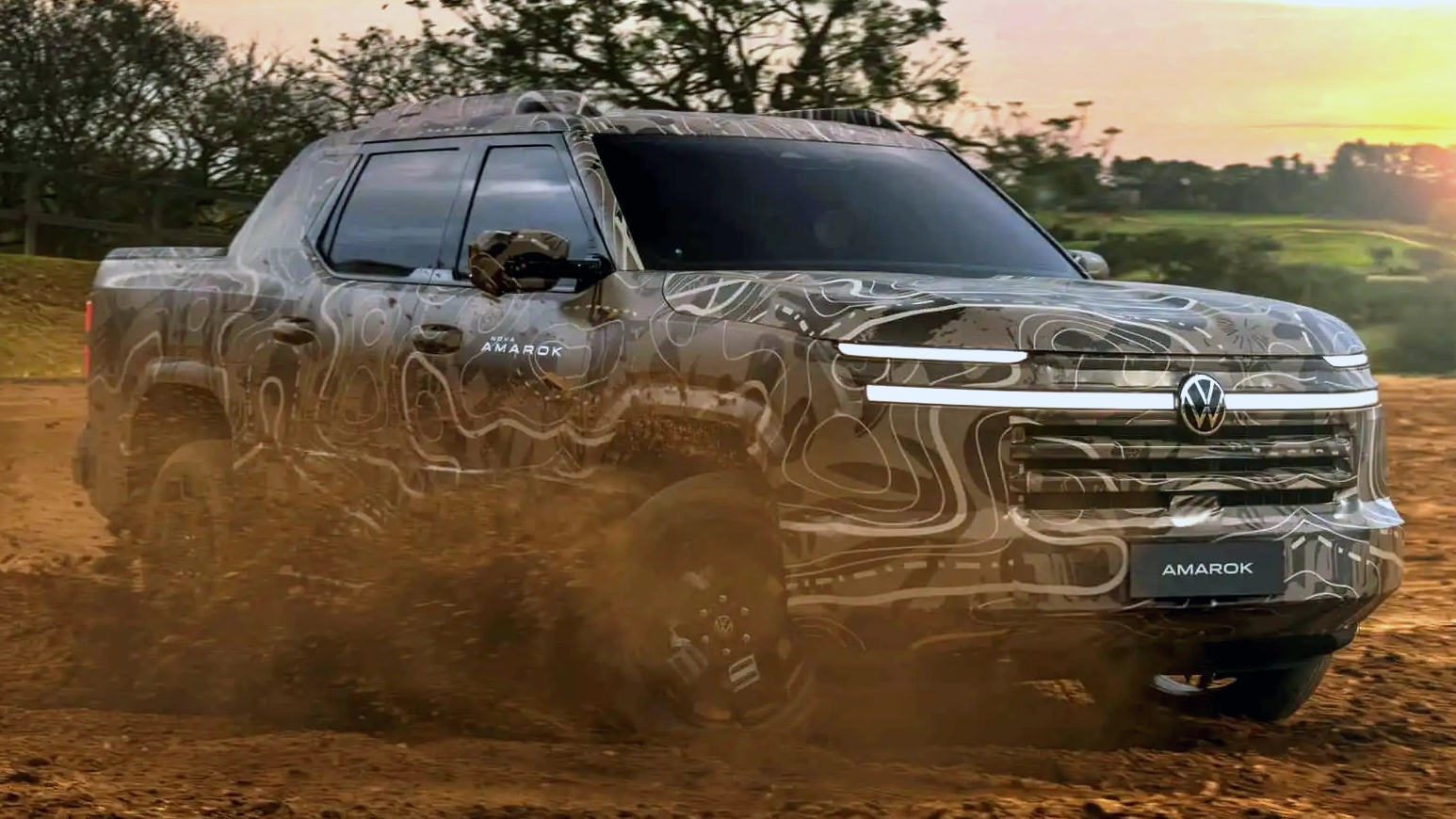
Volkswagen is teasing a new Amarok with electrification and up to 464 horsepower, raising questions about whether the pickup could eventually reach the U.S. market.
Volkswagen is preparing a new generation of the Amarok pickup, and the company has confirmed that the next model will offer more power than any Amarok before it.
The truck was teased in Brazil alongside the new Tukan pickup, with Volkswagen revealing that the upcoming Amarok will combine electrification with a significantly more powerful powertrain lineup.
The Most Powerful Amarok Yet
Volkswagen has not released complete technical details, but reporting from Brazil indicates that the range could include an 800 TSI version producing as much as 464 horsepower and 590 lb-ft of torque.
That would make the next Amarok substantially more powerful than previous versions.
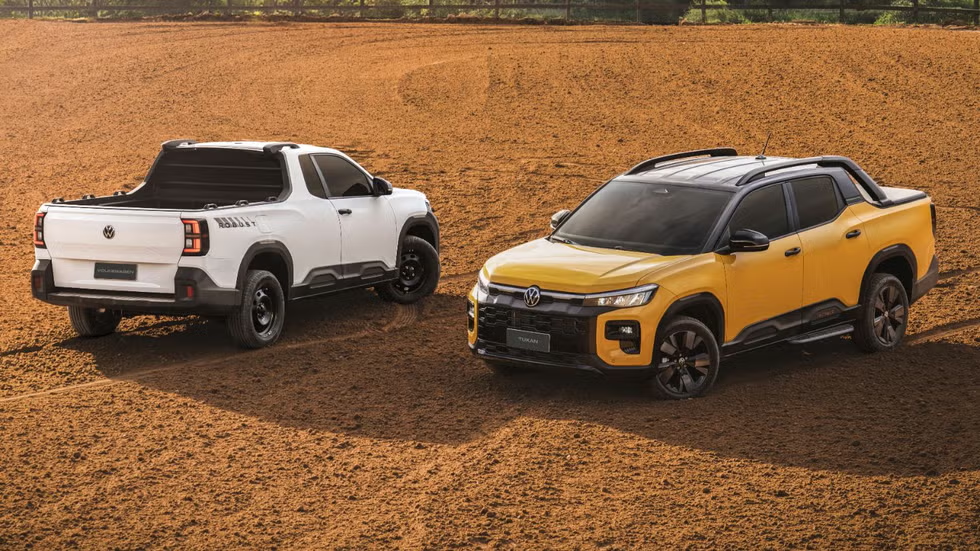
Volkswagen has teased the next-generation Amarok in Brazil, promising its most powerful powertrain yet.
The combination of high output and electrification suggests Volkswagen is looking to make the Amarok more competitive in the increasingly sophisticated midsize pickup segment.
The company has yet to reveal complete specifications, including battery capacity, electric range, or the exact hybrid system.
Amarok Already Has a North American Presence
Although the Amarok is not sold in the United States, Volkswagen does offer the pickup in Mexico.
Brazil is also an important market for Volkswagen’s trucks, where pickups play a major role in commercial and private use.

The Amarok is already sold in Mexico, while Brazil remains an important market for Volkswagen pickups.
In those markets, Volkswagen positions its trucks primarily as practical working vehicles rather than premium alternatives to pickups such as the Toyota Tacoma.
That includes fleet customers, making durability and utility particularly important.
The upcoming Amarok’s additional power and electrification could therefore broaden its appeal without abandoning its traditional work-oriented role.
Could the Amarok Come to America?
Volkswagen has previously discussed developing a pickup for the U.S. market, with production potentially taking place at its factory in Chattanooga, Tennessee.
That makes the new Amarok particularly interesting for American Volkswagen fans.
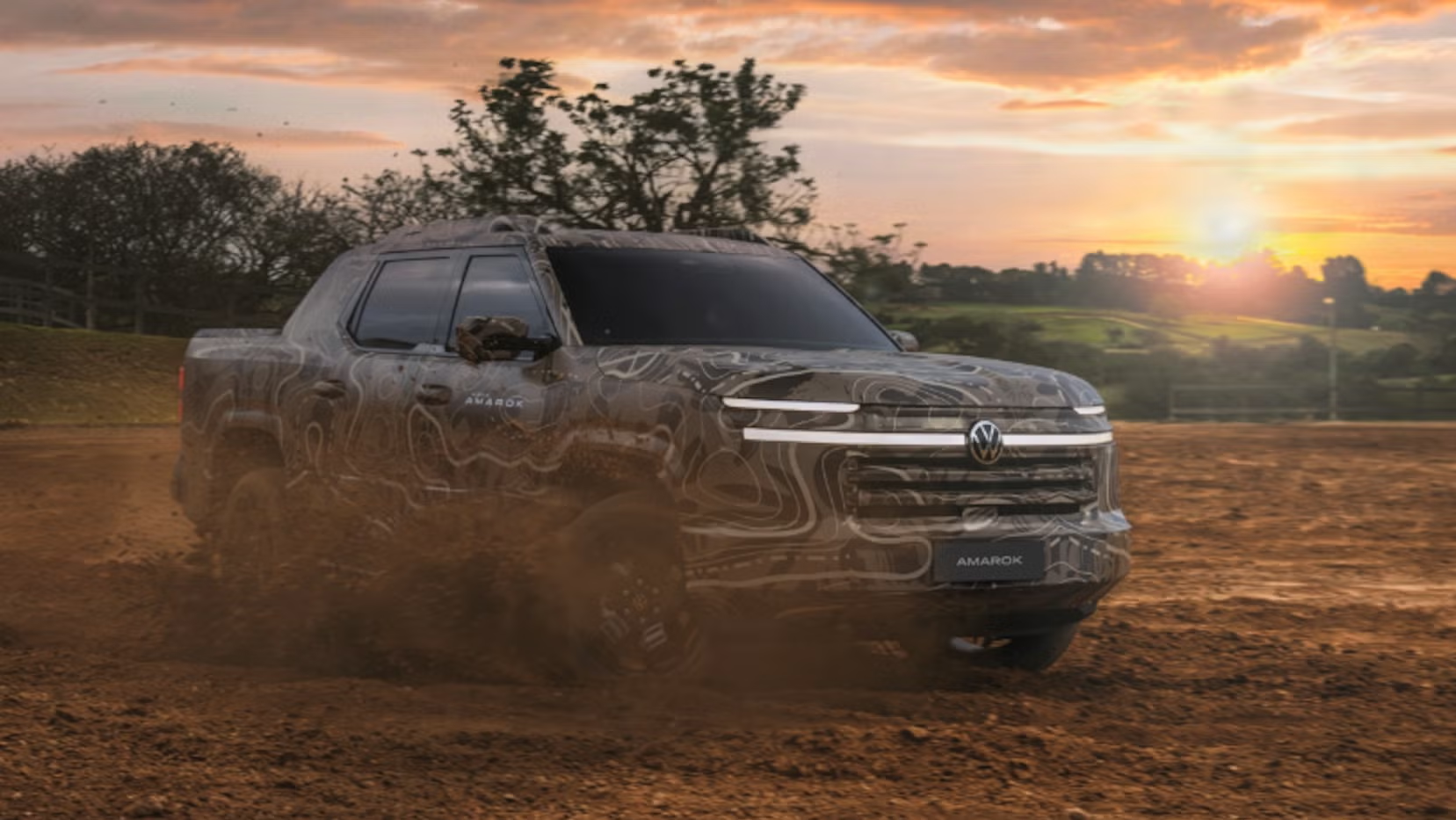
Volkswagen has previously considered a U.S.-market pickup, but the next Amarok has not been confirmed for the United States.
However, there is currently no confirmation that the new Amarok will be sold in the United States.
A U.S.-spec pickup could appeal to Volkswagen crossover owners looking for additional utility, but breaking into the American fleet and pickup market would be considerably more difficult.
The Amarok therefore remains a potentially interesting opportunity for Volkswagen, particularly as the company looks to strengthen its position in markets where pickups are among the most popular vehicle types.
For now, the Volkswagen Amarok remains officially confirmed for markets such as Brazil and Mexico, while its U.S. future is still unknown. What is clear is that the next generation is shaping up to be the most powerful and technologically advanced Amarok yet.









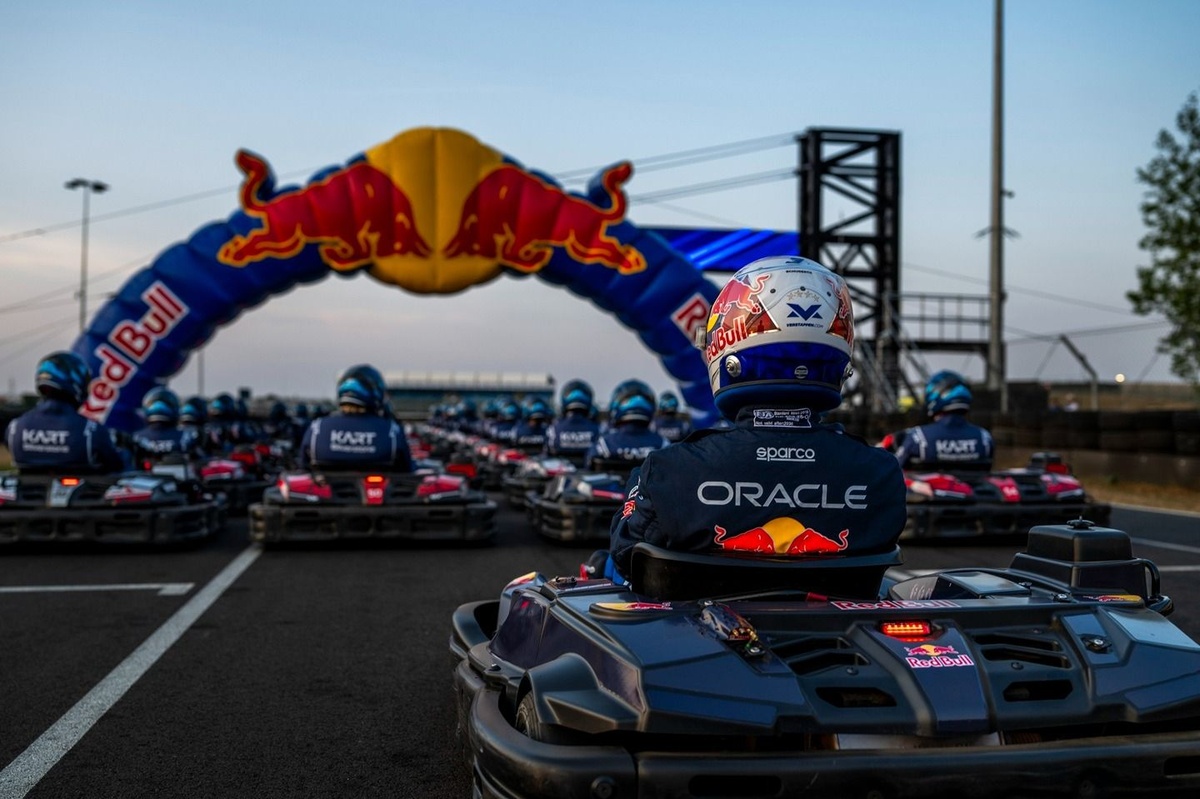
Max Verstappen will start from the back of a 101-driver field at Silverstone on September 16, attempting to overtake 100 rivals in a unique karting race.
Max Verstappen is taking on one of the most unusual racing challenges of his career.
The four-time Formula 1 world champion will compete against 100 other drivers in a special karting event at Silverstone on September 16.
Dubbed “Max vs 100,” the race will feature a custom-built karting circuit and see Verstappen start at the very back of a 101-driver grid.
Verstappen Must Overtake 100 Rivals
The challenge is simple on paper but extremely difficult in practice.
Verstappen must work his way through the entire field before time runs out, making traffic management and overtaking the biggest challenges of the event.
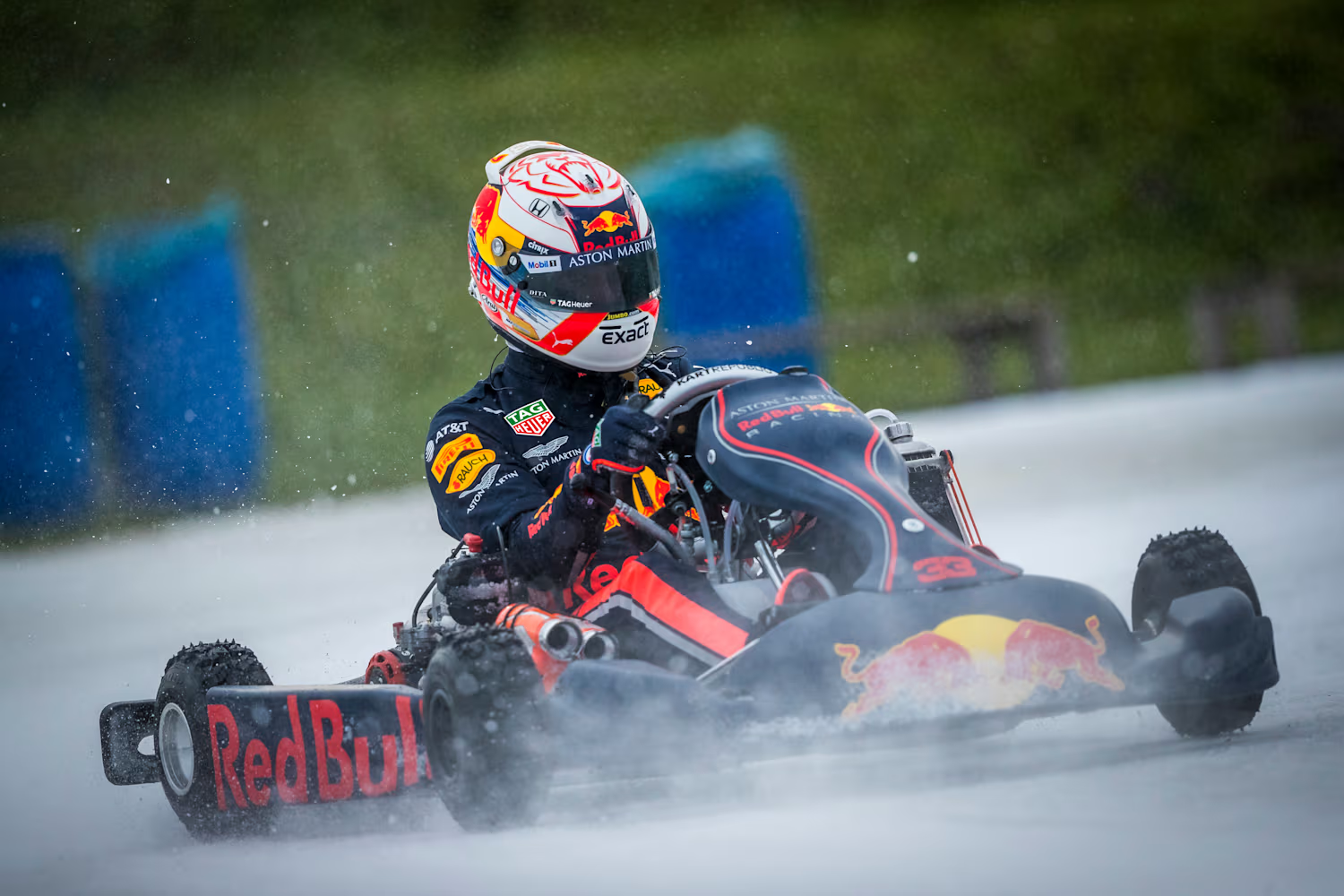
Max Verstappen will start last in a 101-driver karting race at Silverstone.
The field will include Red Bull athletes, celebrities, content creators, and amateur racers.
Red Bull has already confirmed several participants, including ultramarathon runner Arda Saatçi, basketball player Chris Matthews, freestyle mountain biker Matt Jones, and streamers TheGrefg, Caedrel, and TheDonato.
The complete entry list has not yet been announced.
A Return to Verstappen’s Karting Roots
The event is particularly fitting for Verstappen because karting was where his racing career began.
The Dutchman started karting at just four years old and spent years competing before progressing through the junior categories and eventually reaching Formula 1.
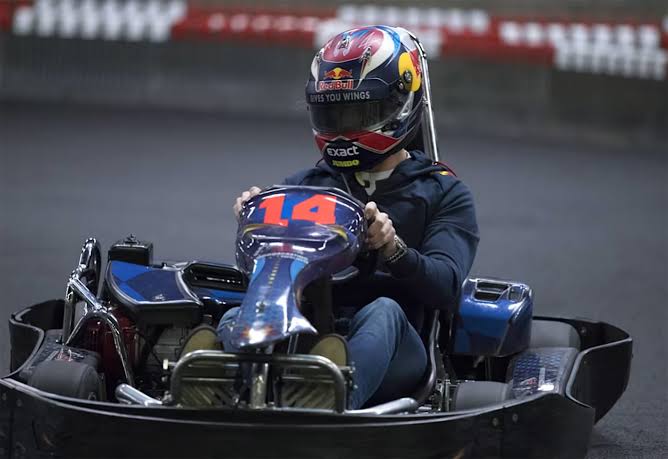
Verstappen began racing karts at four and says the discipline taught him the fundamentals of racing.
Verstappen says karting teaches many of the fundamentals required in motorsport, including starts, defending, overtaking, and understanding available grip.
He also believes that his extensive experience in karting allows him to quickly rediscover the feeling of a kart whenever he returns to one.
A Custom Silverstone Circuit
The karting track has been specifically designed for the event by French driver and race director David Terrien.
Terrien has already tested the layout alongside two-time iRacing world champion Sebastian Job.
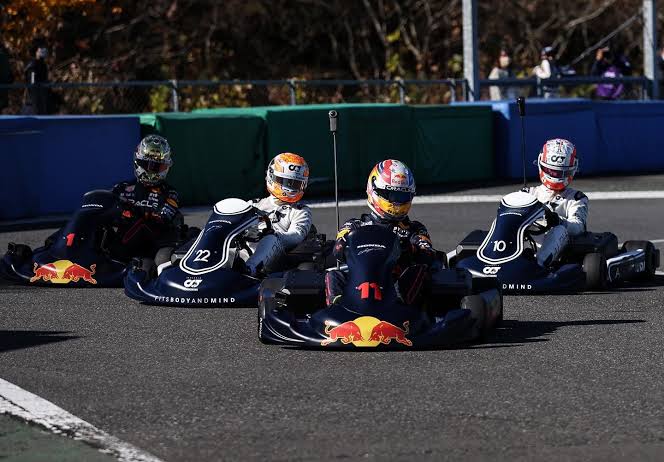
David Terrien designed the custom Silverstone karting circuit specifically for Verstappen’s 100-driver challenge.
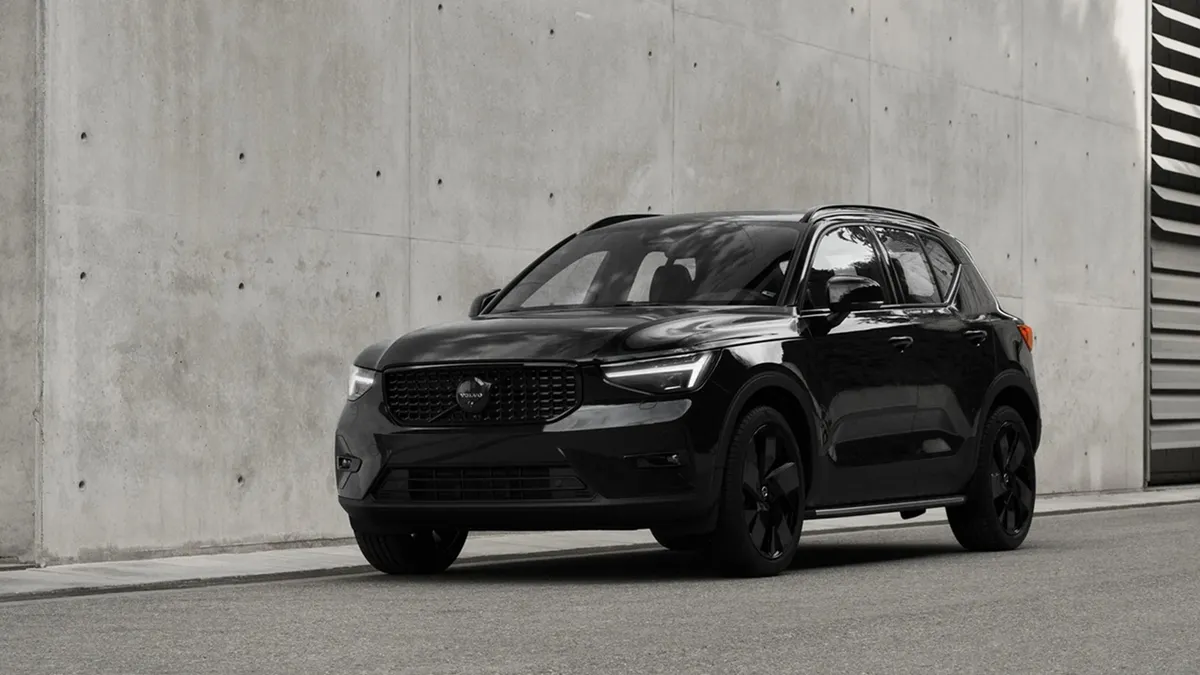
Volvo Cars is reshuffling its senior leadership, promoting Alexander Petrofski to CTO and Magnus Nilsson to chief manufacturing officer from September 1.
Alexander Petrofski Becomes Volvo’s New CTO
Petrofski, currently Volvo’s head of strategy and business ownership, will become the company’s chief technology officer, replacing Anders Bell.
He joined Volvo in 2005 and has held several positions across the company’s operations.
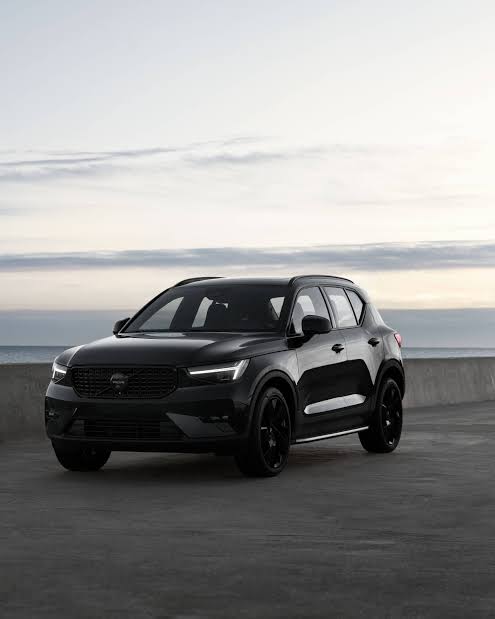
Alexander Petrofski will become Volvo Cars’ new chief technology officer on September 1.
Petrofski worked at Volvo’s Gothenburg headquarters before moving to the company’s Shanghai operation in 2011 as production line director.
In 2015, he became senior program manager for the XC40 SUV.
Bell will move into a new role leading a strategic startup initiative focused on identifying opportunities to scale Volvo’s platform and digital technology.
Magnus Nilsson Takes Over Manufacturing
Magnus Nilsson, currently head of Volvo’s Ghent production plant in Belgium, will become chief manufacturing officer.
He will oversee production and manufacturing engineering as Volvo adapts its operations to changing market conditions.
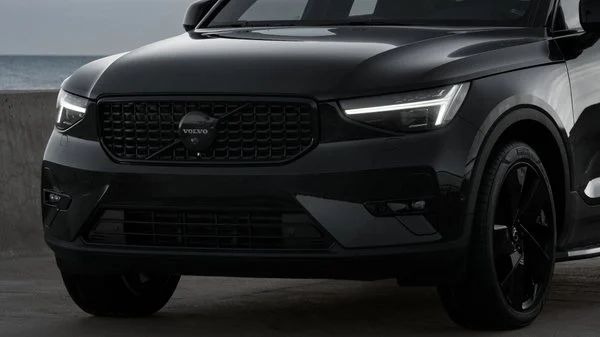
Magnus Nilsson will become Volvo Cars’ new chief manufacturing officer, overseeing production and manufacturing engineering.
The new structure is intended to strengthen Volvo’s ability to respond to a more regionalized automotive industry, faster technological change, and evolving customer expectations.
Volvo also announced that Francesca Gamboni will move into a more focused role as chief procurement and supply chain officer.
Volvo Prepares for Its Next Phase
The leadership changes come as Volvo Cars faces an industry undergoing significant changes in technology, manufacturing, and customer expectations.
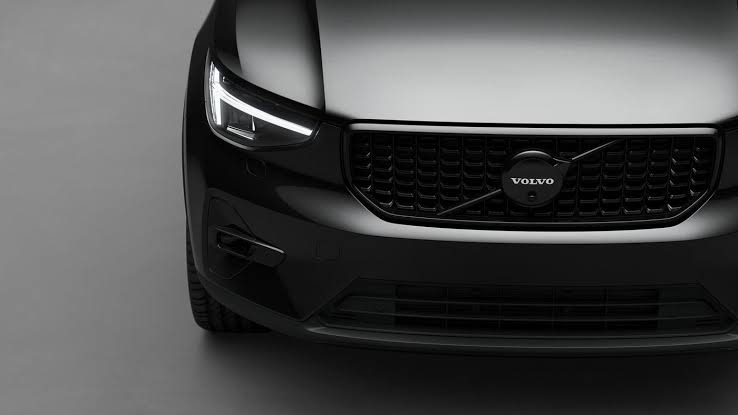
Volvo is reshaping its leadership team as it prepares for the next stage of its business and technology strategy.
CEO Håkan Samuelsson said the changes are designed to reflect Volvo’s future priorities and enable faster execution.
The company is therefore placing greater emphasis on technology, manufacturing capabilities, and supply-chain management as it prepares for its next phase.
For Volvo Cars leadership, the reshuffle puts experienced executives into roles that will be central to the automaker’s future strategy.
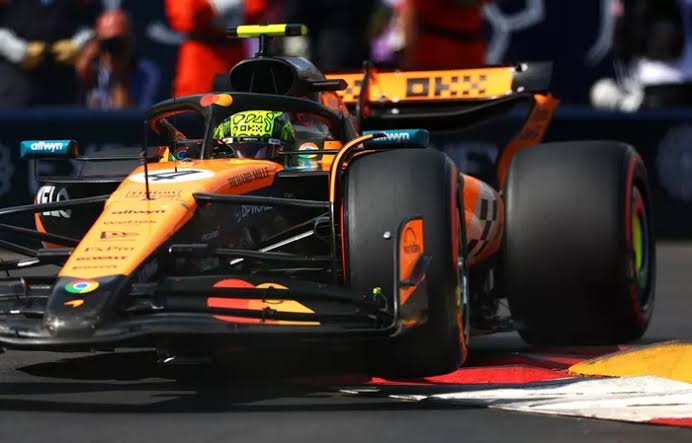
McLaren says its appeal against the Monaco Grand Prix result is aimed at protecting sporting integrity while also recovering points lost from Oscar Piastri’s penalty.
Why McLaren challenged the Monaco result
Several drivers were penalized during the Monaco Grand Prix for allegedly exceeding the pit-lane speed limit.
Among them were Oscar Piastri and Pierre Gasly.
It was later discovered that the timing loop used to calculate the speed at the entrance to Monaco’s pit lane had produced false positives.
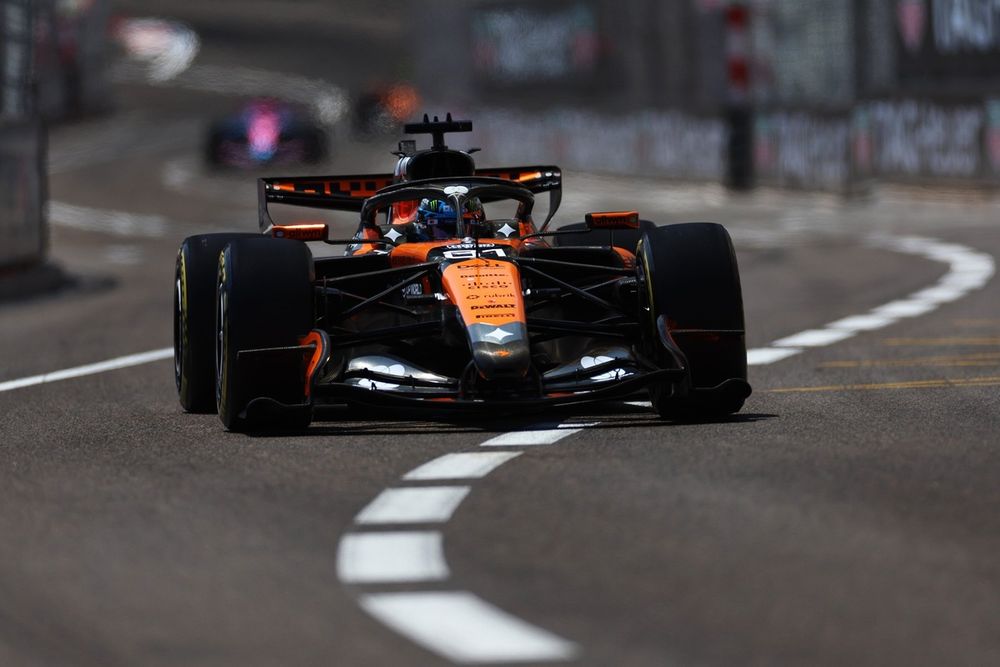
Oscar Piastri was among the drivers penalized for an alleged pit-lane speeding infringement at Monaco.
Most drivers had already served their penalties during the race.
Gasly was different. The Alpine driver received two five-second penalties after the race, dropping him from third to seventh.
Alpine subsequently requested a right of review, and the stewards overturned both penalties, restoring Gasly to the podium.
That decision also changed the positions of Isack Hadjar and Piastri.
McLaren says the process was unfair
McLaren and Red Bull subsequently launched appeals because they questioned why Gasly was able to have his penalties removed while other drivers did not receive the same opportunity.
Stella says this is the central issue behind McLaren’s appeal.
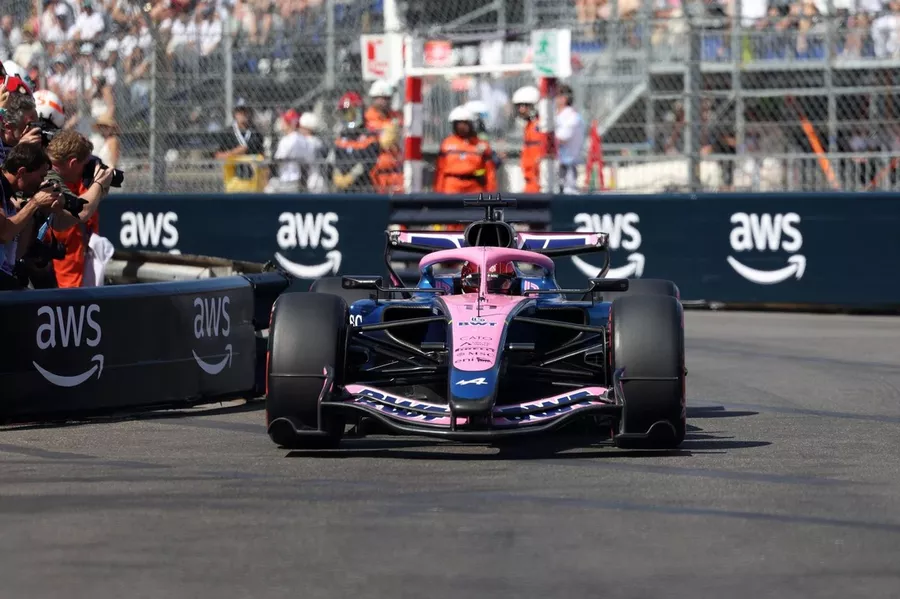
McLaren argues that the treatment of Gasly’s penalties raised broader questions about fairness between competitors.
According to Stella, the team wants the FIA appeal process to clarify the principle that should apply equally to all competitors.
He stressed that the issue goes beyond McLaren’s own interests and concerns the integrity of Formula 1.
The technical question of how the pit-lane speed was calculated is important, but Stella considers the broader procedural issue even more significant.
McLaren also wants its championship points back
There is also a direct competitive reason for McLaren’s appeal.
Piastri had already served his penalty during the Monaco race, meaning McLaren says the team suffered a tangible loss that could not be appealed in the same way as Gasly’s post-race sanctions.
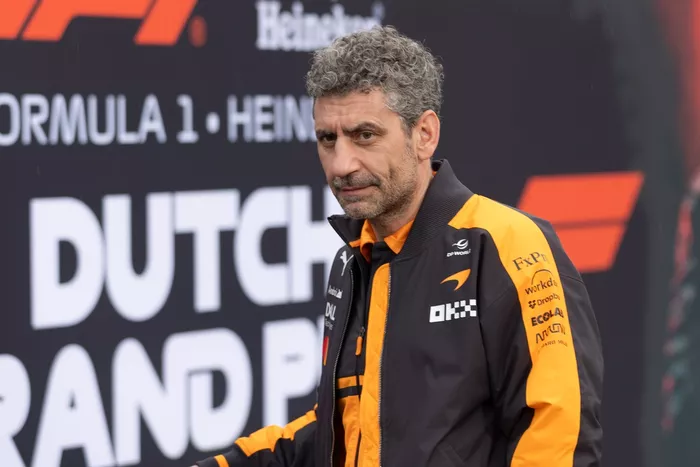
McLaren says Piastri’s penalty had a direct impact on its championship points.
Stella therefore described the appeal as having two objectives.
The first is to establish a fair principle for all competitors. The second is to address the impact the Monaco decision had on McLaren’s own constructors’ championship campaign.
The FIA International Court of Appeal’s decision could therefore have implications beyond the Monaco result itself.
For McLaren Monaco appeal, the team is arguing that the case is about more than recovering lost points. Stella says the outcome should clarify how sporting procedures are applied when an initial penalty is later found to have been based on incorrect data.
-

 NOW TRENDING2 months ago
Polestar to Exit U.S. Market After 2026 Due to Connected Vehicle Rules
-
 NOW TRENDING2 months ago
Tesla Model Y L Arrives in the U.S. With More Space and Three Rows
-

 RACING2 months ago
McLaren F1 Unveils Special Silverstone Livery Honoring Its History
-
 INTELLIGENT MOBILITY2 months ago
Audi A4 E-tron and Q7 E-tron Confirmed as New Electric Models
-
 TEST DRIVES2 months ago
A Week Driving Honda’s New Hybrid Coupe
-
 TEST DRIVES2 months ago
Ford Recalls More Than 741,000 Trucks and SUVs Over Rollaway Risk
-
 NOW TRENDING2 months ago
Toyota Reports Strong June and Q2 2026 U.S. Sales Growth
-
 INTELLIGENT MOBILITY2 months ago
GM Expands Super Cruise With Exclusive Hands-Free Towing Technology
You must be logged in to post a comment Login