
The rules of vehicle use and ownership are changing rapidly, according to GM’s latest Sustainability Report (gmsustainability.com) released Tuesday. Connectivity, car-sharing, alternative propulsion and autonomous vehicles are key elements toward a future of safer, cleaner and more efficient mobility options for customers.
“We see tremendous potential in these technologies and the long-term benefits for our customers and communities around the world,” said GM Chairman and CEO Mary Barra. “The GM team is looking to lead this transformation of personal mobility and will continue to deliver on our commitment to responsible manufacturing.”
Independent third parties have also recognized GM’s progress.
“GM is quickly and appropriately adapting its business to our rapidly changing world, from addressing climate change through public policy advocacy to helping move electric vehicles into the mainstream,” said Mindy Lubber, president of Ceres, a nonprofit advocating for sustainability leadership.
The interactive report outlines strategic technology investments that are helping GM strengthen its core business and reshape the future of personal mobility. Here are some highlights:
The road to autonomous
GM is using its 20 years of OnStar connectivity expertise to enable advanced safety technologies and car-sharing. GM is paving the way for autonomous vehicles and vehicle-to-infrastructure technology. These efforts will help reduce congestion, crashes and pollution. The company is working with stakeholders to create the largest V-to-I enabled corridor in the U.S. on 120 miles of Metro Detroit freeways. It also will bring SuperCruise, the industry’s first semi-autonomous driver-assist technology, to market next year on the Cadillac CT6.
Urban mobility
Earlier this year, the company launched its Maven car-sharing brand and invested $500 million in a strategic alliance with rideshare provider Lyft. Chevrolet also is building the affordable, all-electric Bolt EV, which will offer a more than GM-estimated 200 miles per charge.
Focus on fuel efficiency
GM is addressing climate change, in part, by continuing to provide customers with fuel-efficient models across each vehicle segment given that 77 percent of the company’s carbon footprint comes from driving. Nine models get an EPA-estimated 40 mpg on the highway or better, up from six last year. GM’s electrified vehicles on the road increased 9 percent to 196,861 vehicles.
Carbon reduction
Last year, Barra and 12 other automotive CEOs convened through the World Economic Forum committed to the vision of decarbonizing automotive transport. GM also signed the White House American Business Act on Climate Pledge, advocating the economic opportunity in addressing climate change.
The company is also aggressively pursuing ways to use more renewable energy. Two wind deals in Mexico and Texas will add 64 megawatts to its 106 megawatt global portfolio, enabling GM to achieve its renewable energy target four years early.
GM’s progress provides topline growth through new revenue streams such as $1 billion from recycling and reuse in recent years, to bottom-line savings through greater efficiencies, such as $237 million in energy savings since 2010. GM was the only automaker to appear on the Dow Jones Sustainability Index in North America in 2015, and it earned perfect scores on climate change disclosure from CDP, a group serving more than 800 investors.
GM works with its dealers and supply chain to further reduce its carbon footprint. To date, 435 dealers joined the company’s Green Dealer program and 77 percent of invited suppliers participate in an environmental efficiency program through CDP.
Manufacturing responsibly
The company is on track to meet all of its 2020 global manufacturing commitments. Since 2010, the baseline year, GM has accomplished the following:
Achieved 131 landfill-free facilities toward a goal of 150
Reduced total waste by 22 percent toward a goal of 40 percent
Reduced water intensity by 10 percent toward a goal of 15 percent
Reduced energy and carbon intensity by 14 percent and 15 percent, respectively, toward a goal of 20 percent
Earned certified wildlife habitats at half of GM’s manufacturing operations
“Our 215,000 workers worldwide, seeking to serve our communities and build relationships both inside and outside of GM, are helping us minimize our environmental footprint while increasing our positive societal impact,” said Jim DeLuca, GM executive vice president of global manufacturing.
Discover more about GM’s environmental, social and economic impact by viewing the report at gmsustainability.com.




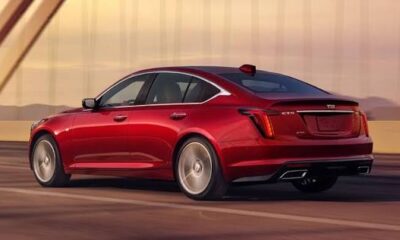

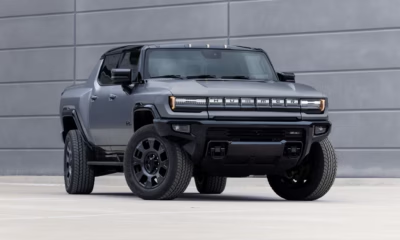


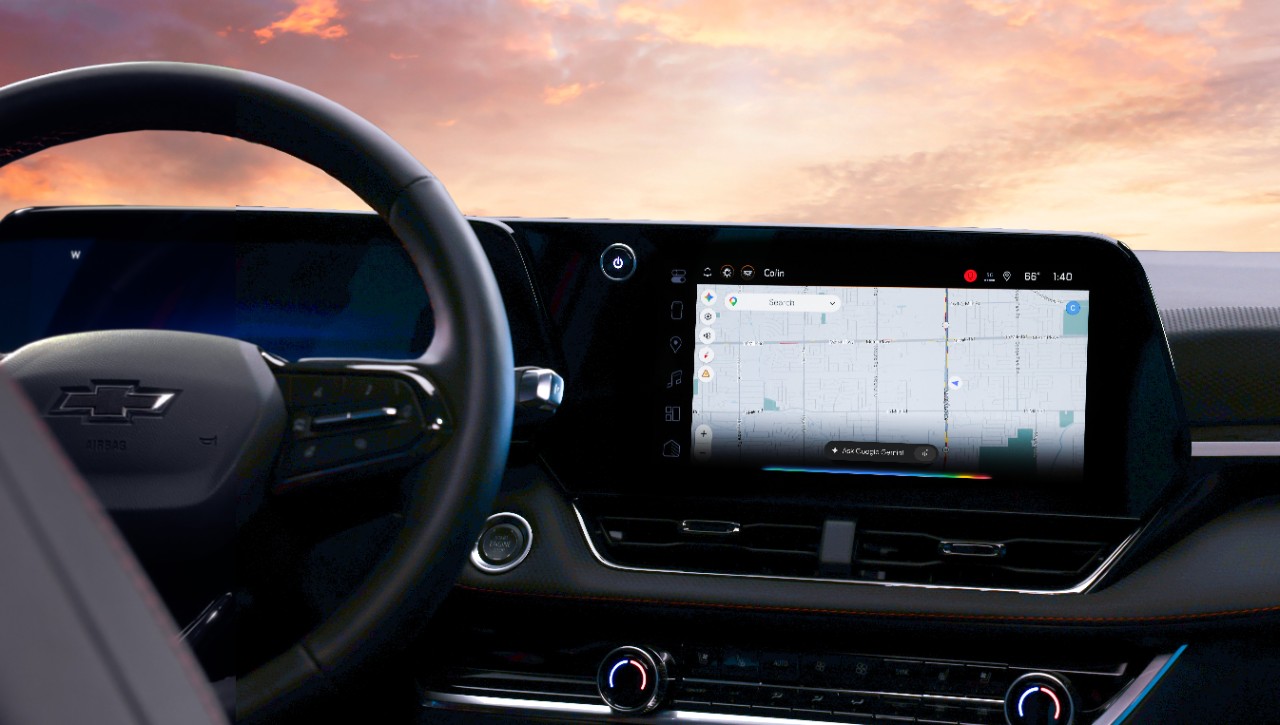
General Motors is rolling out new over-the-air software updates that improve the infotainment experience with a redesigned interface, enhanced personalization and easier-to-use controls across eligible Cadillac models.
The latest GM infotainment software update introduces a wide range of enhancements designed to make the in-vehicle experience more intuitive and personalized. Developed using customer feedback, the new features improve navigation, media controls, seating preferences and charging functions while delivering a cleaner and more responsive interface.
Moreover, the updates are arriving through over-the-air software downloads, allowing eligible Cadillac owners to receive new functionality without visiting a dealership.
Smarter Audio Controls and Easier Navigationdia playback.
Drivers can now view an upcoming playlist through a new side queue, making it easier to see which songs will play next. Additionally, a new drop-down source selector allows users to switch between music apps and audio sources with fewer taps, creating a faster and more seamless listening experience.
Furthermore, larger touch targets throughout the interface reduce accidental presses and make frequently used controls easier to access.
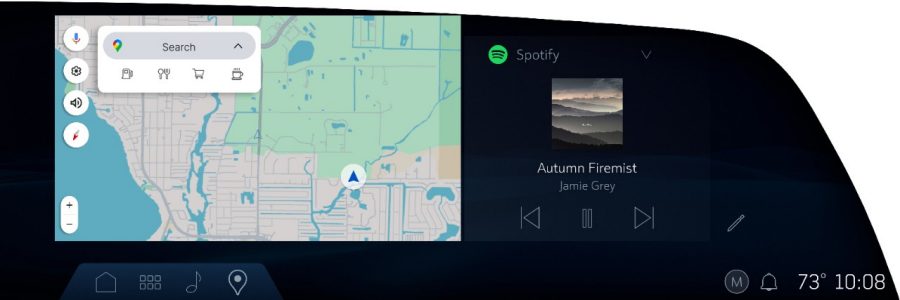
GM’s updated infotainment interface features improved media controls and larger touch targets.
Personalized Driver Profiles and Comfort Settings
The GM infotainment software update also expands personalization features.
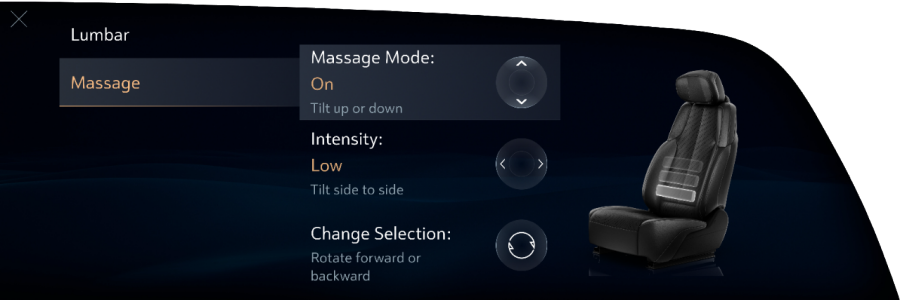
Drivers can now link two user profiles to the vehicle’s memory seat buttons. With a single press, both the preferred seating position and the driver’s personalized profile are restored automatically. The feature will debut on the 2026 Cadillac VISTIQ before expanding to additional GM models.
Meanwhile, seat adjustment graphics have been redesigned to match the physical controls located on the vehicle’s doors. As a result, changing comfort settings becomes more intuitive and visually consistent.
Additionally, the charging application now features clearer labels and descriptions, making charging options easier to understand.

Updated driver profiles automatically restore personalized seating and infotainment settings.
Better Connectivity and Improved Display Quality
GM has also refined several everyday features to improve convenience.
The latest software includes sharper Head-Up Display graphics, making important driving information easier to read. Furthermore, Bluetooth pairing has been simplified by removing an extra confirmation step, allowing devices to connect more quickly.
These refinements contribute to a smoother user experience while reducing unnecessary interactions with the infotainment system.
Eligible Cadillac Models Receive Over-the-Air Updates
The new GM infotainment software update is being released gradually through over-the-air updates.
Eligible vehicles include:
- 2025 Cadillac LYRIQ
- 2026 Cadillac LYRIQ
- 2025 Cadillac OPTIQ
- 2026 Cadillac OPTIQ
- 2025 Cadillac VISTIQ
- 2026 Cadillac VISTIQ
- 2025 Cadillac CT5
- 2026 Cadillac CT5
GM confirmed that additional software improvements will continue rolling out over the coming months as updates become available.
Eligible Cadillac models receive the latest infotainment improvements through over-the-air software updates.
Future Updates Will Expand the Experience
General Motors has already outlined additional enhancements planned for future releases.
Upcoming updates will introduce a redesigned home screen featuring a larger interactive navigation map alongside media controls. Drivers will also benefit from simplified widget customization, making it easier to personalize the dashboard layout with just a few taps.
Overall, these software improvements demonstrate GM’s continued focus on enhancing the digital driving experience through regular over-the-air updates, delivering new features that improve usability, convenience and personalization without requiring new hardware.
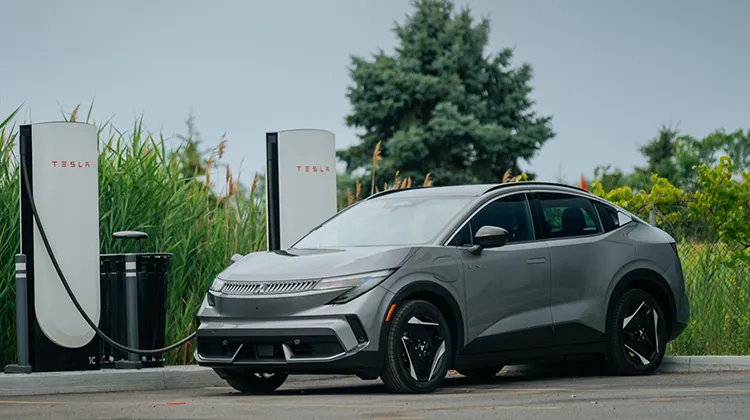
Mitsubishi has revealed new charging details for the 2027 Eclipse Sportback EV, confirming NACS compatibility, fast charging capabilities and flexible home charging options ahead of its North American launch.
The 2027 Mitsubishi Eclipse Sportback EV is taking another step toward its North American debut with new details about its charging technology. Mitsubishi has confirmed that every version of its upcoming electric crossover will feature multiple charging options, giving drivers greater flexibility whether charging at home or on the road.
Moreover, the new EV will arrive with direct access to one of the continent’s largest public charging networks.
Standard NACS Compatibility Across the Lineup
The 2027 Mitsubishi Eclipse Sportback EV will come standard with the North American Charging System (NACS) connector on every trim level.
This compatibility allows owners to access the growing Supercharger network without requiring additional hardware. Furthermore, the electric SUV supports DC fast charging at up to 150 kW, enabling the battery to recharge from 10% to 80% in approximately 35 minutes, depending on charging conditions.
As a result, Mitsubishi aims to make long-distance travel more convenient for future Eclipse Sportback EV owners.
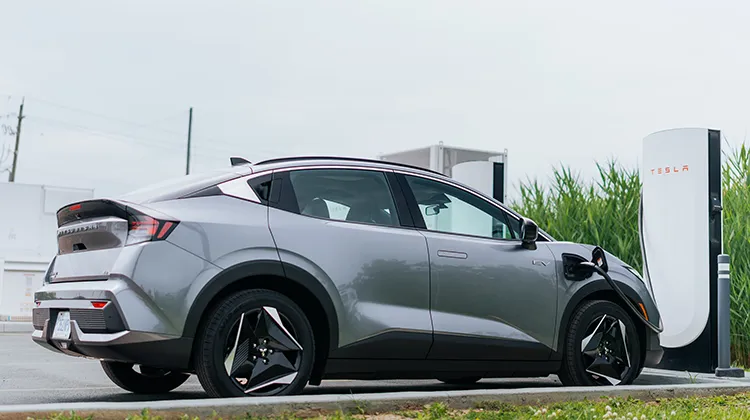
The 2027 Mitsubishi Eclipse Sportback EV will feature standard NACS charging compatibility across the lineup.
Flexible Home Charging Solutions
In addition to DC fast charging, Mitsubishi is equipping the Eclipse Sportback EV with a J1772 connector for Level 1 and Level 2 charging.
This setup allows owners to recharge the battery at home or through thousands of public AC charging stations across North America. Consequently, drivers will have multiple charging solutions depending on their daily needs.
Additionally, Mitsubishi says the vehicle’s charging performance may vary depending on battery temperature, ambient conditions and charger output.
A J1772 connector will support both Level 1 and Level 2 home charging.
A Key Model in Mitsubishi’s EV Expansion
The 2027 Mitsubishi Eclipse Sportback EV plays an important role in the company’s Momentum 2030 strategy.
The sporty electric crossover features distinctive front and rear styling, signature lighting and Mitsubishi’s recognizable Triple Diamond branding. Meanwhile, the automaker plans to continue expanding its lineup, with an all-new off-road-oriented Outlander variant expected to follow in early 2027.
Therefore, the Eclipse Sportback EV represents another major milestone in Mitsubishi’s broader electrification plans for North America.
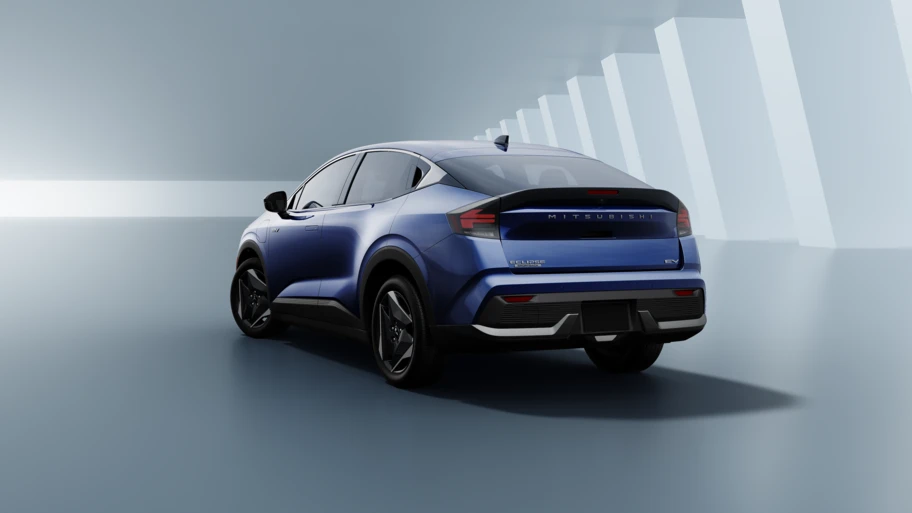
The Eclipse Sportback EV is a cornerstone of Mitsubishi’s Momentum 2030 electrification strategy.
2027 Mitsubishi Eclipse Sportback EV Expands Charging Convenience
The 2027 Mitsubishi Eclipse Sportback EV combines flexible charging solutions with modern electric vehicle technology to improve everyday usability.
Overall, standard NACS compatibility, fast DC charging and home charging capability position Mitsubishi’s newest electric crossover as an attractive option for drivers seeking greater charging convenience when it arrives in North America later this year.
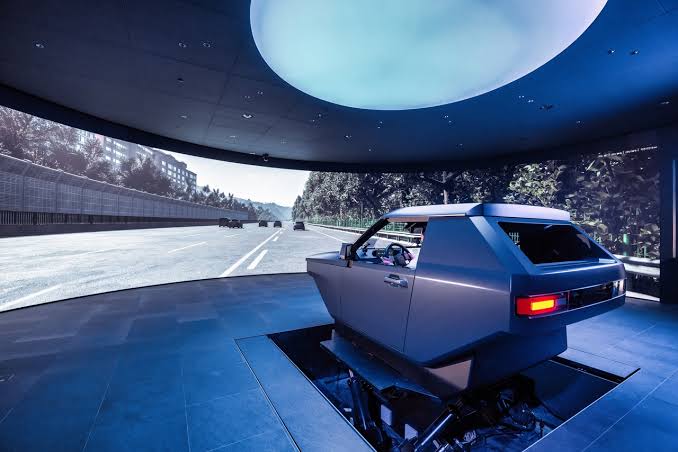
Hyundai Motor Group has opened UX Studio Shanghai, a new research hub designed to study Chinese consumer behavior and shape the next generation of connected mobility worldwide.
Hyundai UX Studio Shanghai is the latest step in the automaker’s strategy to develop smarter and more connected mobility experiences. Located in one of China’s leading innovation centers, the new research hub will gather consumer insights and help transform them into future vehicle technologies for global markets.
Moreover, the facility strengthens Hyundai Motor Group’s commitment to designing vehicles around real customer needs.
A New Center Focused on User Experience
The new Hyundai UX Studio Shanghai expands the company’s global user experience network, joining existing research centers in Seoul, Frankfurt and Irvine.
As a result, Hyundai can better understand how Chinese consumers interact with connected vehicles and digital technologies. The facility will also support the company’s “In China, For China, To Global” strategy by turning local innovations into worldwide solutions.
Furthermore, researchers will work directly with customers throughout the product development process.
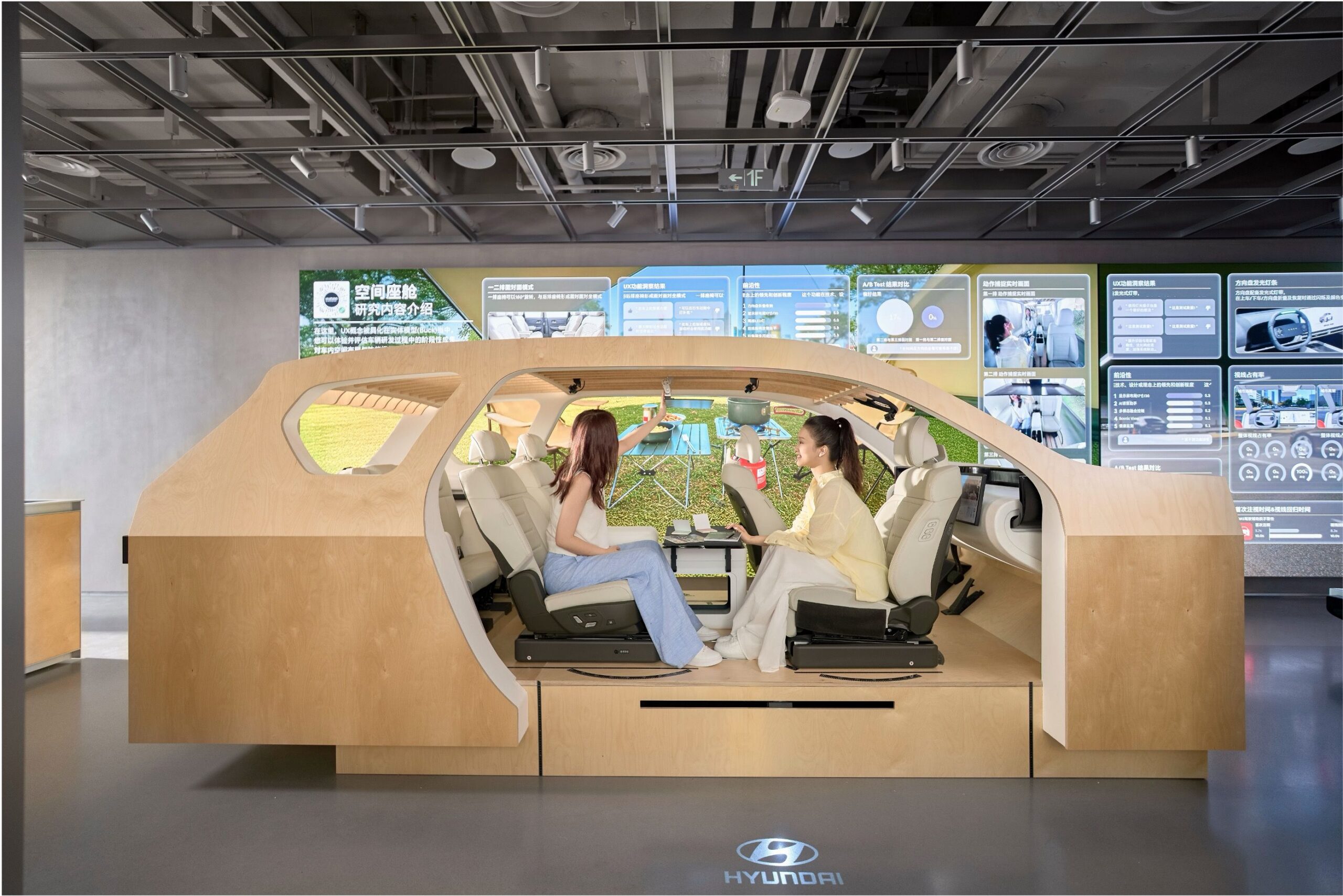
Hyundai’s new UX Studio Shanghai will study consumer behavior to improve future mobility experiences.
Designed for the Era of Software-Defined Vehicles
As vehicles become increasingly software-driven, Hyundai believes customer experience is becoming just as important as performance.
Therefore, UX Studio Shanghai focuses on technologies such as connected ecosystems, voice interaction, intelligent interfaces and digital mobility services. In addition, the company expects local consumer feedback to influence future software-defined vehicles across its global lineup.
The new center also supports collaboration between engineers, designers and customers from the earliest development stages.
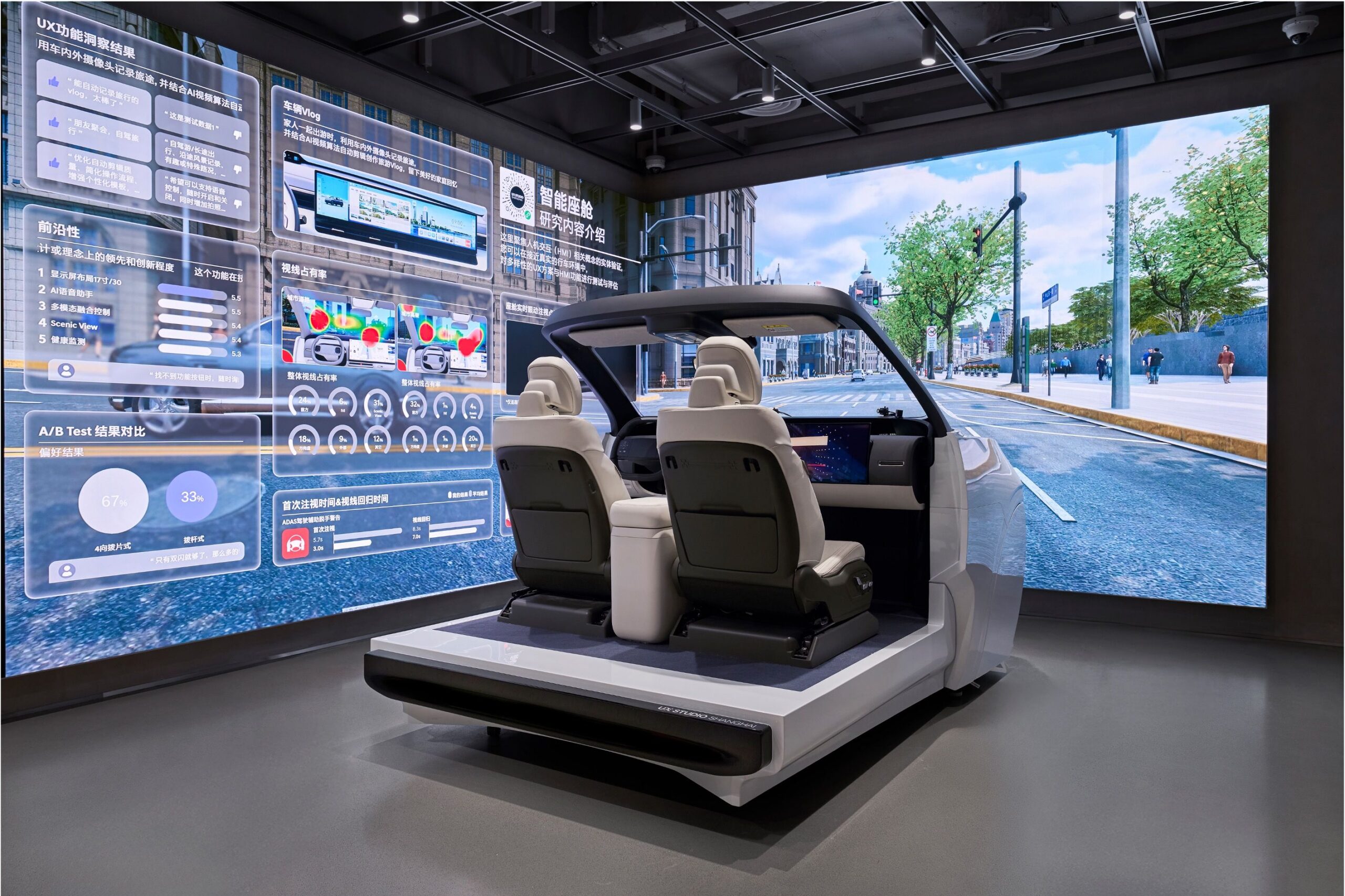
The research hub will help develop software-defined vehicles through customer collaboration.
Chinese Innovation Will Influence Global Products
Shanghai was selected because of its advanced technology ecosystem and rapidly evolving mobility market.
Meanwhile, Hyundai is partnering with leading academic institutions and local experts to better understand changing consumer behaviors. Research will cover a wide range of mobility scenarios, including family transportation, urban commuting and connected driving experiences.
Consequently, innovations developed in Shanghai will be shared across Hyundai’s worldwide research and development network.
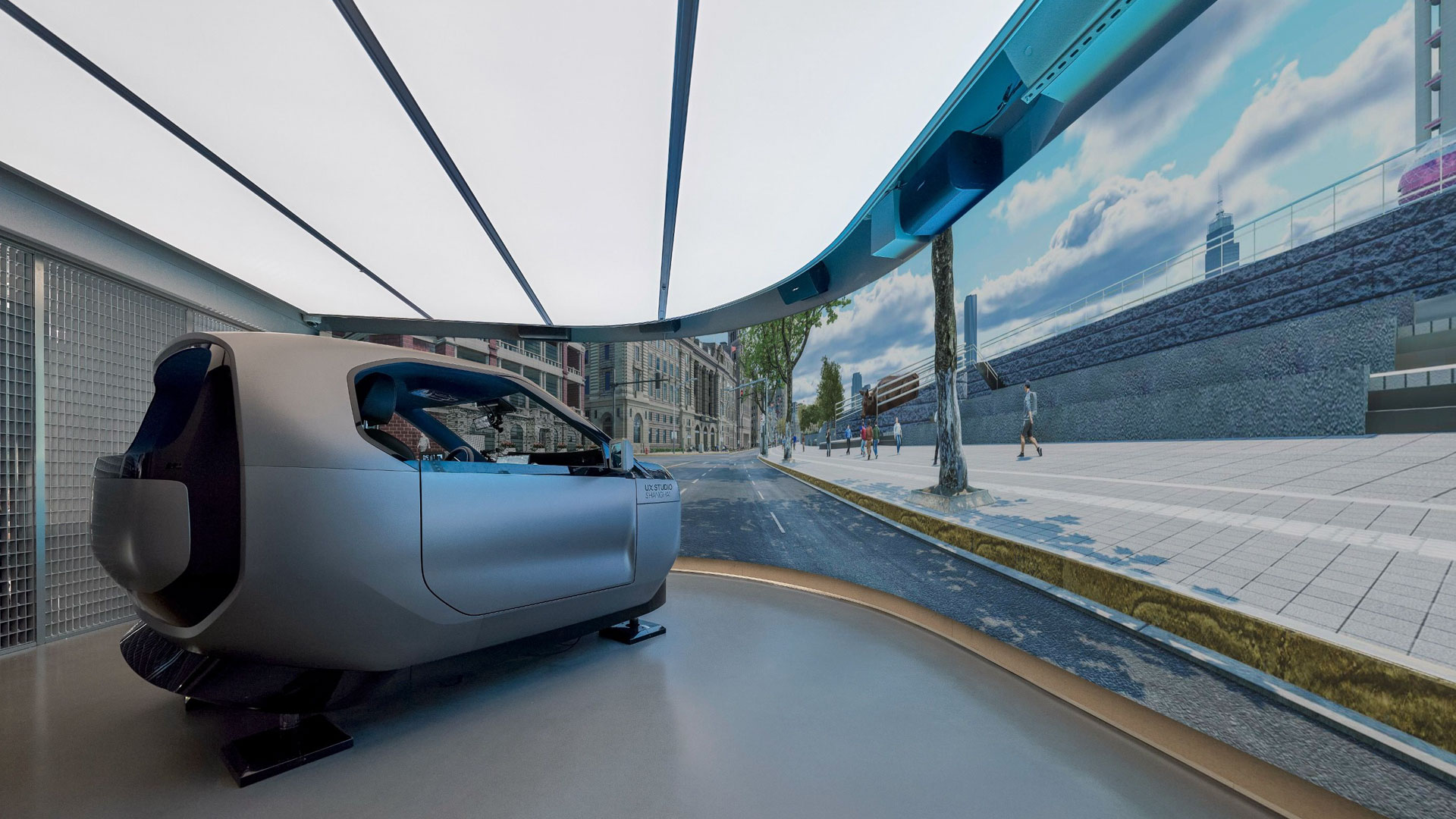
Hyundai expects insights from Shanghai to shape future vehicles sold around the world.
Hyundai UX Studio Shanghai Strengthens Future Mobility Development
The Hyundai UX Studio Shanghai represents far more than a regional research center.
Overall, the new facility reinforces Hyundai Motor Group’s strategy of combining local innovation with global development. By placing Chinese consumer insights at the center of future product planning, the company aims to create smarter, more connected and more personalized mobility experiences for customers worldwide.
-
 TEST DRIVES2 months ago
2026 Subaru Outback Touring
-

 TEST DRIVES2 months ago
Lamborghini prepares multiple launches for 2026 as electrification plans continue
-
 INTELLIGENT MOBILITY1 month ago
2026 Cadillac Escalade IQL Redefines Luxury In The Electric SUV Segment
-

 RACING2 months ago
Barcelona-Catalunya Grand Prix: Everything You Need To Know About Formula 1’s Ultimate Benchmark Circuit
-

 RACING2 months ago
George Russell Leads Final Barcelona Practice As Kimi Antonelli Receives Reprimand
-

 RACING2 months ago
Why Formula 1 Has Pit Lane Speed Limits And How They Are Measured
-

 NOW TRENDING2 months ago
Porsche Creates A Buzz Lightyear-Inspired 911 GT3 RS That Looks Ready To Go “To Infinity And Beyond”
-
 NOW TRENDING2 months ago
2026 Audi Q7 Brings New Design, Smarter Technology, And Greater Versatility
You must be logged in to post a comment Login