
NOW TRENDING
Volkswagen Group Sales Slump Forces Major Global Restructuring

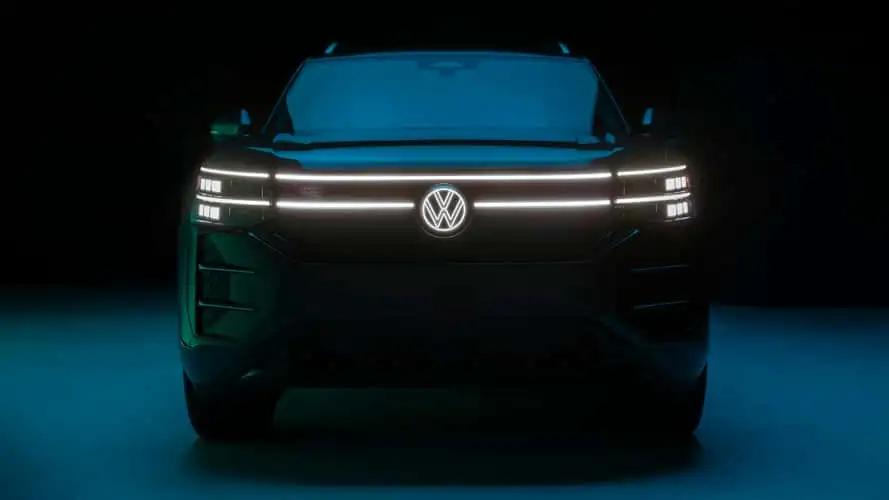
Volkswagen Group is facing mounting pressure after declining global sales, prompting the automaker to cut its model lineup, reduce production capacity and streamline operations worldwide.
Volkswagen Group is entering one of the most significant restructuring periods in its history after reporting weaker global sales during the second quarter of 2026. While some regions continue to deliver positive results, sharp declines in China have forced the German automaker to rethink its global strategy.
As part of its response, Volkswagen Group plans to reduce its vehicle lineup, simplify production and focus on its most profitable products.
China remains Volkswagen Group’s biggest challenge
The largest setback for Volkswagen Group sales came from China, where deliveries fell sharply during the second quarter.
The automaker reported:
- 36.6% decline in second-quarter sales in China
- 25.9% decline year-to-date
- Overall 8.6% global sales decrease during the quarter
Despite launching new electric vehicles developed specifically for the Chinese market, Volkswagen has struggled to keep pace with intense competition and slowing market demand.
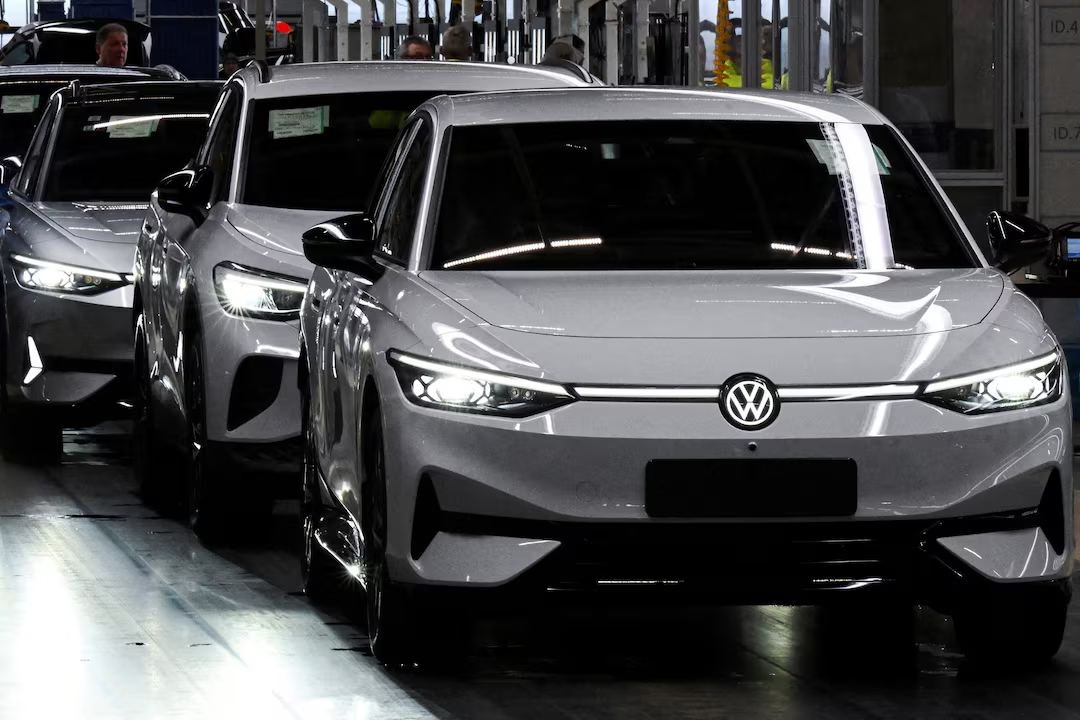
China continues to be Volkswagen Group’s most challenging global market.
North America and Latin America show stronger performance
While China remains difficult, Volkswagen achieved more encouraging results in several other markets.
North American sales increased 7.7% during the second quarter, led by strong demand for the Volkswagen brand in the United States.
Key highlights include:
- Volkswagen U.S. sales up 24.9%
- Tiguan sales surged 152.5%
- Golf GTI sales increased 17.2%
- Golf R sales climbed 12.5%
- ID. Buzz deliveries more than doubled
Latin America also delivered solid growth, while most European markets continued posting moderate gains.
However, premium brands faced additional pressure, with Audi reporting lower sales and Porsche continuing to experience declining deliveries across much of its lineup.
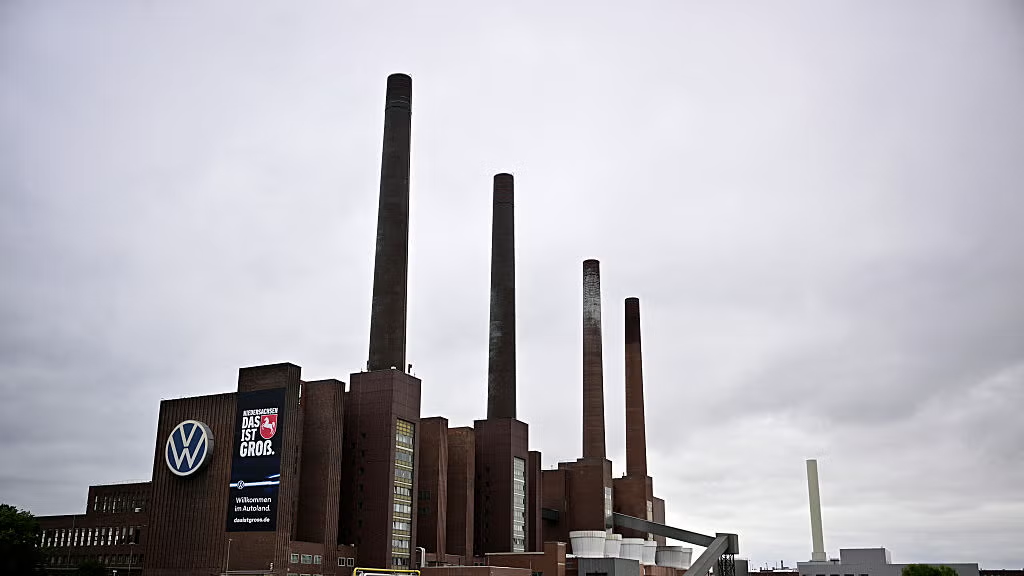
Volkswagen’s U.S. business posted strong growth during the second quarter.
Volkswagen begins one of its largest restructuring efforts
In response to changing market conditions, Volkswagen Group recently announced an aggressive restructuring strategy.
The company plans to:
- Reduce its global model lineup by up to 50%
- Cut available vehicle configurations by up to 75%
- Lower annual production capacity to 9 million vehicles
- Focus investment on its highest-volume and most profitable products
Industry reports have also suggested additional factory closures and workforce reductions could follow, although Volkswagen has not officially confirmed those measures.
Volkswagen Group is simplifying its portfolio to improve long-term profitability.
The restructuring marks a major shift for Volkswagen Group as it adapts to changing global demand and increasing competition, particularly in the electric vehicle market. By streamlining its product portfolio, reducing manufacturing complexity and prioritizing profitable models, the company hopes to strengthen its long-term competitiveness while navigating one of the most challenging periods in its recent history.










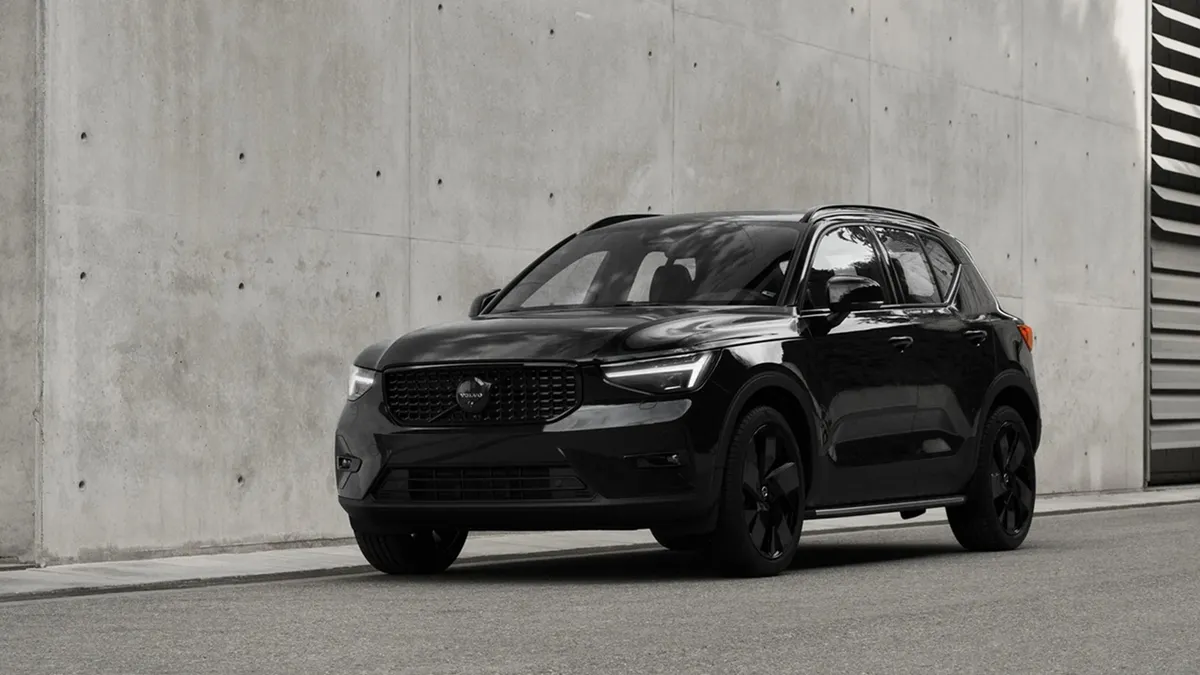
Volvo Cars is reshuffling its senior leadership, promoting Alexander Petrofski to CTO and Magnus Nilsson to chief manufacturing officer from September 1.
Alexander Petrofski Becomes Volvo’s New CTO
Petrofski, currently Volvo’s head of strategy and business ownership, will become the company’s chief technology officer, replacing Anders Bell.
He joined Volvo in 2005 and has held several positions across the company’s operations.
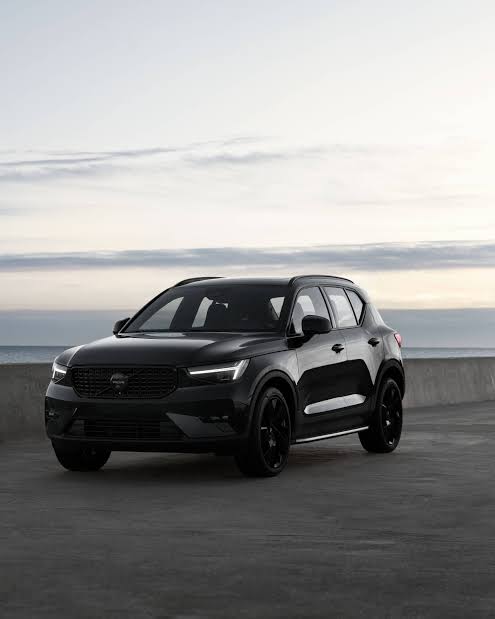
Alexander Petrofski will become Volvo Cars’ new chief technology officer on September 1.
Petrofski worked at Volvo’s Gothenburg headquarters before moving to the company’s Shanghai operation in 2011 as production line director.
In 2015, he became senior program manager for the XC40 SUV.
Bell will move into a new role leading a strategic startup initiative focused on identifying opportunities to scale Volvo’s platform and digital technology.
Magnus Nilsson Takes Over Manufacturing
Magnus Nilsson, currently head of Volvo’s Ghent production plant in Belgium, will become chief manufacturing officer.
He will oversee production and manufacturing engineering as Volvo adapts its operations to changing market conditions.
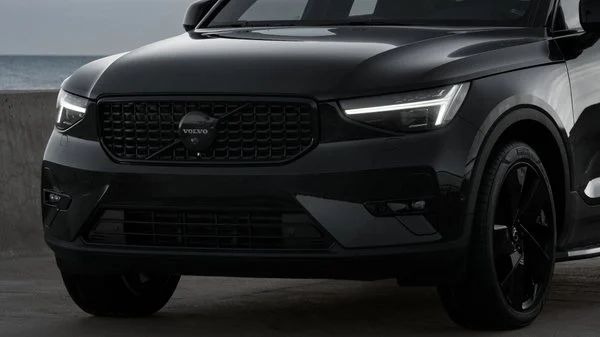
Magnus Nilsson will become Volvo Cars’ new chief manufacturing officer, overseeing production and manufacturing engineering.
The new structure is intended to strengthen Volvo’s ability to respond to a more regionalized automotive industry, faster technological change, and evolving customer expectations.
Volvo also announced that Francesca Gamboni will move into a more focused role as chief procurement and supply chain officer.
Volvo Prepares for Its Next Phase
The leadership changes come as Volvo Cars faces an industry undergoing significant changes in technology, manufacturing, and customer expectations.

Volvo is reshaping its leadership team as it prepares for the next stage of its business and technology strategy.
CEO Håkan Samuelsson said the changes are designed to reflect Volvo’s future priorities and enable faster execution.
The company is therefore placing greater emphasis on technology, manufacturing capabilities, and supply-chain management as it prepares for its next phase.
For Volvo Cars leadership, the reshuffle puts experienced executives into roles that will be central to the automaker’s future strategy.
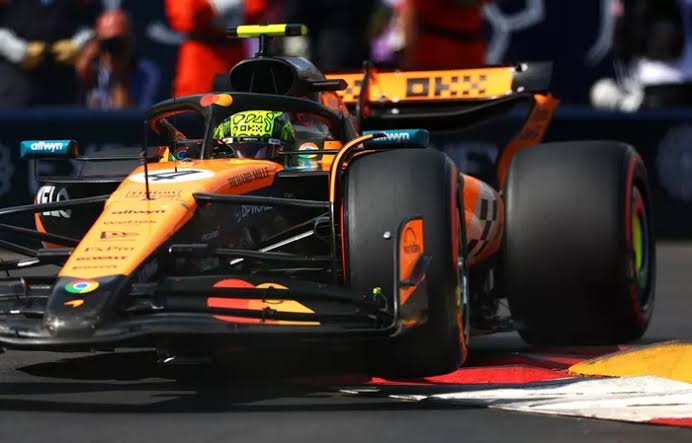
McLaren says its appeal against the Monaco Grand Prix result is aimed at protecting sporting integrity while also recovering points lost from Oscar Piastri’s penalty.
Why McLaren challenged the Monaco result
Several drivers were penalized during the Monaco Grand Prix for allegedly exceeding the pit-lane speed limit.
Among them were Oscar Piastri and Pierre Gasly.
It was later discovered that the timing loop used to calculate the speed at the entrance to Monaco’s pit lane had produced false positives.
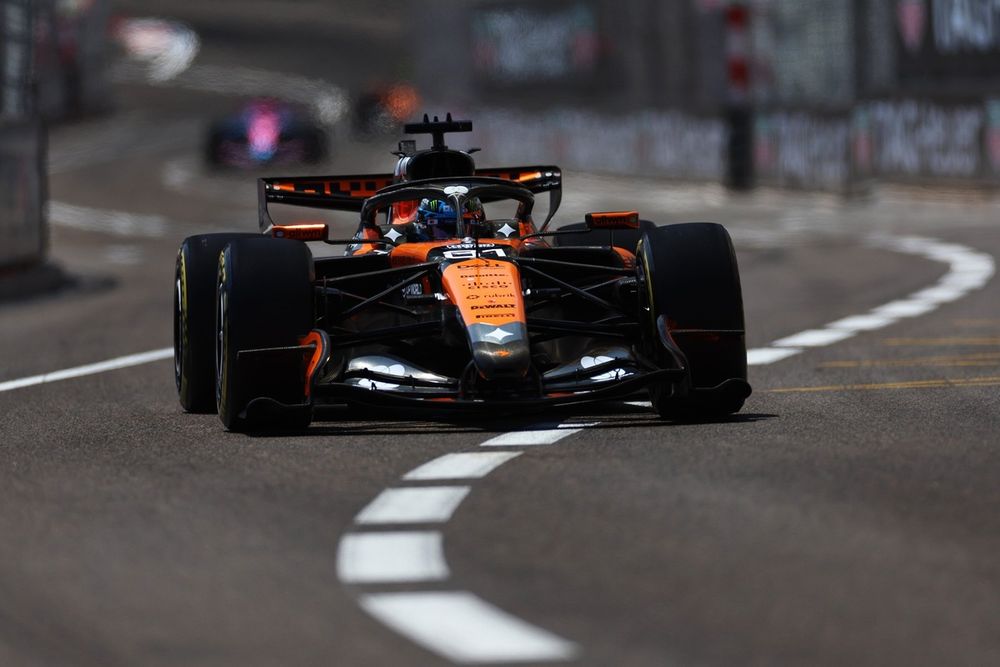
Oscar Piastri was among the drivers penalized for an alleged pit-lane speeding infringement at Monaco.
Most drivers had already served their penalties during the race.
Gasly was different. The Alpine driver received two five-second penalties after the race, dropping him from third to seventh.
Alpine subsequently requested a right of review, and the stewards overturned both penalties, restoring Gasly to the podium.
That decision also changed the positions of Isack Hadjar and Piastri.
McLaren says the process was unfair
McLaren and Red Bull subsequently launched appeals because they questioned why Gasly was able to have his penalties removed while other drivers did not receive the same opportunity.
Stella says this is the central issue behind McLaren’s appeal.
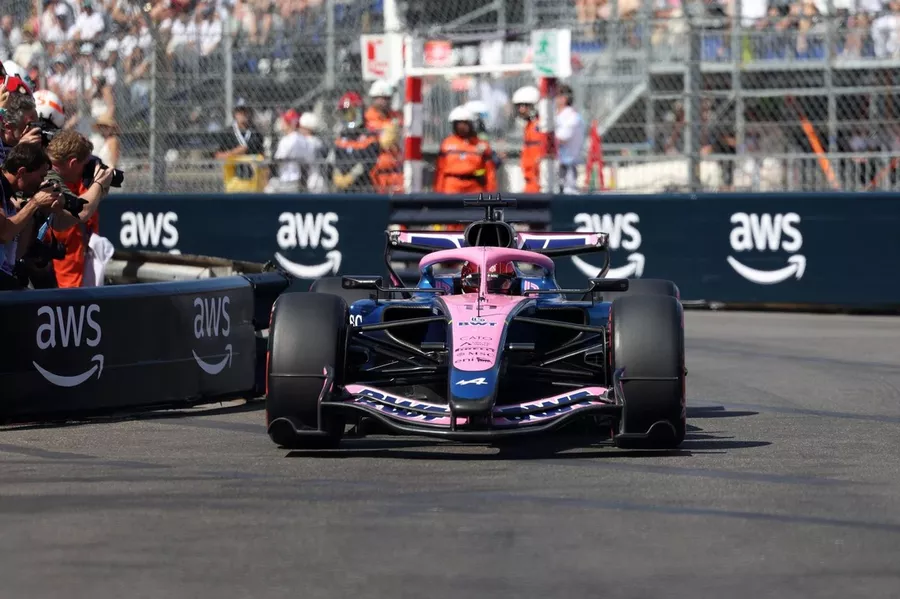
McLaren argues that the treatment of Gasly’s penalties raised broader questions about fairness between competitors.
According to Stella, the team wants the FIA appeal process to clarify the principle that should apply equally to all competitors.
He stressed that the issue goes beyond McLaren’s own interests and concerns the integrity of Formula 1.
The technical question of how the pit-lane speed was calculated is important, but Stella considers the broader procedural issue even more significant.
McLaren also wants its championship points back
There is also a direct competitive reason for McLaren’s appeal.
Piastri had already served his penalty during the Monaco race, meaning McLaren says the team suffered a tangible loss that could not be appealed in the same way as Gasly’s post-race sanctions.
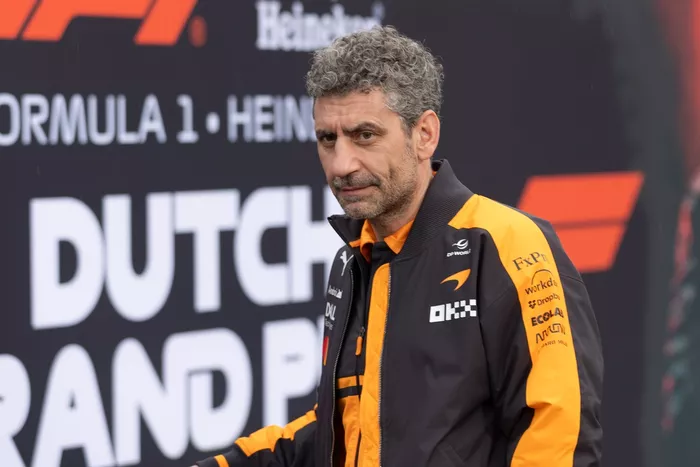
McLaren says Piastri’s penalty had a direct impact on its championship points.
Stella therefore described the appeal as having two objectives.
The first is to establish a fair principle for all competitors. The second is to address the impact the Monaco decision had on McLaren’s own constructors’ championship campaign.
The FIA International Court of Appeal’s decision could therefore have implications beyond the Monaco result itself.
For McLaren Monaco appeal, the team is arguing that the case is about more than recovering lost points. Stella says the outcome should clarify how sporting procedures are applied when an initial penalty is later found to have been based on incorrect data.
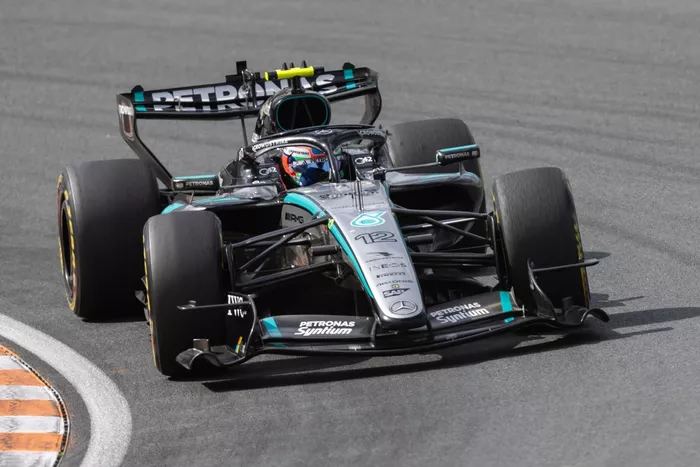
Kimi Antonelli is set to take a 20-place grid penalty at Monza, but Mercedes could use his fifth power unit to introduce its latest ADUO engine developments.
Antonelli will take a major grid penalty
Antonelli arrives in Italy leading the drivers’ championship by 59 points over Lewis Hamilton and George Russell.
However, Mercedes has already confirmed that the young Italian will receive a 20-place grid penalty after introducing his fifth power unit at Monza.
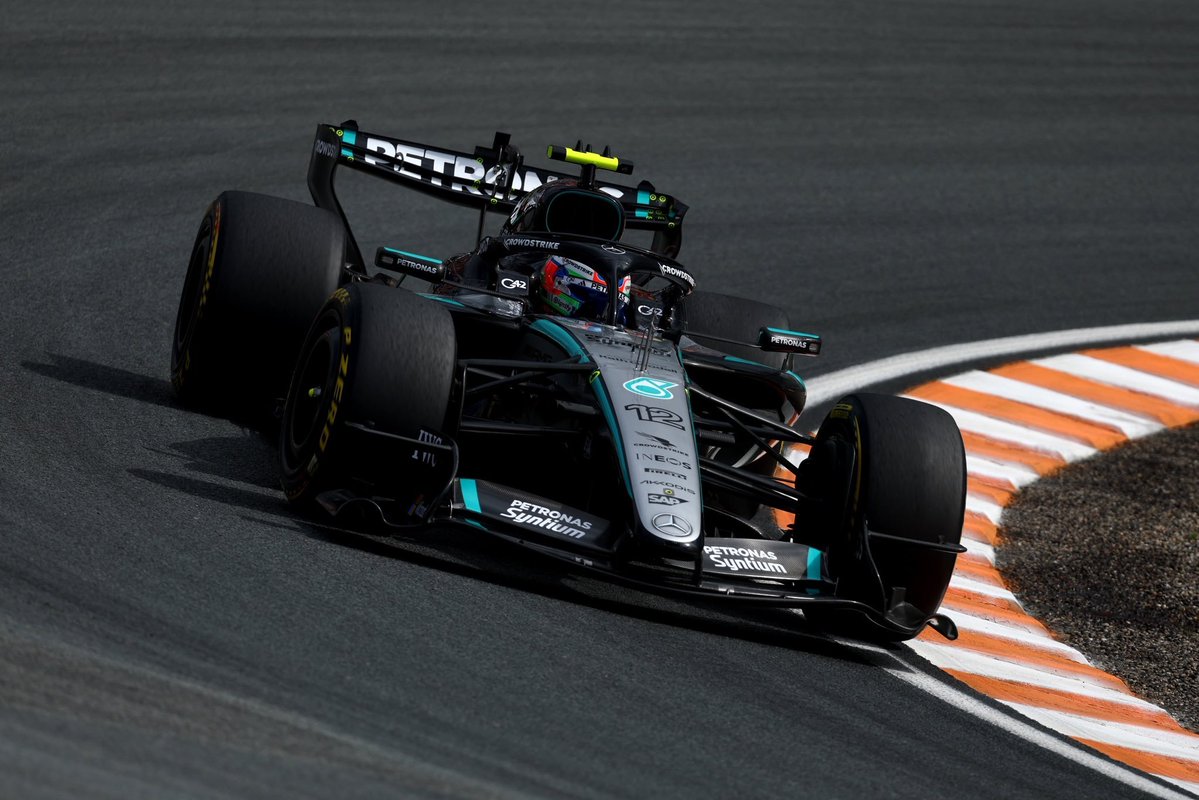
Kimi Antonelli is expected to take a 20-place grid penalty at Monza after Mercedes introduces his fifth power unit.
The penalty could make the weekend difficult, but Mercedes may be using the situation strategically.
Because Antonelli is already facing a significant grid drop, introducing the latest engine specification could allow the team to gain performance while minimizing the competitive cost of the new component.
Russell is also expected to receive the updated engine technology.
Mercedes could answer Ferrari’s ADUO upgrade
Ferrari is expected to introduce its 067/6 power unit with the second ADUO evolution at Monza.
The update is reportedly capable of adding around 15 horsepower, helped by a new Shell fuel formulation. Ferrari has already gained around seven horsepower from its first ADUO-related development since the Austrian Grand Prix.
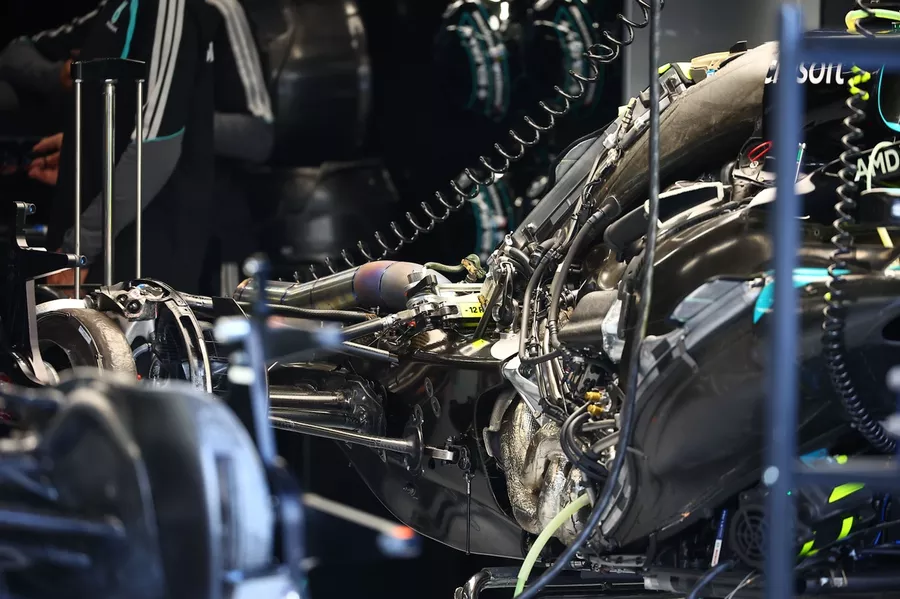
Ferrari is expected to introduce its second ADUO power-unit evolution at Monza, increasing pressure on Mercedes to respond.
That could significantly reduce Ferrari’s performance deficit to Mercedes.
The Scuderia is also arriving with aerodynamic improvements to the SF-26 after introducing changes to the floor, bargeboard, and diffuser at Zandvoort.
Mercedes therefore faces pressure from both Ferrari’s engine development and McLaren’s recent progress.
The fifth Mercedes engine could be the answer
Toto Wolff previously suggested that Mercedes would not introduce a major engine evolution during the 2026 season.
However, reports from Britain indicate that the fifth power unit could feature revised hardware developed at Brixworth.
The changes reportedly include modifications to the management of the large turbocharger, including its blade configuration.
Mercedes could use its fifth power unit to introduce revisions to the M17 E Performance engine.
The updated M17 E Performance could also benefit from new Petronas fuel technology.
If the power unit produces a measurable performance gain without increasing fuel consumption, Mercedes could restore some of the advantage it enjoyed earlier in the season.
The potential significance extends beyond the works team. The updated engine could eventually be supplied to Mercedes customer teams as well, meaning McLaren could also benefit from the development.
Monza could change the championship picture
The Italian Grand Prix could therefore become a critical moment in both championships.
Ferrari will arrive with an important power-unit development, while Mercedes could respond with its own engine evolution.
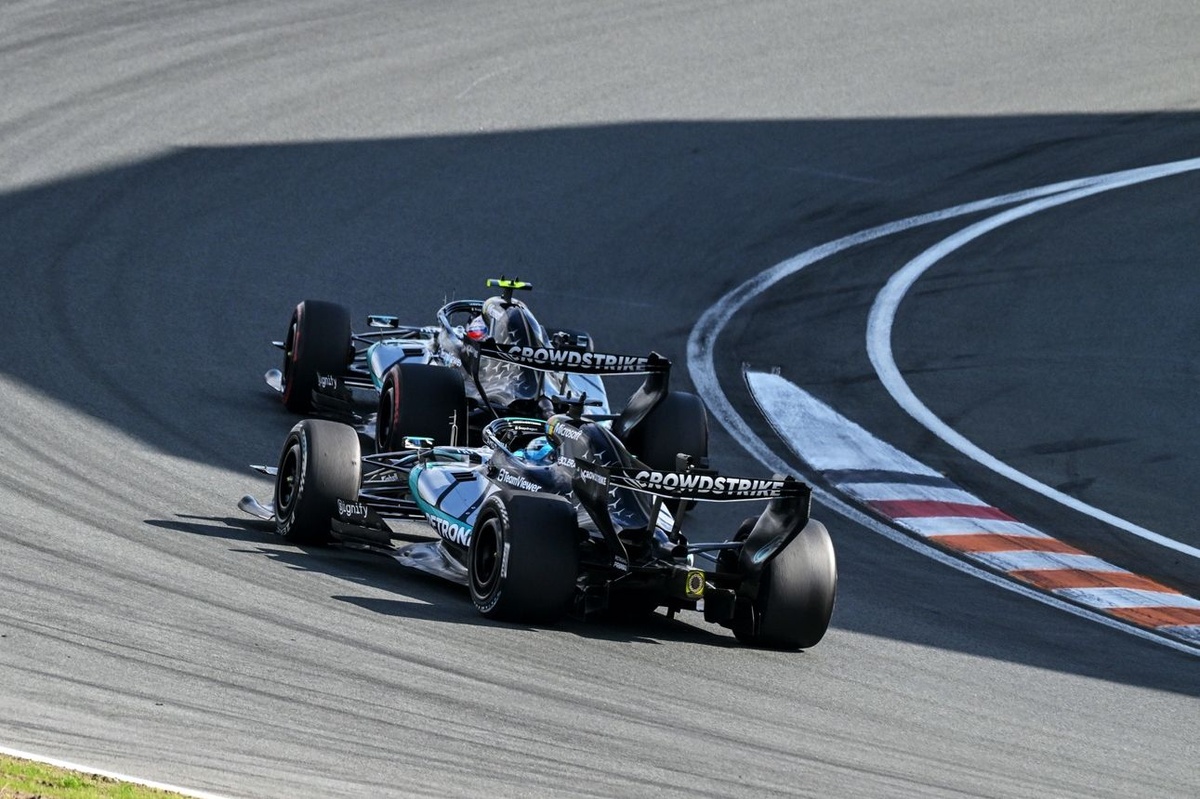
Monza could reveal whether Mercedes can maintain its advantage over Ferrari and McLaren as the championship enters its decisive phase.
Mercedes has already admitted that its budget limits how many major upgrades it can introduce during the season.
That makes the timing of the engine update especially important.
If the upgraded Mercedes power unit delivers the expected performance, the team could regain some of the advantage it has lost to Ferrari and McLaren.
If it does not, the championship battle could become significantly tighter heading into the final races.
The next major aerodynamic development for the W17 is expected later in the season, with a larger package reportedly planned for Malaysia on October 4.
For Mercedes engine upgrade plans, Monza could therefore be one of the most important weekends of the 2026 season.
-

 NOW TRENDING2 months ago
Polestar to Exit U.S. Market After 2026 Due to Connected Vehicle Rules
-
 NOW TRENDING2 months ago
Tesla Model Y L Arrives in the U.S. With More Space and Three Rows
-

 RACING2 months ago
McLaren F1 Unveils Special Silverstone Livery Honoring Its History
-
 INTELLIGENT MOBILITY2 months ago
Audi A4 E-tron and Q7 E-tron Confirmed as New Electric Models
-
 TEST DRIVES2 months ago
A Week Driving Honda’s New Hybrid Coupe
-

 TEST DRIVES2 months ago
Ford Recalls More Than 741,000 Trucks and SUVs Over Rollaway Risk
-
 NOW TRENDING2 months ago
Toyota Reports Strong June and Q2 2026 U.S. Sales Growth
-

 INTELLIGENT MOBILITY2 months ago
GM Expands Super Cruise With Exclusive Hands-Free Towing Technology
You must be logged in to post a comment Login