
NOW TRENDING
Hennessey Venom F5-M Debuts With 2,031 HP and a Manual Transmission

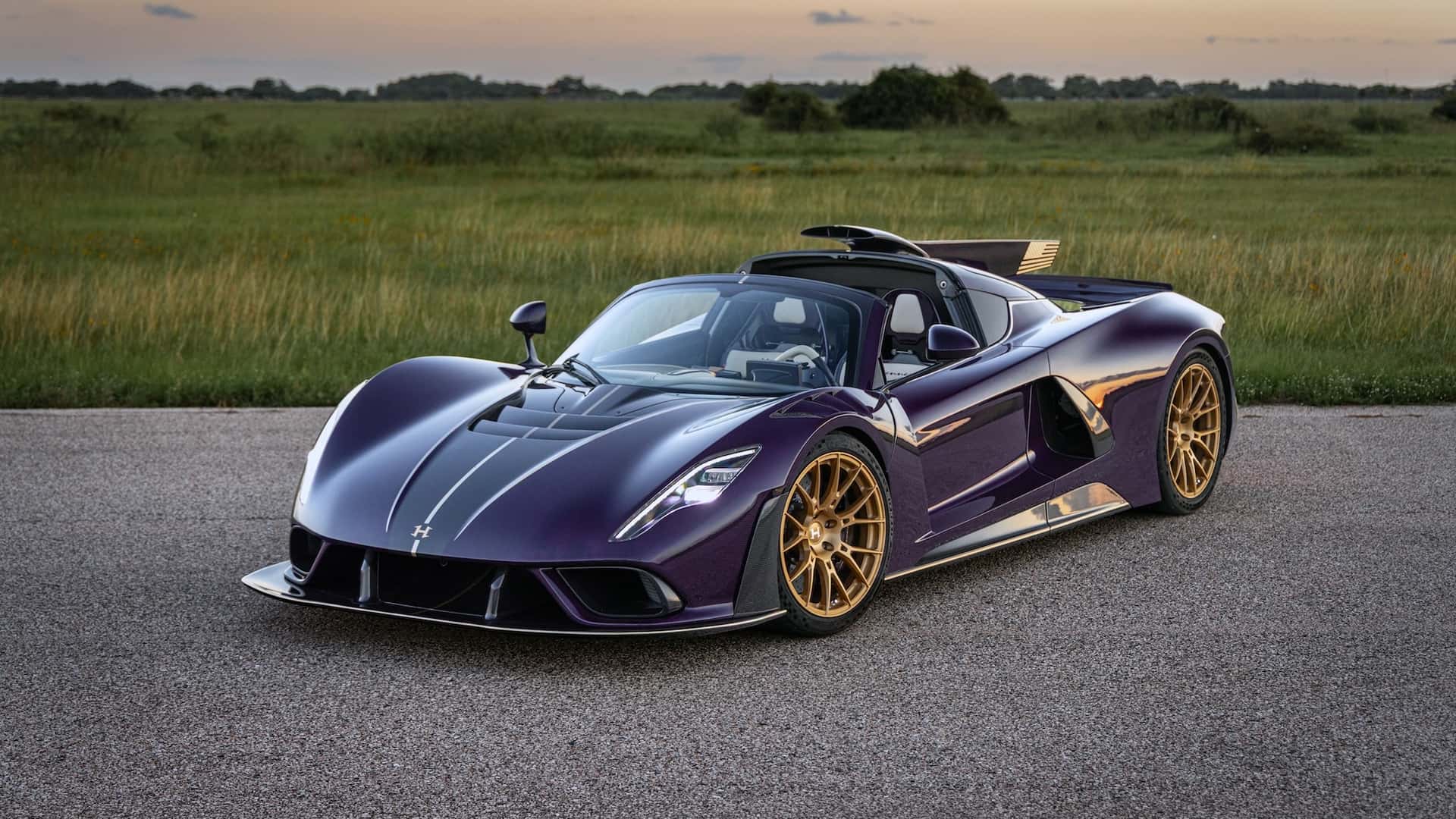
Hennessey has unveiled the Venom F5-M at the Goodwood Festival of Speed, combining more than 2,000 horsepower with a gated six-speed manual transmission in one of the world’s most exclusive hypercars.
Hennessey Performance has officially unveiled the Hennessey Venom F5-M at the Goodwood Festival of Speed, introducing the most extreme version of its flagship hypercar. The new model increases output beyond 2,000 horsepower while bringing back one feature that has almost disappeared from the hypercar segment: a traditional gated manual transmission.
Limited to only 12 examples worldwide, the Venom F5-M blends cutting-edge engineering with an old-school driving experience aimed at enthusiasts looking for maximum driver engagement.
Hennessey Venom F5-M produces 2,031 horsepower
The highlight of the Hennessey Venom F5-M is its upgraded 6.6-liter twin-turbocharged Fury V8.
The engine now delivers an incredible 2,031 horsepower, making it one of the most powerful production cars ever built. Unlike nearly every rival in this segment, all that power is sent exclusively to the rear wheels through a gated six-speed manual transmission.
As a result, the Venom F5-M offers a level of driver involvement that is becoming increasingly rare among modern hypercars.
Key specifications include:
- 2,031 horsepower
- Twin-turbocharged 6.6-liter Fury V8
- Six-speed gated manual transmission
- Rear-wheel drive
- Roadster body style
Only the Koenigsegg Gemera and Rimac Nevera R currently produce more horsepower among production hypercars.

The Hennessey Venom F5-M combines 2,031 horsepower with a gated manual transmission.
New aerodynamics improve stability at high speed
The Hennessey Venom F5-M receives much more than a new transmission.
For example, engineers developed a revised carbon-fiber monocoque chassis and added adaptive suspension for the first time in the Venom lineup.
The hypercar also features:
- A functional roof scoop
- A massive 55-inch dorsal fin
- Revised carbon-fiber bodywork
- Improved aerodynamic balance
These upgrades increase stability and downforce, especially at speeds above 200 mph, while maintaining the lightweight philosophy of the Venom F5 platform.
Meanwhile, the first customer car showcases exposed purple carbon fiber, genuine 24-karat gold accents and bespoke finishes developed by Hennessey’s Maverick division.
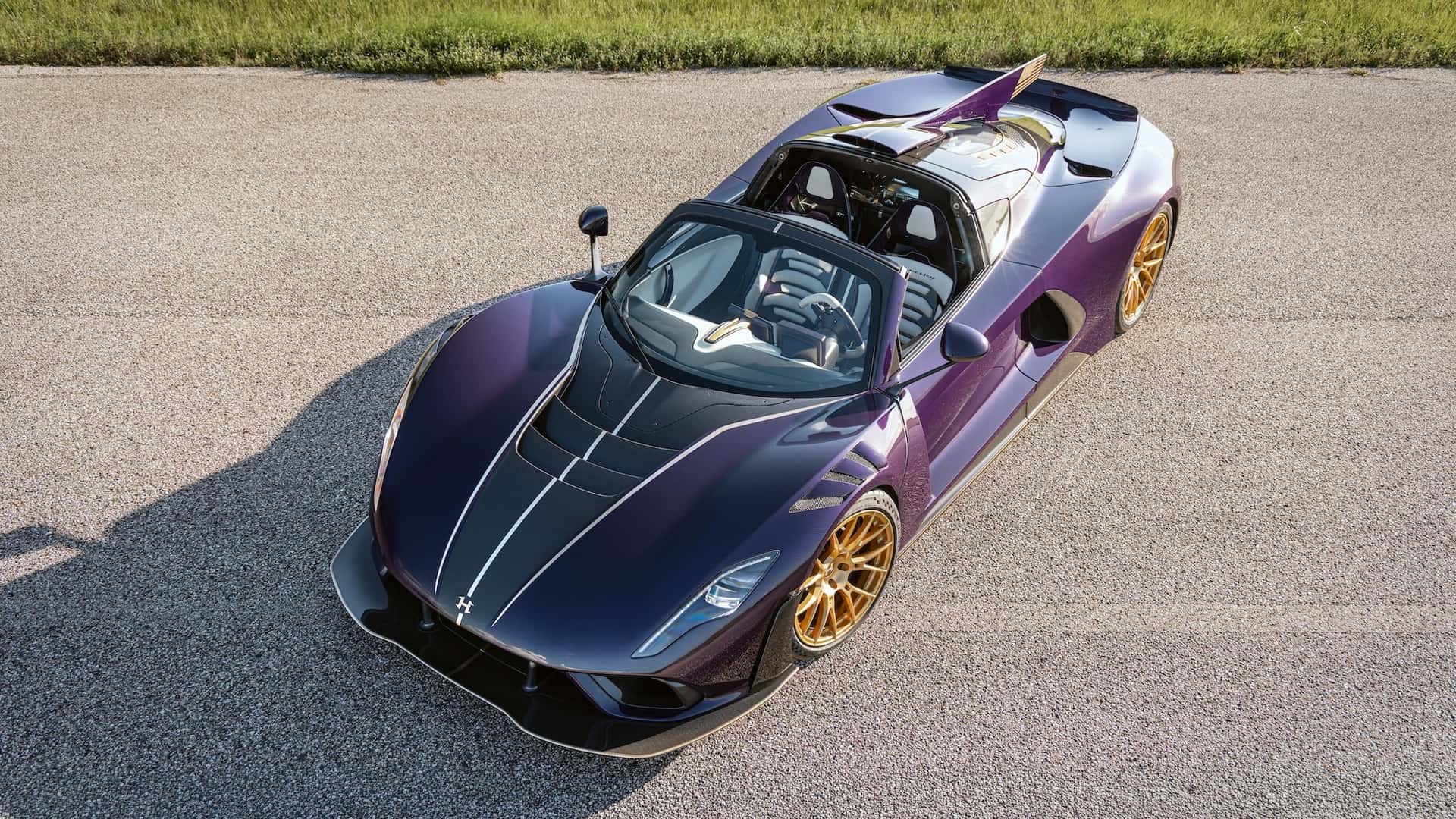
The Venom F5-M introduces new aerodynamic upgrades and adaptive suspension.
Only 12 Hennessey Venom F5-M models will be produced
Exclusivity remains one of the defining characteristics of the Hennessey Venom F5-M.
The American manufacturer will build only 12 units worldwide, with each hypercar carrying a starting price of $2.65 million.
Production officially begins following the model’s debut at the Goodwood Festival of Speed, where racing driver Alex Brundle is demonstrating the car on the famous hill climb throughout the event.
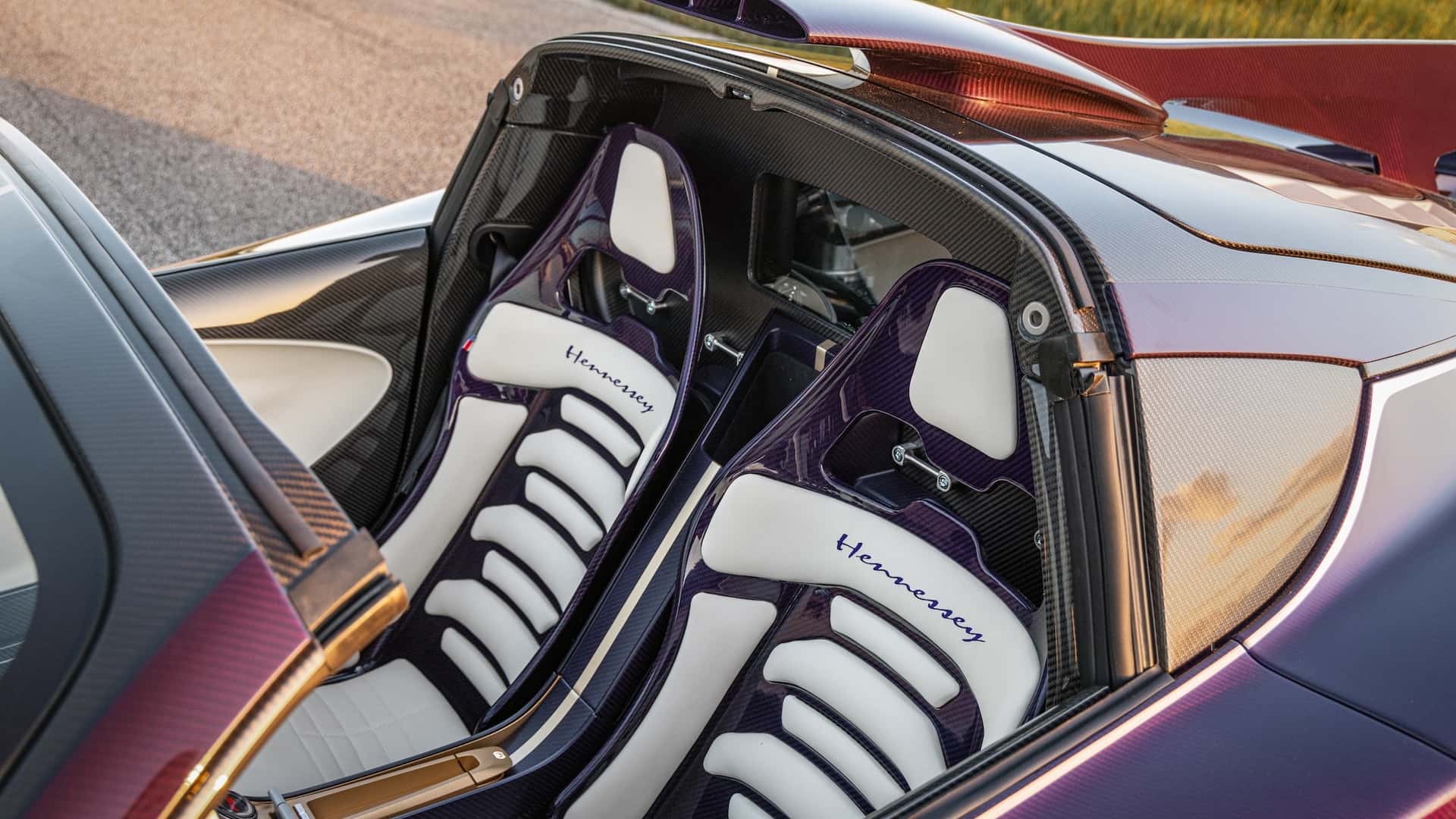
Only 12 examples of the Hennessey Venom F5-M will be built worldwide.
The Hennessey Venom F5-M represents a unique approach in today’s hypercar market. While many manufacturers continue moving toward electrification and automatic transmissions, Hennessey has focused on delivering an authentic analog driving experience. The combination of 2,031 horsepower, a gated manual gearbox and extremely limited production makes the Venom F5-M one of the most significant hypercar launches of 2026.
For collectors and driving enthusiasts alike, the Hennessey Venom F5-M stands out as a rare example of a modern hypercar that prioritizes both extreme performance and driver engagement, proving that there is still demand for high-powered machines equipped with a true manual transmission.





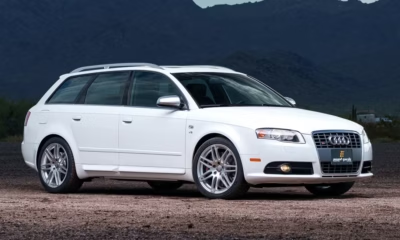





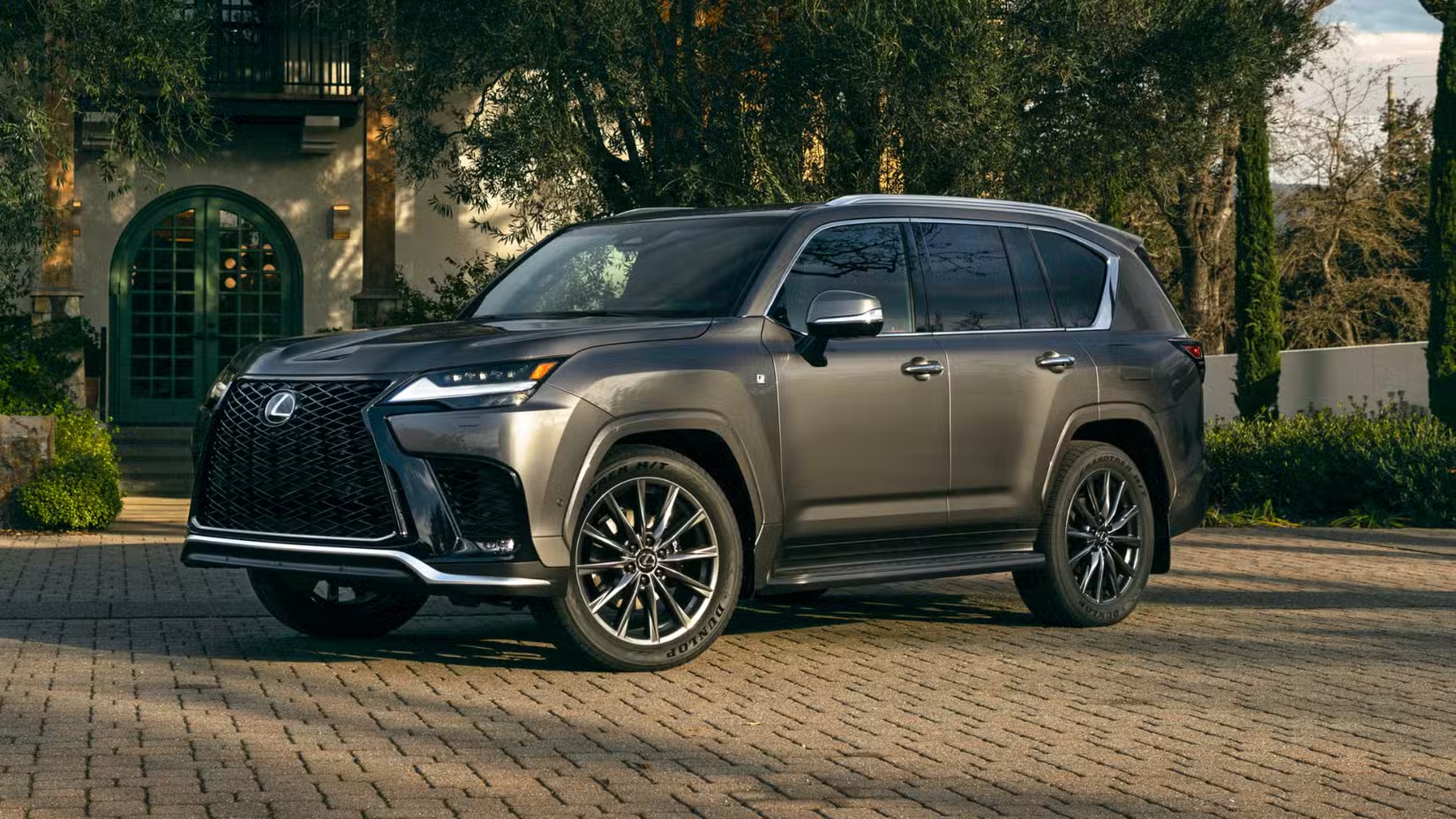
The Lexus GX and Mercedes-Benz GLS both deliver premium luxury, but one offers similar comfort, impressive capability and lower ownership costs at a significantly lower price.
The Lexus GX vs Mercedes GLS comparison highlights two premium three-row SUVs that approach luxury from different perspectives. While the Mercedes-Benz GLS emphasizes refinement and prestige, the Lexus GX focuses on durability, capability and long-term value without sacrificing comfort.
Moreover, the price difference between these SUVs makes the comparison even more compelling for luxury buyers.
Lexus Offers Luxury at a Lower Price
The Lexus GX 550 starts at a considerably lower price than the entry-level Mercedes-Benz GLS 450.
Despite costing thousands less, the GX delivers premium materials, advanced technology and standard four-wheel drive. In addition, it features a 3.4-liter twin-turbocharged V6 producing 349 horsepower and 479 lb-ft of torque, paired with a 10-speed automatic transmission.
Meanwhile, the GLS 450 uses a turbocharged mild-hybrid inline-six engine producing 375 horsepower and 369 lb-ft of torque, offering slightly quicker acceleration on paved roads.

The Lexus GX delivers premium luxury while undercutting the Mercedes-Benz GLS in price.
Comfort and Capability Go Hand in Hand
Both SUVs provide spacious cabins designed for families and long-distance travel.
The Mercedes-Benz GLS offers slightly more cargo space and delivers an exceptionally refined highway ride. However, the Lexus GX stands out with stronger off-road capability while maintaining impressive comfort for everyday driving.
Furthermore, both models include premium technology, advanced driver assistance systems and seating for up to seven passengers.

Both luxury SUVs offer spacious interiors, advanced technology and three-row seating.
Ownership Costs Favor the Lexus
Long-term ownership is where the Lexus GX vs Mercedes GLS comparison becomes even more interesting.
Lexus has built a reputation for outstanding reliability and lower maintenance costs, helping owners reduce expenses over time. Consequently, the GX typically retains its value better than many European luxury SUVs.
Meanwhile, the Mercedes-Benz GLS often experiences faster depreciation and generally requires higher maintenance and repair costs once factory warranty coverage expires.

The Lexus GX is widely recognized for its strong reliability and long-term value retention.
Lexus GX vs Mercedes GLS Comes Down to Priorities
The Lexus GX vs Mercedes GLS comparison proves that both SUVs excel in the luxury segment, but they appeal to different buyers.
Overall, the GLS delivers outstanding refinement and premium prestige, while the GX combines luxury, off-road capability, excellent reliability and significantly lower ownership costs. For buyers seeking long-term value without compromising comfort, the Lexus GX presents a compelling alternative in the full-size luxury SUV market.
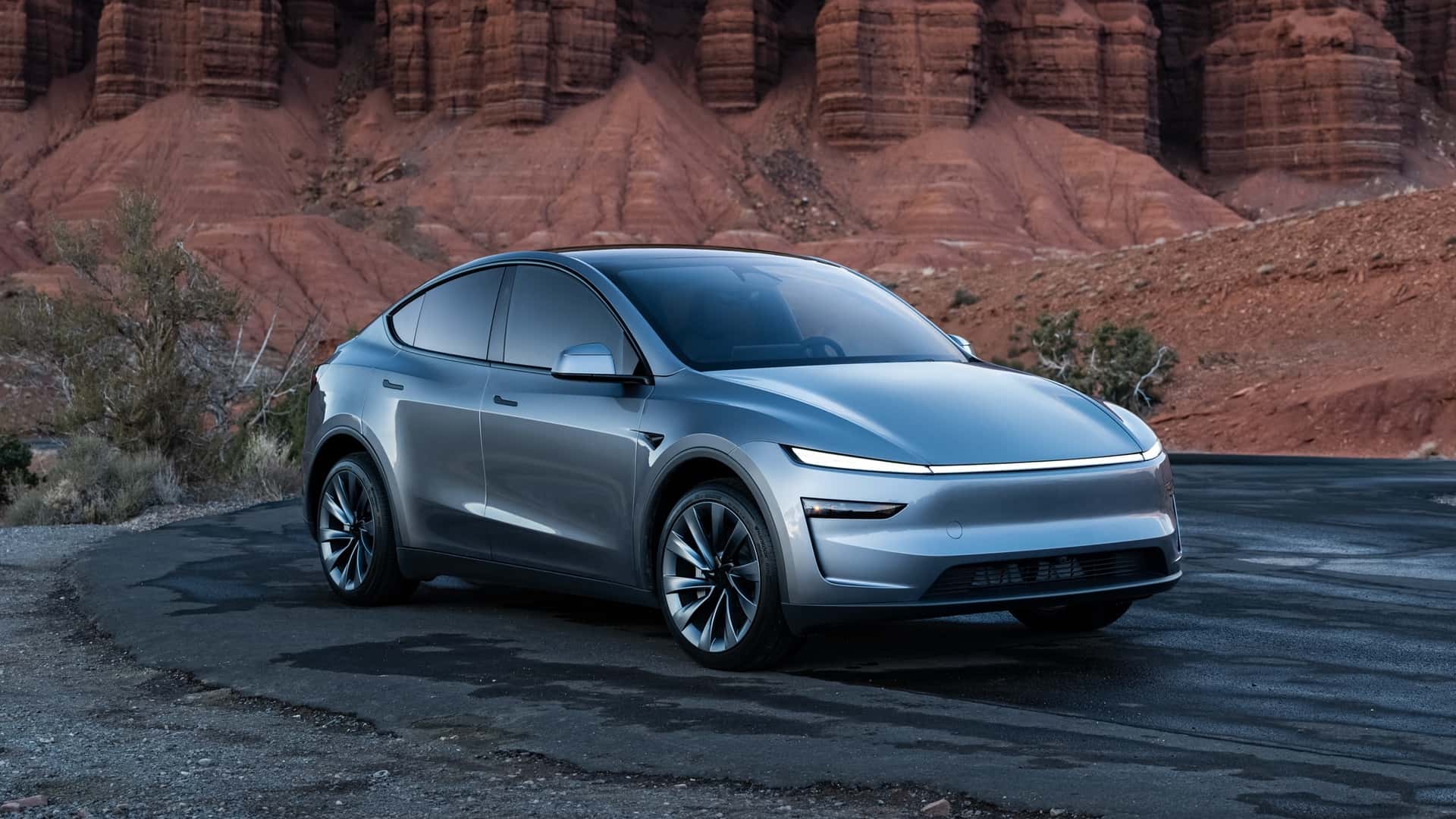
The National Highway Traffic Safety Administration is considering new federal safety standards that could change how electronic door release systems are designed across the automotive industry.
Tesla Door Handles Could Lead to New U.S. Safety Rules
Tesla door handles are once again under regulatory scrutiny in the United States. While federal officials have decided not to pursue a formal safety defect investigation into the Model 3’s interior door release system, they are now considering broader regulations that could reshape emergency exit systems across the entire automotive industry.
Moreover, the proposed changes would apply to all automakers using electronic door release technology, not just Tesla.
NHTSA Considers New Emergency Exit Requirements
The National Highway Traffic Safety Administration (NHTSA) announced it will begin the rulemaking process to establish stronger standards for vehicle door egress systems.
The goal is to ensure occupants can exit a vehicle quickly during an emergency. Therefore, regulators are evaluating whether future vehicles should feature more obvious and reliable manual door release mechanisms alongside electronic systems.
Furthermore, any new regulation would likely affect a wide range of manufacturers that have adopted similar designs.
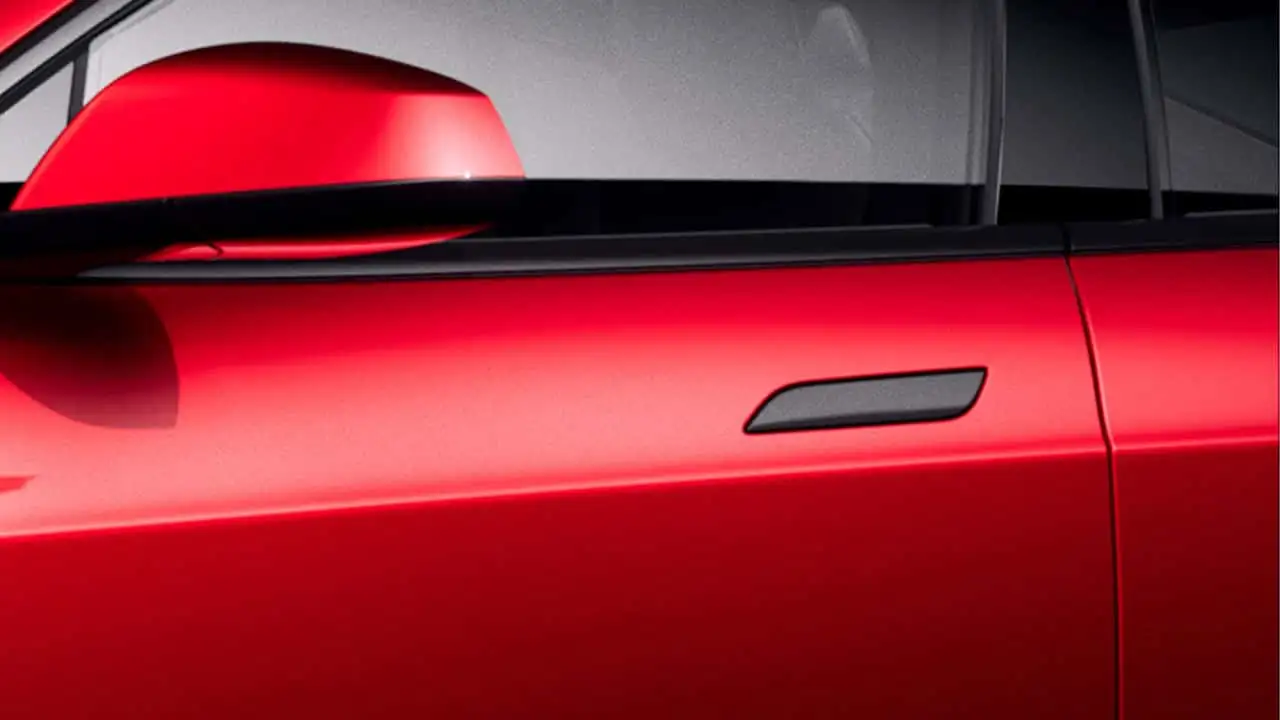
U.S. regulators are considering new rules for electronic vehicle door release systems.
Electronic Door Systems Face Growing Scrutiny
Electronic door releases have become increasingly popular because they improve vehicle design and aerodynamics.
However, concerns have emerged following reports of crashes in which occupants struggled to exit vehicles after losing electrical power. Although many vehicles include manual backup releases, these systems are not always easy to locate during stressful situations.
As a result, regulators are examining whether clearer emergency exit solutions should become mandatory.

Emergency access has become a key issue as more vehicles adopt electronic door release systems.
Any New Rules Will Take Time
Despite the announcement, immediate changes are unlikely.
The federal rulemaking process requires extensive technical evaluations, public feedback and industry consultation before any new standards can be finalized. Meanwhile, other markets have already started moving in a similar direction, reflecting growing attention to emergency vehicle access and occupant safety.
Consequently, future vehicle designs may include more visible and standardized manual door release systems.
New federal safety standards could influence future vehicle door designs across the industry.
Tesla Door Handles Could Shape Future Automotive Safety Standards
The debate surrounding Tesla door handles extends beyond a single manufacturer.
Overall, the latest regulatory initiative highlights the industry’s increasing focus on emergency safety as electronic vehicle systems become more common. If new standards are approved, they could influence the design of next-generation vehicles from nearly every major automaker.
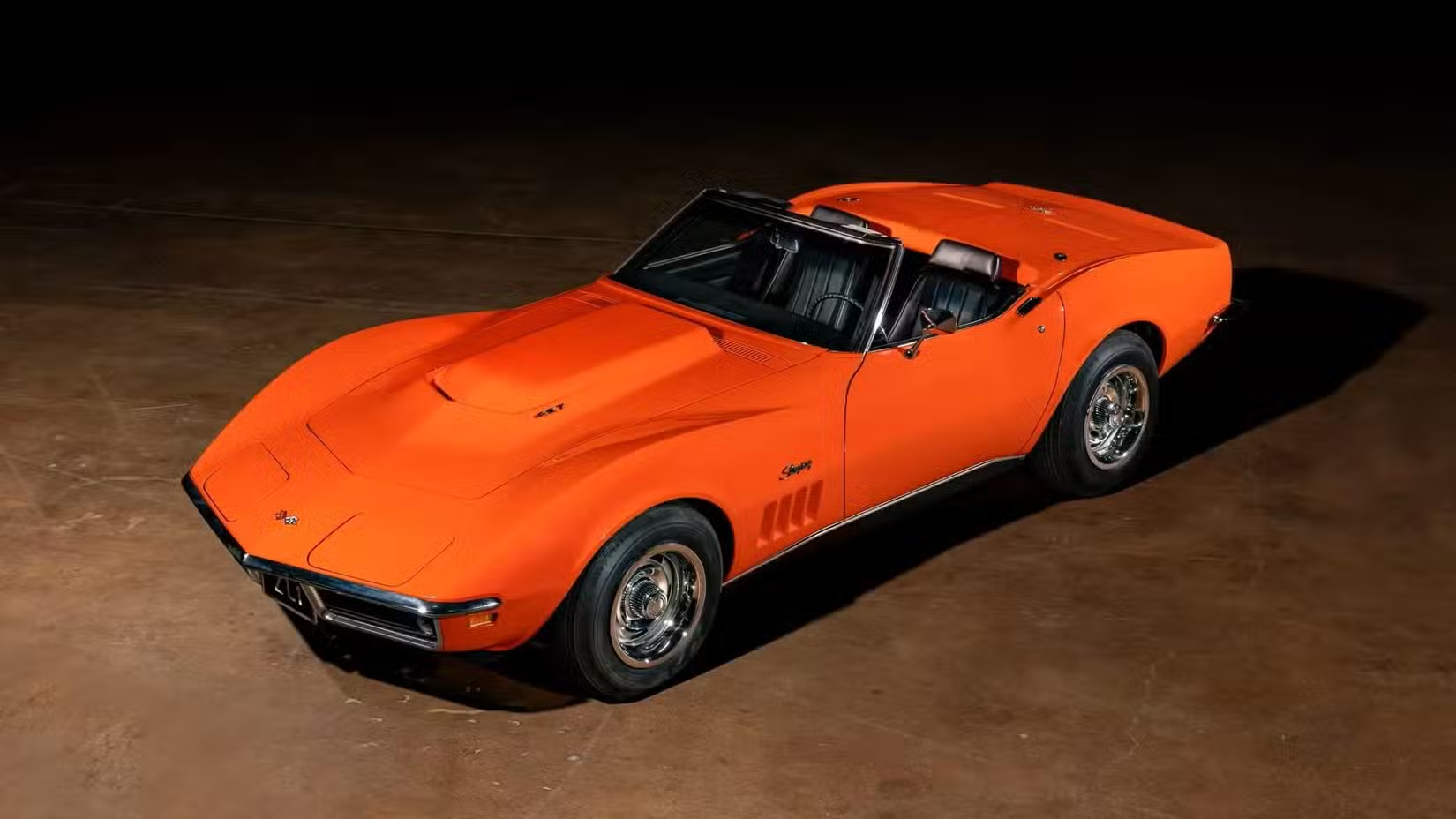
The 1969 Corvette ZL-1 pushed Chevrolet engineering to its limits with a race-derived aluminum V8, incredible performance and production numbers that remain almost unmatched.
The 1969 Corvette ZL-1 stands among the most exclusive and desirable American performance cars ever produced. Built during the peak of the muscle car era, it combined race-inspired engineering with an ultra-lightweight aluminum V8 that transformed the Corvette into one of Chevrolet’s most extreme factory creations.
Moreover, its exceptionally limited production has made it one of the most valuable classic Corvettes in existence.
A Race Engine Hidden Inside a Production Corvette
The heart of the 1969 Corvette ZL-1 was a remarkable 427-cubic-inch all-aluminum big-block V8.
Unlike the already legendary L88 engine, the ZL-1 featured an aluminum block, reinforced internals and race-developed components that dramatically reduced weight while increasing performance.
As a result, the engine was capable of producing around 580 horsepower, despite being offered only through a special factory ordering process designed to satisfy racing homologation requirements.
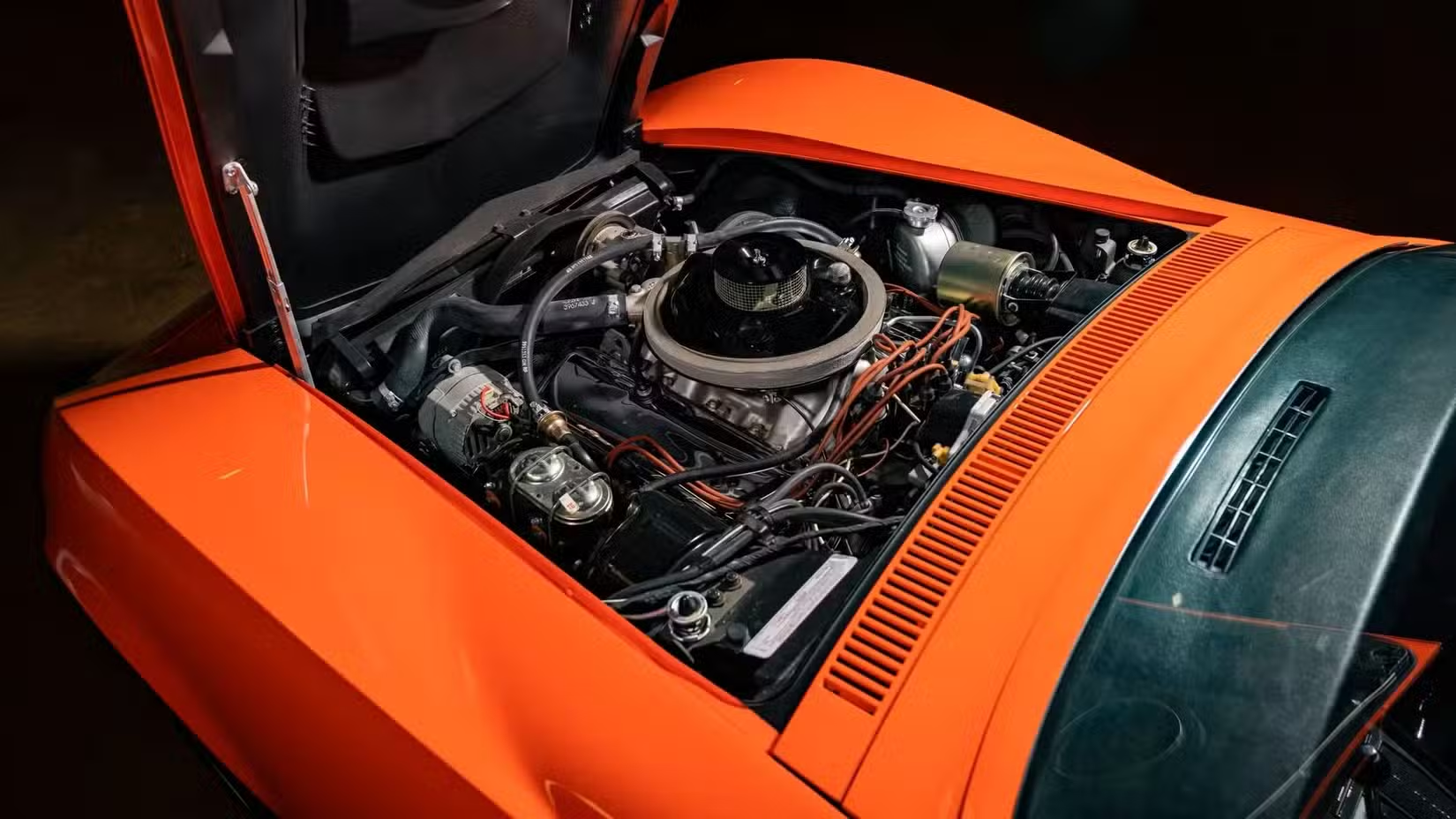
The 1969 Corvette ZL-1 featured a lightweight all-aluminum 427-cubic-inch V8.
Only Two Customer Cars Were Ever Sold
Exclusivity became one of the ZL-1’s defining characteristics.
Although Chevrolet built a handful of ZL-1-powered Corvettes for engineering and testing purposes, only two examples were officially sold to customers. Furthermore, the engine alone nearly doubled the price of a standard Corvette, making the car extraordinarily expensive for its time.
Consequently, very few buyers were willing—or able—to order one.
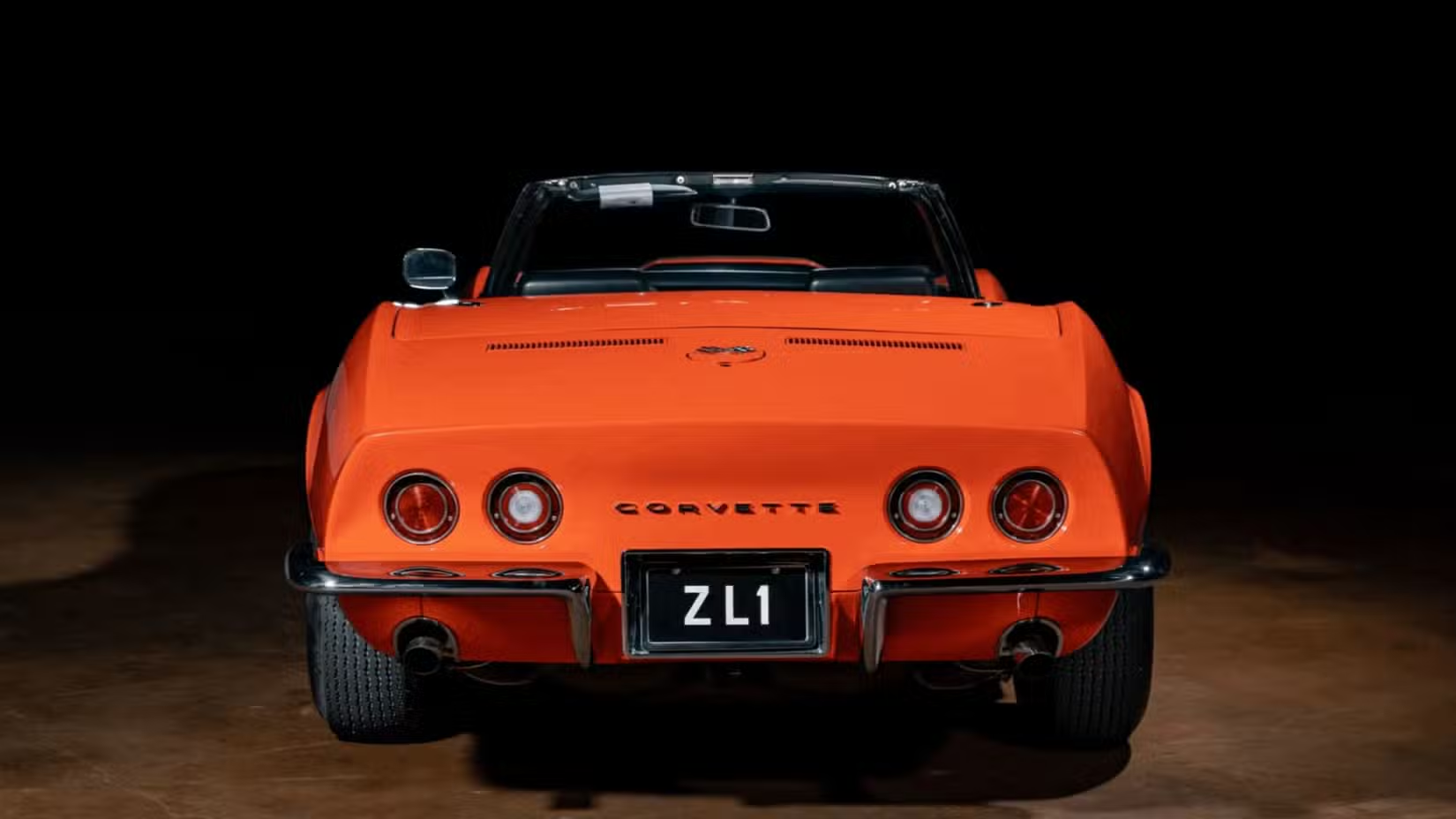
Only two 1969 Corvette ZL-1 models were officially delivered to customers.
A Multi-Million-Dollar Collector’s Icon
Today, the 1969 Corvette ZL-1 is considered one of the holy grails of American muscle cars.
As collector demand has grown, surviving examples have reached extraordinary values at auction. One of the two customer-delivered cars sold for more than $3.1 million, reflecting its unmatched rarity and historical significance.
Meanwhile, its combination of race-bred engineering, limited production and legendary status continues to attract collectors around the world.
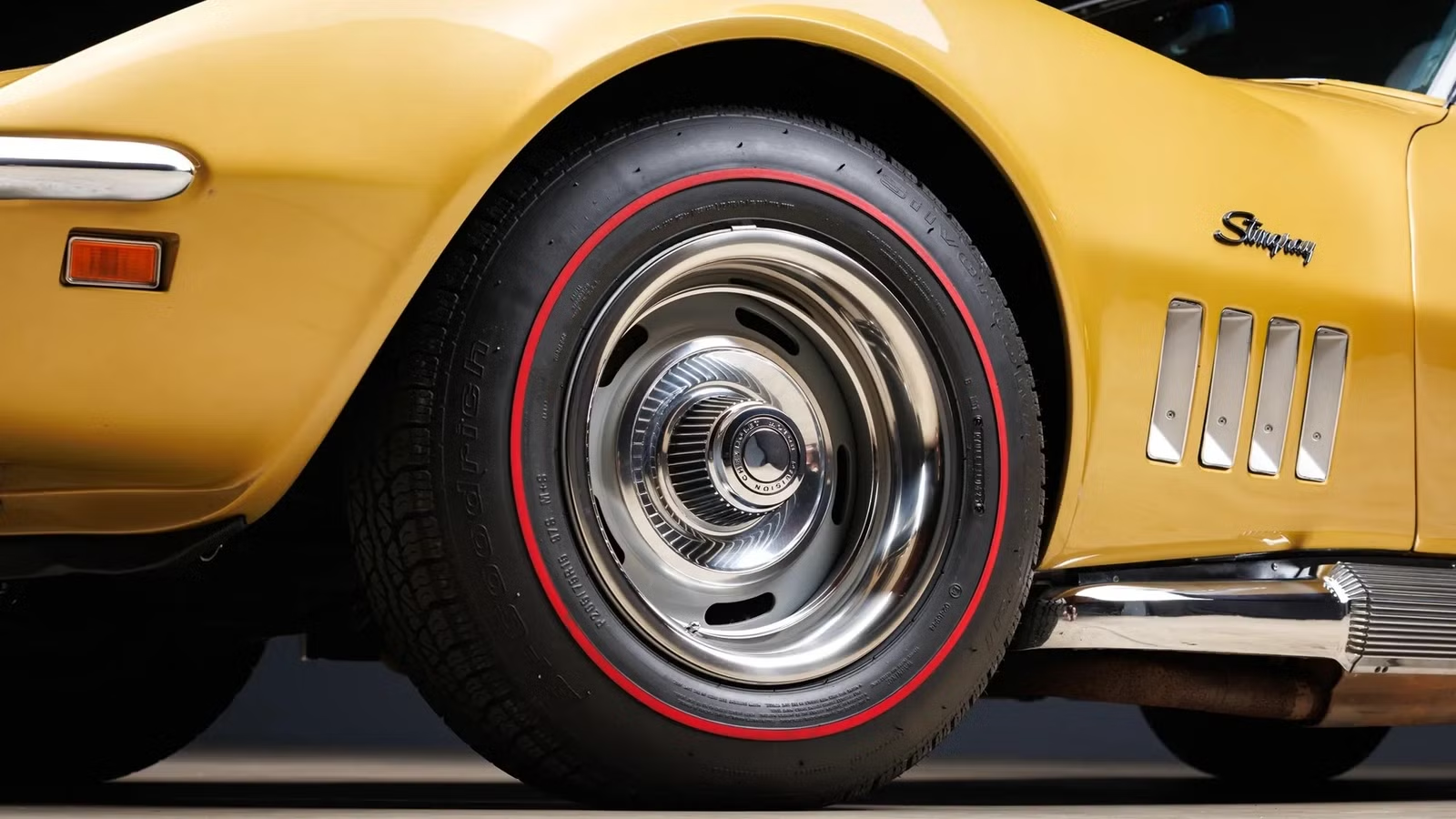
The Corvette ZL-1 has become one of the most valuable and collectible classic Chevrolets.
1969 Corvette ZL-1 Remains Chevrolet’s Ultimate Classic
The 1969 Corvette ZL-1 represents one of the boldest performance projects Chevrolet has ever undertaken.
Overall, its lightweight aluminum V8, incredible power output and microscopic production numbers secured its place among the rarest factory-built performance cars in automotive history. More than five decades later, it remains the ultimate prize for Corvette enthusiasts and muscle car collectors alike.
-

 TEST DRIVES2 months ago
2026 Subaru Outback Touring
-
 TEST DRIVES2 months ago
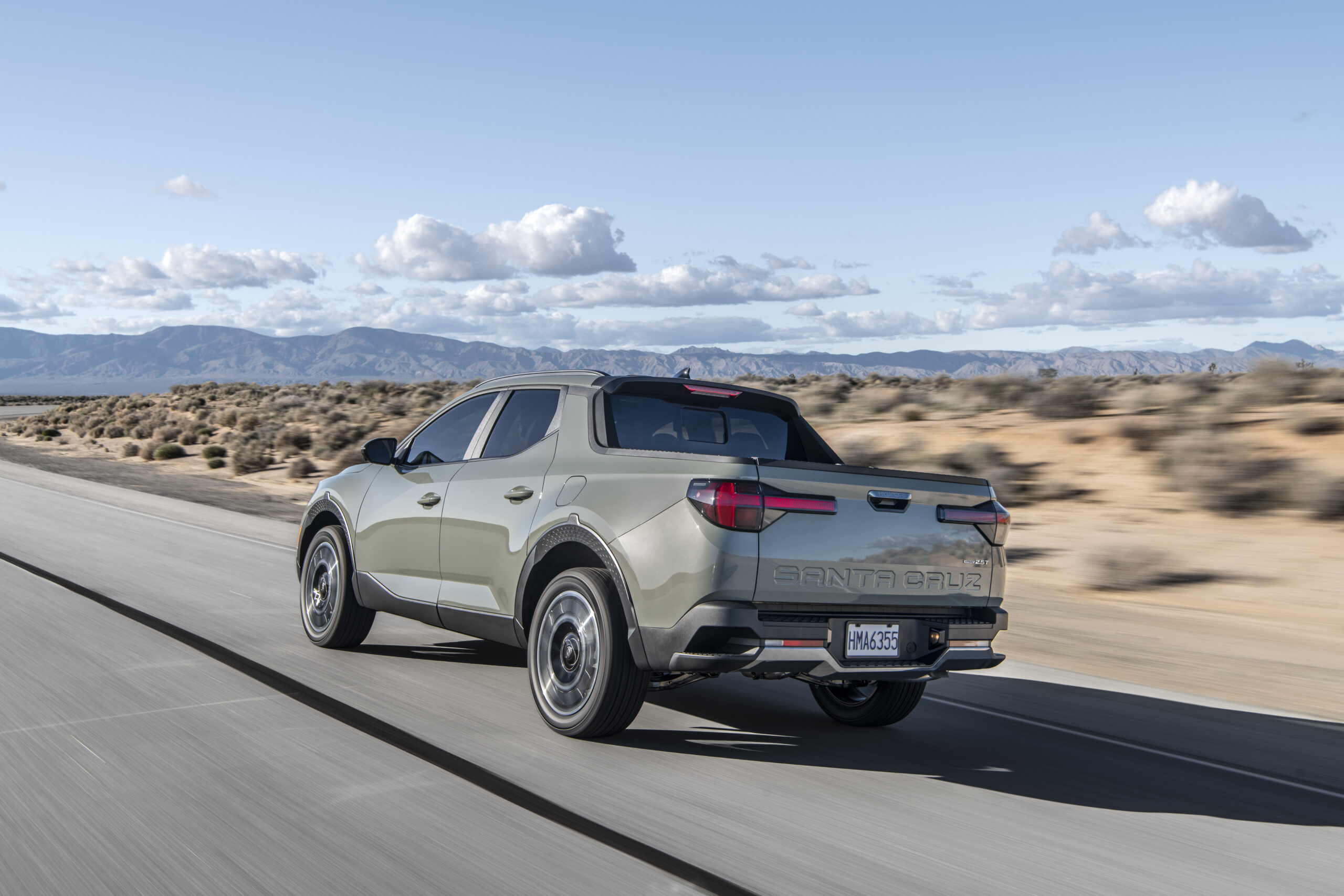
2026 Hyundai Santa Cruz Limited AWD
-

 TEST DRIVES2 months ago
Lamborghini prepares multiple launches for 2026 as electrification plans continue
-

 INTELLIGENT MOBILITY1 month ago
2026 Cadillac Escalade IQL Redefines Luxury In The Electric SUV Segment
-

 RACING2 months ago
Barcelona-Catalunya Grand Prix: Everything You Need To Know About Formula 1’s Ultimate Benchmark Circuit
-
 RACING1 month ago
George Russell Leads Final Barcelona Practice As Kimi Antonelli Receives Reprimand
-
 RACING2 months ago
Why Formula 1 Has Pit Lane Speed Limits And How They Are Measured
-

 NOW TRENDING2 months ago
Porsche Creates A Buzz Lightyear-Inspired 911 GT3 RS That Looks Ready To Go “To Infinity And Beyond”
You must be logged in to post a comment Login