
NOW TRENDING
Lexus Unveils A Giant Electric SUV Designed For Silent Luxury Travel


Lexus has revealed the new TZ, a full-size electric SUV created with one clear objective: delivering maximum comfort and serenity for long-distance travel. With seating for six passengers, up to 530 kilometers of range, and one of the quietest cabins the brand has ever developed, the TZ becomes the new flagship of Lexus’ electric lineup.

The Lexus TZ combines electric performance, luxury, and comfort in a spacious six-seat package.
Rather than focusing on outright sportiness, the Japanese luxury brand has prioritized passenger well-being. The result is a vehicle that feels more like a premium lounge on wheels than a conventional SUV.
From its spacious interior and high-quality materials to its advanced sound insulation, every aspect of the TZ has been designed to create a relaxing travel experience.
The Quietest Lexus SUV Ever
One of the biggest priorities during the development of the Lexus TZ was reducing noise inside the cabin.
Lexus engineers used thicker acoustic glass, redesigned mirrors, and a highly aerodynamic body with a drag coefficient of just 0.27 to minimize wind and road noise. According to the company, the result is the quietest SUV cabin it has ever produced.
That silence creates the perfect environment for the vehicle’s Mark Levinson audio system, which features 21 speakers specifically tuned for the TZ.

The TZ is a new all-electric SUV designed to carry up to six passengers in complete comfort.
Interestingly, Lexus has also found a way to completely change the vehicle’s personality.
At the touch of a button, owners can download and activate the sound of the legendary Lexus LFA. The system reproduces the character of the iconic V10 engine and even transforms the steering-wheel paddles into virtual gear selectors, allowing drivers to simulate manual gear changes.
Technology Hidden In Plain Sight
The technology experience is centered around a 14-inch infotainment display and a 12.3-inch digital instrument cluster.
One of the most innovative features is Lexus’ new Responsive Hidden Switch system. Controls remain hidden beneath smooth surfaces and only illuminate when a hand approaches, creating a cleaner and less distracting environment.
The SUV also utilizes the Arene software platform, allowing over-the-air updates and continuous improvements throughout the vehicle’s lifecycle.

The Lexus TZ shares its foundations with the Toyota Highlander while introducing a more luxurious and technologically advanced character.
Built For Effortless Long-Distance Travel
Power comes from a dual-motor electric powertrain producing a combined 408 horsepower.
Thanks to Lexus’ DIRECT4 all-wheel-drive system, the TZ can accelerate from 0 to 100 km/h in just 5.2 seconds despite its size and focus on comfort.
A second version producing 313 horsepower will also be available for customers prioritizing efficiency over outright performance.
The battery provides an estimated driving range of 530 kilometers, while 150-kW fast-charging capability allows the vehicle to recover up to 80 percent of its battery capacity in approximately 35 minutes.

The spacious cabin features premium seating designed to maximize comfort during long journeys.
Comfort Comes First
Lexus has developed a dedicated Comfort driving mode specifically for the TZ.
The system continuously adjusts suspension settings, braking distribution, and traction management to minimize body movements over bumps and through corners. The goal is to create the smoothest possible ride for every occupant.
Dynamic rear-wheel steering further enhances the driving experience by allowing the rear wheels to turn up to four degrees. This improves maneuverability in urban environments while increasing stability at higher speeds.

With 408 horsepower and a focus on refinement, the Lexus TZ prioritizes comfort and silence above all else.
The combination of advanced suspension technology, electric propulsion, and exceptional sound insulation creates a driving experience unlike most large SUVs currently on the market.
With the TZ, Lexus is not simply introducing another electric vehicle. Instead, the company is presenting a new interpretation of luxury mobility—one where silence, comfort, and passenger well-being take priority over everything else.









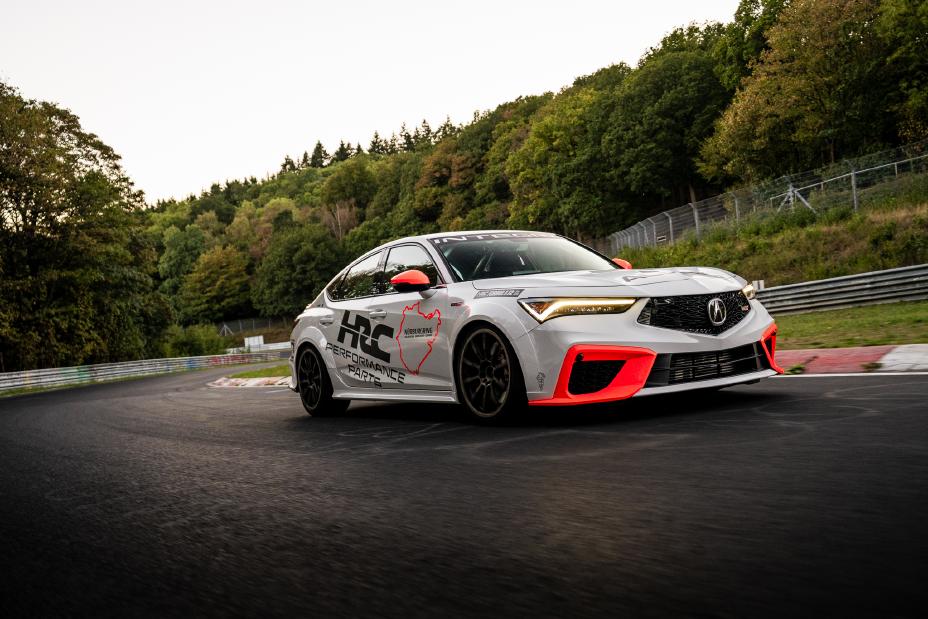
Honda Racing Corporation USA will begin selling its first HRC Performance Parts through U.S. Honda and Acura dealerships and Honda DreamShop in March 2027.
The initial catalog covers forged wheels for the Civic Type R and Integra Type S, plus an off-road wheel and a cat-back exhaust for the Passport and Pilot. Honda has not announced prices.
The line is scheduled to debut at the 2026 SEMA Show in Las Vegas, November 3–6. For owners, the key details are the model-year fitments and the difference between retail parts and prototypes that will only be displayed at the show.
The announcement also sets clear limits on what buyers can evaluate today: price, final part numbers and installation details are not yet available.
Which Honda and Acura models can use the HRC wheels?
The 19-by-10-inch forged-aluminum wheel is listed for 2023-and-newer Honda Civic Type R models and 2024-and-newer Acura Integra Type S models. Honda says each wheel weighs 20.8 pounds, 5.5 pounds less than the factory wheel used for comparison. It is also half an inch wider, with a 55 mm offset. Gray and bronze finishes are planned.
Those specifications describe a wheel change, not a measured lap-time or horsepower gain. The lower stated wheel weight may interest drivers focused on reducing unsprung mass (the weight supported by the suspension) but results will depend on the full tire and vehicle setup. Owners should confirm the precise application and tire clearance with a dealer before ordering.
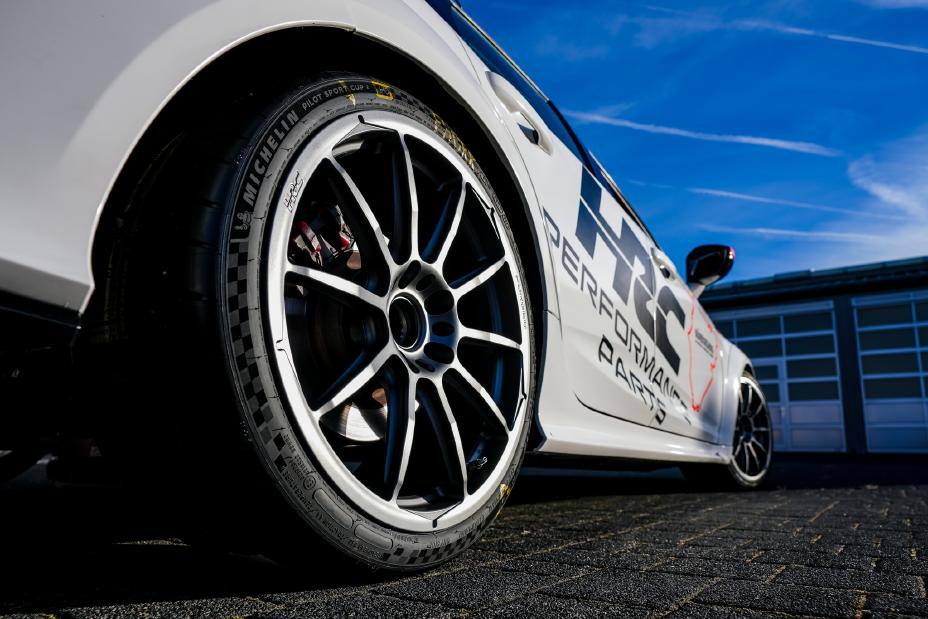
The official image from Honda shows the wheel of a high-performance Acura vehicle. Credit: American Honda Motor Co., Inc. / Honda Newsroom.
For the Passport and Pilot, HRC lists an 18-by-8-inch forged-aluminum off-road wheel with a 40 mm offset. It fits 2026-and-newer Honda Passport models and 2023-and-newer Honda Pilot models. Machine Black and Techna Bronze finishes are planned, each with “Honda Racing” machined into the wheel face.
Honda says the wheel’s load capacity is 100 kilograms higher than the factory wheel, or about 220 pounds. That accessory rating does not increase the SUV’s payload limit; owners should follow the vehicle’s own load limits and final U.S. part documentation.
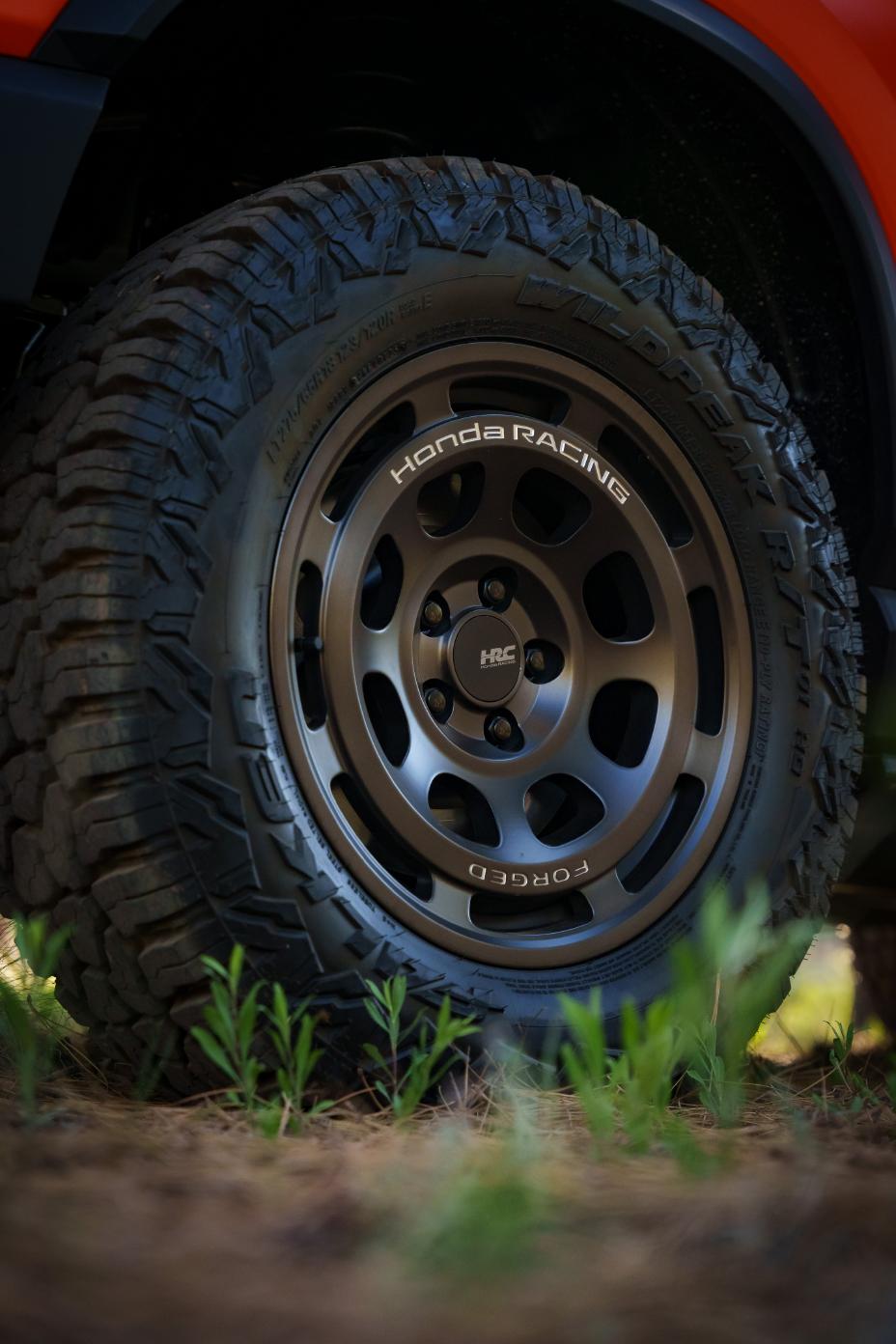
Honda’s press image shows an HRC-branded off-road wheel mounted on a red vehicle. The announced 18-by-8-inch wheel fits 2026-and-newer Passport and 2023-and-newer Pilot models. Credit: American Honda Motor Co., Inc. / Honda Newsroom.*
What does the Passport and Pilot exhaust add?
HRC worked with Borla on a cat-back stainless-steel exhaust system for 2026-and-newer Passports and 2023-and-newer Pilots. “Cat-back” means the system replaces exhaust components behind the catalytic converter. Honda describes this as a direct installation using the factory hangers.
The company reports up to a 6% increase in exhaust flow rate and up to 1.9 inches of added ground clearance from the system’s compact design. It also uses Borla’s Polyphonic Harmonizer technology to shape the sound of the 3.5-liter V6 and Anti-Drone technology for highway cruising.
Honda has not published a horsepower or torque increase, so the flow figure should not be read as a specific power gain.
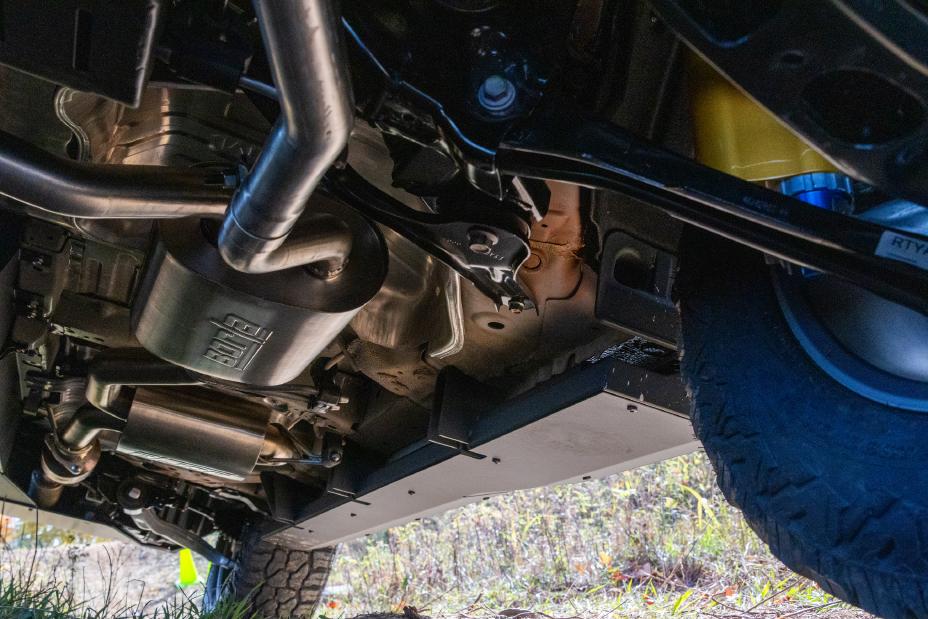
The official image shows the exhaust beneath an off-road Honda SUV. Honda lists up to 1.9 inches of additional clearance and up to 6% more flow; it has not announced a power gain. Credit: American Honda Motor Co., Inc. / Honda Newsroom.*
For an owner who uses a Passport or Pilot on trails, the published clearance figure is more directly relevant than an unannounced horsepower estimate. The final decision will still depend on price, the specific vehicle configuration and whether the exhaust’s sound and clearance benefits justify the accessory cost.
Which parts are still prototypes?
HRC plans to display adjustable coilovers with camber plates, a Brembo brake kit with six-piston calipers and a short-throw shifter at SEMA. Honda calls these future parts in development; it has not confirmed retail applications, prices or a launch date for them.
That distinction matters for shoppers. The retail announcement currently covers the two wheel designs and the Passport/Pilot exhaust. The SEMA prototypes are not yet a catalog of parts that owners can order. Honda says the retail parts will go through final performance and durability testing before the March 2027 sales start.
What should owners do before buying?
Check the model year against Honda’s published fitment list, then wait for final part numbers, prices and installation instructions. A dealer should verify fitment for the exact vehicle and explain warranty coverage before the order is placed.
The release does not state how accessories will affect a vehicle warranty, so owners should not assume either full coverage or a specific exclusion.
The launch gives U.S. owners new performance and off-road parts sold through Honda and Acura’s own channels, but the value case is still incomplete without prices.
The Civic Type R and Integra Type S wheel offers a published weight and size difference. The Passport and Pilot wheel and exhaust have off-road specifications that can be compared with the vehicle’s existing setup.
Buyers can also read Carsfera’s 2027 Civic Type R update and 2027 Passport TrailSport changes for vehicle context.
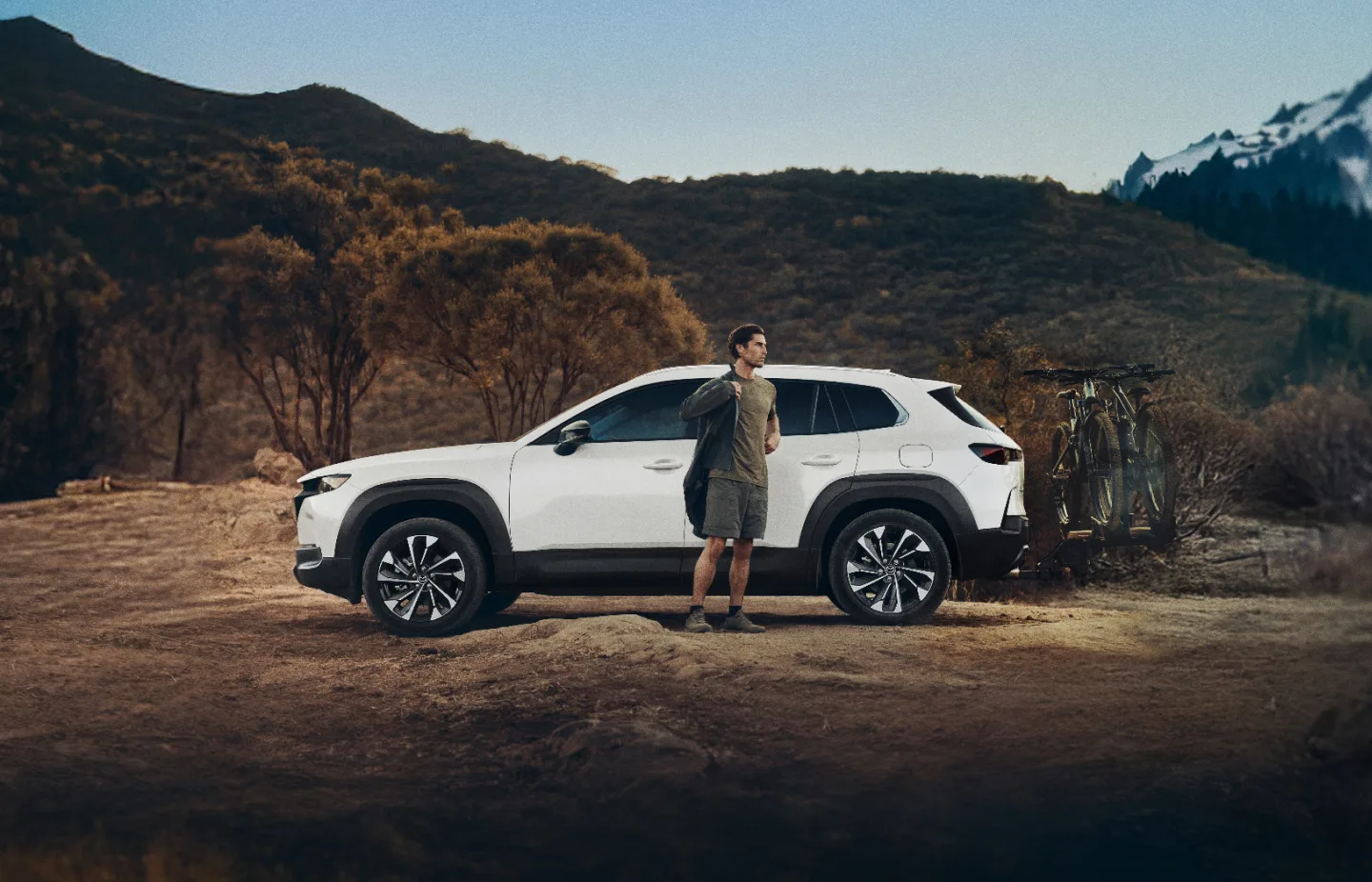
The Hybrid is the smarter commuter, but the Turbo remains the CX-50 for drivers who value acceleration, towing capacity and a more connected feel.
Mazda gives 2026 CX-50 buyers an unusually meaningful choice. The Hybrid promises 38 mpg combined and a lower starting price, while the Turbo delivers as much as 256 horsepower, considerably more torque and enough towing capacity for a small camper or boat.
This is not simply a decision between saving fuel and going faster. The two versions use different transmissions, different all-wheel-drive systems and slightly different packaging. They also suit different kinds of owners.
After comparing Mazda’s current U.S. specifications with Carsfera’s recent experience in the CX-50 Turbo Premium Plus, one answer becomes clear: most commuters should buy the Hybrid, but the Turbo earns its higher operating costs when performance or towing is part of the plan.
The Hybrid Starts Cheaper Than the Turbo
The 2026 CX-50 Hybrid Preferred starts at $34,750, while the least expensive CX-50 2.5 Turbo begins at $37,900. At the top of the lineup, Mazda currently lists the Hybrid Premium Plus from $40,450 and the Turbo Premium Plus from $42,900. Those figures exclude the $1,595 destination charge, taxes and dealer fees.
That pricing matters because buyers do not have to pay a premium just to access the more efficient powertrain. The Hybrid starts $3,150 below the Turbo, and the flagship Hybrid Premium Plus is $2,450 less than the equivalent Turbo Premium Plus based on Mazda’s current advertised prices.
Equipment is not identical trim for trim, so the comparison should not be reduced to price alone. Mazda specifically lists features such as a 360-degree camera, Front Cross Traffic Alert and Traffic Jam Assist for the Turbo Premium Plus. The Hybrid Premium Plus includes desirable equipment such as heated rear seats, a heated steering wheel, a head-up display and 19-inch wheels. Buyers should compare the complete equipment lists before treating the two flagship trims as direct equivalents.
For buyers who want leather, ventilated front seats and a Bose audio system without moving to the most expensive model, the Hybrid Premium at $38,150 may be the value sweet spot.
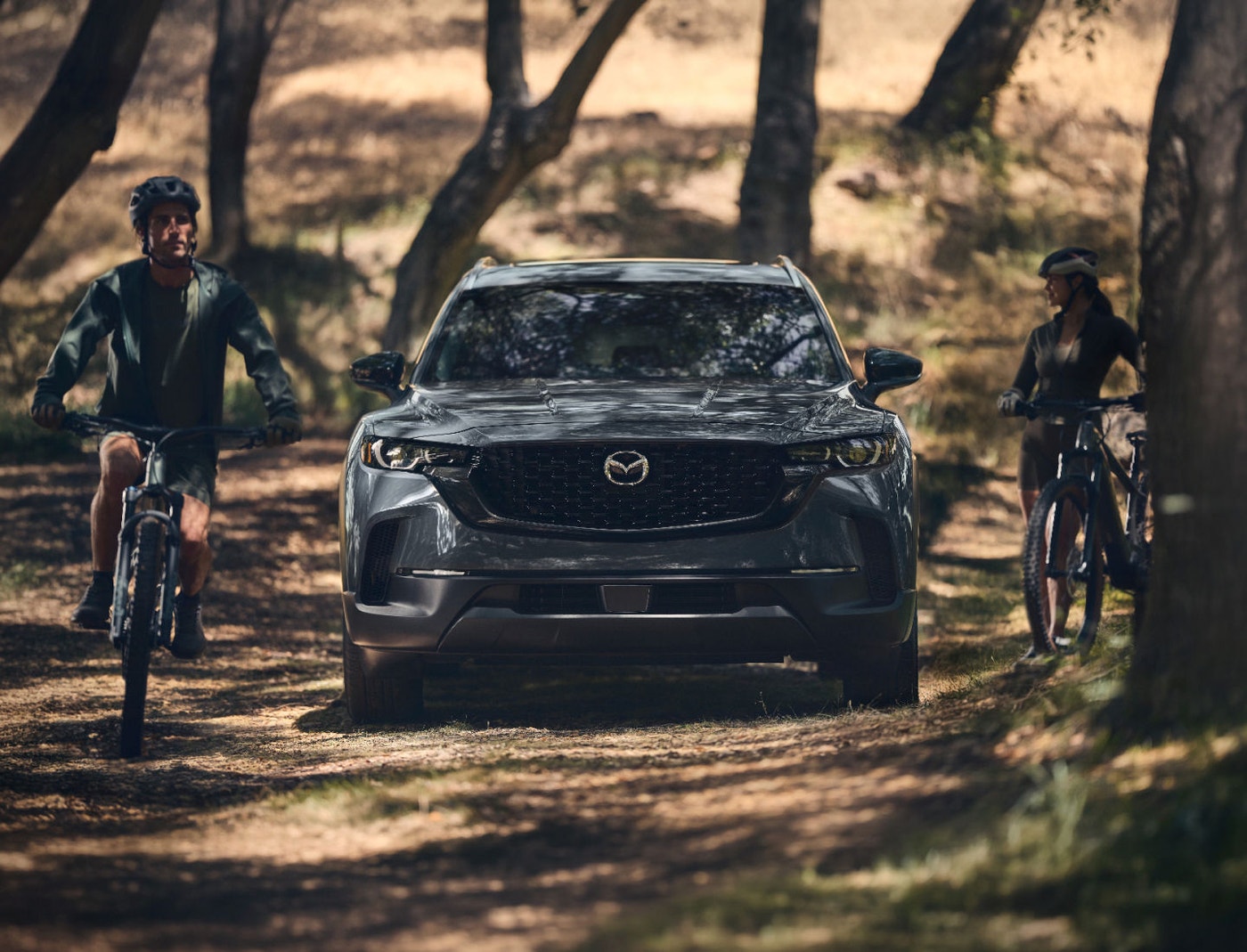
2026 Mazda CX-50 Hybrid on a wooded trail. Credit: Mazda North American Operations.
Fuel Savings Are Large Enough to Notice
The Hybrid combines a naturally aspirated 2.5-liter four-cylinder engine with three electric motors, an electronic continuously variable transmission and electric all-wheel drive. Total output is 219 horsepower, and Mazda estimates 39 mpg city, 37 mpg highway and 38 mpg combined.
The Turbo uses Mazda’s 2.5-liter turbocharged four-cylinder, a conventional six-speed automatic transmission and i-Activ all-wheel drive. With 93-octane premium fuel, it produces 256 horsepower and 320 pound-feet of torque. Regular 87-octane fuel reduces output to 227 horsepower and 310 pound-feet. EPA estimates stand at 23 mpg city, 29 mpg highway and 25 mpg combined.
The real-world difference is easy to understand. At 12,000 miles per year, a driver matching the combined estimates would use approximately 316 gallons in the Hybrid and 480 gallons in the Turbo. At $3.50 per gallon, the Hybrid would save about $575 annually. At $4 per gallon, the gap grows to roughly $657.
Actual results will vary with traffic, weather, driving style and fuel prices, but urban drivers have the most to gain. The Hybrid’s 39-mpg city estimate is 16 mpg better than the Turbo’s rating, making it especially attractive for commuting, school runs and frequent stop-and-go driving.
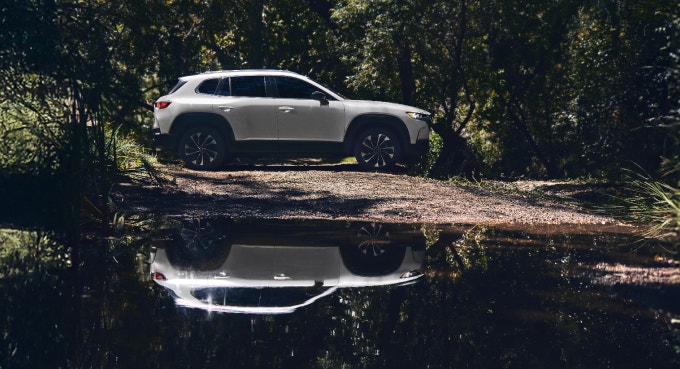
2026 Mazda CX-50 Hybrid beside a wooded pond. Credit: Mazda North American Operations.
The Turbo Still Delivers the Better Driving Experience
Efficiency is only part of the CX-50’s appeal. Mazda has built its reputation on steering feel and chassis tuning, and the Turbo is the version that best protects that identity.
During Carsfera’s evaluation of the 2026 Mazda CX-50 2.5 Turbo Premium Plus AWD, its naturally weighted steering, composed suspension and strong highway acceleration stood out. The conventional six-speed automatic also gives the Turbo a more familiar and direct response than the Hybrid’s eCVT.
The Hybrid is not slow, and its electric motors should provide useful response in everyday traffic. Mazda also gives it Power and Trail drive modes. However, drivers moving from the Turbo will notice the lower output, the different transmission character and the absence of the Turbo’s 320 pound-feet of peak torque.
Buyers who treat a crossover as an appliance will probably prefer the Hybrid. Those who regularly accelerate onto short highway ramps, drive on mountain roads or simply enjoy a stronger connection between the accelerator and the vehicle may find the Turbo worth the fuel penalty.
Towing and Cargo Capacity Change the Decision
The Turbo’s clearest functional advantage is towing. Mazda rates properly equipped Turbo models to tow up to 3,500 pounds when fitted with genuine towing accessories. The Hybrid is rated for up to 1,500 pounds.
That 2,000-pound difference separates occasional utility from genuine recreational capability. The Hybrid can handle a small trailer, but buyers planning to tow a compact travel trailer, personal watercraft or heavier utility trailer should begin with the Turbo.
The gas-powered CX-50 also has a small cargo advantage. Mazda lists 31.4 cubic feet behind the rear seat for the conventional model, compared with 29.2 cubic feet in the Hybrid. Both provide up to 56.3 cubic feet with the rear seats folded.
Losing 2.2 cubic feet will not matter to every family, but it is worth checking if the cargo area regularly carries a large stroller, pet crate or camping equipment.
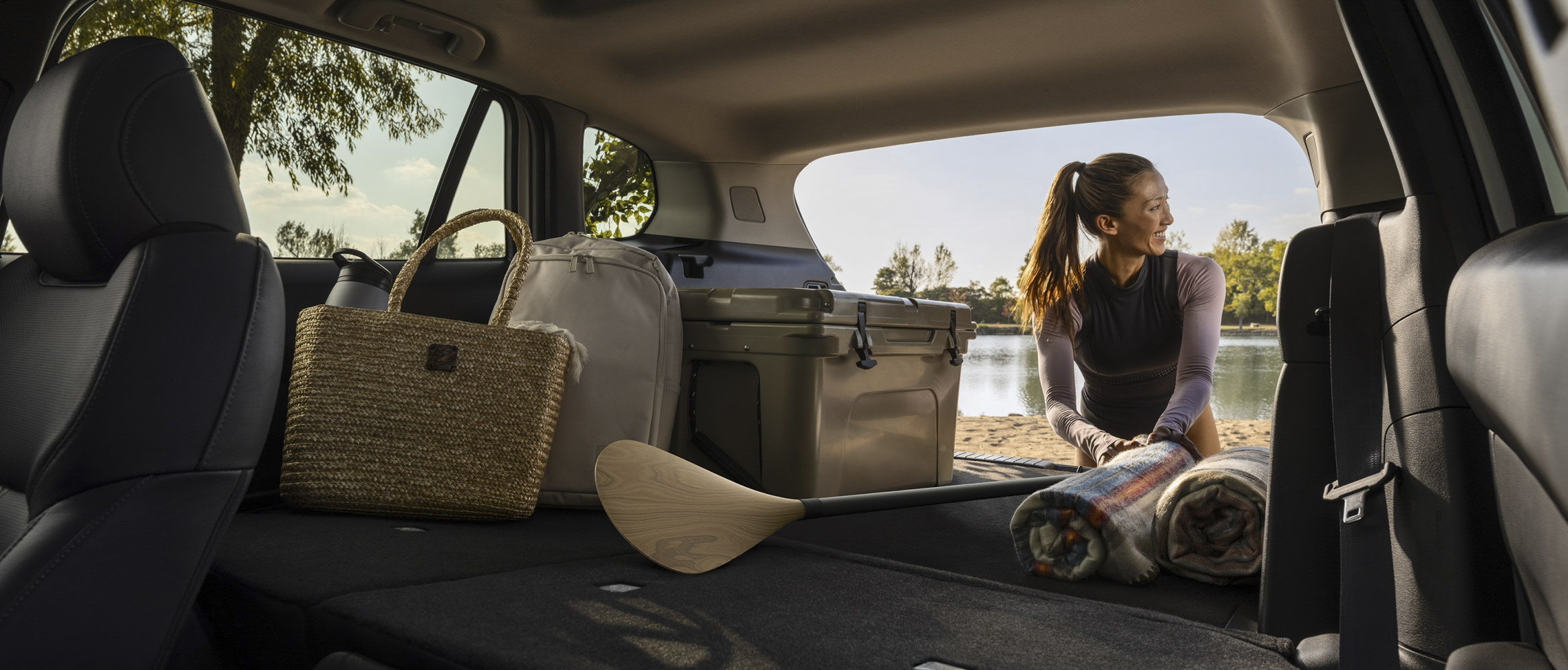
Cargo area of the 2026 Mazda CX-50 Hybrid. Credit: Mazda North American Operations.
Which 2026 Mazda CX-50 Should You Buy?
Choose the CX-50 Hybrid if most of your driving involves commuting, urban traffic or family errands. It costs less to enter, uses regular gasoline, delivers an estimated 38 mpg combined and can travel an estimated 551 miles on a full tank. It is the rational choice for buyers who want the CX-50’s styling and standard all-wheel drive without accepting compact-SUV fuel economy from a decade ago.
Choose the CX-50 Turbo if you tow more than 1,500 pounds, regularly carry heavy loads or care about acceleration and transmission response. It is also the better match for drivers who were attracted to the CX-50 because it feels more engaging than the typical compact crossover.
There is one important warning: buying the Turbo and filling it with regular fuel means accepting the lower 227-hp rating. That is still useful power, but shoppers should decide whether they are comfortable paying for premium gasoline before using the 256-hp figure as a reason to buy.
The Carsfera Verdict
The 2026 Mazda CX-50 Hybrid is the better choice for most American households. It is less expensive than the Turbo, substantially more efficient and still provides standard all-wheel drive, a useful cabin and the rugged design that distinguishes the CX-50 from softer compact SUVs.
The Turbo is not the losing option. It is the specialist. Its extra torque, conventional automatic transmission and 3,500-pound towing capacity give it abilities the Hybrid cannot duplicate. Carsfera’s experience with the Turbo Premium Plus also confirms that it remains one of the more satisfying compact crossovers to drive.
For a daily commute and weekend trips without a trailer, buy the Hybrid. For towing, stronger acceleration and the most distinctly Mazda driving experience, buy the Turbo.
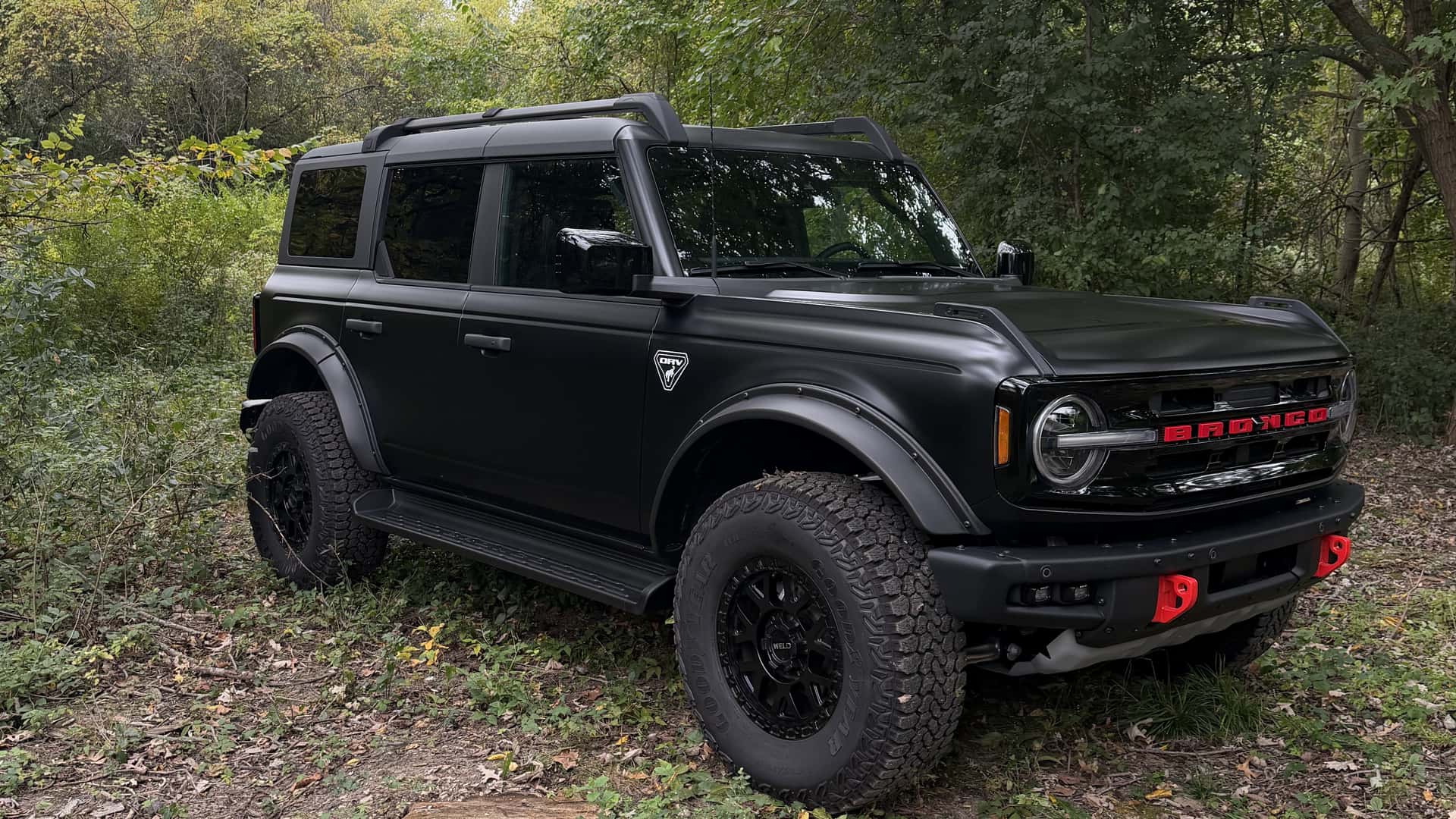
Ford’s new Bronco ORV package adds FOX suspension, Raptor underbody protection and off-road hardware to select models. But the $18,995 price excludes tires and installation.
Ford wants to make it easier to build a trail-ready SUV without sourcing every part separately. The Ford Bronco ORV Package bundles suspension, protection, lighting and styling upgrades into one dealer-installed option. However, its $18,995 starting price makes it a serious investment for Bronco owners.
Available for select four-door 2025 and 2026 Bronco Base, Big Bend and Outer Banks models, the package comes through Ford Custom Garage. It is an accessory package rather than a separate Bronco trim, and compatibility depends on the vehicle’s existing equipment.
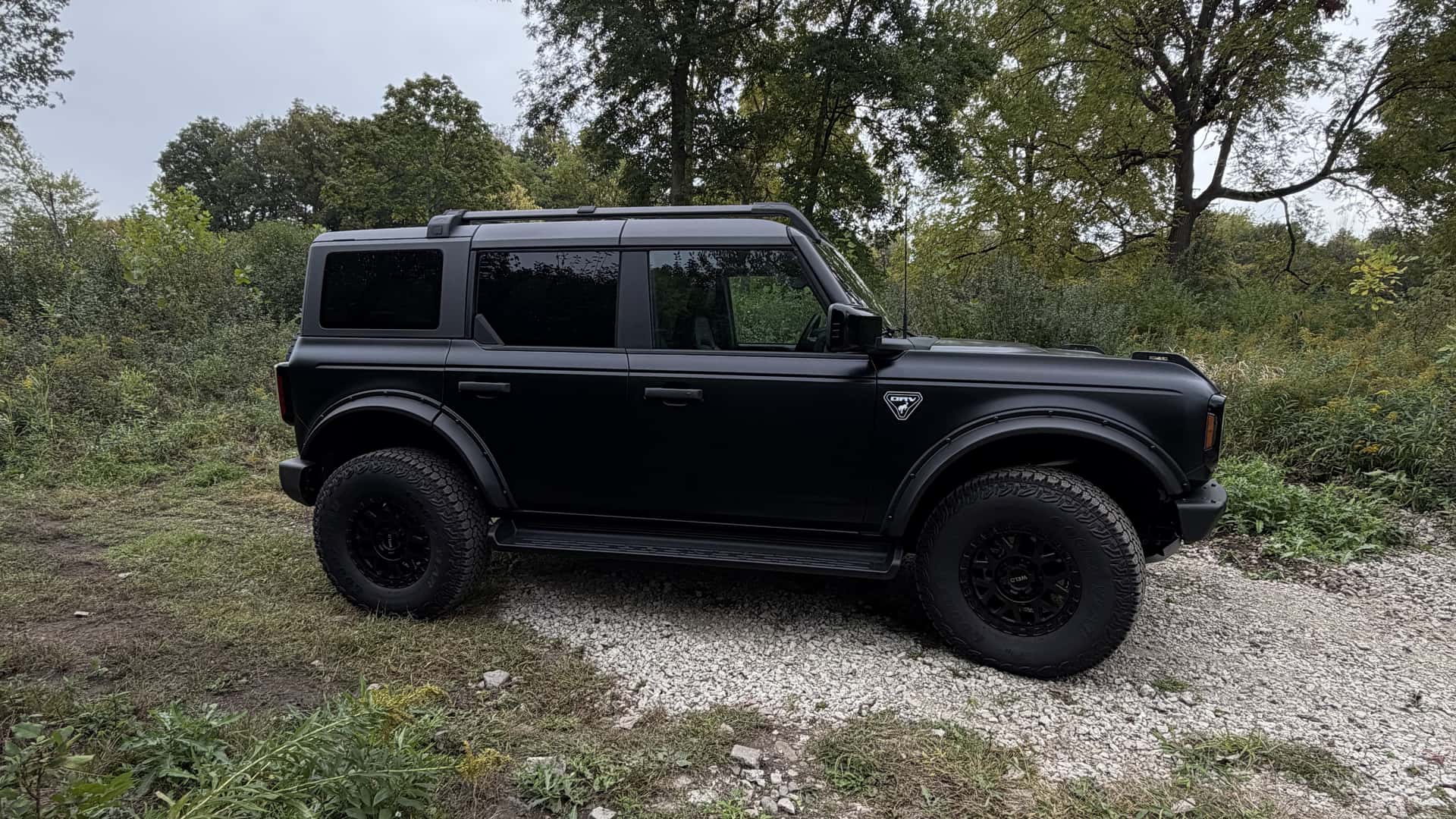
The Bronco ORV package adds trail-focused equipment to selected four-door models.
What Does the $18,995 Bronco ORV Package Include?
The main upgrades focus on off-road capability. A FOX suspension kit works alongside underbody skid plates and fuel-tank protection borrowed from the Bronco Raptor. Rocker-panel armor adds protection along the lower body, while a modular front bumper retains parking-aid functionality.
FOX suspension and Raptor-derived protection are among the package’s key hardware upgrades.
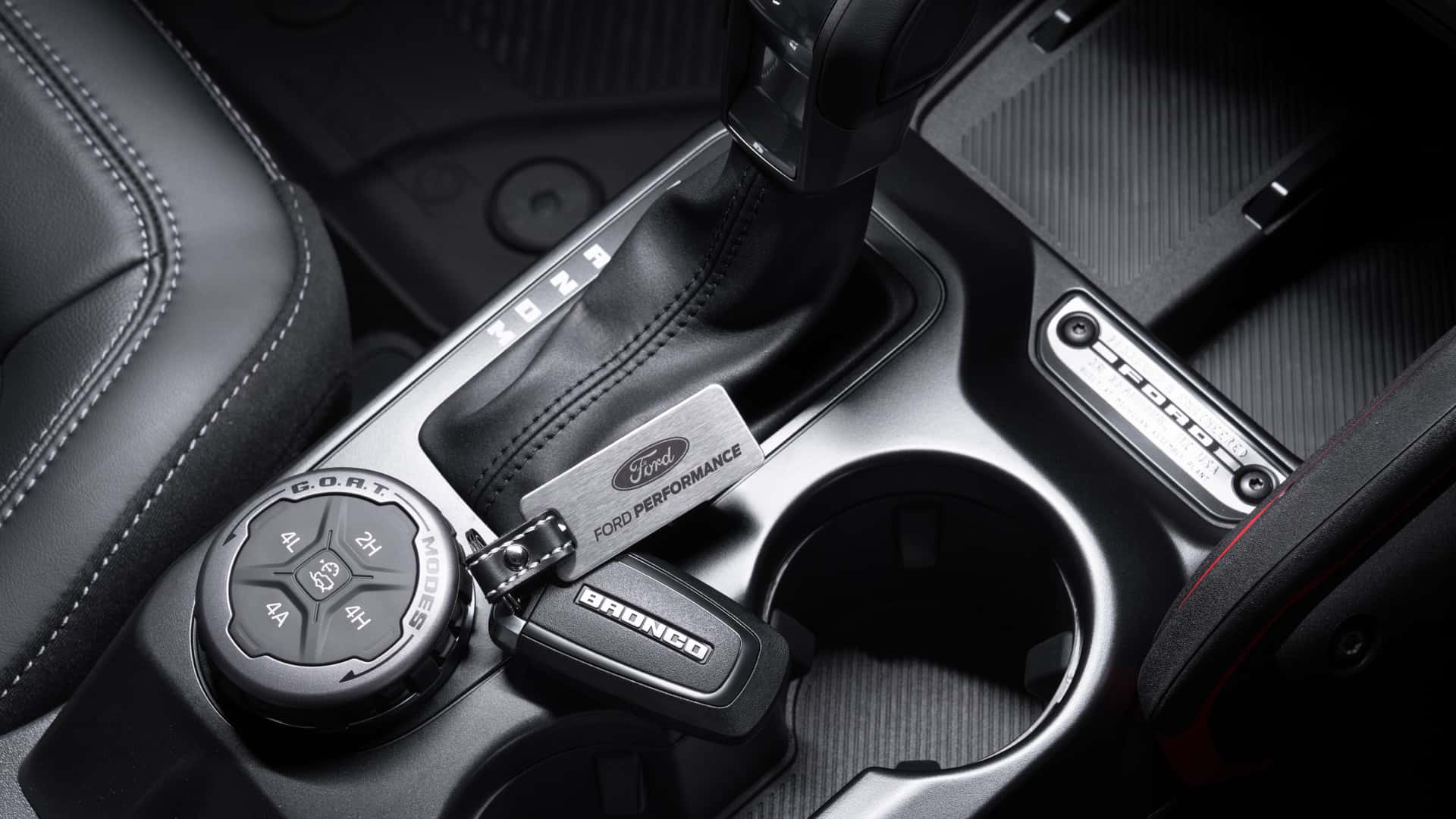
The package also includes RIGID auxiliary LED lighting, an auxiliary switch kit and a Ford Performance ProCal tool. These components add lighting control and vehicle-specific calibration capabilities for the upgraded setup.
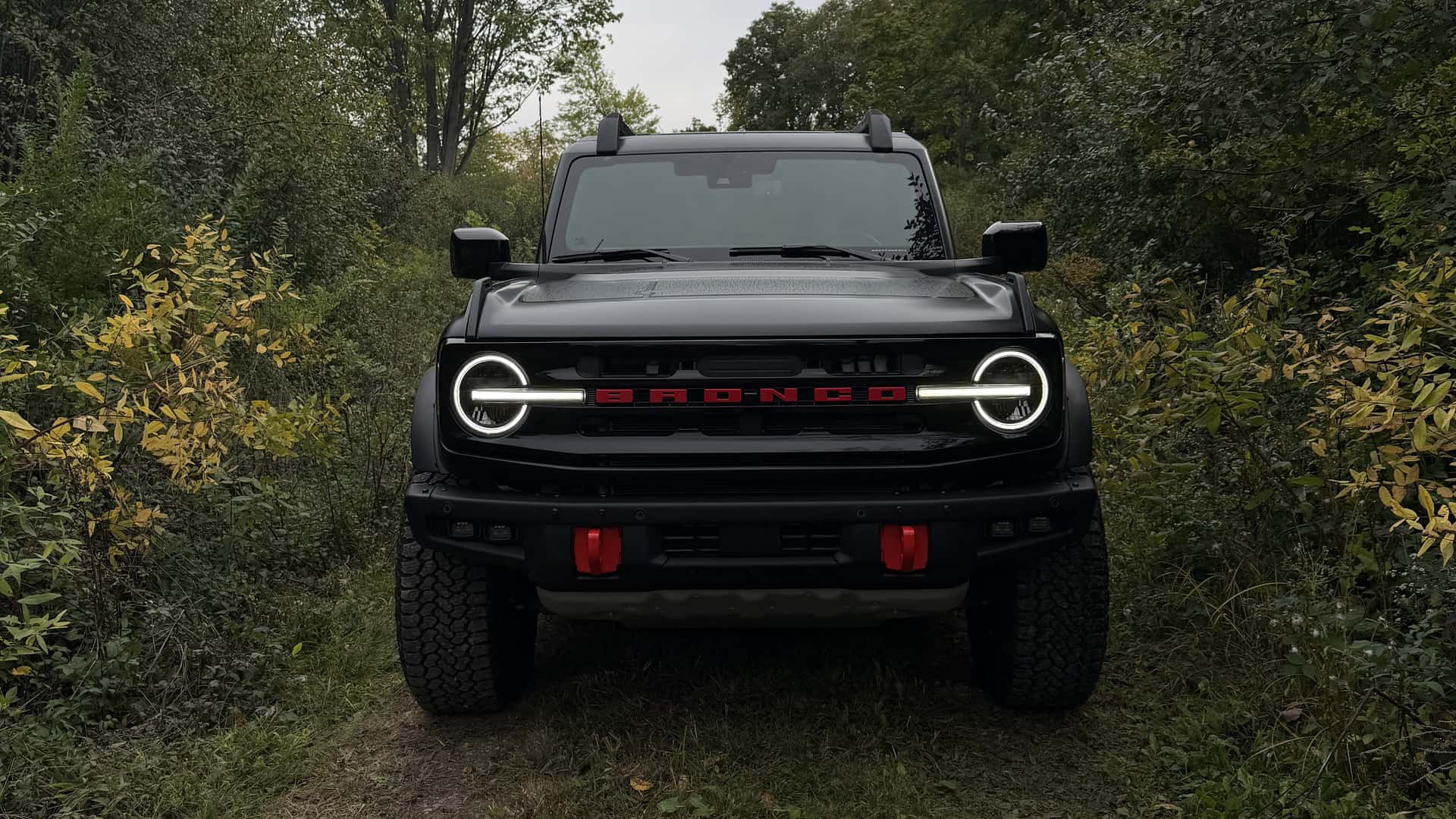
The front bumper and auxiliary lighting give the Bronco additional trail-focused equipment.
Black Wheels and Red Accents Complete the Look
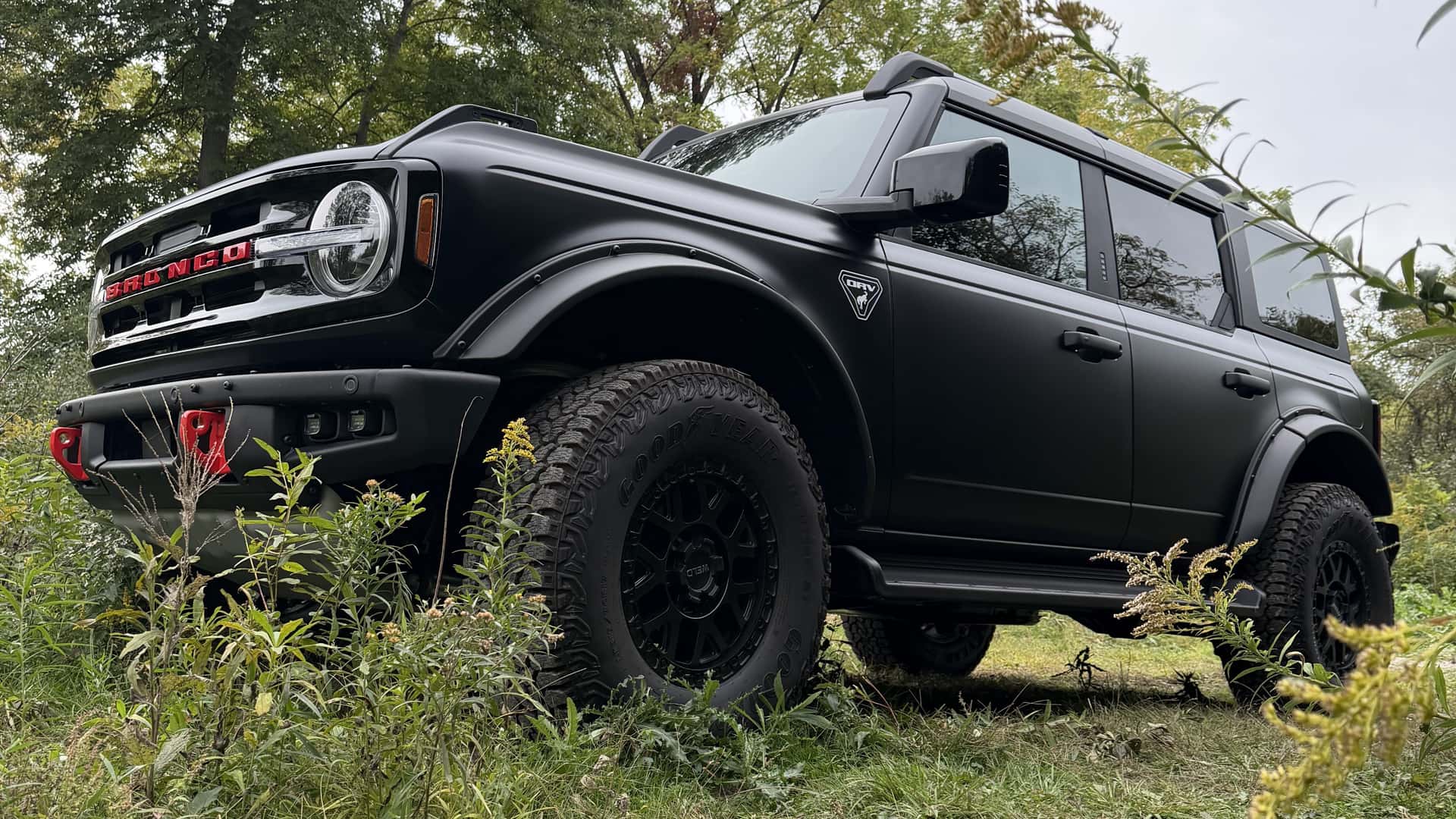
Ford has added visual changes to distinguish the ORV-equipped Bronco from standard versions. The package includes 17-inch black WELD wheels, Havoc fender flares, red tow hooks, red grille accents, a stealth hood decal and distinctive ORV branding.
Black wheels, wider fender flares and protective side panels give the SUV a tougher appearance.
Which Broncos Can Get the ORV Package?
The package is available for select four-door Base, Big Bend and Outer Banks models from the 2025 and 2026 model years. The Bronco Badlands and Bronco Raptor are excluded. Ford also warns that factory options, including camera equipment, the Lux package and the Sasquatch package, can affect compatibility.
The ORV package is designed for selected Bronco configurations, so buyers should confirm fitment before ordering.
Warranty and Final Cost
Ford includes a supplemental three-year/36,000-mile warranty that begins on the vehicle’s in-service date. Installation by a Ford dealer or ASE-certified technician does not void the standard new-vehicle warranty.
However, the $18,995 manufacturer’s suggested retail price is not the final bill. Tires are sold separately, and installation charges can vary by dealer. Buyers should confirm the complete cost and vehicle compatibility before placing an order.
The Bronco ORV gives owners a convenient route to a coordinated off-road build, combining hardware and appearance upgrades in one package. Its price may appeal to buyers who value dealer installation and warranty coverage, but the additional tire and labor costs make it essential to calculate the full investment first.
-
 TEST DRIVES2 months ago
2026 Toyota GR Supra MkV Final Edition
-
 NOW TRENDING1 month ago
Aston Martin DBX Becomes Harry Da Souza’s Ride in MobLand
-
 Formula12 months ago
FIA Reveals Second ADUO Results With Red Bull-Ford Still on Top
-

 NOW TRENDING2 months ago
Tesla Cybercab Puts U.S. Regulations to the Test
-
 NOW TRENDING2 months ago
2027 Hyundai Tucson Hybrid Gets a Power Boost
-
 NOW TRENDING2 months ago
Hyundai Reports Strong Hybrid Sales in August 2026
-

 INTELLIGENT MOBILITY1 month ago
Tesla Cybercab Cannot Be Charged at Home—Here’s Why
-
 TEST DRIVES1 month ago
2026 Maserati GranTurismo Trofeo Review: Miami
You must be logged in to post a comment Login