
Two U.S. senators are urging federal regulators to crack down on Tesla’s Full Self-Driving technology after alarming reports of failures to detect railroad crossings, raising fears of potentially deadly accidents.
Tesla’s autonomous driving ambitions are facing fresh political and regulatory pressure. Democratic senators Ed Markey of Massachusetts and Richard Blumenthal of Connecticut have formally requested that the National Highway Traffic Safety Administration (NHTSA) investigate deeper into Full Self-Driving (FSD). Their concern stems from reports that the system fails to properly identify and respond to railroad crossings – a flaw that could lead to catastrophic outcomes.

A Troubled History of Investigations
The NHTSA has been monitoring Tesla’s driver-assistance software for years, and the scrutiny intensified in late 2024 after four collisions occurred in poor-visibility conditions such as fog, sun glare, and airborne dust. In January 2025, the agency expanded its review to 2.6 million Teslas linked to a remote vehicle-movement feature. Additionally, Tesla’s robotaxi program in Austin, Texas, launched in June, is still under regulatory review as officials determine whether remote human intervention is possible.
Industry Critics Amplify Concerns
The controversy grew louder after Dan O’Dowd, CEO of Green Hills Software and founder of The Dawn Project, published a video showing a Tesla on FSD approaching an active railroad crossing. Despite flashing red warning lights, the vehicle advanced without stopping, while the driver’s feet remained off the pedals. O’Dowd warned that this flaw “is going to kill somebody,” and called out Tesla enthusiasts for ignoring mounting evidence of serious safety gaps.
Tesla’s Vision vs. Regulatory Reality
Despite the backlash, Tesla maintains that its FSD technology represents the future of mobility, capable of handling everything from route navigation to parking. Many users have reported positive experiences, praising the software’s ability to manage highway driving and urban traffic. However, the mounting concerns over railroad detection failures and near-collisions place Tesla at a crossroads: regulators and consumers alike are demanding proof that the system can be both groundbreaking and reliably safe.


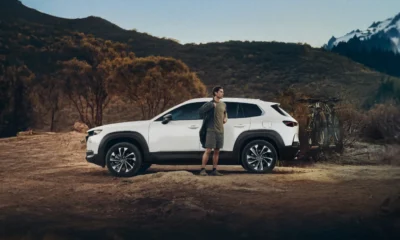








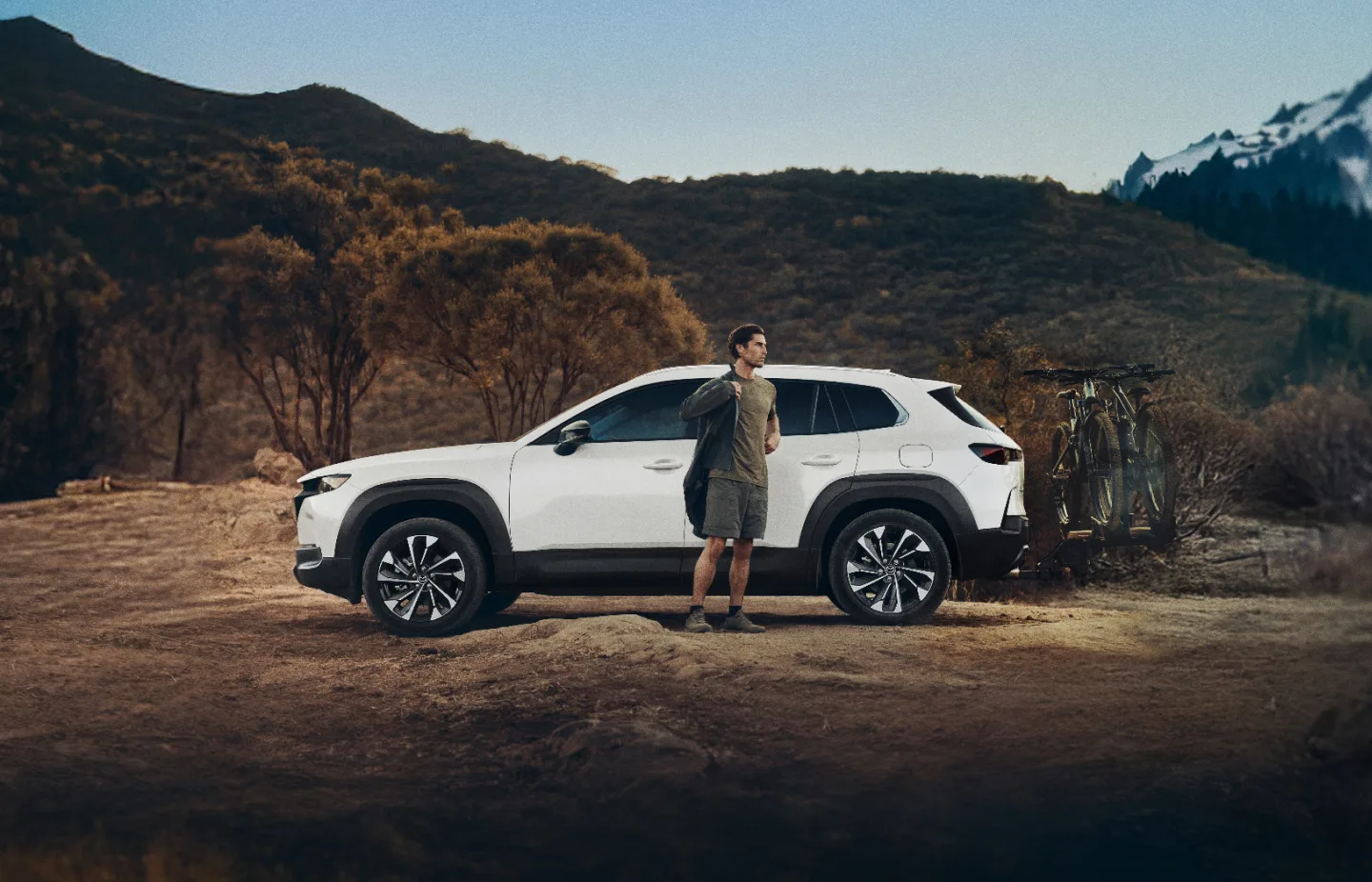
The Hybrid is the smarter commuter, but the Turbo remains the CX-50 for drivers who value acceleration, towing capacity and a more connected feel.
Mazda gives 2026 CX-50 buyers an unusually meaningful choice. The Hybrid promises 38 mpg combined and a lower starting price, while the Turbo delivers as much as 256 horsepower, considerably more torque and enough towing capacity for a small camper or boat.
This is not simply a decision between saving fuel and going faster. The two versions use different transmissions, different all-wheel-drive systems and slightly different packaging. They also suit different kinds of owners.
After comparing Mazda’s current U.S. specifications with Carsfera’s recent experience in the CX-50 Turbo Premium Plus, one answer becomes clear: most commuters should buy the Hybrid, but the Turbo earns its higher operating costs when performance or towing is part of the plan.
The Hybrid Starts Cheaper Than the Turbo
The 2026 CX-50 Hybrid Preferred starts at $34,750, while the least expensive CX-50 2.5 Turbo begins at $37,900. At the top of the lineup, Mazda currently lists the Hybrid Premium Plus from $40,450 and the Turbo Premium Plus from $42,900. Those figures exclude the $1,595 destination charge, taxes and dealer fees.
That pricing matters because buyers do not have to pay a premium just to access the more efficient powertrain. The Hybrid starts $3,150 below the Turbo, and the flagship Hybrid Premium Plus is $2,450 less than the equivalent Turbo Premium Plus based on Mazda’s current advertised prices.
Equipment is not identical trim for trim, so the comparison should not be reduced to price alone. Mazda specifically lists features such as a 360-degree camera, Front Cross Traffic Alert and Traffic Jam Assist for the Turbo Premium Plus. The Hybrid Premium Plus includes desirable equipment such as heated rear seats, a heated steering wheel, a head-up display and 19-inch wheels. Buyers should compare the complete equipment lists before treating the two flagship trims as direct equivalents.
For buyers who want leather, ventilated front seats and a Bose audio system without moving to the most expensive model, the Hybrid Premium at $38,150 may be the value sweet spot.
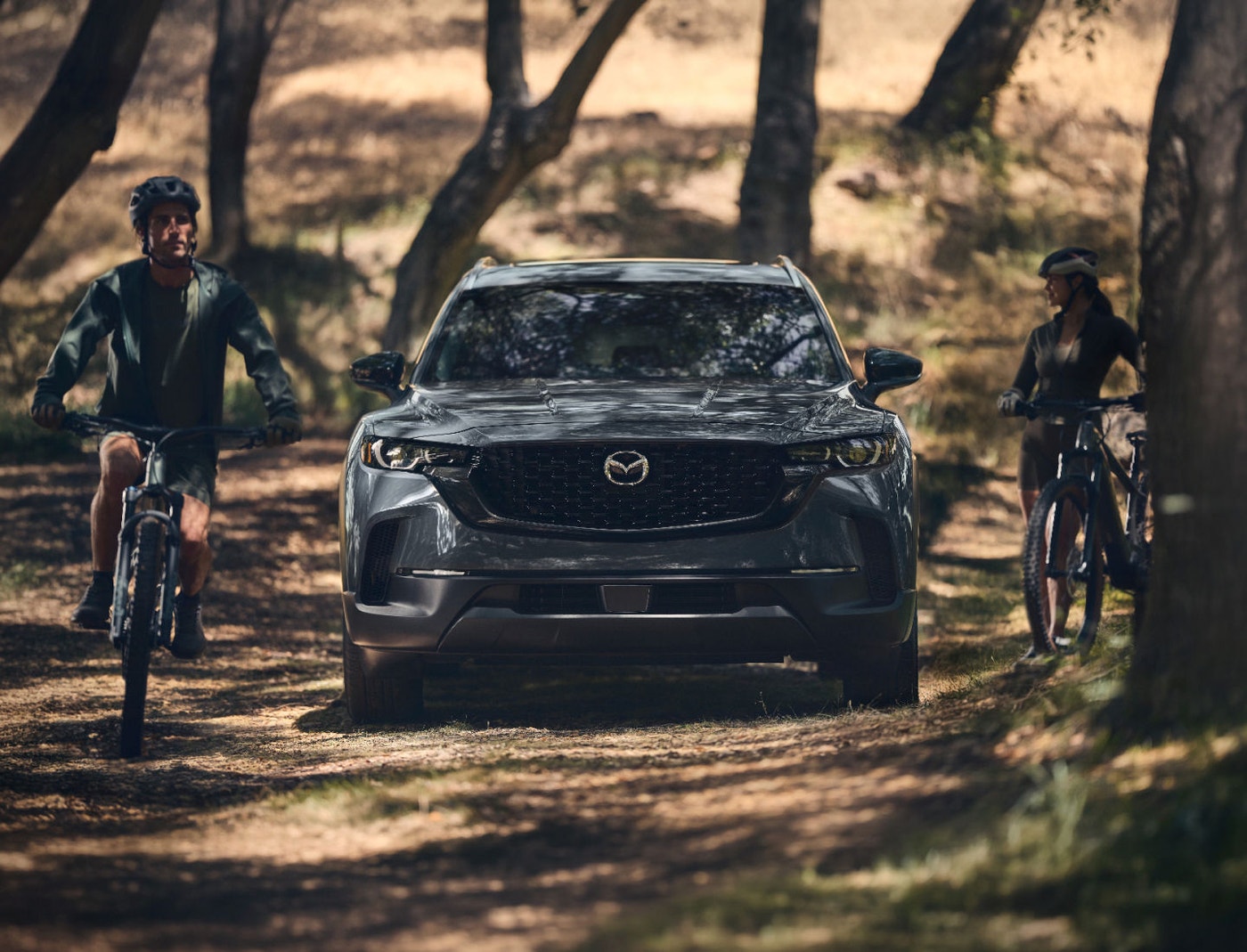
2026 Mazda CX-50 Hybrid on a wooded trail. Credit: Mazda North American Operations.
Fuel Savings Are Large Enough to Notice
The Hybrid combines a naturally aspirated 2.5-liter four-cylinder engine with three electric motors, an electronic continuously variable transmission and electric all-wheel drive. Total output is 219 horsepower, and Mazda estimates 39 mpg city, 37 mpg highway and 38 mpg combined.
The Turbo uses Mazda’s 2.5-liter turbocharged four-cylinder, a conventional six-speed automatic transmission and i-Activ all-wheel drive. With 93-octane premium fuel, it produces 256 horsepower and 320 pound-feet of torque. Regular 87-octane fuel reduces output to 227 horsepower and 310 pound-feet. EPA estimates stand at 23 mpg city, 29 mpg highway and 25 mpg combined.
The real-world difference is easy to understand. At 12,000 miles per year, a driver matching the combined estimates would use approximately 316 gallons in the Hybrid and 480 gallons in the Turbo. At $3.50 per gallon, the Hybrid would save about $575 annually. At $4 per gallon, the gap grows to roughly $657.
Actual results will vary with traffic, weather, driving style and fuel prices, but urban drivers have the most to gain. The Hybrid’s 39-mpg city estimate is 16 mpg better than the Turbo’s rating, making it especially attractive for commuting, school runs and frequent stop-and-go driving.
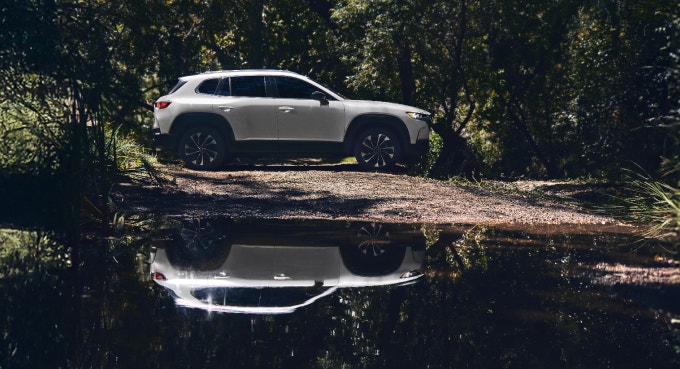
2026 Mazda CX-50 Hybrid beside a wooded pond. Credit: Mazda North American Operations.
The Turbo Still Delivers the Better Driving Experience
Efficiency is only part of the CX-50’s appeal. Mazda has built its reputation on steering feel and chassis tuning, and the Turbo is the version that best protects that identity.
During Carsfera’s evaluation of the 2026 Mazda CX-50 2.5 Turbo Premium Plus AWD, its naturally weighted steering, composed suspension and strong highway acceleration stood out. The conventional six-speed automatic also gives the Turbo a more familiar and direct response than the Hybrid’s eCVT.
The Hybrid is not slow, and its electric motors should provide useful response in everyday traffic. Mazda also gives it Power and Trail drive modes. However, drivers moving from the Turbo will notice the lower output, the different transmission character and the absence of the Turbo’s 320 pound-feet of peak torque.
Buyers who treat a crossover as an appliance will probably prefer the Hybrid. Those who regularly accelerate onto short highway ramps, drive on mountain roads or simply enjoy a stronger connection between the accelerator and the vehicle may find the Turbo worth the fuel penalty.
Towing and Cargo Capacity Change the Decision
The Turbo’s clearest functional advantage is towing. Mazda rates properly equipped Turbo models to tow up to 3,500 pounds when fitted with genuine towing accessories. The Hybrid is rated for up to 1,500 pounds.
That 2,000-pound difference separates occasional utility from genuine recreational capability. The Hybrid can handle a small trailer, but buyers planning to tow a compact travel trailer, personal watercraft or heavier utility trailer should begin with the Turbo.
The gas-powered CX-50 also has a small cargo advantage. Mazda lists 31.4 cubic feet behind the rear seat for the conventional model, compared with 29.2 cubic feet in the Hybrid. Both provide up to 56.3 cubic feet with the rear seats folded.
Losing 2.2 cubic feet will not matter to every family, but it is worth checking if the cargo area regularly carries a large stroller, pet crate or camping equipment.
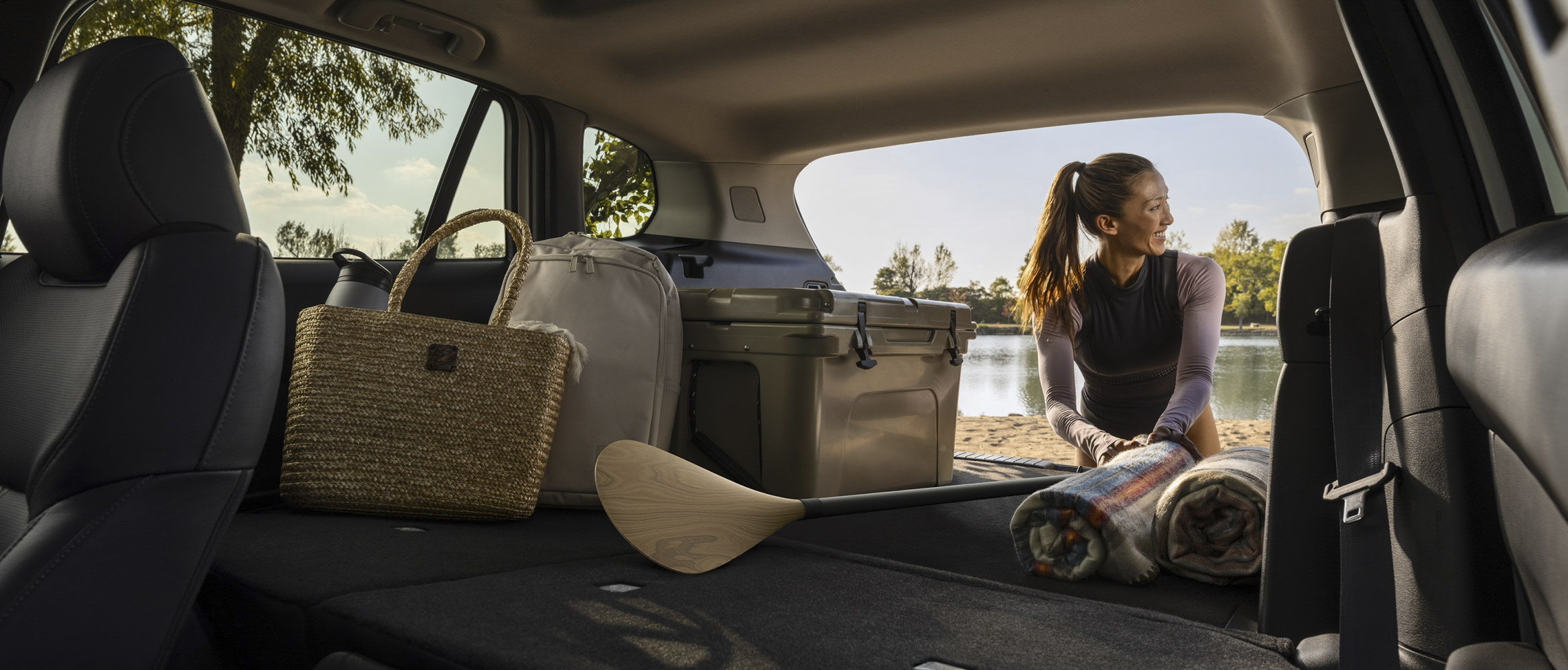
Cargo area of the 2026 Mazda CX-50 Hybrid. Credit: Mazda North American Operations.
Which 2026 Mazda CX-50 Should You Buy?
Choose the CX-50 Hybrid if most of your driving involves commuting, urban traffic or family errands. It costs less to enter, uses regular gasoline, delivers an estimated 38 mpg combined and can travel an estimated 551 miles on a full tank. It is the rational choice for buyers who want the CX-50’s styling and standard all-wheel drive without accepting compact-SUV fuel economy from a decade ago.
Choose the CX-50 Turbo if you tow more than 1,500 pounds, regularly carry heavy loads or care about acceleration and transmission response. It is also the better match for drivers who were attracted to the CX-50 because it feels more engaging than the typical compact crossover.
There is one important warning: buying the Turbo and filling it with regular fuel means accepting the lower 227-hp rating. That is still useful power, but shoppers should decide whether they are comfortable paying for premium gasoline before using the 256-hp figure as a reason to buy.
The Carsfera Verdict
The 2026 Mazda CX-50 Hybrid is the better choice for most American households. It is less expensive than the Turbo, substantially more efficient and still provides standard all-wheel drive, a useful cabin and the rugged design that distinguishes the CX-50 from softer compact SUVs.
The Turbo is not the losing option. It is the specialist. Its extra torque, conventional automatic transmission and 3,500-pound towing capacity give it abilities the Hybrid cannot duplicate. Carsfera’s experience with the Turbo Premium Plus also confirms that it remains one of the more satisfying compact crossovers to drive.
For a daily commute and weekend trips without a trailer, buy the Hybrid. For towing, stronger acceleration and the most distinctly Mazda driving experience, buy the Turbo.
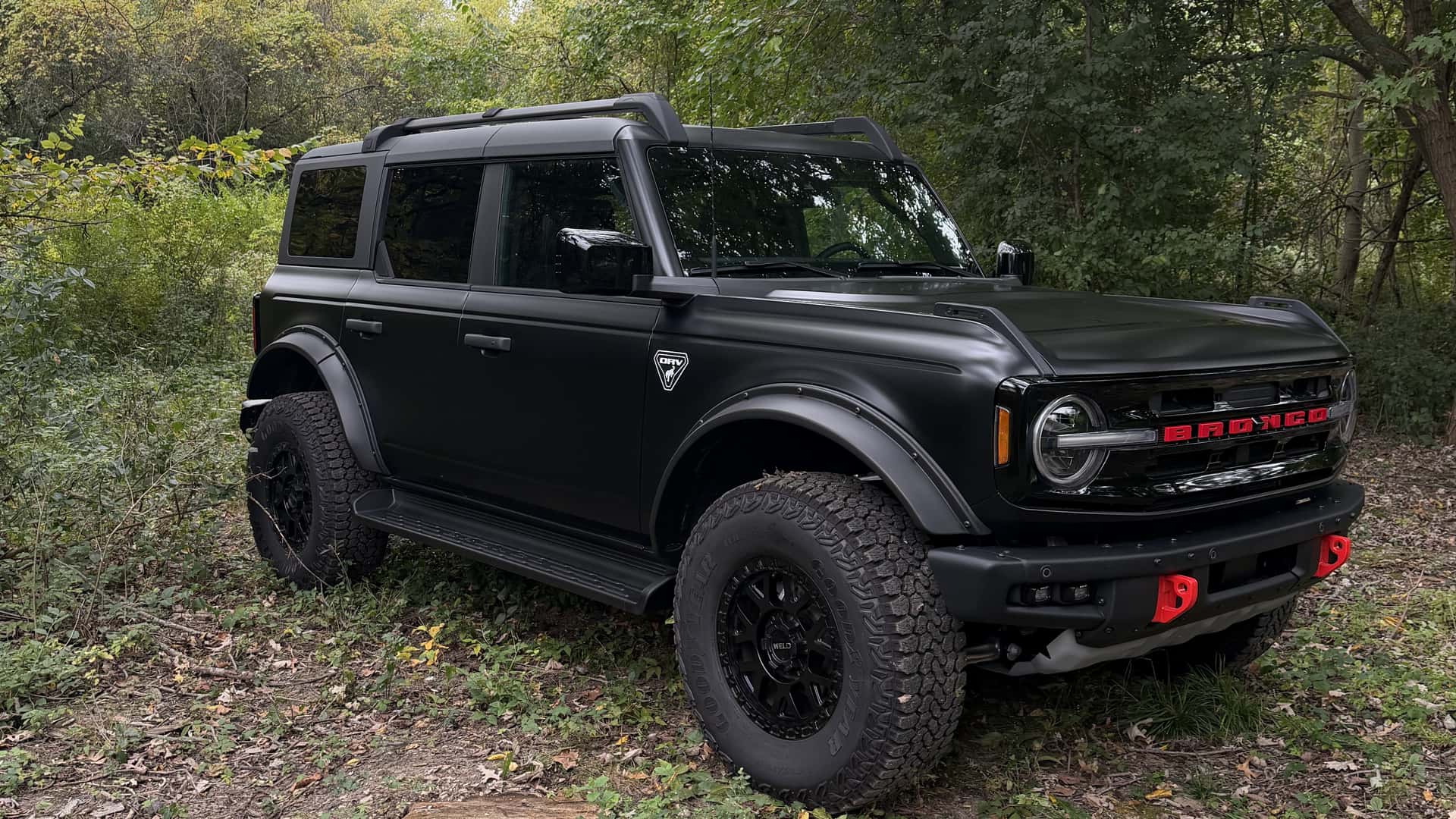
Ford’s new Bronco ORV package adds FOX suspension, Raptor underbody protection and off-road hardware to select models. But the $18,995 price excludes tires and installation.
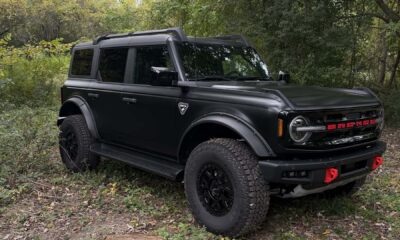
Ford wants to make it easier to build a trail-ready SUV without sourcing every part separately. The Ford Bronco ORV Package bundles suspension, protection, lighting and styling upgrades into one dealer-installed option. However, its $18,995 starting price makes it a serious investment for Bronco owners.
Available for select four-door 2025 and 2026 Bronco Base, Big Bend and Outer Banks models, the package comes through Ford Custom Garage. It is an accessory package rather than a separate Bronco trim, and compatibility depends on the vehicle’s existing equipment.
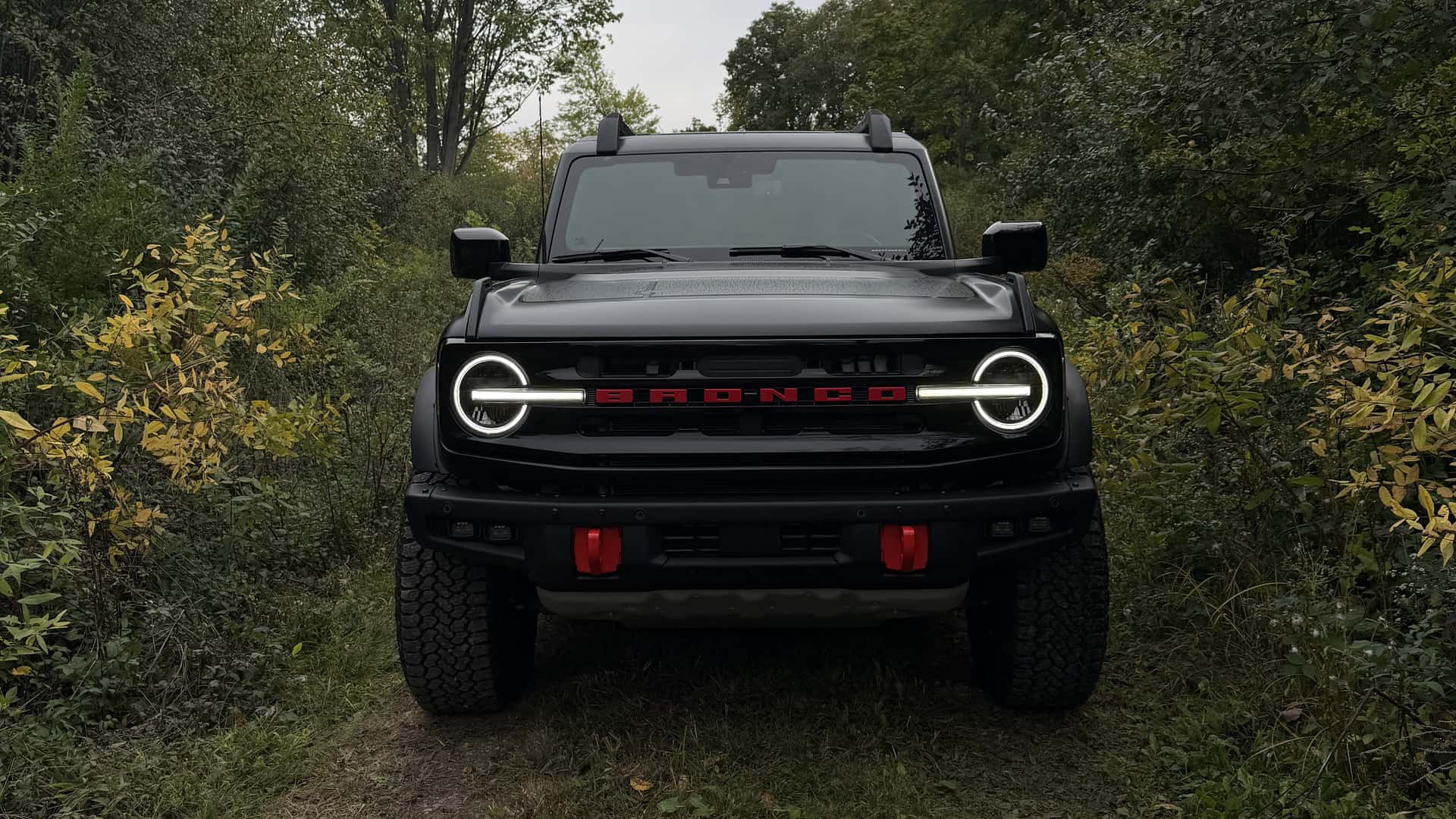
The Bronco ORV package adds trail-focused equipment to selected four-door models.
What Does the $18,995 Bronco ORV Package Include?
The main upgrades focus on off-road capability. A FOX suspension kit works alongside underbody skid plates and fuel-tank protection borrowed from the Bronco Raptor. Rocker-panel armor adds protection along the lower body, while a modular front bumper retains parking-aid functionality.
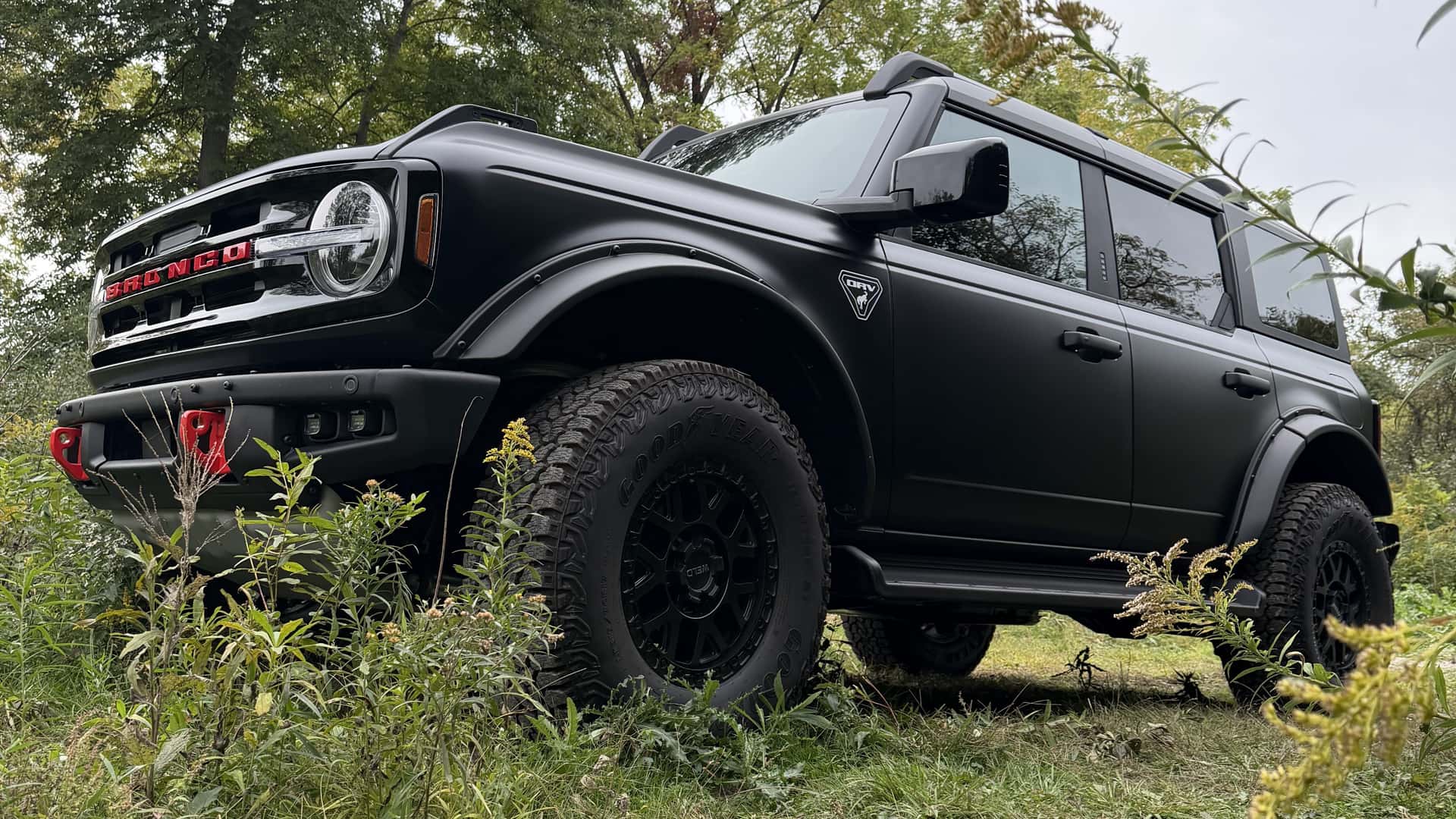
FOX suspension and Raptor-derived protection are among the package’s key hardware upgrades.
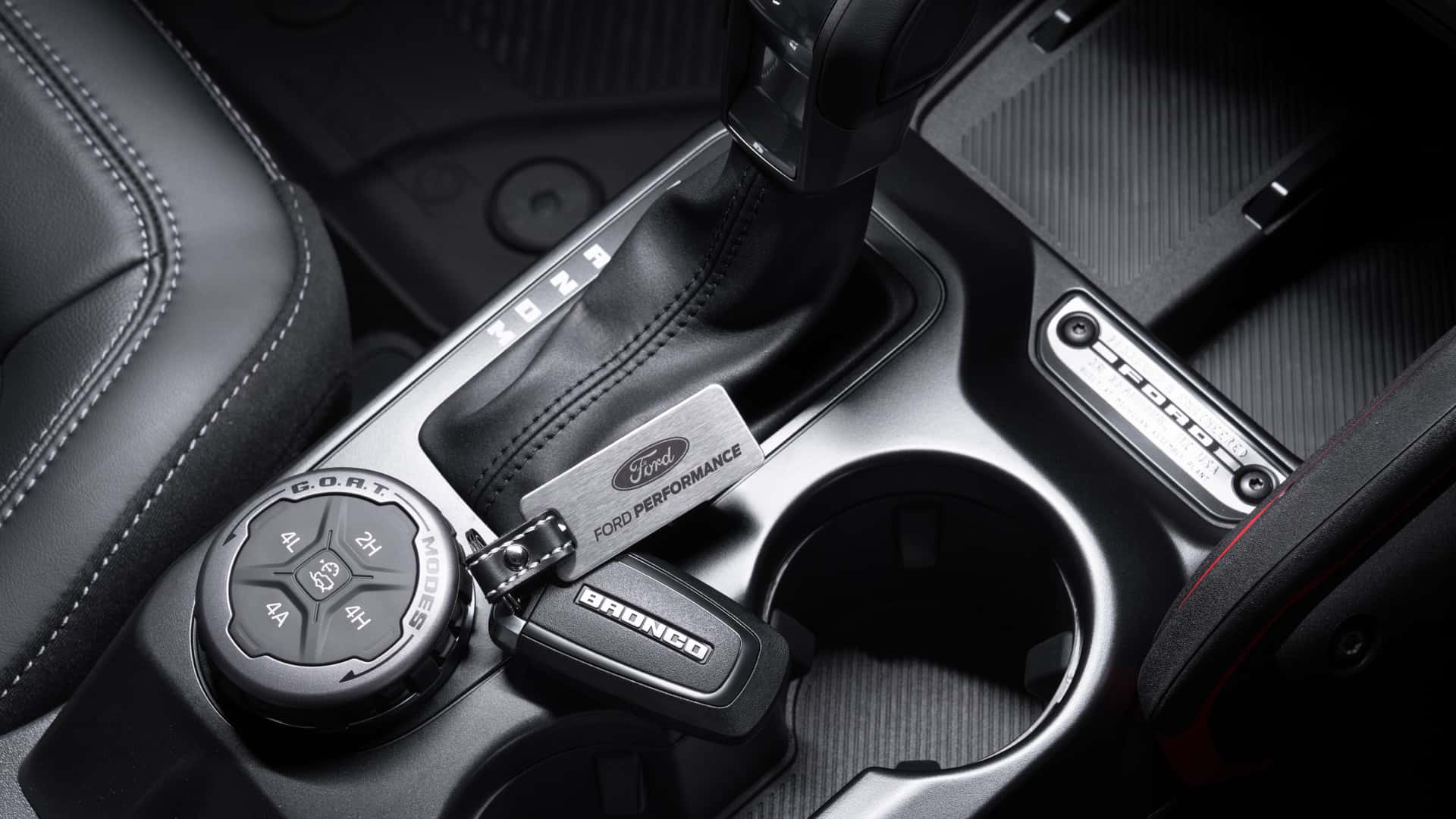
The package also includes RIGID auxiliary LED lighting, an auxiliary switch kit and a Ford Performance ProCal tool. These components add lighting control and vehicle-specific calibration capabilities for the upgraded setup.
The front bumper and auxiliary lighting give the Bronco additional trail-focused equipment.
Black Wheels and Red Accents Complete the Look
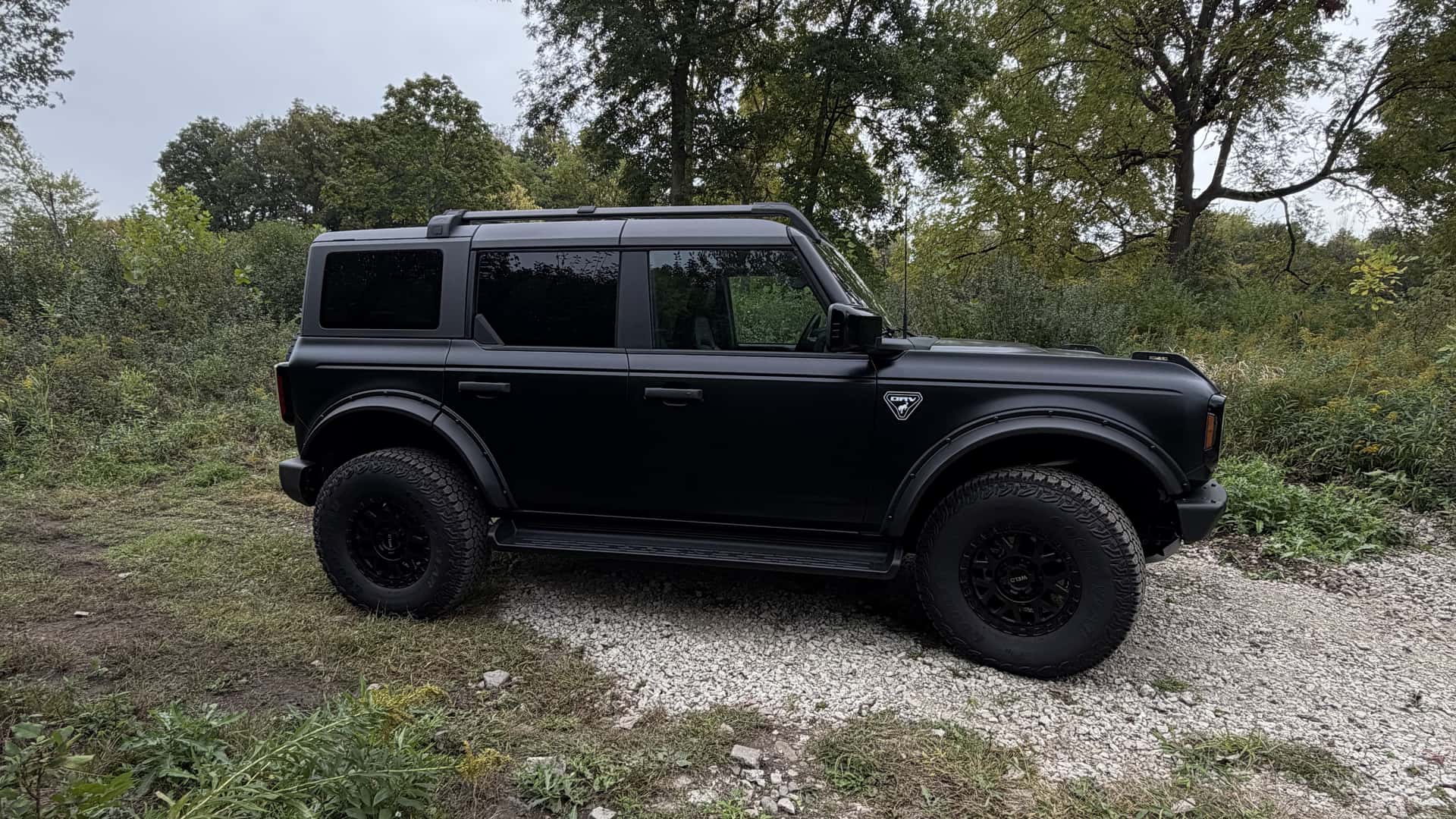
Ford has added visual changes to distinguish the ORV-equipped Bronco from standard versions. The package includes 17-inch black WELD wheels, Havoc fender flares, red tow hooks, red grille accents, a stealth hood decal and distinctive ORV branding.
Black wheels, wider fender flares and protective side panels give the SUV a tougher appearance.
Which Broncos Can Get the ORV Package?
The package is available for select four-door Base, Big Bend and Outer Banks models from the 2025 and 2026 model years. The Bronco Badlands and Bronco Raptor are excluded. Ford also warns that factory options, including camera equipment, the Lux package and the Sasquatch package, can affect compatibility.
The ORV package is designed for selected Bronco configurations, so buyers should confirm fitment before ordering.
Warranty and Final Cost
Ford includes a supplemental three-year/36,000-mile warranty that begins on the vehicle’s in-service date. Installation by a Ford dealer or ASE-certified technician does not void the standard new-vehicle warranty.
However, the $18,995 manufacturer’s suggested retail price is not the final bill. Tires are sold separately, and installation charges can vary by dealer. Buyers should confirm the complete cost and vehicle compatibility before placing an order.
The Bronco ORV gives owners a convenient route to a coordinated off-road build, combining hardware and appearance upgrades in one package. Its price may appeal to buyers who value dealer installation and warranty coverage, but the additional tire and labor costs make it essential to calculate the full investment first.
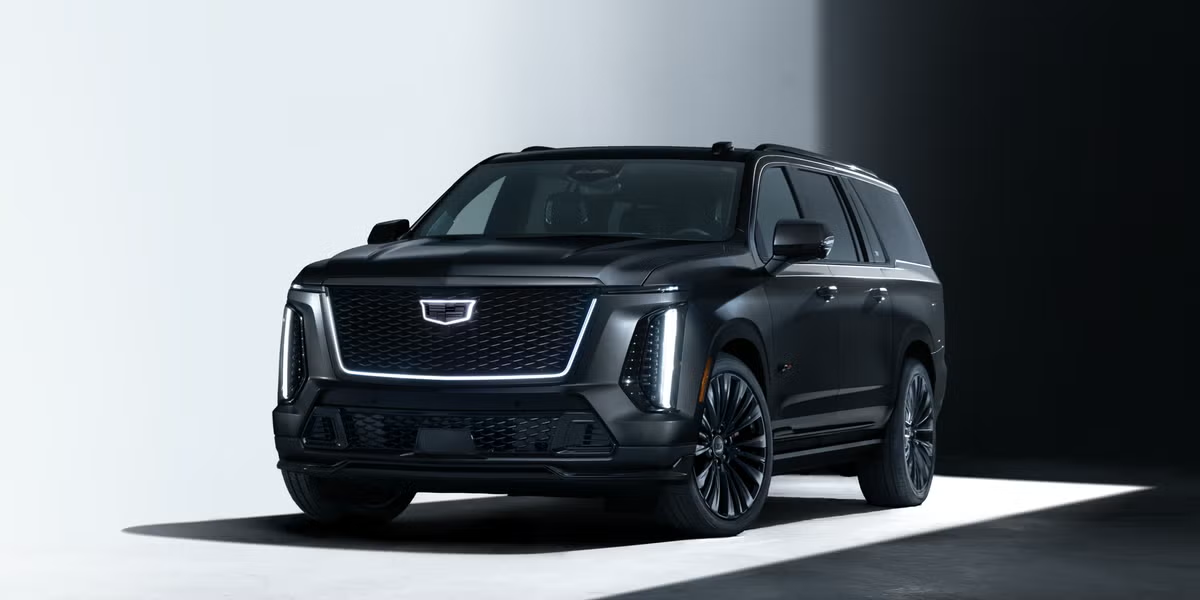
Just 252 examples will celebrate Cadillac’s 125th anniversary, pairing V-Series performance with exclusive finishes, carbon-fiber details and a distinctive blue-accented cabin.
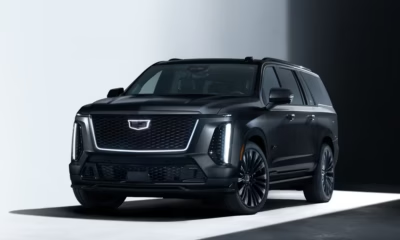
A luxury SUV can make a statement through size, performance and technology. The 2027 Cadillac Escalade-V 125th Anniversary Collector Series adds another selling point: rarity. Cadillac will produce just 252 examples of this special edition, combining the imposing presence of the Escalade-V with exclusive details created to celebrate the brand’s 125-year history.
Starting at approximately $239,000, including destination freight, this edition targets buyers who want their SUV to stand out even among other high-end vehicles. Its appeal comes from a combination of limited production, distinctive materials and personalized commemorative details rather than a completely different exterior design

The limited-edition Escalade-V pairs its familiar imposing shape with exclusive anniversary styling.
A darker, sharper take on the Escalade-V
Cadillac will offer the anniversary model in two finishes: Midnight Stone Frost and Vibrant White Tricoat. Both emphasize the SUV’s substantial proportions, while a series of contrasting details gives the special edition a more distinctive identity.
The exterior package includes unique forged 24-inch wheels, blue brake calipers and dark-finish badges. Carbon fiber appears on the grille surround, lower rear fascia, mirror caps and engine cover, adding a motorsport-inspired touch to Cadillac’s flagship performance SUV.
The details extend beyond appearance. Heritage V-8 puddle lamps and commemorative markings referencing 1902–2027 connect the vehicle to Cadillac’s history. Buyers can also select their vehicle identification number and serial number, adding a personalized element to an already limited production run.
Santorini Blue makes the interior different
The cabin is where this Collector Series develops its own visual signature. Cadillac combines Black and Sheer Gray upholstery with Santorini Blue stitching and seat belts, creating a contrast against the darker interior surfaces.
That blue is more than a decorative choice. It draws inspiration from the V-Series emblem and connects the brand’s road cars with its racing identity, including the Cadillac V-Series.R race car. The color has appeared across performance vehicles and concepts before becoming the defining interior accent of this anniversary Escalade.

Santorini Blue adds a distinctive accent to the two-tone cabin, linking the SUV to Cadillac’s performance heritage.
Cadillac adds illuminated sill plates, exclusive interior badging, premium floor mats and a blue key fob. Together, these features give the limited edition a more individualized feel without abandoning the Escalade’s established luxury-focused interior design.
What makes a 252-unit Escalade worth $239,000?
The limited production run is central to the model’s appeal. With only 252 vehicles planned, the anniversary edition is considerably more exclusive than a regular Escalade-V. Its special finishes, carbon-fiber components and commemorative equipment give collectors several details to distinguish it from the standard model.
Cadillac has previously used its Collector Series to mark milestones in its performance history. The 2026 CT5-V Blackwing F1 Collector Series, for example, connected the brand’s performance identity with its entry into Formula 1. Now, the series expands to the Escalade, bringing that collector-focused approach to a large luxury SUV.

The rear design combines the Escalade-V’s commanding proportions with the special edition’s carbon-fiber accents.
The 2027 Escalade-V 125th Anniversary Collector Series will be sold in the United States and Canada, and orders are now open. Its starting price is approximately $239,000, including destination freight but excluding taxes, title and dealer fees. Dealers determine the final selling price.
Ultimately, this Escalade is designed for buyers who value exclusivity as much as luxury and performance. The 125th-anniversary branding tells part of the story, but the limited production, personalized identification and distinctive cabin details are what make this version different. Whether those features justify the premium will depend on how much buyers value owning a rare edition of Cadillac’s flagship SUV.
-
 TEST DRIVES2 months ago
2026 Toyota GR Supra MkV Final Edition
-
 NOW TRENDING1 month ago
Aston Martin DBX Becomes Harry Da Souza’s Ride in MobLand
-
 Formula12 months ago
FIA Reveals Second ADUO Results With Red Bull-Ford Still on Top
-

 NOW TRENDING2 months ago
Tesla Cybercab Puts U.S. Regulations to the Test
-
 NOW TRENDING2 months ago
2027 Hyundai Tucson Hybrid Gets a Power Boost
-
 NOW TRENDING2 months ago
Hyundai Reports Strong Hybrid Sales in August 2026
-

 INTELLIGENT MOBILITY1 month ago
Tesla Cybercab Cannot Be Charged at Home—Here’s Why
-
 NOW TRENDING2 months ago
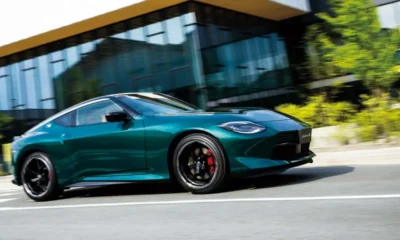
Nissan Z Nismo Finally Gets a Manual Transmission in Japan
You must be logged in to post a comment Login