
NOW TRENDING
2027 Chevrolet Silverado Introduces New V8 Power And Advanced Technology

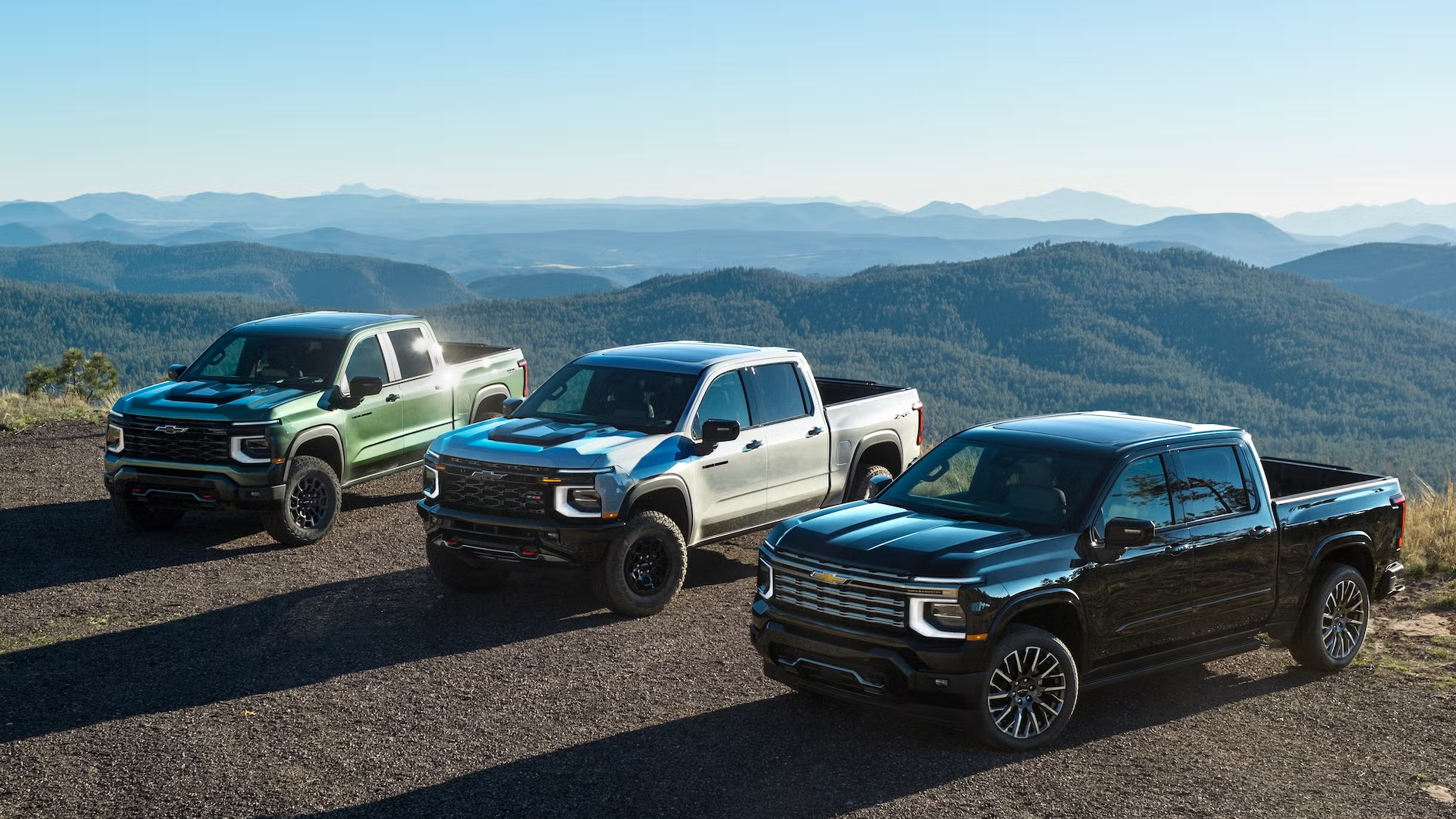
Chevrolet is preparing a major evolution for its best-selling pickup with the arrival of the 2027 Silverado. The updated truck brings revised styling, new technology features and an expanded powertrain lineup designed to strengthen its position in one of the most competitive segments in the automotive industry.
The Silverado remains one of the most important models in Chevrolet’s portfolio, and the latest updates focus on improving performance, capability and everyday usability for both work-oriented and recreational buyers.
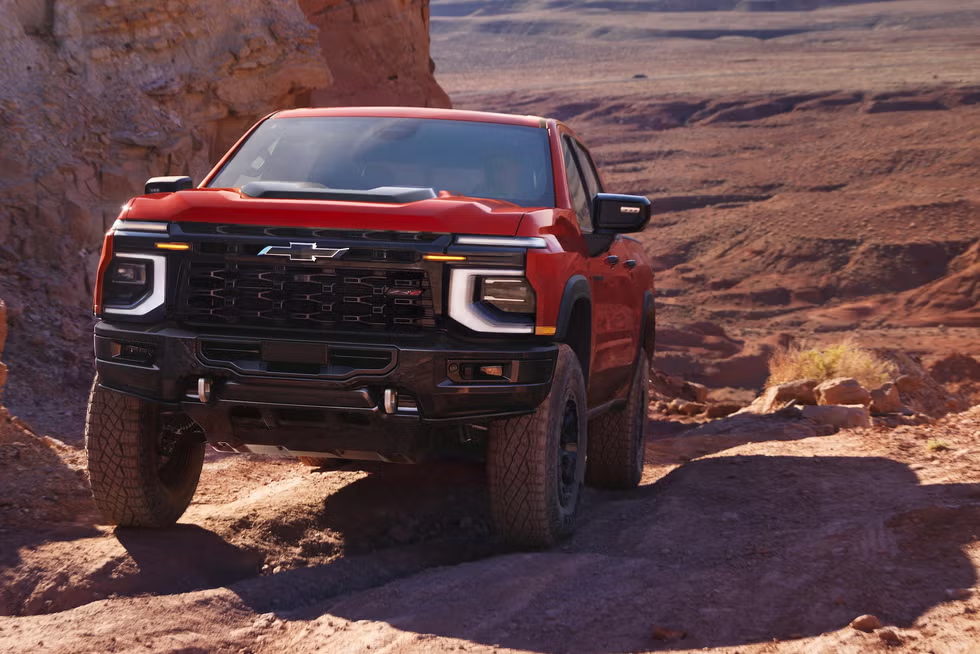
The 2027 Chevrolet Silverado receives updated styling and a new generation of powertrain options.
New V8 Engines Lead The Changes
One of the biggest developments for the 2027 Silverado is the introduction of two new naturally aspirated V8 engines.
The updated powertrains replace previous-generation V8 offerings and have been engineered to deliver stronger torque, improved towing capability and enhanced overall performance.
Chevrolet continues to embrace V8 power at a time when many competitors are moving toward smaller displacement engines, reinforcing the Silverado’s appeal among traditional truck buyers.
Expanded Powertrain Choices
In addition to the new V8 options, the Silverado lineup continues to offer multiple engine configurations tailored to different customer needs.
Buyers will be able to choose from gasoline, diesel and V8-powered models, giving the truck one of the broadest powertrain selections in the full-size pickup segment.
All versions now benefit from a 10-speed automatic transmission designed to improve both efficiency and performance.
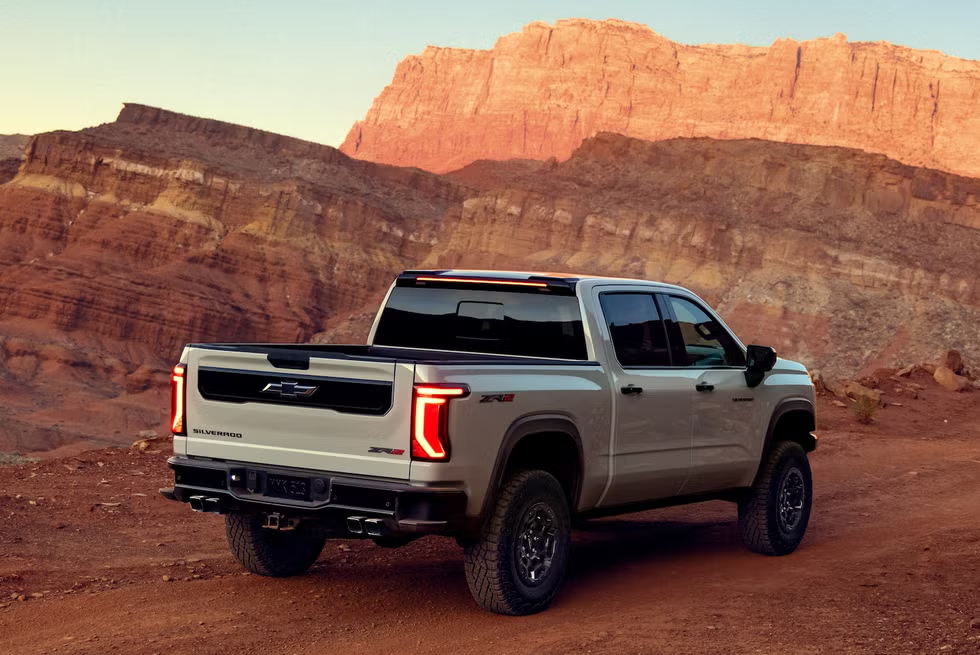
Off-road-focused Silverado models continue to play a key role in the truck’s lineup.
Off-Road Capability Remains A Priority
Chevrolet continues to invest heavily in off-road performance across the Silverado range.
Several trims are designed specifically for adventure-oriented customers, featuring specialized suspension systems, skid plates and terrain-focused technologies.
The Silverado’s off-road portfolio remains an important part of its identity as consumer demand for capable adventure vehicles continues to grow.
Interior Receives A Significant Technology Upgrade
Inside, the Silverado benefits from one of the most substantial updates in the truck’s history.
A large 16.3-inch infotainment display becomes a centerpiece of the cabin, accompanied by a 12.2-inch digital instrument cluster. Higher trims add even more technology, including additional passenger-focused displays and advanced connectivity features.
The redesigned interior also improves storage solutions and overall functionality for everyday use.
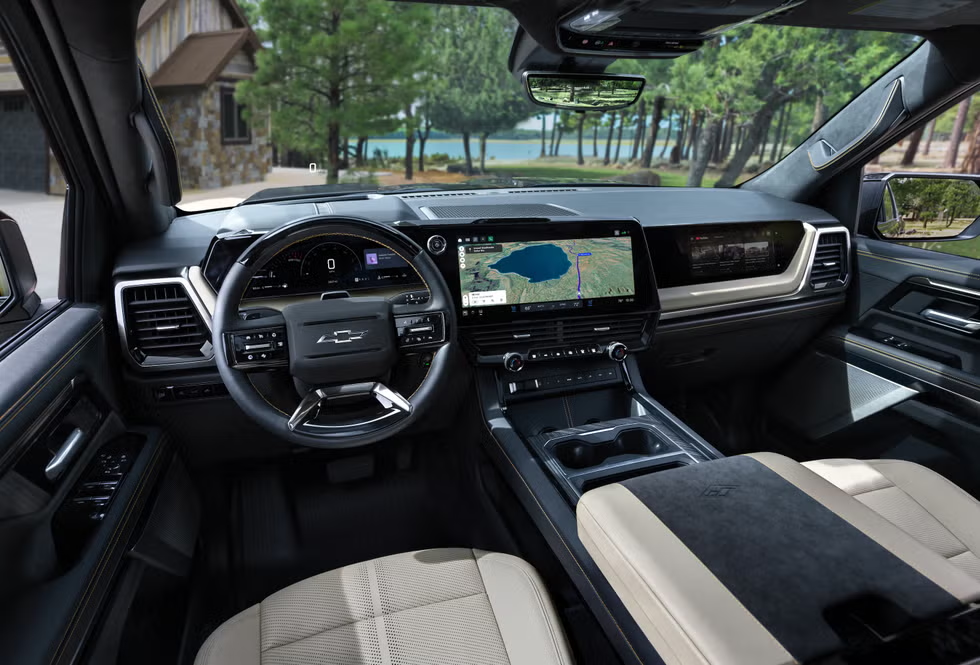
New digital displays bring a more modern and connected experience to the Silverado cabin.
Designed To Compete In A Changing Truck Market
The full-size pickup segment remains one of the most competitive categories in North America, and Chevrolet is positioning the Silverado to remain a strong contender.
Updated styling, improved technology and expanded powertrain choices help the truck address the evolving expectations of both loyal customers and new buyers entering the segment.
The Silverado continues to balance capability, comfort and versatility while maintaining the characteristics that have made it one of America’s most popular pickups.
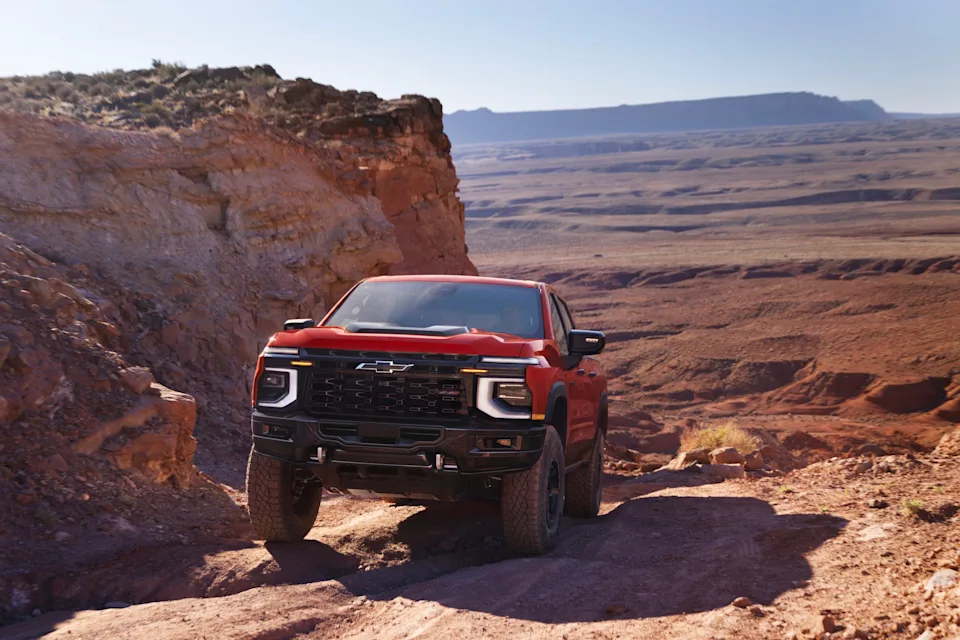
The 2027 Silverado combines traditional truck capability with modern technology and performance upgrades.
As Chevrolet prepares to launch the updated model, additional details regarding performance figures, towing specifications and pricing are expected to be announced. The new Silverado is set to play a central role in Chevrolet’s future truck strategy while continuing its rivalry with other leading full-size pickups in the U.S. market.










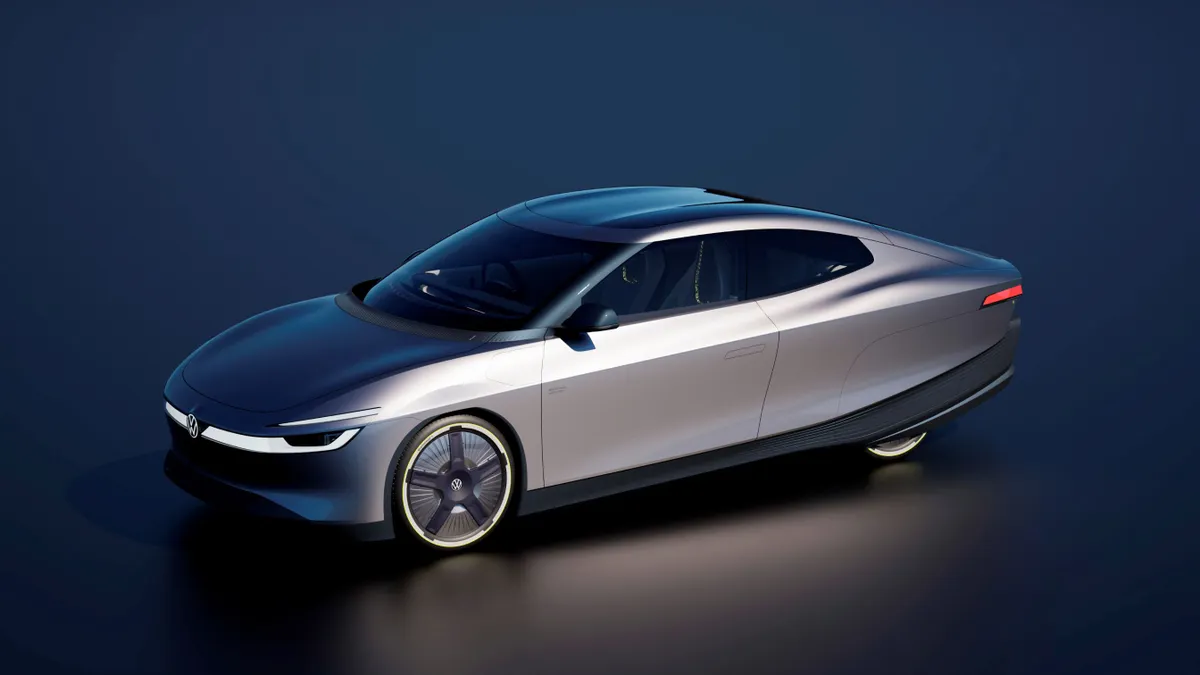
Volkswagen is bringing the ideas behind the radical XL1 into the electric era with the Mission Efficiency, a low-slung 2+2 prototype designed to show how far EV efficiency can go.
This is not a preview of a future production model. Instead, Volkswagen has developed the Mission Efficiency as a technology showcase built around its MEB+ architecture and electric drive technology from the new ID. Polo.
The result is an unusually sleek electric car designed to prove that increasing range does not always require installing a massive battery.
The XL1’s Philosophy Returns as an EV
The original XL1 became famous for its extreme focus on aerodynamic efficiency. Volkswagen has now taken that same philosophy and applied it to a much larger four-seat electric vehicle.
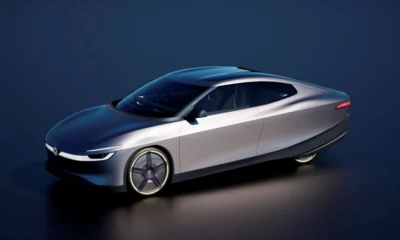
The Mission Efficiency measures roughly 188 inches long, 69 inches wide and only 55 inches tall. Its proportions are dominated by a long roofline, enclosed rear wheels and a tapered rear section that gives the car a distinctive teardrop profile.
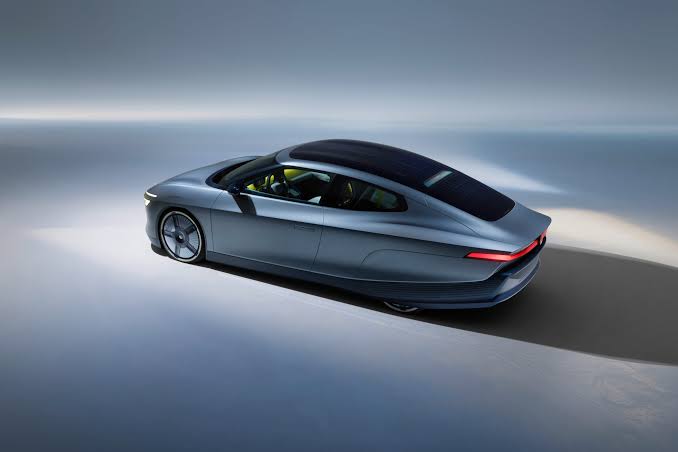
Volkswagen Mission Efficiency uses a long, low and aerodynamic body inspired by the efficiency-focused XL1.
Despite its XL1 inspiration, the Mission Efficiency is substantially larger. Its long body allows Volkswagen to accommodate four occupants while still retaining the aerodynamic shape needed to minimize resistance.
The result is a concept that looks more like an aerodynamic experiment than a conventional electric coupe.
Aerodynamics Are the Real Star
Volkswagen says the Mission Efficiency achieves a drag coefficient of just 0.158. That is even lower than the 0.189 coefficient of the original XL1.
The shape does most of the work. The front section tapers heavily, the roof extends toward the rear, and the enclosed rear wheels help reduce turbulence around the body.
Volkswagen also developed new aerodynamic hardware specifically for the prototype.
Three cooling flaps sit flush with the front bodywork and open only as much as necessary to provide cooling. Inside the wheels, patented deflectors are designed to prevent air from entering the rims and generating additional turbulence.
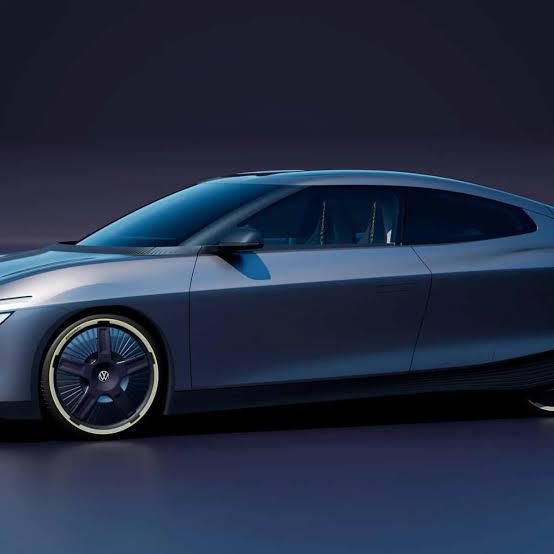
The Mission Efficiency uses a heavily tapered body, enclosed rear wheels and specialized aerodynamic elements to reduce drag.
These details demonstrate how much attention Volkswagen has placed on airflow. Rather than simply increasing battery capacity, the company is trying to reduce the amount of energy the vehicle needs in the first place.
The Mission Efficiency was also influenced by the company’s ID.R electric race car, showing that ideas from both road and motorsport programs have contributed to its aerodynamic approach.
ID. Polo Technology Powers the Prototype
Underneath the dramatic bodywork is technology that is much closer to production.
The Mission Efficiency uses the MEB+ platform with front-wheel drive and shares its electric drive technology with the ID. Polo. Its front-mounted synchronous motor produces 133 horsepower and 195 lb-ft of torque.
Power is sent to the front wheels through a single-speed transmission.
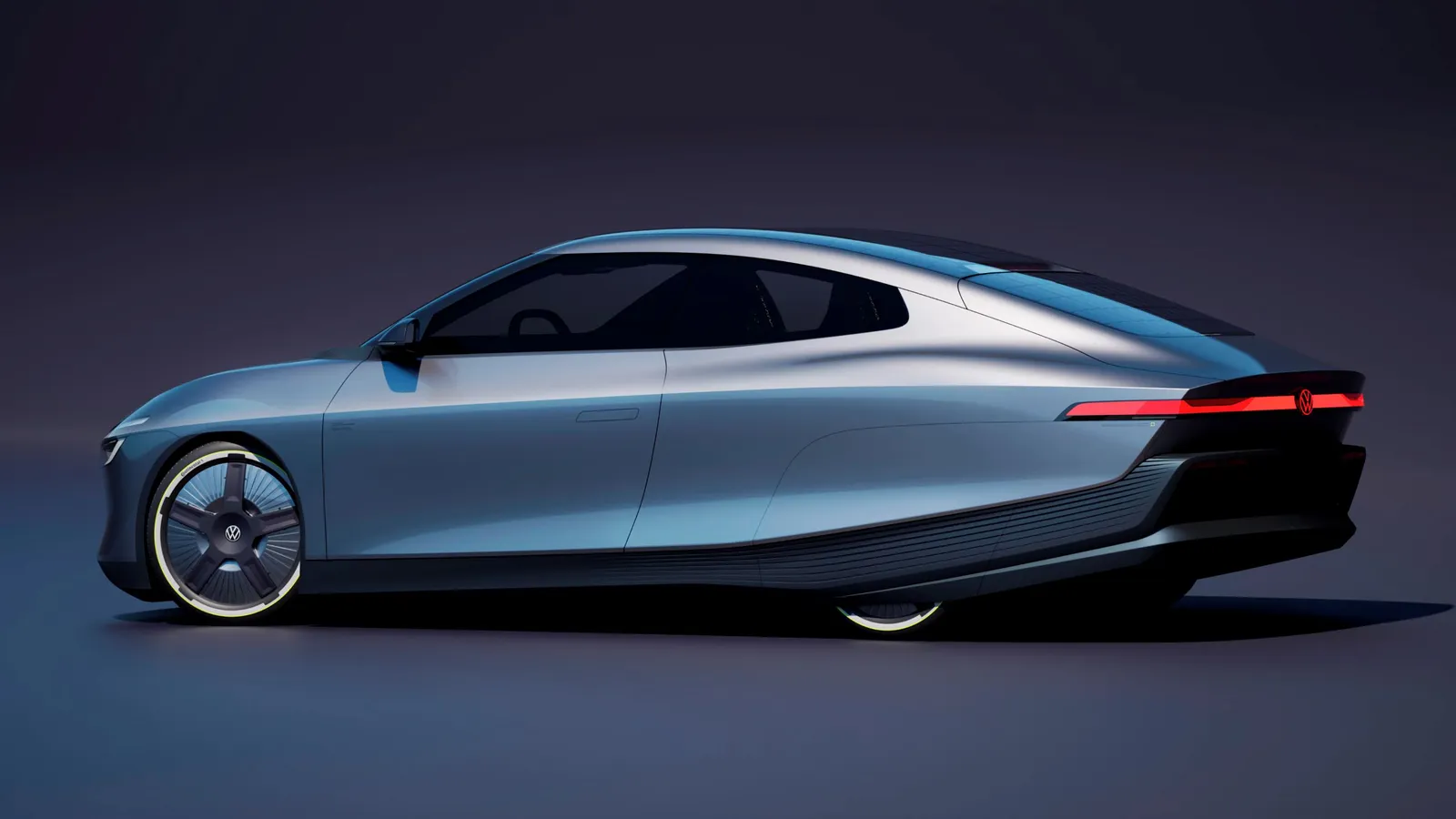
The Mission Efficiency uses an electric drivetrain derived from the Volkswagen ID. Polo rather than an exotic dedicated performance system.
The battery is also based on the production unit used by the ID. Polo. Volkswagen increased usable capacity from 52.0 to 54.9 kWh through software optimization.
Maximum DC charging power reaches 105 kW.
That combination is important because Volkswagen is demonstrating that extreme efficiency can come from refining relatively conventional production technology rather than relying on exotic hardware.
The Mission Efficiency Could Shape Future Volkswagens
The Volkswagen Mission Efficiency is ultimately a rolling engineering exercise. Its unusual proportions and aerodynamic solutions are intended to show what becomes possible when every component is developed around minimizing energy consumption.
That includes the body, battery, electric motor and thermal management systems. Even small improvements can become significant when they are combined across the entire vehicle.
The Mission Efficiency therefore revives the spirit of the XL1 without simply copying it. The original was a tiny two-seat efficiency experiment, while this new prototype turns the same philosophy into a roomier 2+2 electric vehicle built around technology that could influence Volkswagen’s next generation of EVs.
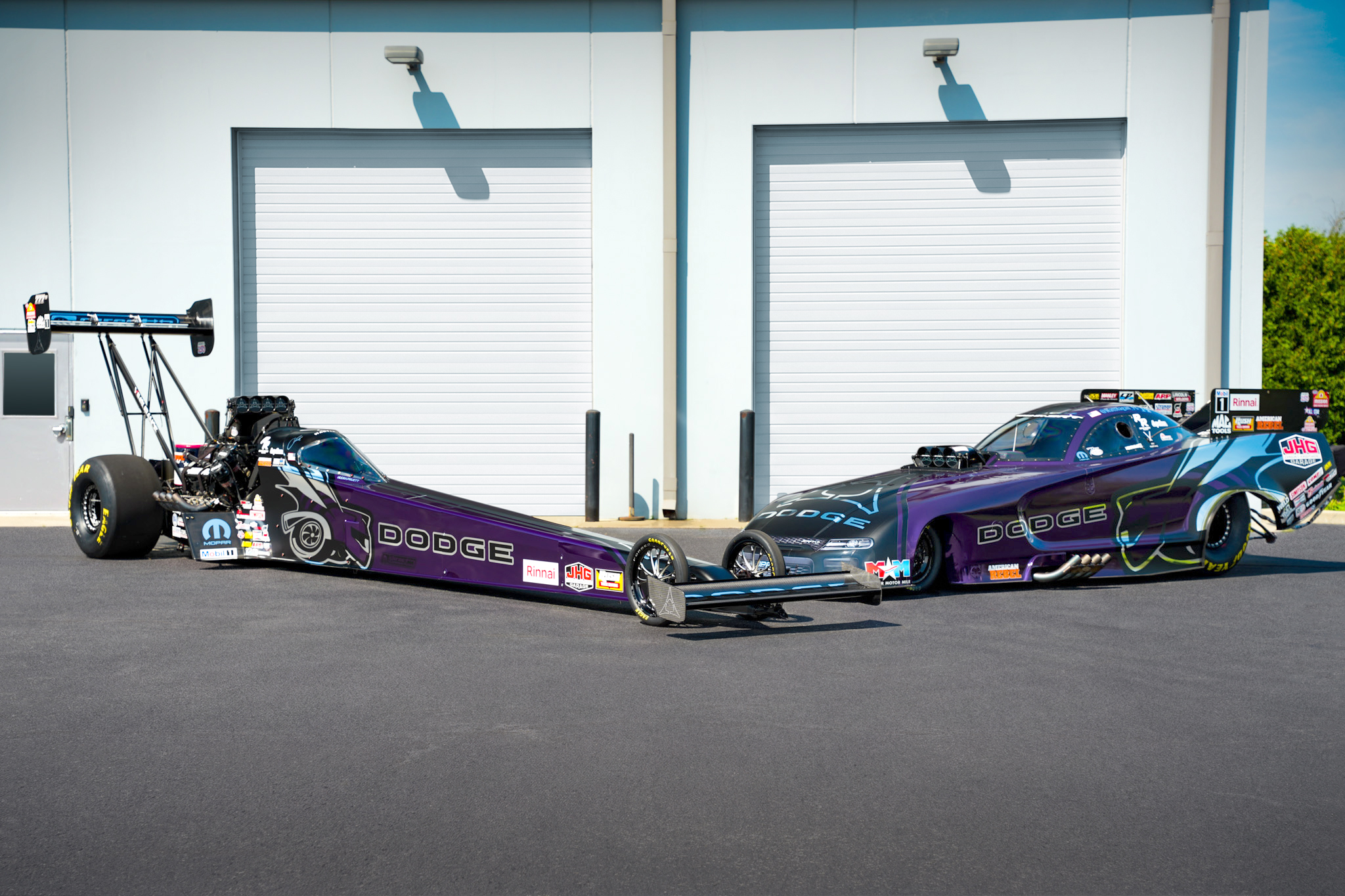
Dodge and Tony Stewart Racing are bringing new Super Bee and Purple Haze designs to NHRA drag racing as the series returns to Michigan for the first national event there in 66 years.
The event takes place September 18–20 at U.S. 131 Motorsports Park in Martin, Michigan. It will mark the first NHRA national event in the state in 66 years, giving Dodge an ideal setting to showcase its newest performance themes.
Team owner Tony Stewart joined Pruett and Hagan at the Chrysler Technology Center in Auburn Hills to reveal the new graphics ahead of the race.
Two TSR Dodge Cars Get a New Look
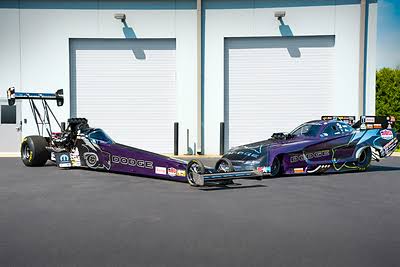
Pruett’s Top Fuel dragster and Hagan’s Funny Car will both carry the updated Dodge designs. The liveries combine the legendary Super Bee identity with the new Purple Haze exterior color developed for the 2027 Dodge Charger.
The combination is especially fitting for a brand that has spent decades building its identity around high-performance cars and bold visual designs.
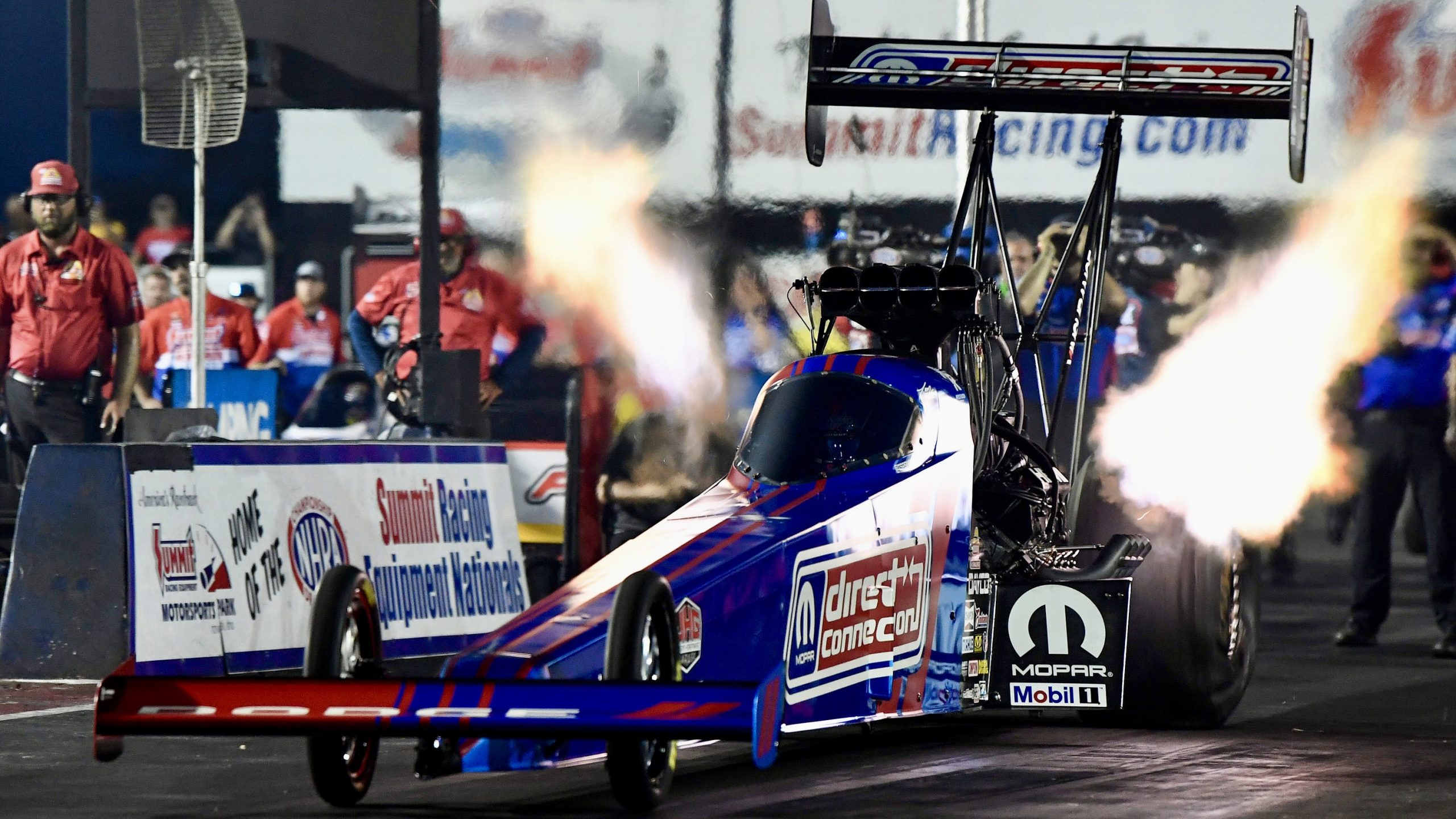
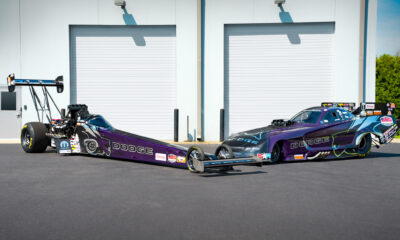
Leah Pruett’s TSR Dodge Top Fuel dragster will carry the new Super Bee-themed livery at the Dodge NHRA Great Lakes Nationals.
Each machine produces around 12,000 horsepower, creating an unmistakable connection between Dodge’s production performance cars and its NHRA racing program.
For Pruett, the Michigan event also represents an opportunity to add another victory to her growing Top Fuel record.
Matt Hagan Brings Purple Haze to Funny Car
Matt Hagan will race the new Purple Haze-themed TSR Dodge Funny Car. The four-time NHRA Funny Car champion enters the event as the 2026 regular-season champion and is now competing for another title during the six-race Countdown.
Hagan has already collected 58 career NHRA victories, all in the Funny Car category and all behind the wheel of a Dodge.
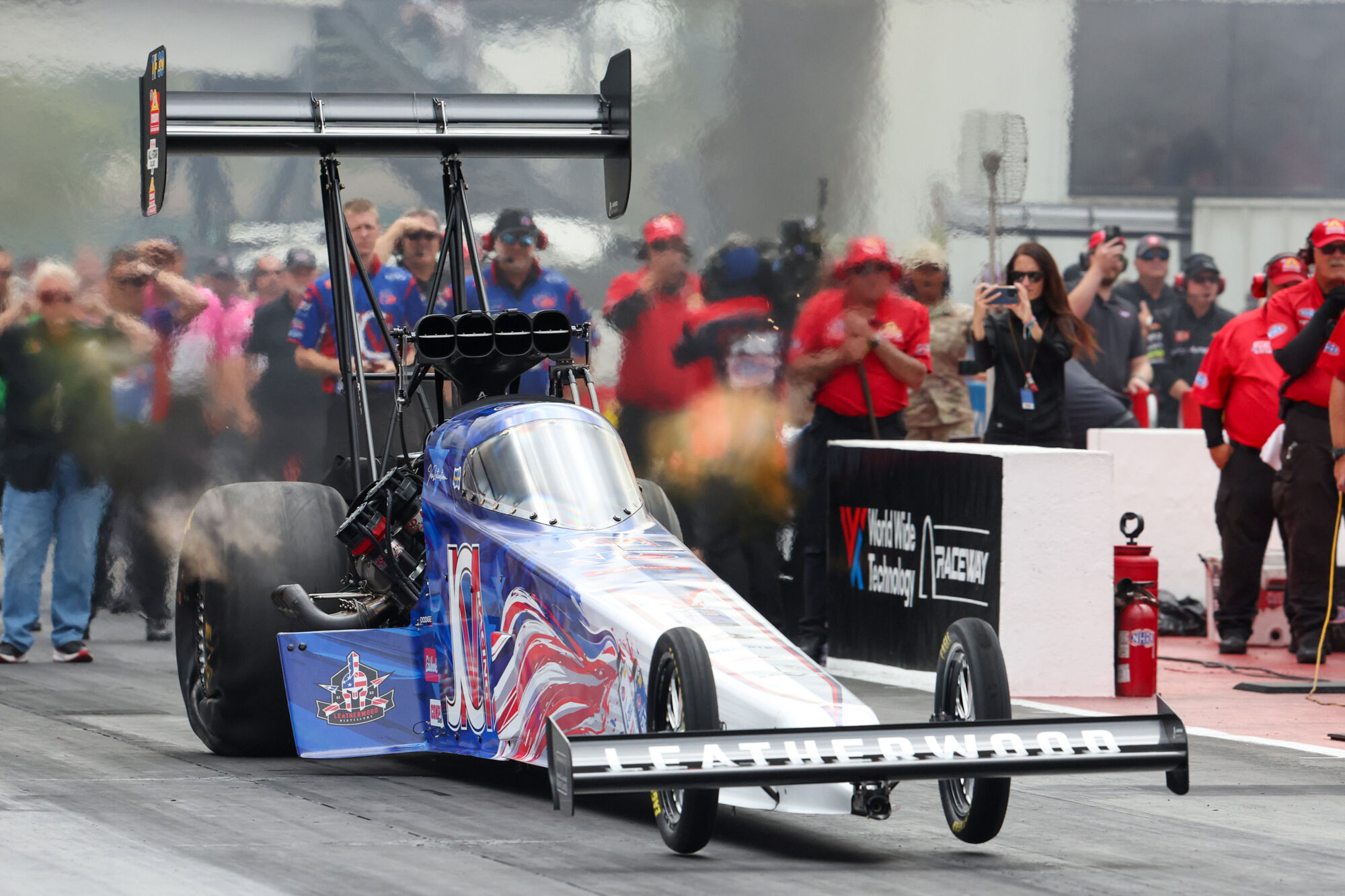
Matt Hagan’s TSR Dodge Funny Car receives a Purple Haze-inspired design ahead of the NHRA’s return to Michigan.
The new graphics give Hagan another distinctive Dodge identity for the championship stretch. He has already won three NHRA events in 2026 at Pomona, Bristol and Brainerd.
Hagan will now attempt to put the Super Bee logo in victory lane at one of the most significant races on this year’s NHRA calendar.
The 2027 Charger Super Bee Will Be on Display
The race weekend will also give fans their first opportunity to see the 2027 Dodge Charger Super Bee Launch Edition in person at the Manufacturers Midway.
The production model produces 600 horsepower from its SIXPACK powertrain, making it the most powerful Super Bee yet.
Dodge introduced the model earlier this summer at Roadkill Nights, where it was presented as the quickest, fastest and most powerful SIXPACK-powered Charger.
The 2027 Dodge Charger Super Bee Launch Edition will be displayed at U.S. 131 Motorsports Park during the NHRA weekend.
The new Purple Haze paint is also available to customers ordering the 2027 Charger. The limited-run color costs $795 and uses a high-gloss finish that changes its appearance depending on the lighting, becoming brighter in direct sunlight and deeper in the shade.
Dodge and NHRA Take the “Tour de Michigan” to the Track
Dodge is also turning the event into a broader enthusiast celebration with its NHRA Dodge “Tour de Michigan” cruise on September 17.
Owners of Dodge vehicles and performance cars from any brand can join the drive from Auburn Hills to Martin. The suggested route includes a stop in Hell, Michigan, before continuing toward U.S. 131 Motorsports Park.
The cruise gives enthusiasts an opportunity to arrive at the race together while celebrating Michigan’s deeply rooted performance-car culture.
A Big Weekend for Dodge and Tony Stewart Racing
The Dodge Super Bee NHRA liveries bring together two sides of the brand’s performance identity. On one side are Pruett and Hagan’s 12,000-horsepower race cars, while on the other is the new 600-horsepower Charger Super Bee that represents Dodge’s latest street-performance technology.
The timing could hardly be better. NHRA is returning to Michigan for the first national event in 66 years, and Dodge is using the occasion to put its newest performance branding directly in front of racing fans.
For Tony Stewart Racing, the goal is even simpler: turn the new Super Bee and Purple Haze colors into trophies when the NHRA action begins at U.S. 131 Motorsports Park.
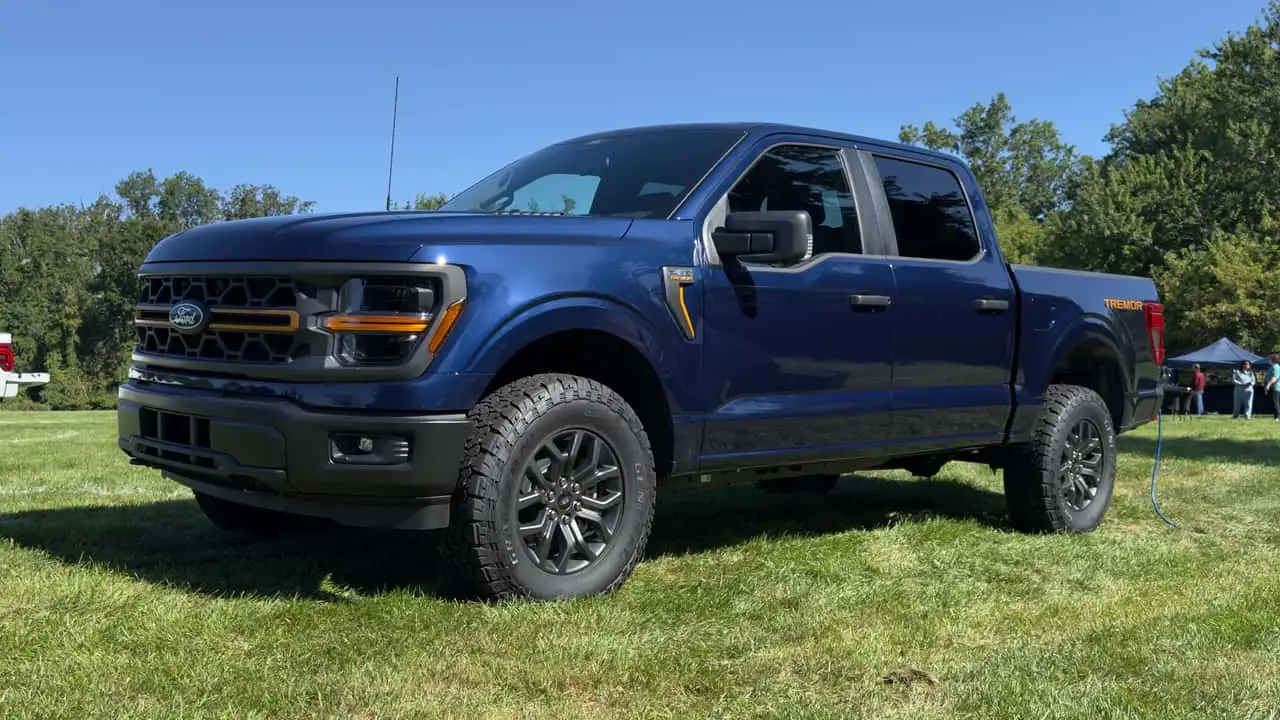
Ford is making its off-road F-150 lineup more accessible for 2027 with new entry-level Tremor and Raptor trims that sacrifice some equipment for significantly lower prices.
Ford is making two of its most capable off-road pickups more affordable for 2027. The 2027 Ford F-150 Raptor and F-150 Tremor are both getting new entry-level versions that remove some comfort and convenience features while keeping the hardware needed for serious off-road driving.
The strategy is straightforward. Buyers who care more about performance than luxury can now get into a Tremor or Raptor for several thousand dollars less.
The new 2027 F-150 Tremor starts at $62,410 with destination, while the Raptor starts at $77,800.
2027 F-150 Tremor Drops $5,300
Ford has created a simpler Tremor by removing several features from the truck.
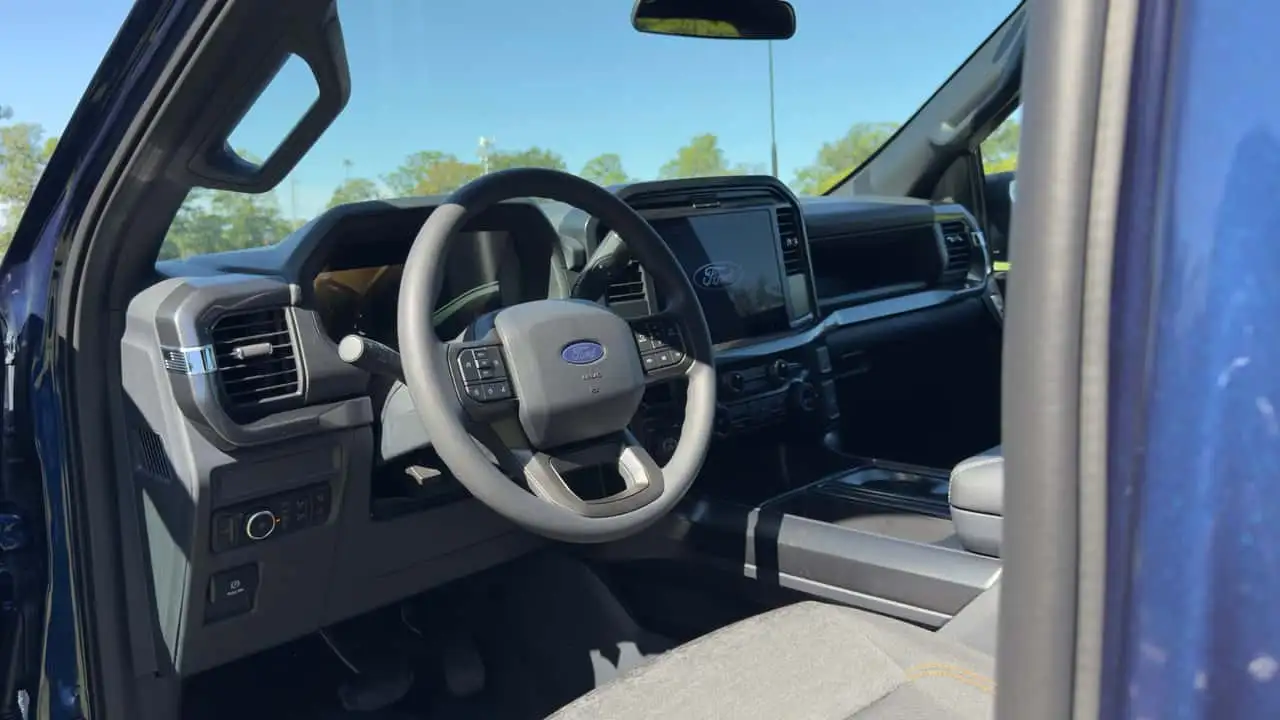
The new version borrows some equipment from the STX trim on which it is based, including its steering wheel. However, it loses dual-zone climate control, heated seats, a power-operated rear window and running boards.
The audio system has also been downgraded from the eight-speaker B&O setup to a six-speaker system.
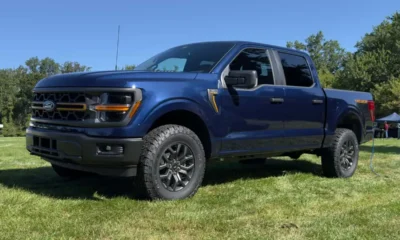
The 2027 Ford F-150 Tremor starts at $62,410 with destination, making it $5,300 cheaper than the previous model.
Despite the equipment cuts, Ford has not positioned the new Tremor as a less capable off-road truck.
Instead, the changes target convenience and comfort features that buyers focused on trail performance may consider less important.
That allows Ford to lower the entry price without fundamentally changing the purpose of the Tremor.
Ford Also Creates a “Diet” Raptor
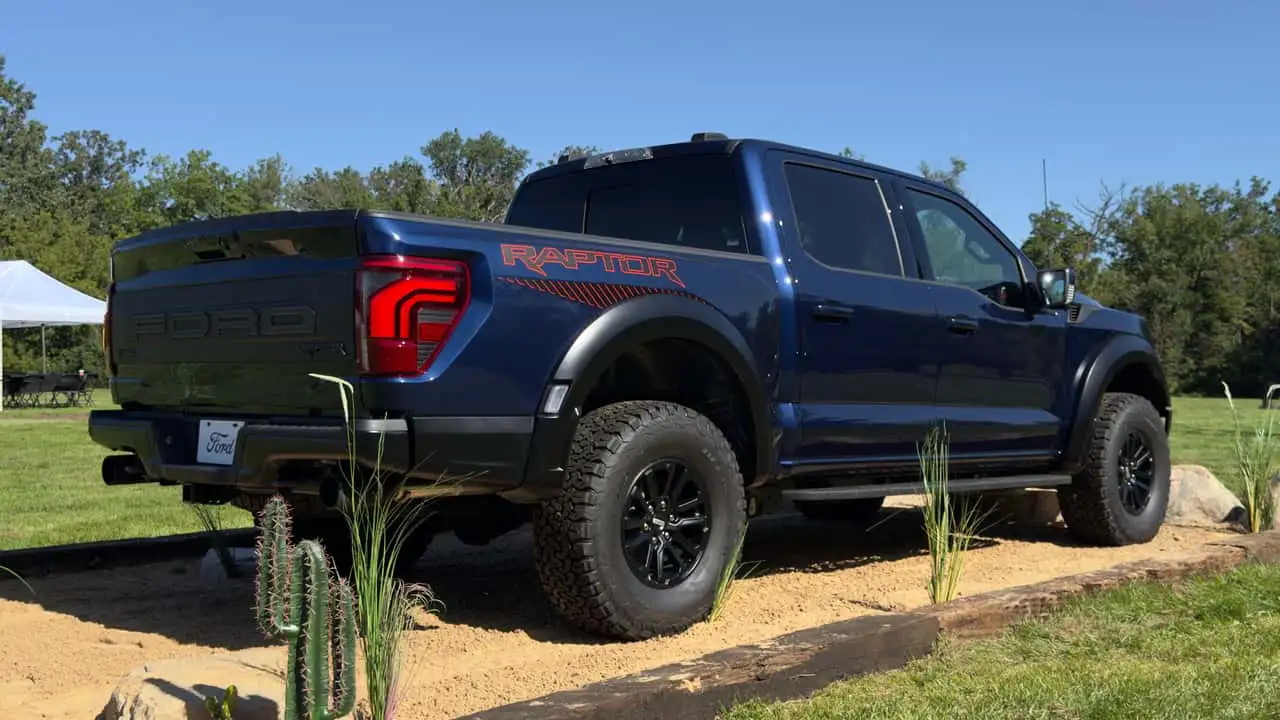
The 2027 Ford F-150 Raptor gets a similar treatment.
Ford removes the head-up display, power passenger seat, under-seat storage and fog lamps from the new entry-level version.
The truck’s Pro Power Onboard system is also reduced from 2.0 kW to 400 watts. Additionally, the power-adjustable steering column is replaced with a manual unit.
The entry-level 2027 Ford F-150 Raptor loses several comfort features but retains the performance hardware that defines the model.
The audio system sees another downgrade, moving from the 14-speaker setup to an eight-speaker B&O system.
However, Ford leaves the most important part untouched: the engine.
Raptor Keeps Its 450-HP EcoBoost
Under the hood, the standard Raptor continues using Ford’s high-output 3.5-liter EcoBoost V6.
It produces 450 horsepower and 510 lb-ft of torque, preserving the performance buyers expect from Ford’s off-road flagship.
The Raptor R also remains available with its supercharged 5.2-liter V8. That engine continues to produce an impressive 720 horsepower.
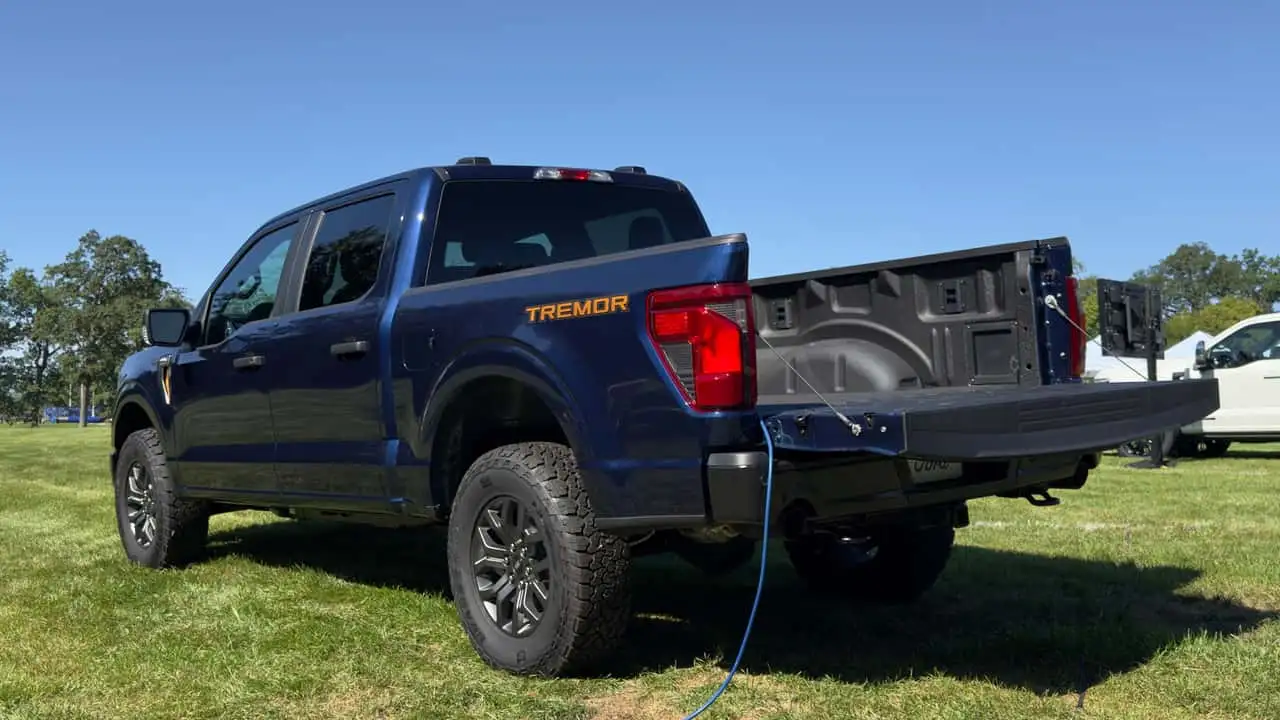
The Raptor R keeps its supercharged 5.2-liter V8 and 720 horsepower for 2027.
That means Ford has separated luxury equipment from the core performance package. Buyers can spend less on a Raptor without giving up the engine that makes the truck special.
2027 Raptor and Tremor Pricing
The pricing changes are substantial.
The 2027 F-150 Tremor starts at $62,410, including the $2,795 destination charge. That represents a $5,300 reduction compared with the 2026 model’s $67,710 starting price.
Meanwhile, the 2027 F-150 Raptor starts at $77,800 with destination, which is $4,000 below the previous model’s $81,800 starting price.
Ford Makes Off-Road Performance More Accessible
The 2027 Ford F-150 Raptor and Tremor demonstrate a different approach to lowering vehicle prices. Rather than changing their fundamental off-road capabilities, Ford has removed equipment that is less important to performance-focused buyers.
The result is a pair of pickups that should appeal to customers who would rather save thousands of dollars than pay for luxury features they may rarely use.
For the Raptor, especially, the strategy is significant. A lower starting price gives more buyers access to the 450-horsepower EcoBoost V6 without forcing them to move into a more heavily equipped and expensive configuration.
-

 TEST DRIVES2 months ago
2026 Maserati MCPura Cielo
-

 INTELLIGENT MOBILITY2 months ago
2027 Toyota Crown Gets New Hybrid System and Fresh Design
-

 NOW TRENDING2 months ago
2027 Range Rover GT Debuts as the Brand’s Lowest EV
-
 NOW TRENDING2 months ago
Mercedes-AMG Admits the C63 Hybrid Was a Mistake for Buyers
-

 NOW TRENDING2 months ago
Honda Civic Si Production Ends After 2026 Model Year Pause
-

 NOW TRENDING2 months ago
Next-Gen Cadillac CT5-V Blackwing Could Keep the V8 Alive
-
 NOW TRENDING2 months ago
Rolls-Royce’s $32 Million Droptail Took 9 Months of Handcrafted Woodwork
-
 NOW TRENDING2 months ago
2027 Toyota Sequoia Adds Trailhunter Package and New Tech
You must be logged in to post a comment Login