
NOW TRENDING
Volkswagen Mission Efficiency Revives the XL1’s Aero Formula

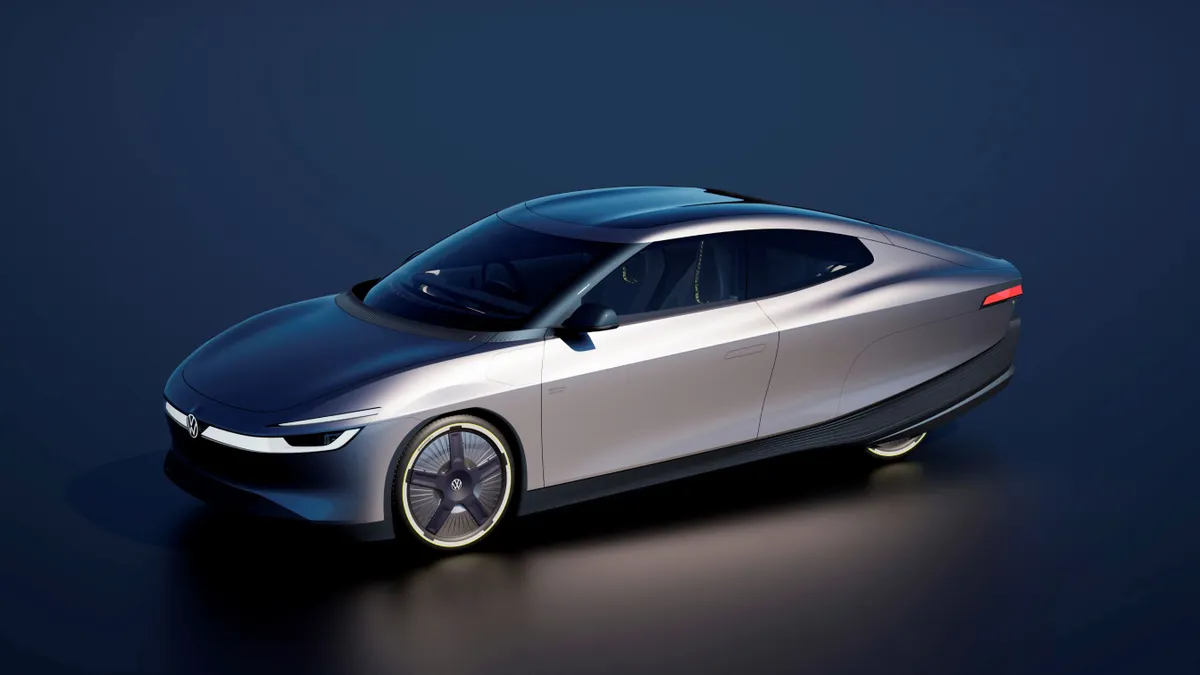
Volkswagen is bringing the ideas behind the radical XL1 into the electric era with the Mission Efficiency, a low-slung 2+2 prototype designed to show how far EV efficiency can go.
This is not a preview of a future production model. Instead, Volkswagen has developed the Mission Efficiency as a technology showcase built around its MEB+ architecture and electric drive technology from the new ID. Polo.
The result is an unusually sleek electric car designed to prove that increasing range does not always require installing a massive battery.
The XL1’s Philosophy Returns as an EV
The original XL1 became famous for its extreme focus on aerodynamic efficiency. Volkswagen has now taken that same philosophy and applied it to a much larger four-seat electric vehicle.
The Mission Efficiency measures roughly 188 inches long, 69 inches wide and only 55 inches tall. Its proportions are dominated by a long roofline, enclosed rear wheels and a tapered rear section that gives the car a distinctive teardrop profile.
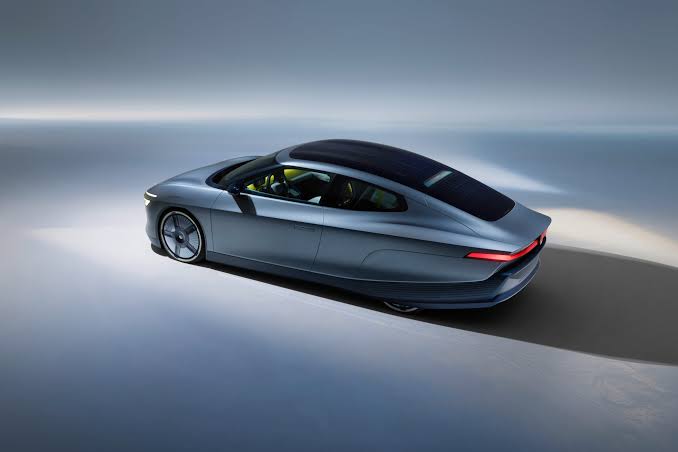
Volkswagen Mission Efficiency uses a long, low and aerodynamic body inspired by the efficiency-focused XL1.
Despite its XL1 inspiration, the Mission Efficiency is substantially larger. Its long body allows Volkswagen to accommodate four occupants while still retaining the aerodynamic shape needed to minimize resistance.
The result is a concept that looks more like an aerodynamic experiment than a conventional electric coupe.
Aerodynamics Are the Real Star
Volkswagen says the Mission Efficiency achieves a drag coefficient of just 0.158. That is even lower than the 0.189 coefficient of the original XL1.
The shape does most of the work. The front section tapers heavily, the roof extends toward the rear, and the enclosed rear wheels help reduce turbulence around the body.
Volkswagen also developed new aerodynamic hardware specifically for the prototype.
Three cooling flaps sit flush with the front bodywork and open only as much as necessary to provide cooling. Inside the wheels, patented deflectors are designed to prevent air from entering the rims and generating additional turbulence.
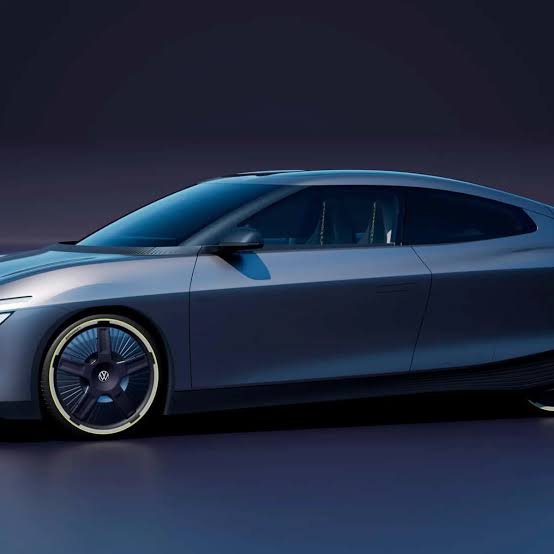
The Mission Efficiency uses a heavily tapered body, enclosed rear wheels and specialized aerodynamic elements to reduce drag.
These details demonstrate how much attention Volkswagen has placed on airflow. Rather than simply increasing battery capacity, the company is trying to reduce the amount of energy the vehicle needs in the first place.
The Mission Efficiency was also influenced by the company’s ID.R electric race car, showing that ideas from both road and motorsport programs have contributed to its aerodynamic approach.
ID. Polo Technology Powers the Prototype
Underneath the dramatic bodywork is technology that is much closer to production.
The Mission Efficiency uses the MEB+ platform with front-wheel drive and shares its electric drive technology with the ID. Polo. Its front-mounted synchronous motor produces 133 horsepower and 195 lb-ft of torque.
Power is sent to the front wheels through a single-speed transmission.
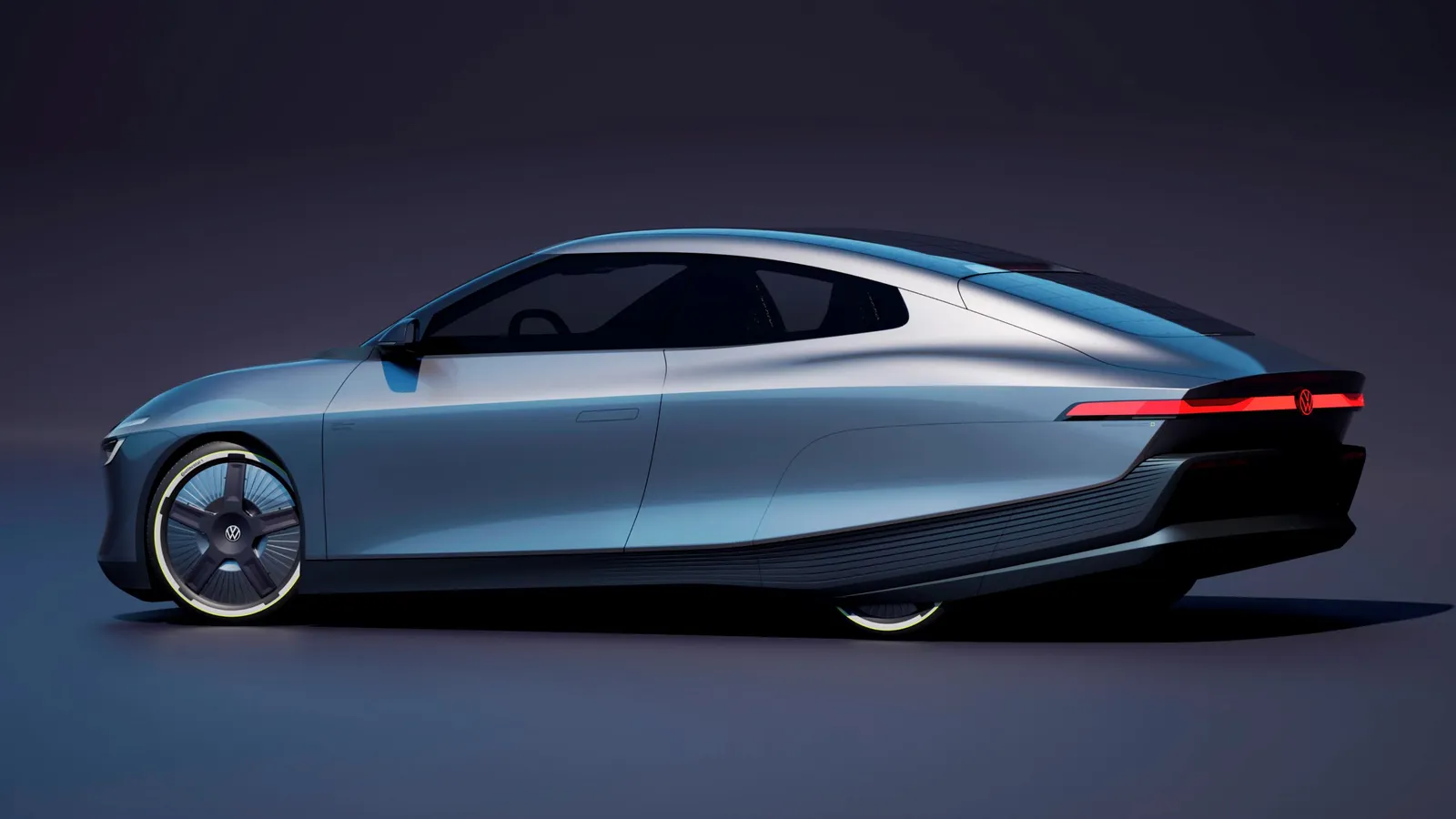
The Mission Efficiency uses an electric drivetrain derived from the Volkswagen ID. Polo rather than an exotic dedicated performance system.
The battery is also based on the production unit used by the ID. Polo. Volkswagen increased usable capacity from 52.0 to 54.9 kWh through software optimization.
Maximum DC charging power reaches 105 kW.
That combination is important because Volkswagen is demonstrating that extreme efficiency can come from refining relatively conventional production technology rather than relying on exotic hardware.
The Mission Efficiency Could Shape Future Volkswagens
The Volkswagen Mission Efficiency is ultimately a rolling engineering exercise. Its unusual proportions and aerodynamic solutions are intended to show what becomes possible when every component is developed around minimizing energy consumption.
That includes the body, battery, electric motor and thermal management systems. Even small improvements can become significant when they are combined across the entire vehicle.
The Mission Efficiency therefore revives the spirit of the XL1 without simply copying it. The original was a tiny two-seat efficiency experiment, while this new prototype turns the same philosophy into a roomier 2+2 electric vehicle built around technology that could influence Volkswagen’s next generation of EVs.








-

 NOW TRENDING2 months ago
Aston Martin DBX Becomes Harry Da Souza’s Ride in MobLand
-
 TEST DRIVES1 month ago
2026 Maserati GranTurismo Trofeo Review: Miami
-
 INTELLIGENT MOBILITY1 month ago
Tesla Cybercab Navigation Problem Hits Austin Robotaxis
-
 INTELLIGENT MOBILITY2 months ago
Tesla Cybercab Cannot Be Charged at Home—Here’s Why
-

 TEST DRIVES1 month ago
2026 Maserati GranTurismo Coupe
-
 INTELLIGENT MOBILITY1 month ago
2027 Nissan Rogue Hybrid: e-POWER Comes to America
-
 NOW TRENDING2 months ago
This Lotus Elise Restomod Weighs Just 1,320 Pounds
-

 NOW TRENDING2 months ago
Toyota Recalls Around 10,000 C-HR EVs Over Battery Overcharge Risk