
NOW TRENDING
Toyota Could Bring Physical Buttons Back to the RAV4

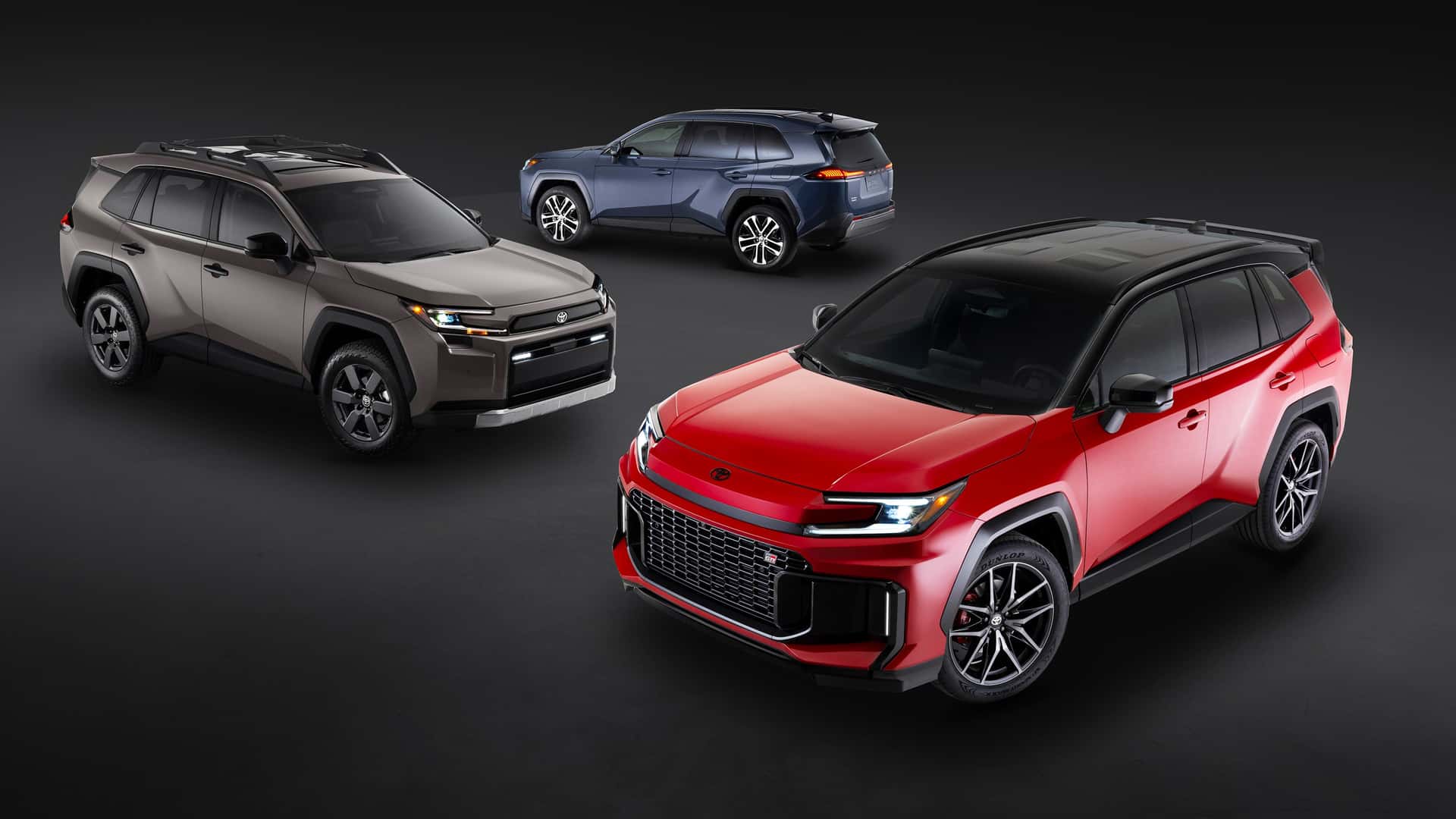
Toyota is evaluating customer feedback on the new RAV4 and could restore more physical buttons to improve everyday usability.
The Toyota RAV4 physical buttons could make a comeback as the automaker evaluates customer reactions to the redesigned cabin of its sixth-generation SUV. Toyota initially moved several frequently used functions to the central touchscreen, following an industry trend toward cleaner, more digital interiors.
However, the company is now considering whether that approach went too far. While physical controls remain available for functions such as temperature and volume, other settings, including fan speed, require drivers to interact with the infotainment display.

The latest Toyota RAV4 features a more digital dashboard with fewer physical controls.
Toyota RAV4 Physical Buttons Could Return
Toyota originally explored an even more radical approach for the new RAV4, with most key cabin functions controlled exclusively through the touchscreen. During development, the company ultimately decided to retain some traditional switches and knobs.
Now, feedback from customers could influence the next step. The RAV4’s chief engineer confirmed that the possibility of restoring additional physical controls remains under evaluation, suggesting Toyota is prepared to make changes if drivers demand them.
The decision reflects a broader challenge facing automakers: balancing increasingly sophisticated infotainment systems with controls that remain intuitive and easy to operate while driving.

Toyota is evaluating whether additional physical controls could improve the RAV4’s usability.
Drivers Are Asking Automakers for More Buttons
The debate surrounding Toyota RAV4 physical buttons is part of a wider shift in the automotive industry. After years of replacing traditional controls with touchscreens and capacitive surfaces, manufacturers are increasingly reconsidering how drivers interact with essential vehicle functions.
Customer preferences in China have also influenced Toyota’s thinking. Drivers there have shown a preference for traditional knobs and switches, prompting the automaker to introduce more physical controls in some vehicles offered in that market.
Other manufacturers have faced similar decisions as buyers demand easier access to frequently used features. The trend suggests that large touchscreens will remain central to modern vehicle cabins, but they may increasingly coexist with dedicated physical controls.

Customer demand for traditional buttons and knobs is influencing the design of modern vehicle interiors.
For Toyota, any future changes will ultimately depend on feedback from RAV4 owners. If drivers continue asking for easier access to essential functions, the automaker appears willing to reconsider its touchscreen-focused strategy and bring additional physical buttons back to one of its most important SUVs.










-

 TEST DRIVES2 months ago
2026 Maserati GranTurismo Trofeo Review: Miami
-
 INTELLIGENT MOBILITY2 months ago
Tesla Cybercab Navigation Problem Hits Austin Robotaxis
-
 INTELLIGENT MOBILITY2 months ago
2027 Nissan Rogue Hybrid: e-POWER Comes to America
-

 TEST DRIVES2 months ago
2026 Maserati GranTurismo Coupe
-
 NOW TRENDING2 months ago
Land Rover Defender Recall 2026: 23,677 JLR SUVs Affected
-
 Formula12 months ago
Cadillac F1 2026 Faces an Eight-Race Logistics Challenge
-

 NOW TRENDING2 months ago
2027 Silverado HD: New 8.3L Duramax V8 Revealed
-
 NOW TRENDING2 months ago
Hyundai September 2026 Sales Hit Record 77,439