
The legendary Toyota Sprinter Trueno AE86 (1983–1987) celebrates the 30th anniversary of the manga Initial D, the story that turned it into a global motorsport icon. A lightweight, rear-wheel-drive sports car that forever changed Japanese automotive history.

The origin of a Japanese legend
At the height of the Japan Mobility Show 2025, JDM (Japanese Domestic Market) cars are once again in the spotlight. And among them, few inspire as much nostalgia as the Toyota Sprinter Trueno AE86, also known in some markets as the Corolla Levin. Produced between 1983 and 1987, this compact sports coupe combined light weight, perfect balance, and a high-revving engine, earning its place as a purist’s dream machine.
Despite its modest power – just over 120 HP – its low weight (between 900 and 1,045 kg) and rear-wheel-drive layout made it exceptionally agile and rewarding to drive. The AE86 was offered in hatchback and notchback body styles, depending on the market, and featured the legendary 1.6-liter 4A-GE DOHC engine, capable of spinning up to 7,800 rpm.
“Hachi-Roku”: the number that made history
In Japan, the AE86 earned the nickname “Hachi-Roku”, meaning “eight-six,” a direct reference to its chassis code. That name would later inspire the modern Toyota GT86 and GR86. In its era, the AE86 stood out for its near-perfect 50:50 weight distribution, McPherson front suspension, coil-spring rear axle, optional limited-slip differential, and a five-speed manual gearbox.
Japanese buyers could choose between GT, GT-V, and GT-APEX trims, with the latter being the most luxurious, offering a sports steering wheel, leather seats, air conditioning, and power steering. Collectors still prize the Trueno Black Limited, a special edition limited to just 400 units. In total, more than 360,000 AE86s were produced at Toyota’s Kanto Higashi-Fuji and Takaoka plants.
From drift hero to Initial D superstar

While the AE86 was already loved by driving enthusiasts, its true rise to fame came through the manga and anime series Initial D, created by Shuichi Shigeno in 1995. The protagonist, Takumi Fujiwara, drove a Toyota Sprinter Trueno GT-APEX as he mastered the art of drifting through Gunma’s mountain passes, with guidance from real-life racing driver Keiichi Tsuchiya, the legendary “Drift King.”
That blend of authentic car culture, Japanese storytelling, and pure driving passion transformed the AE86 into a global JDM icon, revered by both anime fans and automotive purists alike.
A legacy that still drives the passion
Thirty years after the debut of Initial D, the Toyota AE86 remains one of the most beloved cars in automotive history. Its influence can be felt everywhere–from driving simulators like Gran Turismo to Toyota and Subaru’s modern sports coupes. In 2021, Toyota even resumed limited production of original AE86 parts, including steering columns, brake calipers, and drive shafts, to keep the legend alive.
The AE86 is more than just a car–it’s a symbol of balance, engineering excellence, and cultural impact that only Japan could create. Four decades after its debut, the “Hachi-Roku” continues to embody the soul of drifting and the spirit of Japanese performance driving.


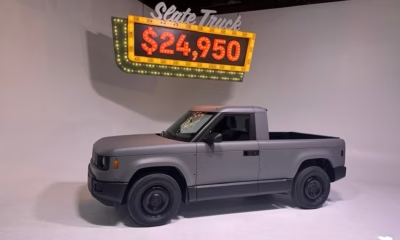

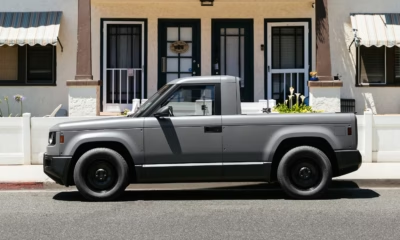






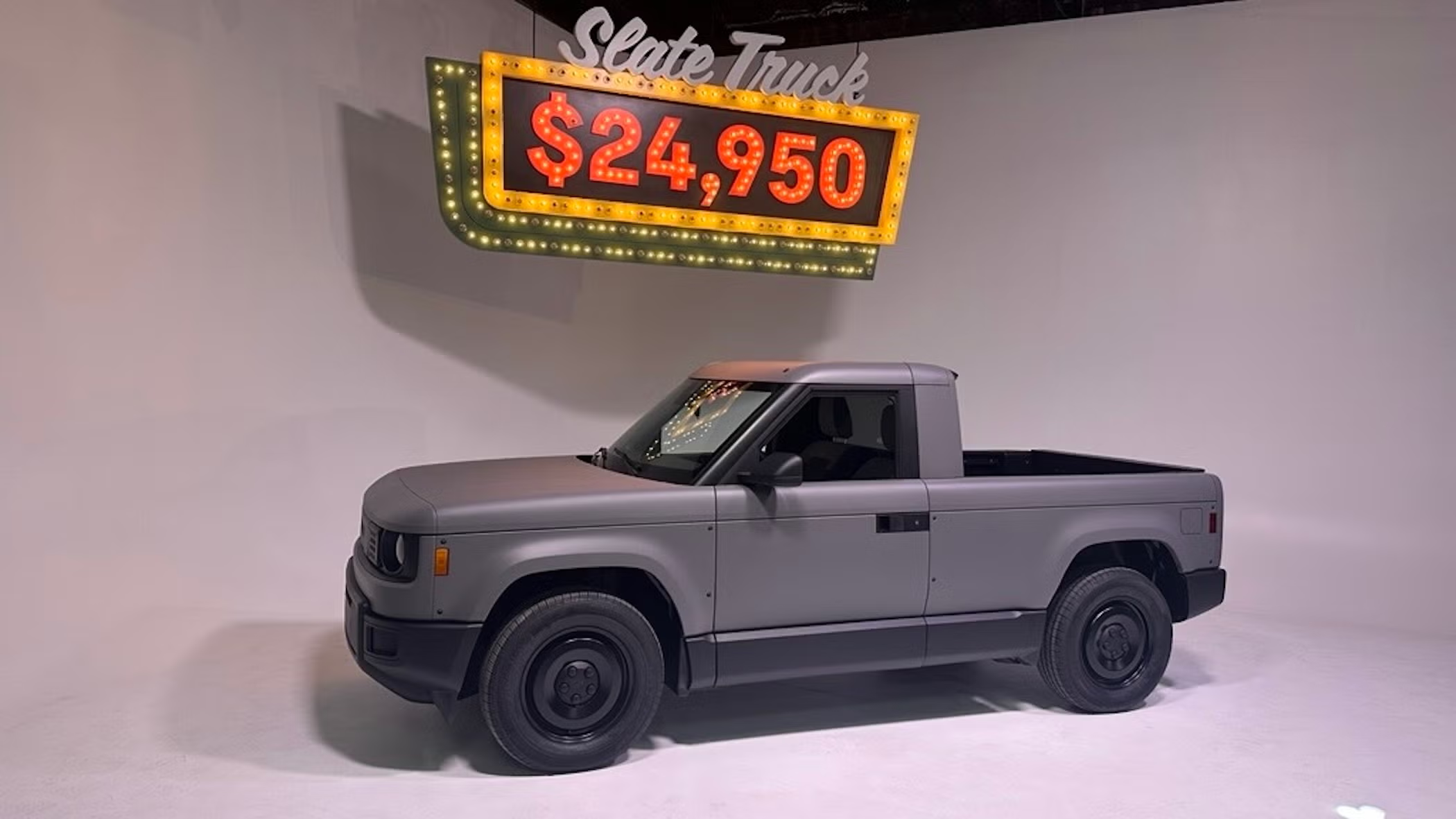
Slate has confirmed pricing, improved driving range and new details for its affordable electric pickup ahead of deliveries.
Slate has officially confirmed pricing and new specifications for its highly anticipated electric pickup. Starting at just $26,400 including destination, the Slate electric truck will become one of the most affordable new EVs in the United States when deliveries begin later this year.
The startup also revealed improvements in driving range, payload capacity and charging performance ahead of production.

The Slate electric truck starts at $26,400, making it one of the most affordable EV pickups in the U.S.
Affordable price with extensive customization
The entry-level Blank Slate pickup starts at $26,400, including a $1,450 destination fee.
Customers can also choose two SUV variants:
- Blank Slate Pickup: $26,400
- Squareback SUV: $31,400
- Fastback SUV: $33,400
Slate will sell vehicles directly to customers, with every truck leaving the factory in the same gray finish before receiving one of 100 available vinyl wraps. Around 40 wrap colors cost just $499, while nearly all accessories can be installed later by owners.

Buyers can personalize the Slate with dozens of wraps and accessories after purchase.
More range and better utility
One of the biggest improvements is the adoption of a new 63-kWh LFP battery, increasing estimated driving range from 150 miles to 205 miles.
The rear-wheel-drive electric motor produces 181 horsepower and 195 lb-ft of torque, allowing the truck to accelerate from 0 to 60 mph in 8.0 seconds before reaching a top speed of 90 mph.
Charging is handled through a Tesla-compatible NACS connector, supporting DC fast charging up to 120 kW and an 11-kW onboard AC charger capable of fully recharging the battery in about four hours with Level 2 equipment.
Payload capacity has also increased to 1,550 pounds, while towing capacity now reaches 2,000 pounds. Thanks to its electric architecture, the truck also offers a 7-cubic-foot front trunk in addition to its five-foot cargo bed.

The Slate electric truck now offers up to 205 miles of range with its new LFP battery.
Slate says it has already received approximately 180,000 reservations and expects to begin customer deliveries during the fourth quarter of 2026. The company aims to ramp production to 150,000 vehicles annually by late next year, positioning the Slate as one of the most affordable and customizable electric pickups available in the U.S. market.

The affordable Slate electric truck starts at $26,400, but adding accessories can nearly double its final price.
The Slate electric truck has attracted attention with its low starting price, but buyers who customize it heavily could end up paying almost twice as much. After revealing its $1,450 destination fee, the startup’s online configurator shows how quickly the cost can climb with optional accessories.
While the base pickup remains one of the most affordable EVs on the market, personalization comes at a premium.
The Slate electric truck starts at $26,400 before adding optional accessories.
Three body styles and hundreds of customization options
Slate offers the truck in three different configurations:
- Blank Slate Pickup: $26,400
- Squareback SUV: $31,400
- Fastback SUV: $33,400
Customers can personalize nearly every aspect of the vehicle, including custom vinyl wraps, decals, auxiliary lighting, roof racks, grille designs, wider fender flares and 20-inch wheels.
A custom exterior wrap alone adds $1,599.99, while premium wheels increase the price by another $1,399.99.

Buyers can choose from dozens of exterior accessories and custom appearance packages.
Interior upgrades quickly increase the price
The cabin follows the same philosophy, allowing buyers to add features that are absent from the standard truck.
Optional equipment includes a center console, upgraded speakers, storage systems, floor mats, colored interior trim and a dashboard-mounted tablet that serves as the infotainment display.
After selecting nearly every available option on the Fastback SUV, the total reached $47,744.39, and that figure could climb even higher since some accessories still don’t have official pricing.

A fully equipped Slate Fastback SUV can approach $48,000 with optional upgrades.
The Slate electric truck remains one of the most affordable new EVs in the United States, but its highly customizable approach means buyers can easily transform a budget-friendly pickup into a much more expensive vehicle. For customers looking to maximize value, choosing accessories carefully will be key to keeping the final price under control.

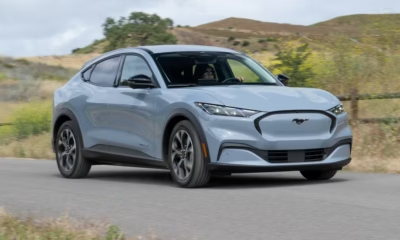
A Ford Mustang Mach-E owner claims the automaker should return tariff-related price increases after receiving a federal refund.
Ford is facing a proposed class-action lawsuit after a California customer argued that the automaker should return tariff-related price increases to buyers. The lawsuit comes after the federal government agreed to refund import duties previously collected under tariffs that were later ruled unlawful.
The case centers on the Ford Mustang Mach-E, which is manufactured in Mexico and was affected by higher import costs.

A Ford Mustang Mach-E owner is seeking a refund through a proposed class-action lawsuit.
Customer says Ford should share tariff refund
The lawsuit was filed on July 9 by California resident Jason Bullock, who claims Ford increased prices and destination charges to offset import tariffs on Mexican-built vehicles.
After the U.S. Supreme Court ruled that the tariffs exceeded presidential authority under the International Emergency Economic Powers Act (IEEPA), the federal government agreed to refund affected import duties.
Ford has previously estimated it could recover approximately $1.3 billion through those refunds.

The lawsuit argues Ford should return tariff-related costs to affected customers.
The legal battle could affect other major companies
According to the complaint, Ford would receive an unfair financial benefit if it keeps both the government refund and the higher prices previously paid by customers.
The lawsuit argues that buyers who absorbed those additional costs deserve compensation now that the tariffs are being refunded.
Ford is not the only company facing this type of legal challenge. Similar lawsuits have also been filed against Nike, Amazon and Costco, meaning the first case to reach a final ruling could establish an important legal precedent for future consumer claims.
The outcome of the Ford lawsuit could influence similar cases against other major U.S. companies.
Although the case is still in its early stages, it raises important questions about how companies should handle government tariff refunds when previous import costs were passed directly to consumers. The outcome could have broader implications for both automakers and retailers operating in the U.S. market.
-
 TEST DRIVES1 month ago
2026 Subaru Outback Touring
-
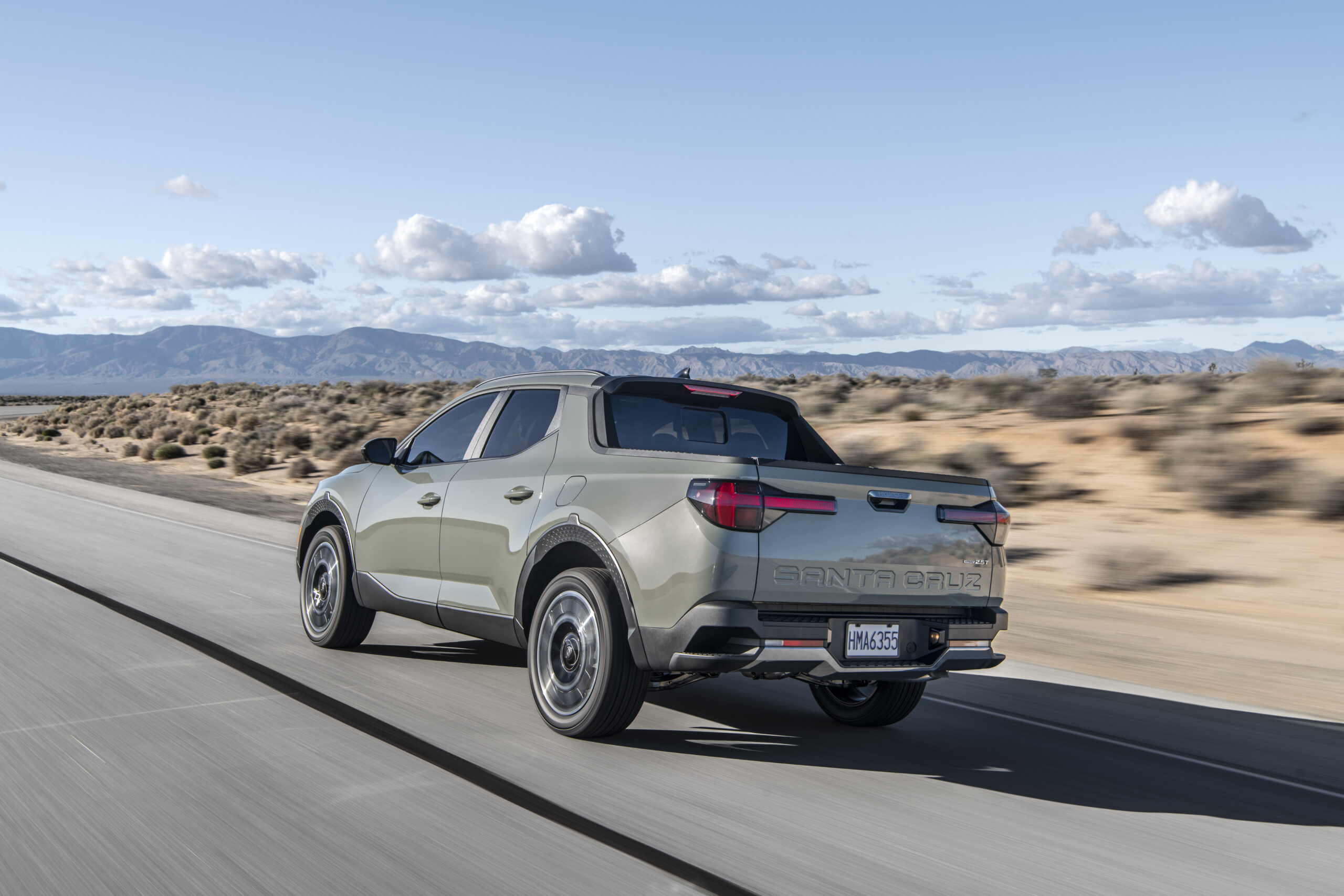 TEST DRIVES2 months ago
2026 Hyundai Santa Cruz Limited AWD
-
 TEST DRIVES1 month ago
Lamborghini prepares multiple launches for 2026 as electrification plans continue
-
 RACING1 month ago
George Russell Leads Final Barcelona Practice As Kimi Antonelli Receives Reprimand
-

 RACING1 month ago
Barcelona-Catalunya Grand Prix: Everything You Need To Know About Formula 1’s Ultimate Benchmark Circuit
-
 NOW TRENDING1 month ago
Porsche Creates A Buzz Lightyear-Inspired 911 GT3 RS That Looks Ready To Go “To Infinity And Beyond”
-
 RACING1 month ago
Why Formula 1 Has Pit Lane Speed Limits And How They Are Measured
-
 NOW TRENDING1 month ago
2026 Audi Q7 Brings New Design, Smarter Technology, And Greater Versatility
You must be logged in to post a comment Login