
NOW TRENDING
Rivian R2 Loses Seatback Ventilation Over Excessive Noise

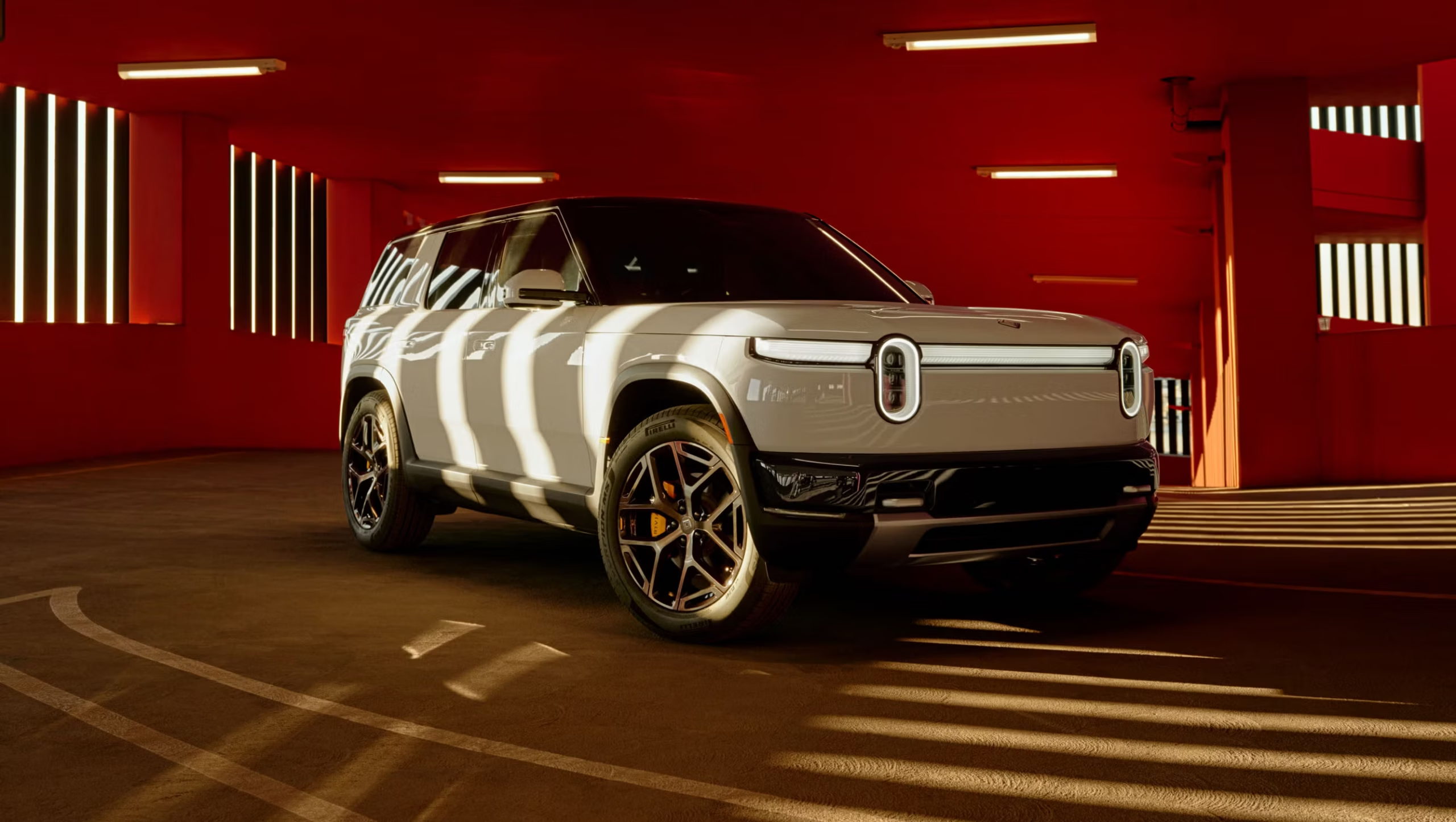
Rivian has changed the R2’s ventilated seats, removing airflow from the seatbacks to reduce cabin noise while keeping seat heating unchanged.
The Rivian R2 ventilated seats have received a production change that reduces their functionality. Newer versions of the electric SUV reportedly direct cooling air through the seat cushions only, rather than through both the cushions and seatbacks.
The change appears to affect vehicles produced from around VIN 10,000, based on reports from R2 reservation holders. Earlier versions used two fans, while the updated design reportedly uses a single fan for the seat cushion.
Why Rivian Changed the R2’s Ventilated Seats
Rivian confirmed that excessive noise from the seatback ventilation system prompted the decision to simplify the design.
“Because the seatback ventilation generated excessive cabin noise, we streamlined the system. R2 seat heating is unchanged.”
The company also explained that the system is designed to provide active airflow through the seat cushion, where occupants retain the most heat.
The change means drivers and passengers can still benefit from ventilated seating, but cooling airflow is no longer directed through the backrest on affected vehicles. For occupants who rely on seat ventilation to stay comfortable in warm weather, that difference could be noticeable.
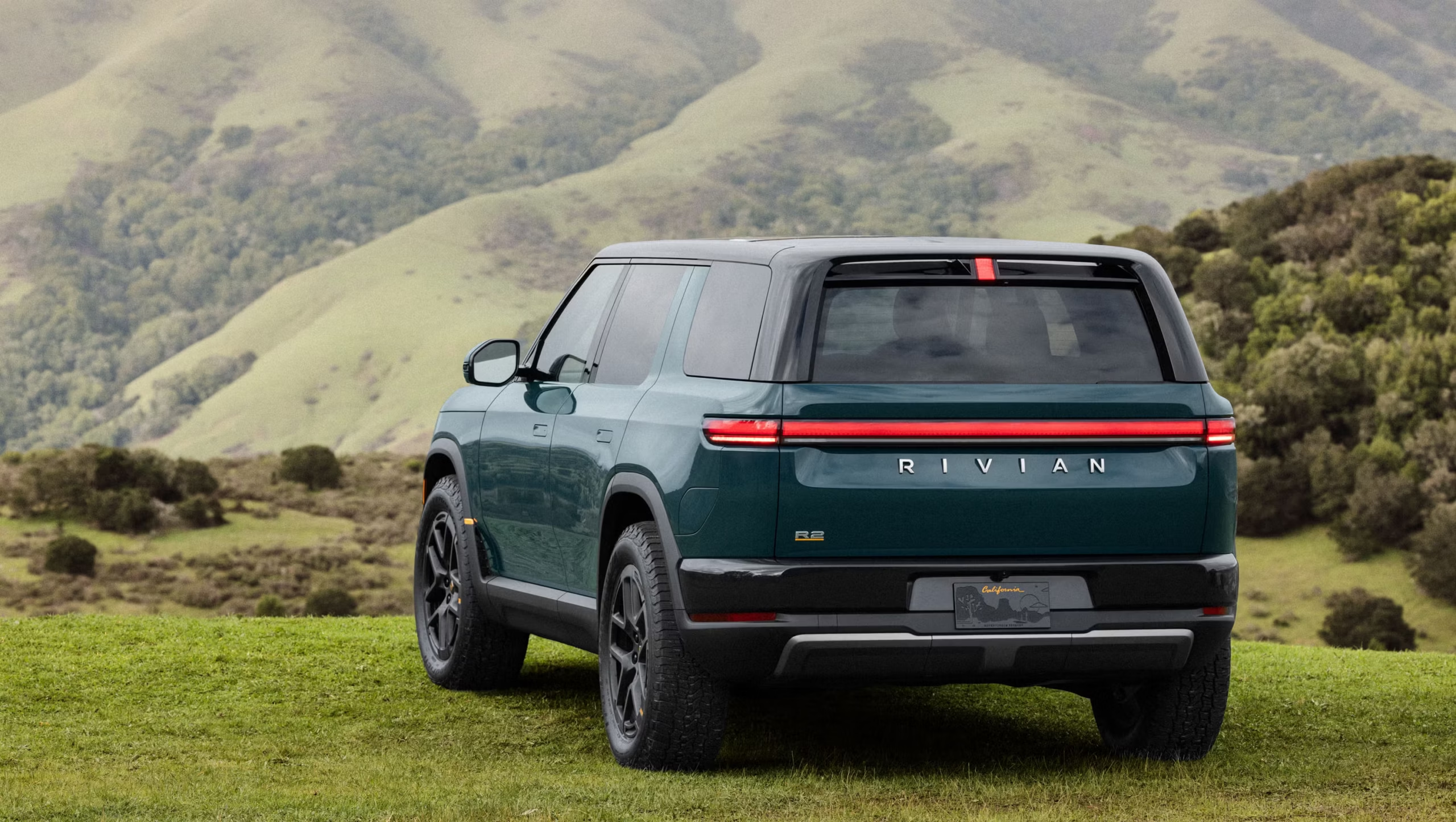
The Rivian R2 is receiving a production change that reduces the functionality of its ventilated seats.
Newer R2 Models Reportedly Use One Fan
Reports from Rivian owners and reservation holders indicate that the change began around vehicle identification number 10,000.
Earlier versions reportedly used two fans to ventilate both the seat cushion and the backrest. The updated configuration instead concentrates airflow on the seat bottom.
Rivian has not described the change as a complete removal of seat ventilation. Rather, the system has been simplified to address the noise generated by the backrest fans.
The distinction matters because ventilated seats are often marketed as a comfort feature on modern vehicles. Buyers may expect cooling airflow across the entire seating surface, particularly when the feature is included in the vehicle’s equipment list.
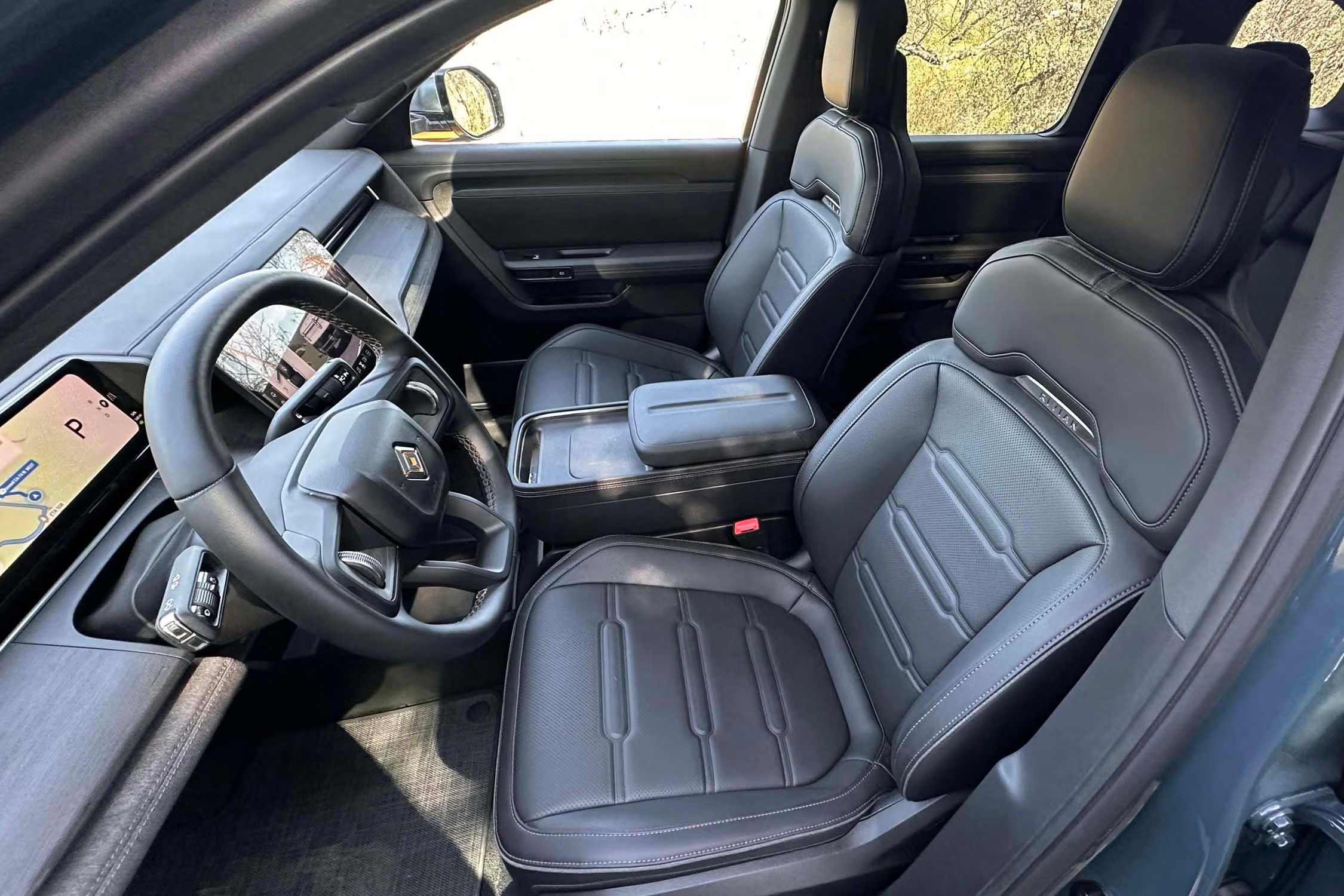
The revised design reportedly retains seat-cushion ventilation but removes airflow through the backrests.
The Change Could Affect Customer Deliveries
The revised seat design has reportedly frustrated some Rivian R2 reservation holders. Discussions among owners suggest that certain customers have considered canceling their orders, while others have delayed scheduled deliveries.
However, these reactions come from forum reports and do not establish how widespread the dissatisfaction is.
The change also highlights a broader challenge for automakers: production updates can alter equipment after customers have already placed their orders. Even when a manufacturer improves one aspect of a system, removing a previously expected function can affect how buyers perceive the vehicle’s value.
For prospective R2 owners, confirming the exact seat-ventilation configuration of a vehicle before delivery may be worthwhile.
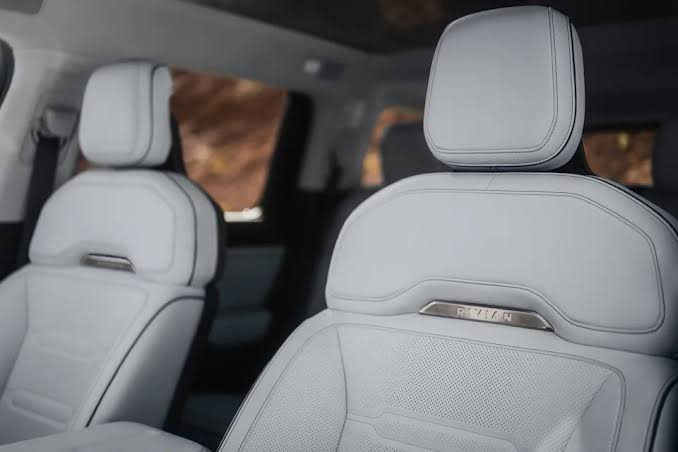
Prospective buyers may want to confirm which seat-ventilation configuration their R2 will receive.
What Rivian R2 Buyers Should Know
The main change is straightforward: newer Rivian R2 vehicles reportedly retain ventilated seat cushions but no longer push cooling air through the seatbacks. Rivian says the adjustment addresses excessive cabin noise, and the seat-heating function remains unchanged.
For buyers, the practical impact will depend on how much they value backrest ventilation and how the revised system performs in everyday conditions. Customers with existing reservations can contact Rivian to confirm the equipment fitted to their specific vehicle.
The update is a reminder that production specifications can evolve, making it important for buyers to verify the final equipment list before accepting delivery.


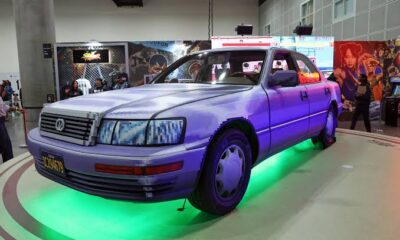










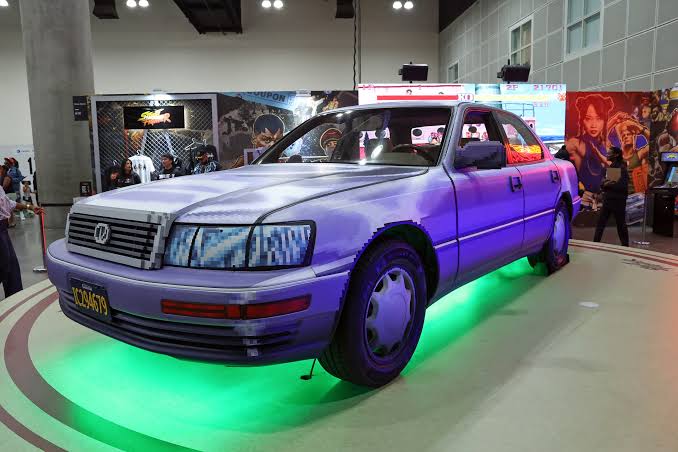
The iconic video game car returns as a real-life creation, complete with pixelated paint, arcade details and a cash prize.
The legendary car-smashing challenge from Street Fighter II is coming to life. The luxury sedan from the game’s famous bonus stage has been recreated as a real car, bringing a nostalgic gaming icon onto the road.
In the original game, players could unleash their attacks on a parked vehicle instead of fighting another opponent. Now, fans have the chance to see that familiar car in a completely different form.
The Iconic Car From Street Fighter II
For many players, the bonus stage was one of the most memorable parts of Street Fighter II. The challenge was simple: destroy a car before time ran out. Its resemblance to a Lexus LS 400 made the vehicle especially recognizable, even though the original game car was not officially licensed.
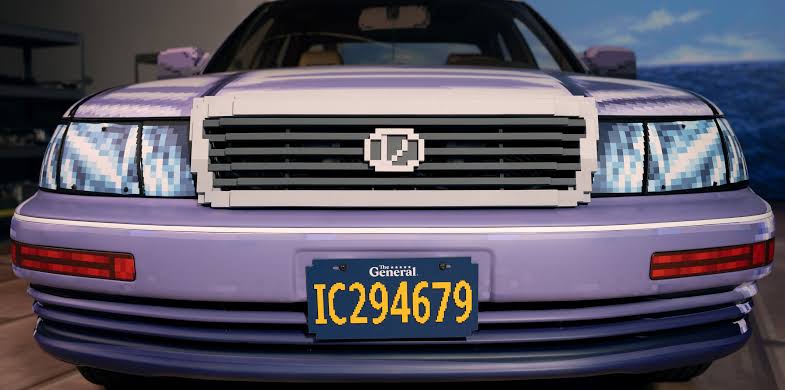
The original bonus stage turned a luxury sedan into a classic piece of video game history.
The scene also has an unusual backstory. The game’s lore describes the destruction as a used-car dealer’s promotional stunt. Another theory connects it to protests against Japanese imports in the United States during the 1980s.
Whatever its origins, the car became a lasting part of gaming culture. Its real-world recreation now gives fans a new way to celebrate that history.
A Real Car With Pixelated Paint
Vehicle Effects, known for building cars for the Fast & Furious film franchise, created the real-life tribute. The team focused on recreating the distinctive look of a vehicle rendered with 16-bit graphics.
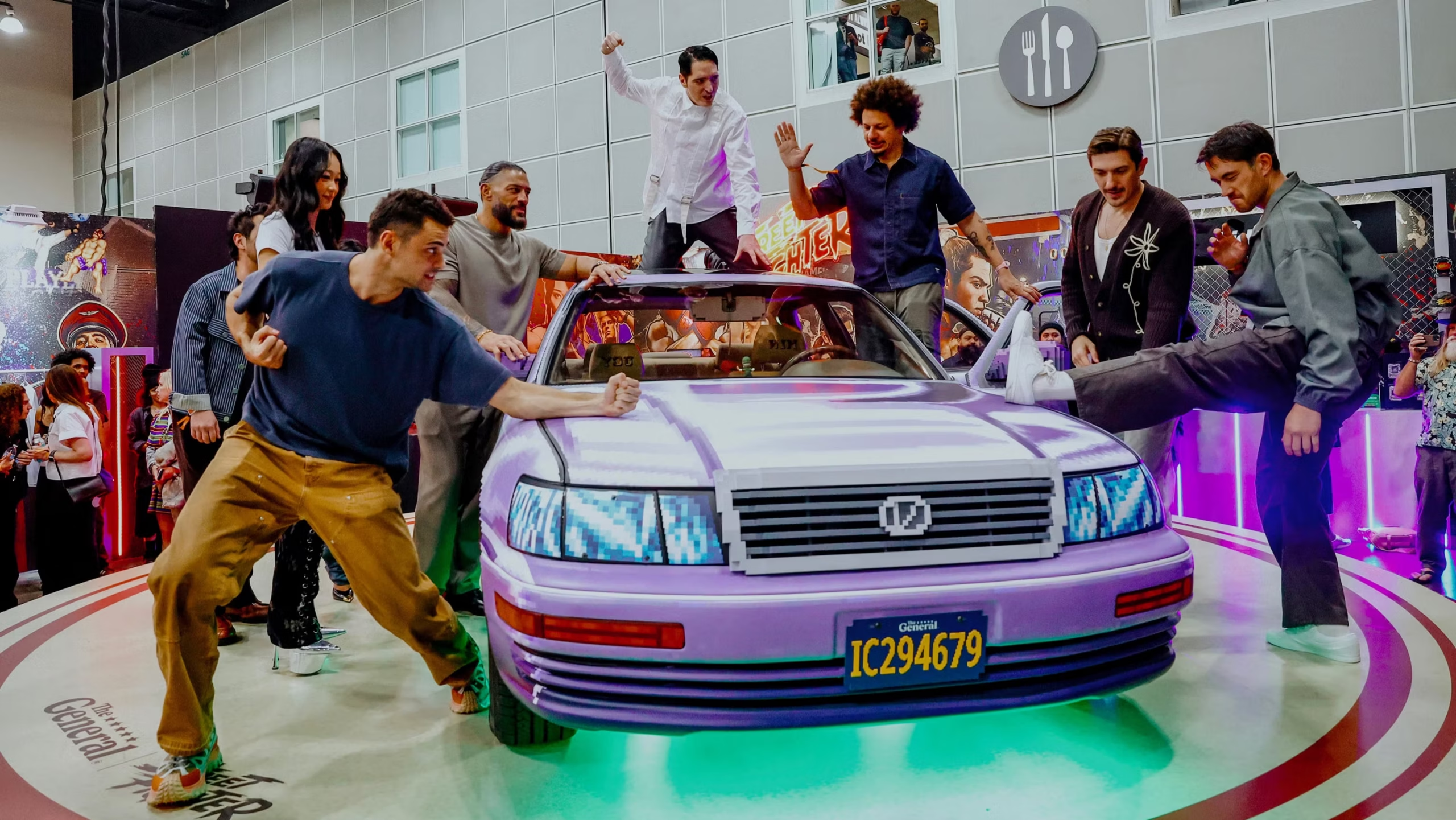
The pixel-inspired exterior recreates the distinctive appearance of the original game car.
The custom work continues inside the cabin. The headrests feature embroidered “You Win” lettering, while an arcade-style coin holder replaces the heated-seat controls.
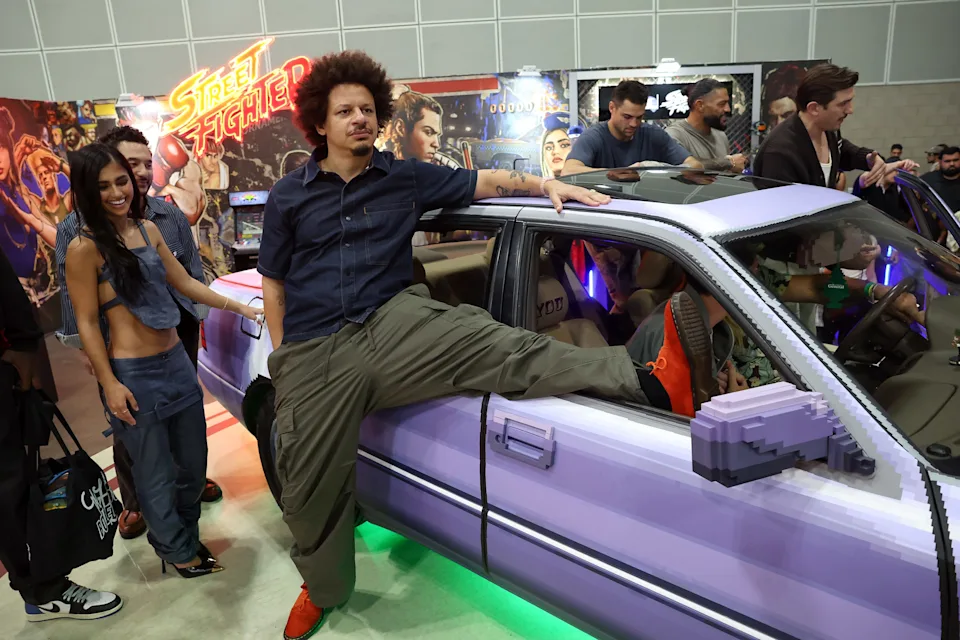
Arcade-inspired details give the interior a playful connection to the original game.
These modifications make the car more than a simple replica. The project combines automotive craftsmanship with the nostalgia of classic arcade gaming.
How to Win the Street Fighter II Car
The real-life Street Fighter II car is being offered through a sweepstakes organized in partnership with The General auto insurance company. The prize includes the customized vehicle and $25,400.69 in cash.
The contest is limited to U.S. residents. Its unusual cash amount adds another playful detail to a project built around a classic gaming moment.
The car’s arrival also coincides with the new live-action Street Fighter movie, scheduled to open on October 16, 2026, according to the supplied information.
In the original game, destroying the car was the objective. This time, one lucky winner will have a very different challenge: keeping the real vehicle in one piece.
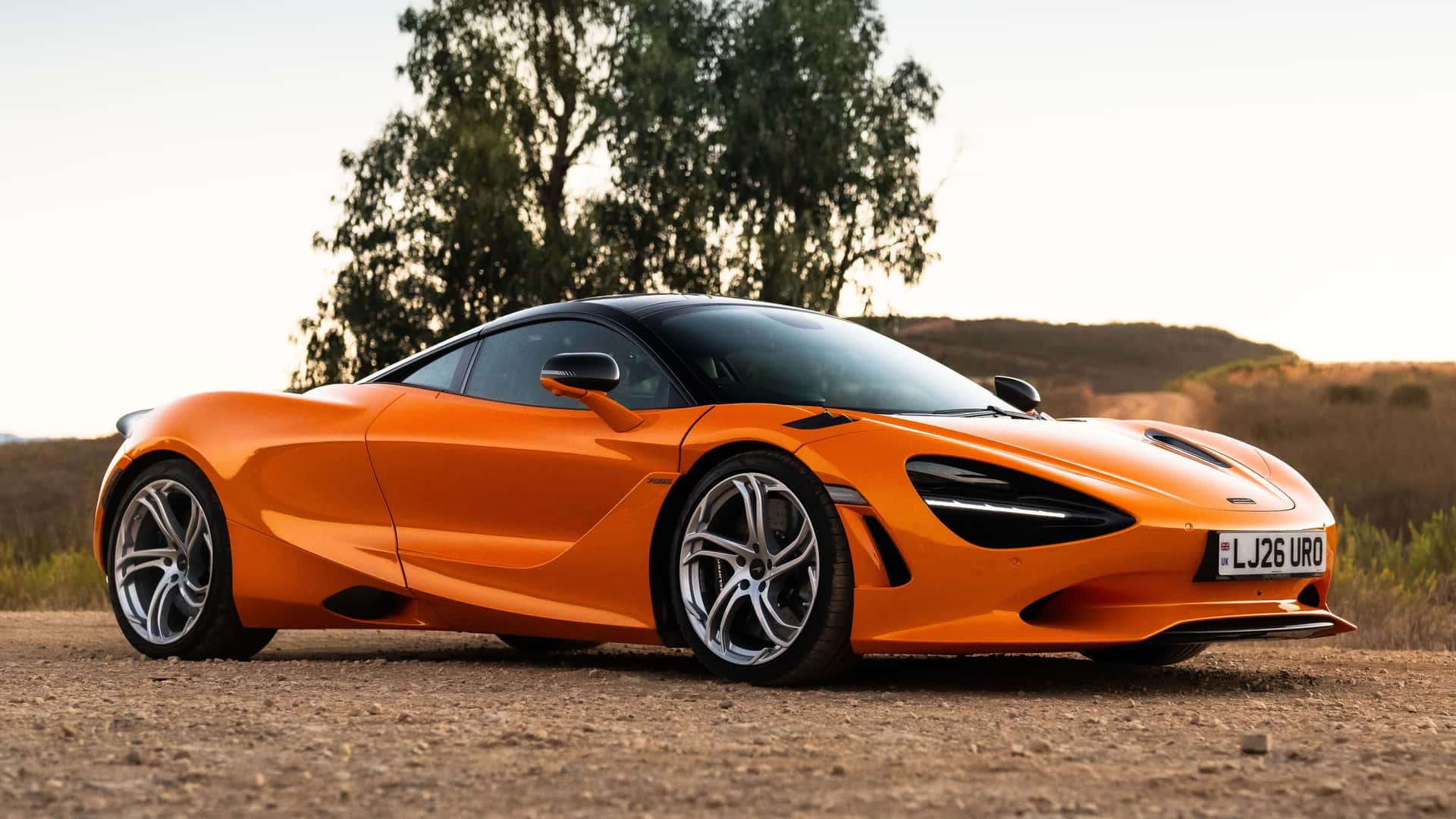
McLaren has confirmed that the 750S supercar will end production in 2027. Final orders are now open, marking the end of a V8-powered lineage that began with the 720S in 2017.
The McLaren 750S is approaching the end of its production run. After nearly a decade of development built around the 720S platform, McLaren will stop manufacturing the supercar in 2027.
The announcement marks a significant moment for the British automaker. The 750S has combined extreme performance, lightweight engineering and a driver-focused design. Now, buyers have a limited window to order one before production ends.
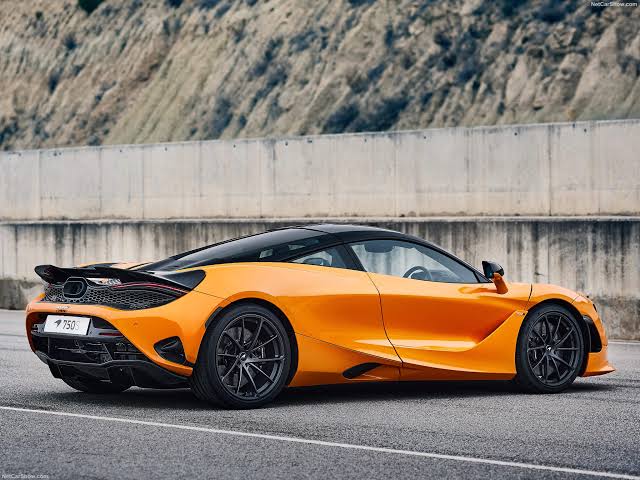
The McLaren 750S will leave production in 2027 after years as a key model in the brand’s supercar lineup.
McLaren 750S: A 740-HP Supercar
Introduced in 2023, the McLaren 750S evolved from the 720S with extensive mechanical and design changes. McLaren revised or updated roughly 30% of the car’s components to improve performance and driver engagement.
Its 4.0-liter twin-turbocharged V8 produces 740 horsepower. The car also has a claimed dry weight of just 2,815 pounds, helping deliver the agile handling expected from a McLaren supercar.
Engineers revised the suspension, aerodynamics and transmission calibration. The cabin also received a more driver-focused layout, reinforcing the 750S’s emphasis on the driving experience.
These changes helped the 750S refine an already capable platform rather than replace it with an entirely new design.
From the McLaren 720S to the 750S
The 750S belongs to a supercar family that began with the McLaren 720S in 2017. That platform established the foundation for several performance-focused models.
The lineup later expanded with the track-oriented 765LT and other specialized derivatives. The recently revealed 788HS also demonstrates how McLaren has continued to develop the platform’s performance potential.
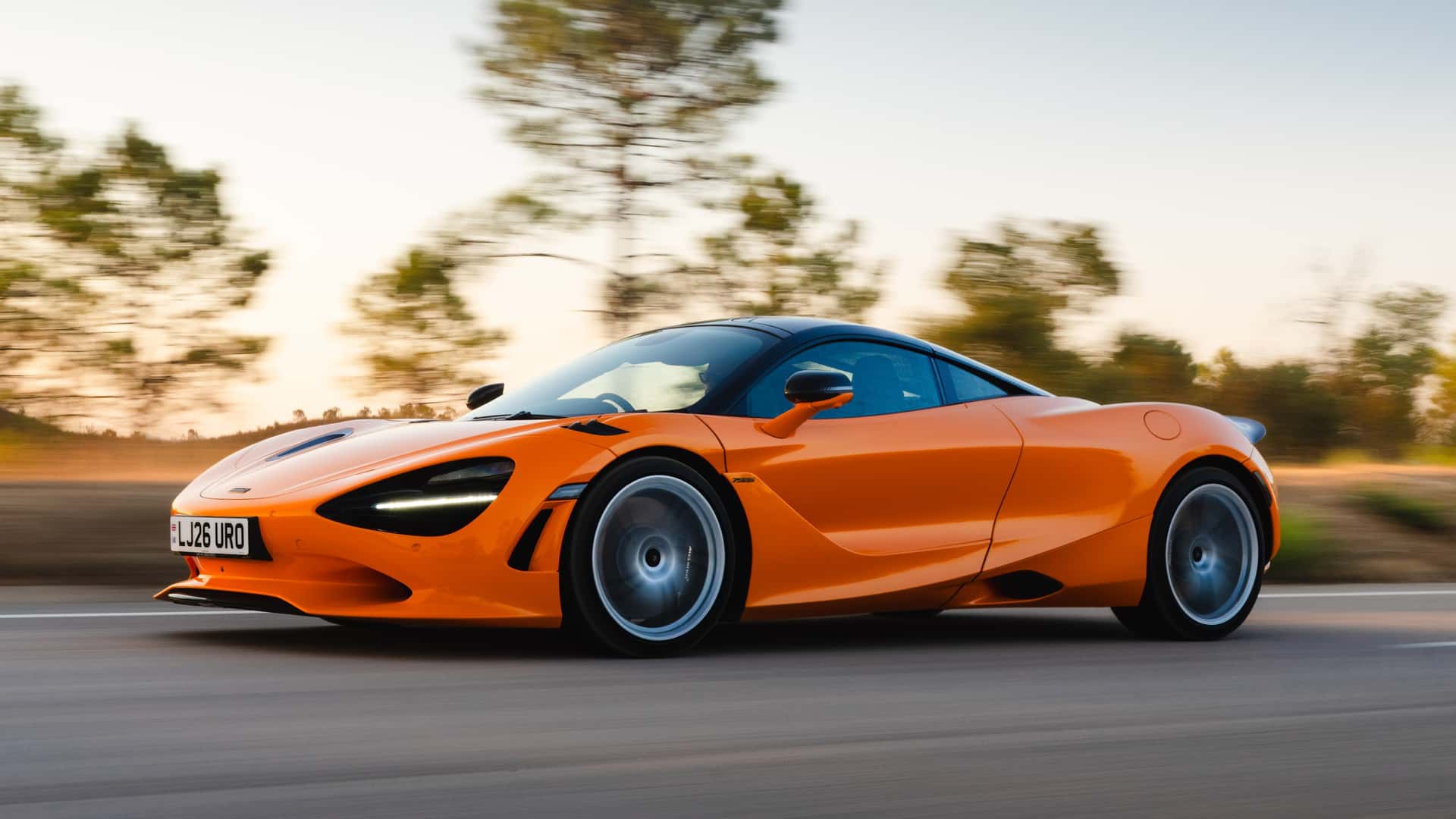
The 750S builds on the engineering foundation established by the 720S.
For McLaren, the 750S has represented more than an increase in power. Its combination of lightweight construction, revised chassis components and aerodynamic development has kept the car competitive in the modern supercar segment.
McLaren Chief Commercial Officer Henrik Wilhelmsmeyer described the 750S as a model that embodies the company’s approach to performance, technology, design and personalization. He said the car would leave behind an extraordinary legacy.
What Comes Next for McLaren?
The end of 750S production comes as McLaren prepares for a broader transformation. The company has introduced a new logo and is expected to expand its product range beyond its traditional supercar lineup.
One anticipated development is a super-SUV reportedly aimed at competitors such as the Ferrari Purosangue. However, the 750S announcement does not by itself confirm the timing or specifications of future models.
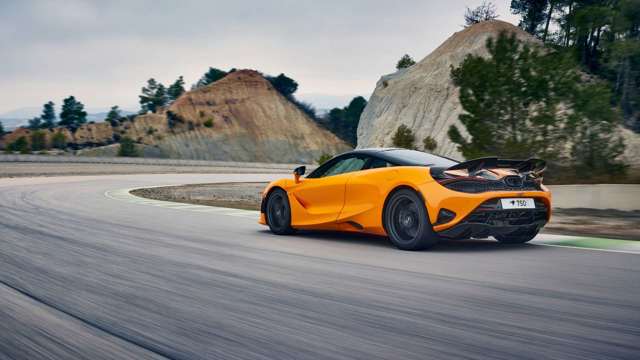
The 750S’s distinctive rear design reflects McLaren’s focus on performance and aerodynamic engineering.
The company now faces the challenge of preserving its performance identity while reaching new customers. Future models will need to deliver the engineering and driving character that have defined its supercars.
Final McLaren 750S Orders Are Now Open
McLaren has confirmed that production will end in 2027, and final orders are now being accepted. Buyers interested in the 750S therefore have a limited opportunity to secure a new example before the production line closes.
The model’s combination of a twin-turbo V8, lightweight construction and an established performance pedigree gives it a significant place in McLaren’s modern history.
When production ends, the 750S will close a chapter that began with the 720S in 2017. Its successor has yet to be fully defined, but McLaren’s wider transformation suggests that the next phase of the brand could look very different.
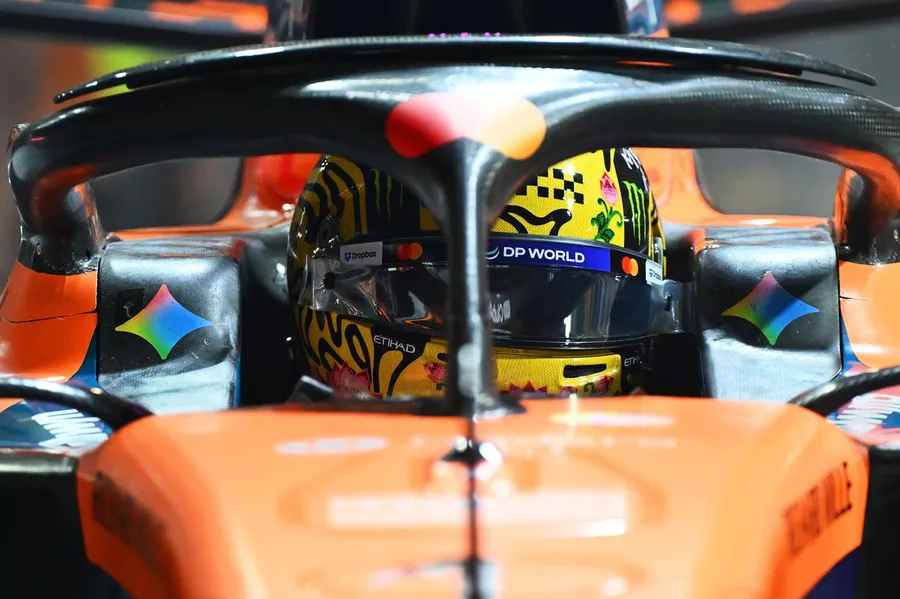
Lando Norris says he has “no excuse” for qualifying fifth in the Singapore Grand Prix sprint, after McLaren teammate Oscar Piastri beat him by 0.133 seconds in the final session.
Lando Norris has taken responsibility for his disappointing result in 2026 Singapore Grand Prix sprint qualifying. The reigning Formula 1 world champion finished fifth in SQ3, while Oscar Piastri secured fourth place in the other McLaren MCL40.
Norris had been faster than Piastri in SQ2, building a 0.534-second advantage. However, the Australian turned the tables in the decisive session, leaving Norris to admit that his final lap was not good enough.
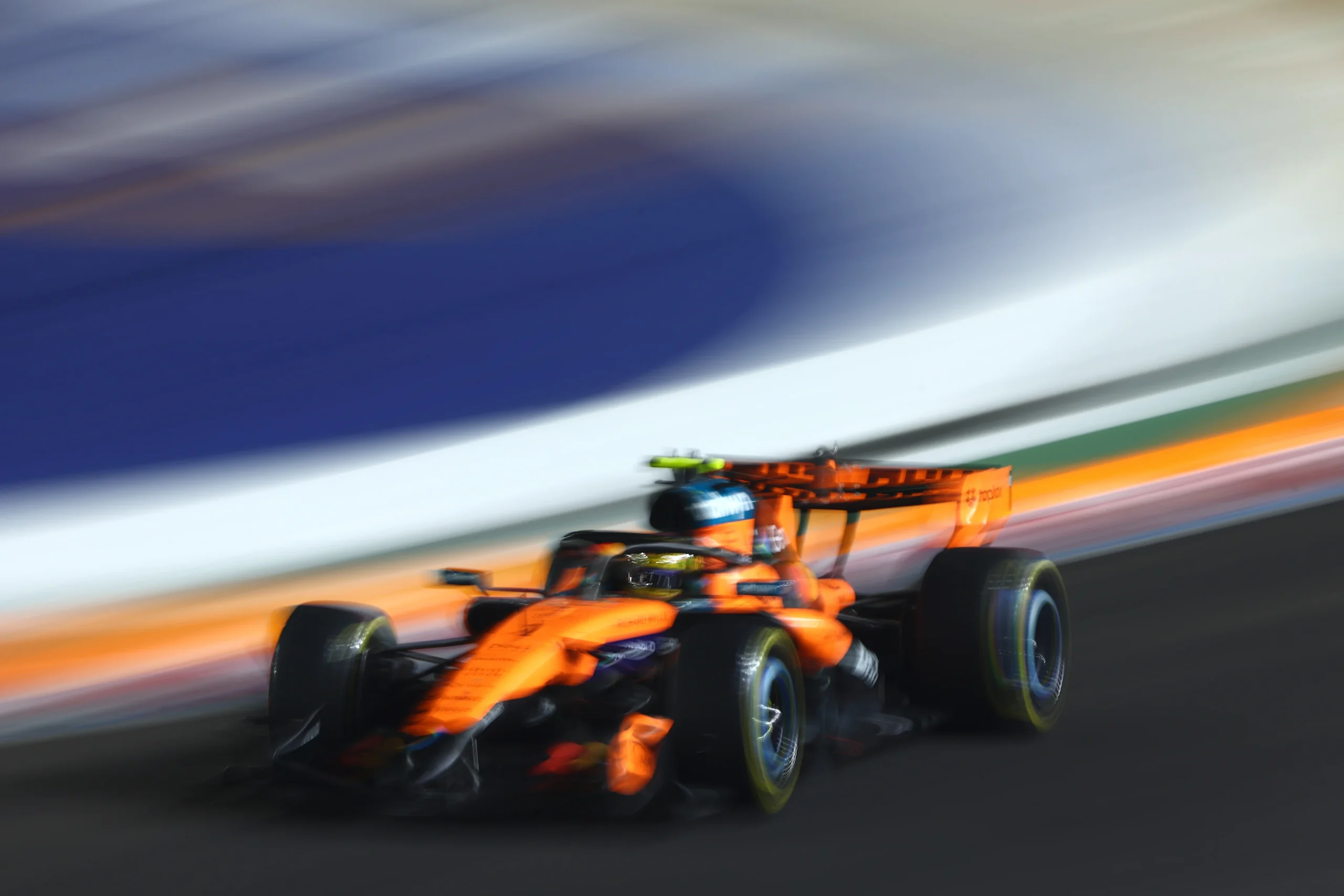
Norris finished fifth in sprint qualifying after losing ground to Piastri in SQ3.
Norris Takes Responsibility for His Qualifying Result
Norris did not blame the car or external circumstances for the gap to his teammate. Instead, he admitted that he failed to deliver a strong lap when it mattered most.
“I just don’t think I did a very good lap. That’s all, no excuse,” Norris said.
The Briton had shown encouraging pace earlier in the session. He finished seventh in SQ1, just 0.020 seconds ahead of Piastri, before moving up to third in SQ2.
But that pace did not carry over into SQ3. Piastri ultimately beat him by 0.133 seconds, securing fourth place on the sprint grid.
Norris acknowledged that McLaren appeared to be working better as a team, despite his individual mistake.
“Many things seem to be going well. We seem more together as a team. I simply didn’t do a good job,” he explained.
McLaren Addresses Its Fuel Injection Problems
McLaren arrived in Singapore after struggling with fuel injection problems in Baku and Malaysia. The issue reduced the MCL40’s speed on the straights, prompting the team to introduce a solution for the Marina Bay weekend.
Norris was cautiously positive about the fix, although he said the team was still analyzing its effectiveness.
“I think so, from what I’ve seen so far. To be honest, I don’t know everything yet. The guys are still investigating it, and it’s been a busy day,” he said.
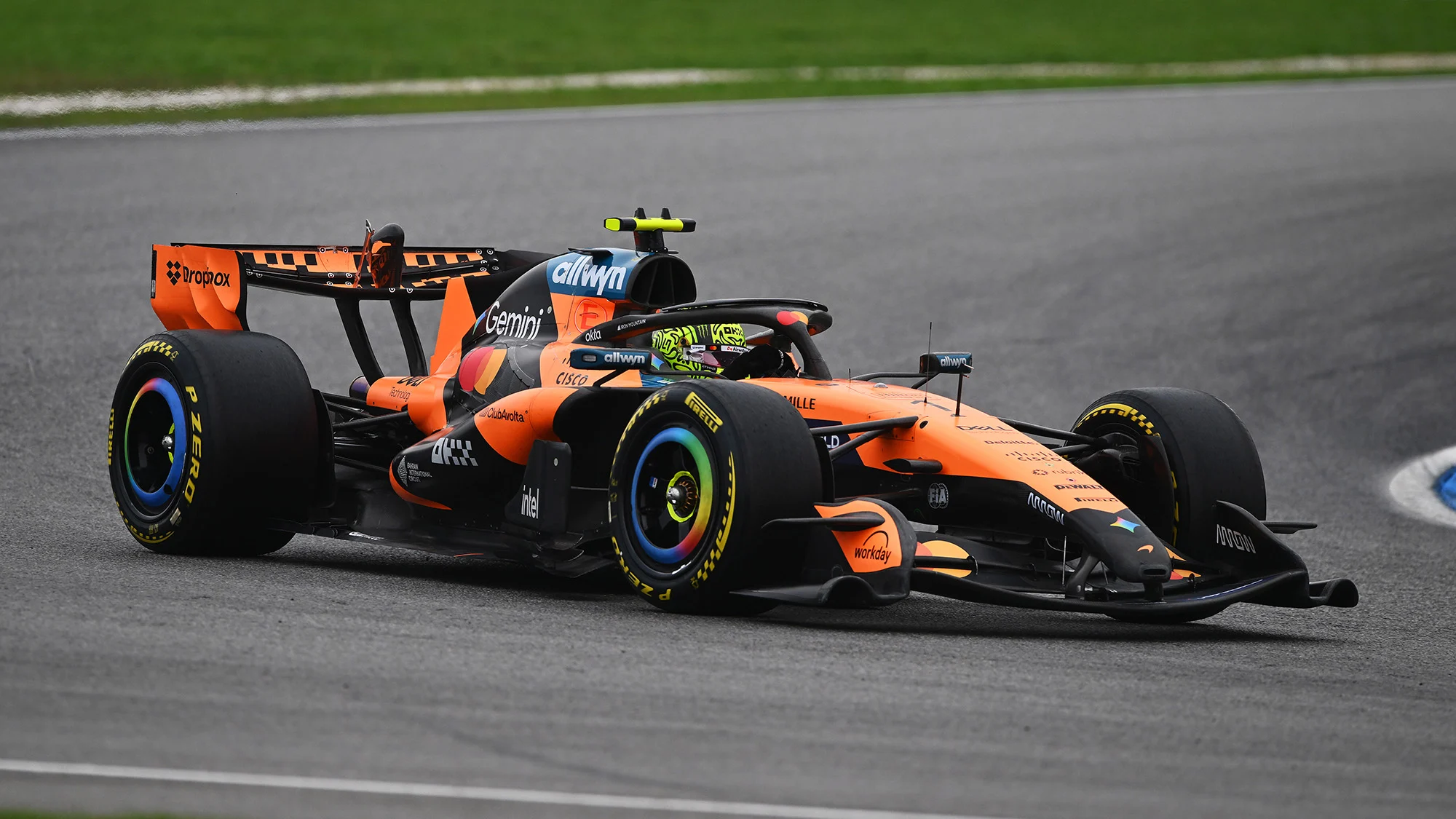
McLaren introduced a solution after fuel injection issues affected straight-line speed in previous races.
The improvement could help McLaren address one of its recent weaknesses. However, Norris’ qualifying result suggests that the team still needs to maximize its overall performance across every session.
Piastri Beats Norris for the Third Time in Five Sessions
Piastri’s fourth-place finish marked another strong qualifying performance against his teammate. The Australian has now beaten Norris in three of the last five qualifying sessions, including the difficult weekend in Baku.
That run follows an earlier stretch in which Norris outqualified Piastri eight consecutive times between Barcelona and Zandvoort.
Piastri was satisfied with his performance and believed fourth place was close to McLaren’s potential in Singapore.
“I’m pretty happy. I think that was more or less what we could do,” he said.
The Australian also highlighted the importance of tire choice. He struggled to find the right feeling on the medium compound but felt more comfortable once McLaren switched to soft tires.
Soft Tires Help Piastri Find More Pace
Piastri said the soft tires gave him more grip and improved the car’s response, particularly through the first sector of the Singapore circuit.
He had experienced some difficulties in that section earlier in the session, but the balance improved with the softer compound.
The Australian nevertheless stressed that extracting maximum performance from the MCL40 remained challenging. He described the overall feel of the car as familiar, with additional grip helping him improve his lap time.
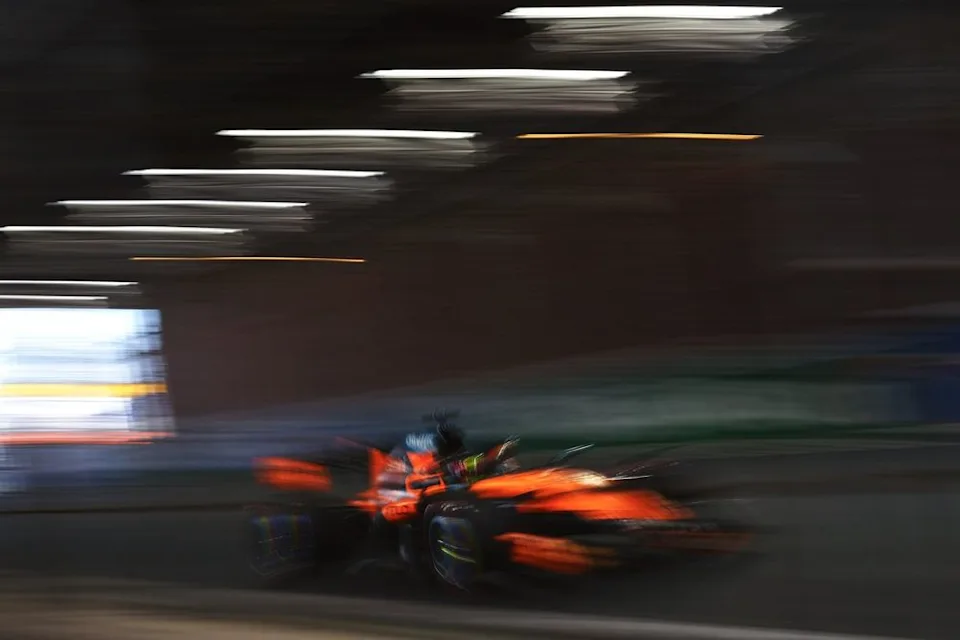
Piastri found more confidence on soft tires and secured fourth place for the sprint.
Norris Needs a Strong Response in the Sprint
The Singapore sprint offers Norris an immediate opportunity to recover positions. His pace in SQ2 suggests that the McLaren has competitive potential, but he will need a cleaner execution to challenge the drivers ahead.
Piastri, meanwhile, will aim to build on his fourth-place qualifying result and maintain his recent advantage in the internal McLaren battle.
The team also has reason to monitor the fuel injection solution as the weekend continues. For Norris, however, the immediate priority is clear: deliver a stronger lap when the next opportunity arrives.
-
 NOW TRENDING2 months ago
Tesla Cybercab Gets September 3 Austin Launch Date
-

 NOW TRENDING2 months ago
Audi’s New SUVs Could Help Reverse Its Sales Decline in 2026
-
 TEST DRIVES2 months ago
2025 Ford Bronco Sport Badlands: The Adventure SUV You Can Drive Every Day
-

 TEST DRIVES1 month ago
2026 Toyota GR Supra MkV Final Edition
-
 INTELLIGENT MOBILITY2 months ago
GM Super Cruise: How It Works and What Comes Next in 2028
-
 NOW TRENDING2 months ago
2027 Toyota Corolla Celebrates 60 Years With Special Edition
-

 NOW TRENDING2 months ago
Rivian R2 Autonomy+ Adds New Hands-Free Driving Features
-
 RACING2 months ago
Mercedes Solves Its Biggest F1 Problem After Four Seasons
You must be logged in to post a comment Login