
NOW TRENDING
Next Volkswagen ID. Buzz Targets a Lower Price

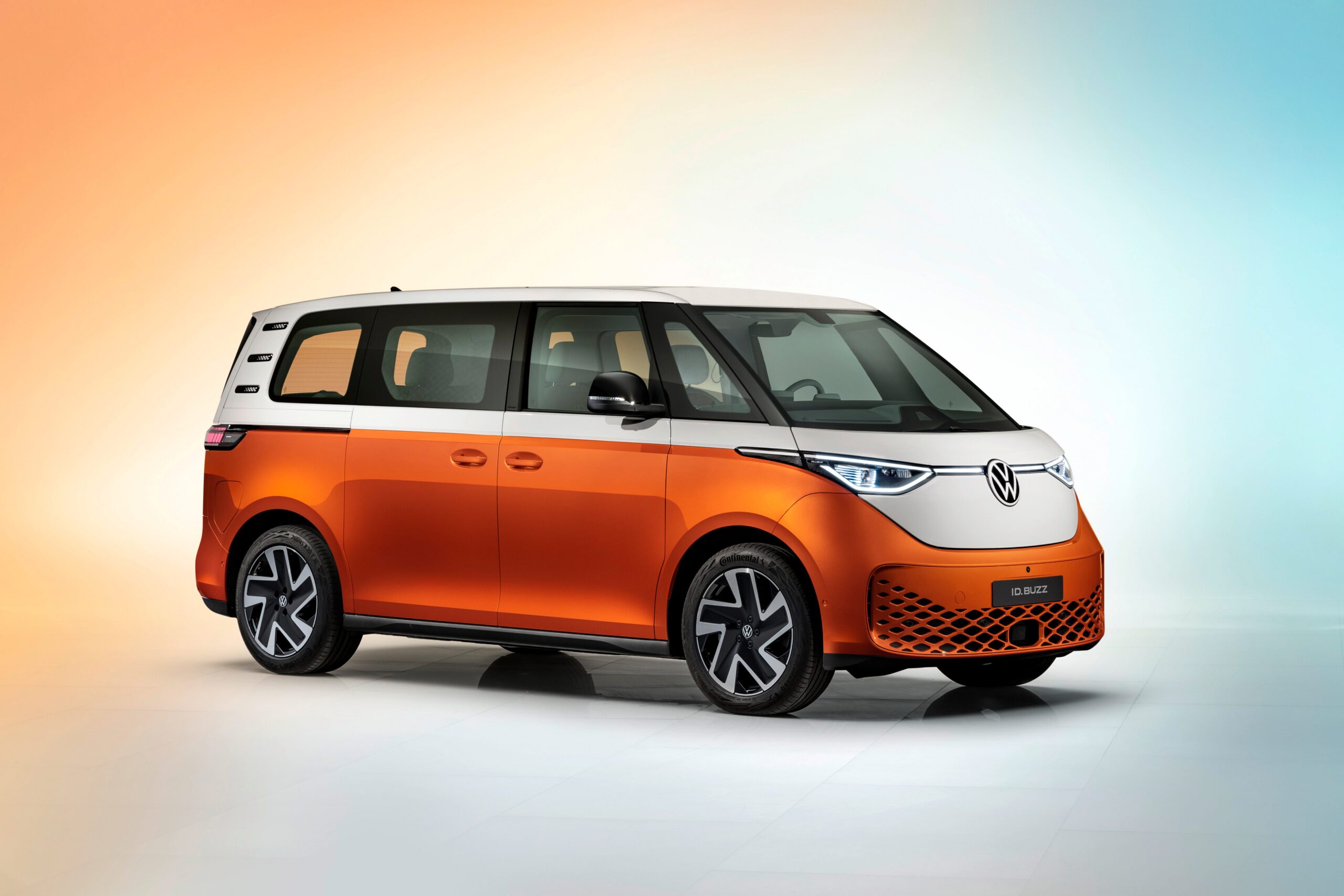
Volkswagen plans a cheaper, more advanced electric ID. Buzz.
Volkswagen is preparing a second-generation ID. Buzz built on its upcoming Scalable Systems Platform (SSP). The new electric van is expected to deliver better technology, improved efficiency and a lower price.
Volkswagen Wants to Make the ID. Buzz More Affordable
Volkswagen has no intention of abandoning its electric Microbus-inspired minivan. Instead, the automaker is planning another update for the current model before introducing an all-new generation designed to address one of its biggest weaknesses: its high price.
CEO Thomas Schäfer confirmed the successor in an interview at the 2026 Paris Motor Show. He acknowledged that the current ID. Buzz has struggled to reach its sales potential because its price limits its appeal to a wider audience.
The next-generation model will move away from the existing MEB architecture and adopt Volkswagen Group’s upcoming SSP platform. Designed for a broad range of electric vehicles, the architecture is expected to support improvements in charging, range, software and manufacturing efficiency.

The next-generation Volkswagen ID. Buzz is expected to retain its distinctive identity while targeting a lower price.
A shared platform could help Volkswagen reduce development and production costs by spreading the architecture across multiple brands and models. Cheaper lithium iron phosphate (LFP) batteries could also help lower the entry price, although Volkswagen has not confirmed the battery chemistry or specifications for the future van.
The company has not announced detailed technical figures or final pricing. For now, affordability remains one of the central objectives for the next generation.
The Interior Needs More Than a Technology Upgrade
The current ID. Buzz has a distinctive cabin, but its touch-sensitive controls have attracted criticism. Volkswagen has already started moving toward more conventional physical buttons in newer models, including the ID. Polo and ID.3 Neo.
Applying that approach to the next ID. Buzz could make the van easier to operate. Dedicated controls for functions such as the windows and climate system would reduce reliance on touch-sensitive sliders and touchscreen menus.

More physical controls could make the next ID. Buzz easier to use in everyday driving.
For a family-oriented electric vehicle, usability is particularly important. Drivers should be able to adjust common functions quickly without navigating complicated menus or taking their attention away from the road.
Volkswagen could introduce some improvements before the second generation arrives. Updates to other models demonstrate how the company can refine an existing vehicle’s cabin and technology without replacing its entire underlying architecture.
However, Volkswagen has not confirmed which interior features will appear in the next ID. Buzz. A more intuitive cabin remains a logical development priority rather than a finalized specification.
Volkswagen Must Preserve the ID. Buzz’s Character
The ID. Buzz stands out because of its retro-inspired design, which recalls Volkswagen’s classic Microbus while incorporating modern electric-vehicle proportions.
Schäfer has described the van as iconic, while design chief Andreas Mindt has emphasized the importance of keeping future designs interesting. At the same time, Volkswagen has recognized that simply repeating historic styling indefinitely can limit a vehicle’s long-term appeal.
The next generation will therefore need to strike a balance between familiarity and progress. Keeping the recognizable proportions and friendly character could help preserve the ID. Buzz’s identity, while carefully judged changes would prevent it from becoming a straightforward remake of the original Microbus.

Volkswagen must evolve the ID. Buzz’s design without losing the character that distinguishes it from other electric vans.
That balance matters because the vehicle’s appearance is one of its main selling points. Making it cheaper will be important, but cutting costs at the expense of its distinctive design could weaken the appeal Volkswagen wants to preserve.
When Will the Next Volkswagen ID. Buzz Arrive?
The next-generation ID. Buzz is not expected to arrive immediately. Volkswagen plans to introduce an initial SSP-based vehicle before the end of the decade, with the electric van expected to follow.
Schäfer has not announced a launch date, so a debut before 2030 should not be treated as confirmed. Until Volkswagen provides a formal timeline, the replacement remains a longer-term project.
In the meantime, the company will continue improving the current model through software updates, additional functionality and more accessible configurations in certain markets.
The challenge is to make the ID. Buzz more competitive without removing what makes it different from conventional electric SUVs and vans. A more advanced platform, lower production costs and a more practical interior could help Volkswagen broaden its audience.
Ultimately, the next ID. Buzz will need to deliver on one central promise: preserving its distinctive character while making electric Microbus ownership more attainable.








-
 NOW TRENDING2 months ago
Aston Martin DBX Becomes Harry Da Souza’s Ride in MobLand
-
 TEST DRIVES2 months ago
2026 Maserati GranTurismo Trofeo Review: Miami
-
 INTELLIGENT MOBILITY2 months ago
Tesla Cybercab Navigation Problem Hits Austin Robotaxis
-
 INTELLIGENT MOBILITY2 months ago
2027 Nissan Rogue Hybrid: e-POWER Comes to America
-

 TEST DRIVES2 months ago
2026 Maserati GranTurismo Coupe
-
 Formula12 months ago
Cadillac F1 2026 Faces an Eight-Race Logistics Challenge
-
 NOW TRENDING2 months ago
Land Rover Defender Recall 2026: 23,677 JLR SUVs Affected
-
 NOW TRENDING2 months ago
Every 2026 Chevrolet With AWD or 4WD