
This model is the culmination of the Maybach philosophy, fused with the traditional SL roadster. It is intended for those customers seeking a refined and extravagant driving experience, prioritizing serenity.
The Mercedes-Maybach SL 680 Monogram Series 2026 becomes the sub-brand’s first convertible since the S 650 Cabriolet. It is based on the latest SL, although many changes differentiate it from its less civilized AMG siblings. This model transforms every journey into a spectacle. Additionally, it prioritizes the pleasure of open-top travel, comfort, and personalized design.
The powertrain under the hood consists of a 4.0-liter twin-turbo V8. This engine delivers 577 horsepower and 590 pound-feet of torque. It is always mated to a SPEEDSHIFT MCT 9-speed automatic transmission and 4MATIC+ all-wheel drive.
Interior: A Sanctuary of Comfort and Personalization
The cabin is a sanctuary lined with white Nappa leather. It features special Maybach stitching, high-end trim, and exclusive details chosen by the customer. The seats offer ventilation, heating, and massage functions. They also integrate the AIRSCARF system, designed for greater comfort with the top down. Furthermore, they are adjusted in multiple electric positions.
The rear space yields all the prominence to luxury for two passengers. Elements like Maybach ambient lighting are included. Finishes on par with the industry’s most prestigious names are also found. The chassis features adapted modes that prioritize comfort. Moreover, advanced controls ensure maximum protection without detracting from driving pleasure.
Technology and Advanced Safety
The SL680 is fully equipped with the latest technology. It offers the MBUX system with artificial intelligence. It presents super-defined screens and augmented reality in navigation. It also includes wireless integration with Apple CarPlay and Android Auto. It features dual-zone climate control, a head-up display, and a Burmester High-End 3D sound system.
Unique details are also included, such as the electric soft top. Another element is a hydraulic lift system that overcomes speed bumps and remembers locations via GPS. In safety, it integrates Mercedes-Benz’s entire arsenal of assistance systems. It offers automatic braking with pedestrian detection. Additionally, it includes full-speed adaptive cruise control, blind spot monitoring, and lane keeping assist. The park assist with 360° vision and the 10 airbags complete the package.

Ultraserene Driving Experience
The Maybach SL680 2026 prioritizes luxury over sporty character on the road. In the Comfort and the exclusive Maybach modes, the suspension completely filters out bumps. The steering and accelerator are purposely softened. This favors an ultraserene and slow pace.
The car is ideal for relaxed traffic or coastal cruises. Conversely, in Sport mode, the car offers a firmer and more precise drive, almost on par with an AMG. Nonetheless, its true essence is that of a grand tourer tamed for maximum comfort. Fuel consumption stands at 13 MPG city and 20 MPG highway.










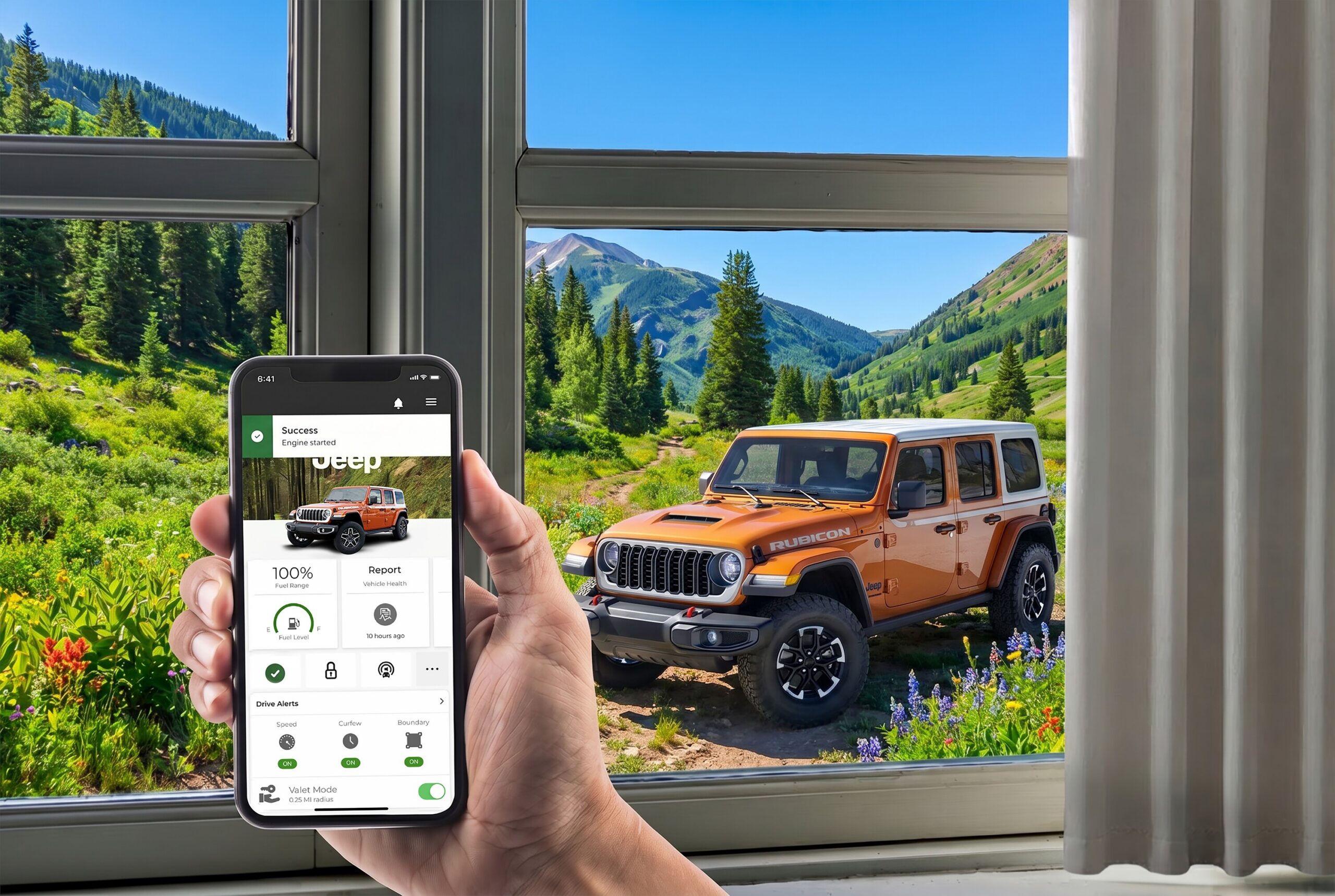
Stellantis is enhancing its Connect One platform for 2027 model-year vehicles by adding remote engine start, lowering Wi-Fi subscription costs, and expanding connected services across multiple brands.
Stellantis is expanding its Connect One connected services platform for the 2027 model year, adding remote engine start and stop through the mobile app while reducing the monthly cost of its Wi-Fi Plus subscription. The updates apply to most Chrysler, Dodge, Jeep, Ram, FIAT, and Alfa Romeo vehicles sold in the United States.
The enhanced package gives owners more convenience, connected features, and long-term value through a standard 10-year service plan.
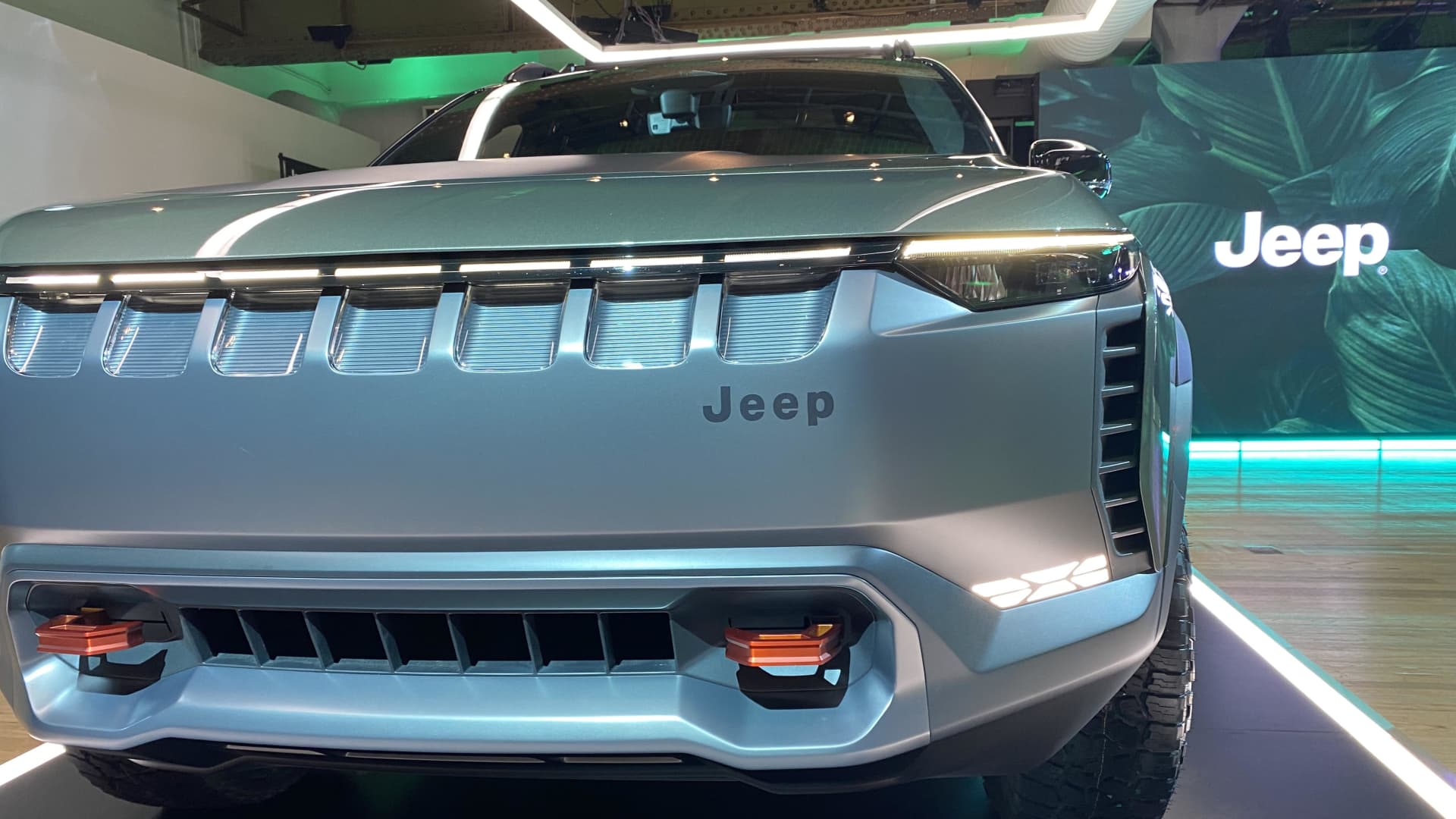
Stellantis expands Connect One benefits across its 2027 vehicle lineup.
Remote engine start joins the standard package
One of the biggest updates is the addition of remote engine start and stop through the brand’s mobile app, allowing drivers to warm up or cool down their vehicle before getting behind the wheel.
The standard Connect One package now includes:
- Remote engine start and stop
- Remote door lock and unlock
- Over-the-air software updates
- Monthly vehicle health reports
- Recall and maintenance alerts
- Service scheduling
- Automatic SOS emergency calls
- Remote personal data deletion
- Access to in-vehicle games through the App Market
These features are included for 10 years at no additional cost on most eligible 2027 model-year vehicles.
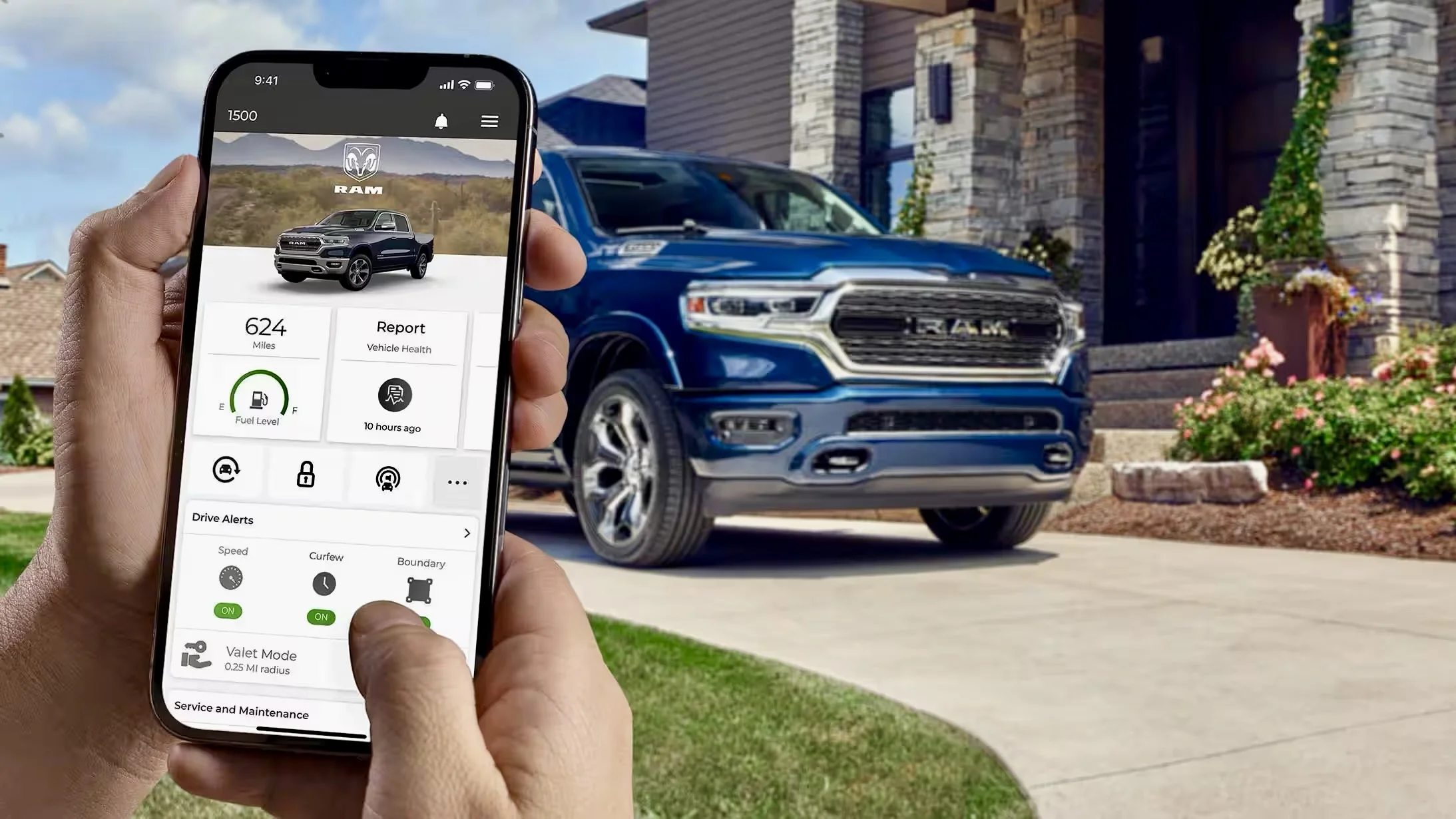
Remote engine start is now included with the standard 10-year Connect One plan.
Lower Wi-Fi pricing and expanded connected services
Stellantis also reduced the monthly cost of its Connect Wi-Fi Plus subscription to $15.99, lowering the price by $2 per month. Customers who activate the service within 30 days of purchasing their vehicle receive a three-month free trial.
The subscription includes:
- Unlimited Wi-Fi hotspot connectivity for up to eight devices
- Connected navigation services
- Vehicle finder
- Stolen vehicle assistance
- Theft alerts
- Remote horn and light activation
Certain models receive additional benefits. The 2027 Jeep Grand Wagoneer, Wagoneer S, and Alfa Romeo lineup include three years of premium connected services at no extra cost, while selected Jeep and Dodge models continue using the SiriusXM Guardian platform with extended safety and assistance features.
The latest updates reinforce Stellantis Connect One as one of the most comprehensive connected vehicle platforms available, combining convenience, safety, and digital services while reducing ownership costs for customers.
Stellantis also lowered the price of its Wi-Fi Plus subscription while expanding connected services across multiple brands.
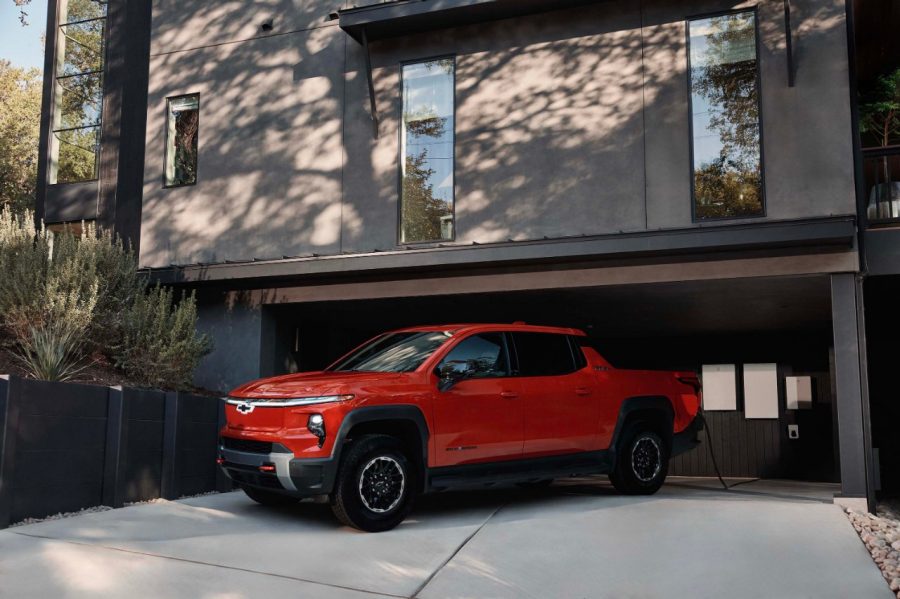
Home EV charging is easier than many drivers think. Here’s everything GM EV owners need to know about charging, installation, costs, and charging standards.
Charging an electric vehicle at home is the most convenient and cost-effective way to keep a battery full. According to industry estimates, more than 80% of EV charging in the United States happens at home, making public charging a secondary option for most drivers. Understanding the different charging levels, connector types, and installation requirements can help owners get the most from their electric vehicle.
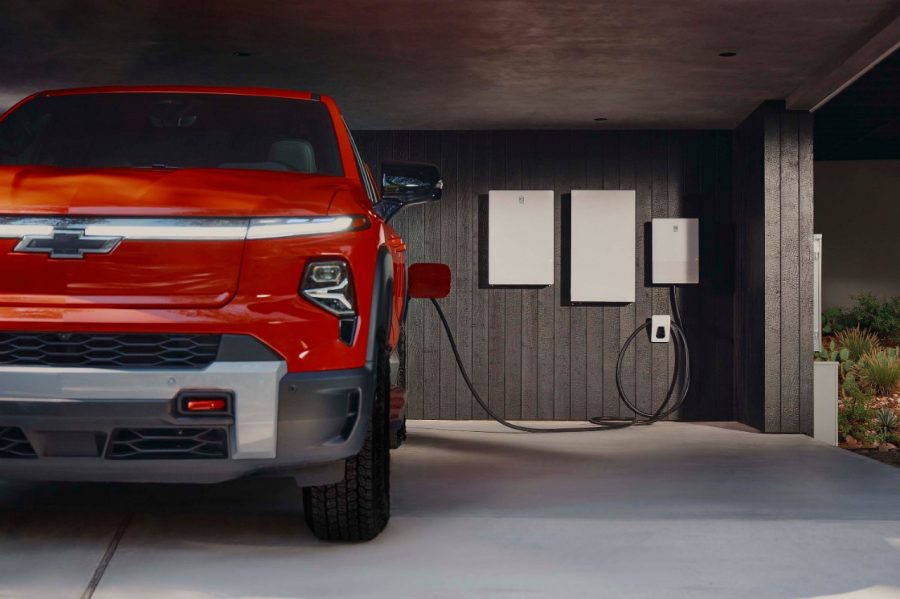
Most EV owners recharge their vehicles at home using Level 1 or Level 2 charging.
Level 1 vs. Level 2 home EV charging
Home EV charging comes in two primary forms. Level 1 charging uses a standard 120-volt household outlet and requires no special installation. While it’s the simplest solution, it typically adds only 3 to 5 miles of driving range per hour, making it best suited for drivers with short daily commutes.
Level 2 charging operates on a 240-volt circuit and requires professional installation. The faster charging speed makes it the preferred solution for most homeowners, with compatible GM home chargers capable of adding up to 44 miles of range per hour. Many workplaces, hotels, parking garages, and public locations also offer Level 2 charging.
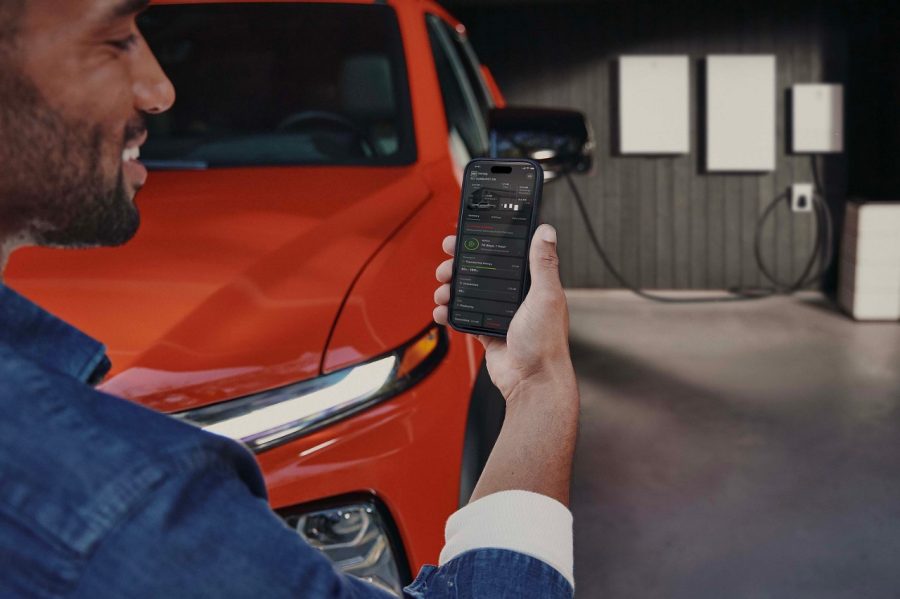
Level 2 charging provides significantly faster charging speeds than a standard household outlet.
Understanding NACS and CCS charging connectors
Modern GM electric vehicles are transitioning to the North American Charging Standard (NACS), while previous models use the Combined Charging Standard (CCS1/J1772) connector. The difference is simply the charging plug design, and adapters allow owners to use either standard without replacing their home charging equipment.
Installing a Level 2 charger requires a qualified electrician, who will determine whether the home’s electrical system can support the new circuit. Installation costs vary depending on the home’s electrical panel, wiring distance, and available capacity.
Smart charging helps reduce costs
Many electric utilities offer lower electricity rates during off-peak hours, allowing owners to schedule charging overnight and reduce operating costs. GM’s mobile apps also let owners monitor battery status, set charging limits, and schedule charging sessions remotely.
For daily driving, charging to 80% is generally recommended to help preserve long-term battery health, while charging to 100% is best reserved for longer road trips.

Smart charging allows EV owners to schedule charging during lower-cost overnight hours.
Home charging also unlocks advanced technologies such as vehicle-to-home (V2H) capability. Compatible GM EVs paired with the appropriate charging equipment can supply electricity to a properly equipped home during a power outage, while optional home energy storage systems can store excess electricity for later use.
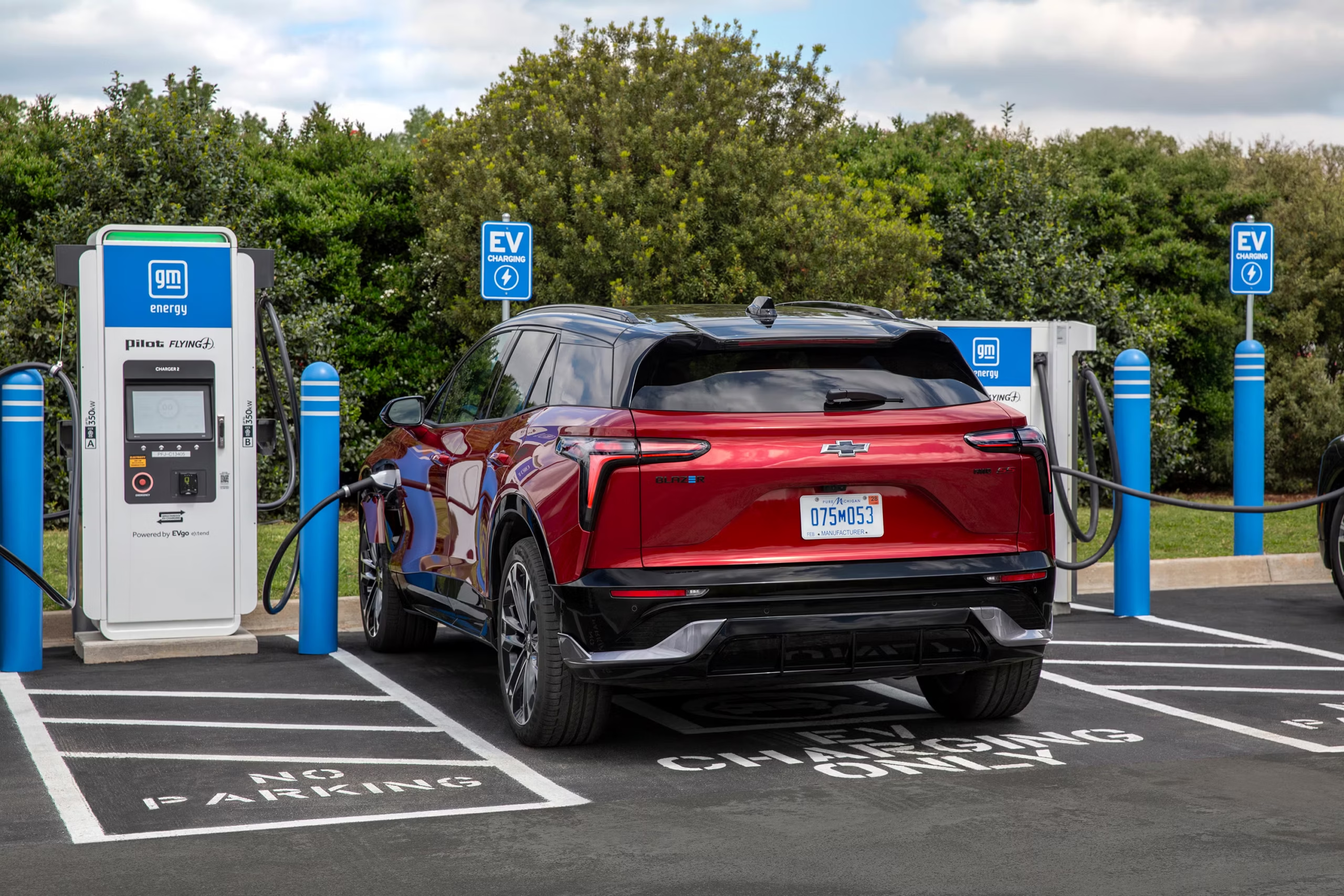
GM EV drivers can now access more than 120 IONNA fast-charging stations across the United States with seamless charging through Energy Pass.
Electric vehicle owners driving Chevrolet, Cadillac and GMC models now have access to an even larger public charging network as IONNA continues expanding across the United States. Backed by General Motors and seven other major automakers, the fast-growing charging network now operates 122 charging locations nationwide with 1,166 DC fast-charging stalls, making long-distance EV travel more convenient than ever.
The expansion also strengthens GM’s charging ecosystem by integrating IONNA directly into the company’s Energy Pass platform, allowing drivers to locate chargers, start charging sessions and pay without downloading additional apps.
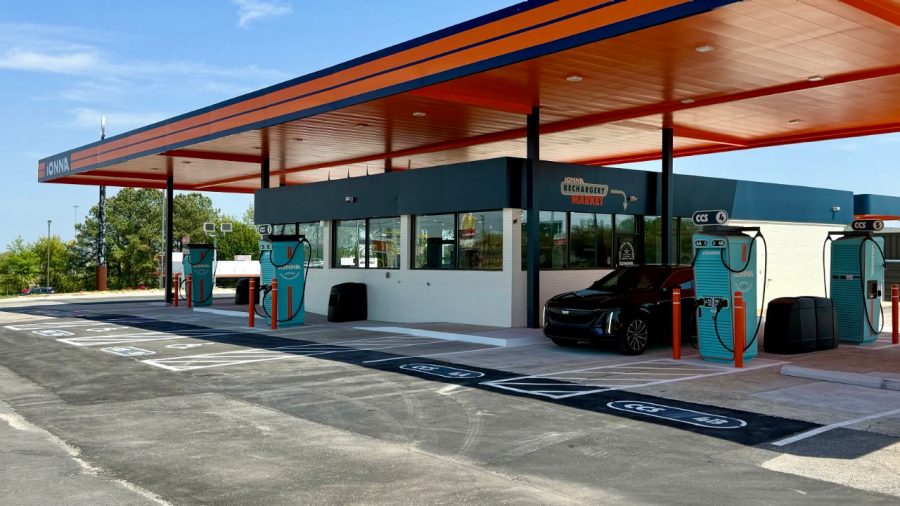
GM EV drivers now have access to more than 120 IONNA fast-charging stations across the United States.
GM expands fast charging across the United States
IONNA continues rapidly expanding its footprint with stations strategically located across major travel corridors.
Many of the new locations feature IONNA Rechargeries, offering drivers amenities such as:
- Fast charging up to 400 kW
- Food and beverage options
- Modern restrooms
- Well-lit charging areas
- Comfortable rest stops during charging sessions
The network is designed to reduce charging times while providing a better experience for EV owners traveling long distances.
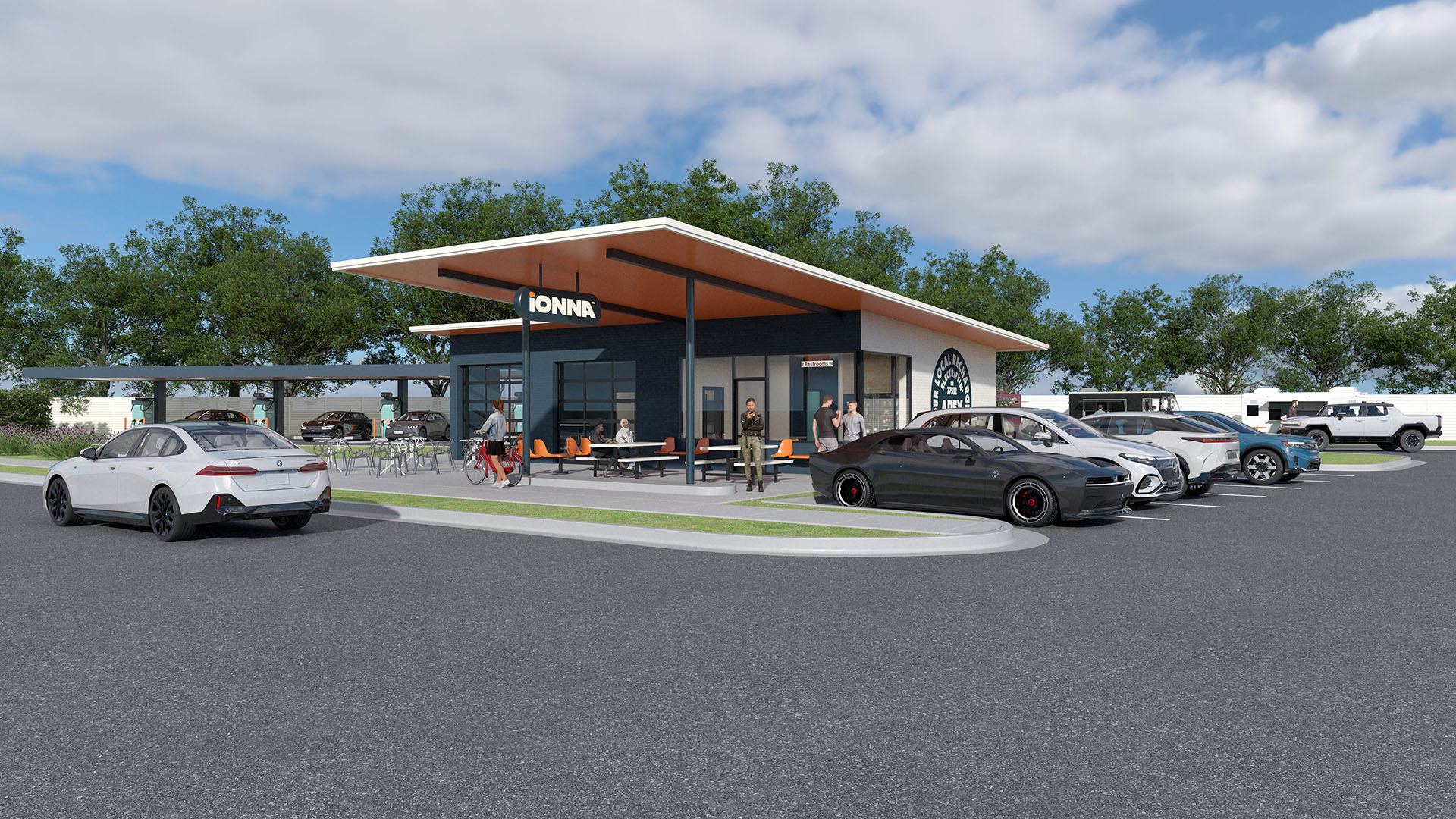
IONNA Rechargery locations combine ultra-fast charging with convenient traveler amenities.
Energy Pass simplifies public EV charging
GM’s new Energy Pass integrates public charging directly into the MyChevrolet, MyCadillac, and MyGMC mobile apps.
Instead of creating multiple charging accounts, drivers can:
- Find compatible charging stations
- Start charging remotely
- Pay directly through one account
- Use Plug & Charge for automatic authentication
- Receive a 10% discount when charging at participating IONNA stations
The system also provides access to multiple charging providers through a single interface.
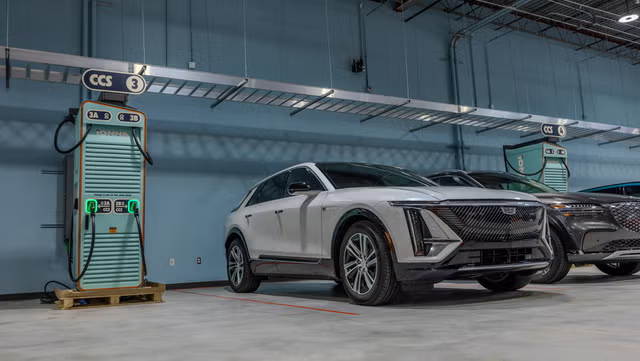
Energy Pass allows GM EV owners to access multiple charging networks from one app.
More charging options for GM electric vehicles
Beyond IONNA, Energy Pass also connects GM customers with several of the nation’s largest charging networks, including Tesla Supercharger, Electrify America, and additional providers that continue expanding throughout the country.
Combined, these networks provide access to nearly 70% of all DC fast chargers in the United States, giving GM EV owners significantly greater charging flexibility whether commuting daily or taking longer road trips.
As IONNA continues opening new locations nationwide, General Motors is strengthening one of the most important aspects of EV ownership: convenient, reliable and easy-to-use public charging infrastructure.
-
 TEST DRIVES1 month ago
2026 Subaru Outback Touring
-
 TEST DRIVES2 months ago
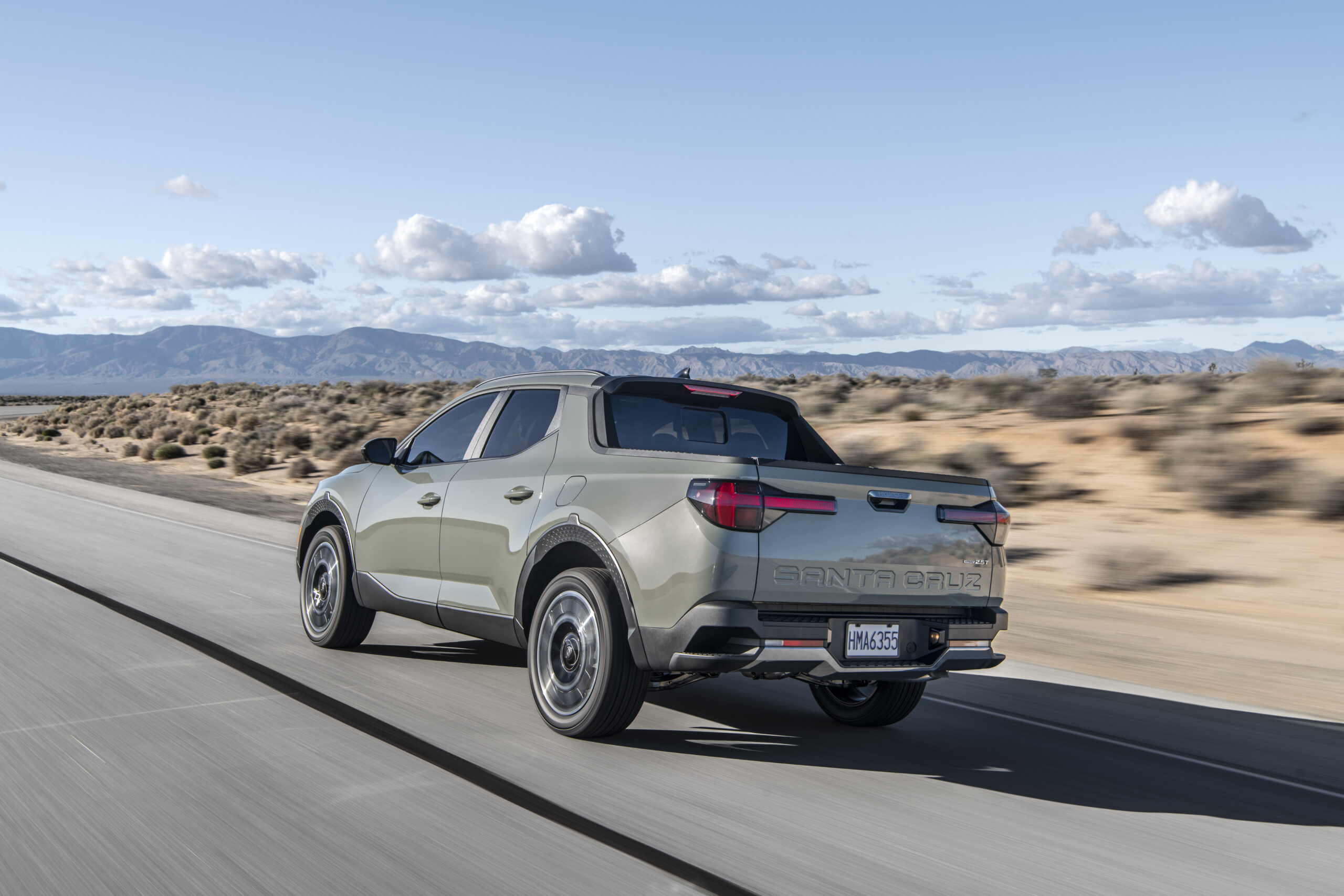
2026 Hyundai Santa Cruz Limited AWD
-

 TEST DRIVES1 month ago
Lamborghini prepares multiple launches for 2026 as electrification plans continue
-
 RACING1 month ago
George Russell Leads Final Barcelona Practice As Kimi Antonelli Receives Reprimand
-

 RACING1 month ago
Barcelona-Catalunya Grand Prix: Everything You Need To Know About Formula 1’s Ultimate Benchmark Circuit
-

 NOW TRENDING1 month ago
Porsche Creates A Buzz Lightyear-Inspired 911 GT3 RS That Looks Ready To Go “To Infinity And Beyond”
-

 RACING1 month ago
Why Formula 1 Has Pit Lane Speed Limits And How They Are Measured
-
 NOW TRENDING1 month ago
2026 Audi Q7 Brings New Design, Smarter Technology, And Greater Versatility
You must be logged in to post a comment Login