
Formula1
Ford F1 Technology: What U.S. Buyers Can Actually Measure

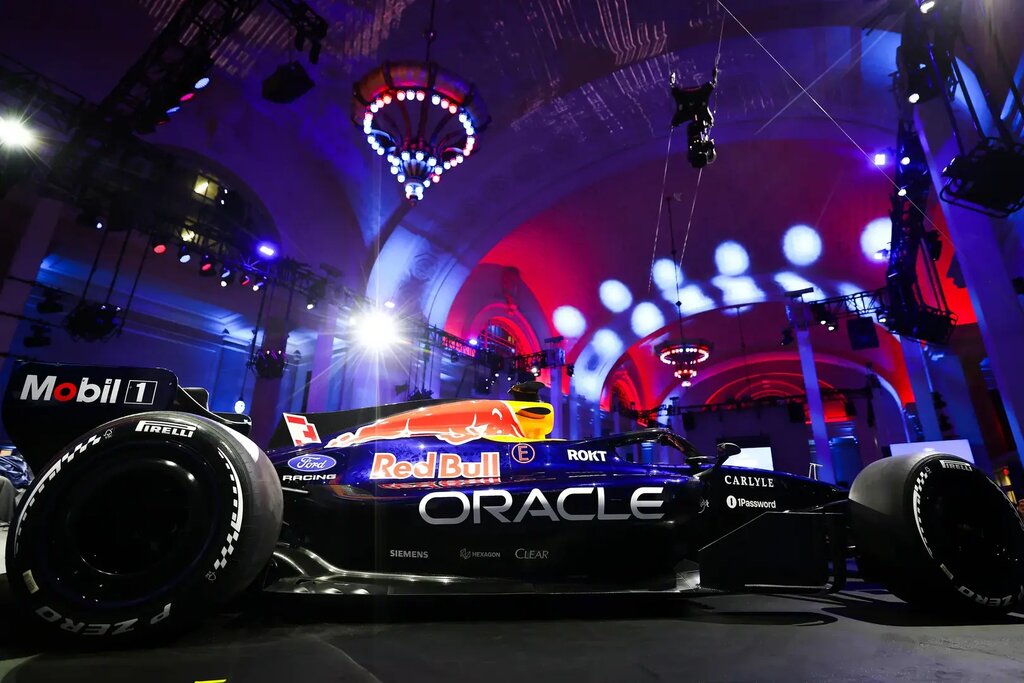
Ford’s Formula 1 program has produced concrete engineering gains. The harder question for American drivers is when those gains become something they can measure in a vehicle they buy: fewer charging stops, better fuel economy or fewer repairs.
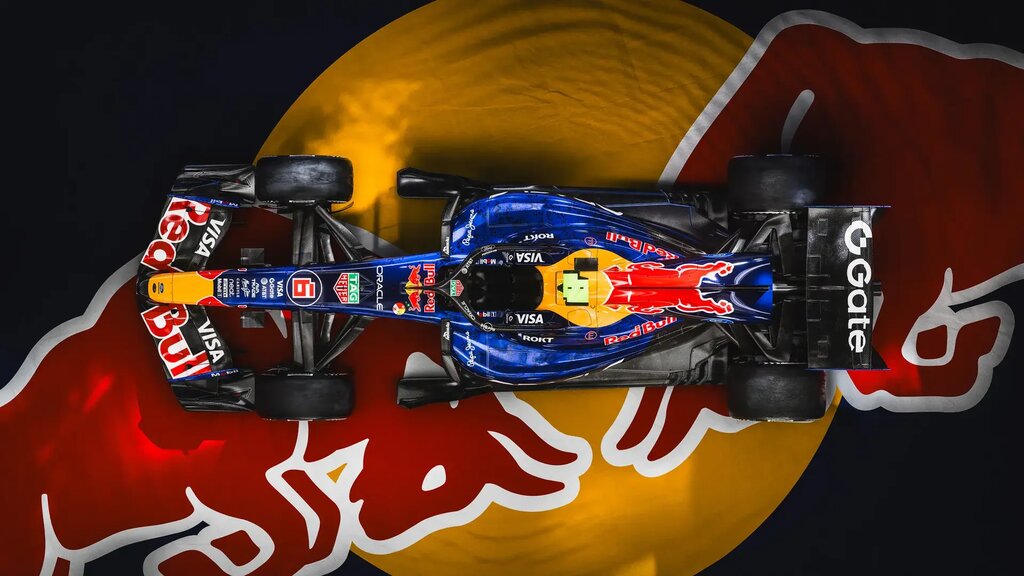
Ford says its F1 engineering work has helped accelerate prototype development, cutting one reported process from 16 days to five. image:Ford / Ford Press Belux.
In an October explanation of Ford’s F1 ambitions, Ford Racing global director Mark Rushbrook linked the program’s battery, motor and software work to future road vehicles. Carsfera’s assessment of the supporting technical accounts finds three different levels of evidence: faster development, an identified quality-control application and benefits that remain prospective.
Eleven days saved before a part reaches the track
Ford Racing powertrain chief engineer Christian Hertrich supplied one of the clearest numbers in his January engineering report: a prototype printing window fell from 16 days to five.
That is 11 days saved, or a 68.75% reduction in elapsed time, calculated by Carsfera from Ford’s figures. The distinction matters. This is a reported improvement in a prototype process, not evidence that Ford can build a showroom vehicle 68.75% faster or reduce its price by a similar amount.
For a race program, shortening that interval creates room to evaluate another design sooner. For buyers, its value would depend on where Ford applies the process, whether it improves a production component and whether the resulting benefit survives the requirements of mass manufacturing. A faster development tool is useful evidence of engineering progress; it is not a consumer specification.
The road-car connection already runs in both directions
There is also a software story behind the cars. In Ford Racing’s interview with engineer Kevin Ruybal, he explained that his xROM simulation tool grew from earlier work on Ford production hybrid powertrains.
According to Ruybal, the model ran about 1,000 times faster than real time at the time of that interview. It simplifies the behavior captured by more detailed simulations, helping engineers explore responses without running the full computational workload each time. It does not independently replace the underlying predictive models.
The significant point for U.S. readers is the direction of travel: production-vehicle experience helped the F1 project. It would be misleading to describe every useful technique in the partnership as something racing invented for the street.
Ford’s existing electrification story provides context. Carsfera’s 2022 Maverick review covers the compact pickup’s hybrid offering, while our 2025 Mustang Mach-E Premium eAWD review examines an electric Ford on the road.
A quality-control example is more concrete than a promise
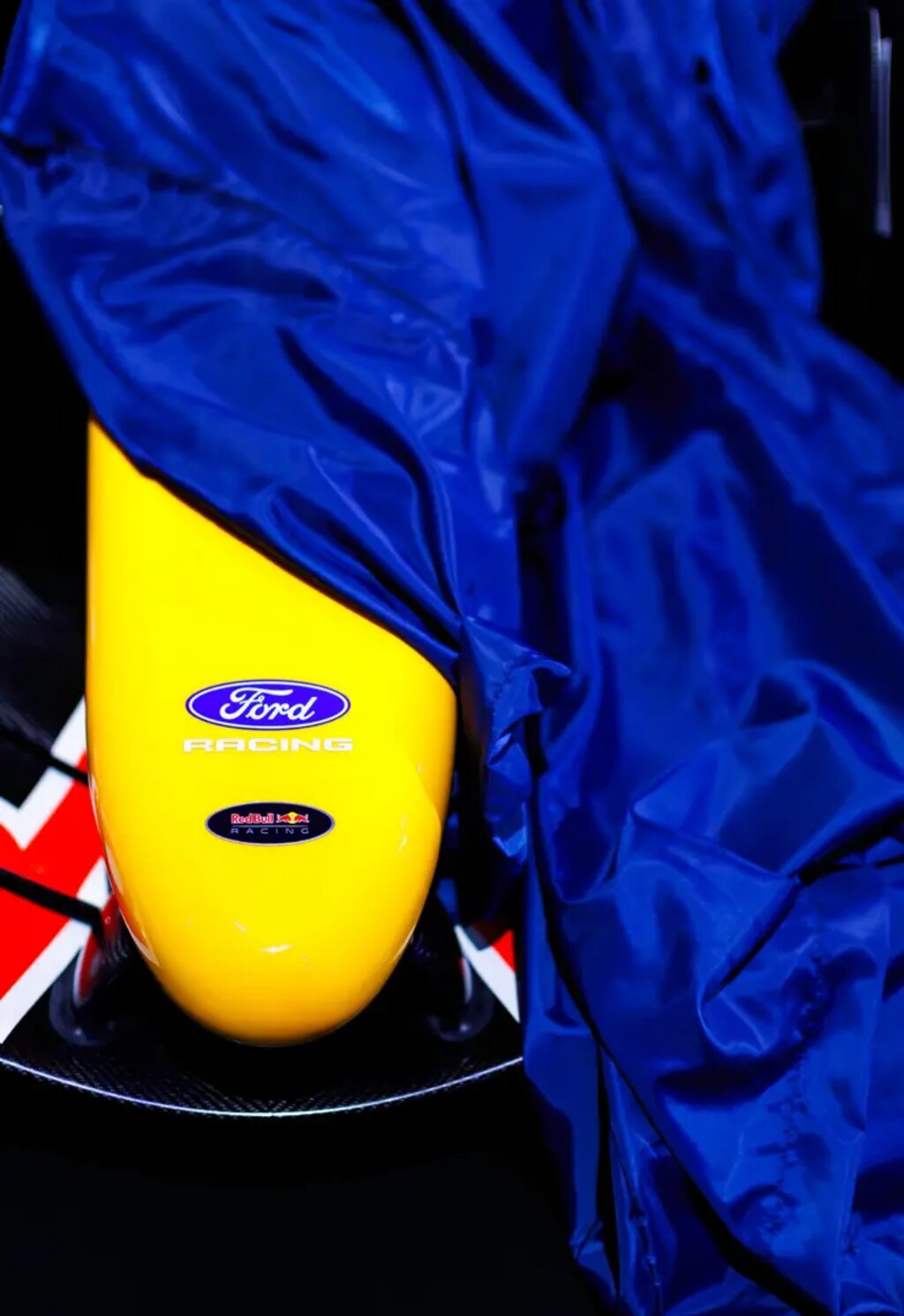
Ford’s F1 involvement includes work on batteries, electric motors, software and advanced manufacturing, although many consumer benefits remain prospective. image: Ford / Ford Press Belux.
Ford’s account of testing components for Red Bull describes scanning and inspection methods used alongside additive manufacturing. It also reports a production-vehicle application: advanced scanning identified excess glue in F-150 headlamps associated with condensation.
According to Ford, the cause was found in one day of testing after conventional inspection had failed to identify it for months. That is a specific diagnostic example, although the account does not provide fleet-wide repair savings or a measured reduction in warranty claims.
For owners, that is a useful distinction. Finding the cause of a defect can matter more than a racing-inspired badge. But one successful investigation cannot establish that an entire model range has become more reliable.
What would turn the promise into a buying reason?
Hertrich’s January report connects thermal management and battery-state calculations with future electric-truck towing range and charging improvements. Those are development ambitions in that account, rather than a named U.S. vehicle with a quantified improvement and an on-sale date.
Before treating that connection as a reason to buy, ask for three things: the production model receiving the change, a measurable before-and-after result under comparable conditions, and when customers can obtain it. A charging claim needs defined battery and temperature conditions; a towing-range claim needs a stated load and test procedure.
Carsfera’s assessment: Ford’s strongest demonstrated F1-to-road case in these accounts lies in development and inspection methods. U.S. buyers should judge a specific vehicle by its measured capabilities and ownership costs, while treating broader racing-derived efficiency promises as work still to be demonstrated.









-

 NOW TRENDING2 months ago
Land Rover Defender Recall 2026: 23,677 JLR SUVs Affected
-
 NOW TRENDING2 months ago
Hyundai September 2026 Sales Hit Record 77,439
-
 NOW TRENDING2 months ago
2027 Silverado HD: New 8.3L Duramax V8 Revealed
-

 NOW TRENDING2 months ago
Porsche Gas Macan Returns in 2028 as EV Plans Evolve
-
 NOW TRENDING2 months ago
Cadillac EVs 2026: All Five Electric Models Explained
-
 INTELLIGENT MOBILITY2 months ago
Waymo Safety Data Shows 82% Fewer Injury Crashes
-
 NOW TRENDING2 months ago
2027 Toyota Grand Highlander Woodland Adds Adventure
-
 INTELLIGENT MOBILITY2 months ago
GM and PG&E Make Home EV Charging Easier for Buyers