
Formula1
Lando Norris Warns McLaren After Baku Pace Struggle

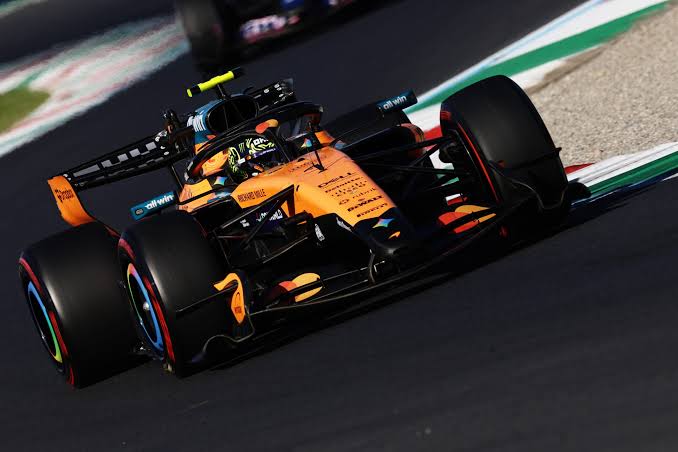
Lando Norris says McLaren is “miles off” the pace in Baku, with Mercedes faster through the slow corners and on the long straight after Thursday practice.
Norris sees a major pace gap in Baku
Lando Norris did not hide his concern after the opening day of the 2026 Azerbaijan Grand Prix.
The McLaren driver said the car feels reasonably good to drive. The problem is the stopwatch. McLaren ended Thursday around 1.5 seconds off George Russell’s Mercedes, which topped both practice sessions.
Norris finished sixth in FP2 with a 1:44.831, 1.484 seconds behind Russell. Oscar Piastri was eighth, 1.510 seconds off the pace.
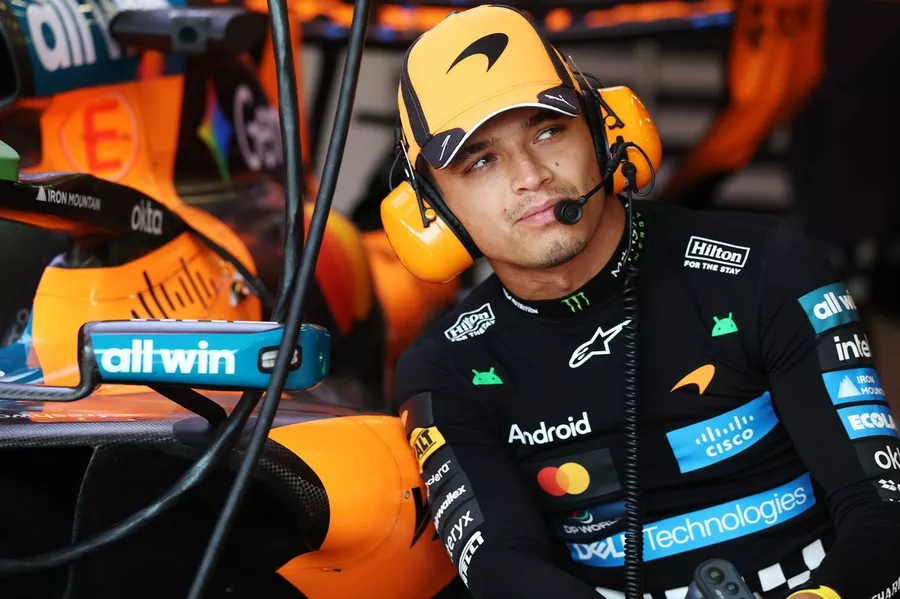
The McLaren MCL40 tackles the Baku City Circuit during Thursday practice.
Norris said the result was difficult to accept because the car itself did not feel particularly bad.
He explained that McLaren expected to struggle at a circuit with very slow corners and an extremely long straight. Mercedes has been stronger in both areas so far.
“We’re miles off,” Norris said after FP2. He added that the car was in the position the team expected, but the size of the gap was still a surprise.
That difference could prove important again on Friday.
Qualifying will take place on September 25, with the race scheduled for Saturday, September 26.
Mercedes is exploiting Baku’s extremes
The Baku City Circuit creates an unusual setup challenge.
The track combines some of the slowest corners on the Formula 1 calendar with its longest straight. Teams therefore have to balance aerodynamic load against drag.
McLaren’s technical team knew that would make the weekend difficult.
Norris said Mercedes is faster in the slow corners. The Silver Arrows are also faster on the main straight.
That means McLaren is losing time at both ends of the lap.
There is little room for easy gains. Adding downforce can help in the corners, but more aerodynamic drag can cost speed on the straight.
That compromise is one of the central engineering problems in Baku.
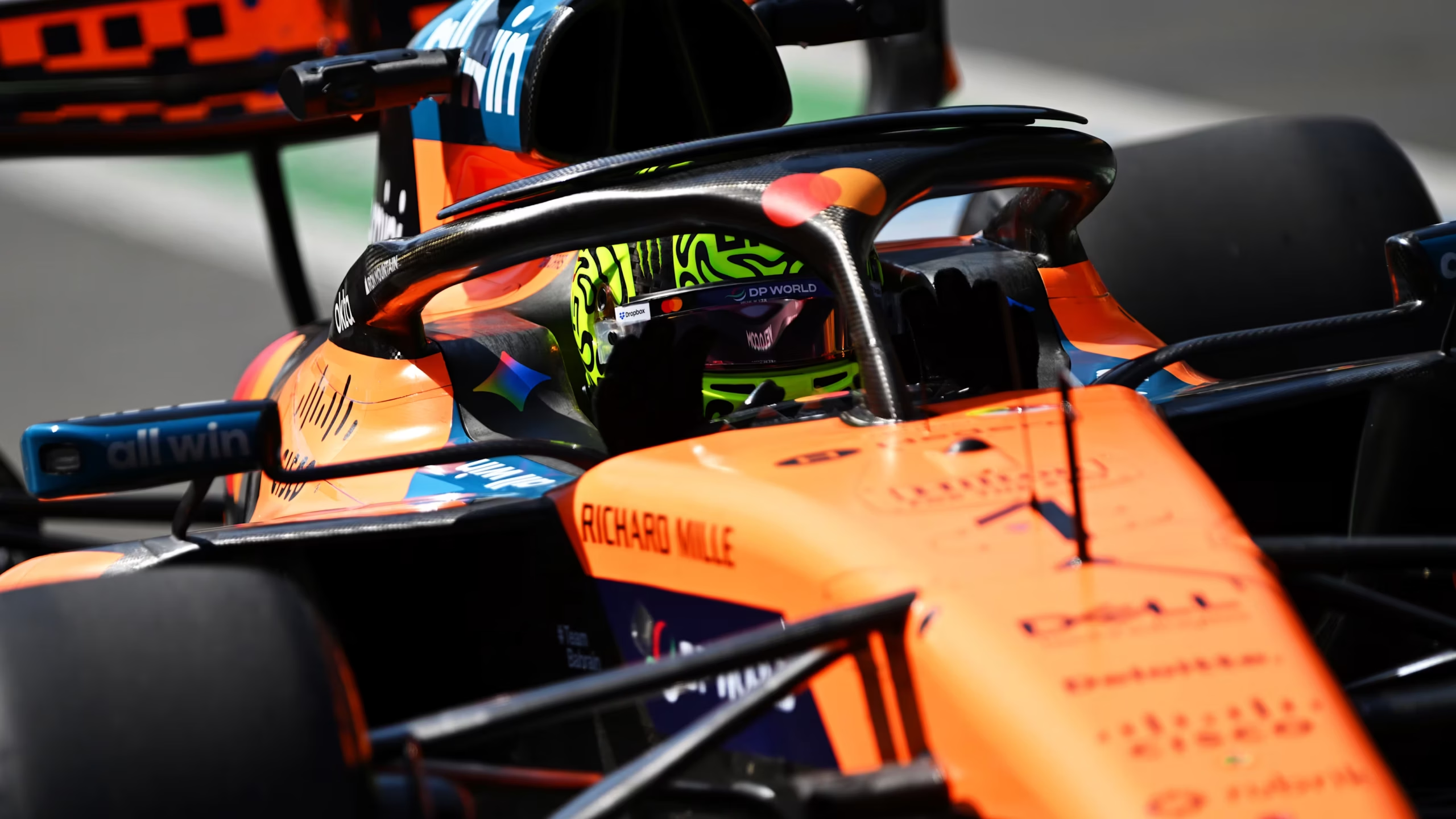
Norris’s MCL40 negotiates the tight sections of the Baku circuit during the team’s Thursday running.
McLaren arrived with a significant upgrade package.
The team brought changes to the sidepods, engine cover, floor, diffuser and rear suspension. A new, higher-downforce H-Wing was also available for evaluation.
The initial data was encouraging.
Technical director and chief designer Rob Marshall said the car was behaving broadly as the team’s simulations predicted. However, McLaren had not yet extracted the full potential of the package.
That distinction is important.
The upgrade does not appear to have failed. Instead, McLaren is still trying to find the right setup for Baku.
Floor damage cost McLaren valuable track time
The first practice session created another problem.
Both McLaren cars suffered floor-related issues. Norris’s MCL40 developed damage to the front of the floor, while a similar problem was later identified on Piastri’s car.
The team applied a temporary fix to keep both cars running.
A more complete solution was then fitted between FP1 and FP2. McLaren said the temporary fix allowed both drivers to complete their second-session programs.
That lost track time matters at a street circuit.
Baku rewards confidence. Drivers need laps to understand the braking points, kerbs and narrow sections.
Norris admitted that the disrupted first session left him a few laps behind the ideal program.
He still said the car felt predictable.
Norris remains confident in the car
The biggest positive for McLaren was the driver’s feedback.
Norris said he felt “pretty good” in the car and believed it was responding well.
The problem was not a lack of confidence in the MCL40. It was the lack of raw pace.
That is an important distinction for the team.
If the handling remains stable, engineers can focus on setup changes and data analysis rather than solving a fundamental balance problem.
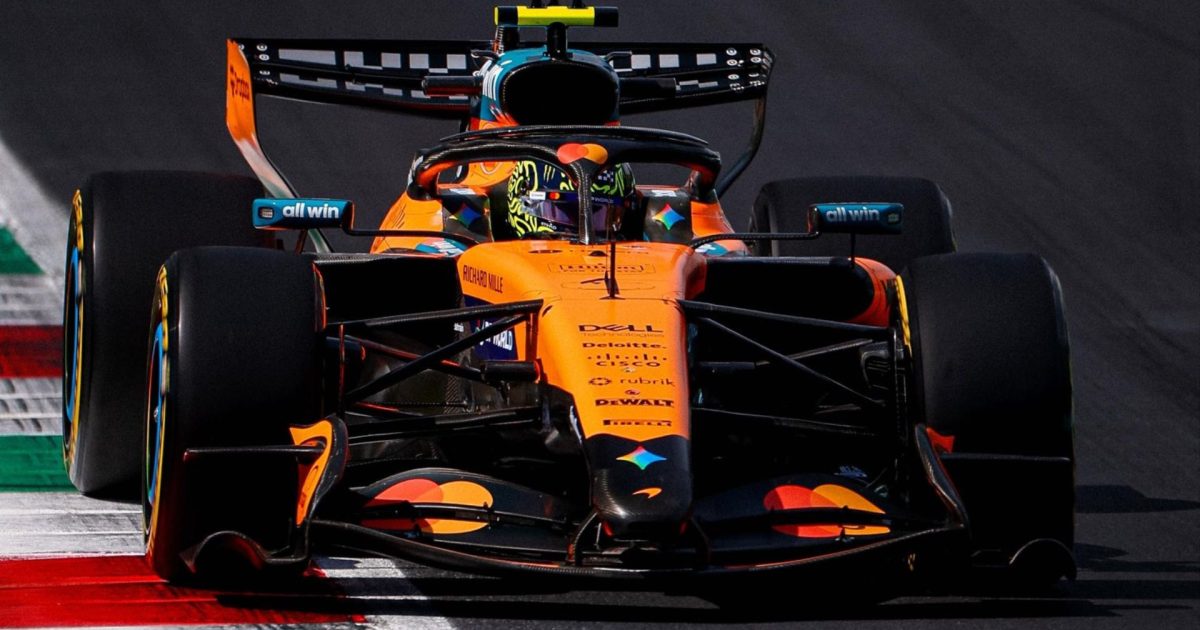
Lando Norris and Oscar Piastri prepare for a challenging Baku weekend with McLaren.
McLaren now has several hours of data to analyse before final practice and qualifying.
The team says the new components are working in the way its simulations predicted. The next task is to dial in the performance and find more time from the package.
The short Baku schedule adds another layer.
There is only one practice session on Friday before qualifying. The race then takes place on Saturday.
That leaves McLaren little time to close the gap.
McLaren needs a stronger Friday
Norris knows the situation can change quickly.
The MCL40 upgrade has already produced useful information, and the team has a full night of data analysis ahead. But Mercedes currently has a clear performance advantage around the Baku lap.
McLaren’s objective is therefore straightforward: improve the setup, unlock more performance and reduce the gap before qualifying.
For Lando Norris in Baku, the car may feel good enough.
Right now, however, it is not fast enough. Friday’s work will determine whether McLaren can turn its new upgrade package into a much closer fight at the front.










-

 NOW TRENDING2 months ago
Aston Martin DBX Becomes Harry Da Souza’s Ride in MobLand
-

 TEST DRIVES2 months ago
2026 Maserati GranTurismo Trofeo Review: Miami
-

 INTELLIGENT MOBILITY2 months ago
Tesla Cybercab Navigation Problem Hits Austin Robotaxis
-

 INTELLIGENT MOBILITY2 months ago
Tesla Cybercab Cannot Be Charged at Home—Here’s Why
-

 INTELLIGENT MOBILITY2 months ago
2027 Nissan Rogue Hybrid: e-POWER Comes to America
-

 TEST DRIVES2 months ago
2026 Maserati GranTurismo Coupe
-
 Formula12 months ago
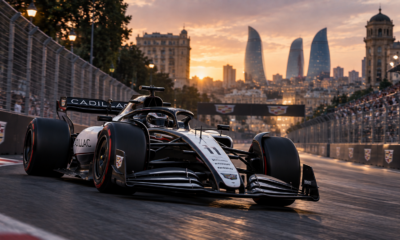
Cadillac F1 2026 Faces an Eight-Race Logistics Challenge
-

 NOW TRENDING2 months ago
2027 Lexus LS Gets Another Update, But Not in America