
Formula1
F1 Madrid: Mercedes’ Secret Code Helped Antonelli Win

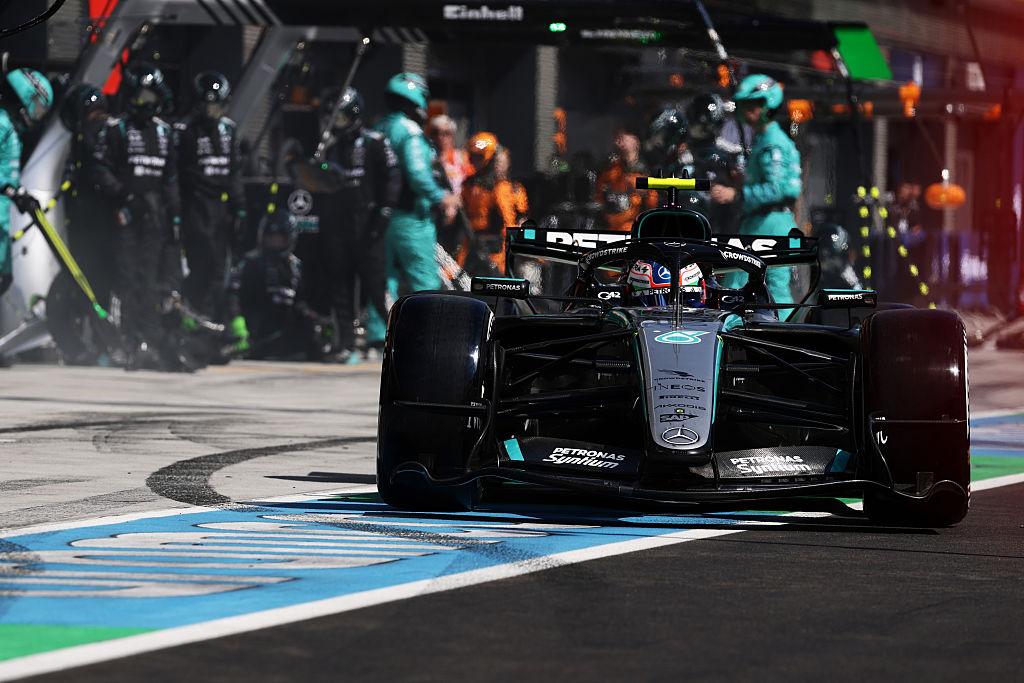
A hidden Mercedes radio code helped Kimi Antonelli gain a crucial second in Madrid, allowing the team to react perfectly when the Virtual Safety Car appeared.
Mercedes anticipated the decisive Virtual Safety Car
The F1 Madrid race was decided by tiny margins. Kimi Antonelli was close to the pit-lane entrance when the Virtual Safety Car was activated. Mercedes had already prepared for that possibility.
Before the VSC appeared, Antonelli received a coded message from his race engineer. He then began reducing his speed between Turns 18 and 20.
The idea was simple. Antonelli needed to create extra time in case Race Control neutralised the race. That decision became one of the most important moments of the Grand Prix.
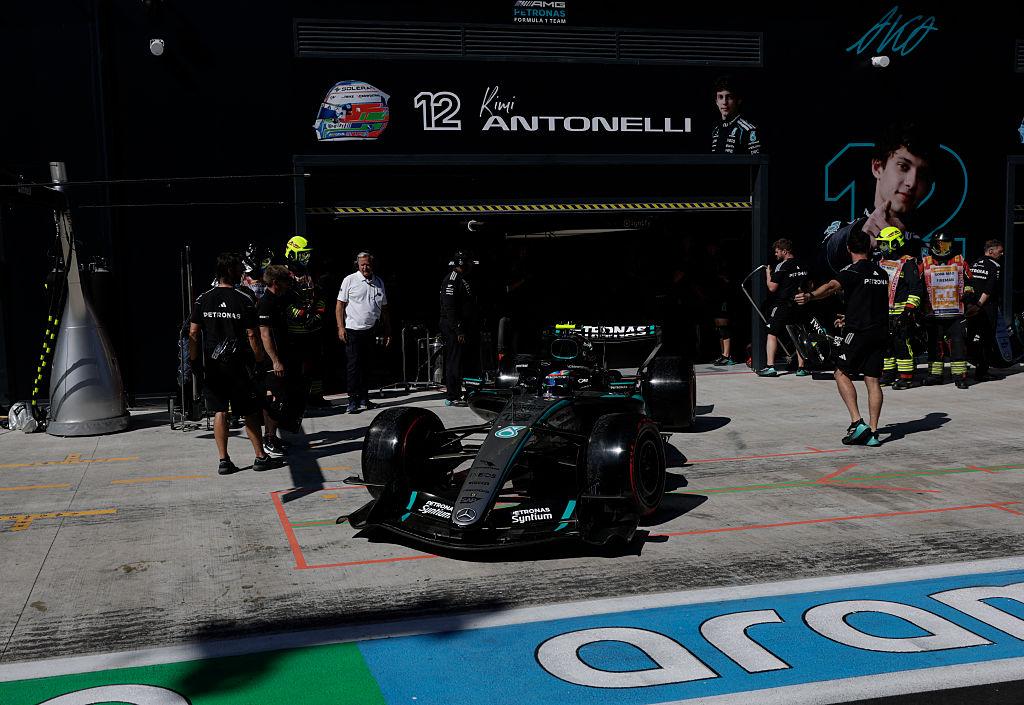
The lap data shows how aggressive that slowdown was.
At Turn 19, Antonelli was 29 km/h slower than on the previous lap. He then reached the braking zone for Turn 20 24 km/h slower.
Lance Stroll’s car was stopped in that area. Antonelli had already lifted off the throttle before reaching the corner.
Max Verstappen approached the same section differently. He took Turn 19 15 km/h faster than Antonelli. He also reached the Turn 20 braking zone 18 km/h faster.
Antonelli was therefore doing more than simply obeying the yellow flag. He was managing his speed to prepare for a possible VSC.
The secret code gave Antonelli valuable time
Mercedes uses changing secret codes to communicate strategic situations to its drivers. The team changes them regularly so rival teams cannot easily understand their meaning.
In Madrid, that system told Antonelli that a pit stop could become necessary. The message arrived before the VSC was officially activated.
That advance warning mattered because the timing window was extremely small.
There were 35 seconds between the yellow flag and the VSC activation. Another 15 seconds passed before Antonelli reached his Mercedes pit box.
That left almost no margin.
The Italian was already close to the pit-lane entry when the VSC became active. His earlier slowdown had given him an extra second.
That single second was crucial.
Without it, Antonelli could still have reached the pit lane. However, the situation would have been much tighter. Mercedes needed every available moment to complete the operation.
The team also prepared for George Russell’s stop. Both Mercedes cars needed to be handled during the same neutralisation.
Mercedes had to coordinate everything perfectly
A successful VSC strategy requires much more than a radio call.
The engineers must identify the opportunity. The driver must react immediately. At the same time, the mechanics need to have the correct tyres ready.
In Madrid, Mercedes managed that entire sequence in seconds.
Antonelli arrived at his pit box with an extremely small margin. The tyres reached the position almost at the same moment as the car.
The pit crew therefore had very little room for error.
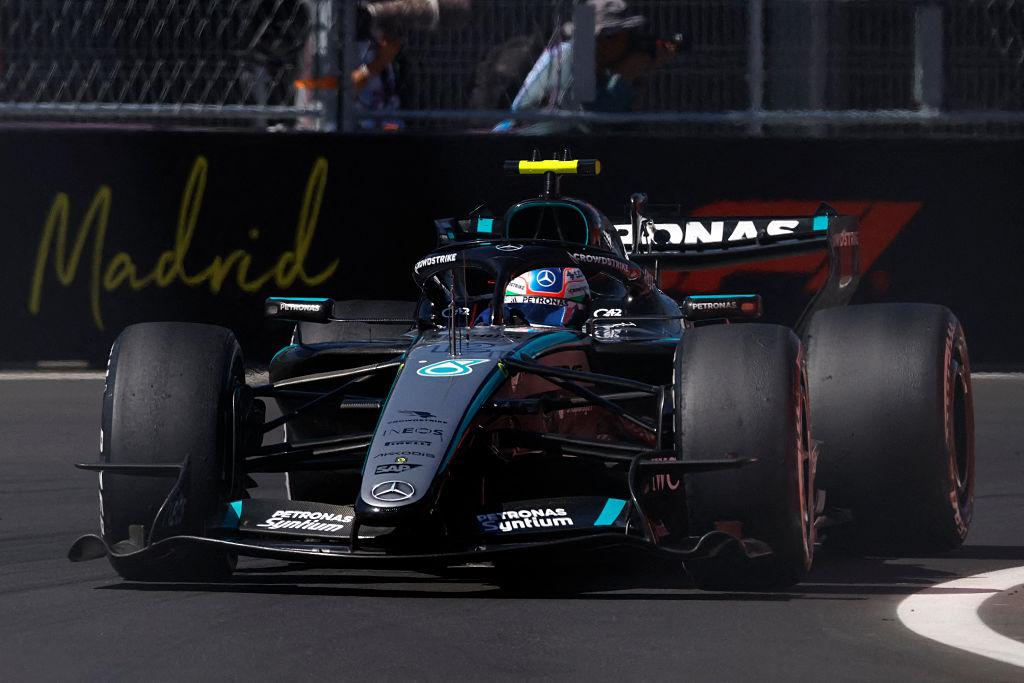
The sequence explains why the VSC became so important to the final result.
Antonelli gained time before the neutralisation. Mercedes prepared the tyres. Then the VSC appeared at exactly the right moment for the team’s strategy.
The extra second gave Antonelli a larger margin to enter the pit lane.
The advantage became even more important because overtaking around the Madrid circuit was difficult. Once Antonelli gained track position through the pit sequence, the strategy had done its job.
Mercedes had discussed Safety Car and VSC scenarios before the race. That preparation meant the team already knew how to react when an incident occurred.
Antonelli also understood what the coded message meant. He slowed down before the VSC was confirmed.
That combination created the opportunity.
One second changed the race
Luck still played a part in the sequence. The VSC appeared while Antonelli was close enough to the pit-lane entry to benefit from it.
However, Mercedes had prepared for exactly this type of situation.
The team identified the possibility early. Antonelli adjusted his speed. The mechanics prepared the tyres. Then the pit stop was completed during the neutralisation.
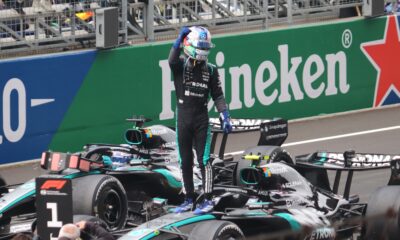
Antonelli ultimately became the first Formula 1 winner at Madring, with Max Verstappen second and Lando Norris third. The victory was his eighth of the 2026 season.
The Madrid Grand Prix therefore offered a clear example of how modern F1 strategy works.
A yellow flag lasted only moments. The VSC created a narrow window. And one extra second helped Mercedes turn that window into a winning opportunity for Antonelli.








-
 NOW TRENDING2 months ago
Aston Martin DBX Becomes Harry Da Souza’s Ride in MobLand
-
 TEST DRIVES2 months ago
2026 Maserati GranTurismo Trofeo Review: Miami
-
 INTELLIGENT MOBILITY2 months ago
Tesla Cybercab Navigation Problem Hits Austin Robotaxis
-

 INTELLIGENT MOBILITY2 months ago
Tesla Cybercab Cannot Be Charged at Home—Here’s Why
-

 INTELLIGENT MOBILITY2 months ago
2027 Nissan Rogue Hybrid: e-POWER Comes to America
-
 TEST DRIVES2 months ago
2026 Maserati GranTurismo Coupe
-
 Formula12 months ago
Cadillac F1 2026 Faces an Eight-Race Logistics Challenge
-

 NOW TRENDING2 months ago
2027 Lexus LS Gets Another Update, But Not in America