
NOW TRENDING
GM’s New Small Block V8 Delivers More Power for 2027 Trucks

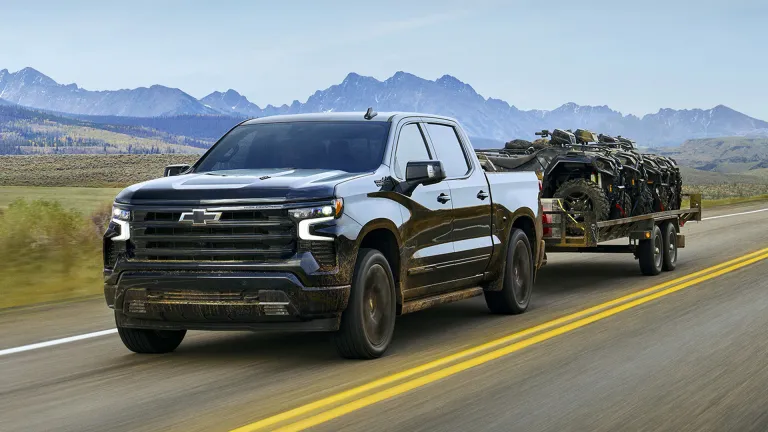
General Motors is bringing its sixth-generation Small Block V8 architecture to the 2027 Silverado 1500 and GMC Sierra 1500 with two larger engines, more power and new efficiency technology.
General Motors is taking its legendary Small Block V8 into a new generation for its next-generation full-size pickups. The new GM Small Block V8 family introduces the L76 5.7-liter and L78 6.6-liter engines for the 2027 Chevrolet Silverado 1500 and GMC Sierra 1500.
The two naturally aspirated engines bring more displacement, higher output and updated combustion technology to GM’s light-duty truck lineup. They also revive the familiar 350- and 400-cubic-inch displacements that have long been associated with the Small Block name.
The new engines join the sixth-generation architecture already developed for GM’s sports cars, extending the platform into one of the company’s most important truck segments.
Two New V8s Bring More Displacement
The L76 increases displacement from 5.3 liters to 5.7 liters, while the L78 grows from 6.2 liters to 6.6 liters. GM achieved the additional displacement primarily by increasing piston stroke by 6 millimeters.
The 5.7-liter produces 402 horsepower and 428 lb-ft of torque. The larger 6.6-liter raises those figures to 481 horsepower and 501 lb-ft.
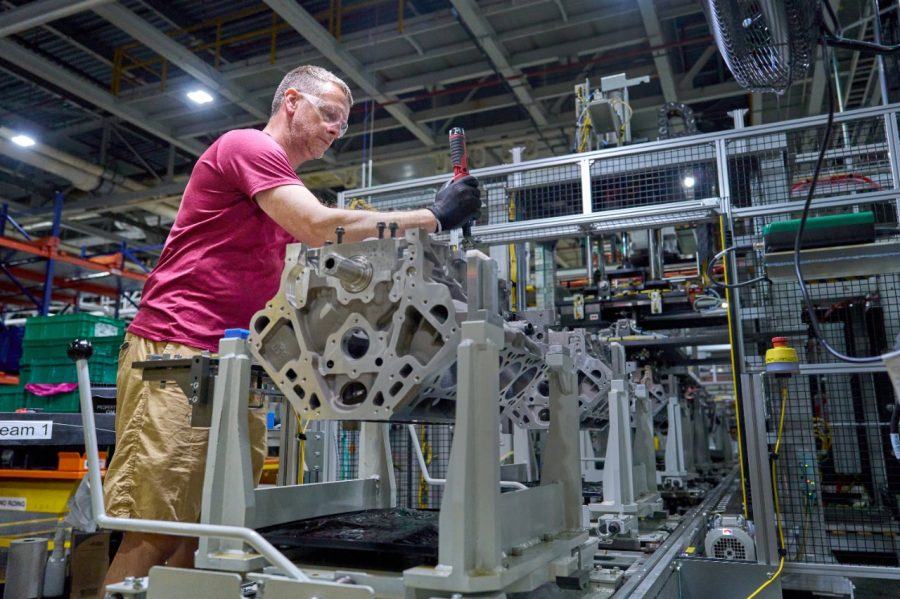
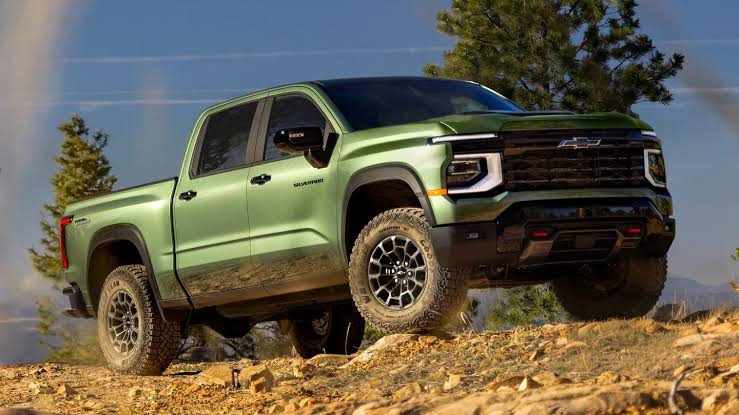
GM’s sixth-generation Small Block V8 family brings new 5.7-liter and 6.6-liter engines to the 2027 Chevrolet Silverado 1500.
The 6.6-liter also becomes the most powerful naturally aspirated V8 in the light-duty pickup segment, according to GM.
Both engines retain a key architectural feature shared with more than 100 million Small Block engines built since 1955: the 4.40-inch cylinder bore spacing.
More Air, Higher Compression and New Fuel Injection
GM did more than simply increase displacement. The new V8s use higher compression ratios, larger throttle bodies and redesigned intake manifolds with tuned runners to improve airflow.
The engines also feature a dual-fuel injection system that combines direct injection and port fuel injection. GM says the setup allows the engines to operate more effectively across different power, efficiency and emissions conditions.
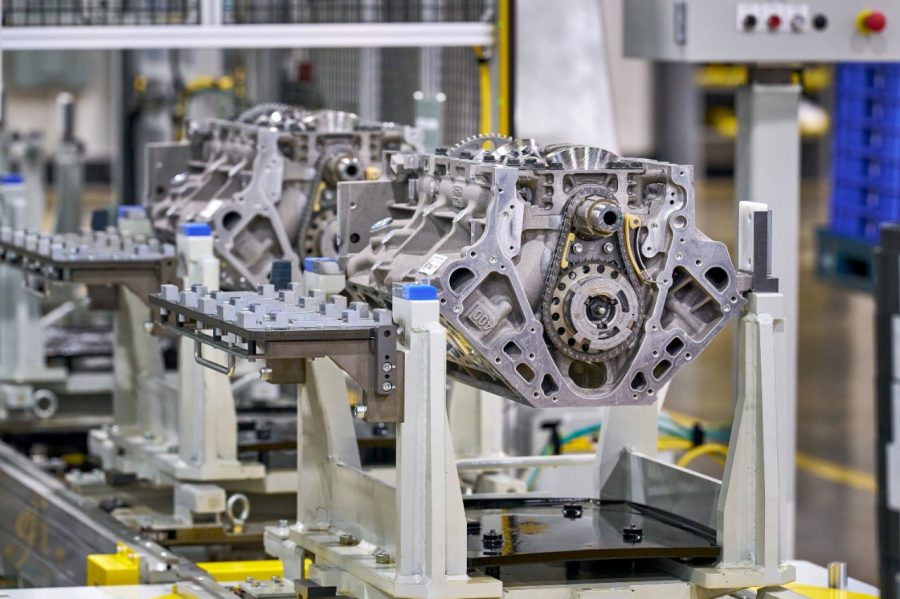
GM’s new 6.6-liter Small Block V8 moves through the assembly process at Flint Engine Operations.
Lubrication has also been redesigned. A continuously variable oil pump, an on-engine oil cooler and revised oil-feed locations are intended to provide more consistent oil pressure.
Together, these changes show that the new Small Block is not simply a larger version of the previous engines. GM has reworked several core systems to improve performance and durability.
The Silverado Can Tow Up to 13,700 Pounds
The new engines also bring significant changes to truck capability.
The 5.7-liter L76 gives the Silverado 1500 a maximum tow rating of 13,700 pounds when properly equipped. The equivalent Sierra 1500 reaches 13,500 pounds.
The 6.6-liter L78 is rated for up to 9,700 pounds of towing in the Silverado and 9,400 pounds in the Sierra, according to GM’s powertrain specifications.
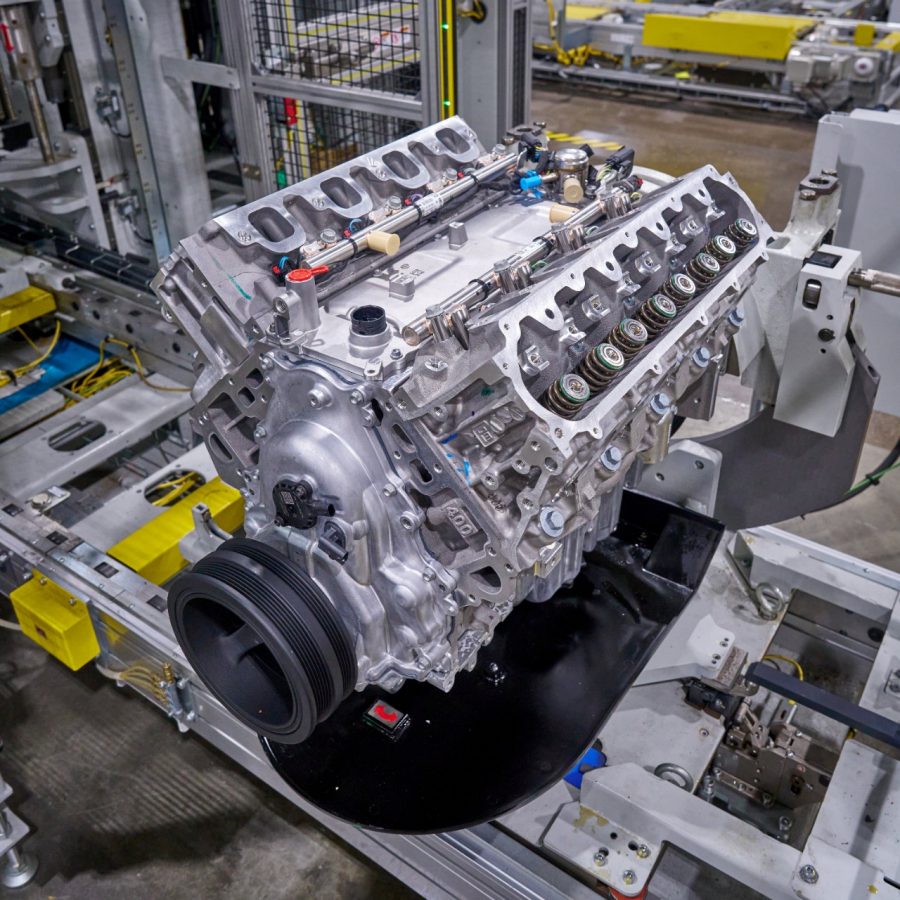
The 2027 GMC Sierra 1500 will offer the new sixth-generation 5.7-liter and 6.6-liter Small Block V8 engines.
The 5.7-liter also offers maximum payload ratings of 2,170 pounds for the Silverado and 2,140 pounds for the Sierra. The larger engine is rated at 1,510 and 1,450 pounds, respectively.
A new 34-gallon fuel tank will also be available for the two V8s.
GM Keeps Building Around Multiple Powertrains
The new GM Small Block V8 engines are only part of the 2027 Silverado and Sierra powertrain lineup.
The trucks will also offer an enhanced TurboMax four-cylinder engine with 350 horsepower and 455 lb-ft of torque, as well as the 3.0-liter Duramax turbo-diesel with 305 horsepower and 495 lb-ft.
Every engine will be paired with a 10-speed automatic transmission.
The updated TurboMax gets a new turbocharger, revised fuel injection, improved thermal management and redesigned pistons. GM says it gains 40 horsepower and 25 lb-ft over the previous version.
Meanwhile, the Duramax returns with several updates intended to improve emissions-system operation, durability and long-term performance.
More Than 1.5 Million Miles of Testing
GM says its development teams expect to complete more than 1.5 million miles of real-world validation before the next-generation trucks reach dealerships.
That testing covers everyday driving as well as towing, hauling and off-road use.
The new engines are also being prepared for production at GM facilities in Flint, Michigan, Tonawanda, New York, and St. Catharines, Ontario.
GM Invests Heavily in Its V8 Future
The new V8 program is backed by significant North American manufacturing investment. GM previously announced an $888 million investment at Tonawanda Propulsion for sixth-generation V8 production, while the St. Catharines facility is receiving C$691 million to support the same engine family.
The investment is part of a broader $9 billion commitment to U.S. manufacturing.
That makes the sixth-generation Small Block more than an engine update. GM is building new production capacity around an architecture it expects to remain important for its trucks and SUVs.
The Small Block V8 Enters a New Era
The GM Small Block V8 is entering its sixth generation with more displacement, additional technology and greater output for the 2027 Silverado 1500 and GMC Sierra 1500.
The L76 brings 402 horsepower from 5.7 liters, while the L78 pushes the architecture to 481 horsepower from 6.6 liters. At the same time, GM is retaining a broader powertrain strategy that includes turbocharged four-cylinder and diesel options.
With more than 1.5 million miles of validation planned and production investments already underway, GM is clearly treating the new Small Block as a long-term part of its full-size truck strategy.








Volkswagen is recalling 208,724 vehicles in the US after a steering rack bolt may corrode and break, potentially causing a loss of steering control.
The Volkswagen recall covers 208,724 vehicles in the United States. The campaign involves certain 2018 Tiguan, 2018-2019 Atlas and 2019-2021 Audi Q3 vehicles.
The problem centres on one of the bolts that attaches the steering rack to the subframe. The bolt may corrode over time and eventually break.
If that happens, the steering rack housing can also break. A loss of steering control could then increase the risk of a crash.
The recall affects vehicles from different model years. Therefore, owners should check the specific vehicle rather than relying only on its year or model name.
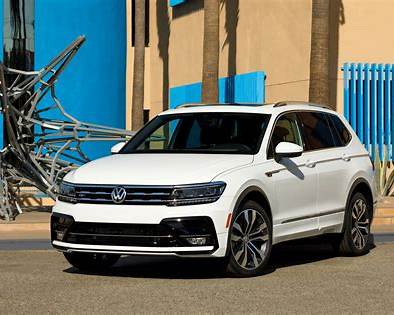
The 2018 Volkswagen Tiguan is one of the models included in the campaign.
The issue is related to the steering assembly. It is not described as a problem with the vehicle’s engine or transmission.
According to the recall information, the affected bolt can corrode and break. The consequence can be a broken steering rack housing and possible loss of steering control.
That makes the repair important even though the defective component is relatively small.
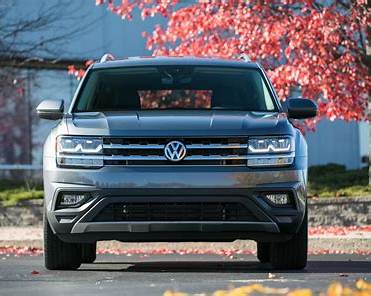
The Volkswagen Atlas is also included
Certain 2018 and 2019 Volkswagen Atlas vehicles are also part of the recall.
The Atlas was introduced as a larger SUV for the US market. The affected vehicles are now included in the same steering-related campaign as the Tiguan and Audi Q3.
The production details are vehicle-specific. For that reason, owners should use the official recall lookup to determine whether their individual vehicle is covered.
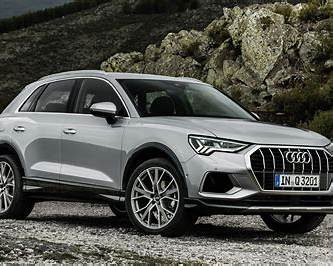
The recall also covers certain Audi Q3 models from 2019 through 2021.
Although the Audi badge is different, the vehicles are part of the same Volkswagen Group recall campaign. The underlying issue remains the steering rack mounting bolt.
The affected bolt can corrode because of the conditions identified in the recall. If it breaks, the steering rack housing may fail.
For drivers, the potential consequence is the most important part of the campaign. Steering control is a fundamental safety function, so a failure in this area can create a serious crash risk.
Volkswagen will replace the affected bolt
The recall remedy is relatively direct.
Dealers will replace the right-side steering rack mounting bolt free of charge. The repair is therefore focused on the component identified as the source of the problem.
The campaign is listed as NHTSA 26V590000. Volkswagen’s recall numbers are 48LG and 48VT. Vehicle identification numbers covered by the campaign became searchable through NHTSA on September 16, 2026.
Owners can use the NHTSA recall lookup to check their vehicle by VIN. NHTSA states that the VIN search can show whether a specific vehicle is affected by a safety recall and needs repair.
The manufacturer has also established a customer service contact for the campaign. The recall information lists Volkswagen at 1-800-893-5298.
For affected owners, the key point is the repair itself: the right-side steering rack mounting bolt will be replaced at no cost.
The campaign covers a large number of vehicles, but it is limited to specific production configurations. That is why checking the VIN remains the most reliable way to determine whether a particular Tiguan, Atlas or Q3 is affected.
The Volkswagen recall highlights how a relatively small component can have a major safety consequence. In this case, corrosion of a steering rack bolt can lead to a structural failure that may reduce steering control.
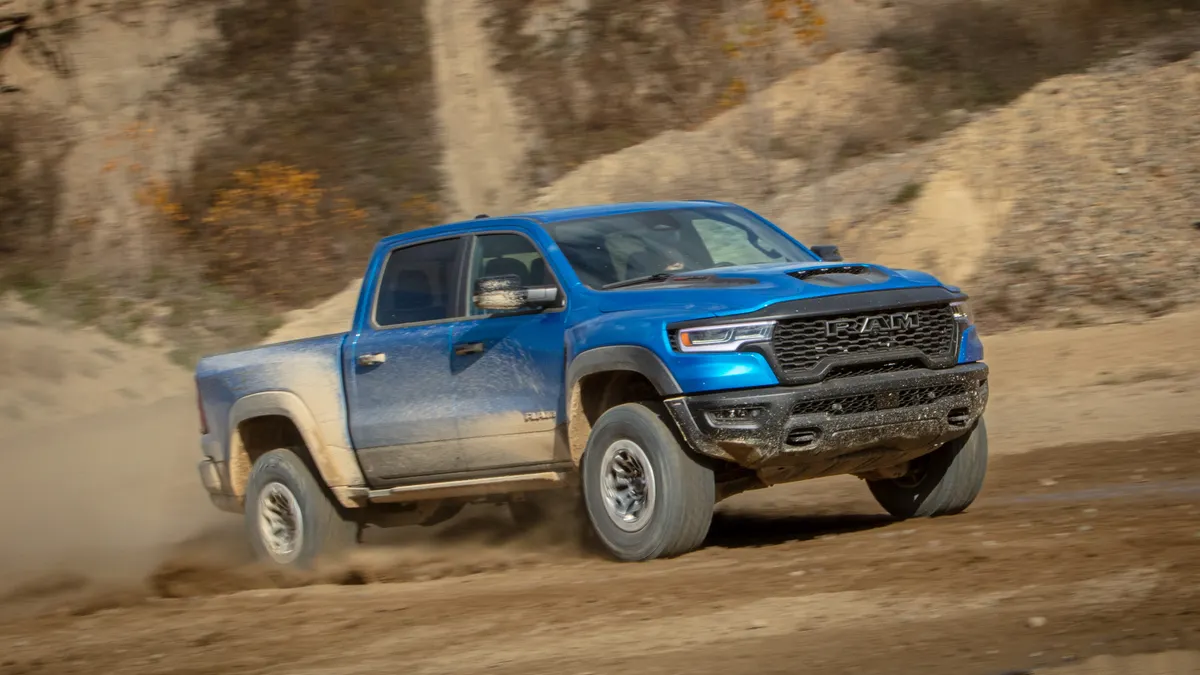
The Ram 1500 recall affects more than 239,000 trucks from the 2025 and 2026 model years after a software problem may prevent the rearview camera image from appearing.
The affected trucks were built between October 6, 2023, and February 23, 2026. FCA US estimates that all vehicles within the recalled population contain the suspect software.
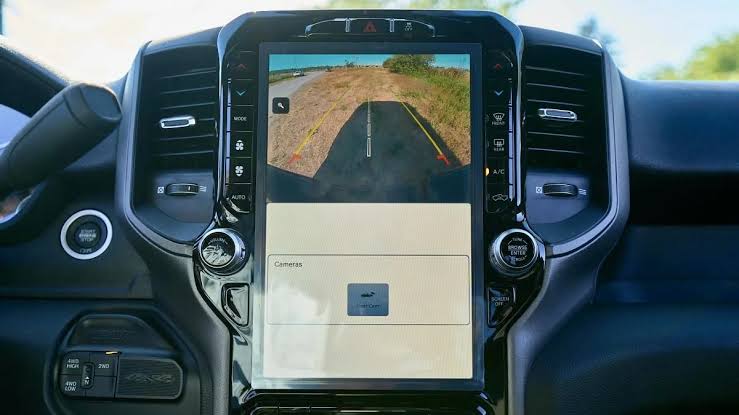
The problem can occur when the driver shifts the transmission into reverse. In that situation, the rearview image may fail to appear on the display.
That creates an important visibility problem. Without the camera image, the driver has less information about the area directly behind the truck.
The recall is registered with the National Highway Traffic Safety Administration under campaign number 26V560000.
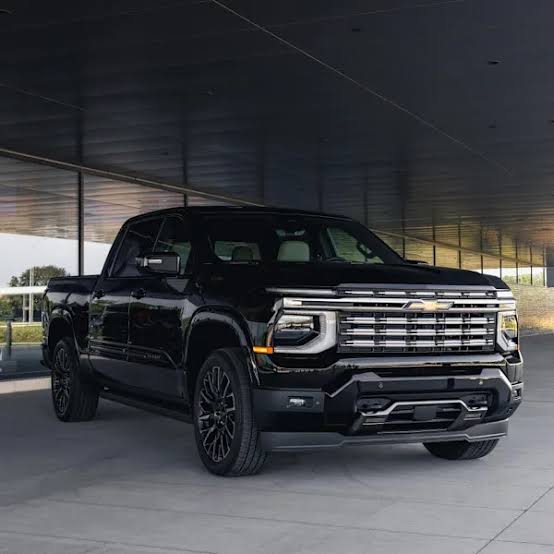
The 2025 and 2026 Ram 1500 trucks included in the campaign cover a specific production period.
The production range starts with vehicles built on October 6, 2023. It ends with vehicles produced on February 23, 2026.
Not every Ram 1500 outside that range is included. Trucks produced after the end date may use different radio or camera configurations.
That means owners should not assume that every truck from these model years is affected.
Instead, the recall status should be checked using the vehicle’s 17-character VIN. NHTSA provides a VIN search for this purpose.
Why the missing camera image matters
A backup camera is more than a convenience feature.
When the system does not display the rearview image, the driver’s rearward visibility is reduced. That can increase the risk of hitting another vehicle, object or person while reversing.
The issue also involves Federal Motor Vehicle Safety Standard No. 111, which covers rear visibility requirements for new vehicles.
For the recalled Ram 1500 trucks, the software problem can cause the display failure without warning.
That makes the issue particularly important during low-speed manoeuvres. A driver may shift into reverse and expect the camera image to appear, only to find that the screen does not provide the expected view.
The Ram 1500 uses a large central touchscreen to manage several vehicle functions. The rearview camera feed is shown through that system when reverse is selected.
The current recall centres on the radio software, rather than a mechanical failure of the truck’s transmission.
The software is supplied by Harman Becker Automotive Systems. FCA US determined that the issue affected the radio system used in the recalled trucks.
The company began investigating the problem after field information started pointing to rearview camera display failures.
Between March and June, investigators reviewed field reports, warranty claims and customer assistance records. Engineering and production records were then examined to determine which vehicles were included.
On August 26, FCA US’ Vehicle Regulations Committee approved the recall.
That process resulted in the current campaign covering the affected 2025-2026 Ram 1500 trucks.
How Ram will fix the problem
There is no need for a mechanical replacement under this campaign.
Instead, the radio software will be updated.
The repair can be completed in two ways. Owners can visit a dealer for the software update. The update can also be delivered over the air, depending on the vehicle.
The repair is provided free of charge.
Owner notification letters are scheduled to begin mailing on September 24.
Owners who receive a notice should check the campaign information and arrange the software update as instructed.
The current campaign is separate from another large FCA US recall involving a similar rearview camera issue.
Earlier this year, the automaker recalled nearly 850,000 vehicles across its Chrysler, Dodge, Jeep and Ram brands because radio software could also prevent the rearview image from appearing when reverse was selected.
That earlier action included more than 211,000 2026 Ram 1500 pickups. However, the two recalls do not represent the same vehicle population.
The latest Ram 1500 recall also includes 2025 models and covers the specific production range identified in the current campaign.
Both campaigns involve radio software supplied by Harman Becker Automotive Systems.
For owners, the most important step is to verify the VIN rather than relying only on the model year. NHTSA notes that recall information can be checked by VIN, and recently announced campaigns may take time to appear fully in search results.
The repair itself is straightforward because the remedy is a software update. However, the safety issue should still be taken seriously because a missing rearview image reduces the driver’s view while reversing.
The Ram 1500 recall affects 239,131 vehicles according to the campaign data. Owners of affected trucks should look for the notification and confirm their vehicle’s status through the official VIN recall system.
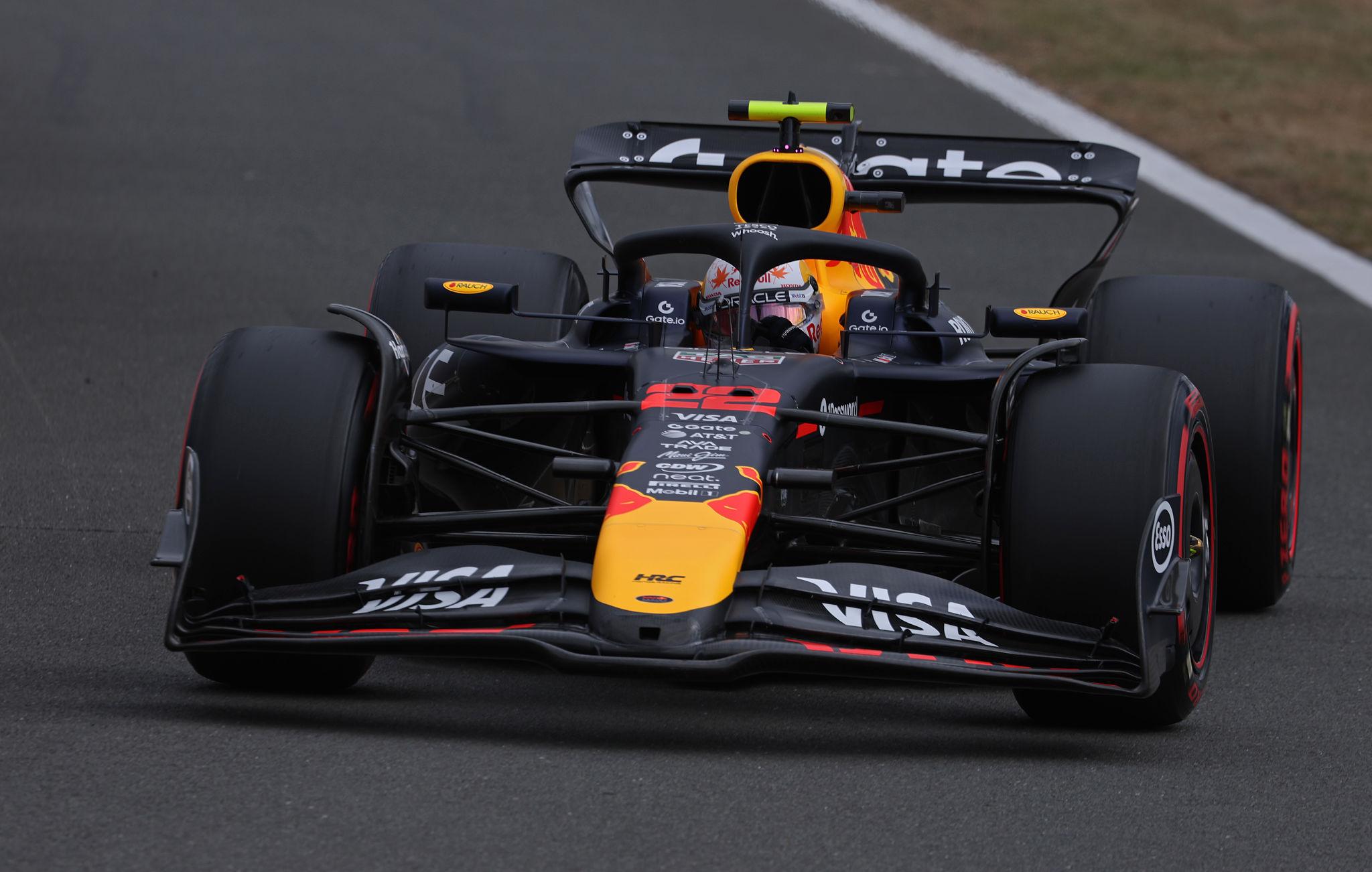
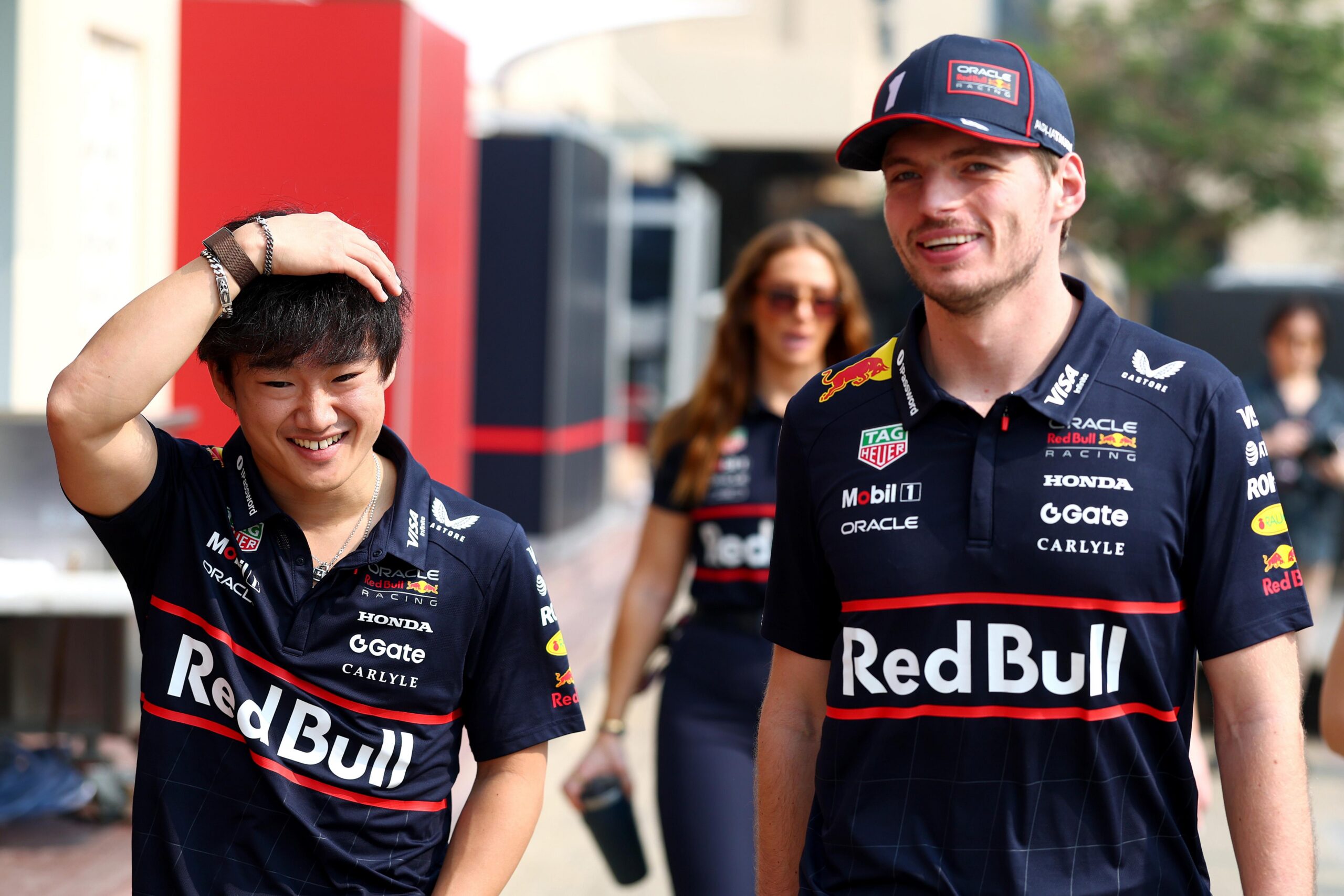
Yuki Tsunoda has identified the setup choice that he believes hurt his difficult Red Bull season, admitting he tried too hard to replicate Max Verstappen’s car.
The Japanese driver admits that trying to copy Max Verstappen’s setup was probably his biggest mistake during his time with the team.
Tsunoda arrived at Red Bull for the Japanese Grand Prix after the team changed its driver line-up. He immediately found himself sharing a garage with Verstappen and facing the challenge of understanding the demanding RB21.
At first, following Verstappen’s direction seemed logical.
The four-time world champion had already shown that he could extract performance from the car. Tsunoda therefore looked closely at the setup used on the other side of the garage.
Over time, however, he realised that a setup that worked for Verstappen did not necessarily suit his own driving style.
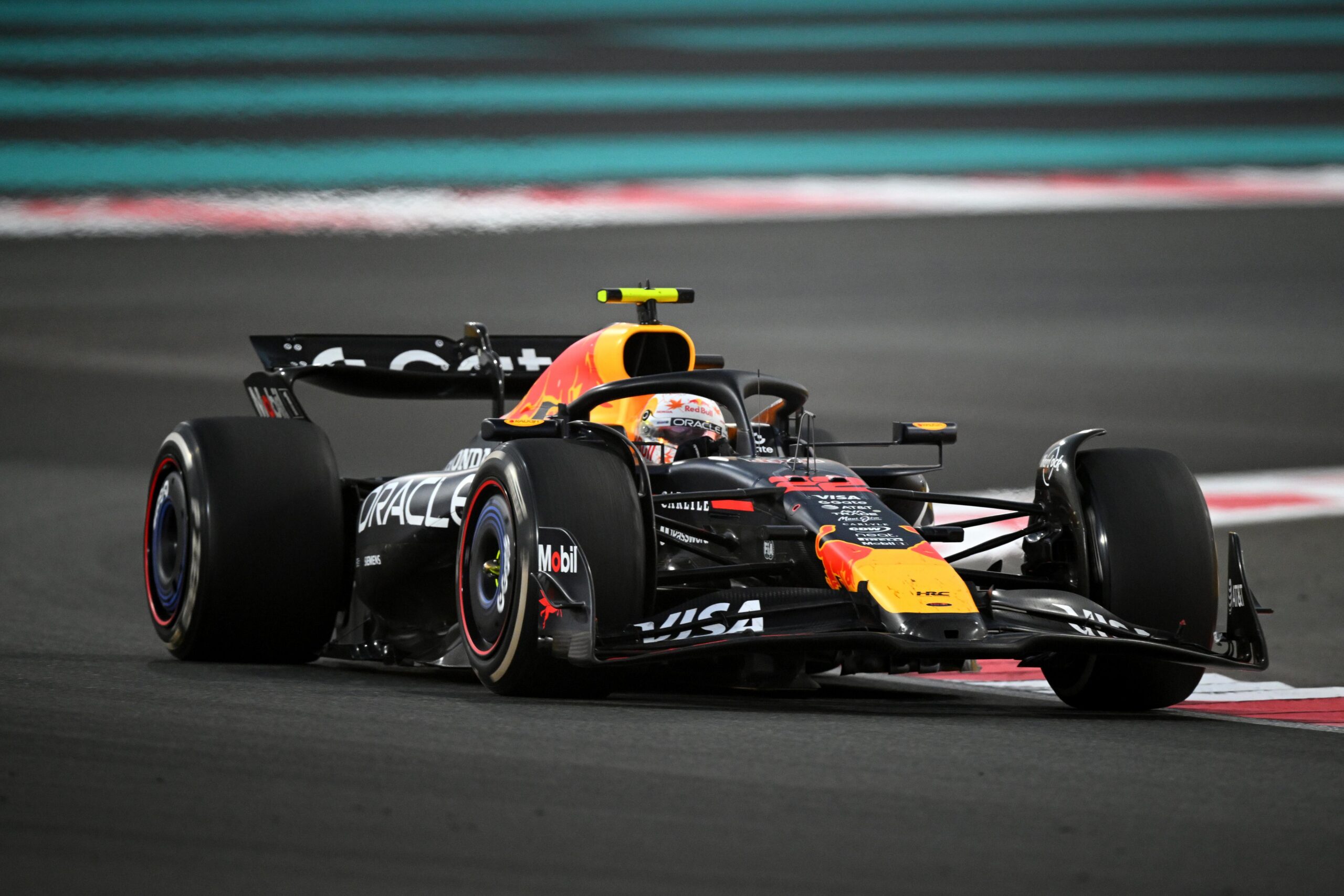
The problem was not simply that Tsunoda was trying to drive like Verstappen.
He says he still had confidence in his own abilities. In fact, he did not want to completely change his driving style for another driver.
The real issue was the direction he took with the car’s setup.
When Tsunoda felt oversteer, he sometimes moved toward settings that created even more of that behaviour because those characteristics appeared to work for Verstappen.
The same happened in the opposite direction.
When Tsunoda felt understeer, he could still choose a setup that moved the car further toward the balance Verstappen preferred.
That approach made the RB21 harder for him to understand.
Tsunoda now believes he should have focused more closely on what his own car was telling him, rather than trying to reproduce the configuration of his teammate.
Verstappen could exploit behaviour Tsunoda struggled with
Tsunoda’s explanation also highlights an important difference between the two drivers.
According to the Japanese racer, Verstappen has an exceptional ability to recognise how the car behaves during each part of a corner.
That includes small changes in rotation, front-end movement and sliding.
Verstappen can detect those reactions quickly and use them to his advantage.
Tsunoda says he approached the same situations differently.
When the RB21 produced a reaction that did not match what he expected, he often tried to force the car toward the behaviour he preferred.
That created another problem.
Instead of adapting completely to the car, he was trying to make the car adapt to him.
The contrast became especially important because the RB21 had a very narrow operating window.
Tsunoda discovered that while he could make the car feel reasonably manageable, extracting its maximum performance was much harder.
That distinction became clear from his first weekends with Red Bull.
The Japanese driver had a promising start in practice at Suzuka. He was close to Verstappen and showed that he could adapt quickly. However, qualifying and the race exposed how difficult it was to extract consistent performance from the car.
As the season progressed, Tsunoda continued searching for confidence.
He eventually realised that his biggest problem was not necessarily a lack of speed. Instead, he had not fully understood how to work with the behaviour of the RB21.
That realisation came with hindsight.
Tsunoda had spent four seasons developing his own understanding of how to work with a Formula 1 car. At Red Bull, he moved away from that process by placing too much emphasis on what Verstappen was doing.
The Red Bull RB21 remained difficult to understand
The Japanese driver has described the RB21 as a completely different challenge from the car he had driven previously.
His promotion to the senior Red Bull team came suddenly. He had already been familiar with the Racing Bulls environment. Then, from Suzuka onward, he had to adapt to a far more demanding machine.
The pressure was also different.
Tsunoda was now competing alongside Verstappen. That made every comparison more visible.
Instead of only focusing on his own progress, he found himself looking at the setup and driving approach used by the benchmark on the other side of the garage.
That comparison became counterproductive.
Tsunoda now believes that confidence should have come from understanding his own relationship with the car.
The more he tried to reproduce Verstappen’s configuration, the harder that process became.
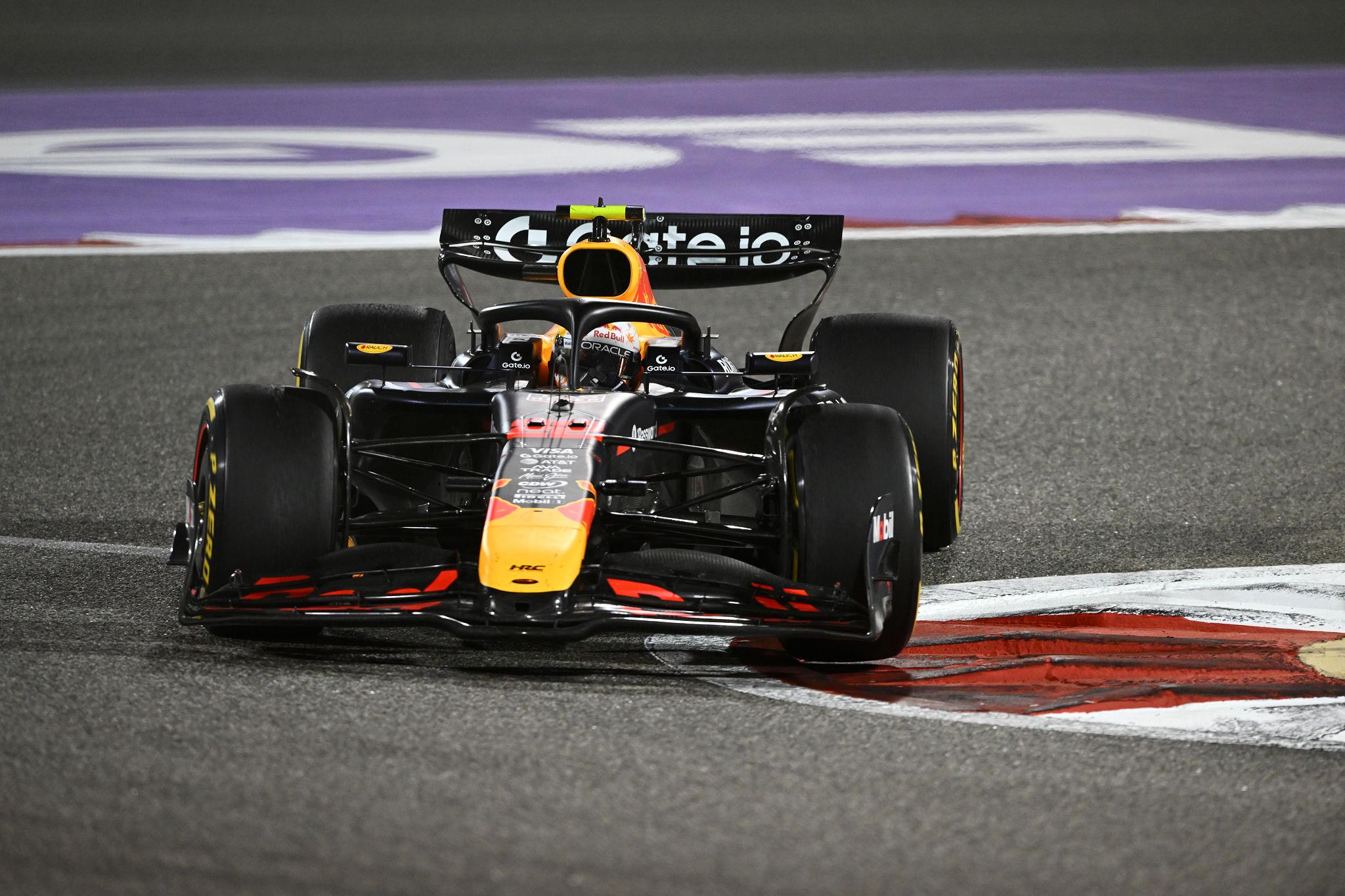
The most striking part of Tsunoda’s reflection is how long the problem lasted.
He says that even after the 2025 season ended in Abu Dhabi, he still did not completely understand the RB21.
That was unusual for him.
Tsunoda had previously been able to develop a relationship with his cars over time. With Red Bull, that process never reached the same level.
The experience left him with a clear lesson.
A Formula 1 setup is not a universal formula. A configuration that allows one driver to extract the strengths of a car can create problems for another.
That lesson is especially relevant when the reference point is Verstappen.
Tsunoda did not need to make his Red Bull behave exactly like Verstappen’s Red Bull. He needed to find the configuration that allowed him to exploit the car in his own way.
That is the conclusion he has reached after looking back on the season.
His time with Red Bull therefore became more than a difficult chapter. It also showed him how important it is for a driver to trust his own feedback and understand the characteristics of the machine underneath him.
The key lesson from Tsunoda’s experience is clear: copying the fastest driver’s setup does not automatically make another driver faster.
For Tsunoda, understanding that difference came only after a full season of trying to make the RB21 work.
-

 TEST DRIVES2 months ago
2026 Maserati MCPura Cielo
-

 NOW TRENDING2 months ago
Honda Civic Si Production Ends After 2026 Model Year Pause
-

 INTELLIGENT MOBILITY2 months ago
2027 Toyota Crown Gets New Hybrid System and Fresh Design
-

 NOW TRENDING2 months ago
2027 Range Rover GT Debuts as the Brand’s Lowest EV
-

 NOW TRENDING2 months ago
Next-Gen Cadillac CT5-V Blackwing Could Keep the V8 Alive
-
 NOW TRENDING2 months ago
Rolls-Royce’s $32 Million Droptail Took 9 Months of Handcrafted Woodwork
-
 NOW TRENDING2 months ago
2027 Toyota Sequoia Adds Trailhunter Package and New Tech
-

 NOW TRENDING2 months ago
Rezvani Dune Turns the Huracan Into an 800-HP Off-Road Beast
You must be logged in to post a comment Login