
RACING
What Happens Inside an F1 Factory During Summer Shutdown?

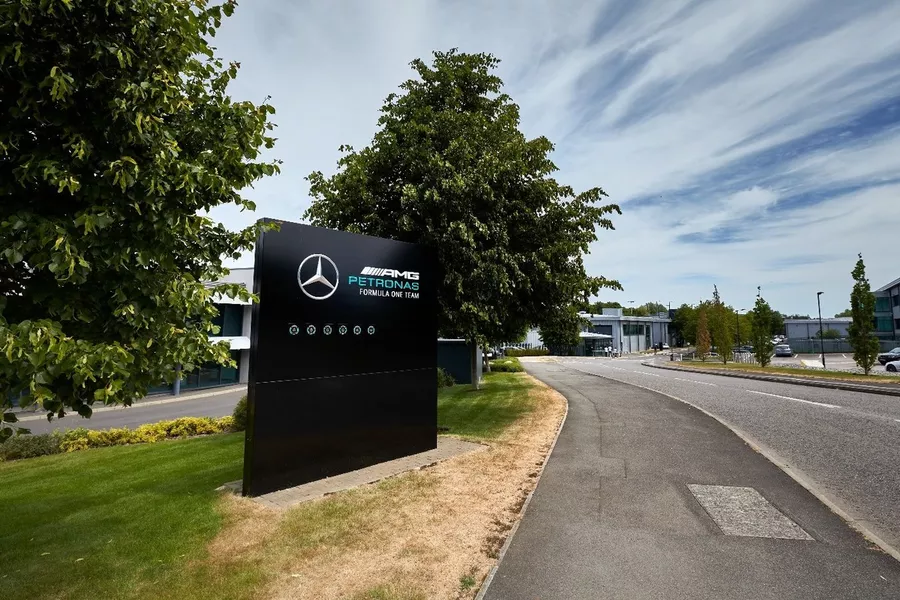
Formula 1 teams must stop developing their cars during the mandatory summer shutdown, but factories remain busy with maintenance and long-term projects.
Every Formula 1 season includes a mandatory summer shutdown, forcing teams to pause development of their race cars for 14 consecutive days. While fans often imagine factories sitting completely empty, the reality is very different.
Although engineers are prohibited from working on car performance, teams use this unique window to complete essential maintenance, facility upgrades, and long-term operational projects before the championship resumes.
F1 Development Comes to a Complete Stop
Under the FIA Sporting Regulations, every Formula 1 team must observe a 14-day factory shutdown during July or August.
During this period, teams cannot perform any activities related to car performance, including:
- Car design and engineering
- Wind tunnel testing
- CFD simulations
- Performance meetings
- Technical discussions by phone or email
- Manufacturing new performance parts
Breaking these rules can lead to penalties from the FIA.
Many teams begin their shutdown immediately after completing post-Hungary activities such as Pirelli tire tests, filming days, or TPC sessions before closing their facilities.
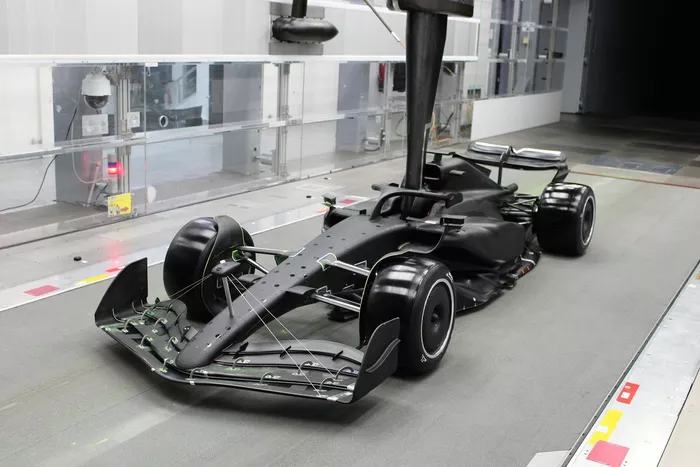
Formula 1 teams must suspend all performance development during the mandatory summer shutdown.
Factories Don’t Actually Stand Still
Although race car development stops, the factories remain active behind the scenes.
According to Mercedes Chief Operating Officer Rob Thomas, around 95% of employees take their holidays, while contractors move into the facilities to complete work that cannot normally be carried out during the busy racing season.
Typical projects include:
- Replacing production machinery
- Servicing manufacturing equipment
- Upgrading electrical systems
- Inspecting heating and air-conditioning systems
- Repainting workshop floors
- Completing building renovations
These improvements help prepare the factory for the second half of the championship.
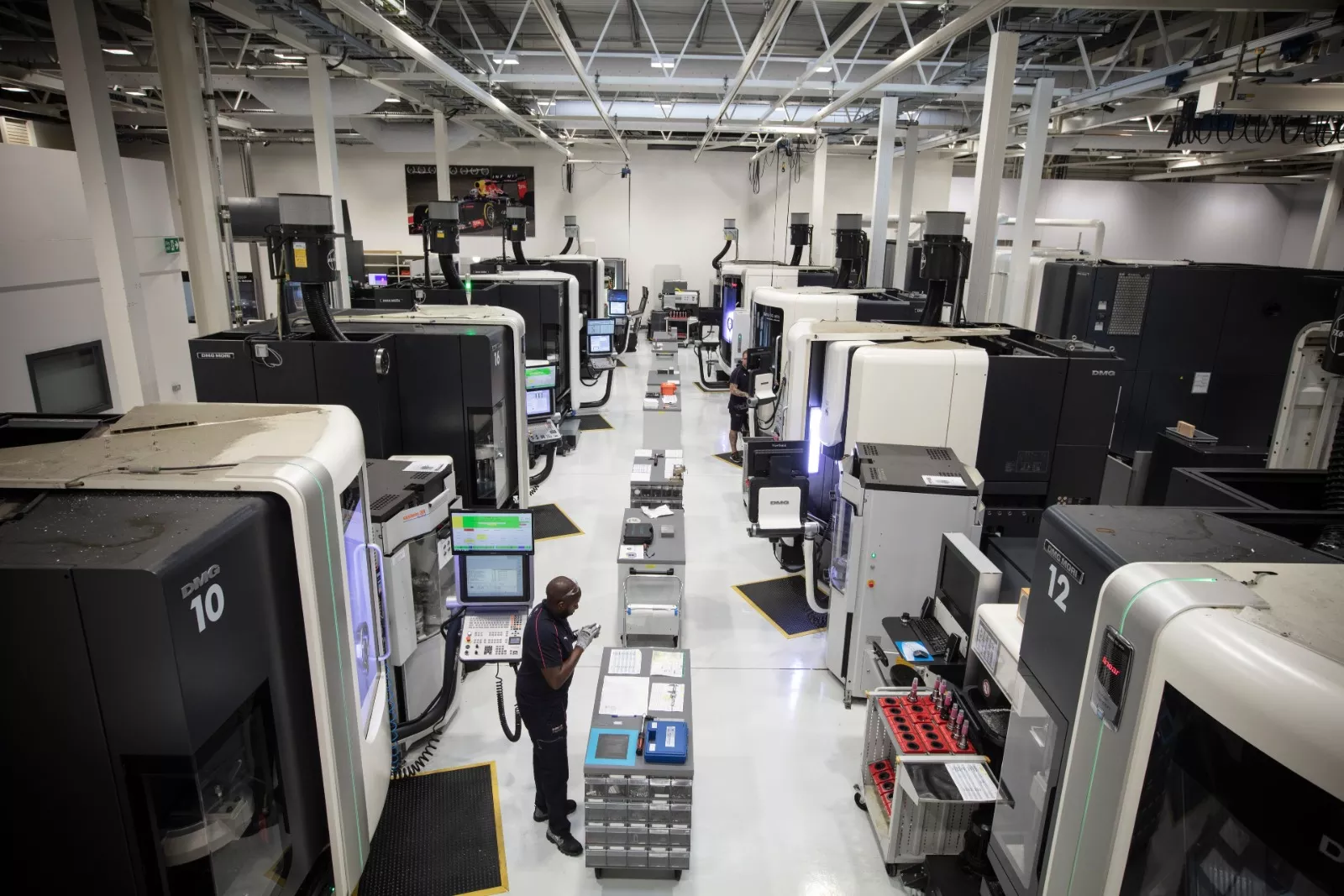
The shutdown allows teams to modernize factories and service critical equipment.
Some Departments Keep Working
Not every department is affected by the shutdown.
Commercial, finance, marketing, and construction teams are allowed to continue working because their activities are unrelated to vehicle performance.
The FIA relies heavily on teams respecting the regulations, although the constant movement of personnel between organizations also helps discourage rule violations.
Once the two-week shutdown ends, Formula 1 factories immediately return to full operation as teams prepare new upgrades and production schedules for the remainder of the season.
Commercial and facility operations continue while technical development remains frozen.


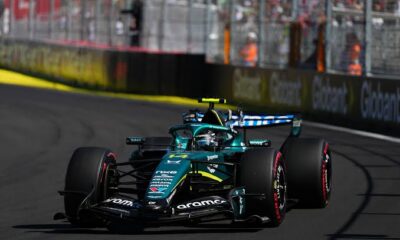

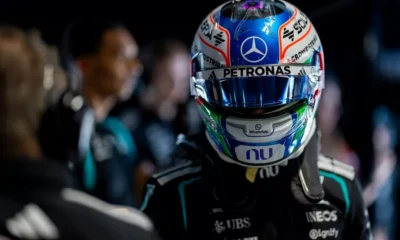

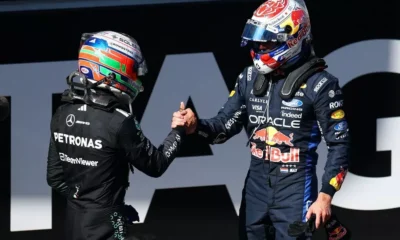

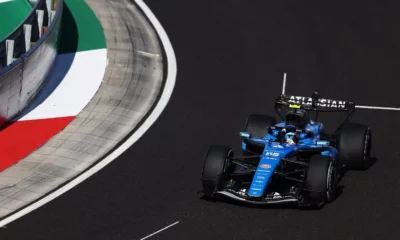

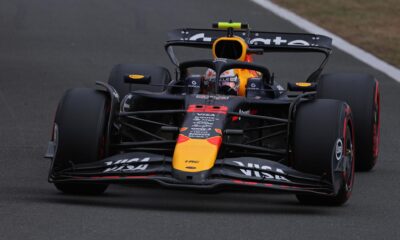

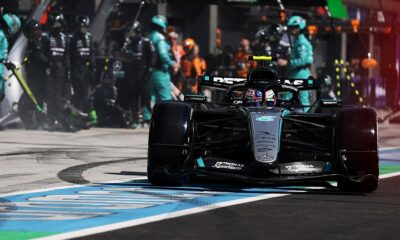

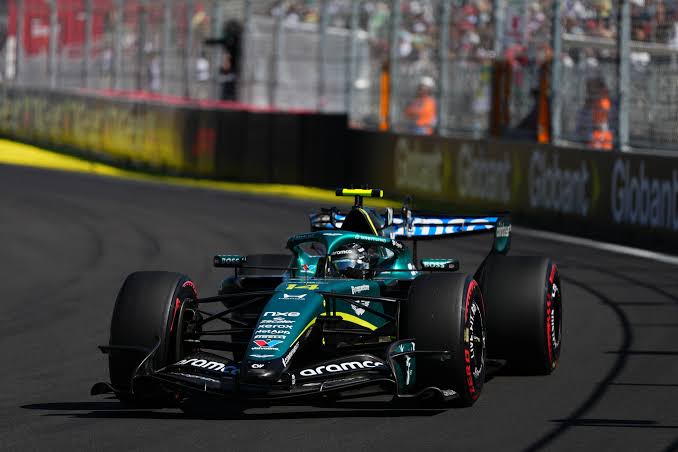
Fernando Alonso says Aston Martin’s poor start to 2026 was a “shock” for the team, forcing it to change direction quickly with the AMR26.
Aston Martin did not expect such a difficult start
Fernando Alonso Aston Martin 2026 has become a story of recovery after a difficult start. The Spaniard admits the team’s opening performances were far below expectations.
The AMR26 entered the new regulations with huge expectations. Aston Martin had new facilities, a Honda partnership and Adrian Newey working on the project.
The reality was very different.
“It was probably a shock at the beginning to see that we were not going in the right direction,” Alonso explained.
The team quickly understood that changes were needed. It did not wait for the problems to disappear on their own.

Alonso says Aston Martin reacted almost immediately.
The team began looking for a new direction after its first running. Engineers also accepted that the solution would take time.
The main goal became finding a better direction for the second half of 2026.
That decision shaped Aston Martin’s development plan.
Instead of bringing smaller updates at every race, the team focused its resources on a much larger package.
This approach required patience. It also meant that the AMR26 would remain difficult for much of the first half of the season.
The AMR26 B-spec changed the picture
Aston Martin’s major response arrived at the Hungarian Grand Prix.
The team introduced a heavily revised version of the AMR26. The package included 16 developments, creating the biggest update of the season up to that point.
The first signs were encouraging.
Alonso reached Q3 for the first time in 2026 at the Hungaroring. The updated car also gave Aston Martin a stronger performance window during the weekend.
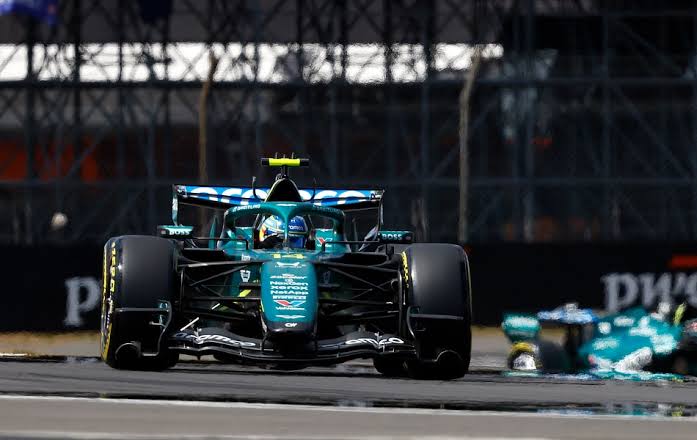
The upgrade was not intended to transform Aston Martin overnight.
Instead, it was designed to put the AMR26 on a better development path.
Alonso described the car as “much better” after its first track running. He also suggested that there was still more potential to unlock from the package.
The team’s strategy then received another boost from Honda.
Honda introduced an updated power unit after the chassis upgrade. The new specification made its track debut before its planned race introduction in the Netherlands.
That gave Aston Martin another important area for development.
The biggest problems were still visible
The progress did not immediately solve every problem.
Aston Martin continued to struggle with performance, reliability and power-unit characteristics during 2026.
Those weaknesses were especially clear in Spain.
At the Madrid race, Alonso finished 17th, while Lance Stroll retired. The result showed that the team still had a large gap to the cars ahead.
The official 2026 standings currently place Aston Martin 10th with three points after 14 Grands Prix.
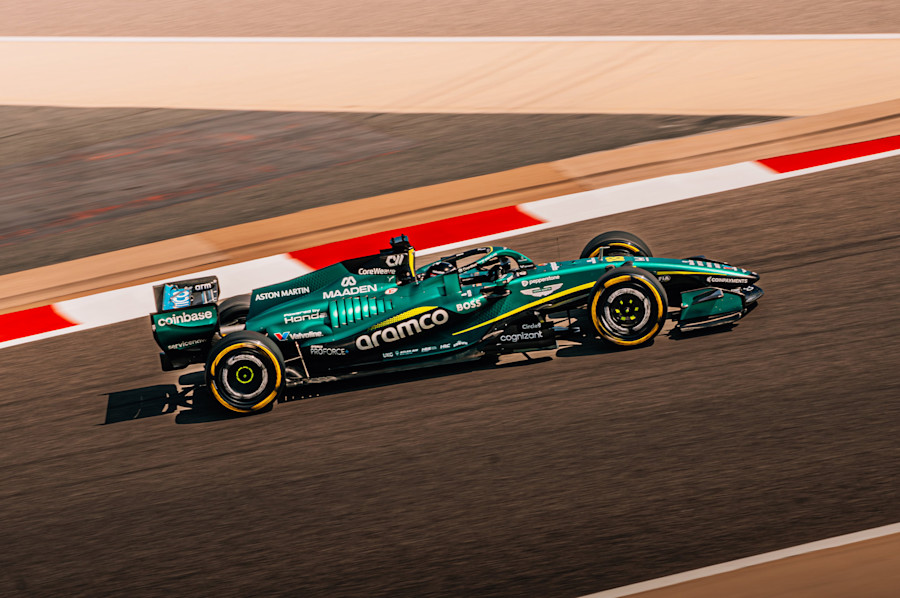
For Alonso, that difficult start remains an important part of the story.
The team expected more from its first car under the new regulations. Instead, it had to change its development direction almost immediately.
The Spanish driver believes the people inside the project remain committed. He also points to the team’s facilities and its long-term ambitions.
The revised AMR26 showed that the team could make progress. However, the performance gap remains significant.
Aston Martin now has to turn that progress into a consistent development path.
Alonso still believes in the long-term project
The biggest takeaway from Alonso’s comments is not only the admission that the start was a “shock”.
It is also his belief that the team can recover.
Aston Martin’s major Hungary package produced better sensations. Honda has also introduced an updated power unit, giving the project another opportunity to improve.
The next challenge is proving that the new direction can deliver consistent performance.
For Alonso, the difficult start has already provided one important lesson. The original AMR26 was not where Aston Martin wanted it to be, but the team identified the problem and changed its approach.
Now, the remaining races will show whether that change can become the foundation for a stronger future.
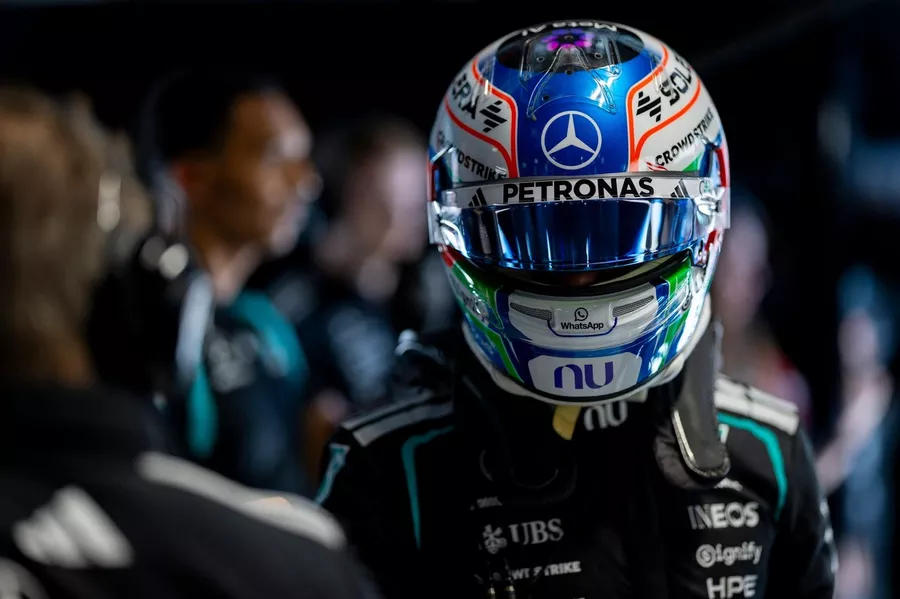
Mercedes has revealed how its changing secret radio codes prepared Kimi Antonelli for the Virtual Safety Car that transformed the 2026 Spanish Grand Prix.
Mercedes was ready for a possible VSC
The Mercedes F1 secret code became an important part of Kimi Antonelli’s victory in Madrid. The team had already prepared its drivers for a possible Safety Car or Virtual Safety Car.
When Lance Stroll’s Aston Martin stopped on track, yellow flags appeared around Turns 19 and 20. Peter Bonnington immediately warned Antonelli to slow down significantly.
Antonelli did more than simply respect the yellow flags. He also delayed his return to full throttle after the green flags appeared.
That decision helped him create extra time before reaching the pit-lane entrance.
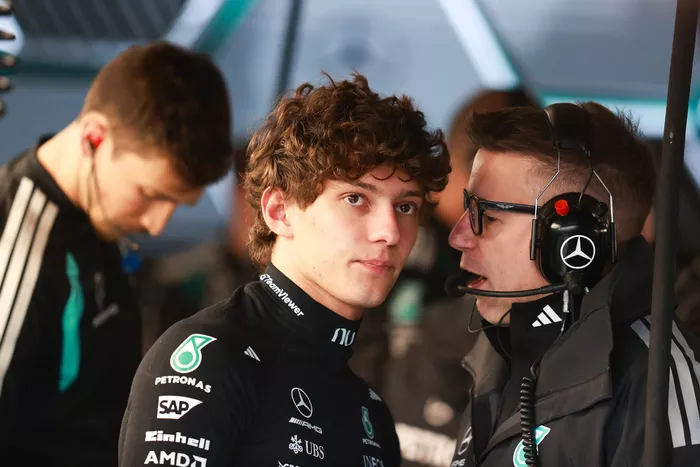
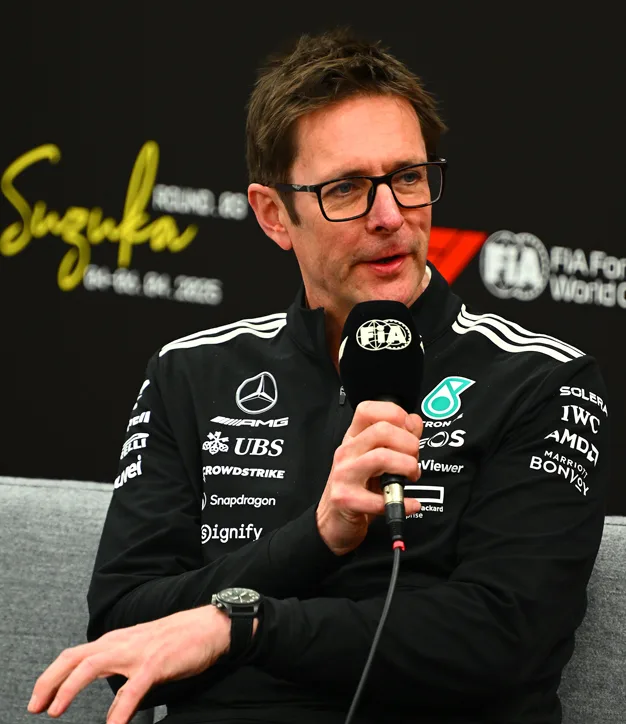
Andrew Shovlin explained that Mercedes regularly uses coded radio messages during races.
The system gives drivers an indication that they may need to consider a pit stop. The codes change from race to race, making it harder for rival teams to understand the messages.
The exact coded message used in Madrid has not been identified.
However, the radio exchanges show how quickly the situation developed.
Bonnington first told Antonelli: “Yellow, yellow, 19-20.” He then instructed him to make a large lift.
A few moments later, the Mercedes engineer told him that he was within the Safety Car window.
The VSC was activated soon afterwards.
One extra second made the difference
Antonelli was already very close to the pit-lane entrance when the Virtual Safety Car appeared.
That timing was crucial.
Thirty-five seconds passed between the first yellow flag and the VSC activation. Antonelli then reached his Mercedes pit box only 15 seconds after the VSC had been announced.
The Italian had used the earlier slowdown to gain approximately one additional second.
That margin gave Mercedes more time to react.
Shovlin explained that Antonelli might have made the pit entry without the extra second. However, the additional margin made the operation possible.
The pit stop itself was also extremely difficult.
The mechanics had to be ready almost immediately. The tyres arrived at the pit box at nearly the same moment as Antonelli.
Mercedes also had to prepare a second set of tyres for George Russell, because the team decided to pit both drivers during the VSC.
That required a very fast response from the entire crew.
The sequence shows why a coded message cannot work on its own.
The team needs a plan. The driver needs to understand the message. The engineers need to react. The mechanics also need to have everything ready.
Every part of Mercedes’ operation had to work within a few seconds.
The plan was discussed before the race
Mercedes had already discussed different safety-car scenarios before the Spanish Grand Prix.
That is standard preparation for Formula 1 teams.
Drivers and engineers review what they should do if an accident creates a Safety Car or VSC. They also consider which phase of the race could create a useful pit-stop opportunity.
Madrid provided exactly that situation.
The VSC appeared after Antonelli had already slowed down.
Lando Norris had passed the pit-lane entrance when the neutralisation began, while Antonelli was close enough to enter the pits.
That difference changed the race.
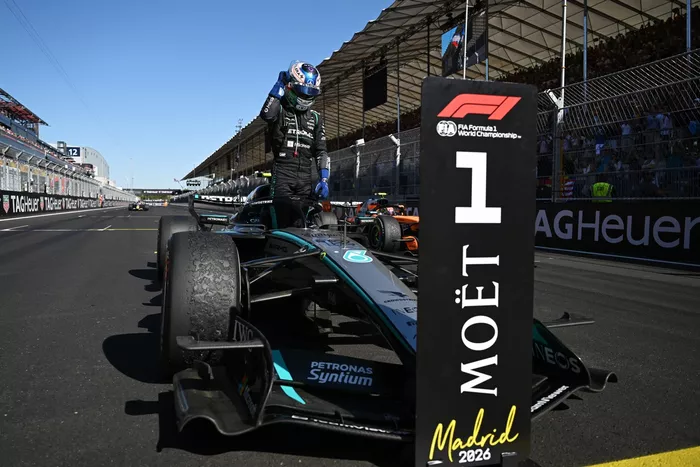
Norris had started from pole position and led the opening stages. After the VSC, however, Antonelli gained a major strategic advantage by making his stop under the neutralisation.
Antonelli eventually won the Spanish Grand Prix. The victory was his eighth of the 2026 season, and it extended his championship lead to 81 points over Russell.
The result also showed how important preparation can be in Formula 1.
Mercedes did not know exactly when the VSC would appear. The team could only prepare for the possibility.
When the opportunity arrived, Antonelli, Bonnington and the Mercedes pit crew were ready to act immediately.
The secret code did not create the VSC. It helped Antonelli prepare for the possibility that one might appear.
That distinction is important.
A single second gave Mercedes enough extra time to turn an uncertain situation into a decisive strategic opportunity.
The Madrid victory was therefore built on both timing and preparation. Mercedes had already created a plan, and Antonelli executed it when the race suddenly changed.
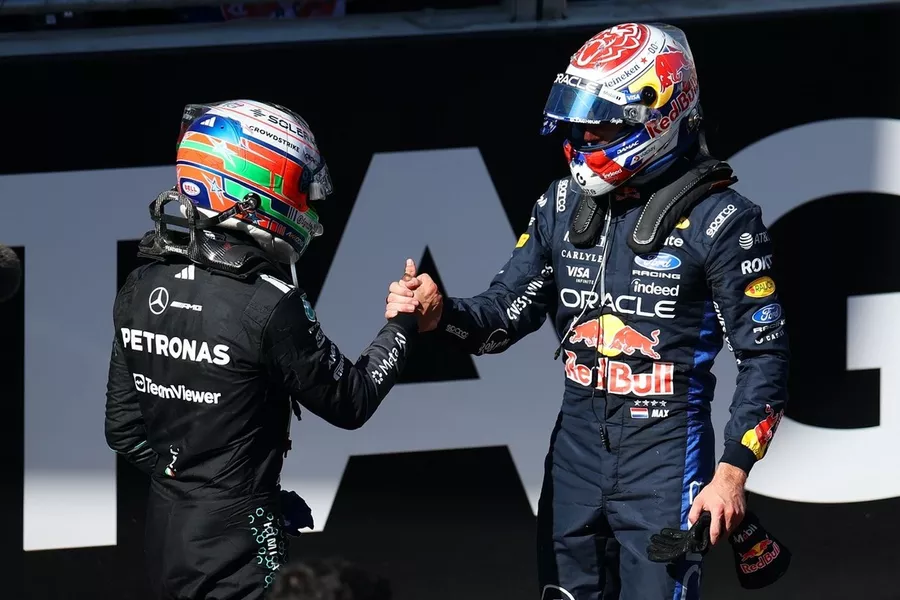
Max Verstappen admits he does not expect to fight back in the 2026 title race, while Kimi Antonelli keeps a huge lead with the season entering its final stage.
Antonelli has built a huge championship advantage
The Verstappen F1 2026 title fight has taken a different direction after the Madrid Grand Prix. Kimi Antonelli won the race and extended his lead in the Drivers’ Championship.
The Mercedes rookie now has 292 points after 14 Grands Prix. He has also taken eight victories and 12 podiums during his first Formula 1 season.
George Russell remains second in the standings. However, the gap to his teammate has grown significantly.
After the Madrid race, Russell admitted that his own title hopes had become much smaller. The Briton can no longer rely only on winning every remaining race while finishing second behind Antonelli.
That leaves Verstappen as another driver watching the championship battle from behind.
The Red Bull driver knows that Antonelli’s advantage is now extremely difficult to overcome.
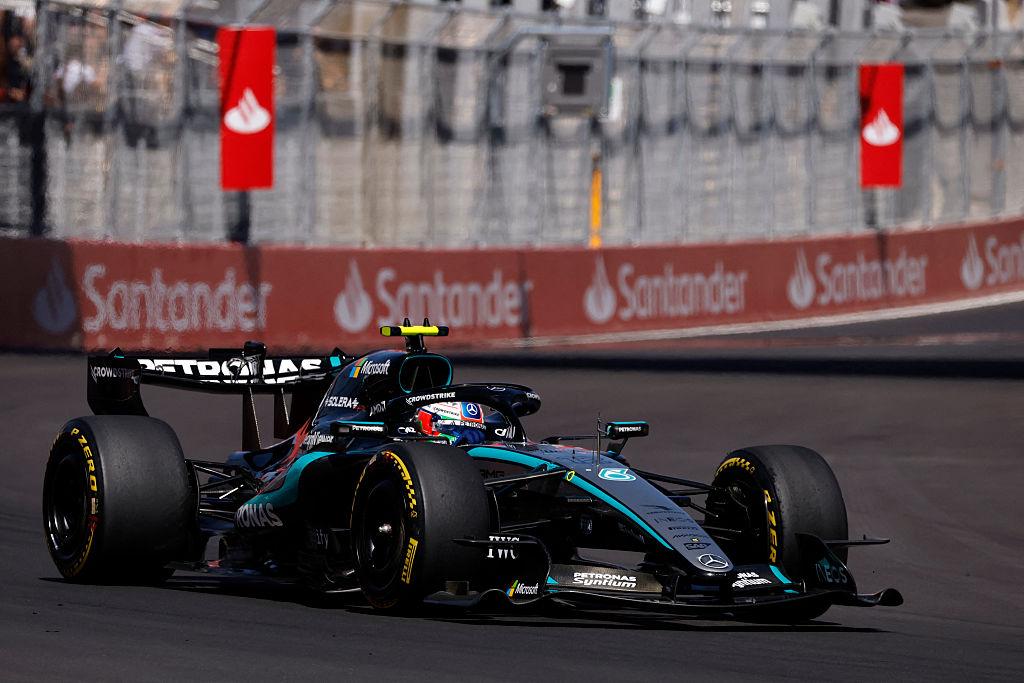
Antonelli does not want to think too far ahead.
The Italian has continued to focus on each race rather than the championship calculation. That approach has helped him maintain consistency during a remarkable first full season.
Verstappen believes that is exactly what Antonelli should continue doing.
“Kimi simply has to keep doing what he is doing,” Verstappen said. He also stressed that the Mercedes driver should not put unnecessary pressure on himself.
The Dutchman knows the situation because he experienced a very different title fight one year earlier.
In 2025, Verstappen managed to close a large points deficit after the summer break. He finished every remaining Grand Prix on the podium and kept his championship challenge alive.
This season, however, the circumstances are very different.
Verstappen jokes about a comeback
When Verstappen was asked what advice he would give Antonelli for the decisive part of the season, George Russell joked that perhaps his rivals were expecting another comeback.
Verstappen immediately replied with a smile.
“I’m definitely not going to come back!”
The comment reflected his current championship position.
The Red Bull driver can still fight for race victories. However, his focus is no longer built around a dramatic points recovery similar to last season.
Verstappen has yet to win a Grand Prix in 2026. A victory would also be significant for another reason: without one, this would be his first season without a Grand Prix win since his debut campaign in 2015.
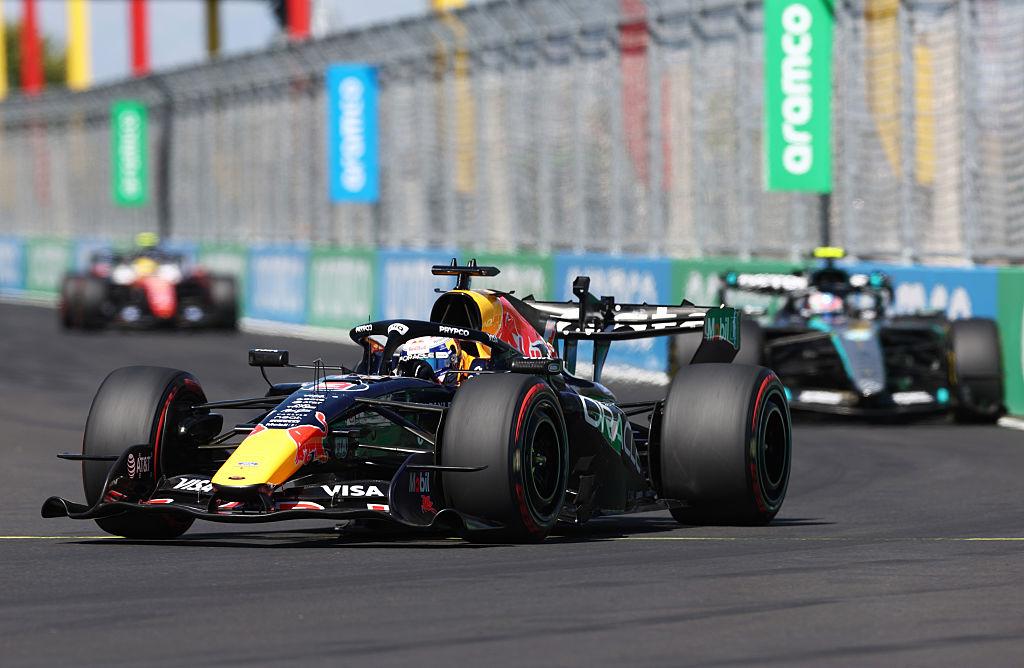
Still, Verstappen does not believe Antonelli should change his approach.
The Red Bull driver praised the youngster’s confidence and his ability to continue performing without making unnecessary changes.
Antonelli has already shown that he can handle pressure, even though he remains at a very early stage of his Formula 1 career.
That is one reason Verstappen believes the Mercedes driver should avoid becoming distracted by the championship standings.
The current numbers are already remarkable.
Antonelli has eight wins, 12 podiums and six pole positions after 14 Grands Prix. He has also scored points in every race except for his single retirement.
Those results have created a substantial gap at the top.
Mercedes is also leading the Constructors’ Championship with 503 points, adding another layer to its dominant 2026 campaign.
Norris does not want to give Antonelli advice
Lando Norris has taken an even more cautious approach.
The McLaren driver says there is little reason for rivals to give Antonelli advice because the young Italian is already performing at an exceptional level.
Norris highlighted the size of Antonelli’s advantage and his ability to beat a teammate with far more Formula 1 experience.
That teammate is Russell, a driver who already has years of experience at the highest level.
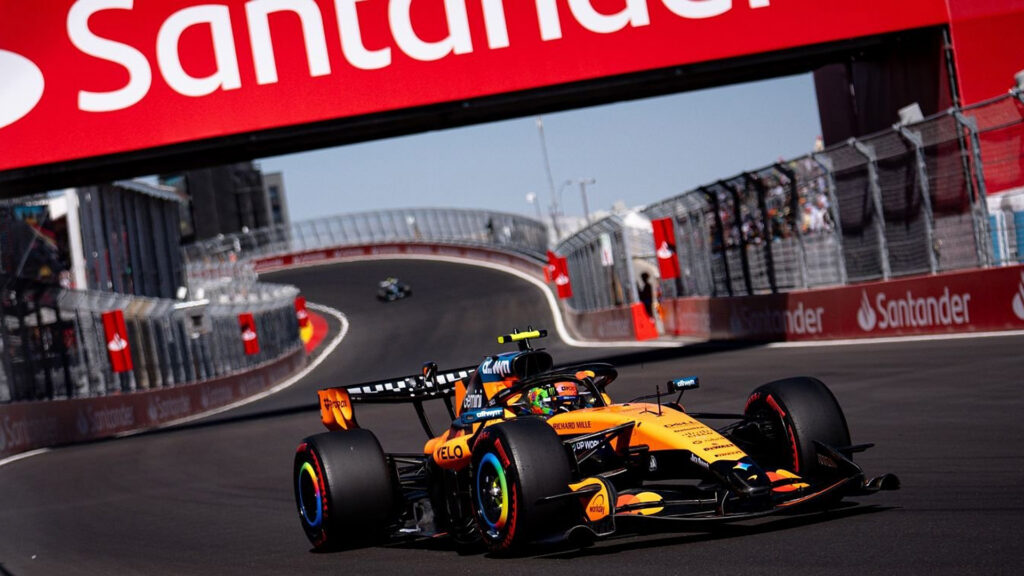
Norris also pointed to Antonelli’s age.
The Mercedes driver is only 20 years old, yet he has already become the championship leader after his second season in Formula 1.
His performance has been particularly impressive because he has made relatively few major mistakes during the season.
For Norris, that combination makes Antonelli a major long-term rival.
The title fight is therefore not only about 2026. The drivers around Antonelli already expect him to remain a major competitor in future seasons.
For now, though, the Italian’s priority is simple.
Keep winning. Keep scoring points. Avoid unnecessary pressure.
That is also Verstappen’s main message.
The Dutchman knows there are still races left to run, but he has no intention of pretending that this championship fight is developing like his 2025 comeback.
Antonelli has created a substantial advantage, and the current numbers confirm the scale of his lead.
Verstappen can still fight for victories, but Antonelli controls the championship from the front.
The remaining races will decide whether the Mercedes rookie can turn that advantage into his first Formula 1 world title.
-

 TEST DRIVES2 months ago
2026 Maserati MCPura Cielo
-

 NOW TRENDING2 months ago
Honda Civic Si Production Ends After 2026 Model Year Pause
-

 INTELLIGENT MOBILITY2 months ago
2027 Toyota Crown Gets New Hybrid System and Fresh Design
-

 NOW TRENDING2 months ago
2027 Range Rover GT Debuts as the Brand’s Lowest EV
-

 NOW TRENDING2 months ago
Next-Gen Cadillac CT5-V Blackwing Could Keep the V8 Alive
-
 NOW TRENDING2 months ago
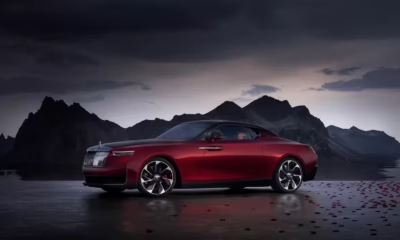
Rolls-Royce’s $32 Million Droptail Took 9 Months of Handcrafted Woodwork
-

 NOW TRENDING2 months ago
2027 Toyota Sequoia Adds Trailhunter Package and New Tech
-

 NOW TRENDING2 months ago
Rezvani Dune Turns the Huracan Into an 800-HP Off-Road Beast
You must be logged in to post a comment Login