
Most of Toyota’s North American vehicles are engineered in Southeast Michigan. The newest concept to wear the automaker’s famous badge, however, has its roots firmly planted in the red clay of South Carolina.
Designed, engineered and hand-built by graduate students at Clemson University’s International Center for Automotive Research (CU-ICAR), the vehicle is the result of a two-year collaboration with Toyota Motor North America designers and engineers. The result is an innovative, flexible concept called uBox that is intended to appeal to the next generation of car buyers: Gen-Z.
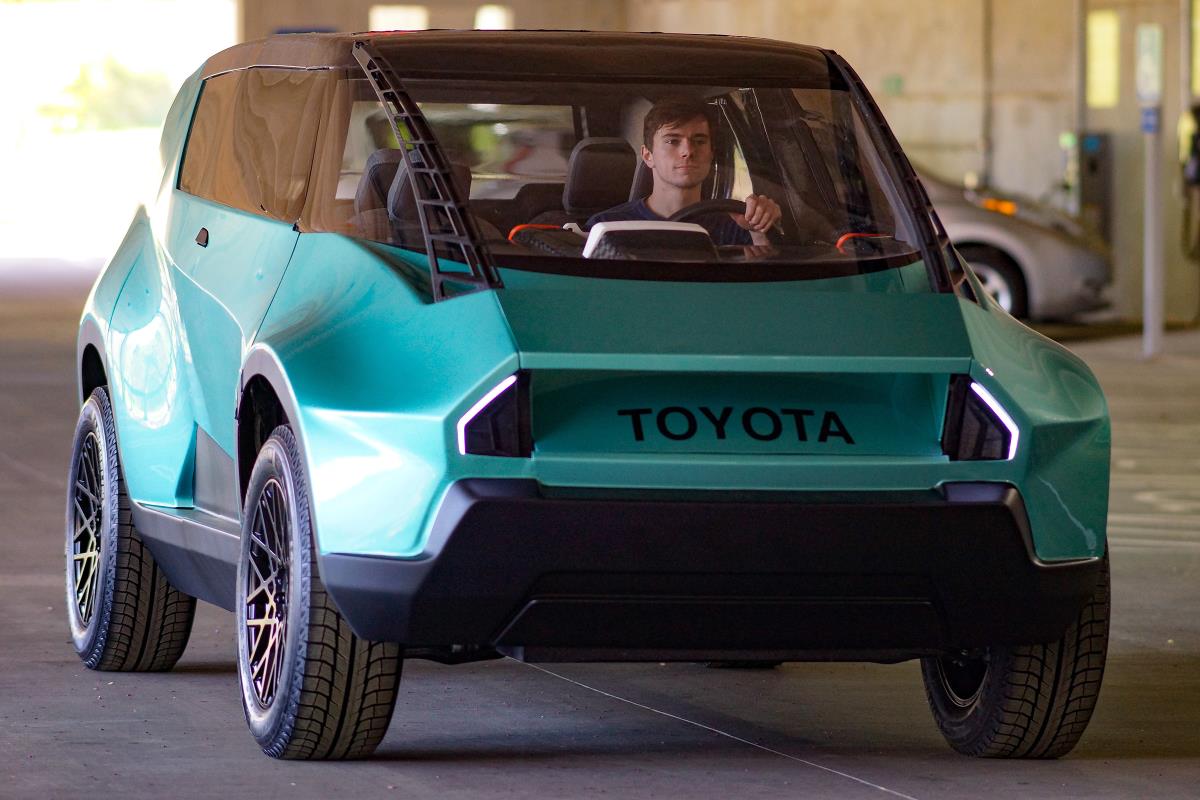
The CU-ICAR / Toyota collaboration, called Deep Orange, immerses students into every aspect of automotive development – from market research and design studies to engineering design and manufacturing.
“Deep Orange gives students’ hands-on experience with the entire vehicle development process, from identifying the market opportunity through the vehicle build,” says Johnell Brooks, an associate professor in Clemson’s graduate engineering program. “It’s like automotive boot camp for the real world, and it wouldn’t happen without industry partners like Toyota.”
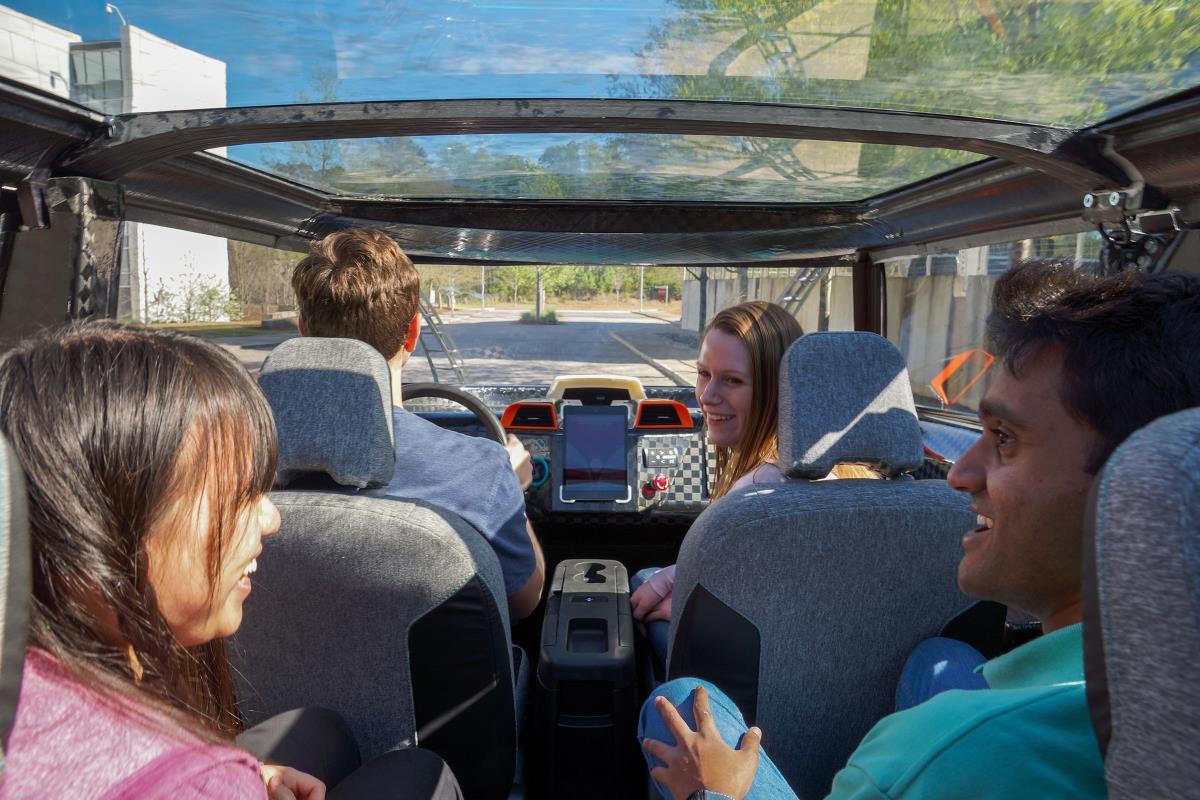
The typical customer for uBox is a young entrepreneur who wants a vehicle that can provide utility and recreation on the weekend but that can also offer office space or other career-centric or lifestyle uses during the week.
Some of the many features of uBox include:
A bold, youthful and distinctive exterior design that aligns with generation Z’s personality trait to stand out, embodying a muscular stance that looks like it’s sprung forward in motion, even when standing still.
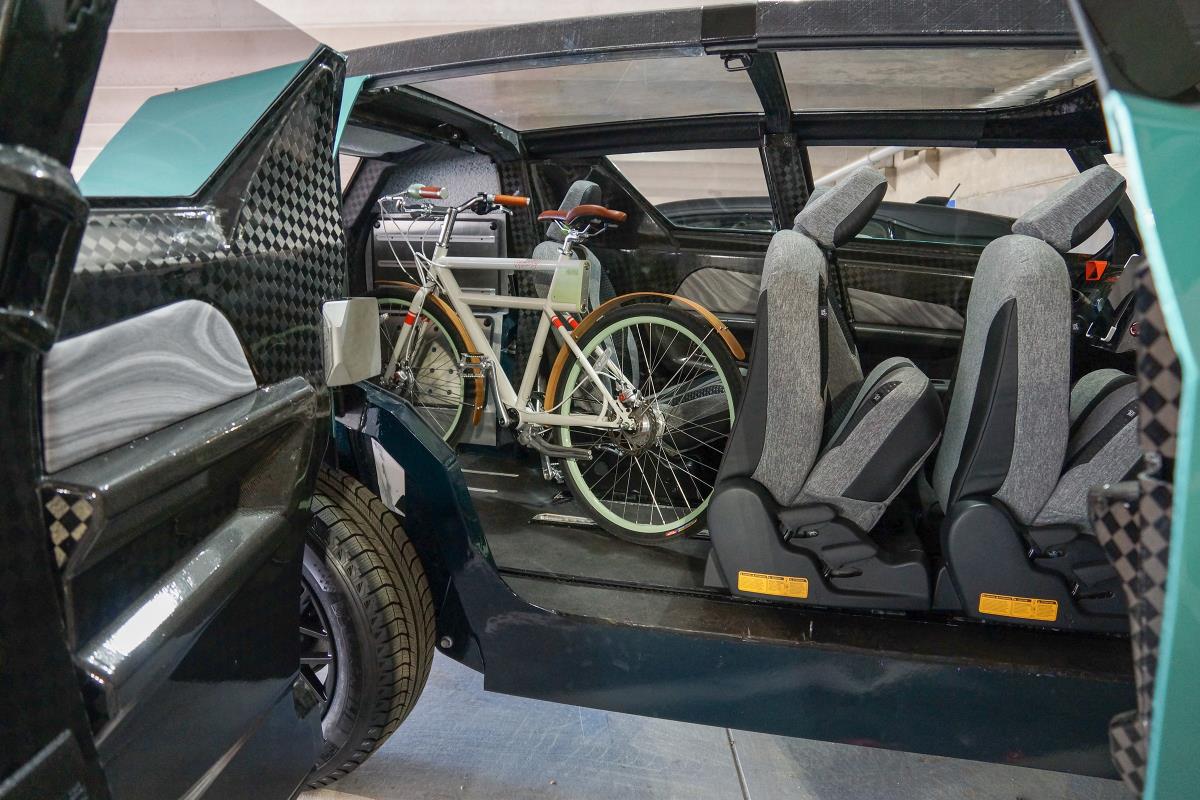
A versatile interior that can be rearranged for various activities, from working or operating a business, to hauling bulky cargo. A low floor allows for reconfigurable, removable seats on sliding tracks that can be nested.
Vents, dashboard display bezels and door trim that can be personalized and made with 3-D printing technology, and an online community for owners where they can share design ideas.
A compact, dual-purpose, all-electric powertrain providing a fun driving experience and emission-free stationary energy to power consumer electronics, power tools or other devices through various 110-volt sockets located throughout the interior and exterior.
One feature in particular caught the attention of Toyota Executive Program Manager Craig Payne, a unique pultrusion technique developed by the students that allows composite carbon fiber rails bonded with aluminum to support a curved glass roof.
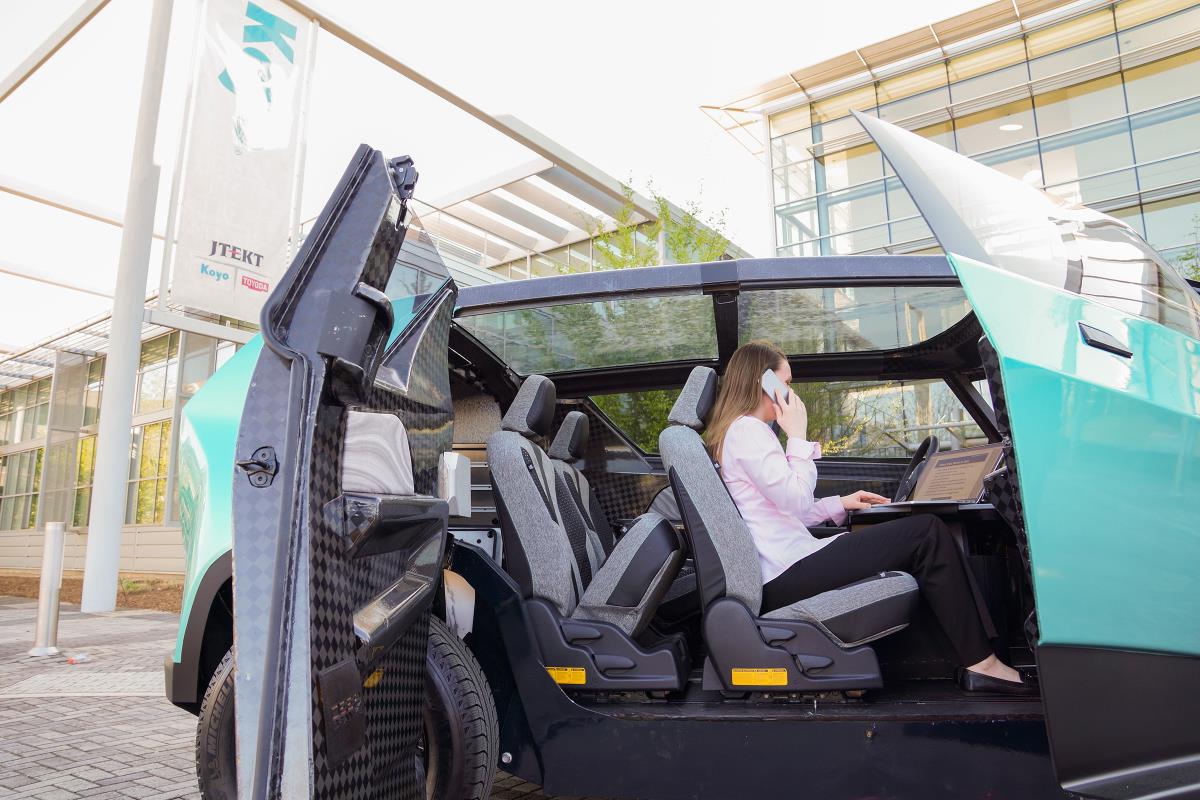
“The roof pultrusion was something unexpected and very interesting when they first started talking about the concept,†said Payne. “The fact that they were able to achieve an industry-first manufacturing technique as students speaks volumes for this program.â€
“The collaboration with Toyota was extremely fruitful,†said Paul Venhovens, endowed chair for automotive systems integration at CU-ICAR. “The Toyota management team constantly challenged the students with justifying their design and engineering decisions based on brand essence, real-world customers and what the students believed the future would embrace. This experience can simply not be gained from a text book.â€
Toyota and the Clemson Deep Orange Team will unveil the uBox Tuesday, April 12th at the Society of Automotive Engineers World Congress and Exposition at the Cobo Center in Detroit. It will then remain on display in the Cobo atrium through Thursday, April 14.



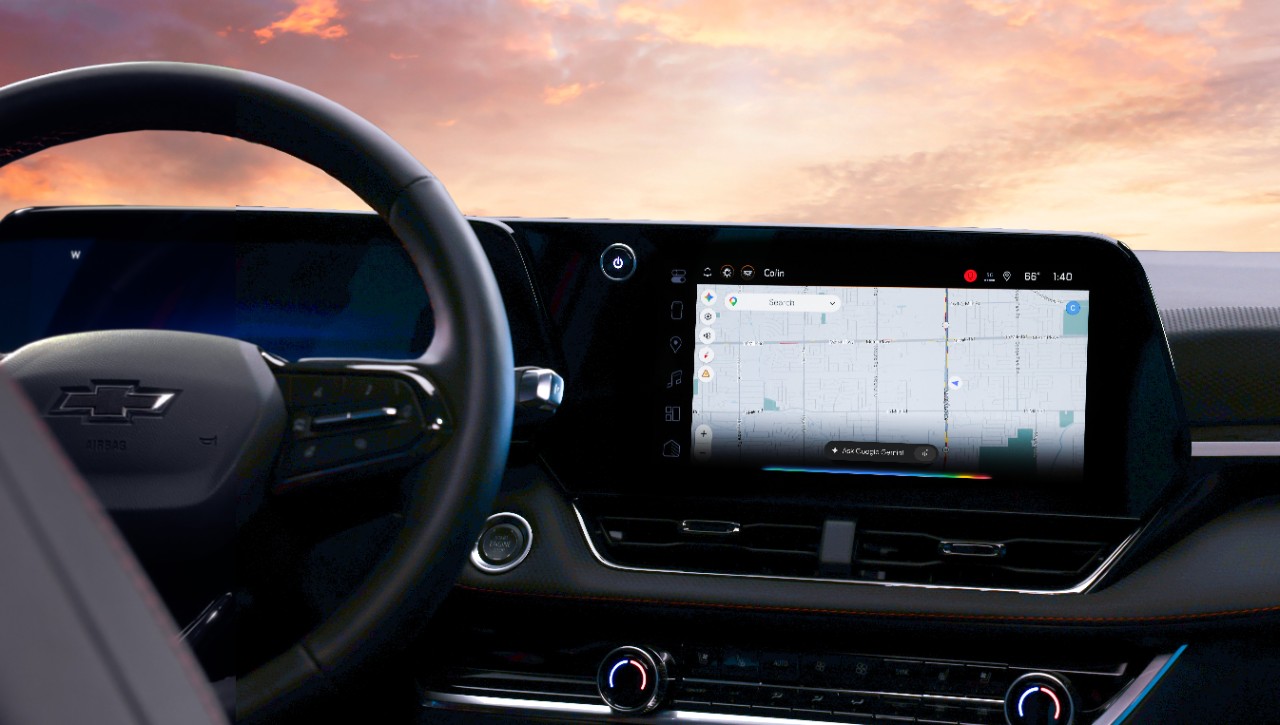
General Motors is rolling out new over-the-air software updates that improve the infotainment experience with a redesigned interface, enhanced personalization and easier-to-use controls across eligible Cadillac models.
The latest GM infotainment software update introduces a wide range of enhancements designed to make the in-vehicle experience more intuitive and personalized. Developed using customer feedback, the new features improve navigation, media controls, seating preferences and charging functions while delivering a cleaner and more responsive interface.
Moreover, the updates are arriving through over-the-air software downloads, allowing eligible Cadillac owners to receive new functionality without visiting a dealership.
Smarter Audio Controls and Easier Navigationdia playback.
Drivers can now view an upcoming playlist through a new side queue, making it easier to see which songs will play next. Additionally, a new drop-down source selector allows users to switch between music apps and audio sources with fewer taps, creating a faster and more seamless listening experience.
Furthermore, larger touch targets throughout the interface reduce accidental presses and make frequently used controls easier to access.
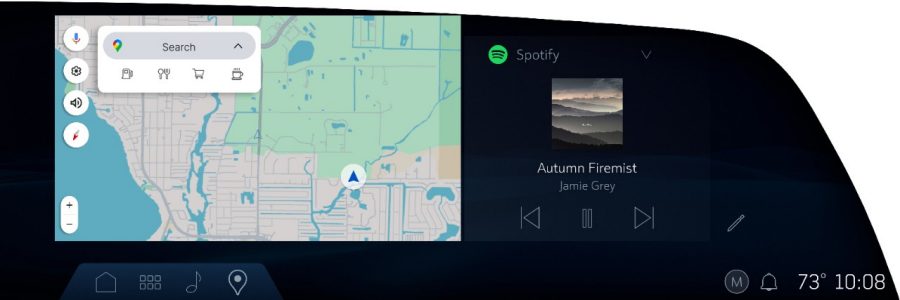
GM’s updated infotainment interface features improved media controls and larger touch targets.
Personalized Driver Profiles and Comfort Settings
The GM infotainment software update also expands personalization features.
Drivers can now link two user profiles to the vehicle’s memory seat buttons. With a single press, both the preferred seating position and the driver’s personalized profile are restored automatically. The feature will debut on the 2026 Cadillac VISTIQ before expanding to additional GM models.
Meanwhile, seat adjustment graphics have been redesigned to match the physical controls located on the vehicle’s doors. As a result, changing comfort settings becomes more intuitive and visually consistent.
Additionally, the charging application now features clearer labels and descriptions, making charging options easier to understand.
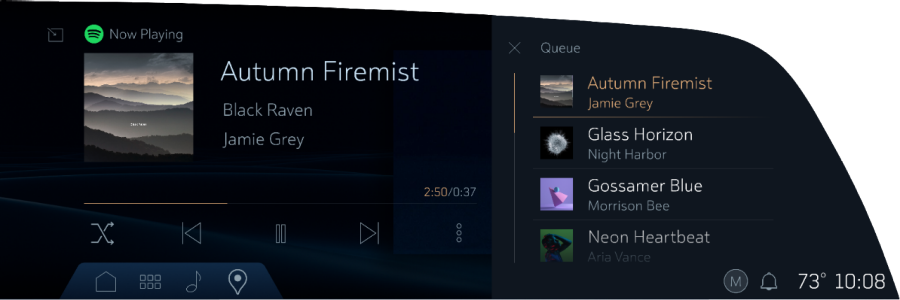
Updated driver profiles automatically restore personalized seating and infotainment settings.
Better Connectivity and Improved Display Quality
GM has also refined several everyday features to improve convenience.
The latest software includes sharper Head-Up Display graphics, making important driving information easier to read. Furthermore, Bluetooth pairing has been simplified by removing an extra confirmation step, allowing devices to connect more quickly.
These refinements contribute to a smoother user experience while reducing unnecessary interactions with the infotainment system.
Eligible Cadillac Models Receive Over-the-Air Updates
The new GM infotainment software update is being released gradually through over-the-air updates.
Eligible vehicles include:
- 2025 Cadillac LYRIQ
- 2026 Cadillac LYRIQ
- 2025 Cadillac OPTIQ
- 2026 Cadillac OPTIQ
- 2025 Cadillac VISTIQ
- 2026 Cadillac VISTIQ
- 2025 Cadillac CT5
- 2026 Cadillac CT5
GM confirmed that additional software improvements will continue rolling out over the coming months as updates become available.
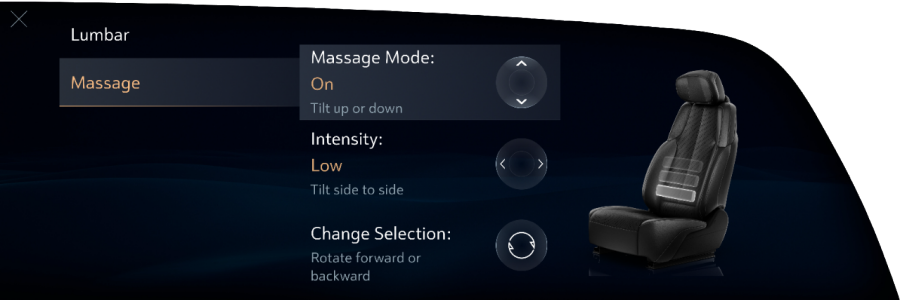
Eligible Cadillac models receive the latest infotainment improvements through over-the-air software updates.
Future Updates Will Expand the Experience
General Motors has already outlined additional enhancements planned for future releases.
Upcoming updates will introduce a redesigned home screen featuring a larger interactive navigation map alongside media controls. Drivers will also benefit from simplified widget customization, making it easier to personalize the dashboard layout with just a few taps.
Overall, these software improvements demonstrate GM’s continued focus on enhancing the digital driving experience through regular over-the-air updates, delivering new features that improve usability, convenience and personalization without requiring new hardware.
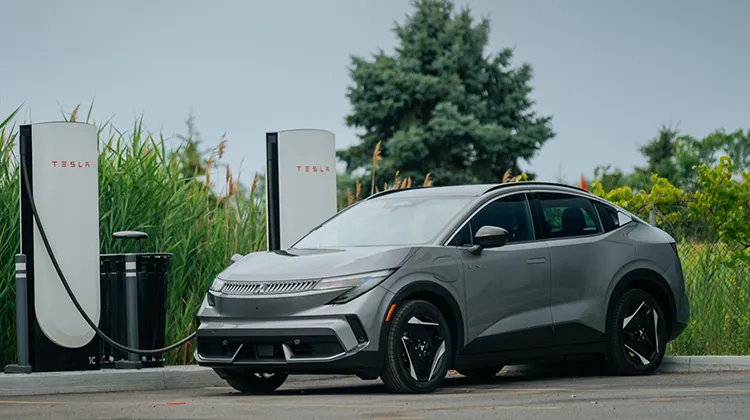
Mitsubishi has revealed new charging details for the 2027 Eclipse Sportback EV, confirming NACS compatibility, fast charging capabilities and flexible home charging options ahead of its North American launch.
The 2027 Mitsubishi Eclipse Sportback EV is taking another step toward its North American debut with new details about its charging technology. Mitsubishi has confirmed that every version of its upcoming electric crossover will feature multiple charging options, giving drivers greater flexibility whether charging at home or on the road.
Moreover, the new EV will arrive with direct access to one of the continent’s largest public charging networks.
Standard NACS Compatibility Across the Lineup
The 2027 Mitsubishi Eclipse Sportback EV will come standard with the North American Charging System (NACS) connector on every trim level.
This compatibility allows owners to access the growing Supercharger network without requiring additional hardware. Furthermore, the electric SUV supports DC fast charging at up to 150 kW, enabling the battery to recharge from 10% to 80% in approximately 35 minutes, depending on charging conditions.
As a result, Mitsubishi aims to make long-distance travel more convenient for future Eclipse Sportback EV owners.
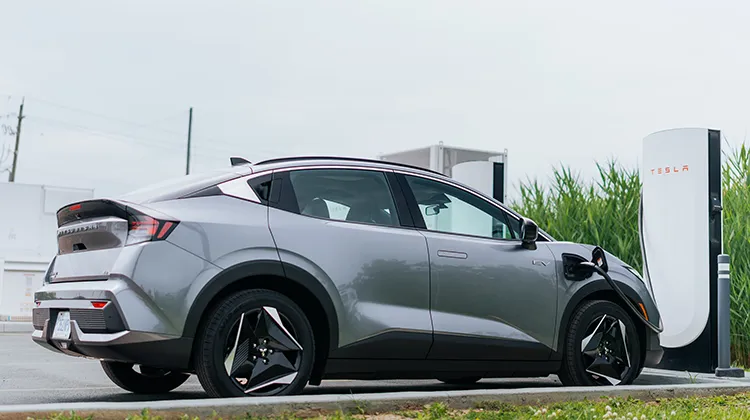
The 2027 Mitsubishi Eclipse Sportback EV will feature standard NACS charging compatibility across the lineup.
Flexible Home Charging Solutions
In addition to DC fast charging, Mitsubishi is equipping the Eclipse Sportback EV with a J1772 connector for Level 1 and Level 2 charging.
This setup allows owners to recharge the battery at home or through thousands of public AC charging stations across North America. Consequently, drivers will have multiple charging solutions depending on their daily needs.
Additionally, Mitsubishi says the vehicle’s charging performance may vary depending on battery temperature, ambient conditions and charger output.
A J1772 connector will support both Level 1 and Level 2 home charging.
A Key Model in Mitsubishi’s EV Expansion
The 2027 Mitsubishi Eclipse Sportback EV plays an important role in the company’s Momentum 2030 strategy.
The sporty electric crossover features distinctive front and rear styling, signature lighting and Mitsubishi’s recognizable Triple Diamond branding. Meanwhile, the automaker plans to continue expanding its lineup, with an all-new off-road-oriented Outlander variant expected to follow in early 2027.
Therefore, the Eclipse Sportback EV represents another major milestone in Mitsubishi’s broader electrification plans for North America.
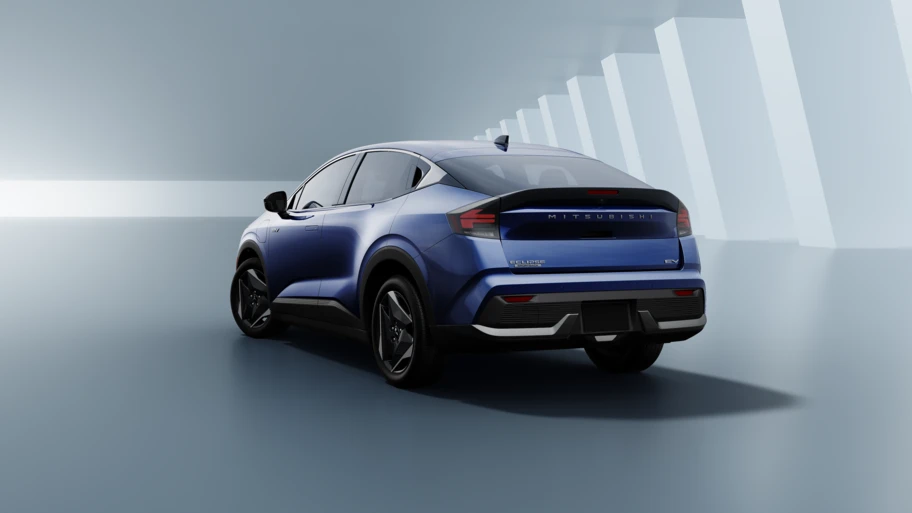
The Eclipse Sportback EV is a cornerstone of Mitsubishi’s Momentum 2030 electrification strategy.
2027 Mitsubishi Eclipse Sportback EV Expands Charging Convenience
The 2027 Mitsubishi Eclipse Sportback EV combines flexible charging solutions with modern electric vehicle technology to improve everyday usability.
Overall, standard NACS compatibility, fast DC charging and home charging capability position Mitsubishi’s newest electric crossover as an attractive option for drivers seeking greater charging convenience when it arrives in North America later this year.
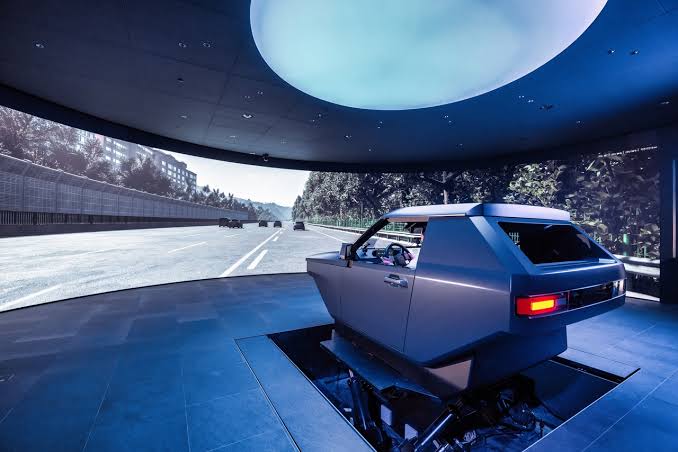
Hyundai Motor Group has opened UX Studio Shanghai, a new research hub designed to study Chinese consumer behavior and shape the next generation of connected mobility worldwide.
Hyundai UX Studio Shanghai is the latest step in the automaker’s strategy to develop smarter and more connected mobility experiences. Located in one of China’s leading innovation centers, the new research hub will gather consumer insights and help transform them into future vehicle technologies for global markets.
Moreover, the facility strengthens Hyundai Motor Group’s commitment to designing vehicles around real customer needs.
A New Center Focused on User Experience
The new Hyundai UX Studio Shanghai expands the company’s global user experience network, joining existing research centers in Seoul, Frankfurt and Irvine.
As a result, Hyundai can better understand how Chinese consumers interact with connected vehicles and digital technologies. The facility will also support the company’s “In China, For China, To Global” strategy by turning local innovations into worldwide solutions.
Furthermore, researchers will work directly with customers throughout the product development process.
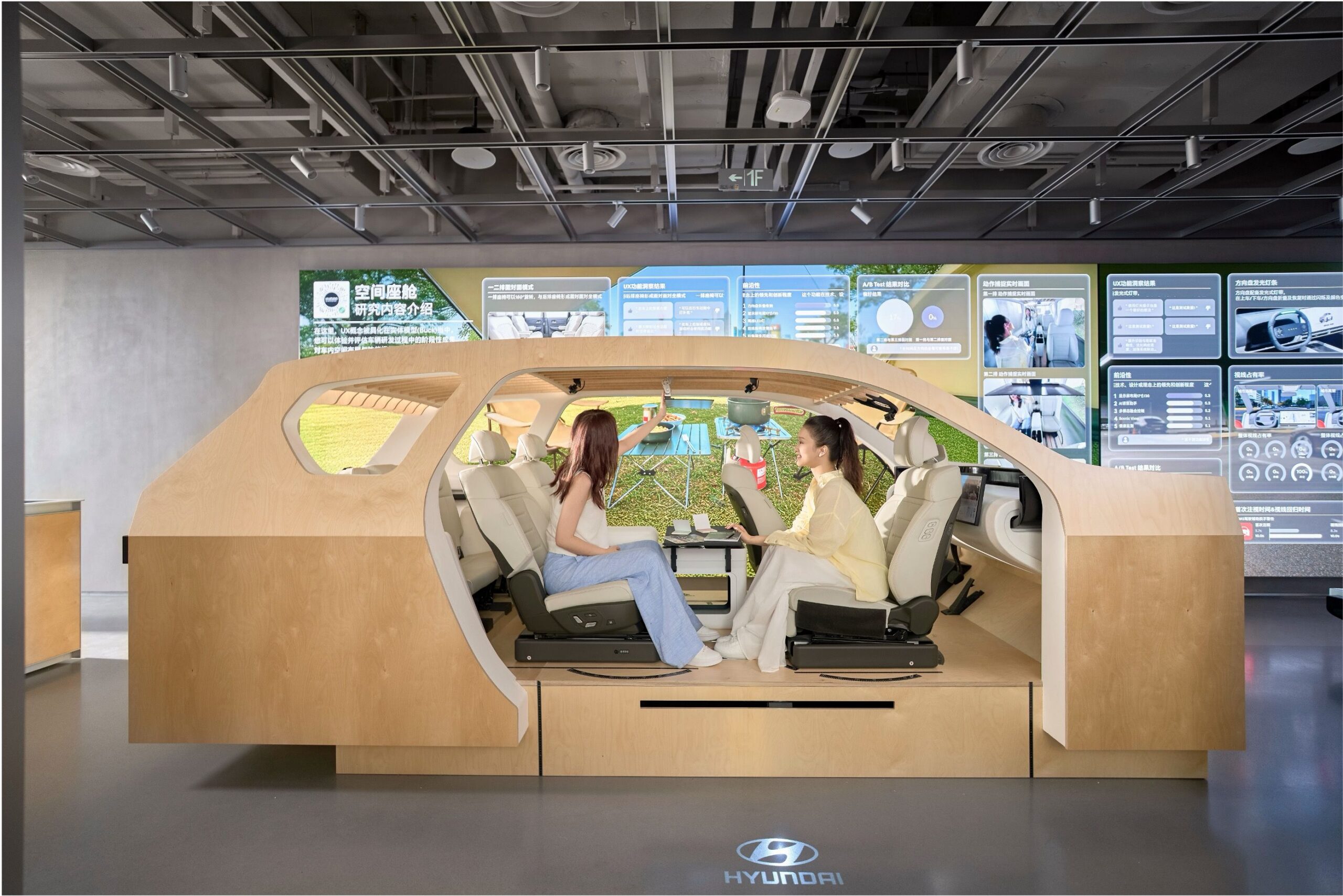
Hyundai’s new UX Studio Shanghai will study consumer behavior to improve future mobility experiences.
Designed for the Era of Software-Defined Vehicles
As vehicles become increasingly software-driven, Hyundai believes customer experience is becoming just as important as performance.
Therefore, UX Studio Shanghai focuses on technologies such as connected ecosystems, voice interaction, intelligent interfaces and digital mobility services. In addition, the company expects local consumer feedback to influence future software-defined vehicles across its global lineup.
The new center also supports collaboration between engineers, designers and customers from the earliest development stages.
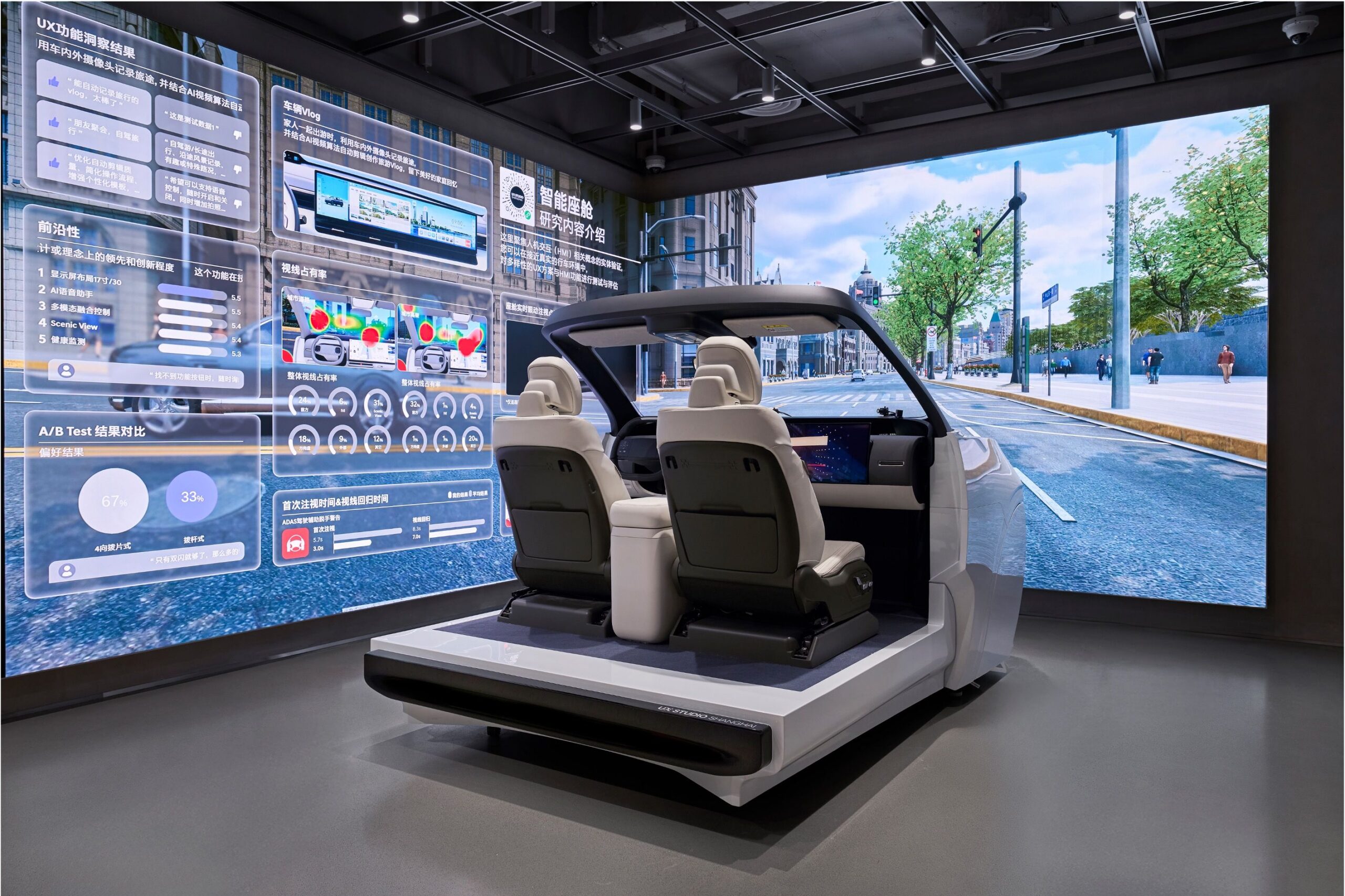
The research hub will help develop software-defined vehicles through customer collaboration.
Chinese Innovation Will Influence Global Products
Shanghai was selected because of its advanced technology ecosystem and rapidly evolving mobility market.
Meanwhile, Hyundai is partnering with leading academic institutions and local experts to better understand changing consumer behaviors. Research will cover a wide range of mobility scenarios, including family transportation, urban commuting and connected driving experiences.
Consequently, innovations developed in Shanghai will be shared across Hyundai’s worldwide research and development network.
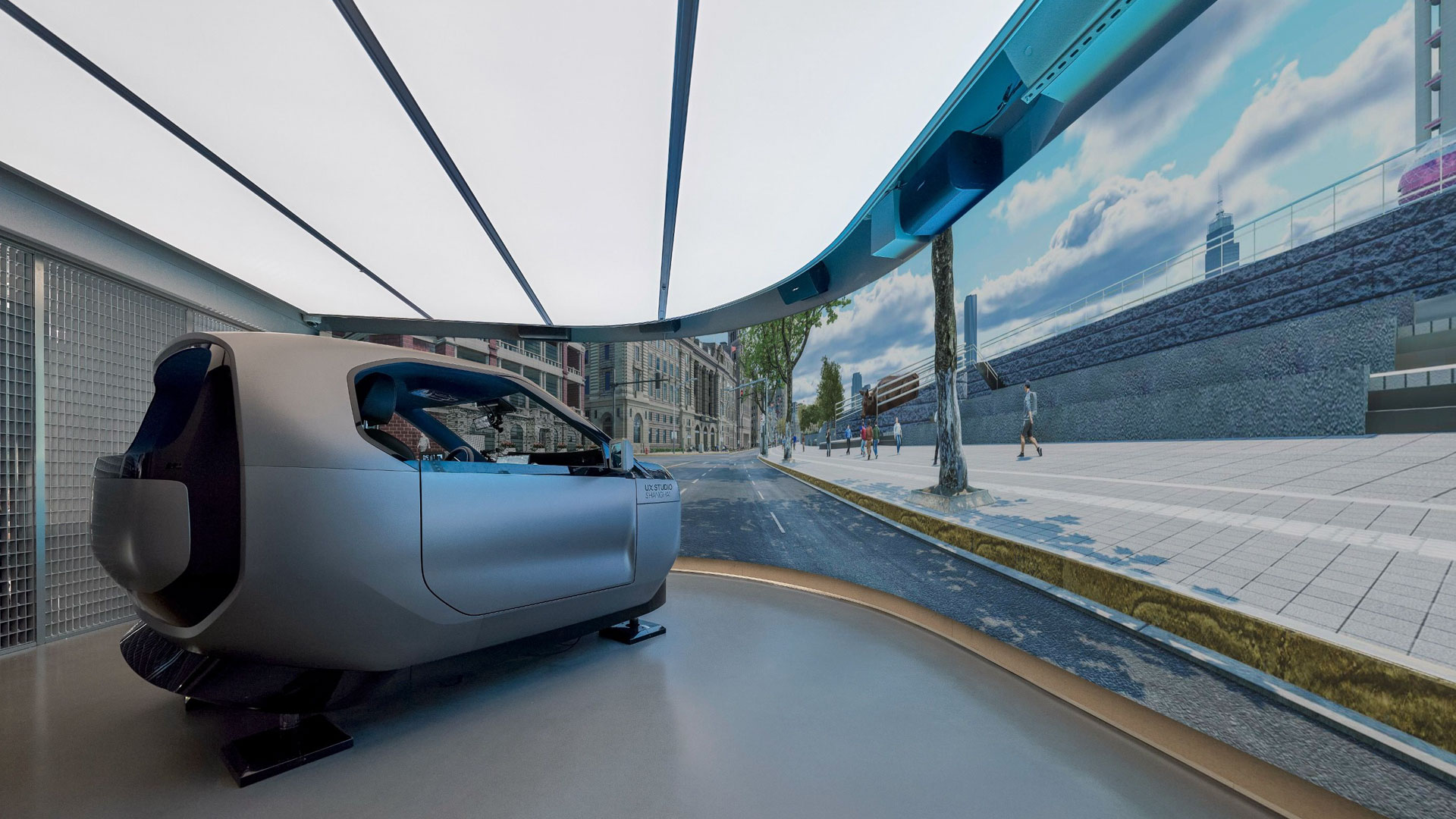
Hyundai expects insights from Shanghai to shape future vehicles sold around the world.
Hyundai UX Studio Shanghai Strengthens Future Mobility Development
The Hyundai UX Studio Shanghai represents far more than a regional research center.
Overall, the new facility reinforces Hyundai Motor Group’s strategy of combining local innovation with global development. By placing Chinese consumer insights at the center of future product planning, the company aims to create smarter, more connected and more personalized mobility experiences for customers worldwide.
-

 TEST DRIVES2 months ago
2026 Subaru Outback Touring
-

 TEST DRIVES2 months ago
Lamborghini prepares multiple launches for 2026 as electrification plans continue
-
 INTELLIGENT MOBILITY1 month ago
2026 Cadillac Escalade IQL Redefines Luxury In The Electric SUV Segment
-

 RACING2 months ago
Barcelona-Catalunya Grand Prix: Everything You Need To Know About Formula 1’s Ultimate Benchmark Circuit
-

 RACING2 months ago
George Russell Leads Final Barcelona Practice As Kimi Antonelli Receives Reprimand
-

 RACING2 months ago
Why Formula 1 Has Pit Lane Speed Limits And How They Are Measured
-

 NOW TRENDING2 months ago
Porsche Creates A Buzz Lightyear-Inspired 911 GT3 RS That Looks Ready To Go “To Infinity And Beyond”
-
 NOW TRENDING2 months ago
2026 Audi Q7 Brings New Design, Smarter Technology, And Greater Versatility
You must be logged in to post a comment Login