
INTELLIGENT MOBILITY
Chinese Automakers Develop AI Chips to Reduce Costs and Challenge Nvidia

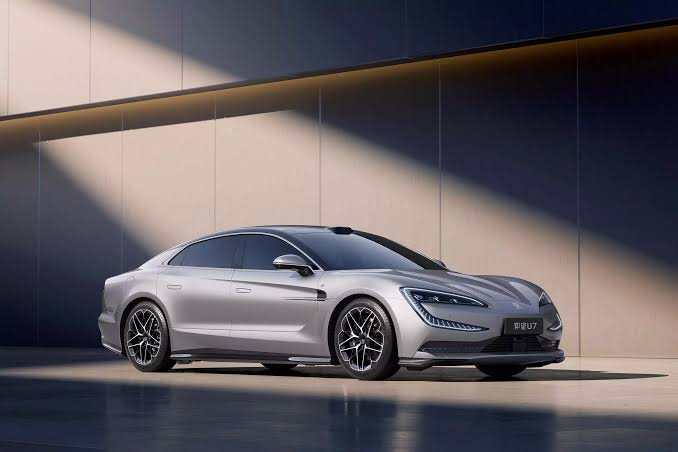
Chinese automakers are accelerating the development of in-house AI chips as they seek to lower costs, improve autonomous driving technology and reduce their dependence on suppliers such as Nvidia.
China’s automotive industry is entering a new phase of competition. After becoming the global leader in electric vehicle battery production, several manufacturers are now investing heavily in proprietary AI chips designed to power advanced driver-assistance systems (ADAS) and future autonomous driving technologies.
Companies including BYD, NIO, XPeng and Li Auto believe developing their own processors will allow them to control costs, speed up innovation and better integrate hardware with software.
Chinese automakers are investing heavily in AI chips
The Chinese automakers AI chips strategy reflects how modern vehicles are becoming software-defined products.
Instead of relying entirely on technology companies, manufacturers are creating processors specifically optimized for their own vehicles and autonomous driving systems.
These custom chips process data from cameras, radar, lidar and driver-monitoring systems while supporting increasingly advanced driving features.
As more affordable electric vehicles receive sophisticated driver-assistance technology, reducing hardware costs has become a major competitive advantage.

Chinese automakers are investing billions to develop their own AI chips for future electric vehicles.
BYD leads the race with its own autonomous driving chip
Among all manufacturers, BYD has made one of the biggest moves.
The company recently introduced its Xuanji A3, a 4-nanometer AI chip designed to support Level 3 and Level 4 autonomous driving.
According to BYD, the processor delivers performance comparable to Nvidia’s Thor platform while costing significantly less to produce.
The automaker also announced plans to invest more than $14.7 billion in intelligent vehicle technologies over the next three years.

BYD’s Xuanji A3 chip is designed to power next-generation intelligent vehicles.
NIO, XPeng and Li Auto expand their chip programs
BYD is not alone in pursuing this strategy.
NIO already uses its 5-nanometer Shenji NX9031 processor in production vehicles and estimates it can reduce hardware costs by roughly $1,400 per vehicle compared with Nvidia-based systems.
Meanwhile, XPeng continues expanding development of its Turing AI chip, which could eventually be supplied to other manufacturers. The company is already collaborating with Volkswagen on China-market electric vehicles.
Li Auto has also entered the race with its Mach M100 processor, developed specifically for its flagship L9 SUV and future intelligent driving systems.

Several Chinese automakers are designing proprietary chips to power future autonomous driving systems.
The rapid expansion of Chinese automakers AI chips highlights how competition in the electric vehicle industry is moving beyond batteries and into software and semiconductor technology. As manufacturers gain greater control over both hardware and software, they can reduce production costs while accelerating the development of advanced driver-assistance systems.
For global automakers, this trend represents a significant challenge. Companies that continue relying exclusively on third-party suppliers such as Nvidia, Qualcomm or Mobileye could find themselves at a growing cost disadvantage as Chinese brands strengthen their technological leadership in the global EV market.









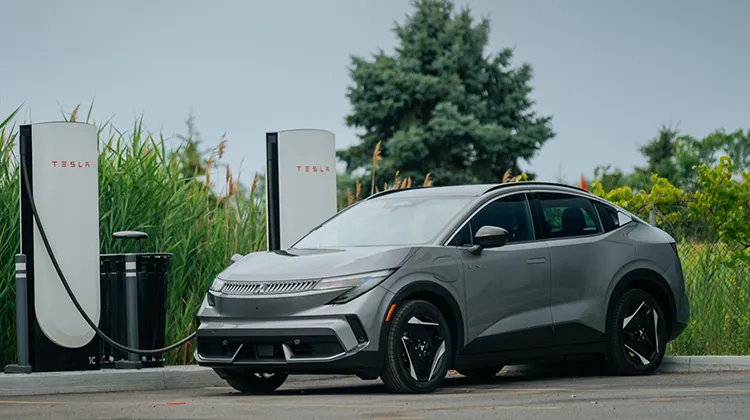
Mitsubishi has revealed new charging details for the 2027 Eclipse Sportback EV, confirming NACS compatibility, fast charging capabilities and flexible home charging options ahead of its North American launch.
The 2027 Mitsubishi Eclipse Sportback EV is taking another step toward its North American debut with new details about its charging technology. Mitsubishi has confirmed that every version of its upcoming electric crossover will feature multiple charging options, giving drivers greater flexibility whether charging at home or on the road.
Moreover, the new EV will arrive with direct access to one of the continent’s largest public charging networks.
Standard NACS Compatibility Across the Lineup
The 2027 Mitsubishi Eclipse Sportback EV will come standard with the North American Charging System (NACS) connector on every trim level.
This compatibility allows owners to access the growing Supercharger network without requiring additional hardware. Furthermore, the electric SUV supports DC fast charging at up to 150 kW, enabling the battery to recharge from 10% to 80% in approximately 35 minutes, depending on charging conditions.
As a result, Mitsubishi aims to make long-distance travel more convenient for future Eclipse Sportback EV owners.
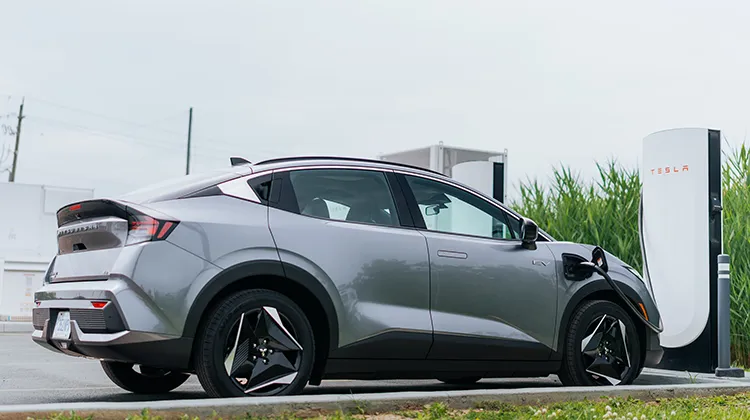
The 2027 Mitsubishi Eclipse Sportback EV will feature standard NACS charging compatibility across the lineup.
Flexible Home Charging Solutions
In addition to DC fast charging, Mitsubishi is equipping the Eclipse Sportback EV with a J1772 connector for Level 1 and Level 2 charging.
This setup allows owners to recharge the battery at home or through thousands of public AC charging stations across North America. Consequently, drivers will have multiple charging solutions depending on their daily needs.
Additionally, Mitsubishi says the vehicle’s charging performance may vary depending on battery temperature, ambient conditions and charger output.
A J1772 connector will support both Level 1 and Level 2 home charging.
A Key Model in Mitsubishi’s EV Expansion
The 2027 Mitsubishi Eclipse Sportback EV plays an important role in the company’s Momentum 2030 strategy.
The sporty electric crossover features distinctive front and rear styling, signature lighting and Mitsubishi’s recognizable Triple Diamond branding. Meanwhile, the automaker plans to continue expanding its lineup, with an all-new off-road-oriented Outlander variant expected to follow in early 2027.
Therefore, the Eclipse Sportback EV represents another major milestone in Mitsubishi’s broader electrification plans for North America.
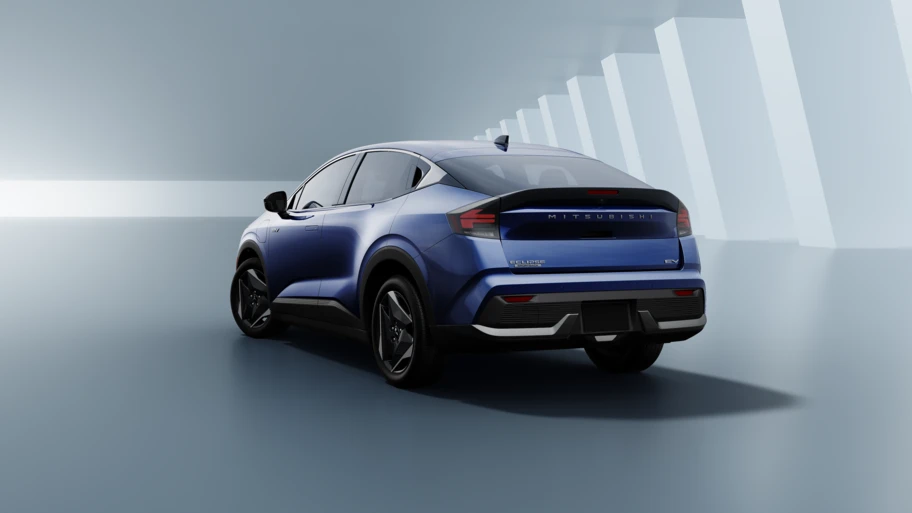
The Eclipse Sportback EV is a cornerstone of Mitsubishi’s Momentum 2030 electrification strategy.
2027 Mitsubishi Eclipse Sportback EV Expands Charging Convenience
The 2027 Mitsubishi Eclipse Sportback EV combines flexible charging solutions with modern electric vehicle technology to improve everyday usability.
Overall, standard NACS compatibility, fast DC charging and home charging capability position Mitsubishi’s newest electric crossover as an attractive option for drivers seeking greater charging convenience when it arrives in North America later this year.
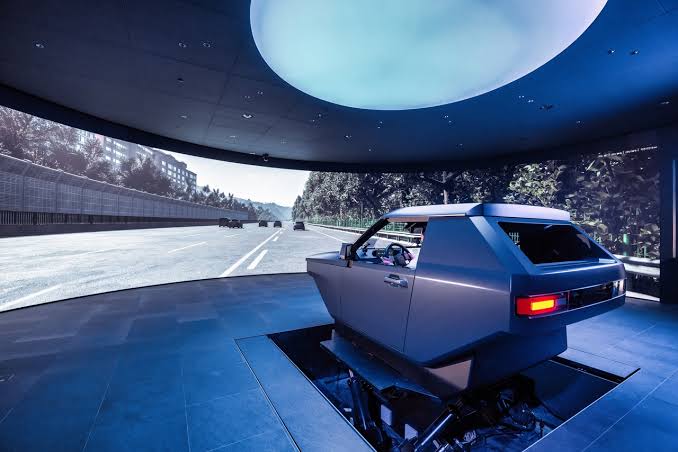
Hyundai Motor Group has opened UX Studio Shanghai, a new research hub designed to study Chinese consumer behavior and shape the next generation of connected mobility worldwide.
Hyundai UX Studio Shanghai is the latest step in the automaker’s strategy to develop smarter and more connected mobility experiences. Located in one of China’s leading innovation centers, the new research hub will gather consumer insights and help transform them into future vehicle technologies for global markets.
Moreover, the facility strengthens Hyundai Motor Group’s commitment to designing vehicles around real customer needs.
A New Center Focused on User Experience
The new Hyundai UX Studio Shanghai expands the company’s global user experience network, joining existing research centers in Seoul, Frankfurt and Irvine.
As a result, Hyundai can better understand how Chinese consumers interact with connected vehicles and digital technologies. The facility will also support the company’s “In China, For China, To Global” strategy by turning local innovations into worldwide solutions.
Furthermore, researchers will work directly with customers throughout the product development process.
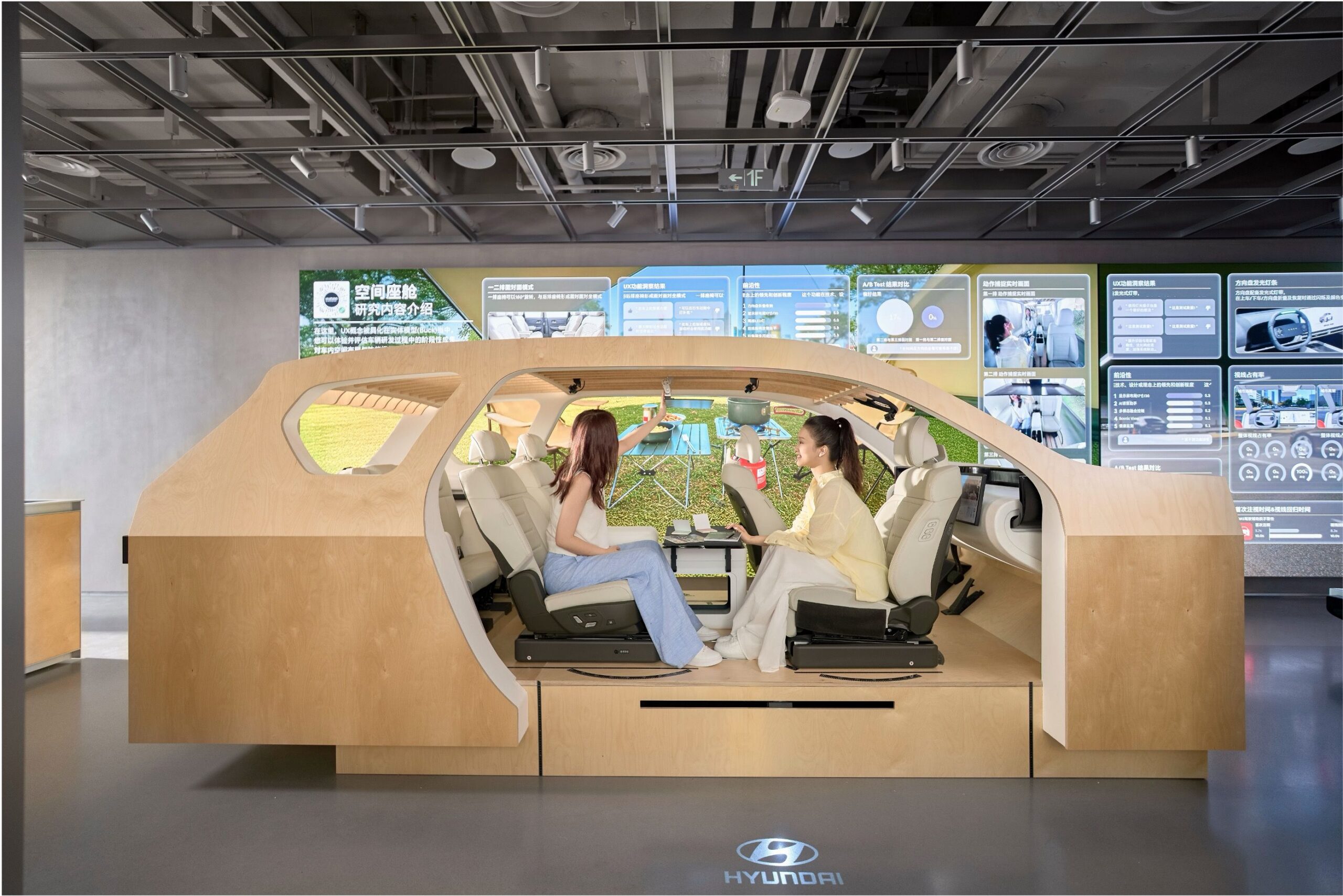
Hyundai’s new UX Studio Shanghai will study consumer behavior to improve future mobility experiences.
Designed for the Era of Software-Defined Vehicles
As vehicles become increasingly software-driven, Hyundai believes customer experience is becoming just as important as performance.
Therefore, UX Studio Shanghai focuses on technologies such as connected ecosystems, voice interaction, intelligent interfaces and digital mobility services. In addition, the company expects local consumer feedback to influence future software-defined vehicles across its global lineup.
The new center also supports collaboration between engineers, designers and customers from the earliest development stages.
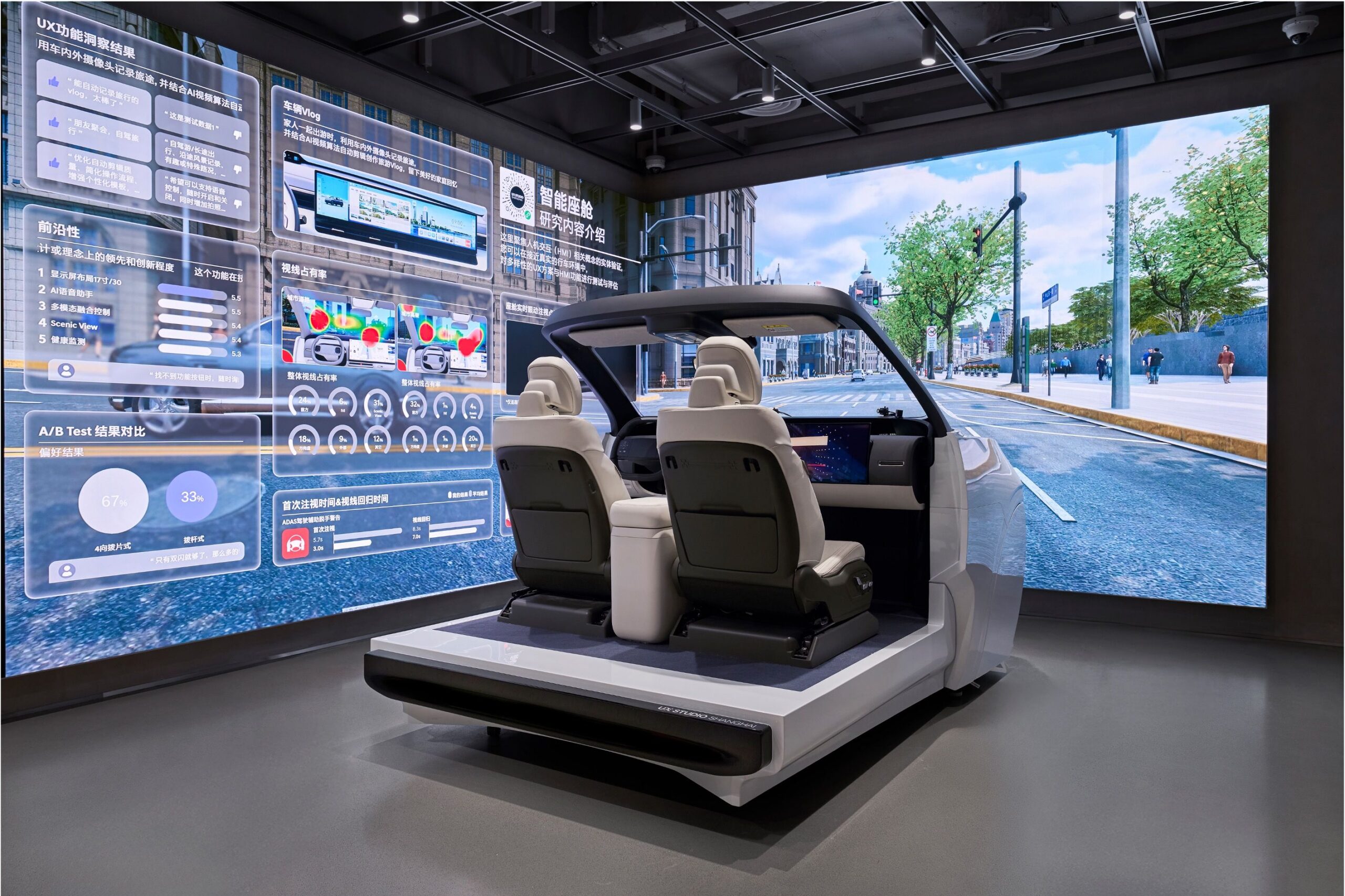
The research hub will help develop software-defined vehicles through customer collaboration.
Chinese Innovation Will Influence Global Products
Shanghai was selected because of its advanced technology ecosystem and rapidly evolving mobility market.
Meanwhile, Hyundai is partnering with leading academic institutions and local experts to better understand changing consumer behaviors. Research will cover a wide range of mobility scenarios, including family transportation, urban commuting and connected driving experiences.
Consequently, innovations developed in Shanghai will be shared across Hyundai’s worldwide research and development network.
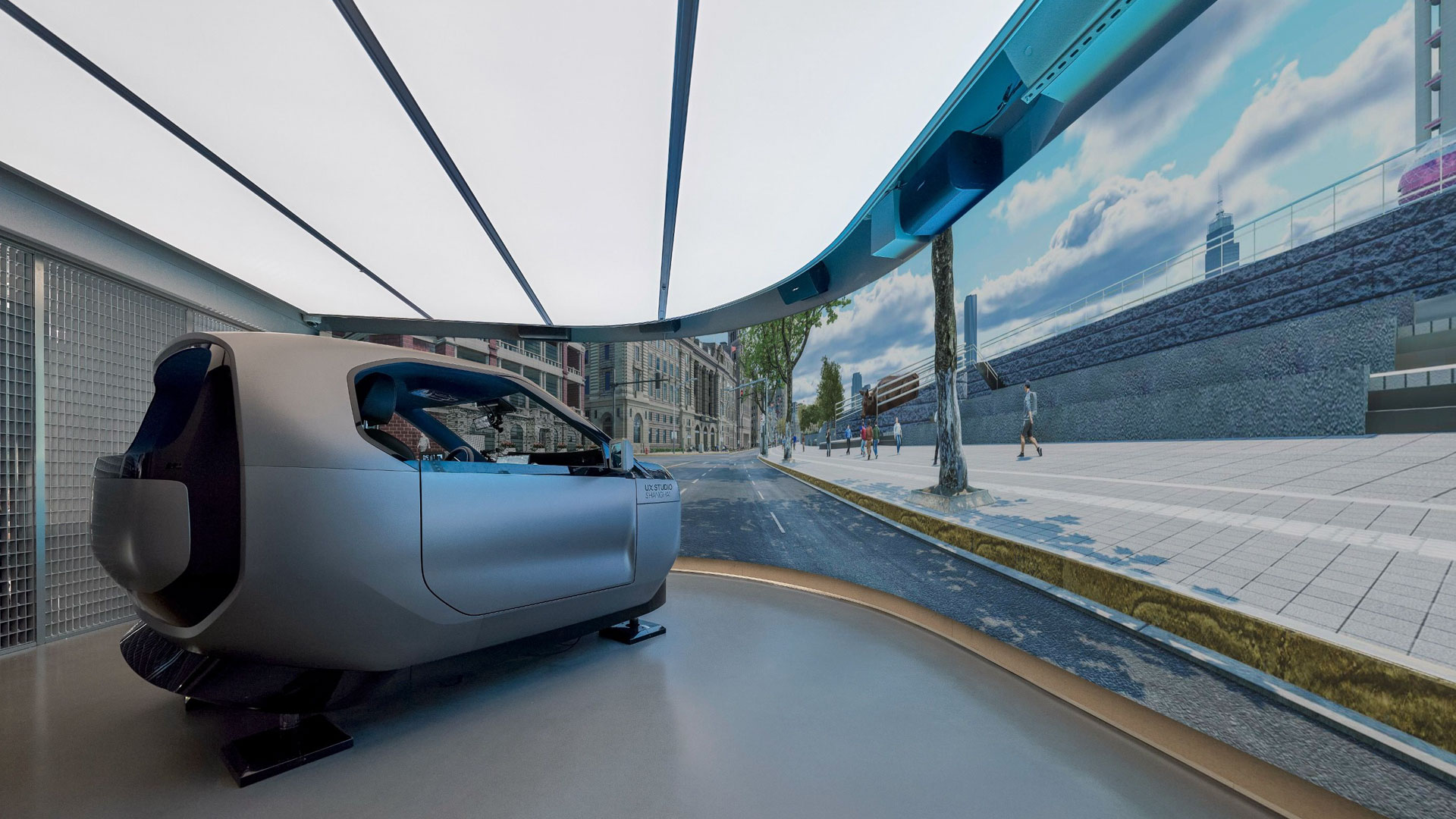
Hyundai expects insights from Shanghai to shape future vehicles sold around the world.
Hyundai UX Studio Shanghai Strengthens Future Mobility Development
The Hyundai UX Studio Shanghai represents far more than a regional research center.
Overall, the new facility reinforces Hyundai Motor Group’s strategy of combining local innovation with global development. By placing Chinese consumer insights at the center of future product planning, the company aims to create smarter, more connected and more personalized mobility experiences for customers worldwide.
Ford has announced that its upcoming electric vehicles will replace Google-based navigation with native Apple Maps, bringing improved EV route planning and enhanced hands-free driving features.
Ford is preparing a major change for its next generation of electric vehicles. Beginning with its new Universal Electric Vehicle (UEV) platform, the automaker will introduce native Apple Maps integration, giving drivers built-in navigation without relying on Apple CarPlay.
Moreover, the new system is expected to improve both the EV ownership experience and Ford’s advanced driver-assistance technology.
Apple Maps Will Be Built Into Ford’s EVs
Unlike traditional Apple Maps, which requires an iPhone connected through Apple CarPlay, Ford’s upcoming system will operate directly from the vehicle’s infotainment software.
As a result, every driver will have access to real-time traffic updates, intelligent EV route planning and battery preconditioning, regardless of whether they own an iPhone.
Meanwhile, Apple CarPlay will remain available for customers who prefer using their smartphone interface.

Ford’s next-generation EVs will feature Apple Maps integrated directly into the infotainment system.
BlueCruise Receives a Major Technology Upgrade
The new Ford Apple Maps integration goes beyond navigation.
Ford says Apple Maps’ highly detailed road data will help improve the next generation of BlueCruise, the company’s hands-free driving system. Consequently, BlueCruise will be able to deliver more accurate operation between highway entrance and exit ramps, making the driving experience smoother and more reliable.
Furthermore, the additional mapping data is expected to improve route awareness and vehicle positioning during assisted driving.

Apple Maps data will help enhance Ford’s BlueCruise hands-free driving system.
Ford Takes a Different Direction From Rivals
Ford’s new strategy sets it apart from several major competitors.
While some automakers continue relying on proprietary infotainment platforms or Google-based operating systems, Ford has chosen to integrate Apple Maps directly into its next-generation EV architecture.
The technology will debut on the company’s approximately $30,000 midsize electric pickup, which is scheduled to launch in 2027 before expanding to additional models built on the UEV platform.

Ford’s affordable electric pickup will be the first model to launch with native Apple Maps.
Ford Apple Maps Marks a New Direction for Future EVs
The Ford Apple Maps partnership represents a significant step in the company’s software strategy.
Overall, native Apple Maps integration should provide a more seamless navigation experience while supporting smarter charging, improved route planning and enhanced BlueCruise performance. As Ford expands its next-generation EV lineup, software is becoming just as important as hardware in defining the driving experience.
-
 TEST DRIVES2 months ago
2026 Subaru Outback Touring
-

 TEST DRIVES2 months ago
Lamborghini prepares multiple launches for 2026 as electrification plans continue
-
 TEST DRIVES2 months ago
2026 Hyundai Santa Cruz Limited AWD
-
 INTELLIGENT MOBILITY1 month ago
2026 Cadillac Escalade IQL Redefines Luxury In The Electric SUV Segment
-

 RACING2 months ago
Barcelona-Catalunya Grand Prix: Everything You Need To Know About Formula 1’s Ultimate Benchmark Circuit
-
 RACING1 month ago
George Russell Leads Final Barcelona Practice As Kimi Antonelli Receives Reprimand
-
 RACING2 months ago
Why Formula 1 Has Pit Lane Speed Limits And How They Are Measured
-

 NOW TRENDING2 months ago
Porsche Creates A Buzz Lightyear-Inspired 911 GT3 RS That Looks Ready To Go “To Infinity And Beyond”
You must be logged in to post a comment Login