
Formula1
Drivers Fear 2026 F1 Cars Will Change Silverstone Forever

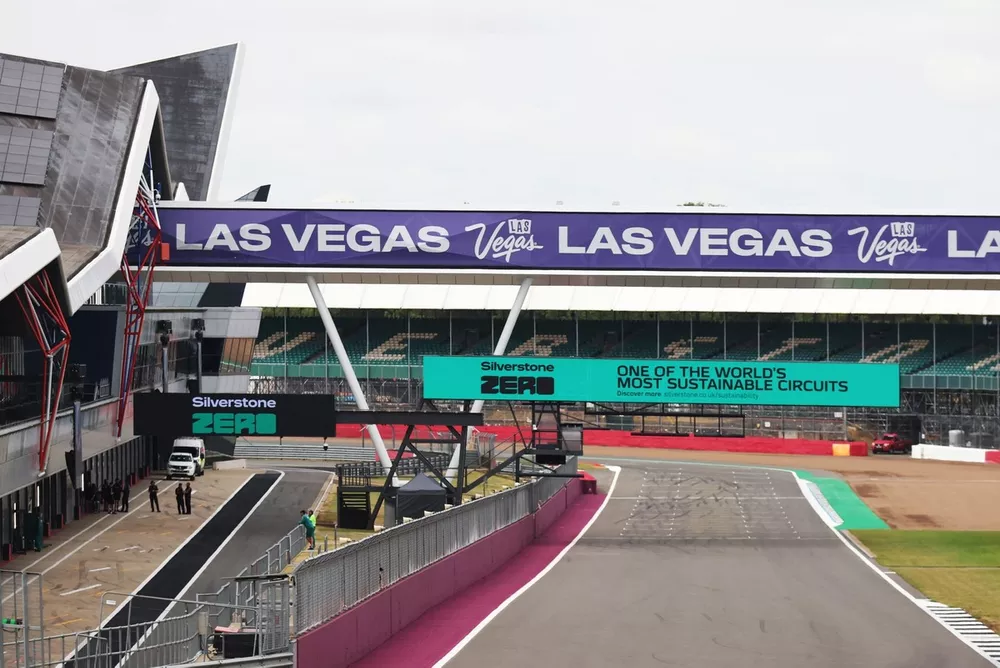
The 2026 F1 cars are expected to transform Silverstone’s iconic high-speed layout, with drivers warning that new hybrid power units could significantly reduce speeds through some of Formula 1’s most famous corners.
2026 F1 Cars Could Change Silverstone’s Fastest Corners
The 2026 F1 cars are expected to bring one of the biggest changes in modern Formula 1, and few circuits could feel the impact more than Silverstone. Drivers believe the combination of new hybrid power units, revised energy deployment and stricter battery management will fundamentally change one of the fastest and most demanding tracks on the calendar.
Many fear that corners once taken almost flat-out will become noticeably slower, creating a very different driving experience from the one that has defined Silverstone for decades.
Silverstone’s high-speed identity could be transformed
Silverstone has always been considered one of Formula 1’s ultimate tests of driver commitment. Corners such as Copse, Maggots and Becketts have rewarded bravery, precision and aerodynamic performance like few other places on the calendar.
However, simulations suggest the 2026 F1 cars will arrive at these sections with less available electrical energy, forcing drivers to rely more heavily on the internal combustion engine during critical moments of the lap.
The reduced electrical deployment is expected to lower both top speed and corner entry speed, changing the way drivers approach the circuit’s most famous sequence.
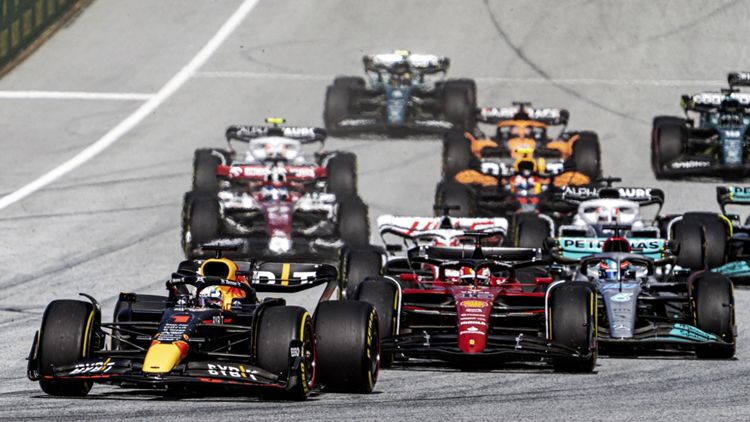
Silverstone’s legendary high-speed corners could feel very different under the 2026 Formula 1 regulations.
Battery management will become more important than ever
One of the defining characteristics of the 2026 F1 cars will be the greater importance of energy management.
At a circuit like Silverstone, where long full-throttle sections are combined with relatively few heavy braking zones, drivers will have fewer opportunities to recharge the battery before entering the fastest parts of the lap.
That means engineers will need to optimize energy deployment throughout qualifying and the race, while drivers may experience reduced acceleration whenever battery reserves begin to run low.
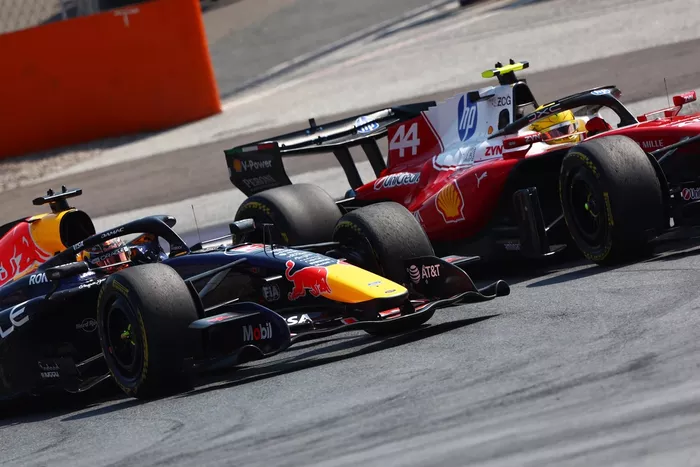
Managing electrical energy will play a critical role throughout every lap.
Drivers are already concerned about the new driving experience
Several drivers have already voiced concerns after testing the 2026 F1 cars in simulators.
Carlos Sainz described the experience as surprising, explaining that battery energy is depleted much earlier than expected through Silverstone’s famous high-speed sequence. Once the available electrical power is exhausted, the cars rely primarily on the combustion engine, resulting in lower acceleration and reduced straight-line speed.
Alex Albon also believes the lower speeds completely change how drivers approach the circuit.
“You arrive at those corners so much slower that the cornering speeds are actually lower. People think of Silverstone as a high-speed circuit, but if you look at the corner speeds now, it’s really become a medium-speed track.”
Fernando Alonso echoed those concerns, saying it will be disappointing to see iconic circuits such as Silverstone and Spa-Francorchamps lose some of the characteristics that have made them special for generations.
“I think the next two races will be a different experience from what we’re used to seeing at Silverstone and Spa.”
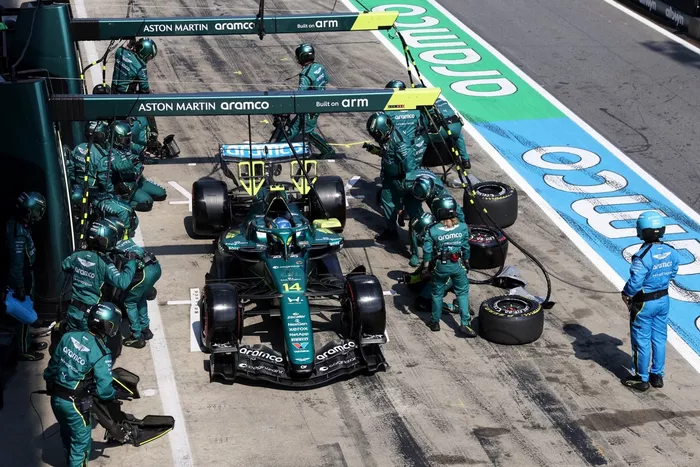
Several Formula 1 drivers believe Silverstone will feel very different under the 2026 regulations.
The 2026 F1 cars represent one of the most significant technical changes Formula 1 has introduced in decades. While the new regulations are designed to improve efficiency and sustainability, they are also expected to reshape the way drivers attack some of the sport’s fastest circuits. Silverstone will continue to be one of Formula 1’s most iconic venues, but according to many drivers, its legendary high-speed character could soon become part of the sport’s history.










-
 NOW TRENDING2 months ago
Land Rover Defender Recall 2026: 23,677 JLR SUVs Affected
-
 NOW TRENDING2 months ago
Hyundai September 2026 Sales Hit Record 77,439
-
 NOW TRENDING2 months ago
2027 Silverado HD: New 8.3L Duramax V8 Revealed
-
 NOW TRENDING2 months ago
Cadillac EVs 2026: All Five Electric Models Explained
-

 NOW TRENDING2 months ago
Porsche Gas Macan Returns in 2028 as EV Plans Evolve
-
 NOW TRENDING2 months ago
2027 Toyota Grand Highlander Woodland Adds Adventure
-
 INTELLIGENT MOBILITY2 months ago
GM and PG&E Make Home EV Charging Easier for Buyers
-
 INTELLIGENT MOBILITY2 months ago
Waymo Safety Data Shows 82% Fewer Injury Crashes