
NOW TRENDING
2027 Kia Telluride HEV Wins NWAPA Best Hybrid Award

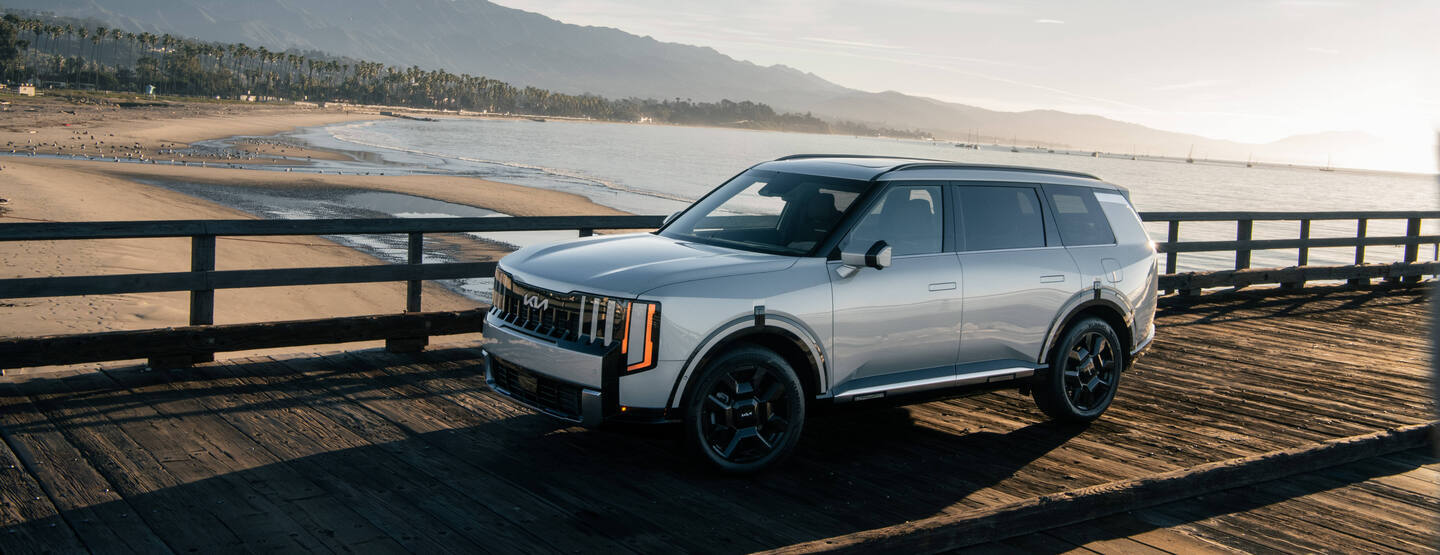
The 2027 Kia Telluride HEV has won the Best Hybrid Vehicle award at NWAPA Drive Revolution 2026, while the K4 Hatchback earned Best Value honors.
Kia earns two awards at NWAPA Drive Revolution
Kia has taken home two category awards at the Northwest Automotive Press Association’s Drive Revolution 2026 program.
The 2027 Kia Telluride HEV was named Best Hybrid Vehicle. At the same event, the 2026 Kia K4 Hatchback received the Best Value award.
The event brought together 17 automotive journalists, who evaluated 20 gasoline, hybrid and battery-electric vehicles over two days around Vancouver, Washington. The program covered areas such as handling, braking, powertrains, design, technology and value.
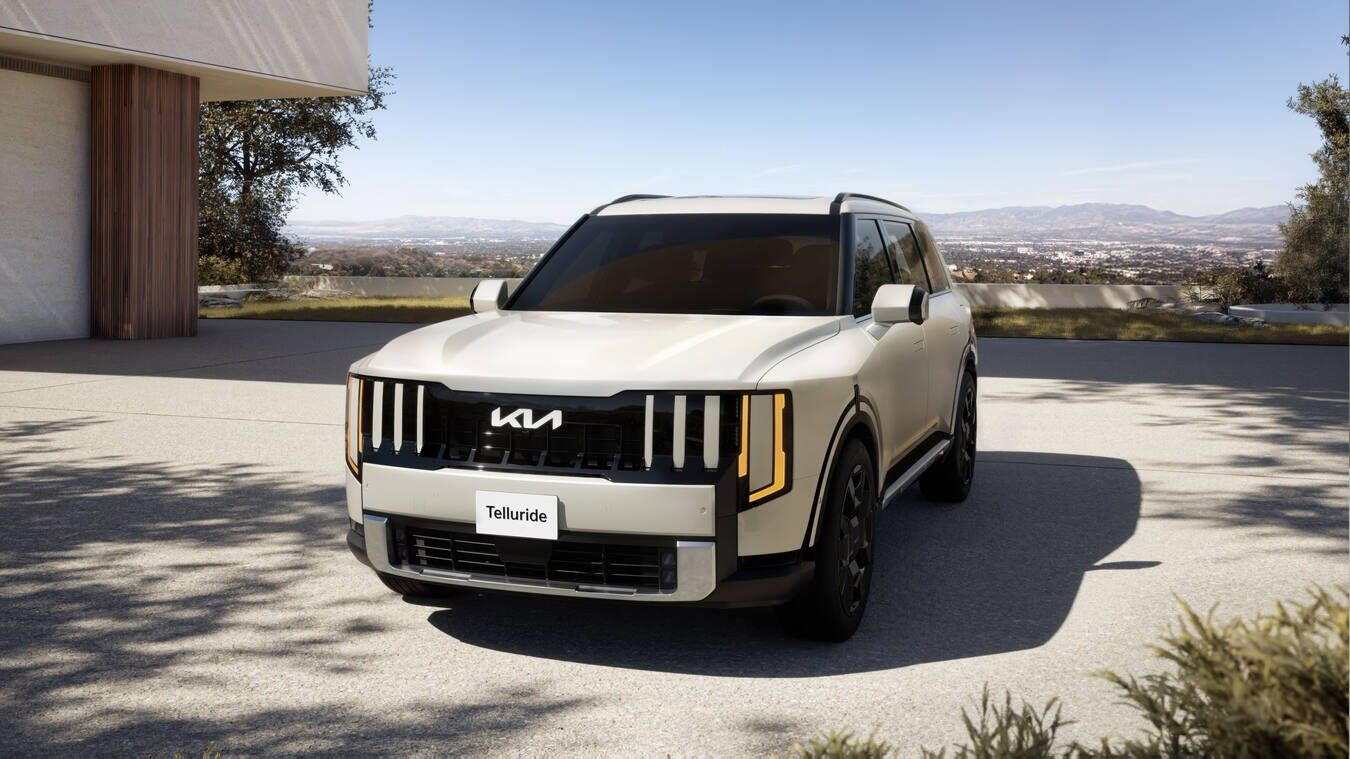
The 2027 Kia Telluride HEV earned NWAPA’s Best Hybrid Vehicle award at Drive Revolution 2026.
The award adds to a growing list of recognition for the new Telluride.
Kia introduced the 2027 Telluride HEV as the first hybrid version of its three-row flagship SUV. The powertrain combines a 2.5-liter turbocharged engine with electric motors and a 1.65-kWh lithium-ion battery.
Together, the system produces 329 horsepower and 339 lb-ft of torque. It sends power through a six-speed automatic transmission, with all-wheel drive available on selected versions.
The Telluride HEV focuses on efficiency and space
The hybrid Telluride also targets buyers who want a larger SUV without giving up fuel efficiency.
Kia lists an EPA-estimated 35 mpg combined for the EX FWD. The same configuration has a total estimated driving range of 637 miles.
That combination was important during the NWAPA evaluation.
The Telluride HEV combines its hybrid powertrain with a spacious three-row cabin. Kia also offers the SUV with technology features aimed at making longer trips more comfortable.
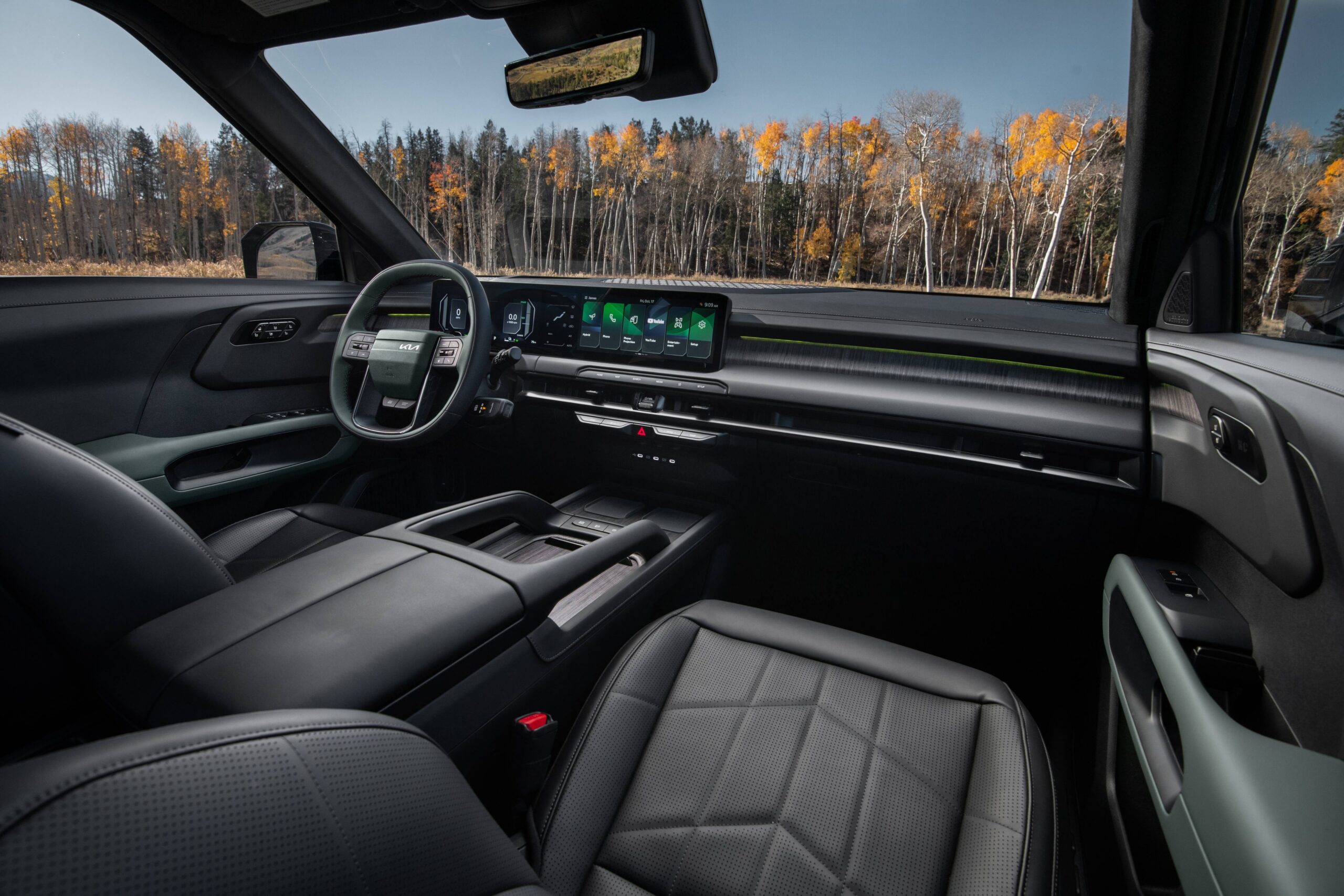
The Telluride HEV combines three-row space with a technology-focused interior.
The cabin can seat up to seven passengers, depending on configuration.
Kia also offers an available digital cockpit with nearly 30 inches of combined display area, along with wireless Apple CarPlay and Android Auto. Other available features include heated and ventilated seats and a power liftgate.
The hybrid system also introduces Stay Mode.
It can use energy from the hybrid battery to operate climate control, cabin lighting and the audio system while the vehicle is parked.
For buyers who need additional capability, selected versions can tow up to 4,500 pounds when properly equipped. An available self-leveling rear suspension is also offered.
The K4 Hatchback wins Best Value
Kia’s second award went to a very different vehicle.
The 2026 Kia K4 Hatchback was named Best Value at Drive Revolution 2026. The compact hatchback impressed evaluators with its design, equipment and performance-oriented configuration.
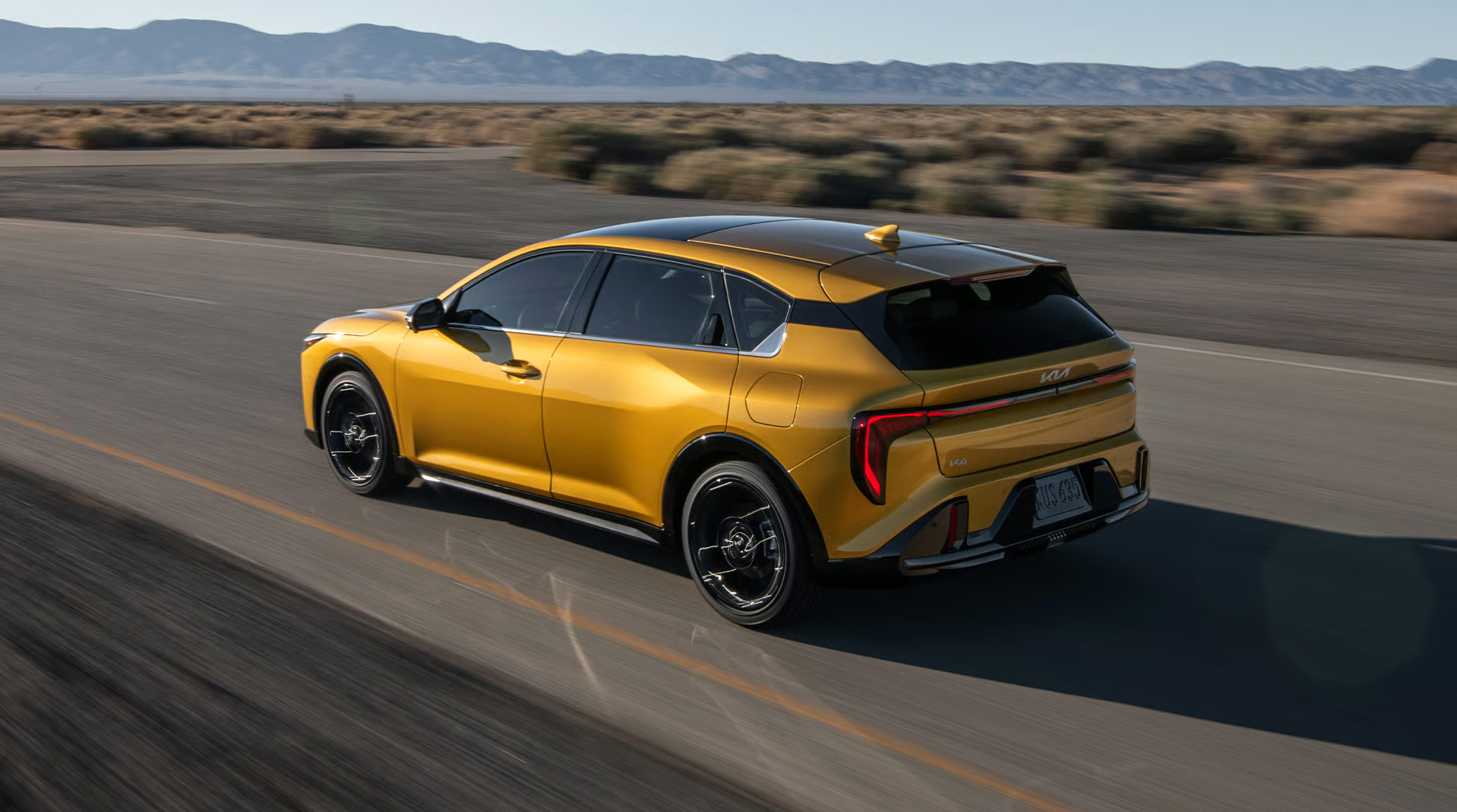
The 2026 Kia K4 Hatchback earned Best Value honors at the same NWAPA event.
The K4 Hatchback is available with a 1.6-liter turbocharged four-cylinder producing 190 horsepower and 195 lb-ft of torque.
The engine is paired with an eight-speed automatic transmission. Kia also offers the hatchback with a distinctive fastback-inspired design and a practical rear cargo area.
The award gives the K4 another U.S. recognition in 2026.
Earlier this year, the K4 Hatchback also received People’s Vehicle of Texas Best Value honors from the Texas Auto Writers’ Association.
Kia continues its U.S. award momentum
The two Drive Revolution wins add to Kia’s growing collection of 2026 awards in the United States.
The 2027 Telluride HEV has already been recognized by other automotive organizations for its hybrid powertrain and three-row packaging. The K4 Hatchback has also collected multiple value-related awards during its first full year in the U.S. market.
The latest awards also highlight two different sides of Kia’s lineup.
The Telluride HEV targets customers looking for space, efficiency and SUV capability. The K4 Hatchback focuses on compact dimensions, sporty styling and value.
That range is exactly what Kia highlighted after the NWAPA event.
The 2027 Kia Telluride HEV and 2026 Kia K4 Hatchback have now secured two more U.S. automotive awards at Drive Revolution 2026, adding to their growing recognition in the American market.








Nissan is preparing a major U.S. hybrid expansion
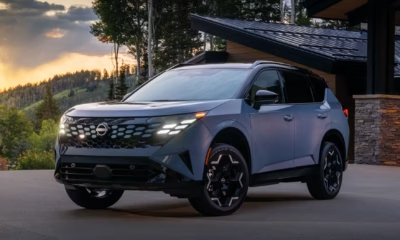
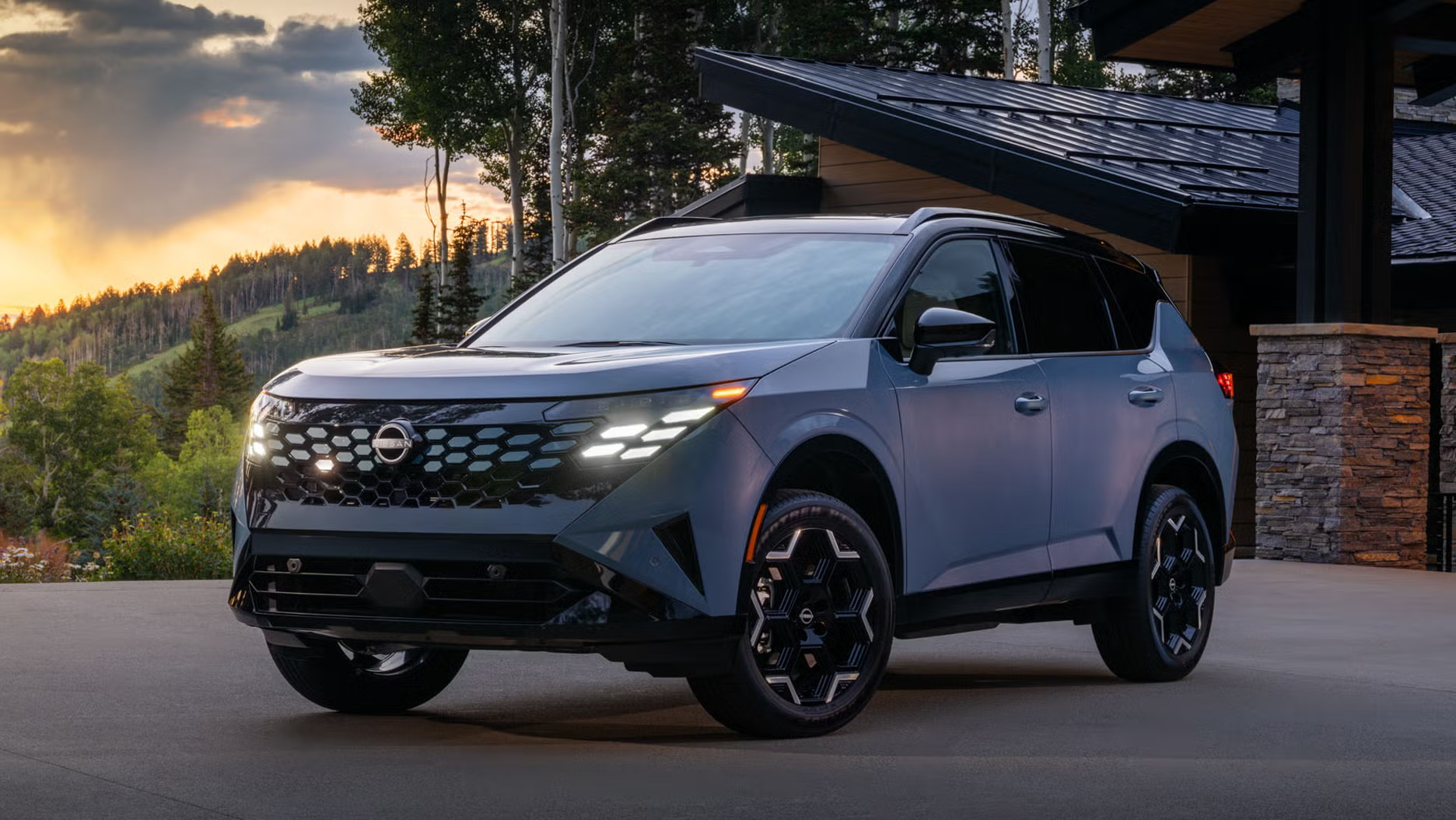
Nissan is preparing a much broader hybrid lineup for the U.S. market. The strategy begins with the 2027 Rogue Hybrid and is expected to expand into additional crossovers, trucks and SUVs over the next several years.
The 2027 Nissan Rogue Hybrid will be the first Nissan model in the United States to use the company’s third-generation e-POWER system. Nissan says the system uses two electric motors to drive the wheels, while a gasoline engine generates electricity for the battery and motors.
The U.S. is a central part of Nissan’s long-term strategy. The company is targeting one million annual units in the U.S. and Canada by fiscal 2030, supported by more localized production and a broader mix of powertrains.
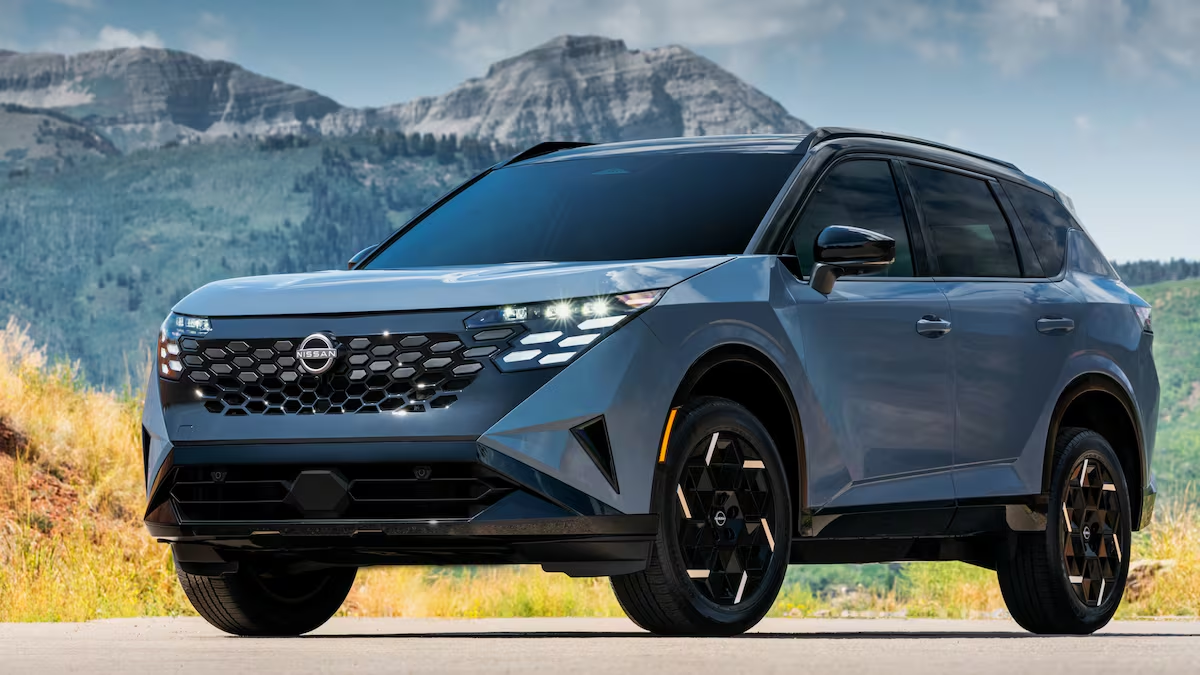
The 2027 Rogue Hybrid will introduce Nissan’s e-POWER technology to the U.S. market.
Nissan expects the Rogue Hybrid to arrive in late 2026.
The first U.S. version, the SR with Technology Package, is expected in limited quantities in November 2026. Additional versions are scheduled for January 2027.
Every Rogue Hybrid uses dual-motor all-wheel drive. Nissan estimates up to 40 mpg in the city for the SR AWD model.
The new hybrid also uses e-Pedal and Nissan’s Smooth Stop technology. The latter is designed to make braking feel more natural, particularly in stop-and-go traffic.
e-POWER becomes Nissan’s key hybrid technology
The Rogue Hybrid is important because it introduces e-POWER to American buyers.
Unlike a conventional parallel hybrid, the gasoline engine does not directly drive the wheels. Instead, it acts as a generator, while electric motors provide propulsion.
Nissan says the third-generation system has almost 2 million e-POWER vehicles in service worldwide from the previous two generations.
The latest system uses a new engine designed specifically for electricity generation. Nissan says its new architecture improves efficiency, quietness and overall performance.
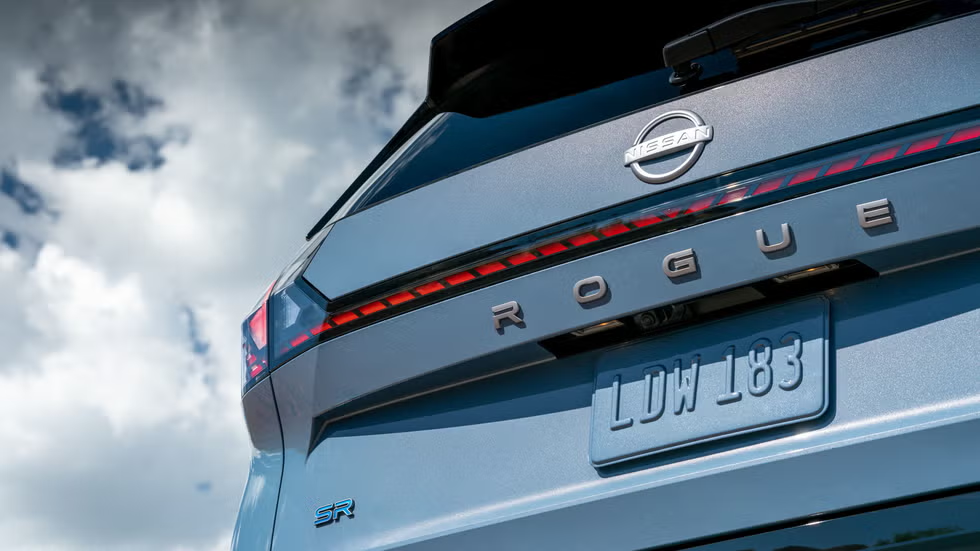
The Rogue Hybrid uses two electric motors and Nissan’s third-generation e-POWER system.
The Rogue will not be the only Nissan hybrid in the United States.
The company is also working on additional electrified products as part of its broader North American strategy. Nissan has specifically identified the Kicks e-POWER as a future possibility, although detailed U.S. specifications and launch timing have not yet been announced.
That would give Nissan a hybrid option in a smaller crossover segment.
The strategy then moves into larger vehicles.
V6 hybrids will target trucks and SUVs
Nissan has confirmed that its future U.S. body-on-frame vehicle family will use V6 or V6 hybrid powertrains.
The first major model in that family will be the returning Nissan Xterra, which is targeted for a late-2028 launch. Nissan says the new Xterra will be produced in the United States on a body-on-frame platform.
The company is also exploring a broader family of five U.S.-built body-on-frame vehicles.
That could eventually include additional pickups and three-row SUVs across Nissan and Infiniti. Nissan has not yet announced every model in that family.

The next-generation Xterra is planned as a U.S.-built body-on-frame SUV with V6 and V6 hybrid powertrain options.
The Xterra is therefore a key part of Nissan’s future hybrid strategy.
Its return also fits the company’s decision to focus more heavily on larger vehicles in North America. Nissan says its U.S. strategy will be supported by the Rogue Hybrid, the new Xterra and future V6 and V6-hybrid body-on-frame models.
Nissan wants more hybrids by 2030
Nissan’s shift comes as the company works to increase localization in the United States.
The automaker says U.S. localized production reached 65% in fiscal 2025, up from 40%, and the long-term target is 80%.
That production strategy is closely connected to the hybrid rollout.
The Rogue Hybrid will initially be imported from Japan. Nissan plans to add the hybrid version to production at its Smyrna, Tennessee, plant beginning in 2028, according to the reported strategy supplied for this article.
Nissan’s official long-term plan also identifies the U.S. as one of its three lead markets, alongside Japan and China. The company says North America will focus on trucks and SUVs while offering more powertrain choices.
What the Nissan lineup could look like
The roadmap is becoming clearer.
The Rogue Hybrid is the first step. A potential Kicks hybrid could follow, while the returning Xterra will introduce the V6/V6-hybrid formula to a more rugged vehicle.
Future pickups and larger SUVs could then expand that strategy.
The important point is that Nissan is not replacing every gasoline model with a hybrid overnight. Instead, it is building a mixed U.S. lineup that combines gasoline, hybrid, plug-in hybrid and EV technologies according to vehicle type and market demand.
That approach is also consistent with Nissan’s global e-POWER strategy. The company continues to describe electrification as a mix of technologies rather than a single solution for every market.
2030 will be the key test
Nissan’s hybrid expansion is still developing.
The 2027 Rogue Hybrid is confirmed, and the Xterra’s return with V6 and V6-hybrid options is also confirmed. Other future hybrid models remain dependent on Nissan’s product plans and final launch decisions.
For U.S. buyers, the next few years should bring a much larger selection of Nissan electrified vehicles.
The Nissan hybrid lineup through 2030 is shaping up around e-POWER crossovers and V6 hybrid trucks and SUVs, with the United States playing a central role in the company’s future product and manufacturing strategy.
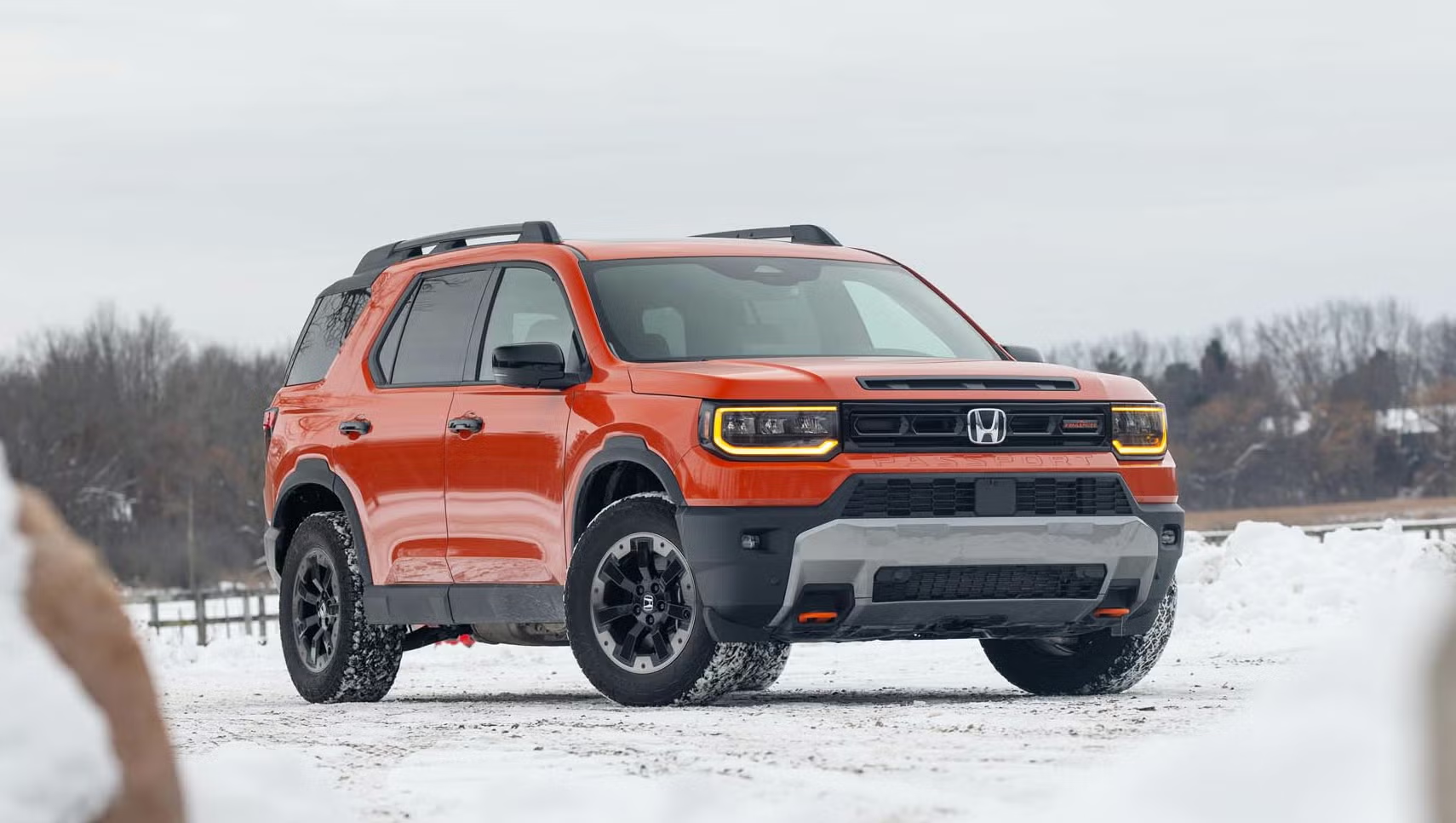
The 2027 Honda Passport is arriving at U.S. dealerships with a redesigned TrailSport suspension, more ground clearance and new off-road features.
Honda starts 2027 Passport deliveries
The 2027 Honda Passport is beginning to arrive at dealerships in the United States.
The biggest changes focus on the TrailSport and TrailSport Elite trims. Honda has redesigned their suspension, added more ground clearance and expanded their standard equipment.
The new Passport is built exclusively at the Honda Alabama Auto Plant in Lincoln, Alabama. Its 3.5-liter V6 is also produced at the same facility.
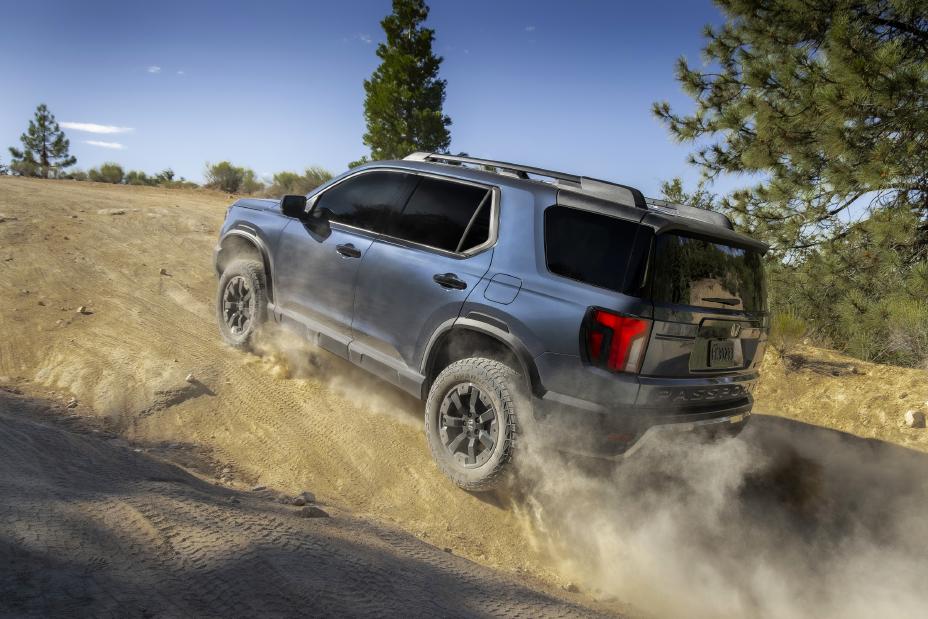
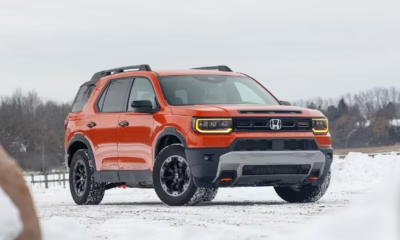
The 2027 Passport TrailSport gains a taller stance and tougher exterior details.
Honda’s most important chassis change is the new suspension.
The TrailSport now has 9.65 inches of ground clearance, up 1.38 inches from the 2026 model. Approach and departure angles increase to 25 degrees, while the breakover angle rises to 23 degrees.
Honda redesigned nearly 70% of the major suspension components.
That includes springs, dampers, control arms, stabilizer bars and knuckles. The front driveshafts and front subframe were also redesigned to accommodate the greater ride height and suspension travel.
The 2027 Passport keeps its V6 and AWD
The powertrain remains familiar.
Every 2027 Passport uses a 3.5-liter V6 with 280 horsepower, a 10-speed automatic transmission and Honda’s second-generation i-VTM4 all-wheel-drive system.
The TrailSport adds all-terrain tires and an off-road-tuned suspension.
Honda also keeps a 5,000-pound maximum towing capacity for the TrailSport.
The combination is aimed at buyers who want more trail capability without moving to a body-on-frame SUV.
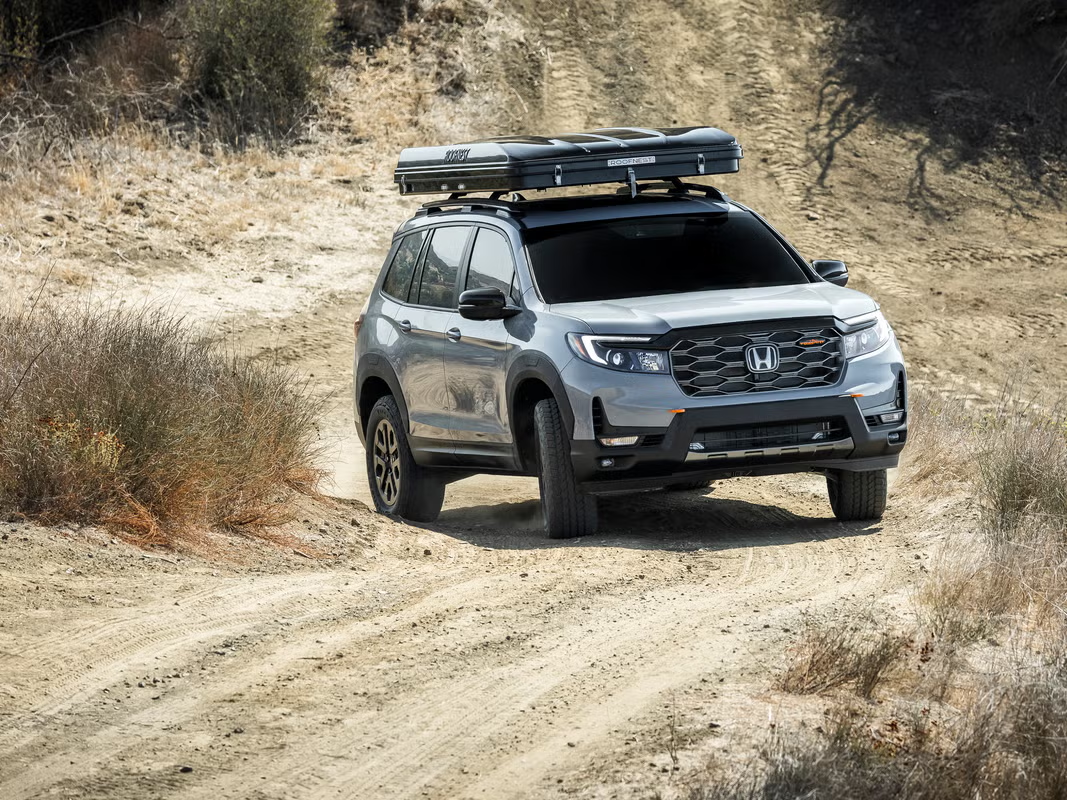
The Passport TrailSport is designed for rocky trails, steep terrain and water crossings.
Honda is also changing the exterior.
The 2027 TrailSport gets more pronounced front and rear fender flares, a redesigned lower front fascia and amber LED lights integrated into the hood scoop.
The Blackout Package now includes black front and rear lower trim, 18-inch black alloy wheels and black Honda badges.
A new Smoke Blue Pearl paint also replaces Obsidian Blue Pearl for the 2027 model year.
TrailWatch becomes standard on TrailSport
Honda is also expanding its off-road technology.
The TrailWatch camera system is now standard on every TrailSport trim. It provides front, rear, side and 360-degree views, plus graphics that help drivers understand tire placement around obstacles.
That can be especially useful on narrow trails.
The system is designed to improve visibility near blind crests, deep ruts and the edge of a trail.
The heated steering wheel is also now standard on the TrailSport. It was previously reserved for the higher TrailSport Elite.
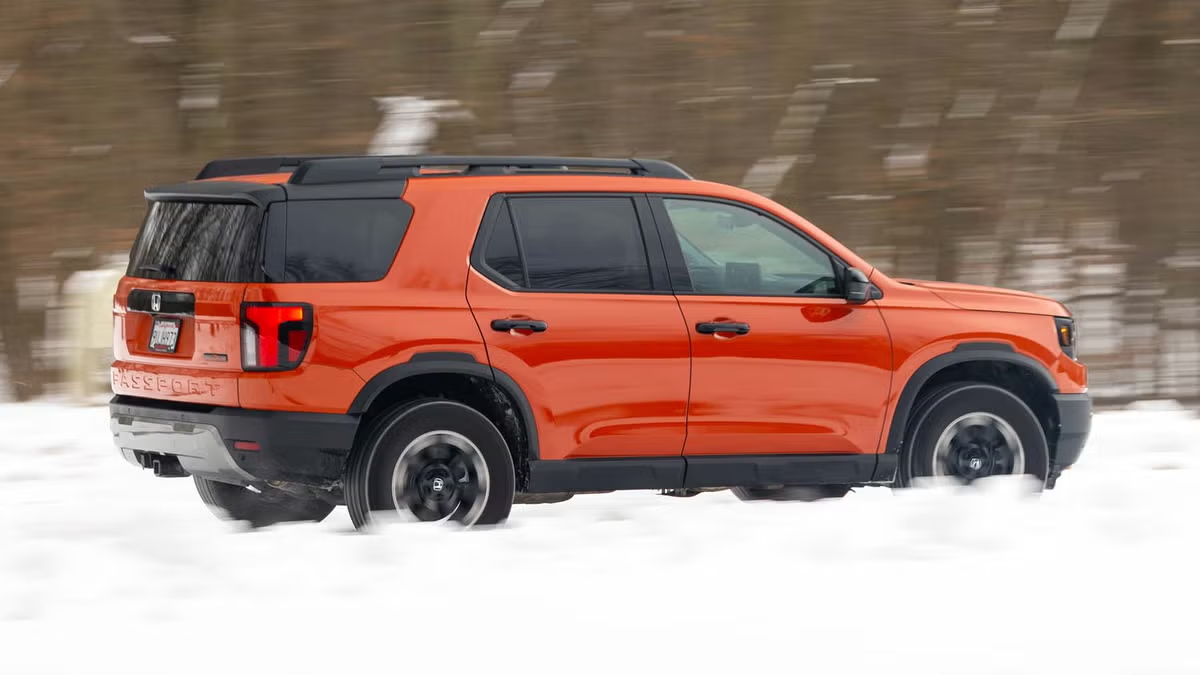
The TrailSport Elite adds premium equipment while keeping the upgraded suspension and off-road hardware.
2027 Honda Passport pricing
Honda’s 2027 pricing covers six configurations, all with standard AWD.
| Trim | MSRP | MSRP + Destination |
|---|---|---|
| RTL | $45,195 | $46,790 |
| RTL Towing | $45,895 | $47,490 |
| TrailSport | $49,995 | $51,590 |
| TrailSport Blackout | $51,495 | $53,090 |
| TrailSport Elite | $53,695 | $55,290 |
| TrailSport Elite Blackout | $55,195 | $56,790 |
The destination and handling charge is $1,595.
The TrailSport starts at $49,995, while the range-topping TrailSport Elite Blackout reaches $55,195 before destination. The EPA ratings are 18 mpg city, 22 mpg highway and 20 mpg combined for the TrailSport versions.
Honda adds more capability without changing the formula
The 2027 Passport keeps the same basic recipe.
It combines V6 power, standard all-wheel drive and five-passenger seating. The TrailSport simply pushes the formula further with more suspension travel, higher ground clearance and additional trail technology.
Honda also launched the Honda Trail Experience app for TrailSport owners. The software can display information such as elevation, pitch, roll, throttle position, brake pressure, tire angle and other vehicle data.
The app can also record videos with data overlays.
That gives owners a way to document trail drives and review vehicle information afterward.
Built in Alabama for the U.S. market
The Passport has a strong connection to American manufacturing.
Honda builds the 2027 Passport and Passport TrailSport exclusively in Alabama, using domestic and globally sourced parts. The engine is built at the same Alabama facility.
The Passport is therefore clearly a U.S.-market vehicle, with American production supporting its launch.
Honda says the fourth-generation Passport has posted record sales since its introduction in early 2025. TrailSport models accounted for more than 80% of Passport sales as of June 2026, according to the company.
The 2027 Honda Passport TrailSport is now reaching U.S. dealerships with more ground clearance, a heavily revised suspension, stronger styling and additional standard technology.
The result is a more trail-focused Passport while keeping the V6, 10-speed automatic and i-VTM4 AWD combination familiar to existing buyers.
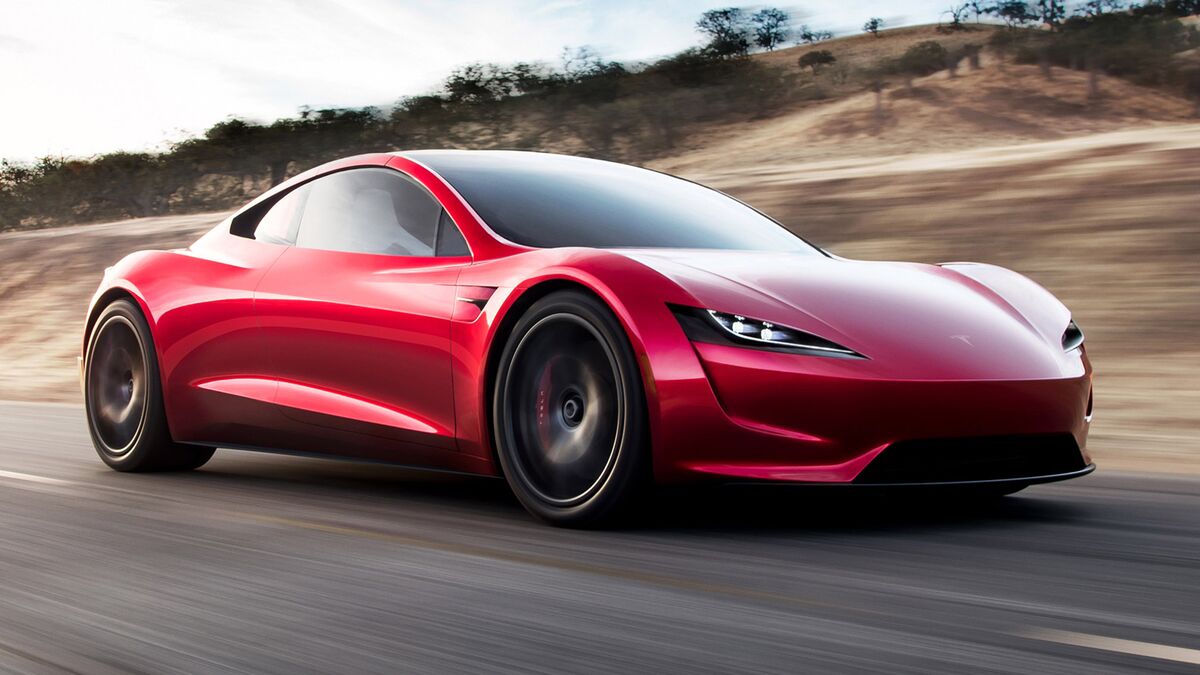
Tesla has pushed the second-generation Roadster event from October 1 to October 15, citing severe weather expected in central Texas.
Tesla postpones the Roadster event again
The Tesla Roadster reveal has been delayed once again.
Tesla has moved the planned event from October 1 to October 15, 2026. The company said severe weather in central Texas forced the change because the event can only be held outdoors.
Tesla announced the new date on September 28. It also said the company had been tracking the forecast with local meteorologists before making the decision.
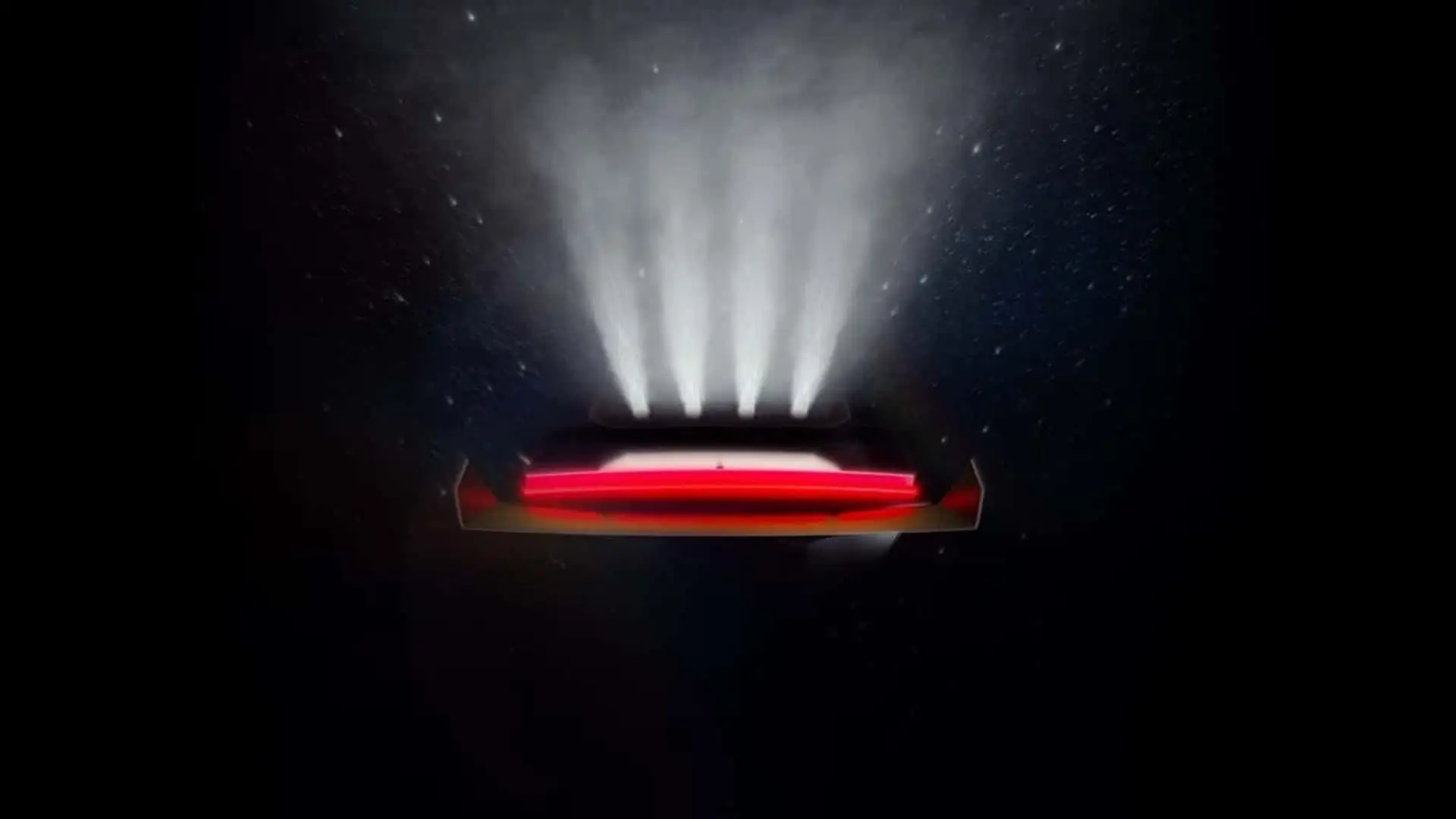
The second-generation Tesla Roadster was first shown as a prototype in 2017.
The October 15 date is exactly two weeks later than the original schedule.
For now, Tesla has not announced changes to the Roadster’s broader specifications or reservation terms because of the weather delay. The company has only confirmed the new event date and said additional details will follow.
Weather is the reason for the latest delay
Tesla’s explanation is straightforward.
The company says the event must take place outdoors, so the forecast created a problem that could not be solved by moving the presentation inside.
Reports around the original October 1 date pointed to severe storm conditions in the Waco area. That included a high risk of thunderstorms and heavy rain around the planned event window.
Tesla therefore chose to wait.
The move also shows how closely the Roadster event is tied to its physical demonstration format. The company has not disclosed every detail of the October presentation, but reporting has linked the event to the SpaceX test facility near McGregor, Texas.
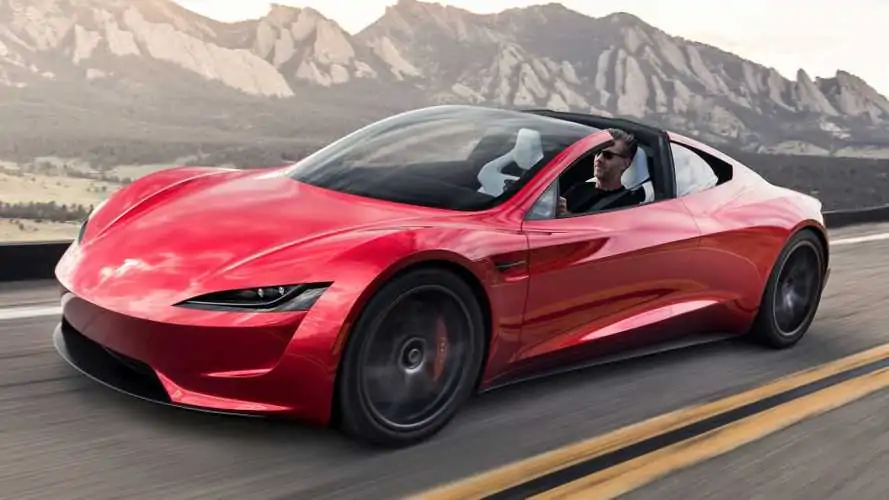
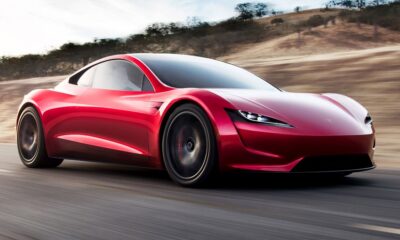
The Roadster’s second-generation design has been shown in several different views since its 2017 debut.
The weather delay does not appear to change Tesla’s previously stated production window.
In November 2025, Elon Musk said production would begin roughly 12 to 18 months after the demonstration, putting the start of production around 2027 or 2028.
That remains the latest broadly reported production guidance.
However, Tesla’s current U.S. reservation agreement is more cautious. It says the Roadster is still under development and that Tesla cannot guarantee when customer deliveries will occur.
What happens to Roadster reservation holders?
Tesla reopened Roadster reservations earlier in September.
The current U.S. process requires a $5,000 initial payment, followed by another $45,000 within 10 days, for a total reservation payment of $50,000. Tesla’s terms say the reservation secures approximate priority for future configuration and ordering.
The reservation itself is not a vehicle purchase.
Tesla’s current terms specifically state that the reservation does not constitute an order or a purchase agreement. The final vehicle price will be confirmed later during the configuration and ordering process.
That is important because the Roadster’s final pricing has not been confirmed.
Tesla’s current U.S. Roadster page still lists a 1.9-second 0-60 mph target, more than 250 mph of top speed and 620 miles of range. Those figures remain company claims rather than EPA-certified production specifications.
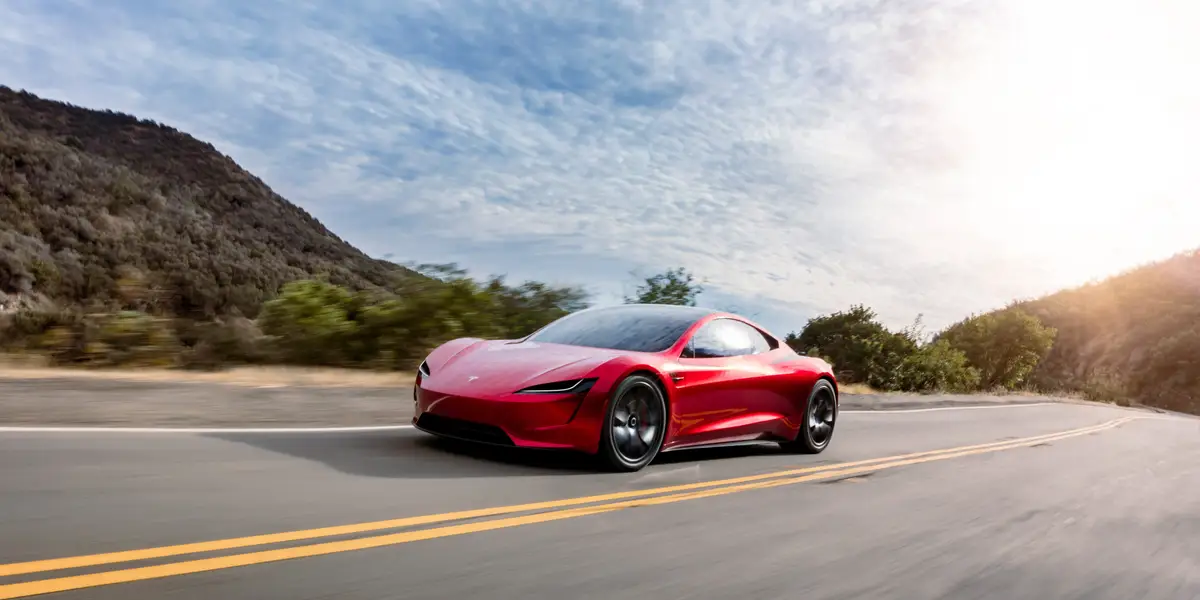
Tesla has continued to show the Roadster as a high-performance electric sports car while the production program remains in development.
The Roadster has been delayed for years
The second-generation Roadster was unveiled in November 2017.
Tesla originally targeted 2020 production, but that deadline passed without the car entering production. The company has since moved its development and reveal timetable several times.
The latest postponement is different from some of the earlier delays.
This time, Tesla directly attributed the change to severe weather, rather than announcing a technical change to the vehicle itself.
The new date also gives Tesla another two weeks to prepare the event.
That could be especially relevant because the company has promoted the Roadster as more than a conventional sports-car launch. Musk has previously discussed advanced SpaceX-related technology for the vehicle, although Tesla has not confirmed the full scope of any such demonstration ahead of the event.
October 15 is now the key date
The Roadster event is now scheduled for October 15, 2026.
Tesla has not announced a new venue in its latest update. The company has also not provided new production details or a final purchase price.
For U.S. reservation holders, that means another two-week wait.
The Tesla Roadster reveal is now set for October 15, with the electric sports car still under development and production guidance remaining in the 2027–2028 window previously outlined by Musk.
-
 NOW TRENDING1 month ago
Tesla Cybercab Gets September 3 Austin Launch Date
-
 NOW TRENDING2 months ago
2027 Hyundai Tucson Spied With New Design and Hybrid Power
-

 NOW TRENDING2 months ago
Ferrari Sold Out Through 2027 as Demand Hits New High
-
 NOW TRENDING2 months ago
Audi’s New SUVs Could Help Reverse Its Sales Decline in 2026
-
 NOW TRENDING2 months ago
Mazda Plans Updates for CX-70 and CX-90 After Sales Drop
-
 NOW TRENDING2 months ago
GM Invests $157 Million in Missouri Assembly Plant
-
 RACING2 months ago
Ferrari Strengthens F1 Team With Key Chassis Signings
-
 NOW TRENDING2 months ago
Cadillac spent $16 million on the Blackwing V8 before canceling it
You must be logged in to post a comment Login