
728 × 90 Banner
The multi-billion pound motor insurance industry faces a period of radical restructuring as a result of the advent of autonomously driving cars, with the number of crashes set to drop by 80 per cent by 2035 and insurance premiums set to plummet, a high level panel discussion organized by Volvo Cars and Thatcham Research will hear today.
Research by Swiss Re and HERE released earlier this month calculated that Autonomous Driving technologies could wipe USD20bn off insurance premiums globally by 2020 alone. At present, motor insurance generates 42 per cent of all non life gross premiums, the largest single slice of global premiums.
Volvo Cars believes that the insurance industry will have no choice but to react to these seismic challenges to its existing business model.
“The medium to long term impact on the insurance industry is likely to be significant. But let’s not forget the real reason for this – fewer accidents, fewer injuries, fewer fatalities. Autonomous drive technology is the single most important advance in automotive safety to be seen in recent years,” Hakan Samuelsson, president and chief executive will tell a seminar to be held later today in London entitled ‘A Future with Autonomous Driving Cars – Implications for the Insurance Industry’.
Peter Shaw, chief executive at Thatcham Research, said: “Vehicle manufacturers are predicting that highly autonomous vehicles, capable of allowing the driver to drop ‘out of the loop’ for certain sections of their journey, will be available from around 2021. Without doubt, crash frequency will also dramatically reduce. We’ve already seen this with the adoption of Autonomous Emergency Braking (AEB) on many new cars. Research in the US by NHTSA predicts that by 2035, as a result of autonomous and connected cars, crashes will be reduced by 80 per cent. Additionally, if a crash unfortunately can’t be avoided, then the impact speed will also drop as a result of the system’s performance – reducing the severity of the crash.”
Volvo Cars is fully committed to maximizing the safety benefits of Autonomous drive cars. It announced last week that it will start the UK’s most extensive Autonomous drive trial entitled Drive Me UK in 2017, with up to 100 Autonomous drive cars being driven on real roads by real people, part of its global plush to develop Autonomous drive cars with similar programmes to be run in Sweden and China.
“The automotive industry cannot do this on its own,” Håkan Samuelsson, Volvo’s chief executive, will tell the gathered audience. “We need the government’s help. It is essential that carmakers work with the government to put in place laws and regulations that allow us to get these cars on the road as soon as possible and start saving lives.”
Sajid Javid, UK Secretary of State for Business, Innovation and Skills said: “Driverless cars will see our journeys become faster, cleaner and safer. The UK is leading the way in developing the technology needed to make this a reality thanks to our world-class research base and these types of trials will become increasingly common.
“Such advances in technology prove the fourth industrial revolution is just around the corner and our determination to be at the forefront is why we are attracting top names from across the globe for real-world testing.”
Mr Samuelsson will say that he looks forward to working with the UK government to ensure that this technology can be introduced as soon as possible.
“The advent of autonomous driving represents a revolution for automotive safety,” Mr Samuelsson will say. “Volvo has a vision that no one will be killed or seriously injured in a new Volvo by 2020. Autonomous drive technology is a key tool in helping us achieve this aim.”





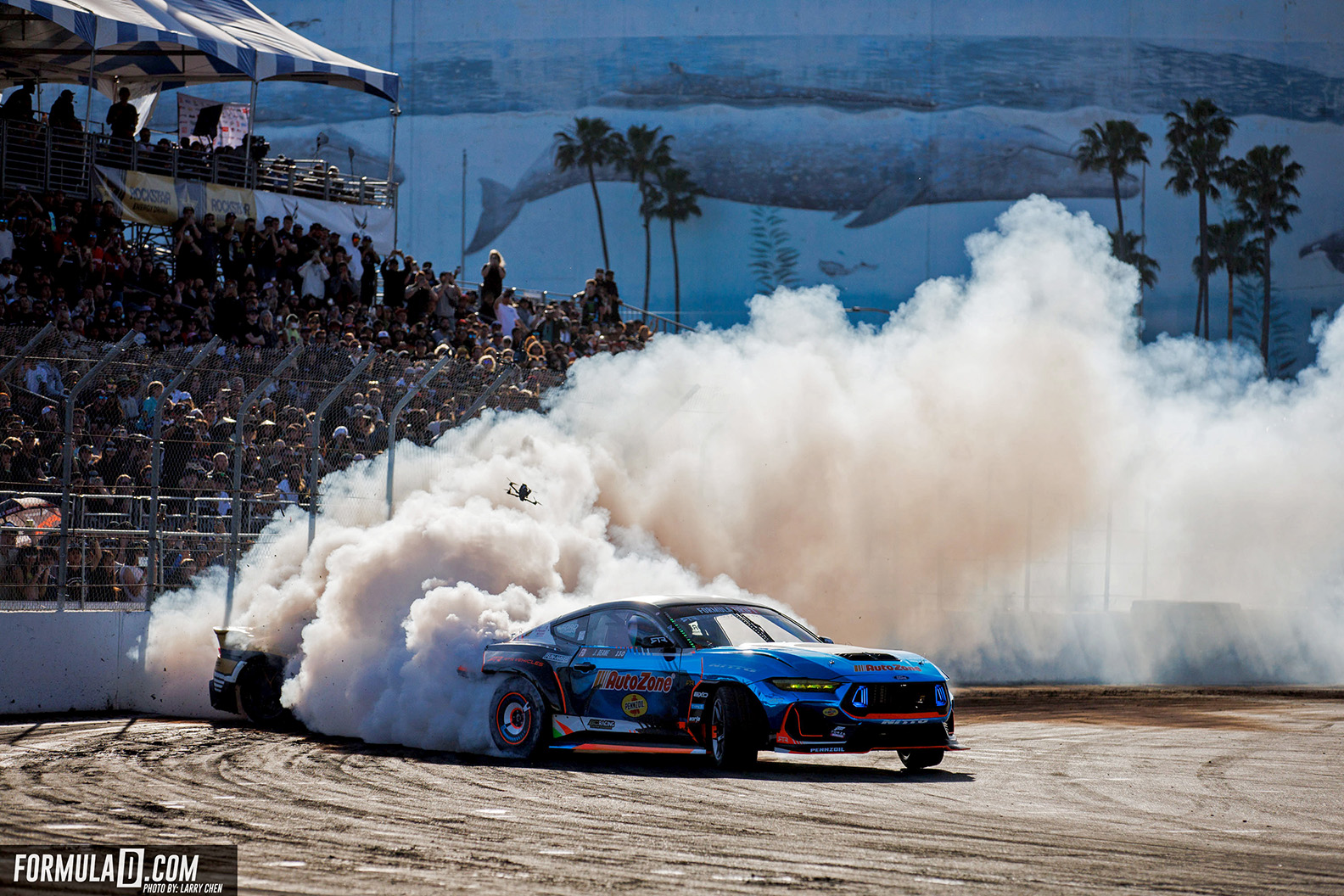
Formula DRIFT is set to make the biggest change in its history as the 2026 season introduces a groundbreaking digital scoring system in partnership with Race Data Labs. The move will reshape qualifying in the FD PRO Championship while enhancing competition across both PRO and PROSPEC divisions.
After two seasons of the All-Tandem Qualifying format, drivers were surveyed during dedicated summits. The majority of PRO drivers voted to remove the All-Tandem Seeding Bracket format and return to Two-Run Qualifying. Meanwhile, PROSPEC competitors chose to retain Seeding Bracket Qualifying due to its positive impact on driver development.

The solution comes through Race Data Labs’ Universal Drift Scoring Method system. Approximately 80 percent of a PRO driver’s qualifying score will now be automated. Drift line and angle will be measured objectively through telemetry, while the remaining 20 percent, focused on driving style, will still be judged by Formula DRIFT’s three-judge panel.
Beyond qualifying, the telemetry system will assist judges during tandem battles by analyzing proximity, speed, angle, deceleration, and off-course violations. It will even help clarify fault in collision scenarios.
Fans will also benefit, as live telemetry data will be integrated into free livestream broadcasts beginning with the Long Beach season opener on April 10-11.
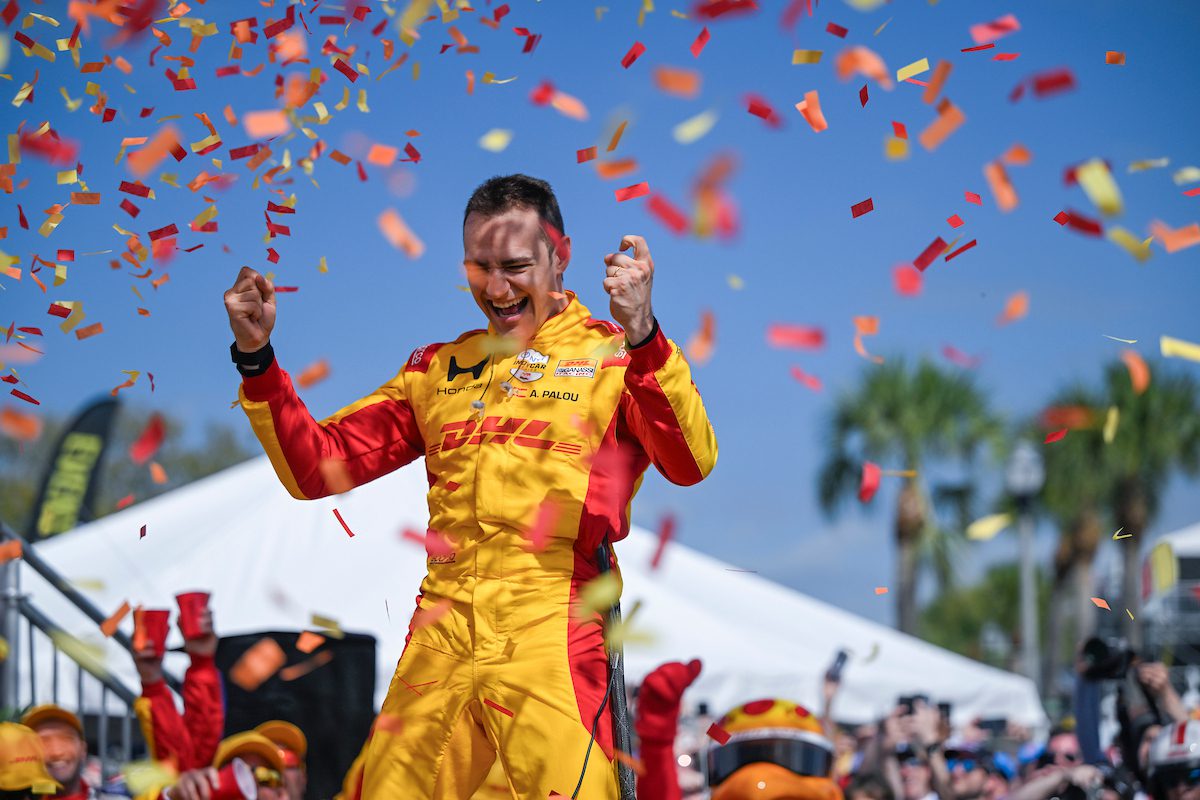
Alex Palou picked up right where he left off. The reigning NTT INDYCAR SERIES champion opened the 2026 season with a commanding victory at the Firestone Grand Prix of St. Petersburg, marking his second straight win at the Florida street circuit .

Driving the No. 10 Chip Ganassi Racing Honda, Palou delivered a composed and clinical performance over 100 laps, securing his 20th career IndyCar victory in just 99 starts . After an eight-win 2025 season that included triumphs at St. Pete and the Indianapolis 500, the Spaniard appears firmly on course to chase a fifth series title.

Honda power was a major storyline throughout the race weekend. Kyle Kirkwood thrilled his home crowd by charging from 15th on the grid to finish fourth for Andretti Global . Marcus Ericsson, Romain Grosjean, and rookie Dennis Hauger also placed Honda cars inside the top 10, underscoring the manufacturer’s early-season strength .

With momentum firmly on his side, Palou now heads to Phoenix for the next round. If St. Petersburg was any indication, 2026 could once again run through the No. 10 Honda.

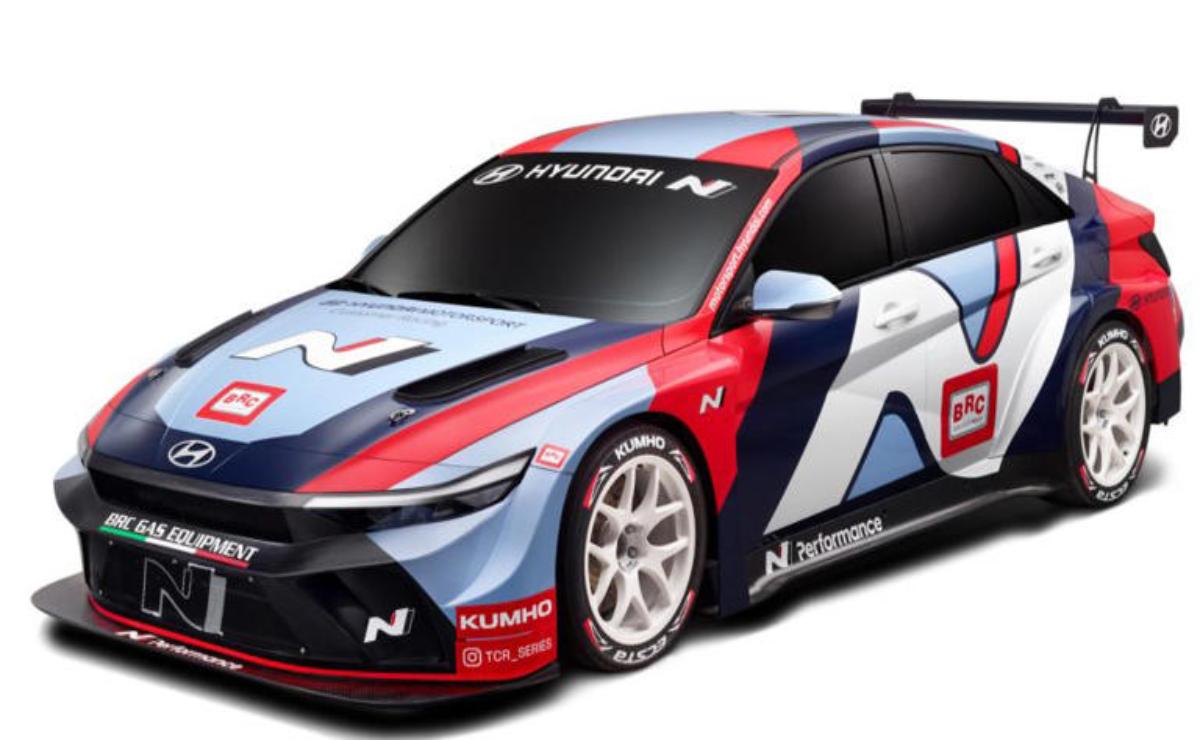
The Korean brand strengthens its commitment to touring car racing with a top-tier team that promises to raise the competitive standard of the championship from 2026 onward.
TCR South America will experience one of the most significant arrivals in its recent history in 2026. Hyundai has officially confirmed its entry into the series with the new Hyundai MSA team, unveiled during the final race of the 2025 season. The squad will field four Hyundai Elantra N TCR cars, immediately becoming one of the strongest structures on the grid and marking a turning point in the championship’s international profile.
A project born with winning DNA

Hyundai MSA is built on the solid foundations of the Argentine PMO team, a key protagonist in recent TCR South America seasons and Teams’ Champion in 2024. The new outfit will compete in direct partnership with Hyundai Motorsport, running for the first time over a full season in the official Hyundai N colours and identity. The first confirmed driver is Argentine Diego Ciantini, who brings a strong track record across both European and South American categories. The remaining three drivers will be announced shortly.
Hyundai’s arrival is no coincidence. Hyundai N is the most successful manufacturer in the modern TCR era, having claimed FIA WTCR titles in 2018 and 2019, followed by three further championships between 2022 and 2024 in the FIA TCR World Tour. Added to this is outright dominance in the 24 Hours of Nürburgring, where the brand secured TCR class victories for five consecutive years from 2021 to 2025.
The weapon of choice for this new challenge will be the Hyundai Elantra N TCR, developed entirely by Hyundai Motorsport to the highest competitive standards. It is powered by a 2.0-litre turbocharged engine producing 350 hp and 45 kgm of torque, delivering an impressive power-to-weight ratio of 3.6 kg per horsepower. Aerodynamics are highlighted by an adjustable carbon-fibre rear wing known as the Carbon Swan Neck Spoiler, complemented by 10×18-inch aerodynamic wheels. Braking performance is ensured by 380 mm ventilated discs with six-piston front calipers, a setup worthy of top-level touring car racing.
Based in Argentina, the team will spend the coming months finalising preparations ahead of the season opener in March. The four Elantra N TCR cars are currently in production in Italy and are expected to arrive at the team’s headquarters early next year to begin testing. With a calendar of 10 rounds across Argentina, Brazil and Uruguay, Hyundai’s official entry not only raises the technical level of TCR South America, but also confirms its status as one of the most competitive touring car championships on the continent.
-
 INTELLIGENT MOBILITY7 months ago
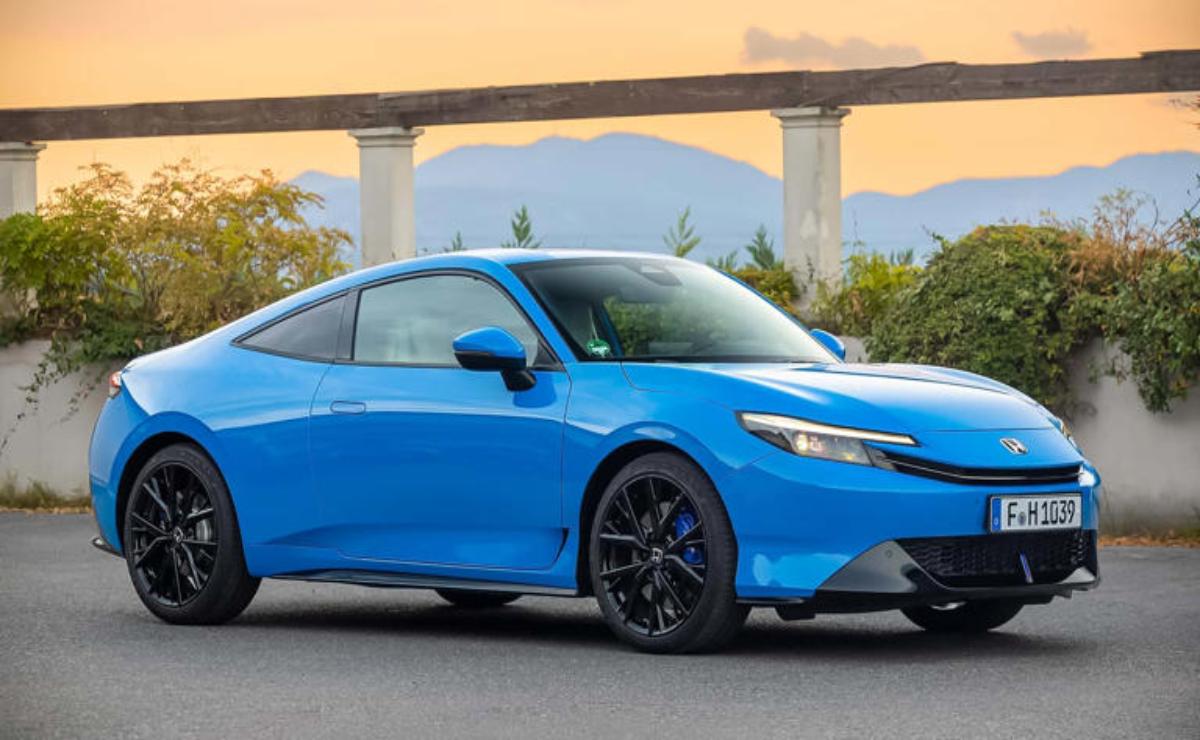
Customers Demand a Manual Honda Prelude: Will It Ever Happen?
-
 TEST DRIVES3 weeks ago
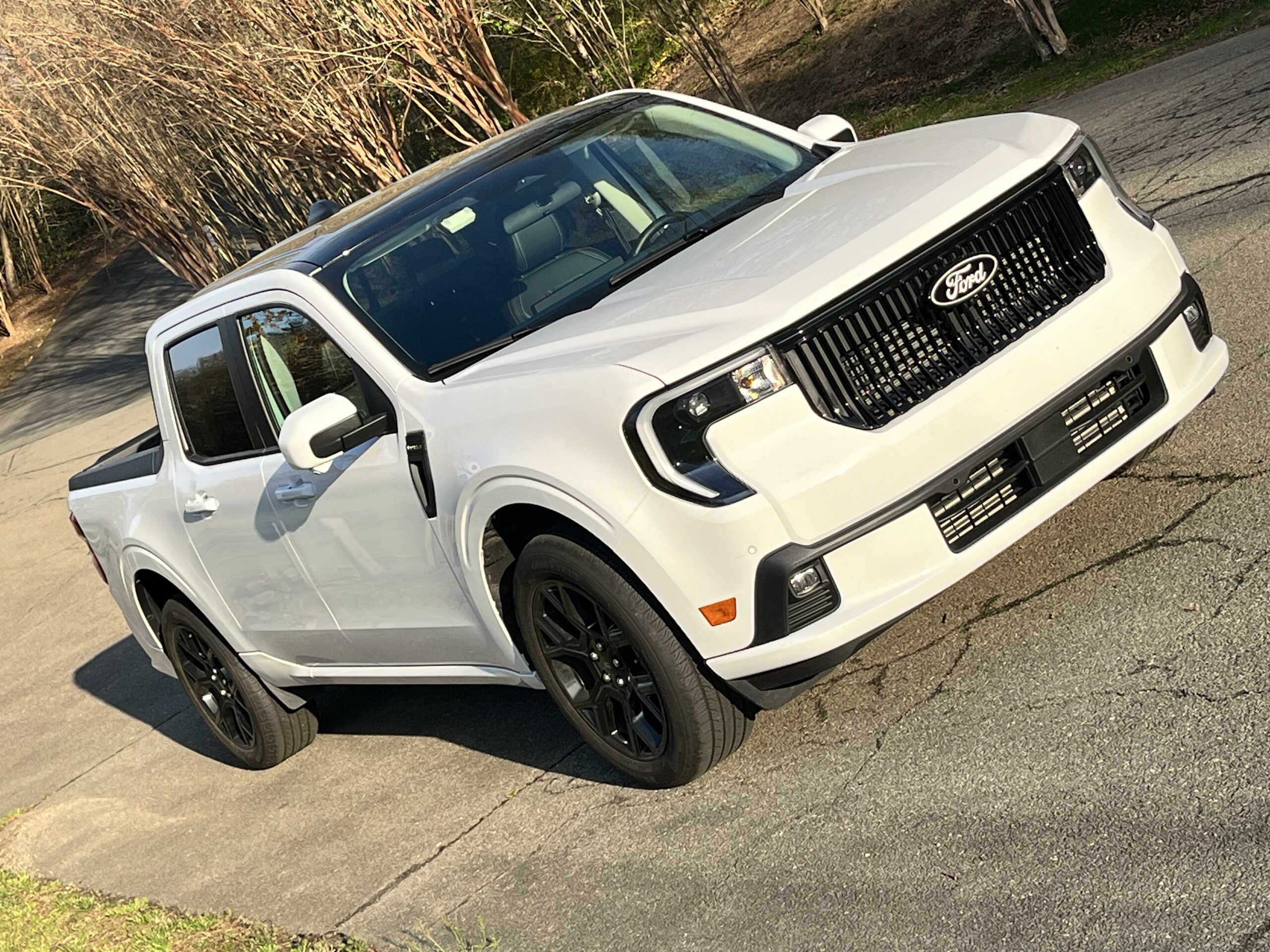
2025 Ford Maverick Lobo
-
 INTELLIGENT MOBILITY7 months ago
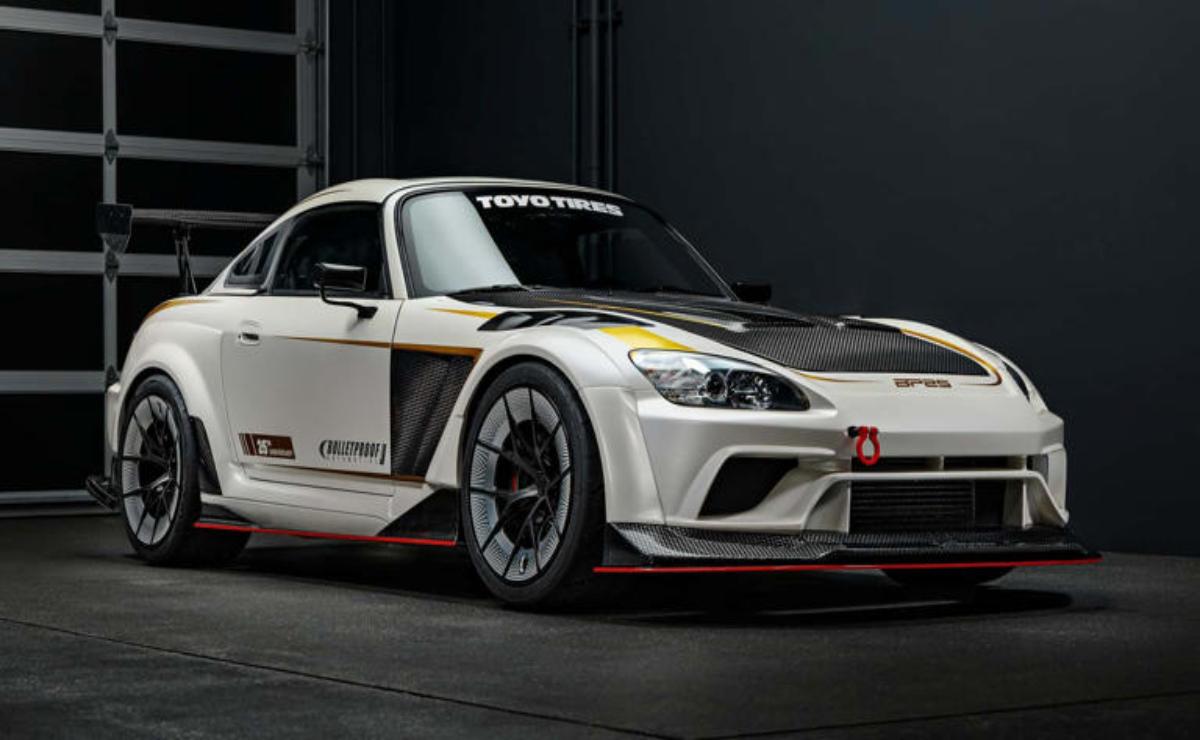
10,000 RPM Madness: The Honda S2000 Resurrected with 580 HP and a Supercharged Heart
-
 INTELLIGENT MOBILITY7 months ago
FIFA World Cup 2026: The Importance of Electric Vehicles
-
 INTELLIGENT MOBILITY7 months ago
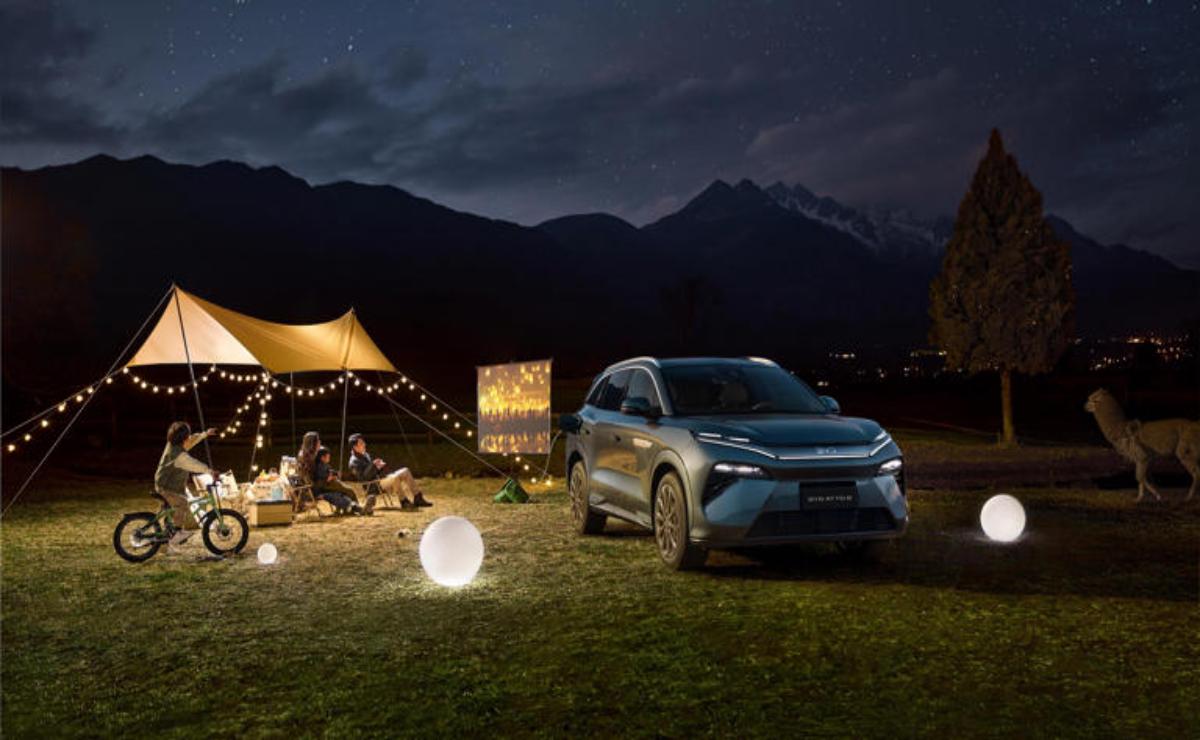
BYD Atto 8: The New 7-Seater PHEV SUV Arrives in Mexico
-
 INTELLIGENT MOBILITY7 months ago
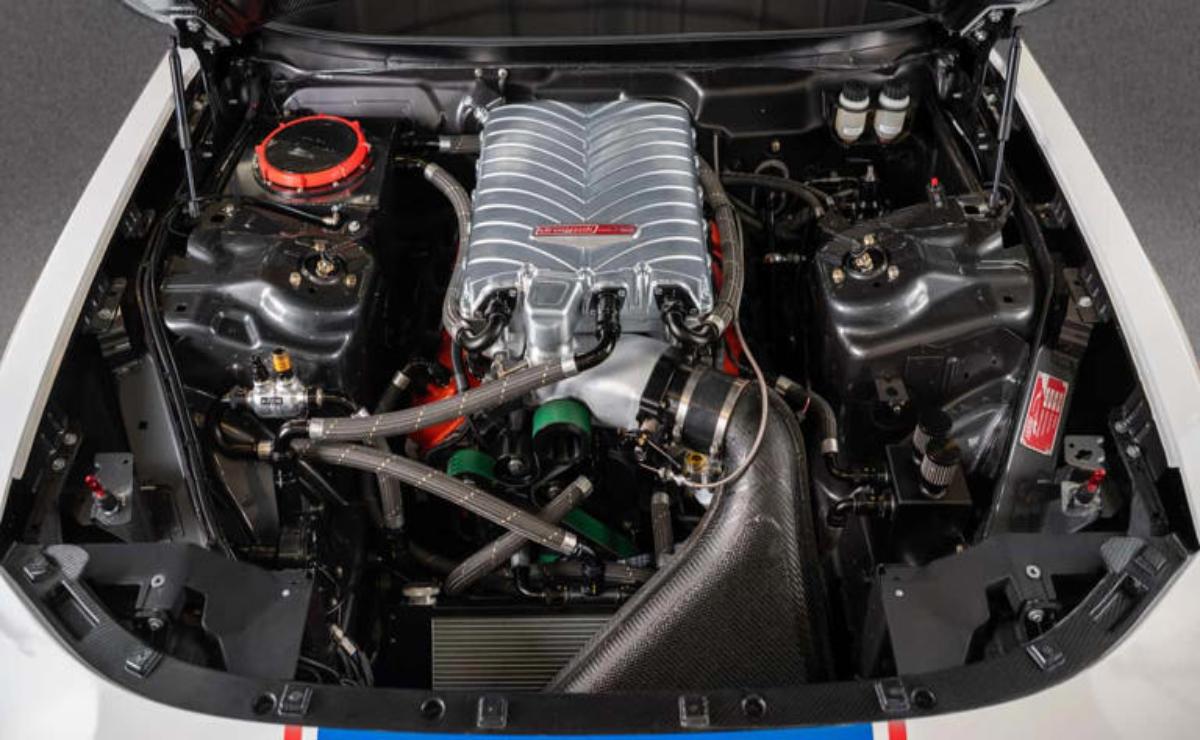
New Dodge Charger Hustle Stuff Drag Pack 2025: The Wild Return of the Hemi V8
-
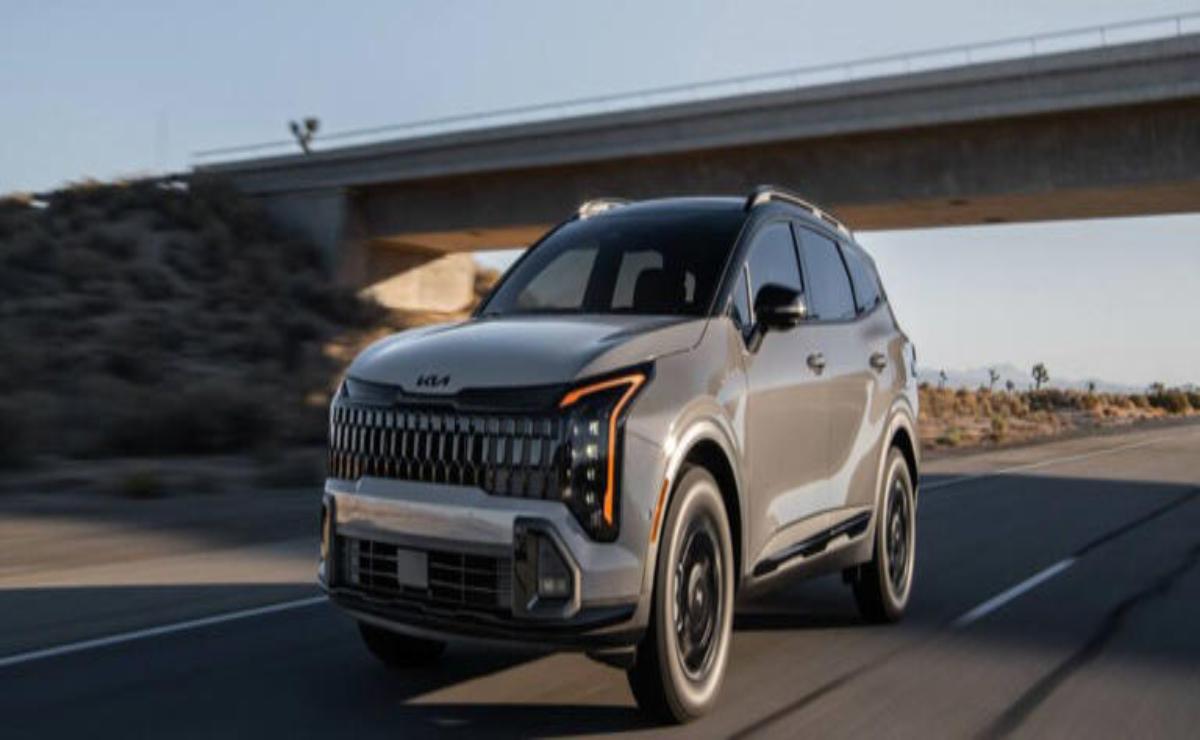 INTELLIGENT MOBILITY7 months ago
Kia Sportage 2026: Safety Excellence Crowned with IIHS TOP SAFETY PICK+ Award
-
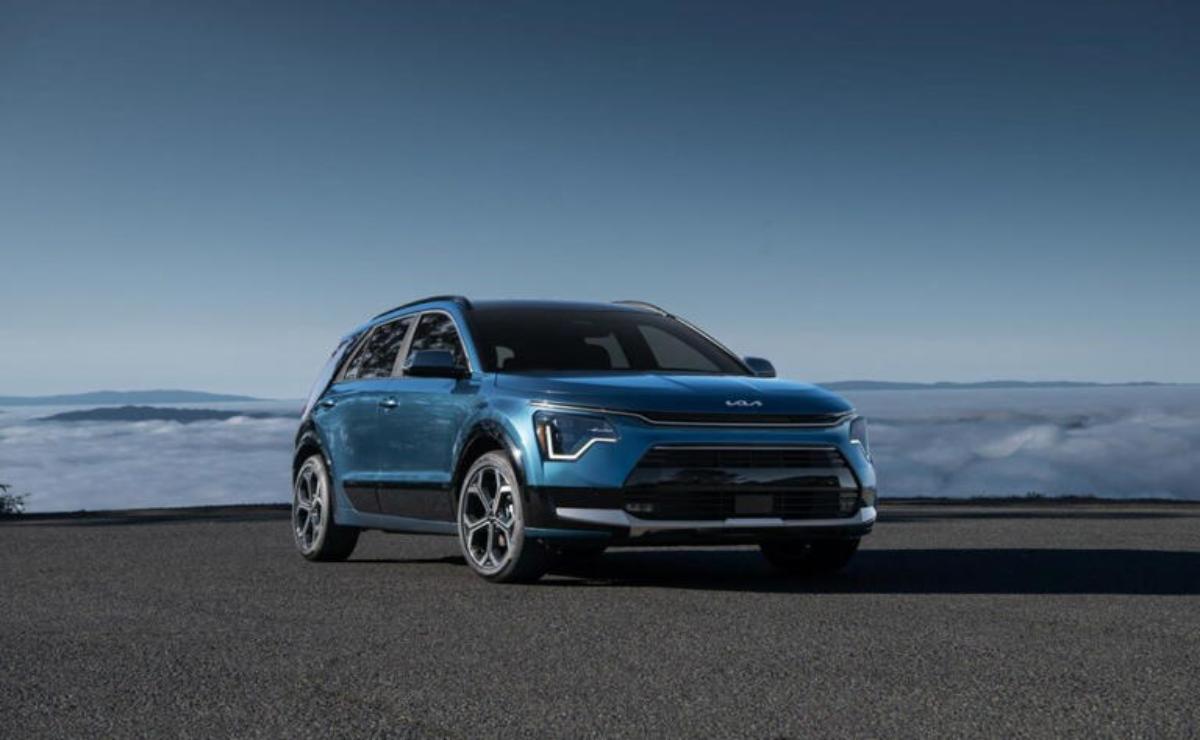 INTELLIGENT MOBILITY7 months ago
Kia America Achieves Record-Breaking October 2025 Sales
You must be logged in to post a comment Login