
Launched in 1955 beneath the Eiffel Tower, the Peugeot 403 marked a milestone by blending Italian elegance, French innovation, and a global legacy that still endures.
Unveiled on April 20, 1955 at the Palais du Trocadéro, with the Eiffel Tower as its backdrop, the Peugeot 403 inaugurated the “400” series after World War II and remained in production until 1966. It wasn’t just a mid-range car–it became an icon that combined design, reliability, and versatility at a time when the automobile was consolidating its role as a symbol of social and technological progress.
A Pininfarina Design That Captivated France
The renowned Italian studio Pininfarina signed a design that won over the French public. Its balanced lines, elegant stance, and the chrome Lion ornament on the hood positioned it as a style reference, though in 1959 the emblem moved to the grille for safety reasons. Beyond aesthetics, the 403 stood out for its smooth suspension and excellent turning radius, qualities that made it both comfortable and practical for urban driving–well ahead of many competitors of its time.
Innovation in Comfort and Engineering
Peugeot introduced bold innovations into a segment often considered conservative. The 403 offered height- and tilt-adjustable seats, and even the possibility of converting them into semi-beds–unheard of in the 1950s. Its instrument panel was complete and precise, while under the hood it carried a 1.5-liter engine with 58 hp, capable of reaching 125 km/h. In 1958, Peugeot added a 1.8-liter diesel with 48 hp, making the 403 the brand’s first sedan available with a diesel engine, broadening its appeal to both professionals and private drivers.

A Car for Everyone: Sedan, Estate, and Pick-Up
The 403’s success went far beyond the sedan. Peugeot offered it in multiple body styles: estate, van, and pick-up. Particularly notable was the “Familiale” version with nine seats, a true precursor to today’s SUVs and MPVs. Meanwhile, the pick-up earned a strong reputation across Africa thanks to its durability and ease of maintenance, reinforcing the 403’s standing as both reliable and versatile.
A Truly Global Car
The Peugeot 403 was manufactured in more than ten countries: France, Belgium, Portugal, Ireland, South Africa, Nigeria, Australia, New Zealand, the Philippines, Chile, Uruguay, and Argentina. Long before the concept of a “World Car” existed, Peugeot achieved international reach that cemented the 403 as a truly universal model. Its legacy lived on in later icons like the 504, the 205, and the brand’s current line of SUVs. In short, the Peugeot 403 was more than just a car: it was an ambassador of European design, a pioneer in innovation, and a vehicle that wrote one of the brightest chapters in automotive history.



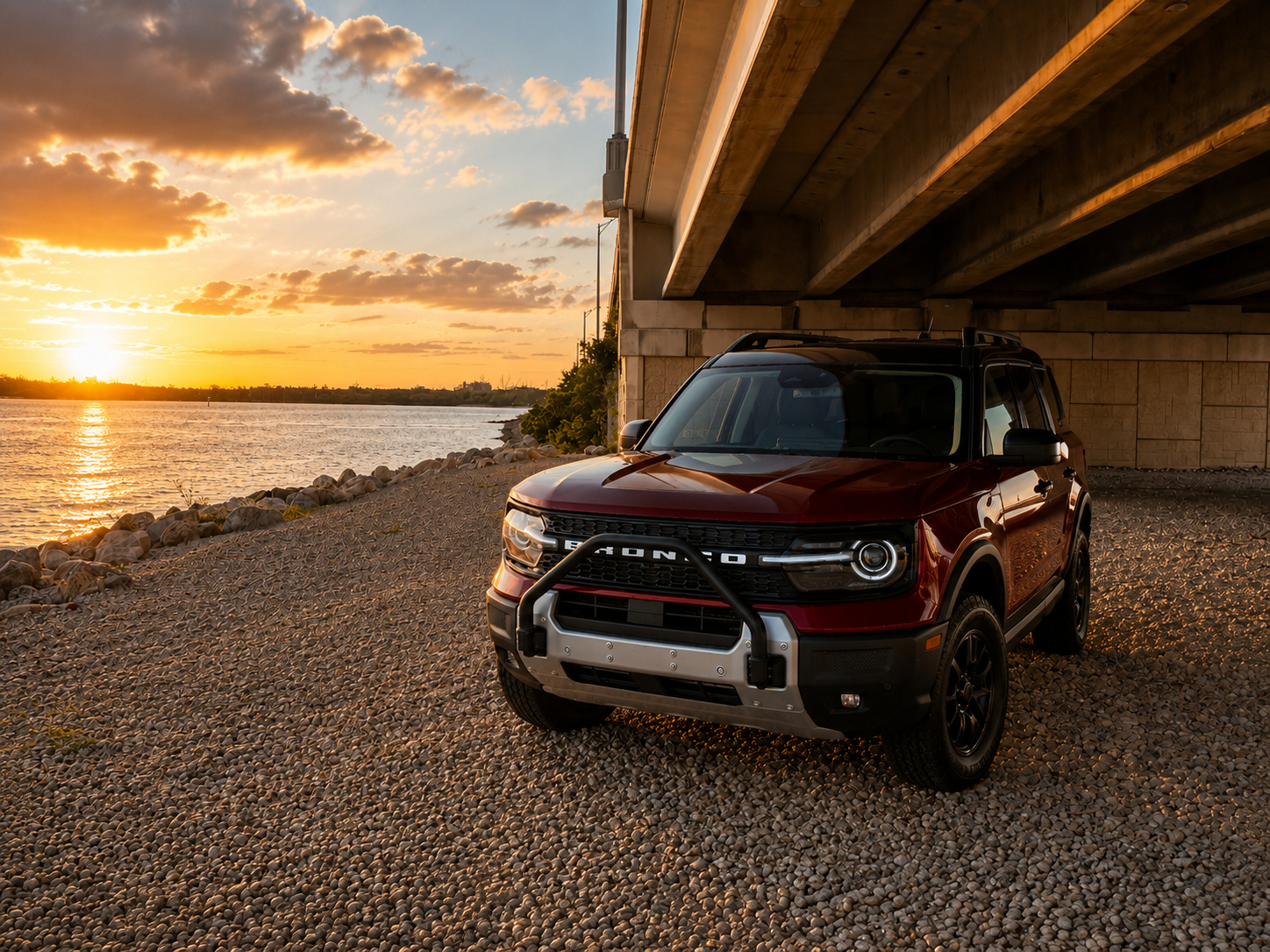
If you are considering a 2025 Ford Bronco Sport, the first thing to understand is that it offers more than rugged styling. After four days behind the wheel of a Bronco Sport Badlands, traveling between Port St. Lucie and Miami, visiting the beach, dealing with Florida’s summer weather, and attending a Shakira concert, we discovered an SUV that combines genuine capability with everyday usability.
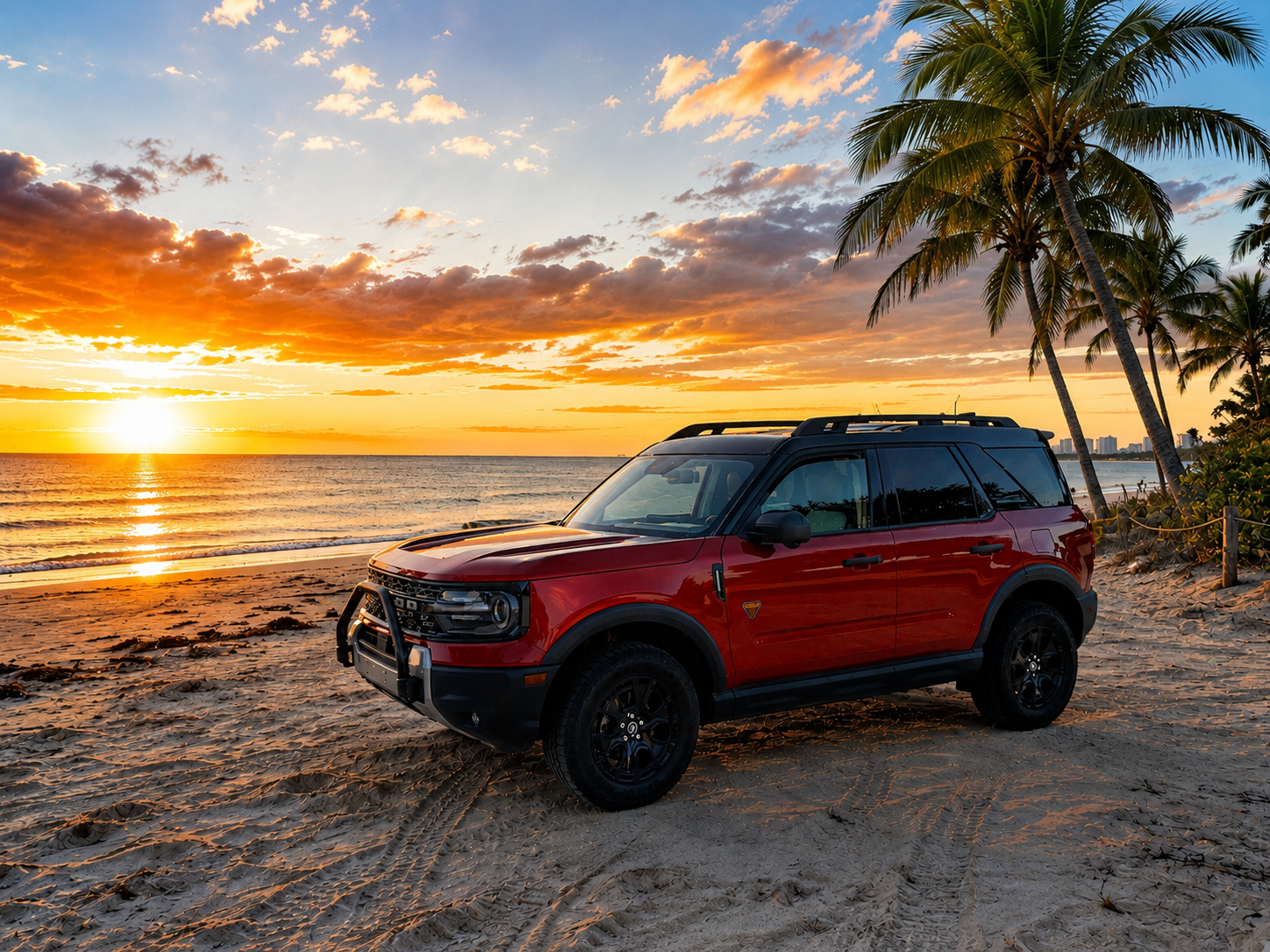
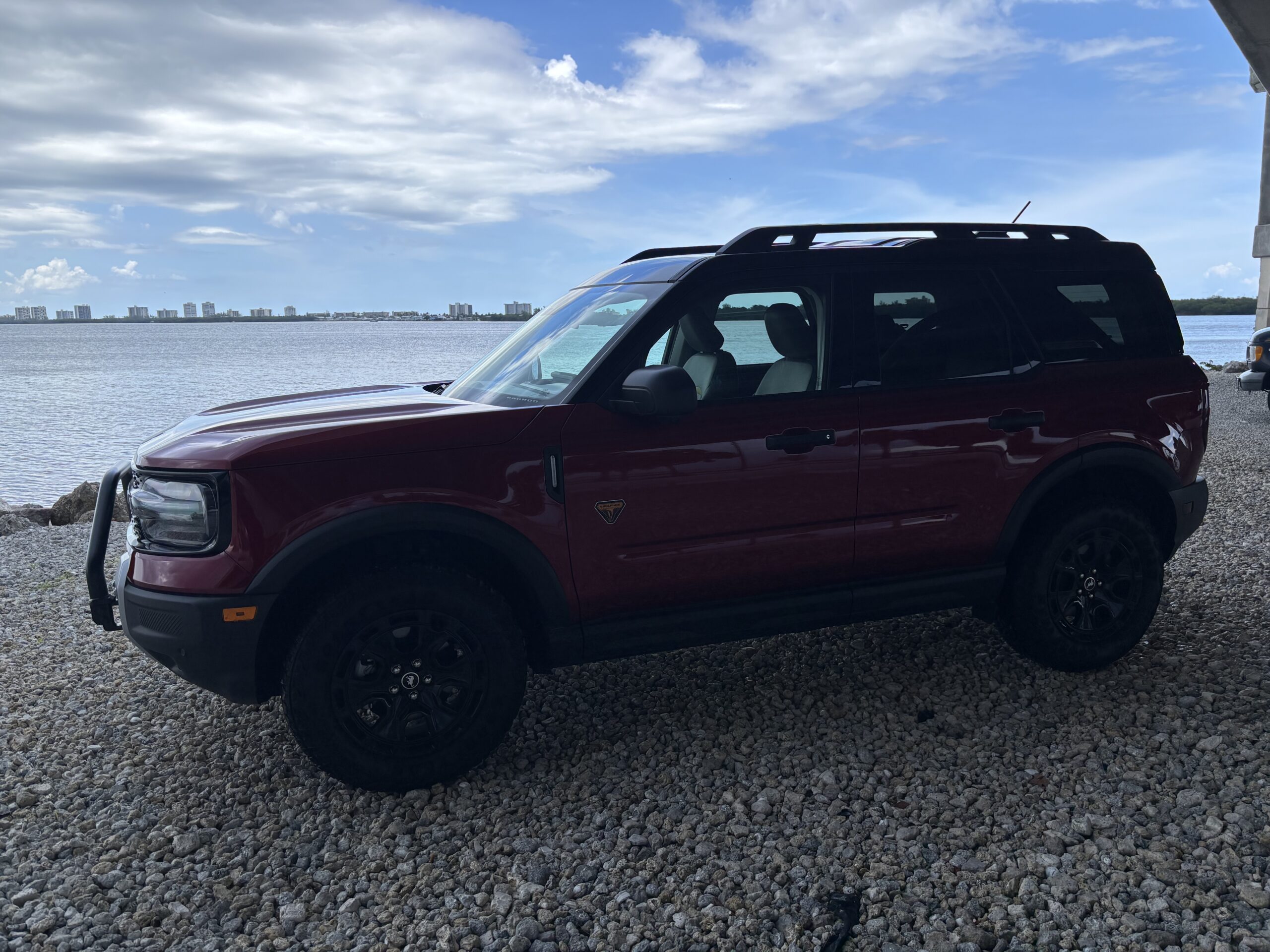
Our test vehicle arrived in Ruby Red Metallic with a Dark Space Gray leather-trimmed interior. With its squared-off body, upright stance, and Bronco lettering across the grille, it has a stronger visual identity than most compact crossovers.
More importantly, the Badlands has the performance to support that appearance.
The Bronco Sport Badlands Has the Right Engine
While most Bronco Sport trims use Ford’s smaller 1.5-liter three-cylinder engine, the Badlands receives a 2.0-liter turbocharged EcoBoost four-cylinder producing 250 horsepower and 280 pound-feet of torque. It is paired with an eight-speed automatic transmission and an advanced four-wheel-drive system.
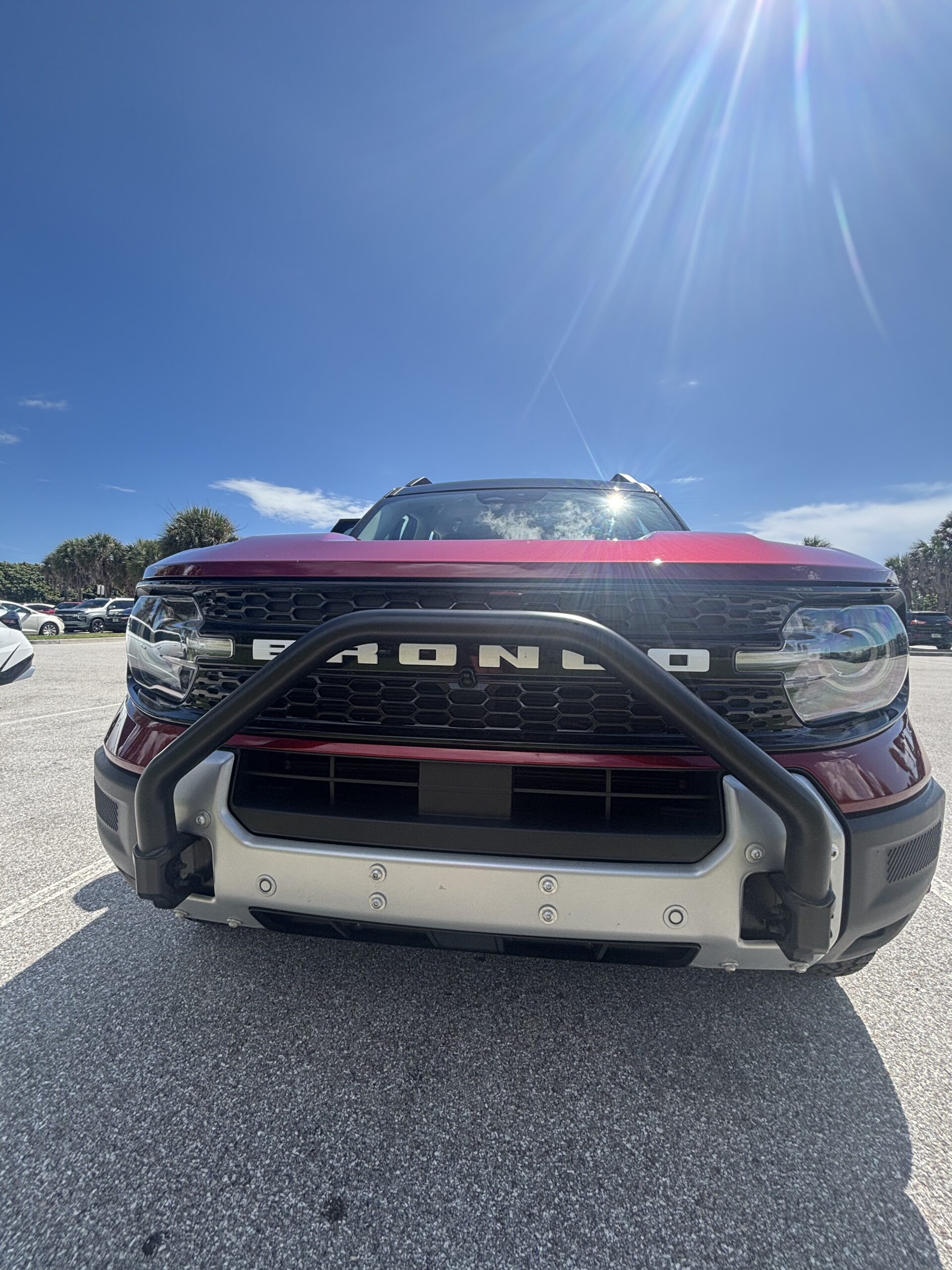
That extra power makes a noticeable difference. Highway merging feels confident, passing requires less planning, and the engine has enough low-end torque to make the Bronco Sport feel energetic despite its upright shape and off-road equipment.
The steering is easy enough for Miami traffic but still gives the driver a reassuring sense of control. Its suspension feels firm and substantial, particularly with the Sasquatch Package, but it remains comfortable enough for longer trips. Buyers should expect a slightly more rugged ride than they would experience in a Toyota RAV4 or Honda CR-V, but that firmness is part of what gives the Badlands its more purposeful personality.
Easy to Live With in South Florida
The Bronco Sport’s upright seating position and large windows provide excellent visibility. During the drive between Port St. Lucie and Miami, the seats remained supportive, the cabin was comfortable, and the Bronco Sport felt stable at highway speeds.
Its compact exterior dimensions are another advantage. It feels tougher and more substantial than many small SUVs without becoming difficult to park or maneuver through crowded city streets.
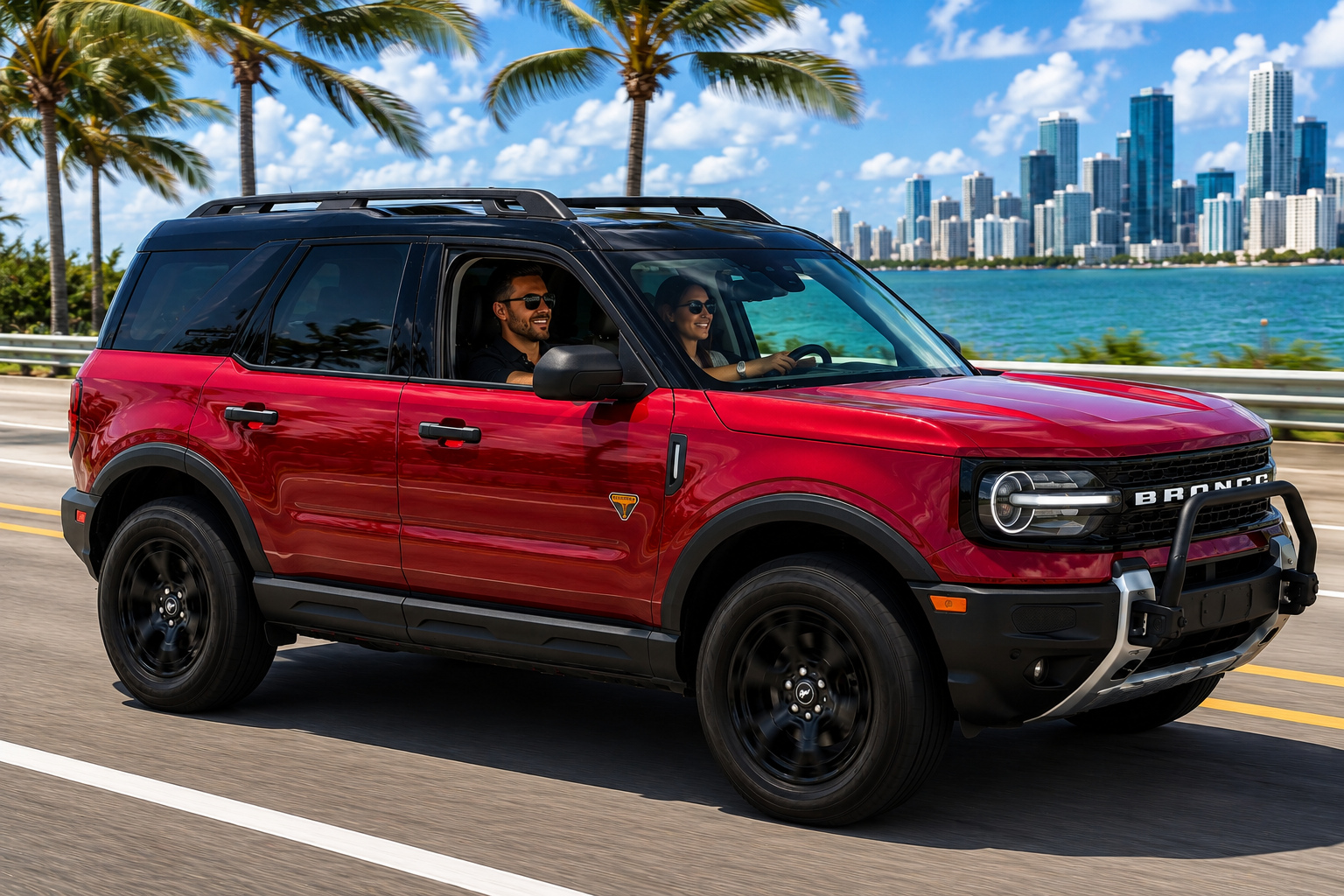
For 2025, the Bronco Sport received a major technology upgrade. A 13.2-inch SYNC 4 touchscreen and 12.3-inch digital instrument cluster are standard across the lineup, bringing its cabin closer to what buyers expect from a modern SUV. Wireless Apple CarPlay and Android Auto, remote start, multiple USB connections, and Ford Co-Pilot360 driver-assistance technology make it an easy vehicle to use every day. Ford’s 2025 update also introduced the available Sasquatch packages and additional off-road technology.
After spending the day on the highway, the Bronco Sport transitioned naturally into Miami nightlife. It may be designed for the trail, but it did not look out of place arriving in the city for a Shakira concert.
Where the Badlands Separates Itself
The Bronco Sport Badlands is not simply an appearance package. Its advanced four-wheel-drive system uses a twin-clutch rear drive unit capable of directing torque across the rear axle. It also includes seven G.O.A.T. drive modes, Trail Control, and off-road-focused 1-Pedal Drive.
Our vehicle added the $2,990 Sasquatch Badlands Package, which further emphasizes its trail capability with more aggressive all-terrain equipment and the HOSS 3.0 off-road suspension.
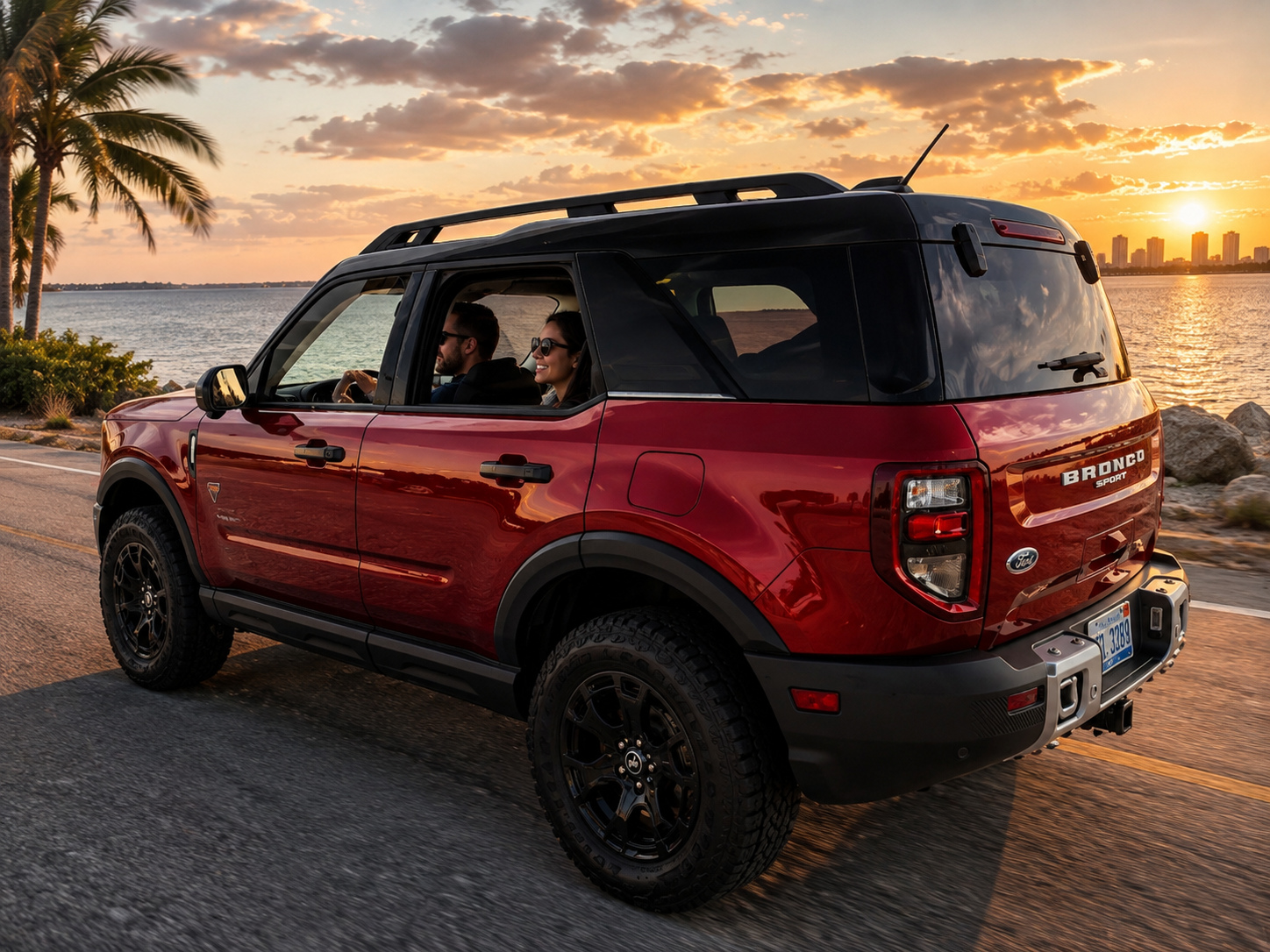
These features may be more capability than the average Florida driver needs, but they provide extra confidence when dealing with sand, muddy access roads, heavy rain, or uneven terrain.
The interior is equally suited to outdoor use. Rubberized flooring, a washable cargo area, rubber-backed rear seats, under-seat storage, adjustable liftgate floodlights, and a 60/40 split-folding rear seat make it easier to carry sandy towels, beach chairs, wet clothing, and luggage.
This is an SUV designed to be cleaned after an adventure, not protected from one.
How It Compares with the Competition
The Subaru Forester Wilderness is one of the Bronco Sport Badlands’ strongest competitors. It offers more passenger space, 9.2 inches of ground clearance, and a lower starting price of $34,995. However, its naturally aspirated engine produces considerably less power, and its continuously variable transmission does not deliver the same punch as the Bronco Sport’s turbocharged engine and conventional eight-speed automatic. Subaru’s official specifications confirm the Forester Wilderness’ pricing and ground clearance.
The Toyota RAV4 Hybrid Woodland Edition is the better choice for drivers focused on fuel economy. Its 219-horsepower hybrid system and EPA estimate of 38 mpg city and 35 mpg highway easily outperform the Bronco Sport at the gas pump. It also started at $36,070 for 2025. However, its electronic all-wheel-drive system and trail-focused upgrades are intended more for light off-road use than the more advanced hardware found in the Badlands. Toyota describes the Woodland Edition’s hybrid system, TRD-tuned suspension, and trail equipment here.
The Jeep Compass Trailhawk is another alternative for buyers seeking authentic off-road ability. The Jeep is capable, but the Bronco Sport counters with a stronger personality, cleverer cargo-area features, and a more modern infotainment system.
Fuel Economy and Price
The Bronco Sport Badlands is rated at 21 mpg city, 27 mpg highway, and 23 mpg combined. Those figures are reasonable for a 250-horsepower compact SUV with genuine four-wheel-drive capability, but buyers prioritizing maximum efficiency should consider a hybrid competitor.

Our Badlands started at $40,115. After $5,010 in options, including the Sasquatch Badlands Package, and a $1,595 destination charge, the final MSRP reached $46,720.
Nearly $47,000 is substantial for a compact SUV. At that price, buyers should be certain they want the stronger engine, specialized off-road equipment, and distinctive Bronco character. If most of your driving involves paved roads, a less expensive Bronco Sport Outer Banks may provide a better combination of comfort, style, and value.
Should You Buy the Bronco Sport Badlands?
Buy the Badlands if you want the most powerful Bronco Sport, plan to explore beyond paved roads, or simply prefer an SUV with personality and legitimate capability. Consider the RAV4 Hybrid Woodland if fuel economy is the priority, or the Forester Wilderness if you need more interior space at a lower price.
After four days of Florida highways, beaches, summer rain, Miami traffic, and an unforgettable night with Shakira, the Bronco Sport Badlands proved that it can handle both sides of an owner’s life.
It is comfortable enough for the daily commute, compact enough for the city, practical enough for beach weekends, and capable enough for a real adventure.
The competition may offer more space, better fuel economy, or a lower price. What the Bronco Sport Badlands offers is something harder to measure: it makes even an ordinary drive feel like the beginning of a trip.
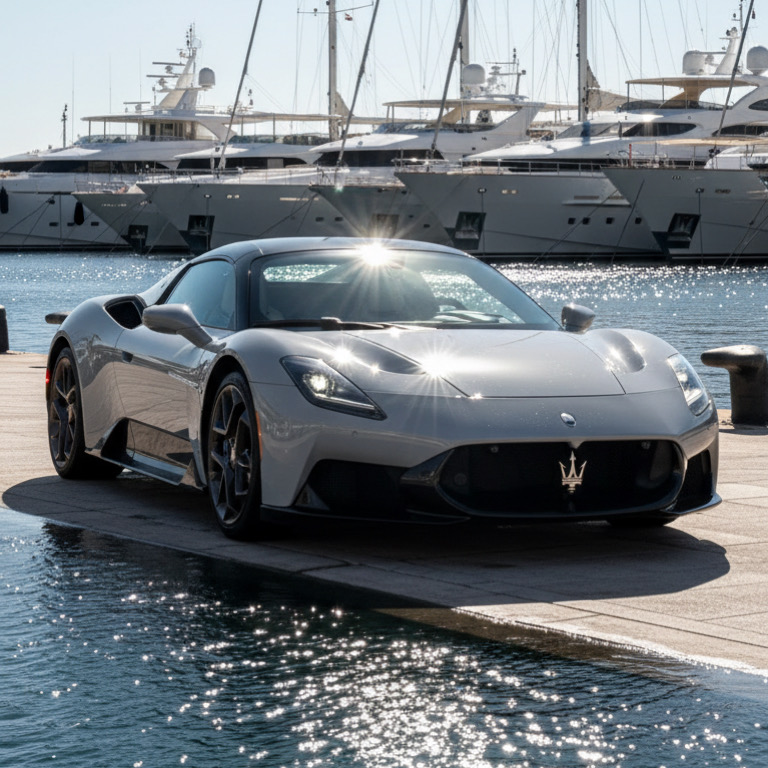
There couldn’t have been a better place to discover the personality of the new Maserati MCPura Cielo than Miami during Formula 1 weekend.
As my flight touched down at Miami International Airport, the city was already buzzing with the unmistakable excitement that surrounds Formula 1. Every luxury hotel entrance was lined with Ferraris, Lamborghinis, McLarens and Porsches. Miami becomes America’s capital of automotive passion for one week every year.
Waiting for me was something different.

2026 Maserati MCPura Cielo, finished in the elegant Grigio Incognito over an Ice Grey Alcantara interior with extensive carbon fiber trim and premium Sonus Faber audio. Configured at just over $308,000, it represents Maserati’s latest interpretation of an exotic convertible, not by copying its rivals, but by staying true to Italian grand touring heritage while delivering genuine supercar performance.
First Impressions: Exclusivity Over Flash
One thing became obvious before I even left the airport. Everyone recognizes a Ferrari. Everyone recognizes a Lamborghini. Very few recognize the MCPura Cielo. That turned into one of the car’s greatest strengths throughout my weekend in Miami.
Instead of hearing people say, “Nice Ferrari,” they walked over asking, “What Maserati is this?”

There’s something refreshing about driving a car that isn’t chasing attention.
It earns it.
Its proportions are stunning. The carbon-fiber monocoque, butterfly doors, dramatic front fascia, and clean rear design make it look exotic without feeling theatrical.
Performance That Doesn’t Need to Prove Anything
Underneath the beautiful bodywork is Maserati’s Formula 1-inspired engineering.
The 3.0-liter twin-turbocharged Nettuno V6 produces over 620 horsepower, sending power to the rear wheels through an eight-speed dual-clutch transmission.

Numbers only tell part of the story. Unlike several competitors that feel brutally quick but emotionally distant, the MCPura Cielo communicates with the driver.
Throttle response is immediate. Steering feels incredibly precise. The chassis constantly tells you what the front tires are doing. Even through Miami traffic, there was a remarkable sense of connection that many electrically assisted supercars have started to lose.
Miami Became My Test Track
Most automotive journalists evaluate supercars on race tracks. I believe luxury buyers spend 95% of their time on real roads. Miami proved to be the perfect environment to understand what this Maserati is actually built for. From downtown traffic to the causeways, from Ocean Drive to Brickell, the suspension remained surprisingly compliant.

Visibility is better than expected. The dual-clutch transmission behaves smoothly at low speeds. Unlike some exotic cars that constantly remind you they’re race cars with license plates, the MCPura Cielo is surprisingly approachable. That’s exactly what makes it such a compelling alternative to its competitors.
Sunrise: Where the Cielo Truly Comes Alive
The defining moment came just before sunrise.

With the retractable roof open, Miami’s warm ocean breeze entering the cabin, and the first rays of sunlight reflecting across the Grigio Incognito paint, I finally understood why Maserati named it Cielo.
“Cielo” means sky.

This isn’t simply a convertible version of the coupe. It’s an entirely different experience.
Without a roof separating you from the engine, every acceleration becomes more immersive.
The Nettuno V6 doesn’t produce the deep thunder of a naturally aspirated V12.

Instead, it delivers a sophisticated mechanical soundtrack that’s unmistakably Italian.
That sunrise drive reminded me that performance isn’t measured only in acceleration.
It’s measured in emotion.

Wynwood: Automotive Art Meets Street Art
Later that afternoon, I headed toward Wynwood.
This became one of the most memorable photography sessions I’ve ever experienced.
Wynwood has always celebrated artistic expression.

The MCPura Cielo fits perfectly into that environment because it doesn’t feel engineered solely by computers. It feels sculpted.
The flowing body lines, dramatic air intakes, and elegant proportions looked like another piece of art against Miami’s colorful murals.

Several people stopped not because it was the loudest supercar there, but because they had never seen one before.
That’s exclusivity.
Calle Ocho Shows Another Side
Perhaps the biggest surprise happened on Calle Ocho. Most supercars feel uncomfortable outside luxury neighborhoods. The Maserati didn’t. Families smiled. People asked questions. Children pointed at the Trident.

Unlike brands that project intimidation, Maserati projects elegance. That emotional connection matters. Because buying a $300,000 automobile isn’t simply about specifications.It’s about how the car makes you feel every time you drive it.
How Does It Compare?
After spending several days behind the wheel, I couldn’t help comparing it with today’s exotic market.
The Ferrari 296 GTS is faster and more track-focused.
The McLaren Artura Spider feels lighter and incredibly clinical.
The Lamborghini Temerario is louder and more dramatic.
The MCPura Cielo occupies a completely different space.

It combines supercar performance with genuine luxury, everyday drivability, and Italian craftsmanship in a way few manufacturers still pursue.
Rather than trying to dominate every specification sheet, Maserati focused on creating a car owners genuinely want to drive. Every day.
Carsfera’s Verdict
The 2026 Maserati MCPura Cielo isn’t designed to win comparison charts. It’s designed to win hearts. During Formula 1 week, surrounded by some of the world’s greatest supercars, it never felt overshadowed. Quite the opposite.

Its rarity, elegant styling, balanced chassis, and unmistakable Italian character made it one of the most interesting cars I experienced all weekend. Miami simply confirmed what Maserati already knew. Performance attracts attention. Character creates memories.
The MCPura Cielo delivers both, and that’s exactly what makes it one of the most compelling exotic convertibles on sale today.
Some cars impress you with outrageous acceleration. Others earn your respect by making everyday life easier. The truly exceptional ones manage to do both without asking you to compromise.
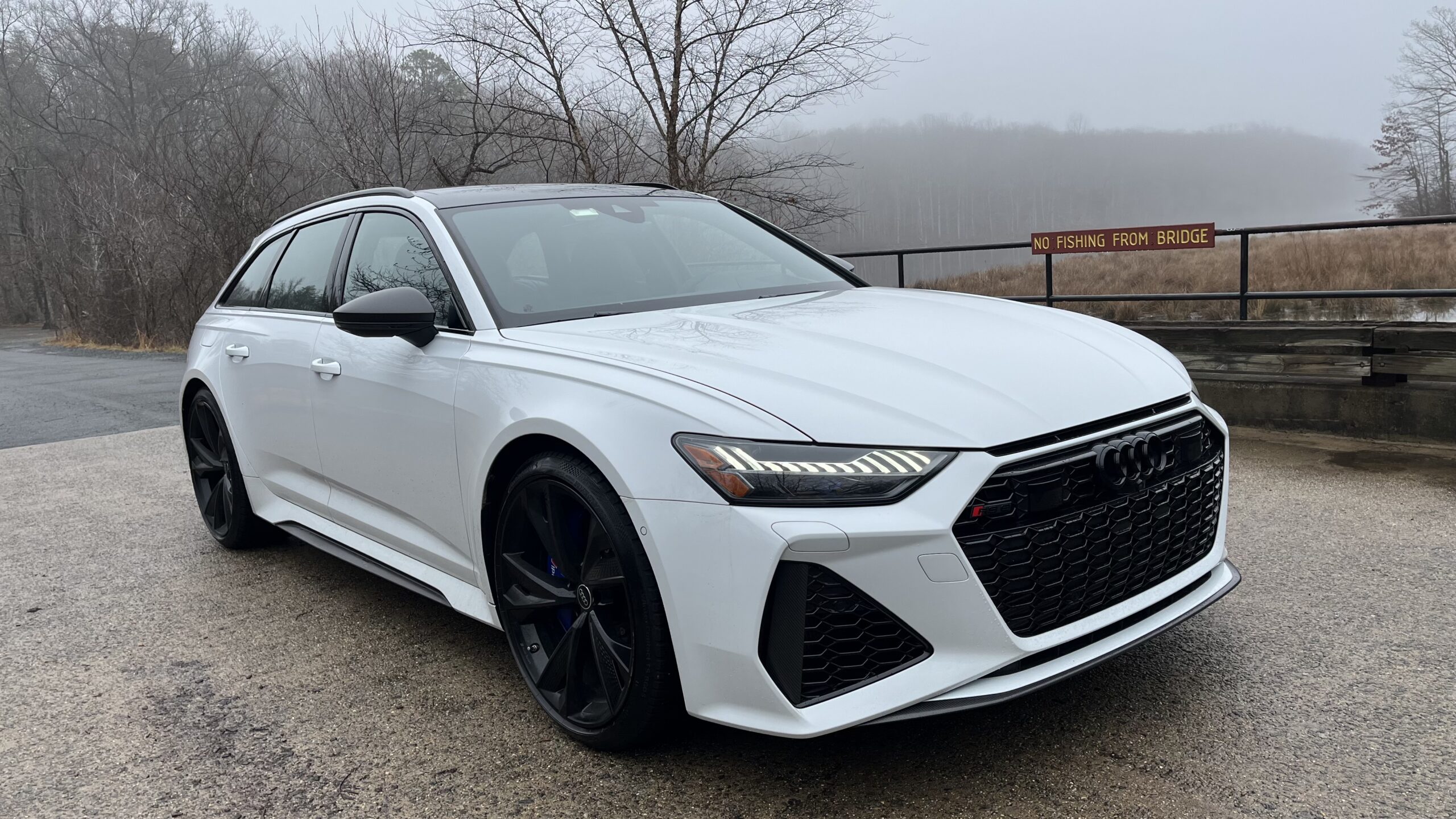
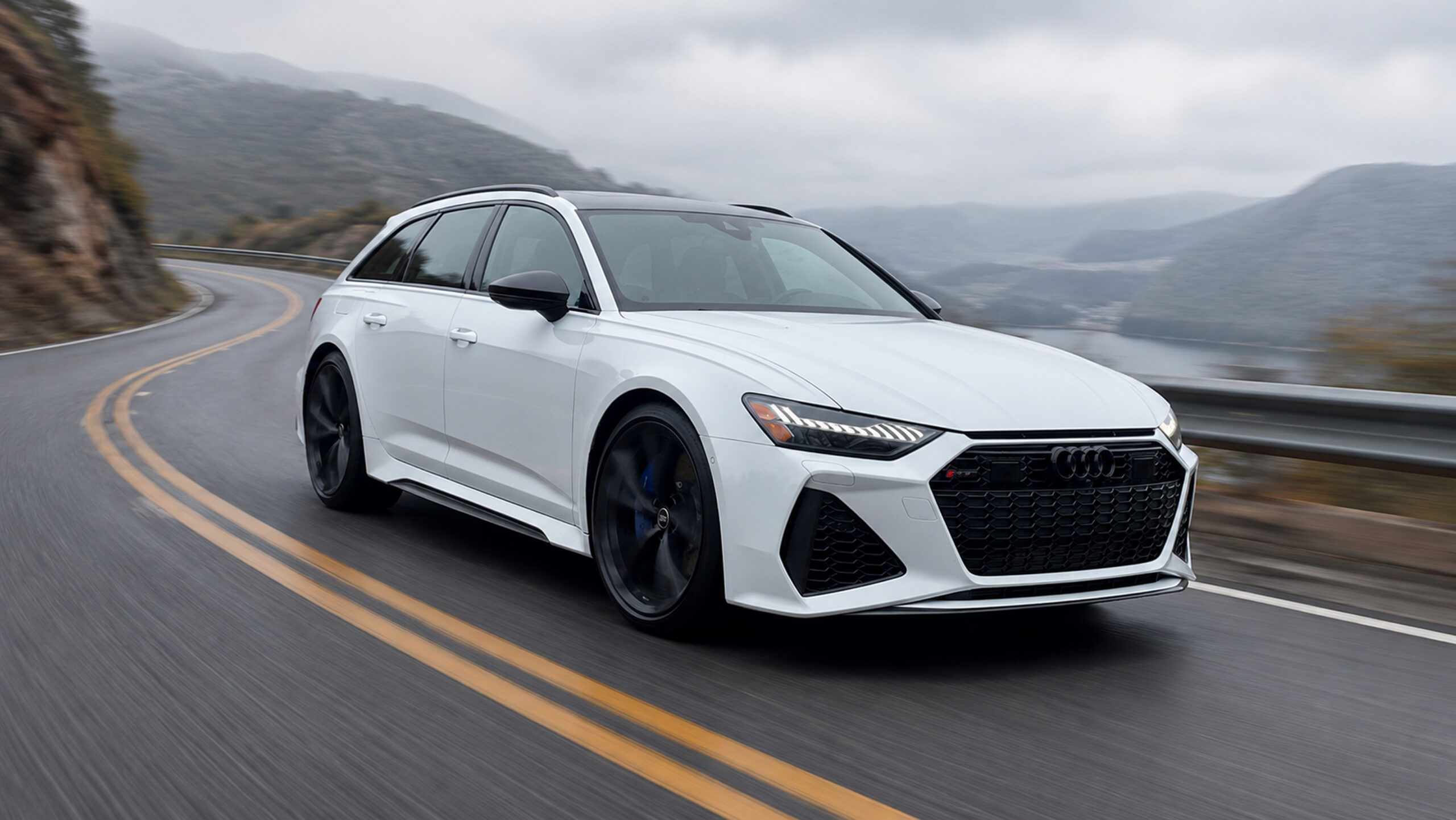
After spending a week with the 2026 Audi RS 6 Avant Performance, I walked away convinced that Audi has created far more than an incredibly fast luxury wagon. It has built a car that perfectly captures what enthusiasts love about the brand at a time when the automotive world is changing faster than ever.
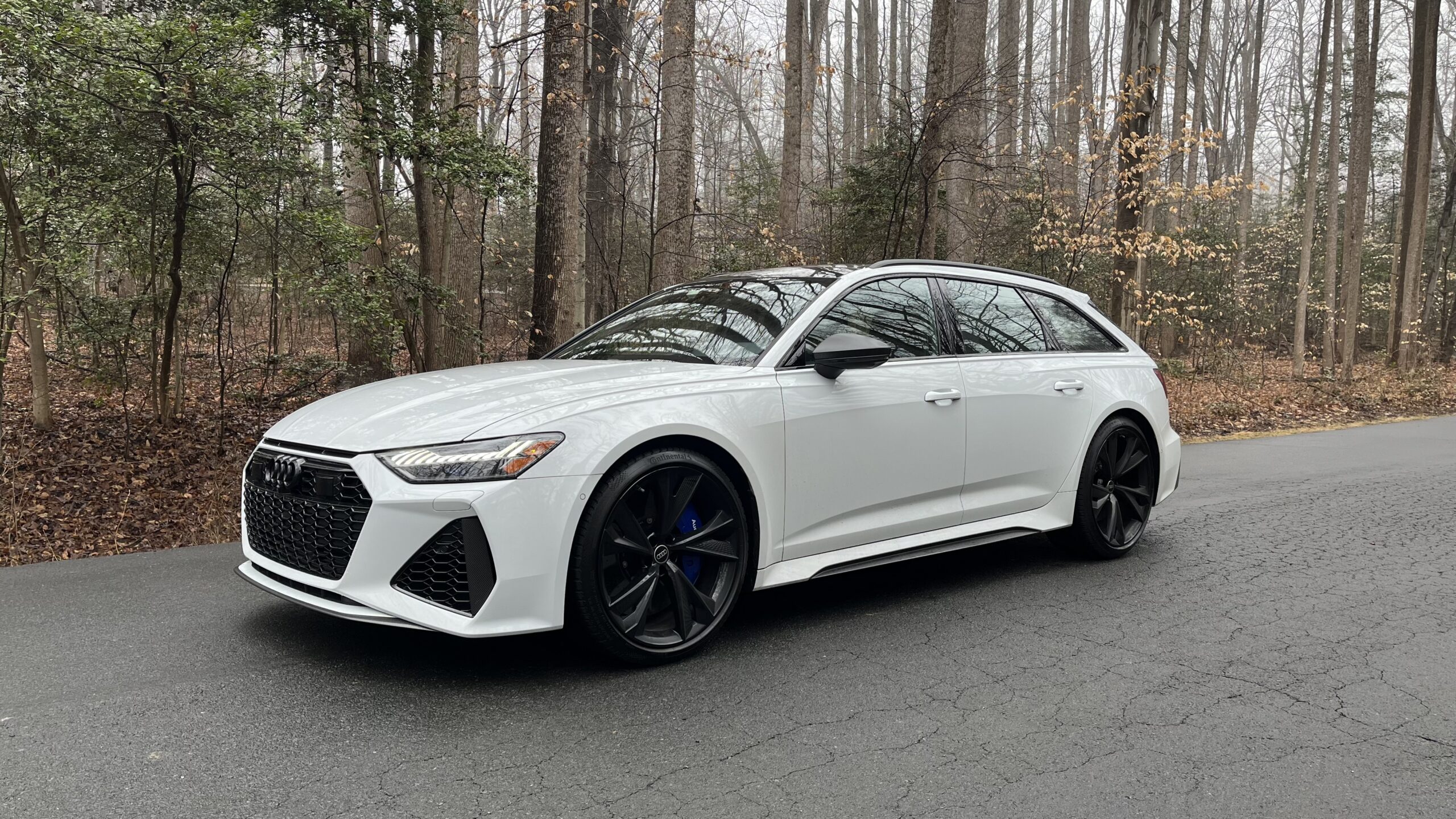
Electrification is reshaping the performance car landscape. Large-displacement engines are disappearing, manufacturers are prioritizing efficiency over emotion, and many new performance cars rely on software to create excitement. Against that backdrop, the RS 6 Avant Performance feels refreshingly authentic. It represents one of the last opportunities to experience Audi’s legendary twin-turbocharged V8 paired with quattro all-wheel drive in a package that can comfortably handle school runs, cross-country road trips, or an early Sunday morning blast down your favorite back road.
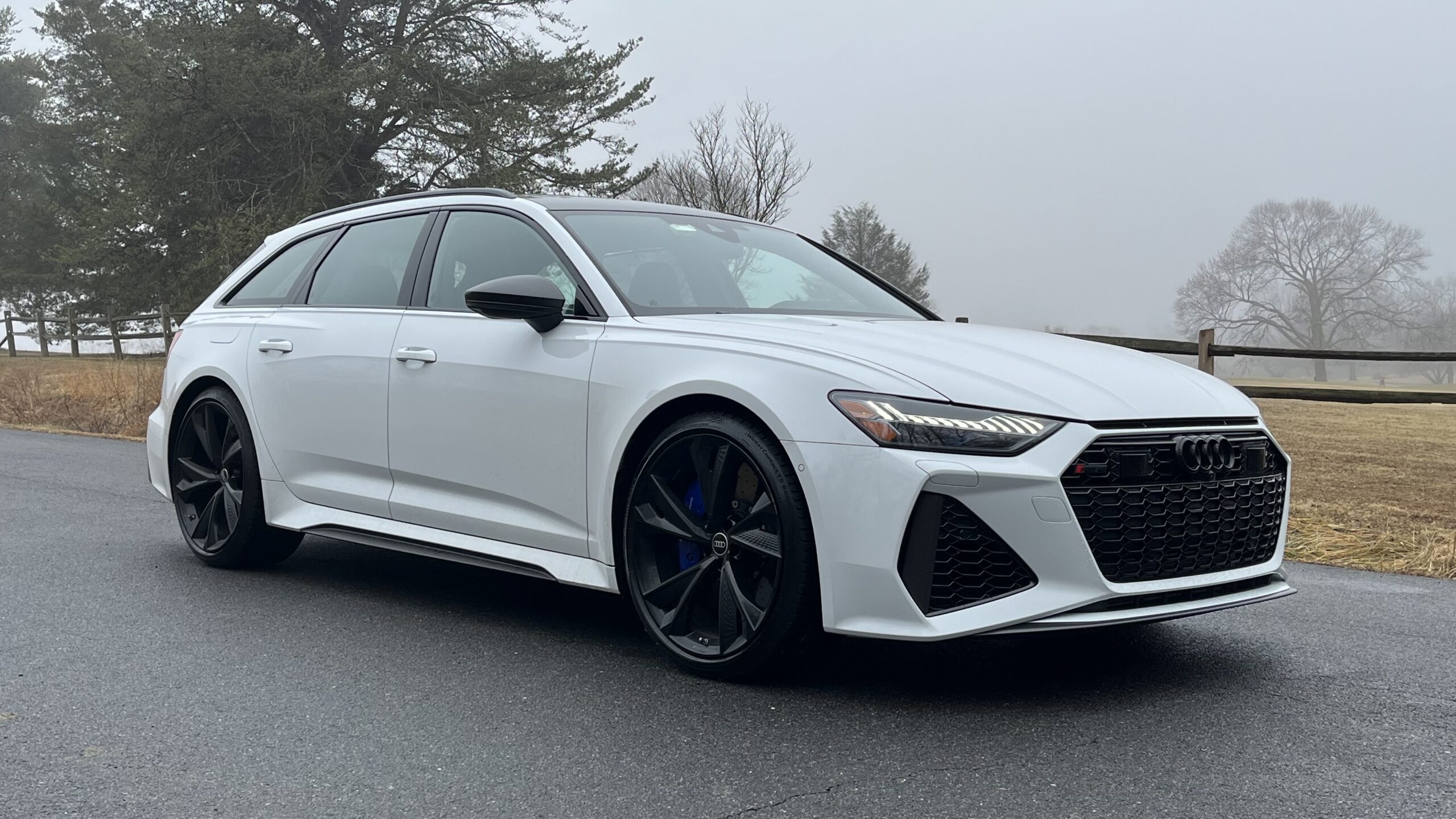
The longer I lived with it, the more obvious it became that this isn’t simply one of the best performance wagons on sale today. It may ultimately be remembered as one of the defining Audis of its generation.
More Than Just a Fast Wagon
Even standing still, the RS 6 communicates purpose without resorting to theatrics.
Its widened bodywork, muscular wheel arches, honeycomb grille, aggressive front fascia, and massive oval exhaust outlets give it undeniable presence. Yet unlike many six-figure performance cars, it never feels like it’s trying too hard to attract attention. That’s always been one of Audi Sport’s greatest strengths. The design is confident rather than flashy.
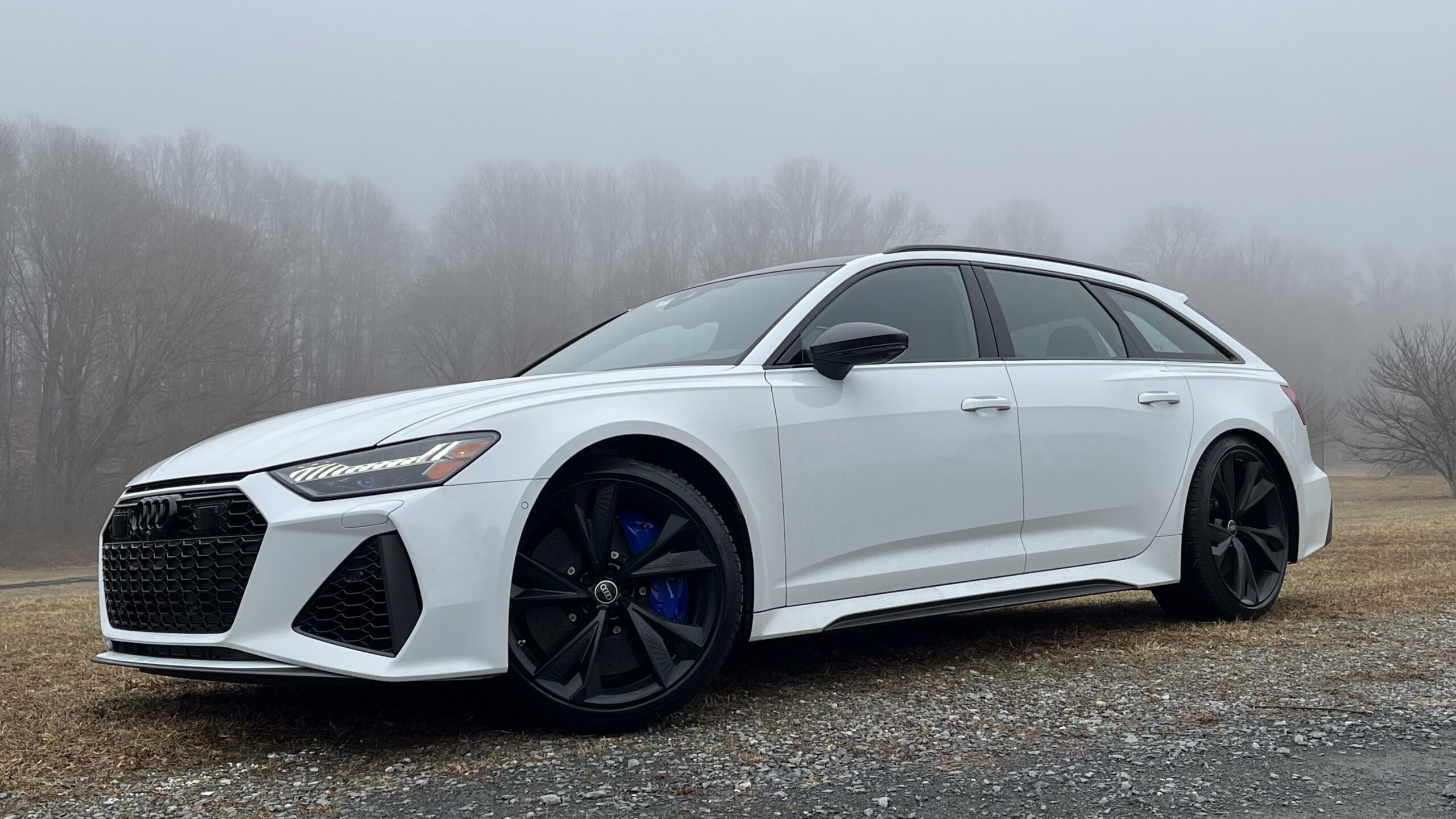
During my week with the car, I noticed something interesting. Enthusiasts immediately recognized it, often giving a thumbs-up or lingering for a closer look. Everyone else simply saw an exceptionally attractive wagon. That subtle dual personality is part of the RS 6’s appeal. It flies under the radar just enough to remain understated while still rewarding those who understand exactly what they’re looking at.
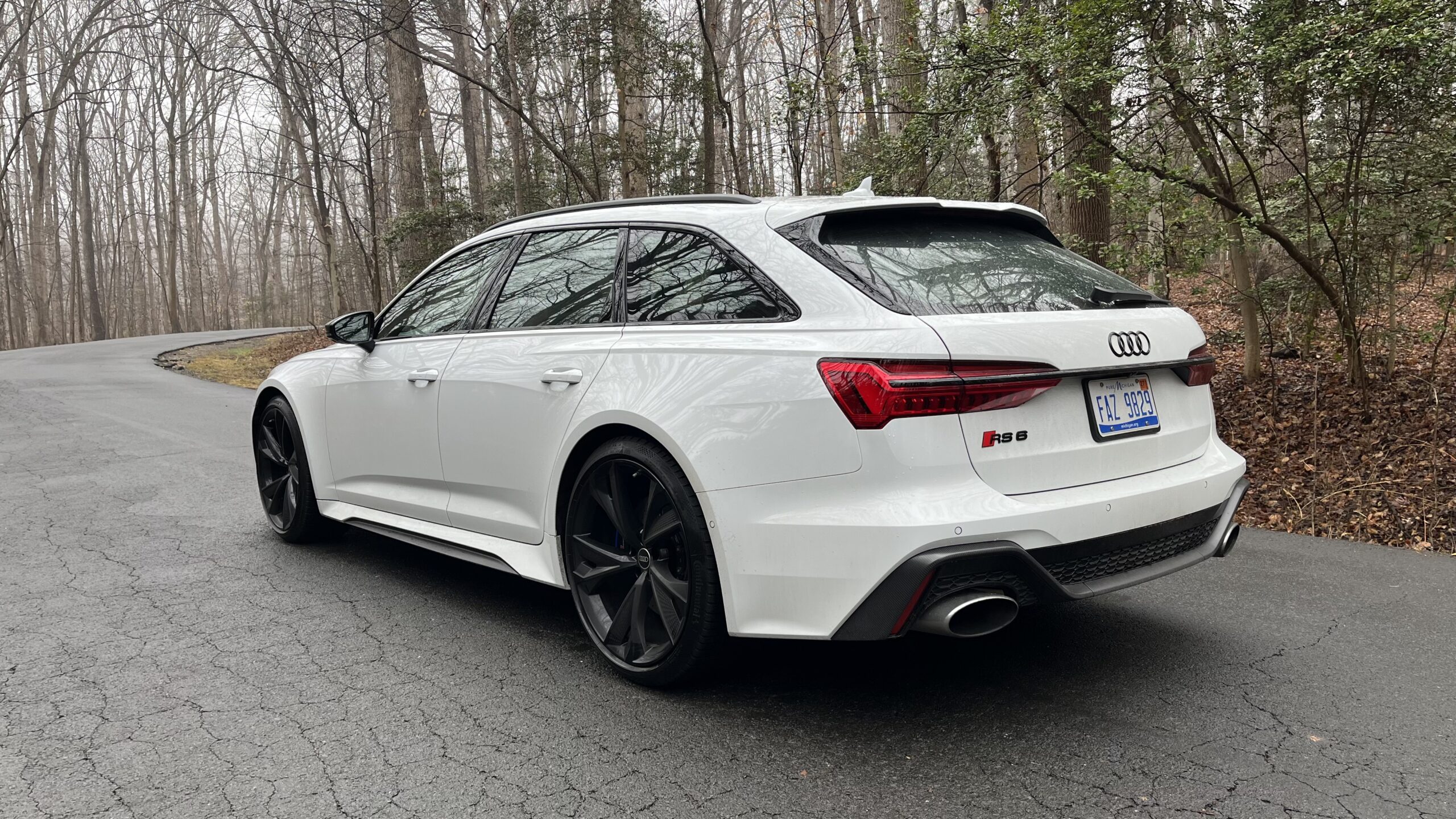
In an era where many high-performance vehicles lean heavily on exaggerated styling, the RS 6 feels mature. Its design isn’t chasing trends, which is one reason I believe it will age remarkably well. Years from now, its proportions are likely to look just as purposeful as they do today.
A Twin-Turbo V8 That Still Feels Special
Press the start button and the 4.0-liter twin-turbocharged V8 settles into a deep, restrained idle. It’s not obnoxiously loud, but there’s enough bass in the exhaust note to remind you that this isn’t an ordinary Audi.
With 621 horsepower and 627 lb-ft of torque delivered through Audi’s legendary quattro all-wheel-drive system, the numbers are undeniably impressive. What surprised me most, however, wasn’t how quickly the RS 6 accelerates. It was how effortlessly it builds speed.
On winding roads, the engine never seems to run out of breath. The torque arrives early and stays consistent, allowing you to focus on choosing the right line rather than chasing the perfect gear. Even after several spirited drives, the drivetrain never felt strained. Instead, it delivered the kind of confidence that encourages you to keep driving long after you originally planned to head home.
Remarkably Comfortable for Everyday Driving
Many cars capable of supercar-like acceleration become tiring after an hour behind the wheel.
The RS 6 isn’t one of them.
One of the biggest surprises during my time with the car was just how refined it felt during normal daily use. Leave it in Comfort mode and the adaptive air suspension smooths out broken pavement with impressive composure. Expansion joints, rough city streets, and uneven highways never upset the chassis. The ride remains composed without feeling disconnected from the road.
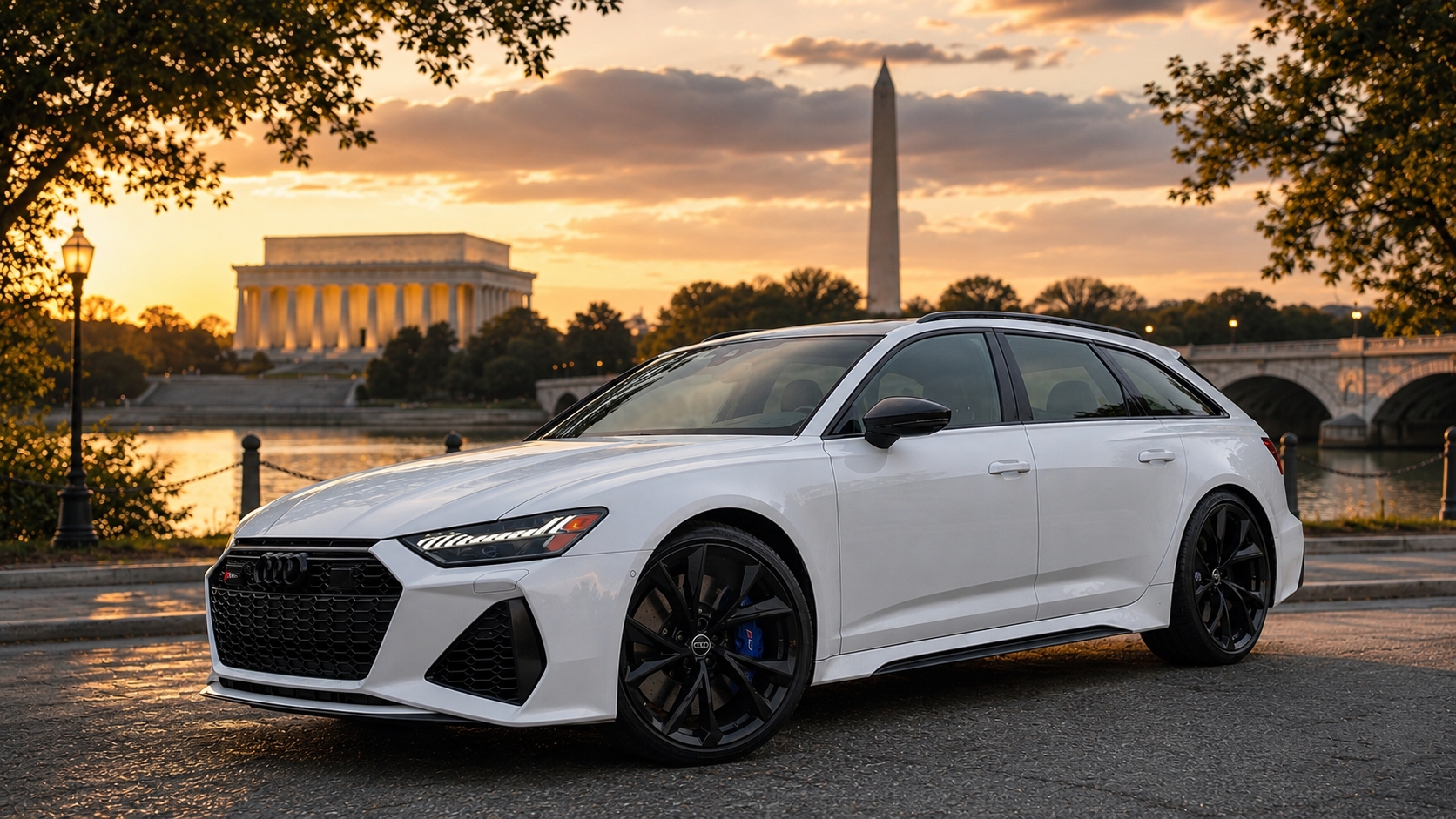
Road and wind noise are impressively subdued, making long highway journeys genuinely relaxing. The front sport seats strike an excellent balance between lateral support and long-distance comfort, while visibility is far better than many performance SUVs or exotic sports cars. After several hours of driving, I stepped out feeling refreshed rather than fatigued.
Switch into Dynamic mode, however, and the personality changes almost instantly. Steering gains weight, throttle response sharpens, the transmission holds gears longer, and the suspension firms noticeably. That transformation is one of the RS 6’s defining characteristics. Few vehicles switch so convincingly between luxury grand tourer and serious performance machine with the press of a button.
An Interior That Prioritizes the Driver
Audi continues to produce some of the most thoughtfully designed interiors in the luxury segment, and the RS 6 is no exception.
The RS-specific digital displays are crisp and easy to configure, the Virtual Cockpit presents essential information clearly, and the infotainment system responds quickly without feeling cluttered. Physical controls remain for key functions, reducing the need to navigate endless touchscreen menus while driving.
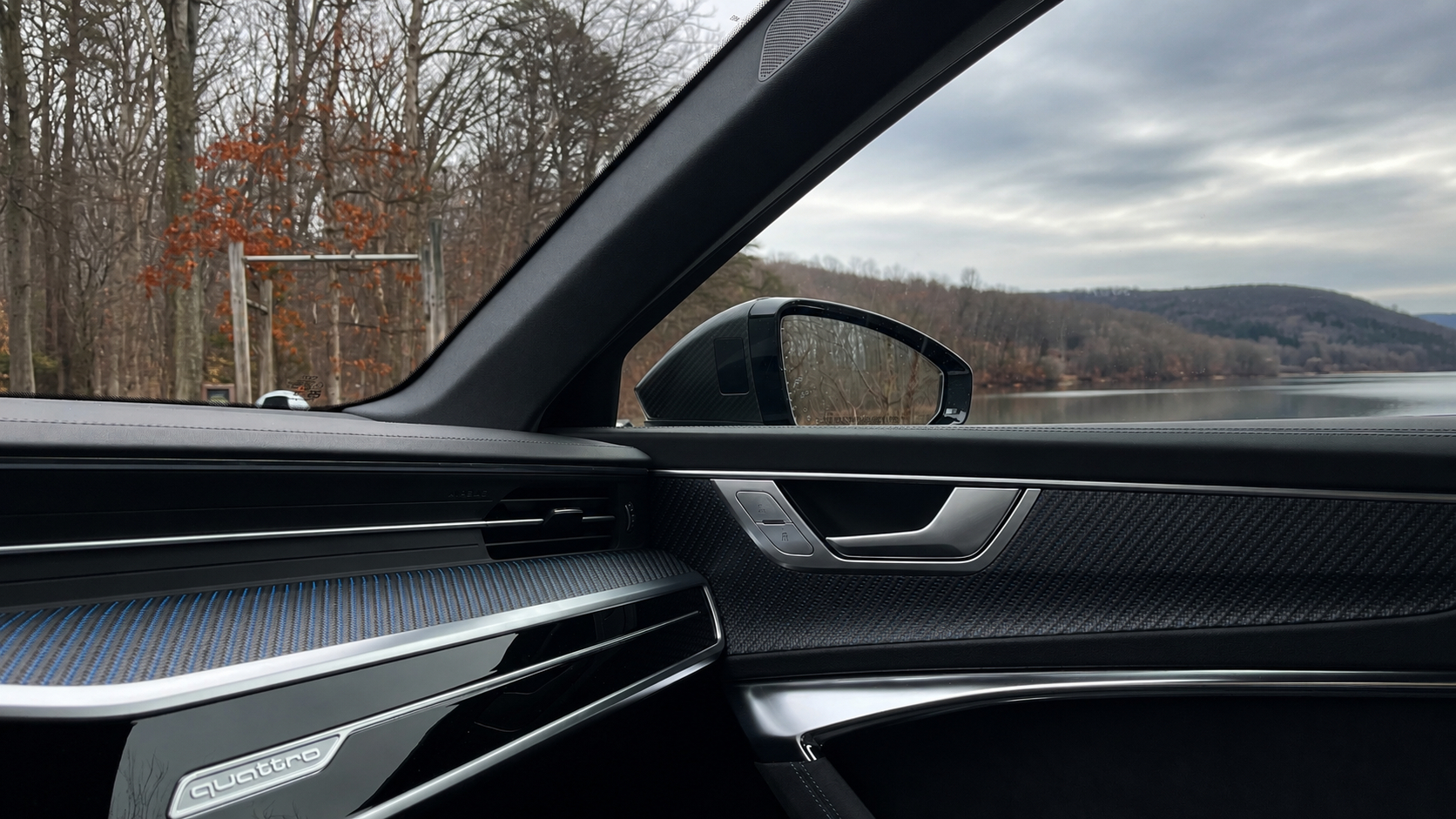
Material quality is exceptional throughout the cabin. Soft leather, Alcantara, carbon fiber trim, and brushed aluminum create an atmosphere that feels premium without becoming ostentatious. Every switch, button, and control operates with the precision you’d expect from a flagship Audi.
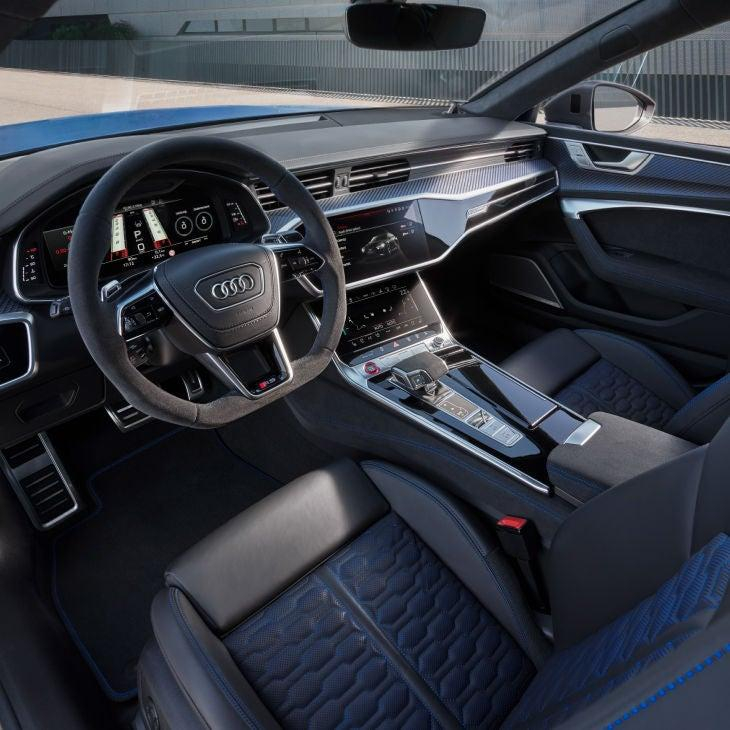
What impressed me most wasn’t any single feature but how naturally everything worked together. The technology serves the driver rather than demanding attention. After only a short time behind the wheel, every control feels intuitive, allowing you to focus on the road instead of searching through menus.
Why the RS 6 Avant Performance Could Become a Future Classic
Some collector cars become valuable because they’re produced in limited numbers.
Others earn legendary status because they represent the end of an era.
The 2026 Audi RS 6 Avant Performance has a compelling case for becoming both.
Performance cars are rapidly transitioning toward hybrid and fully electric powertrains. While those vehicles will almost certainly become faster, recreating the emotional character of a twin-turbocharged V8 working in harmony with Audi’s mechanical quattro system may prove impossible. The experience is about far more than acceleration figures. It’s about the sound, the effortless surge of torque, and the mechanical confidence that defines every drive.
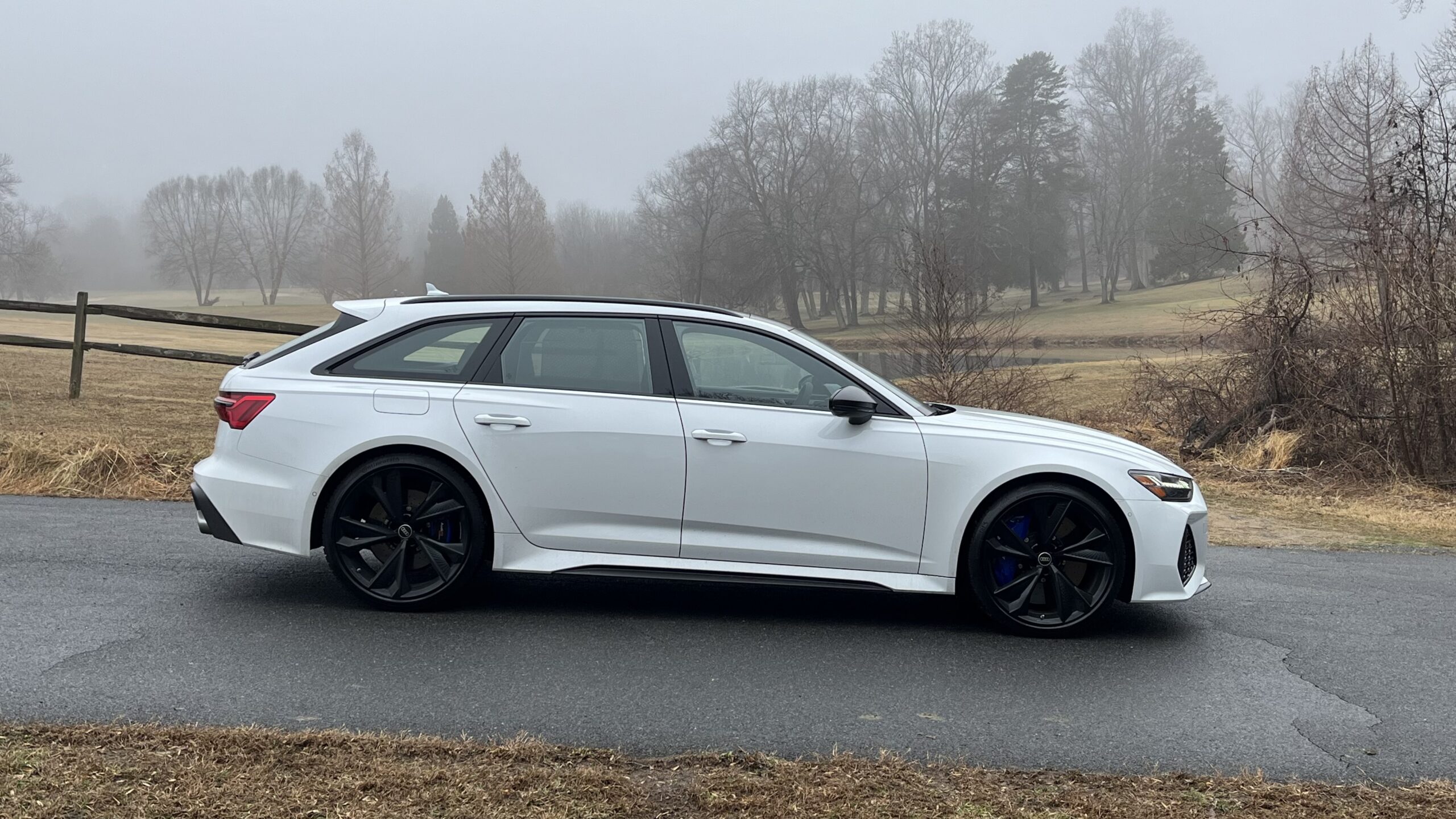
History suggests that enthusiasts gravitate toward vehicles marking important turning points. The original Audi Quattro, the first-generation R8 V8 and V10, and several iconic RS models have all become increasingly desirable because they captured a unique moment in Audi’s performance history.
The RS 6 Avant Performance feels poised to join that conversation. It blends everyday usability with extraordinary engineering in a way that may become increasingly rare as the industry evolves.
Ownership Is About More Than Performance
Buying an RS 6 isn’t simply purchasing a fast wagon. It’s choosing a vehicle that can genuinely replace multiple cars in your garage.
It offers the practicality of an SUV, the comfort of a luxury sedan, and the performance of a genuine sports car without feeling compromised in any of those roles. Add Audi’s renowned quattro system, and it becomes a vehicle capable of handling changing weather conditions with confidence throughout the year.
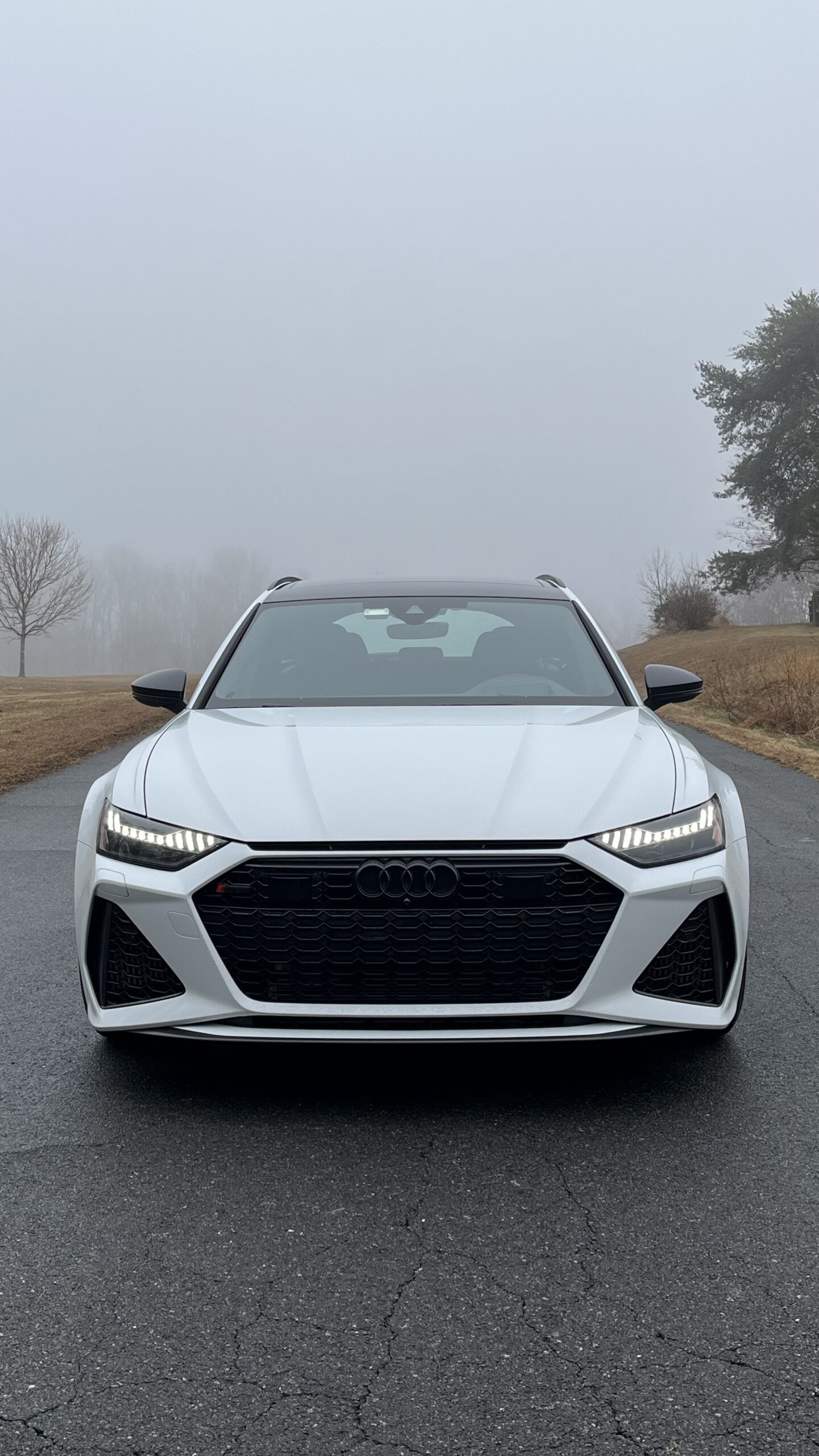
Will ownership involve premium maintenance costs? Certainly. High-performance luxury cars are never inexpensive to maintain. Yet for buyers considering a vehicle in this segment, the breadth of capability helps justify the investment. Few competitors can match the RS 6’s ability to excel at so many different tasks.
More importantly, it remains a car you’ll likely look back on with pride years after buying it. That emotional connection is difficult to quantify, but it’s one of the qualities that separates memorable cars from merely expensive ones.
Final Thoughts
After spending meaningful time with the 2026 Audi RS 6 Avant Performance, it’s easy to understand why enthusiasts speak about it with such admiration.
Its greatest strength isn’t simply the astonishing acceleration or the beautifully finished cabin. It’s the way every component works together to create an experience that feels remarkably complete. Whether you’re navigating city traffic, covering hundreds of highway miles, or carving through a favorite stretch of winding pavement, the RS 6 always feels perfectly suited to the moment.
As the automotive industry moves steadily toward electrification, cars like this are becoming increasingly uncommon. Future performance models may deliver greater speed and efficiency, but reproducing the character, balance, and everyday usability of Audi’s twin-turbocharged V8 performance wagon will be an enormous challenge.
For anyone considering the RS 6 Avant Performance today, my advice is simple: don’t think of it solely as a luxury performance wagon. Think of it as one of the last great expressions of everything Audi Sport has spent decades perfecting.
Years from now, I suspect enthusiasts won’t just remember the RS 6 Avant Performance as one of the best fast wagons ever built.
They’ll remember it as one of the finest Audis ever made.
-

 NOW TRENDING2 months ago
Polestar to Exit U.S. Market After 2026 Due to Connected Vehicle Rules
-
 NOW TRENDING2 months ago
Tesla Model Y L Arrives in the U.S. With More Space and Three Rows
-

 RACING2 months ago
McLaren F1 Unveils Special Silverstone Livery Honoring Its History
-
 INTELLIGENT MOBILITY2 months ago
Audi A4 E-tron and Q7 E-tron Confirmed as New Electric Models
-
 TEST DRIVES2 months ago
A Week Driving Honda’s New Hybrid Coupe
-
 TEST DRIVES2 months ago
Ford Recalls More Than 741,000 Trucks and SUVs Over Rollaway Risk
-
 NOW TRENDING2 months ago
Toyota Reports Strong June and Q2 2026 U.S. Sales Growth
-

 INTELLIGENT MOBILITY2 months ago
GM Expands Super Cruise With Exclusive Hands-Free Towing Technology
You must be logged in to post a comment Login