
McLaren Automotive is celebrating the beginning of full production of the new 720S supercar, with the completion of the ‘Job#1’ car. Finished in Glacier White, the car is ready to leave the McLaren Production Centre in Woking, Surrey, England, having been hand-assembled by McLaren’s craftsmen and craftswomen.
The move to full production marks the beginning of a new chapter in the McLaren Automotive story, as the second generation of the Super Series – codenamed ‘P14’ – replaces the first generation, ‘P11’ model family that encompassed the original McLaren 12C and subsequent derivatives, as well as the McLaren 650S and 675LT.
“The new McLaren 720S entering volume production is a momentous occasion for McLaren Automotive, marking the first time since the company was formed in 2010 that we have replaced a model family with an all-new generation,†commented Mike Flewitt, Chief Executive Officer, McLaren Automotive, speaking at a short ceremony at the McLaren Production Centre to mark the completion of the Job #1 car. “Customer interest in the new McLaren 720S following its unveiling in March at the Geneva International Motor Show has significantly exceeded our expectations and we are bidding farewell to the first-generation Super Series in the knowledge that we have a successor that raises limits in the supercar segment to new heights.â€
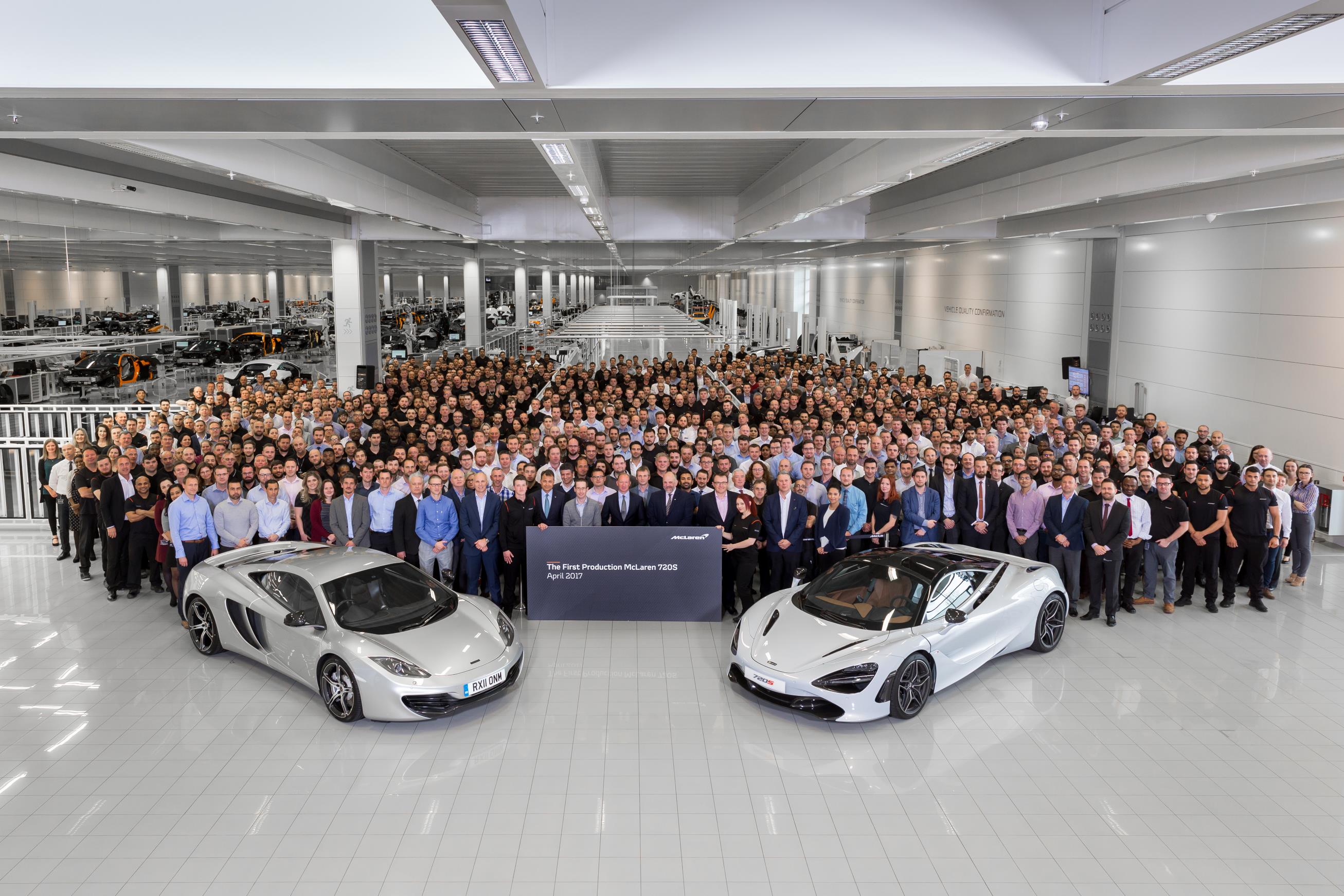
The first of 15 new McLaren models confirmed for introduction by the end of 2022 under the company’s Track22 business plan, the new 720S personifies the blend of extreme performance, crafted luxury and unparalleled driver involvement for which the brand is renowned. Lighter, faster and even more dynamically capable than the McLaren 650S it replaces, the new 720S is powered by a 4.0-litre V8 twin-turbocharged engine that produces 720 horsepower. The result in performance terms is astonishing, with acceleration from 0-60mph achieved in just 2.8 seconds and 0-124mph (200km/h) taking 7.8 seconds. The maximum speed of McLaren’s new supercar is 212mph (341km/h).
Available to order now from McLaren retailers and costing from £208,600 (UK), the new McLaren 720S can be explored in full and configured at a dedicated online microsite: https://720s.mclaren.com/.
The first-generation Super Series introduced McLaren Automotive to the supercar world and in total more than 7,000 have been sold. The story of the model line carrying the internal McLaren designation of ‘P11’, began in 2009 when the 12C was first unveiled and subsequently launched in 2011 by the recently formed company. With a carbon fibre, composite MonoCell chassis and twin-turbocharged, mid-mounted V8 engine, the first new McLaren model for almost two decades instantly presented an alternative for serious supercar buyers.
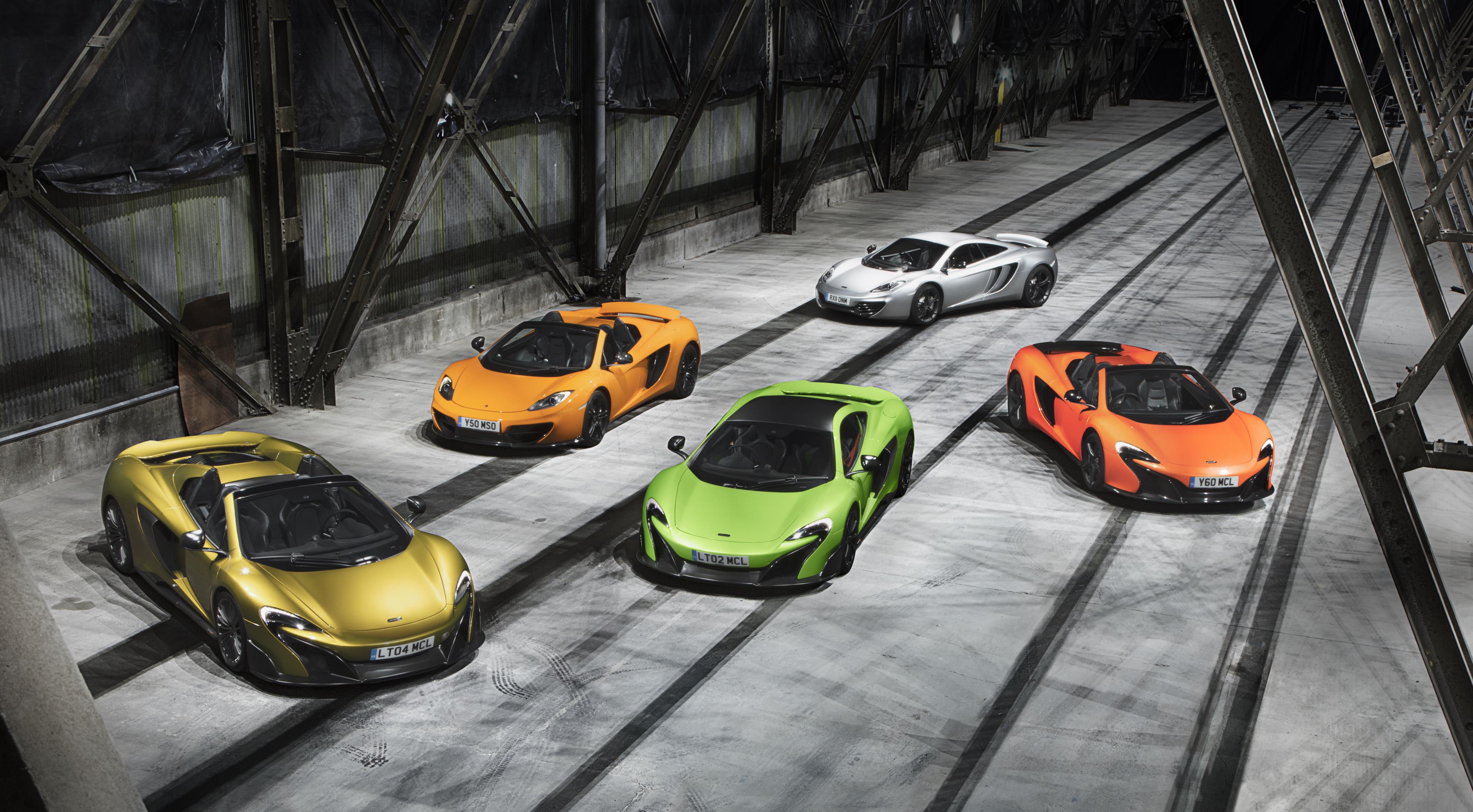
Just one year later, the 12C Spider was unveiled in the United States at Pebble Beach. Featuring a retractable folding hardtop roof that could be raised or lowered in less than 17 seconds, the Spider was built around the same MonoCell chassis as the Coupé. With class-leading handling, rigidity and safety, the 12C Spider notably did not require any of the extra strengthening usually required for an open-roof car, thanks to McLaren’s carbon fibre chassis technology.
It wasn’t only on the road where the 12C excelled. The 12C GT3, which featured a host of aerodynamic upgrades and weight-saving measures, was designed to compete in the FIA GT3 category and proved successful from the start, scoring its first race win at Circuito de Navarra in Spain in May 2012. From the 12C programme emerged the GT Can-Am Edition, the first of the new generation of road-going McLarens designed to be the ultimate ‘track-day’ car.
The P11 family enjoyed significant growth in 2014, with the launch of the 650S and 650S Spider at that year’s Geneva International Motor Show. Joining the existing 12C in the Super Series range, the 650S incorporated design and engineering features inspired by the flagship McLaren P1™. Offering the best power-to-weight ratio in its class, with performance and efficiency both increased, both Coupé and Spider 650S models nevertheless retained exemplary ride comfort and refinement.
Following the 12C GT3’s on-track success, it seemed only natural for the 650S to receive the same motorsport treatment: revealed at the 2014 Goodwood Festival of Speed, the 650S GT3 featured improved aerodynamics as well as enhanced refinement and driver comfort. Making its competitive debut in 2015, the car proved even more effective than its predecessor, winning both the Bathurst 12 Hour (scoring a pole position and setting a new outright lap record along the way) and the Blancpain Endurance Series in 2016.
A lightweight, track-focused addition to the range was debuted at the 2015 Geneva Motor Show. Named 675LT in tribute to the famous ‘Longtail’ F1 GTR racers of the late 1990s, the car stayed true to its iconic namesake, becoming the lightest, most powerful and fastest Super Series model. Weighing 100kg less than the 650S, wearing ‘sticky’ Pirelli P Zero™ Trofeo R tyres and featuring a stripped out – yet still comfortable – interior, the 675LT offered the most focused driving experience of any road-going P11 Super Series car.
In response to customer demand, less than a year later at the end of 2015 an open-top version of the 675LT was announced. With production once again limited (the full series of cars was sold in the space of just two weeks), the 675LT Spider featured the same weight saving, optimised aerodynamics, increased power and suspension geometry as the coupé, making it the most extreme open-top McLaren ever built.
The 675 LT models were built alongside the 650S Coupé and Spider and with production of the latter ending in 2016, it was one of these iconic cars that brought the first-generation Super Series to an end.






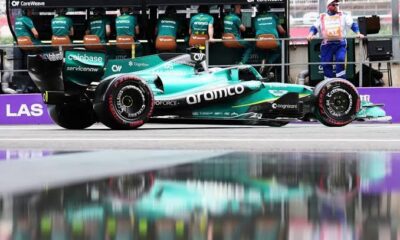

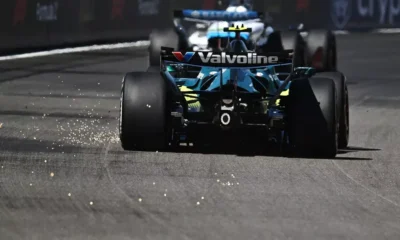




Honda is changing the leadership of its Formula 1 power unit project as it looks beyond a difficult 2026 season with Aston Martin and prepares for the next phase of development.
Honda is making a significant change at the top of its Formula 1 power unit program. Starting October 1, 2026, Yoichiro Fukao will replace Tetsushi Kakuda as the person responsible for leading the Japanese manufacturer’s F1 power unit development.
Honda Racing Corporation describes the move as a planned transition. The stated objectives are to accelerate power unit development and ensure a smooth transfer of technical knowledge to the next generation of engineers.
The timing is particularly important because Honda and Aston Martin have struggled during the opening season of the new 2026 engine regulations. Honda is already looking toward the development framework needed for the changes expected from 2027 onward.
Yoichiro Fukao Takes Over Honda’s F1 Project
Fukao currently serves as the deputy leader of Honda’s F1 project and heads its software division. Beginning October 1, he will become the Large Project Leader, taking over the role that Kakuda has held during the development of Honda’s current power unit.
His background extends well beyond the current project. Fukao joined Honda in 2002 and has worked on F1 engine and gearbox control systems, hybrid systems and MotoGP technology during his career.
He returned to the F1 program in 2014 and later became deputy leader of the project. That experience makes the transition less of a complete change in direction and more of a transfer of responsibility within an experienced technical group.
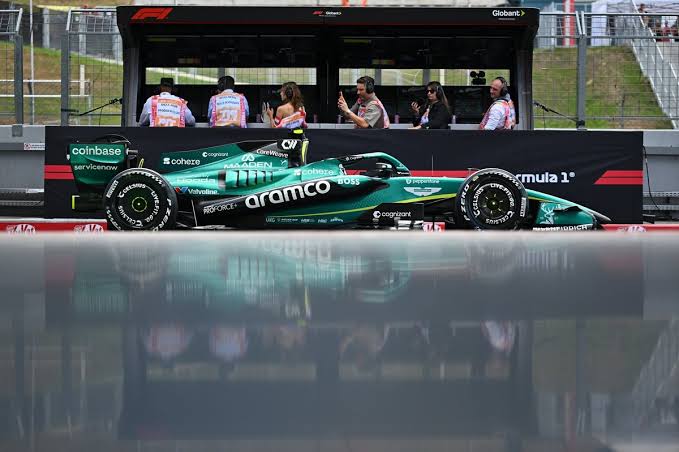
Yoichiro Fukao, Honda’s incoming F1 power unit development chief, has a long background in engine control systems and motorsport technology.
Honda Insists the Change Is Planned
Honda has been careful to characterize the leadership change as a planned organizational transition rather than a direct reaction to the team’s results.
The manufacturer says the primary goal is to preserve technical knowledge while preparing the next generation of engineers to take on greater responsibility.
That is particularly important at a time when Formula 1 is already moving toward another period of technical development. Honda wants the transition to happen early enough that it does not interrupt work on future power unit concepts.
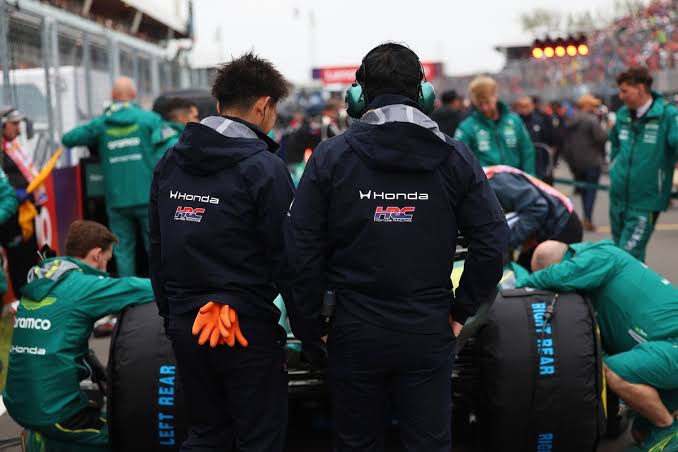
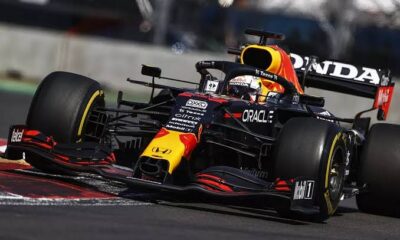
Tetsushi Kakuda has led Honda’s F1 power unit development and will hand responsibility to Yoichiro Fukao on October 1.
Honda’s 2026 F1 Project Has Struggled
The organizational change comes during a difficult first season for Honda under the new 2026 power unit regulations.
The manufacturer returned as Aston Martin’s works power unit partner for the new regulations, but performance and reliability have left the partnership near the bottom of the championship order. Honda and Aston Martin currently sit 10th in the constructors’ standings with three points, according to the supplied race information.
The problems have made Honda eligible for additional development opportunities under the FIA’s framework. However, the manufacturer is now increasingly focused on establishing a stronger foundation for the next stage of development rather than simply trying to recover the entire gap during 2026.
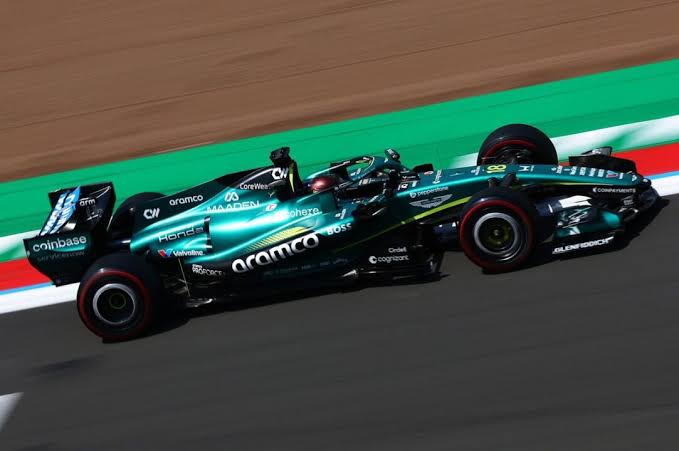
Aston Martin’s difficult 2026 campaign has put additional attention on Honda’s power unit development program.
2027 Is Already Becoming the Bigger Target
Honda’s announcement makes clear that the manufacturer is already planning beyond the current season. Following the introduction of the 2026 regulations and with additional regulatory changes expected from 2027, Honda wants to establish a stronger development structure as early as possible.
That makes Fukao’s promotion particularly significant. Rather than simply replacing one project leader with another, Honda is using the transition to preserve experience while giving a new generation of engineers greater responsibility.
For Aston Martin, the hope is that this approach eventually produces a much more competitive power unit.
A New Phase Begins for Honda and Aston Martin
The Honda F1 power unit program is entering a new phase just months after the manufacturer returned as a full works partner with Aston Martin. Fukao will take control on October 1 with the immediate challenge of improving development efficiency while preparing for what comes next.
The change does not guarantee an instant performance turnaround. However, Honda clearly sees the leadership transition as an opportunity to strengthen its technical organization and establish a better foundation for 2027.
For now, the Japanese manufacturer remains in recovery mode. The bigger test will be whether the changes behind the scenes eventually translate into a power unit capable of moving Aston Martin away from the back of the Formula 1 field.
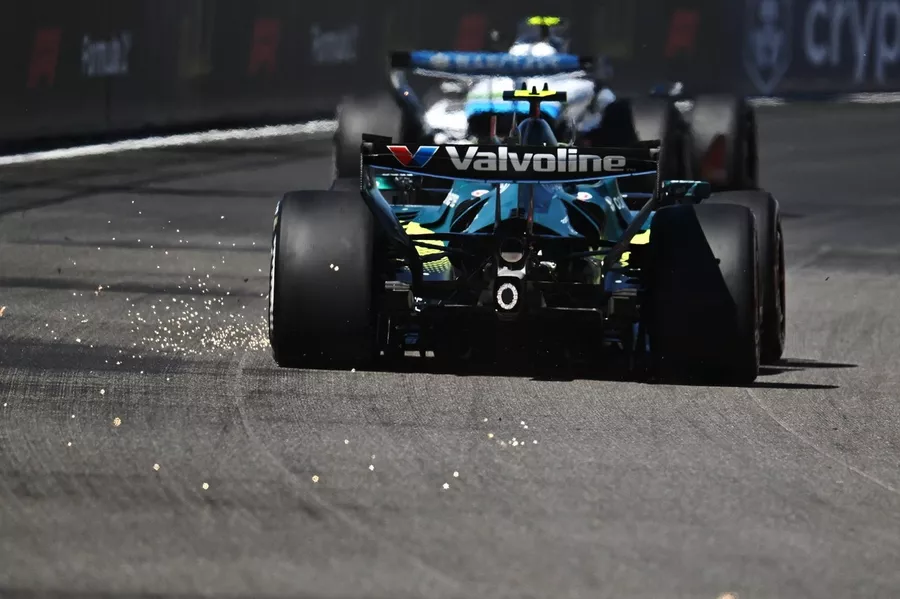
Aston Martin believes its AMR26 had enough pace to fight near the front of the midfield at Madring, but Fernando Alonso’s early damage prevented the team from showing its true potential.
Aston Martin left the Spanish Grand Prix believing it had more performance than the final result suggested. According to team boss Mike Krack, the Aston Martin Madring package had enough pace to fight for the upper end of the midfield, but early damage to Fernando Alonso’s car prevented the team from proving it over a full race distance.
The team had expected to be more competitive in Madrid than it had been at Monza. However, Aston Martin remained realistic about its chances of reaching Q3 and eventually saw its race prospects compromised by Alonso’s problems.
Krack said the team had discussed the possibility of stronger performance throughout the weekend. He felt the expectation was justified, especially after comparing the AMR26 with its previous outing.
Aston Martin Expected More From the Race
Aston Martin’s qualifying performance did not immediately suggest a major breakthrough. Krack said the team was not far from its recent results, but the expectation was that the car would be stronger once the race began.
That expectation became difficult to evaluate because Alonso suffered damage during the opening laps.
“We had more expectations for the race,” Krack explained. “But we had quite a bit of damage early in the race, so I don’t think we saw the full potential of the car.”
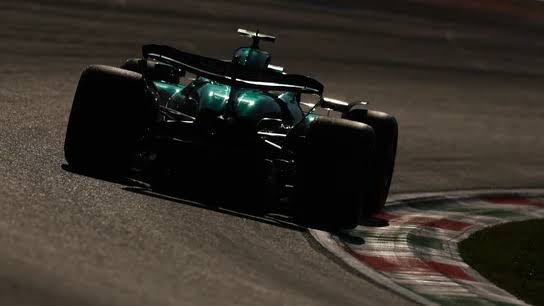
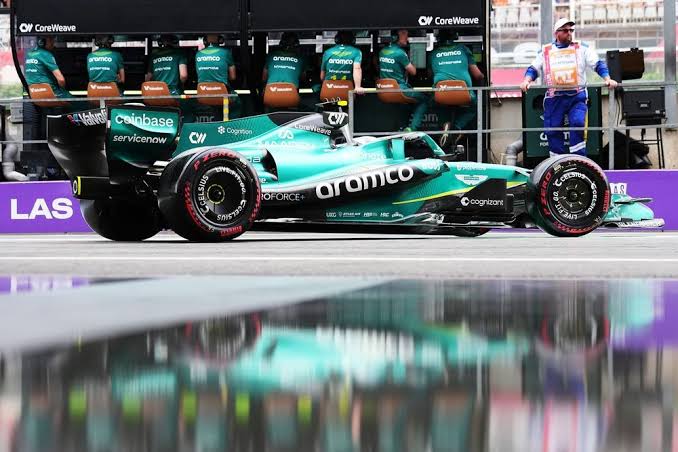
Fernando Alonso drives the Aston Martin AMR26 at Madring after suffering early damage during the Spanish Grand Prix.
The incident meant Aston Martin never had a clean reference for its genuine race pace. Instead of measuring the car against its midfield rivals over a normal stint, the team had to work around the compromised performance of Alonso’s AMR26.
That made the final classification less representative of what Aston Martin believed it could have achieved.
Madring’s Grip Changed the Competitive Picture
Krack also pointed to another important factor: the circuit gained grip much faster than Aston Martin expected.
The increase in track adhesion became noticeable from the opening practice session and changed the relative competitiveness between teams as the weekend progressed.
“You could see from the first session that the grip was increasing faster than we expected,” Krack said.
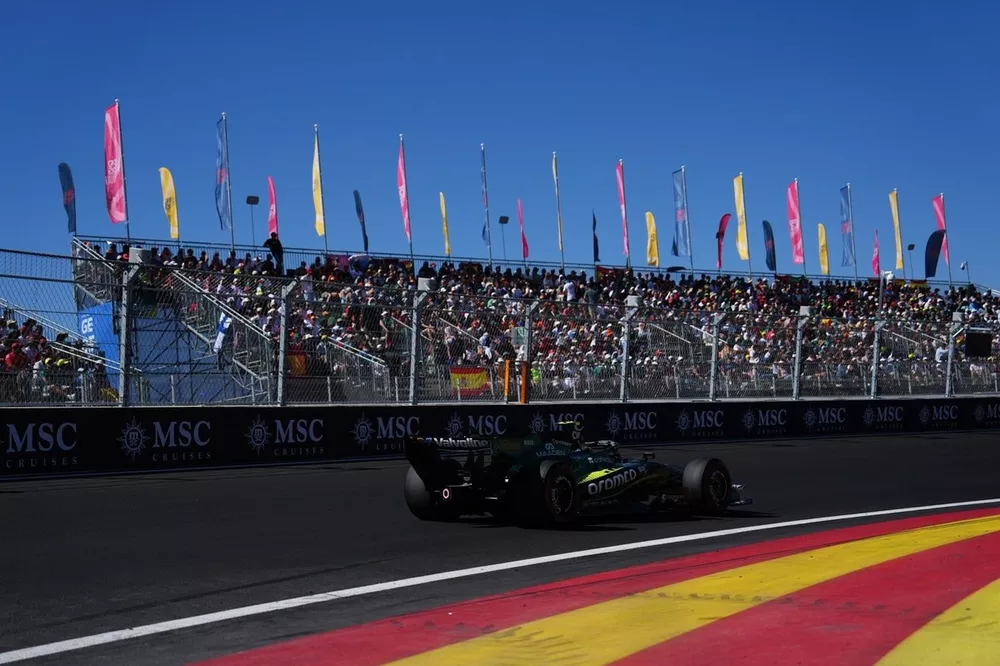
Aston Martin struggled to maximize its pace as track grip increased rapidly throughout the Madring weekend.
That progression mattered because the balance between teams can shift significantly as circuit conditions improve. A car that looks competitive early in a weekend can lose ground as rivals find additional performance from the extra grip.
For Aston Martin, that made the race even more important as the team searched for confirmation of the potential it believed was there.
Krack Believed Aston Martin Could Fight the Midfield
Despite the difficulties, Krack remained positive about the AMR26’s underlying speed.
He believed Aston Martin was quicker than many of the cars that started close to Alonso on the grid. That suggested the team had enough performance to compete effectively in the midfield under normal circumstances.
“I’m pretty sure we could win that race, so to speak,” Krack said, referring to the midfield battle.
However, that potential never translated into the result Aston Martin wanted because of Alonso’s early damage.
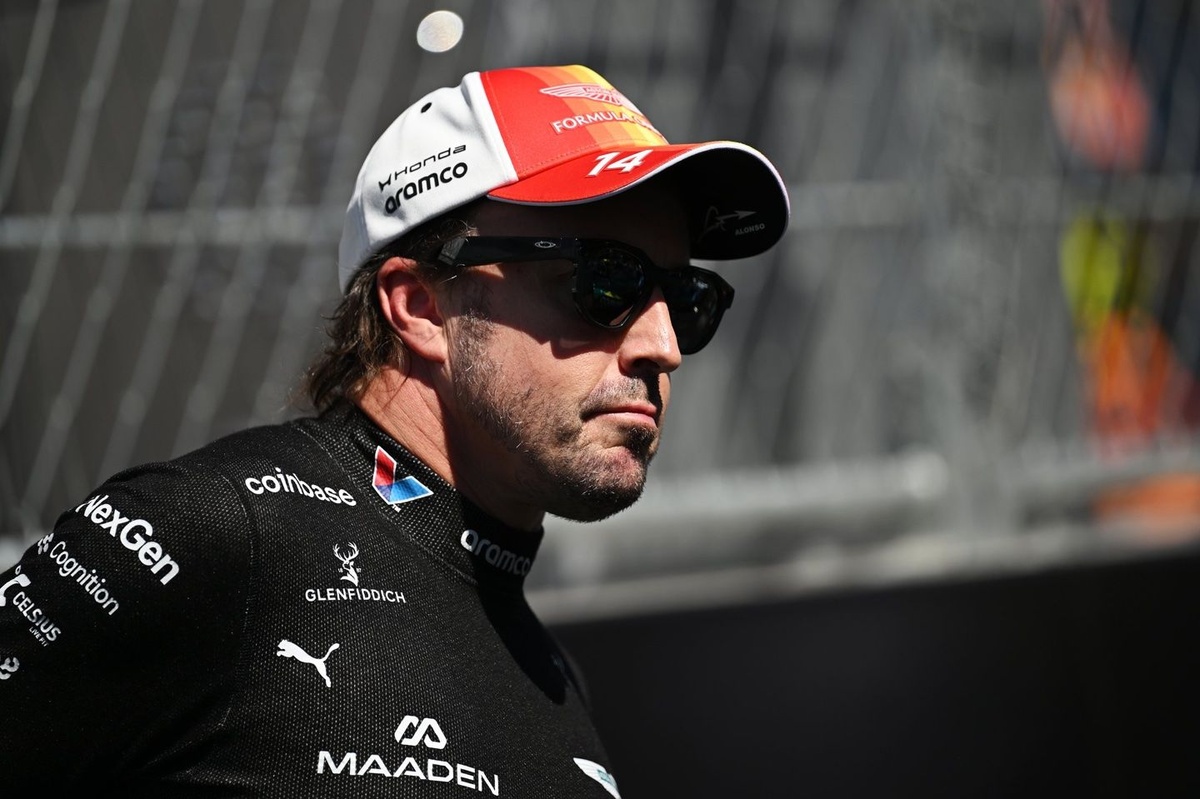
Aston Martin team boss Mike Krack believes the team had enough pace to fight for the top of the midfield at Madring.
Alonso’s Damage Left Aston Martin Without a Clear Answer
The Aston Martin Madring weekend therefore ended with an important question still unresolved. The team believes the AMR26 had enough race pace to fight strongly in the midfield, but Alonso’s damaged car prevented it from demonstrating that performance over a full Grand Prix.
Moreover, the rapidly improving grip levels at the new Madrid circuit made the competitive picture harder to predict. Aston Martin appeared to have a stronger package than the final result indicated, yet it did not get the clean race needed to prove it.
For Krack, the conclusion is clear: the AMR26 had the potential to fight for the midfield win at Madring, but the damage suffered early in Alonso’s race ultimately hid that potential from the results sheet.
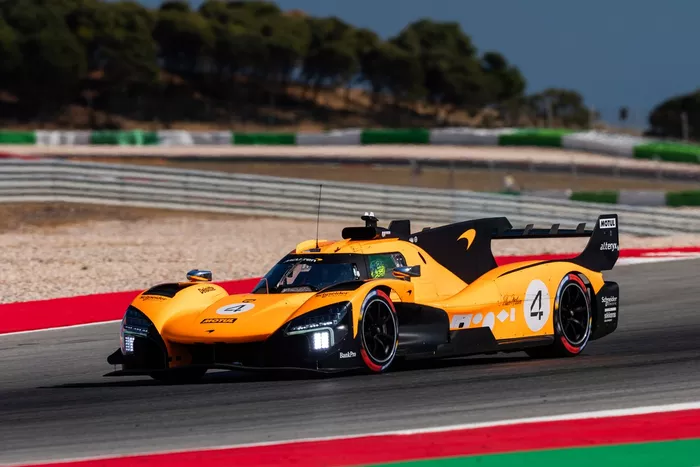
Fresh from the Spanish Grand Prix, Lando Norris jumped into McLaren’s MCL-HY Hypercar at Portimão for his first full test of the car ahead of the team’s 2027 Le Mans return.
Lando Norris wasted little time changing from Formula 1 to endurance racing machinery. Just hours after the Spanish Grand Prix, the reigning F1 champion traveled to Portugal and completed his first full test in McLaren’s new MCL-HY Hypercar at Portimão.
The British driver completed 38 laps around the 4.653-kilometer Algarve International Circuit. The test formed part of McLaren’s development program for its return to the FIA World Endurance Championship and the 24 Hours of Le Mans in 2027.
Norris was not simply there for a promotional drive. He worked through development items and provided feedback based on his Formula 1 experience, giving McLaren additional data during a crucial phase of the Hypercar’s development.
Norris Quickly Adapted to the MCL-HY
The test came immediately after a frustrating Spanish Grand Prix for Norris. He had started from pole position and controlled much of the race, only to lose the advantage when a badly timed Virtual Safety Car allowed rivals to make cheaper pit stops.
He eventually finished third behind Andrea Kimi Antonelli and Max Verstappen. McLaren subsequently sent him directly to Portimão, where he could put that disappointment aside and focus on an entirely different type of race car.
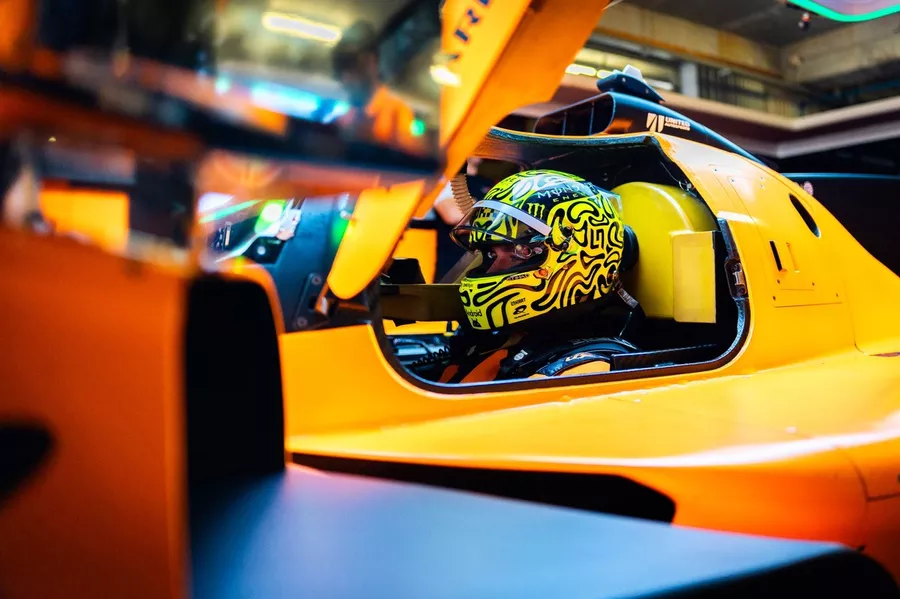
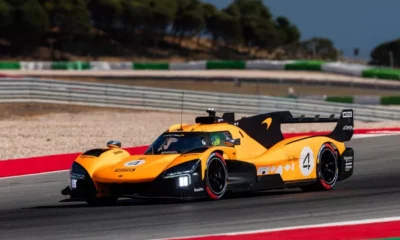
Lando Norris drives McLaren’s MCL-HY Hypercar during his first full test at Portimão.
Norris said the opportunity was particularly enjoyable because he had not conducted a serious test in a car outside Formula 1 for several years.
He also highlighted the advantage of remaining within the McLaren organization while exploring another category of motorsport.
38 Laps of Development Work
Norris completed 38 laps during the one-day program, accumulating valuable mileage in the V6-powered prototype. McLaren used the session to evaluate development items and collect feedback from a driver accustomed to operating at the highest level of single-seater racing.
The MCL-HY is based on a Dallara-developed LMDh chassis and uses a twin-turbocharged V6 engine combined with the standardized hybrid system required by the regulations. McLaren developed the car as its new challenger for the highest class of the WEC.
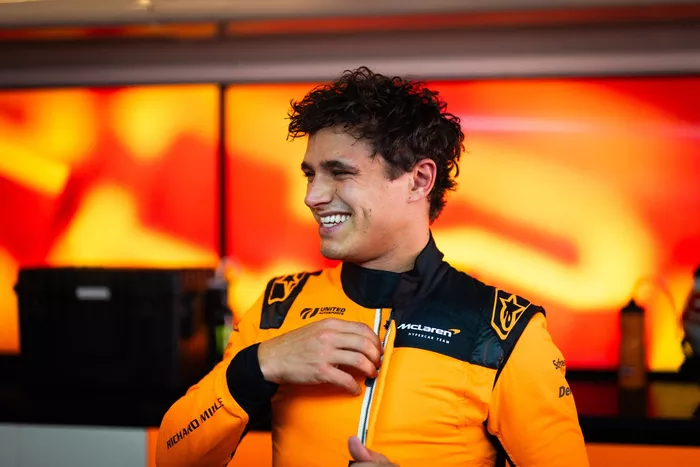
McLaren’s MCL-HY is the Hypercar that will carry the brand back into the FIA World Endurance Championship and Le Mans in 2027.
The test program has already included multiple circuits as McLaren works toward homologation. Portimão represents another important step in understanding the car before its competitive debut next season.
For Norris, the value went beyond simply learning another race car. His feedback can provide the engineering group with a different perspective on braking, balance, drivability and the way the prototype responds to changes.
McLaren Wants Norris’ F1 Experience to Help
James Barclay, who leads McLaren’s Hypercar operation, explained that the company’s broader racing structure creates opportunities for its drivers to move between different categories.
Norris had already driven the MCL-HY during its public debut at the Goodwood Festival of Speed. The Portimão session was therefore his first opportunity for a much more substantial development test.
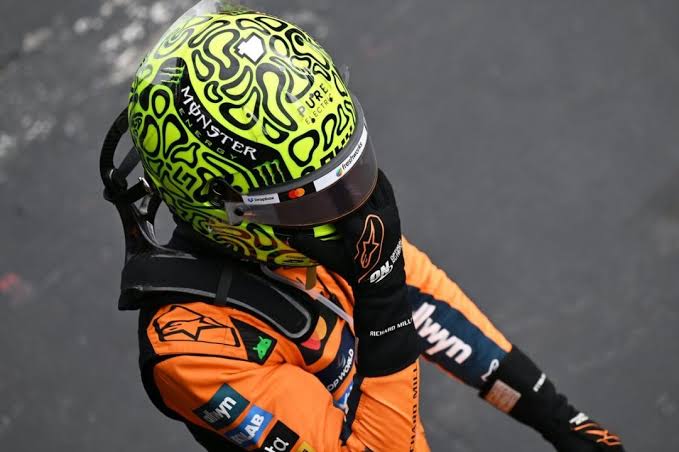
Lando Norris previously drove the MCL-HY at Goodwood before joining McLaren’s development testing program at Portimão.
McLaren is targeting a major return to endurance racing in 2027. The MCL-HY will compete for overall honors in the WEC and at Le Mans, while the team continues a comprehensive testing program ahead of homologation.
Norris Adds Another Chapter to McLaren’s Le Mans Project
McLaren’s return carries particular historical significance. The company won the 24 Hours of Le Mans outright in 1995 with the F1 GTR, and the MCL-HY represents its return to the top level of endurance racing more than three decades later.
The new program also completes McLaren’s current pursuit of motorsport’s traditional Triple Crown. The brand has already won the Monaco Grand Prix and Indianapolis 500, while another overall Le Mans victory would complete that achievement once again.
Norris also has previous endurance-racing experience. Before reaching Formula 1, he competed at the 2018 24 Hours of Daytona, giving him an earlier taste of the very different demands of prototype racing.
Lando Norris MCL-HY Test Opens an Interesting Possibility
The Lando Norris MCL-HY test gives McLaren another experienced driver to contribute to an increasingly ambitious endurance program. The immediate objective is development, not a race debut, but Norris’ enthusiasm for the car makes the possibility of future involvement particularly intriguing.
For now, the focus remains on getting the MCL-HY ready for its 2027 WEC campaign and return to Le Mans. However, after 38 productive laps at Portimão, Norris has already gained his first substantial experience of the machine that will carry McLaren back to the top level of endurance racing.
-

 TEST DRIVES2 months ago
2026 Maserati MCPura Cielo
-

 NOW TRENDING2 months ago
2027 Range Rover GT Debuts as the Brand’s Lowest EV
-

 INTELLIGENT MOBILITY2 months ago
2027 Toyota Crown Gets New Hybrid System and Fresh Design
-
 NOW TRENDING2 months ago
Mercedes-AMG Admits the C63 Hybrid Was a Mistake for Buyers
-

 NOW TRENDING2 months ago
Honda Civic Si Production Ends After 2026 Model Year Pause
-

 NOW TRENDING2 months ago
Next-Gen Cadillac CT5-V Blackwing Could Keep the V8 Alive
-
 NOW TRENDING2 months ago
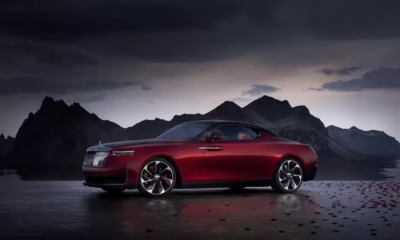
Rolls-Royce’s $32 Million Droptail Took 9 Months of Handcrafted Woodwork
-

 NOW TRENDING2 months ago
2027 Toyota Sequoia Adds Trailhunter Package and New Tech
You must be logged in to post a comment Login