
Automobili Lamborghini unveils its first plug-in hybrid (PHEV) technology demonstrator, the Lamborghini Asterion LPI 910-4, making its world debut at the 2014 Paris Mondial de l’Automobile. Clearly a Lamborghini, Asterion is a conceptual car housing a plug-in hybrid powertrain designed to Lamborghini objectives: The Asterion defines a solution to significantly reducing CO2 emissions through technologies available today, guaranteeing the unique Lamborghini driving feel with a smooth and reactive driveability and with superior power, including an exceptional pure electric range of 50 km.
Conceived and developed entirely in-house by Lamborghini, the Asterion LPI 910-4 takes the design and cutting-edge engineering expertise found in the current Lamborghini product range, adding innovative hybrid technology, creating thus a Lamborghini that is clearly different – with a new, unexpected and sensual design, in line with the technical characteristics of the car – but yet is still unmistakeably a Lamborghini.
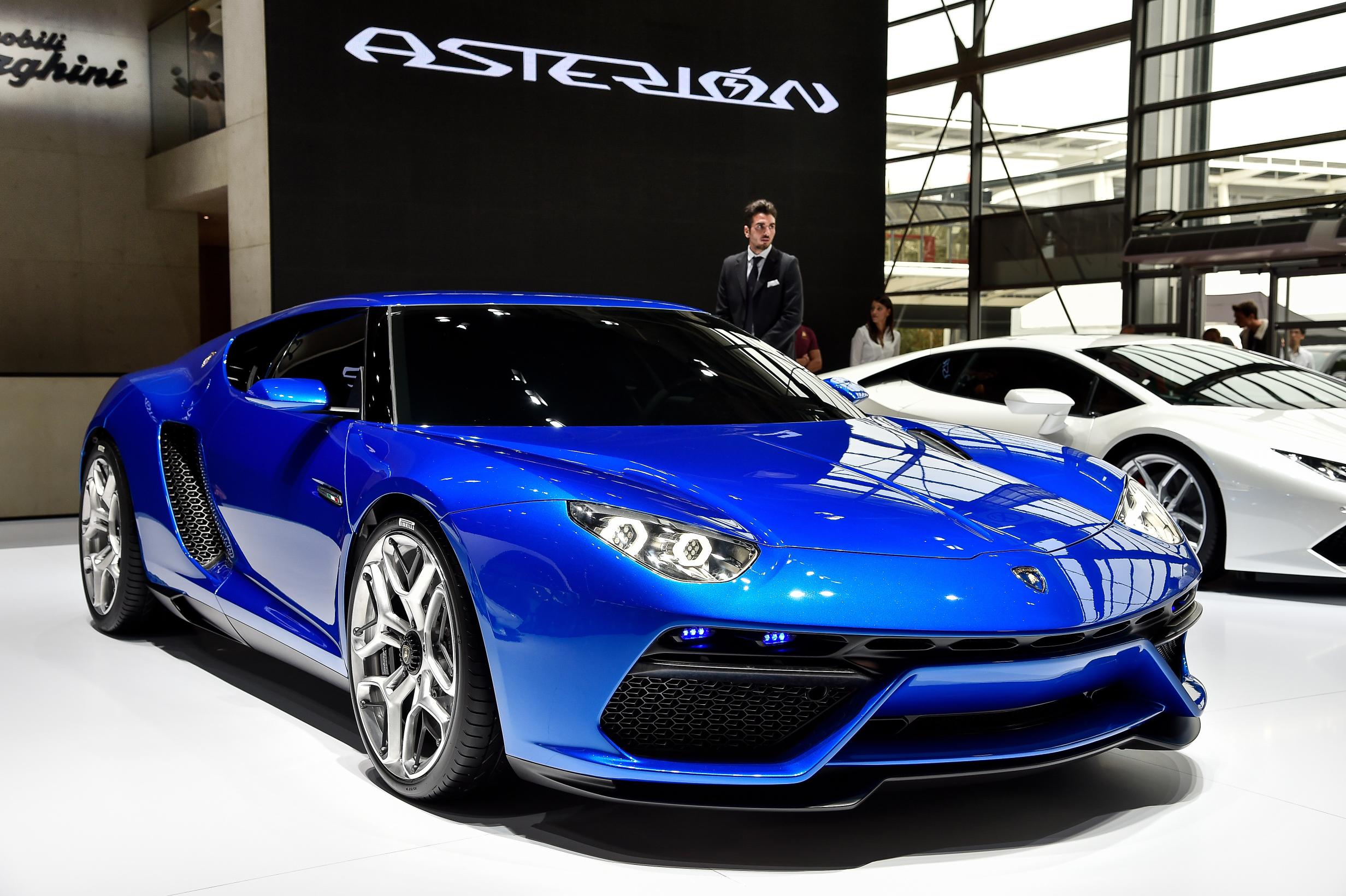
Asterion is a technology demonstrator representing a Lamborghini model that could be realistically produced today, using technologies currently available and drawing on Lamborghini’s own expertise.
“Lamborghini is always looking ahead, investing in new technologies and setting new benchmarks, delivering the unexpected,” says Stephan Winkelmann, President and CEO of Automobili Lamborghini.
“Lamborghini continues to focus on weight reduction as a means to reducing CO2, for example through the investment in carbon fiber engineering, which also contributes to our quest for the best super sports car handling and performance. To significantly reduce emissions on a car in this moment however, plug-in electrification is the best option for us, because for Lamborghini such a car must still provide a truly emotional driving experience. In the Asterion this is guaranteed through a naturally aspirated engine that is combined with PHEV technology, which not only offers exceptionally low CO2 emissions of 98 g/km, but a practical pure electric driving range of 50 km.
The Asterion LPI 910-4 is a true Lamborghini: emotional, with a stunning design, powerful, yet conceived more for comfortable luxury daily cruising than for ultimate track performance.”

For the Lamborghini Asterion LPI 910-4, a PHEV solution is the clear Lamborghini choice. The Asterion provides all-important urban driving under purely electric power, a significant range of 50 km for the car when powered only by battery energy, and the emotion and power of a naturally aspirated Lamborghini engine for a unique driving experience.
Fuel consumption is 4,12 l/100 km combined cycle (NEDC). The weight of the hybrid technology is 250 kg. The Asterion’s objective of significantly reducing C02 emissions, while maintaining an engaging and emotional Lamborghini cruising experience, is achieved with exceptional CO2 emissions of 98 g/km.
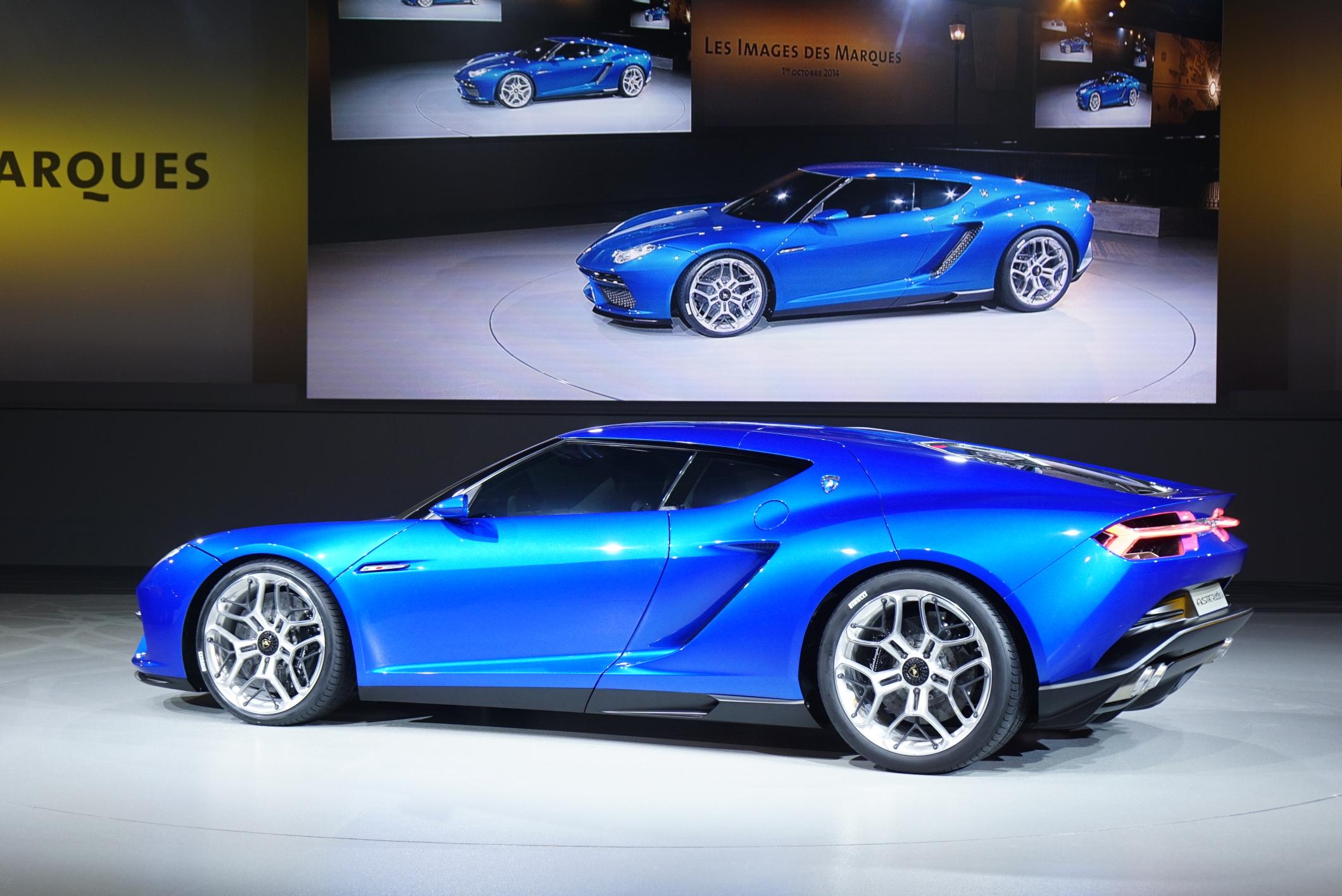
Based on a monocoque made entirely of carbon fibre, a V10 5.2 liter FSI engine is located longitudinally as a mid-engine, as in Lamborghini super sports cars. The extremely fast shifting 7-speed dual-clutch transmission is located behind the engine at the rear transaxle. The housing of the powerful lithium battery is placed longways in the central tunnel area, normally reserved for the transmission. This allows for better balance of the car and also protects the battery area in case of lateral crash impact.
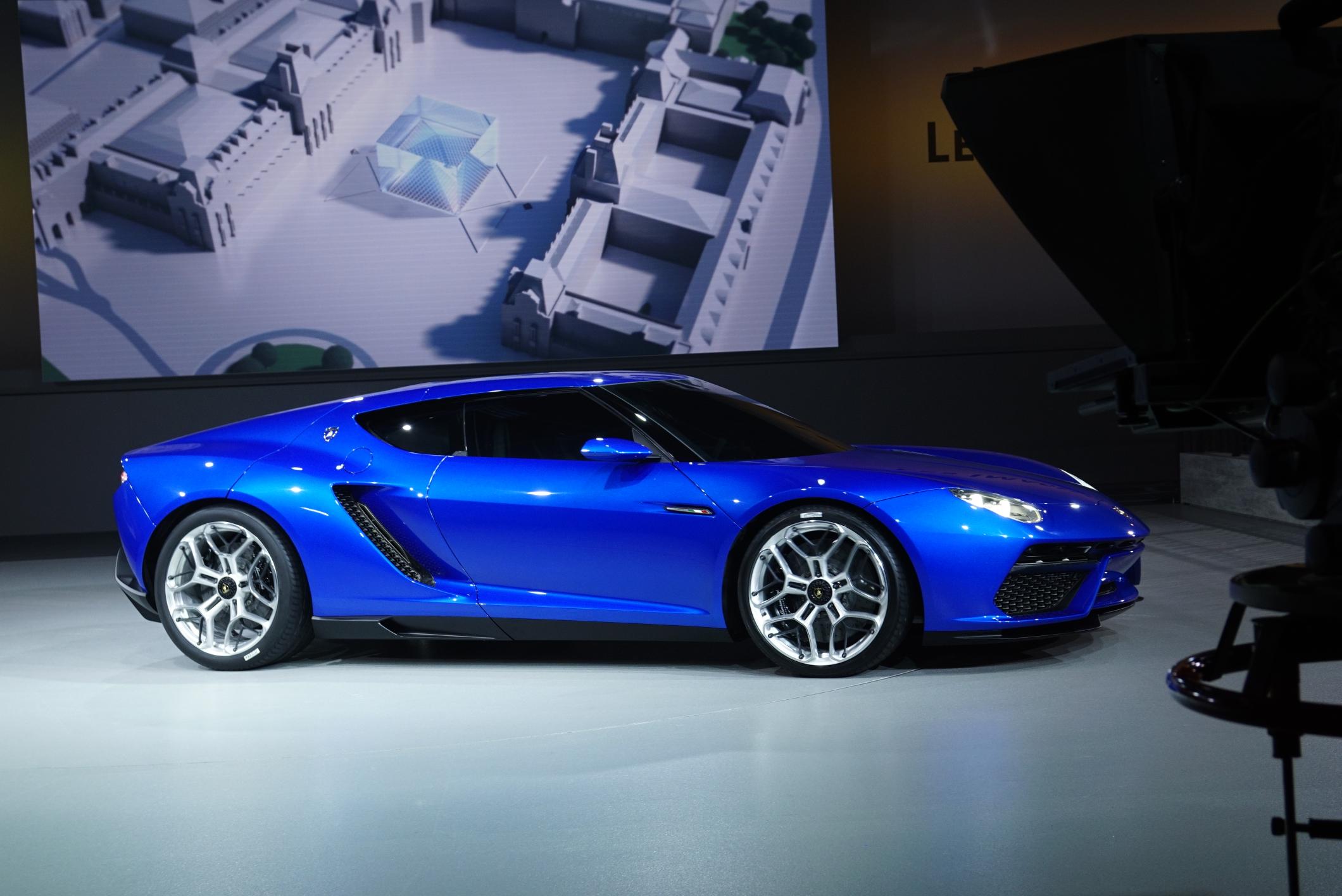
The Asterion’s hybrid architecture is realized with an electric motor incorporating an integrated starter motor and generator (ISG) which is placed between the V10 engine and the double clutch gearbox, and two electric motors at the front axle fed by the ISG power with a torque vectoring function. This system allows the Asterion two different driving modes: in hybrid mode it is combining the V10 engine with the three electric motors guaranteeing a permanent four-wheel drive without being dependent on the battery’s state of charge. In pure electric drive mode only the two electric motors in the front are used.
The V10 5.2 l longitudinally-placed, naturally aspirated mid-engine provides a maximum power output of 449 kW (610 hp) with 560 Nm of maximum torque available. Combined with the three electric motors providing a further 220 kW (300 hp), total hybrid power is achievable to a maximum of 669 kW (910 hp). The combined action of the two propulsion systems ensures an exceptional dynamic impulse: acceleration of 0-100 km/h takes place in 3.0 seconds. With a top hybrid/combined speed of 320 km/h the Asterion LPI 910-4 also reaches up to 125 km/h under pure electric power. More importantly for city driving the Asterion has a pure electric range of 50 km, putting it top of the class for hybrid super sports cars.

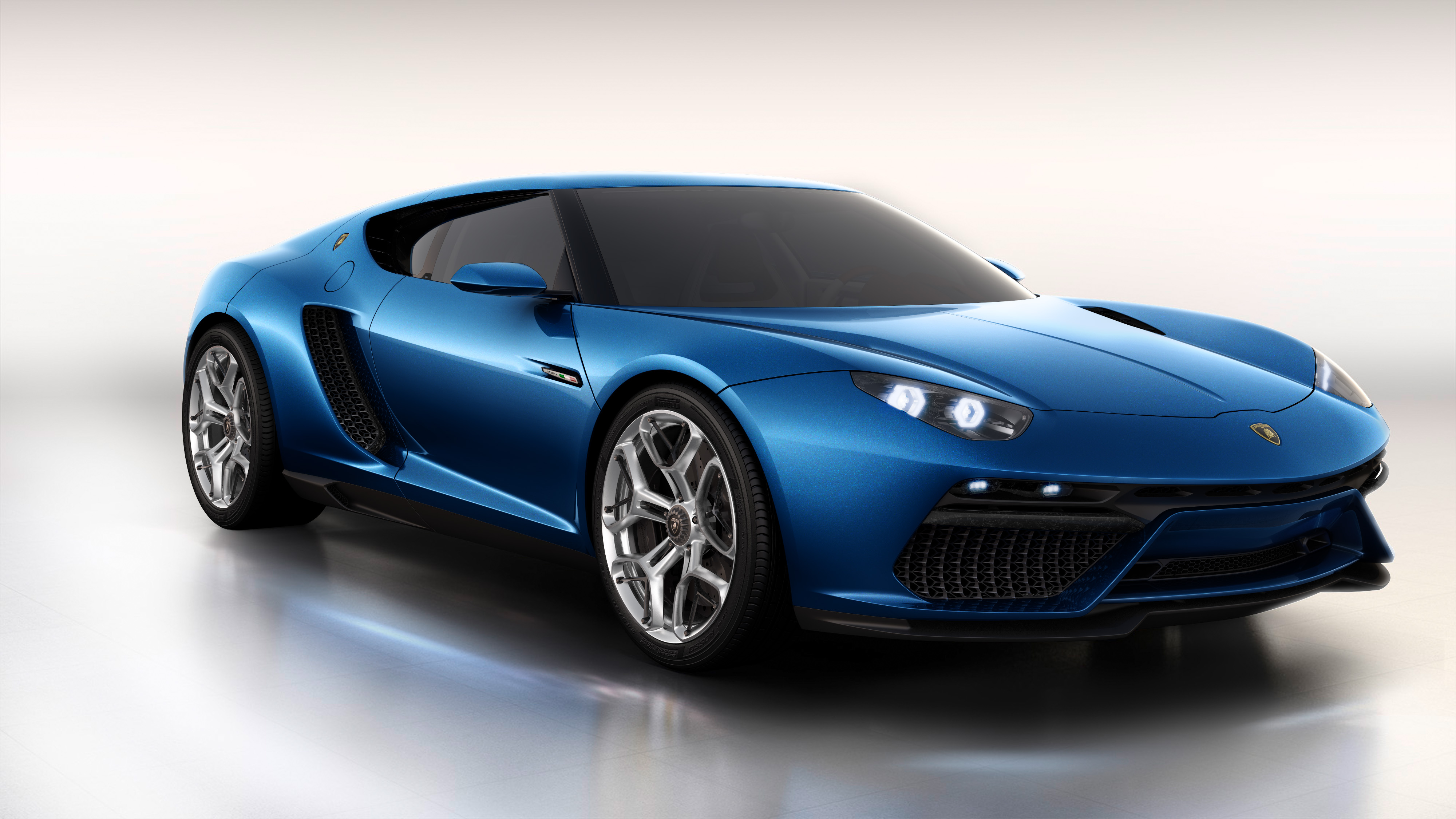
The Blue Elektra glittered color of the Asterion as well as the new design language reflect the technological concept behind the car.
Designed by Lamborghini Centro Stile, the Asterion contains the unmistakeable Lamborghini DNA and heritage and yet is clearly different from the existing Lamborghini super sports car models. The Asterion touches new boundaries, with an innovative and unexpected design language which explores curves and sensuality, smooth transitions from panel to panel, and few sharp edges. The result is a pure, essential design.
The Asterion, like all Lamborghini cars, has clearly defined lines, separating flat planes from the side of the car and distinguishing between panels. Light and shadow accentuate the volumes of the car, highlighting the muscularity of Asterion yet giving the car a more slender elegance.
The front end of the car is produced as a single component, giving the Asterion a dynamic look, emphasised through the positioning of its four ‘eyes with eyebrows’: headlights are realized in materials including forged carbon and titanium.
The front air intakes are characterized by an active air cooling system which uses a double layered grid for the first time in a Lamborghini: one metal and one titanium grid are embedded into each other, one containing the Y leitmotiv and the other the hexagon theme, creating a tri dimensional effect and standing out against the body color.
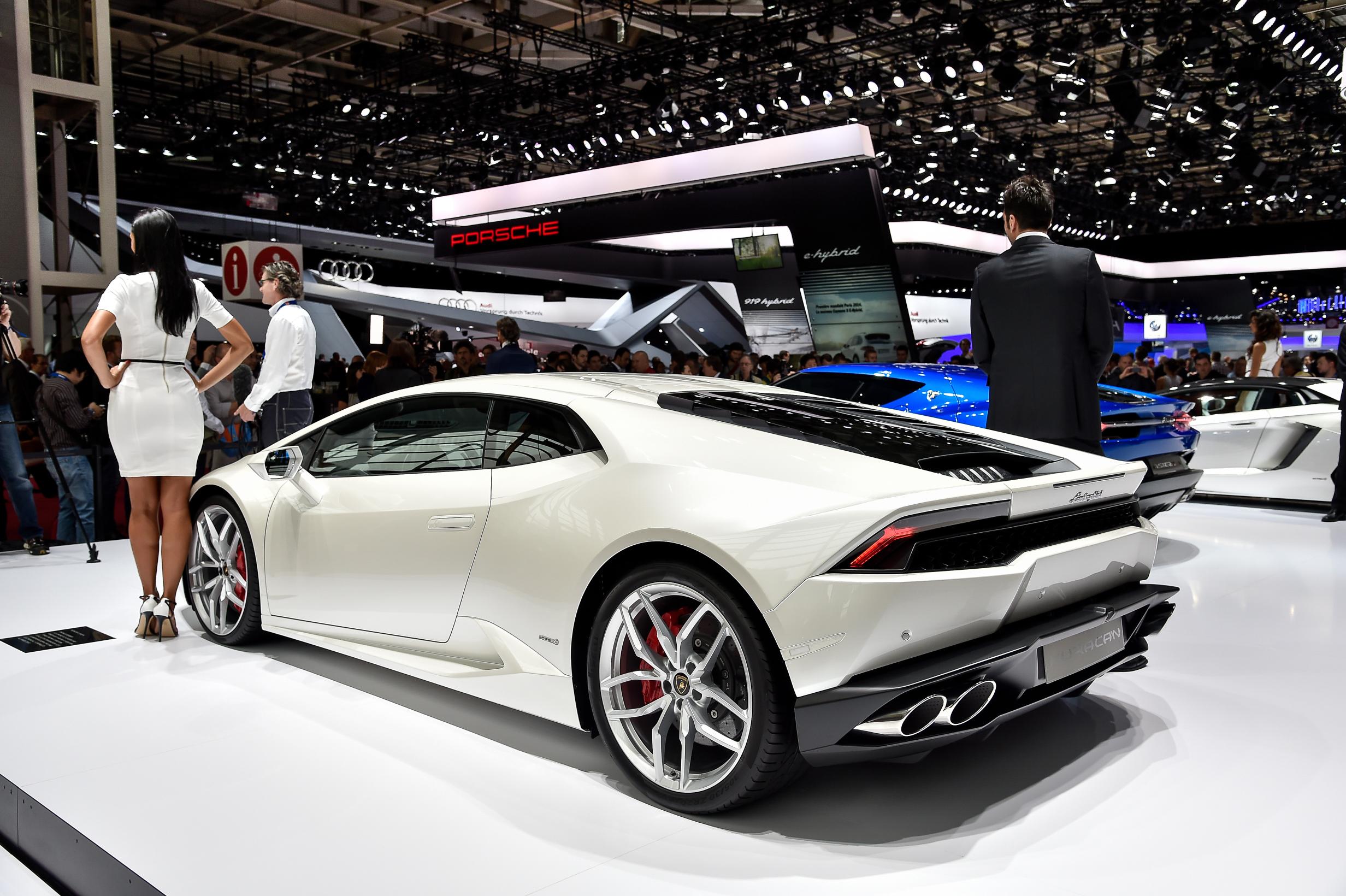
The powerful rear end stands out for its shape and remarkable rear lights, including a grid covering two radiators, and a clear separation between body colour and black parts. A transparent engine cover in the rear is an aesthetic detail linking to the hybrid technology beneath, comprised of three hexagonal glasses that turn according to the engine driving mode: pure electric, hybrid power or pure thermal engine power.
The Pirelli tyres are fitted to 20″ and 21″ rims in carbon components, and surrounded by welldefined mudguards embedded within the body of the car that contribute to the muscular road presence of the Asterion.
The Asterion’s doors are large, opening outwards and permit easy access to the car’s interior. Creating an ergonomically spacious cabin for the car’s occupants with a comfortable seating position, the angle of the black A Pillars gives a more vertical windshield and a higher head clearance, while visually extending the front of the car, which includes a luggage compartment. Thus the interior of the Asterion guarantees an appropriate roominess for the passengers.
A lit tricolore flag on the door reminds of Asterion’s Italian heritage and a discreet Raging Bull shield is embedded in the side of the car.
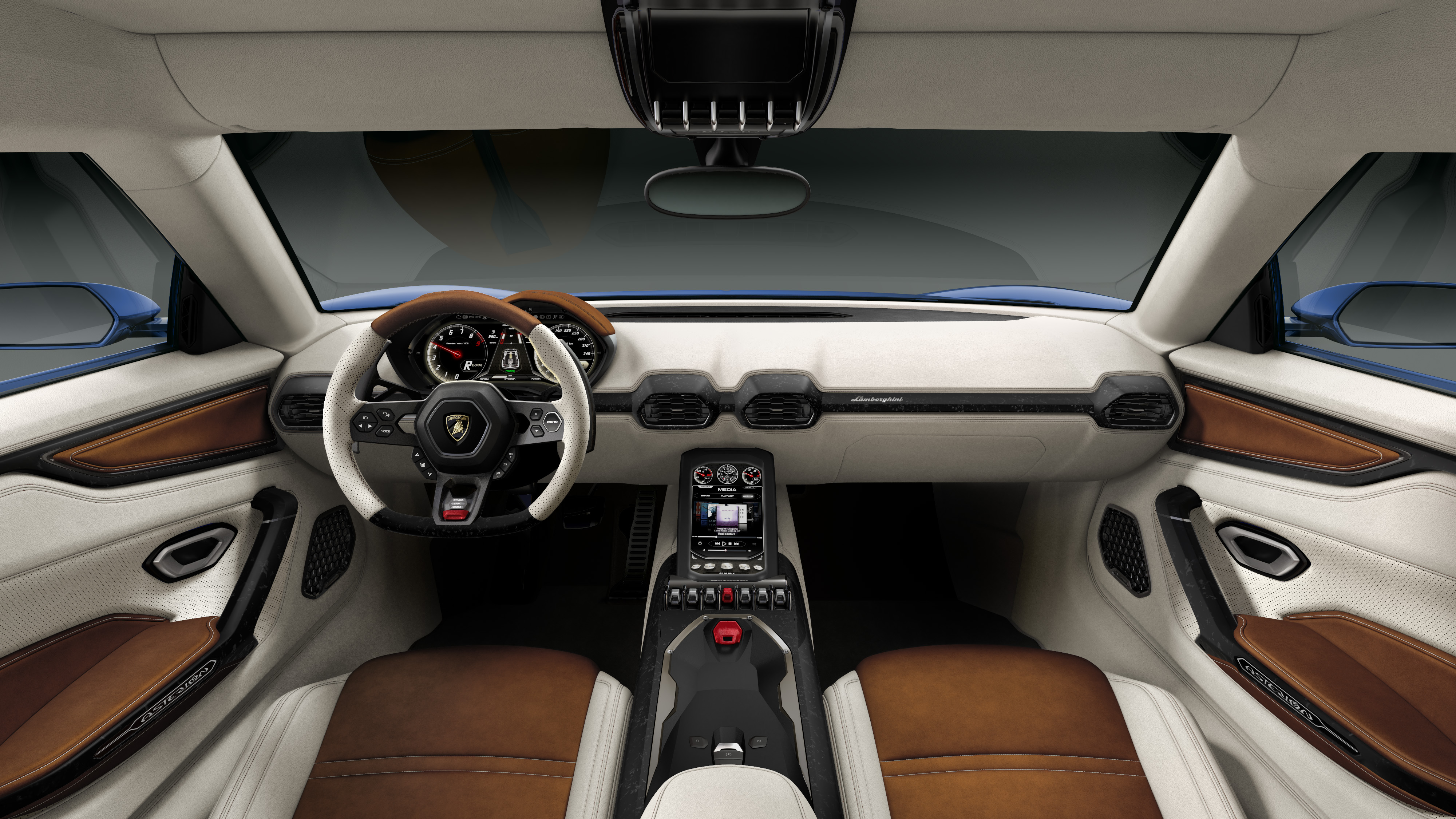
The clear, minimal and modern interior of the Asterion reflects the exterior design yet with a classic look and feel. Internally, the two seats are positioned higher than those in Lamborghini super sports cars, ensuring a car for comfortable every day cruising rather than extreme performance and handling.
Extensive Bianco Celaeno (ivory) and Marrone Attis (brown) leather immediately confirm the luxurious drive experience of the Asterion with an elegance from combining materials including aluminium and forged carbon fibre, as well as titanium that is also visible in the iconic three spoke steering wheel design drawn from the Miura. However, the Asterion’s steering wheel also includes three buttons from which the driver selects his engine driving mode: Zero – for zero emissions/full electric; I for ‘Ibrido’ (hybrid); and T for ‘Termico (thermal) power. Finally, a portable tablet allows the car’s occupants to manage climate control and other functions including GPS and in-car infotainment.
Asterion LPI 910-4 – LP stands for ‘longitudinale posteriore’, the position of the conventional engine, I stands for ‘ibrido’, 910 for the system power and 4 for the permanent 4WD system – is the new concept of a new kind of dream car designed by Lamborghini starting from an intuition: the key for anticipating the future lies in a transformation and hybridisation of Lamborghini’s own DNA.
With the Asterion, a hyper cruiser is born: a mix of elegance with the pure seduction offered by driving a Lamborghini, a car whose powerful engine meets the sustainability of hybrid technology, thanks also to its lightweight chassis in carbon fiber.
The Lamborghini Asterion is inspired by a legend: Asterion is the proper name of the mythical Minotaur, a hybrid figure and symbolic crossbreed telling a story of the powerful fusion between intellect and instinct, part man and part bull, creating an ever powerful archetype Thus, Lamborghini sticks to its tradition of giving its models a name taken from the world of bulls, but at the same time adding an innovative element, a hybrid DNA: the strength of a bull delivered by the naturally aspirated engine is combined with the human rationale delivered by the hybrid technology.
This is how Lamborghini prepares for the future with the Asterion, the first hyper cruiser.



There couldn’t have been a better place to discover the personality of the new Maserati MCPura Cielo than Miami during Formula 1 weekend.
As my flight touched down at Miami International Airport, the city was already buzzing with the unmistakable excitement that surrounds Formula 1. Every luxury hotel entrance was lined with Ferraris, Lamborghinis, McLarens and Porsches. Miami becomes America’s capital of automotive passion for one week every year.
Waiting for me was something different.

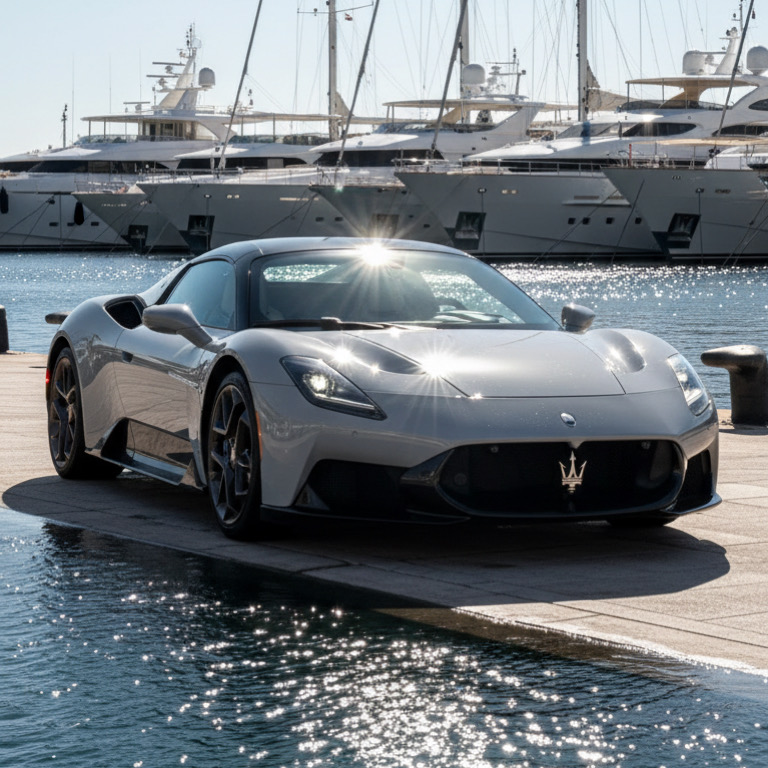
2026 Maserati MCPura Cielo, finished in the elegant Grigio Incognito over an Ice Grey Alcantara interior with extensive carbon fiber trim and premium Sonus Faber audio. Configured at just over $308,000, it represents Maserati’s latest interpretation of an exotic convertible, not by copying its rivals, but by staying true to Italian grand touring heritage while delivering genuine supercar performance.
First Impressions: Exclusivity Over Flash
One thing became obvious before I even left the airport. Everyone recognizes a Ferrari. Everyone recognizes a Lamborghini. Very few recognize the MCPura Cielo. That turned into one of the car’s greatest strengths throughout my weekend in Miami.
Instead of hearing people say, “Nice Ferrari,” they walked over asking, “What Maserati is this?”

There’s something refreshing about driving a car that isn’t chasing attention.
It earns it.
Its proportions are stunning. The carbon-fiber monocoque, butterfly doors, dramatic front fascia, and clean rear design make it look exotic without feeling theatrical.
Performance That Doesn’t Need to Prove Anything
Underneath the beautiful bodywork is Maserati’s Formula 1-inspired engineering.
The 3.0-liter twin-turbocharged Nettuno V6 produces over 620 horsepower, sending power to the rear wheels through an eight-speed dual-clutch transmission.

Numbers only tell part of the story. Unlike several competitors that feel brutally quick but emotionally distant, the MCPura Cielo communicates with the driver.
Throttle response is immediate. Steering feels incredibly precise. The chassis constantly tells you what the front tires are doing. Even through Miami traffic, there was a remarkable sense of connection that many electrically assisted supercars have started to lose.
Miami Became My Test Track
Most automotive journalists evaluate supercars on race tracks. I believe luxury buyers spend 95% of their time on real roads. Miami proved to be the perfect environment to understand what this Maserati is actually built for. From downtown traffic to the causeways, from Ocean Drive to Brickell, the suspension remained surprisingly compliant.

Visibility is better than expected. The dual-clutch transmission behaves smoothly at low speeds. Unlike some exotic cars that constantly remind you they’re race cars with license plates, the MCPura Cielo is surprisingly approachable. That’s exactly what makes it such a compelling alternative to its competitors.
Sunrise: Where the Cielo Truly Comes Alive
The defining moment came just before sunrise.

With the retractable roof open, Miami’s warm ocean breeze entering the cabin, and the first rays of sunlight reflecting across the Grigio Incognito paint, I finally understood why Maserati named it Cielo.
“Cielo” means sky.

This isn’t simply a convertible version of the coupe. It’s an entirely different experience.
Without a roof separating you from the engine, every acceleration becomes more immersive.
The Nettuno V6 doesn’t produce the deep thunder of a naturally aspirated V12.

Instead, it delivers a sophisticated mechanical soundtrack that’s unmistakably Italian.
That sunrise drive reminded me that performance isn’t measured only in acceleration.
It’s measured in emotion.

Wynwood: Automotive Art Meets Street Art
Later that afternoon, I headed toward Wynwood.
This became one of the most memorable photography sessions I’ve ever experienced.
Wynwood has always celebrated artistic expression.

The MCPura Cielo fits perfectly into that environment because it doesn’t feel engineered solely by computers. It feels sculpted.
The flowing body lines, dramatic air intakes, and elegant proportions looked like another piece of art against Miami’s colorful murals.

Several people stopped not because it was the loudest supercar there, but because they had never seen one before.
That’s exclusivity.
Calle Ocho Shows Another Side
Perhaps the biggest surprise happened on Calle Ocho. Most supercars feel uncomfortable outside luxury neighborhoods. The Maserati didn’t. Families smiled. People asked questions. Children pointed at the Trident.

Unlike brands that project intimidation, Maserati projects elegance. That emotional connection matters. Because buying a $300,000 automobile isn’t simply about specifications.It’s about how the car makes you feel every time you drive it.
How Does It Compare?
After spending several days behind the wheel, I couldn’t help comparing it with today’s exotic market.
The Ferrari 296 GTS is faster and more track-focused.
The McLaren Artura Spider feels lighter and incredibly clinical.
The Lamborghini Temerario is louder and more dramatic.
The MCPura Cielo occupies a completely different space.

It combines supercar performance with genuine luxury, everyday drivability, and Italian craftsmanship in a way few manufacturers still pursue.
Rather than trying to dominate every specification sheet, Maserati focused on creating a car owners genuinely want to drive. Every day.
Carsfera’s Verdict
The 2026 Maserati MCPura Cielo isn’t designed to win comparison charts. It’s designed to win hearts. During Formula 1 week, surrounded by some of the world’s greatest supercars, it never felt overshadowed. Quite the opposite.

Its rarity, elegant styling, balanced chassis, and unmistakable Italian character made it one of the most interesting cars I experienced all weekend. Miami simply confirmed what Maserati already knew. Performance attracts attention. Character creates memories.
The MCPura Cielo delivers both, and that’s exactly what makes it one of the most compelling exotic convertibles on sale today.
Some cars impress you with outrageous acceleration. Others earn your respect by making everyday life easier. The truly exceptional ones manage to do both without asking you to compromise.
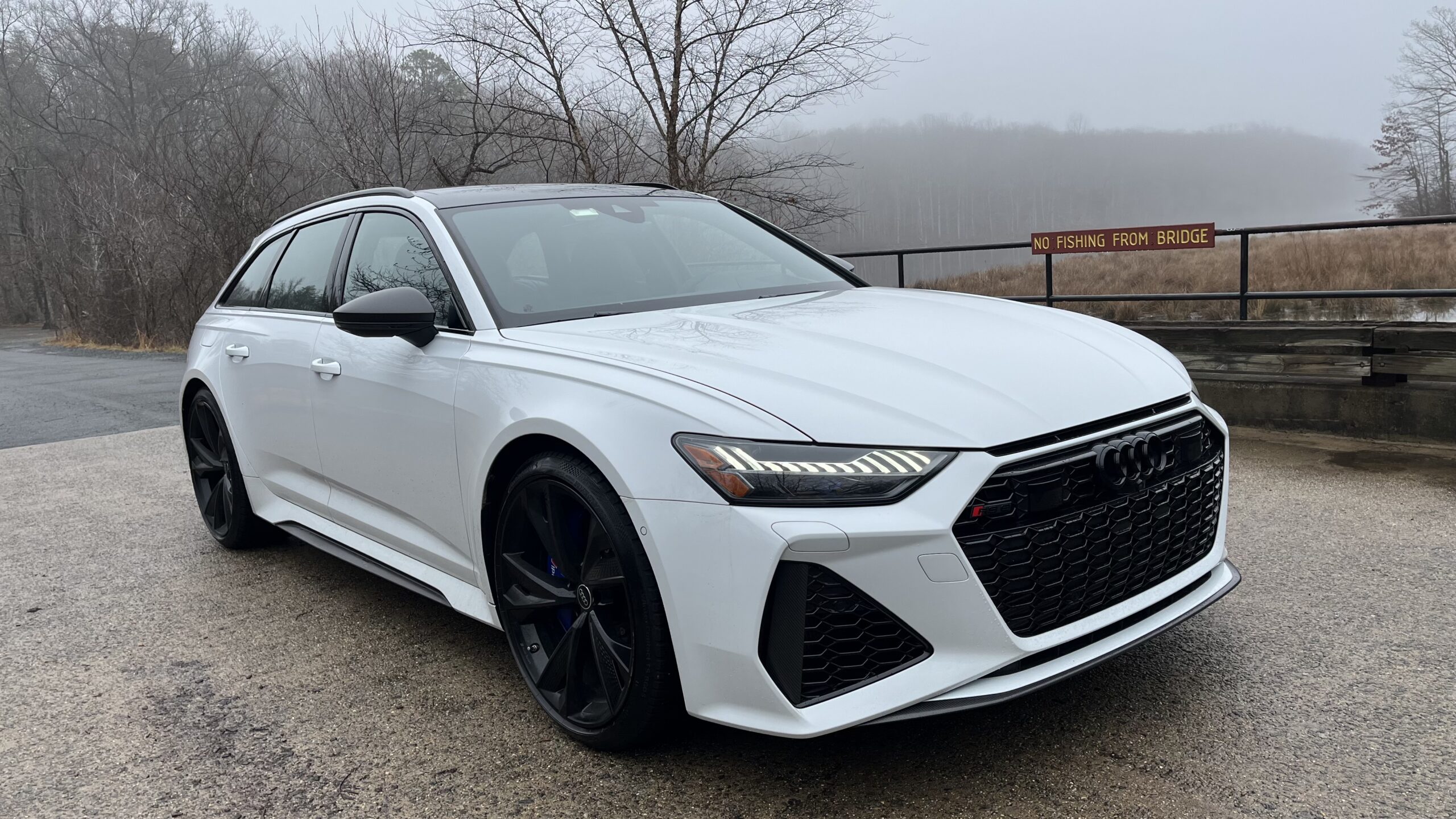
After spending a week with the 2026 Audi RS 6 Avant Performance, I walked away convinced that Audi has created far more than an incredibly fast luxury wagon. It has built a car that perfectly captures what enthusiasts love about the brand at a time when the automotive world is changing faster than ever.
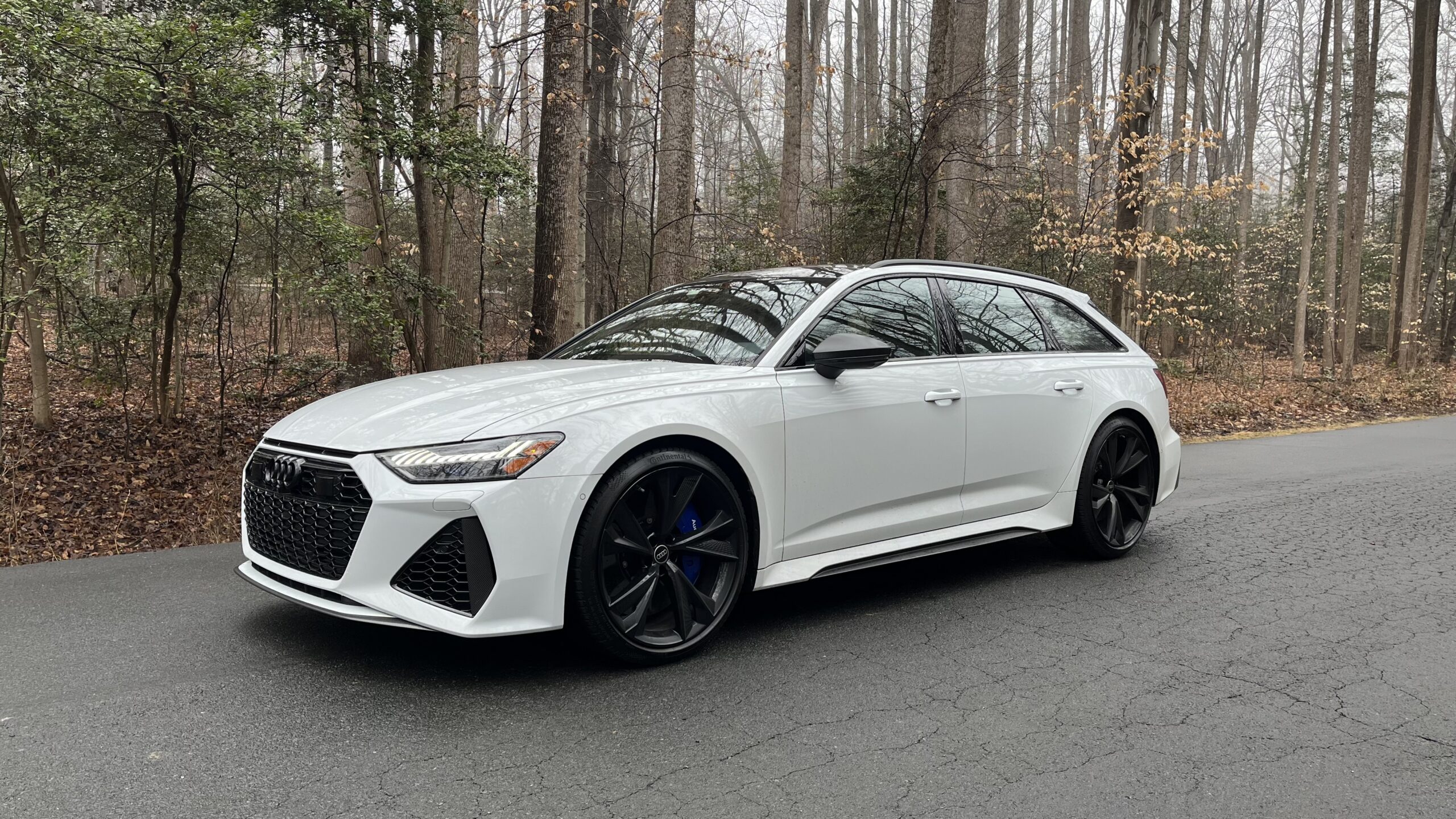
Electrification is reshaping the performance car landscape. Large-displacement engines are disappearing, manufacturers are prioritizing efficiency over emotion, and many new performance cars rely on software to create excitement. Against that backdrop, the RS 6 Avant Performance feels refreshingly authentic. It represents one of the last opportunities to experience Audi’s legendary twin-turbocharged V8 paired with quattro all-wheel drive in a package that can comfortably handle school runs, cross-country road trips, or an early Sunday morning blast down your favorite back road.
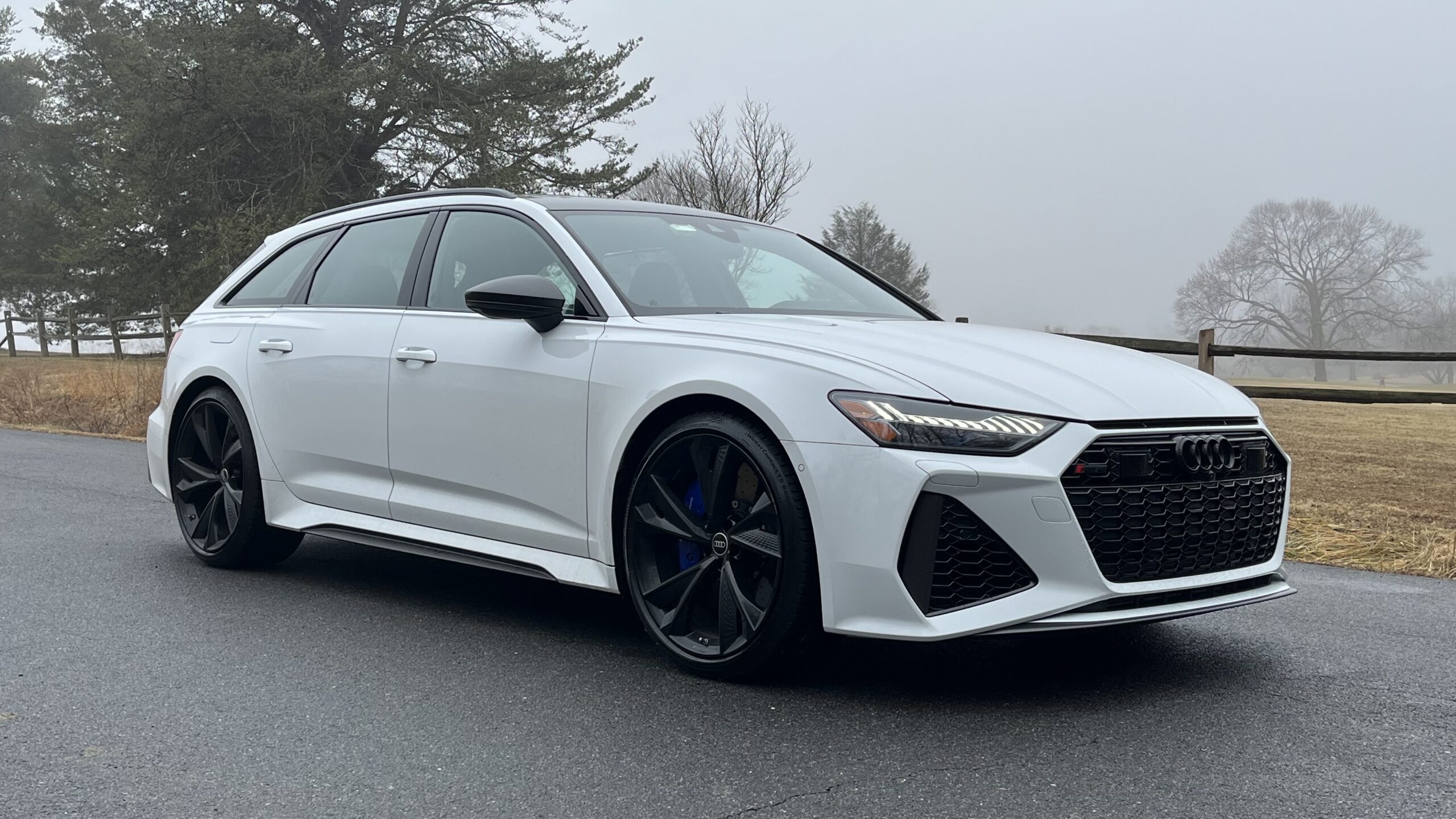
The longer I lived with it, the more obvious it became that this isn’t simply one of the best performance wagons on sale today. It may ultimately be remembered as one of the defining Audis of its generation.
More Than Just a Fast Wagon
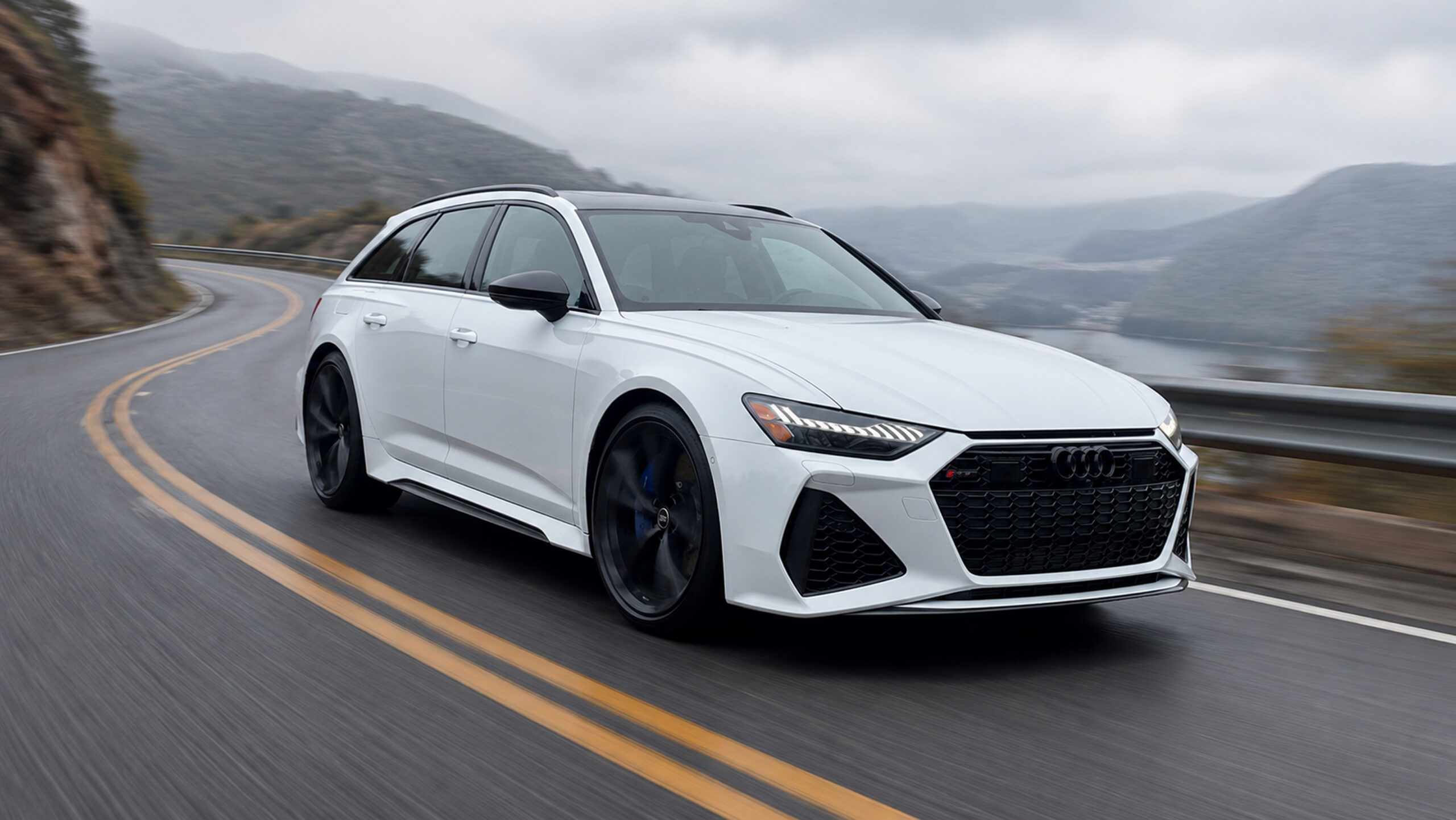
Even standing still, the RS 6 communicates purpose without resorting to theatrics.
Its widened bodywork, muscular wheel arches, honeycomb grille, aggressive front fascia, and massive oval exhaust outlets give it undeniable presence. Yet unlike many six-figure performance cars, it never feels like it’s trying too hard to attract attention. That’s always been one of Audi Sport’s greatest strengths. The design is confident rather than flashy.
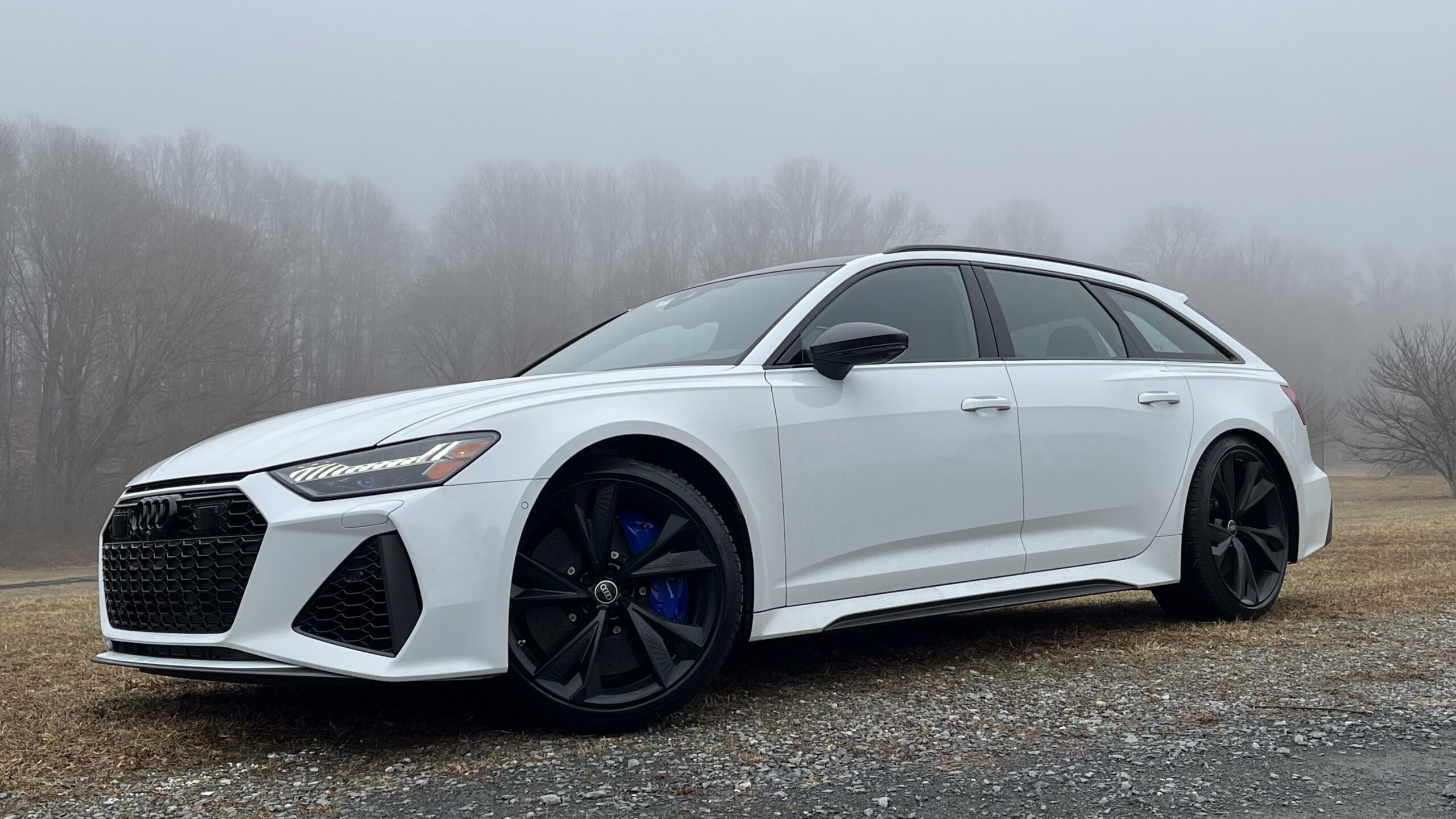
During my week with the car, I noticed something interesting. Enthusiasts immediately recognized it, often giving a thumbs-up or lingering for a closer look. Everyone else simply saw an exceptionally attractive wagon. That subtle dual personality is part of the RS 6’s appeal. It flies under the radar just enough to remain understated while still rewarding those who understand exactly what they’re looking at.
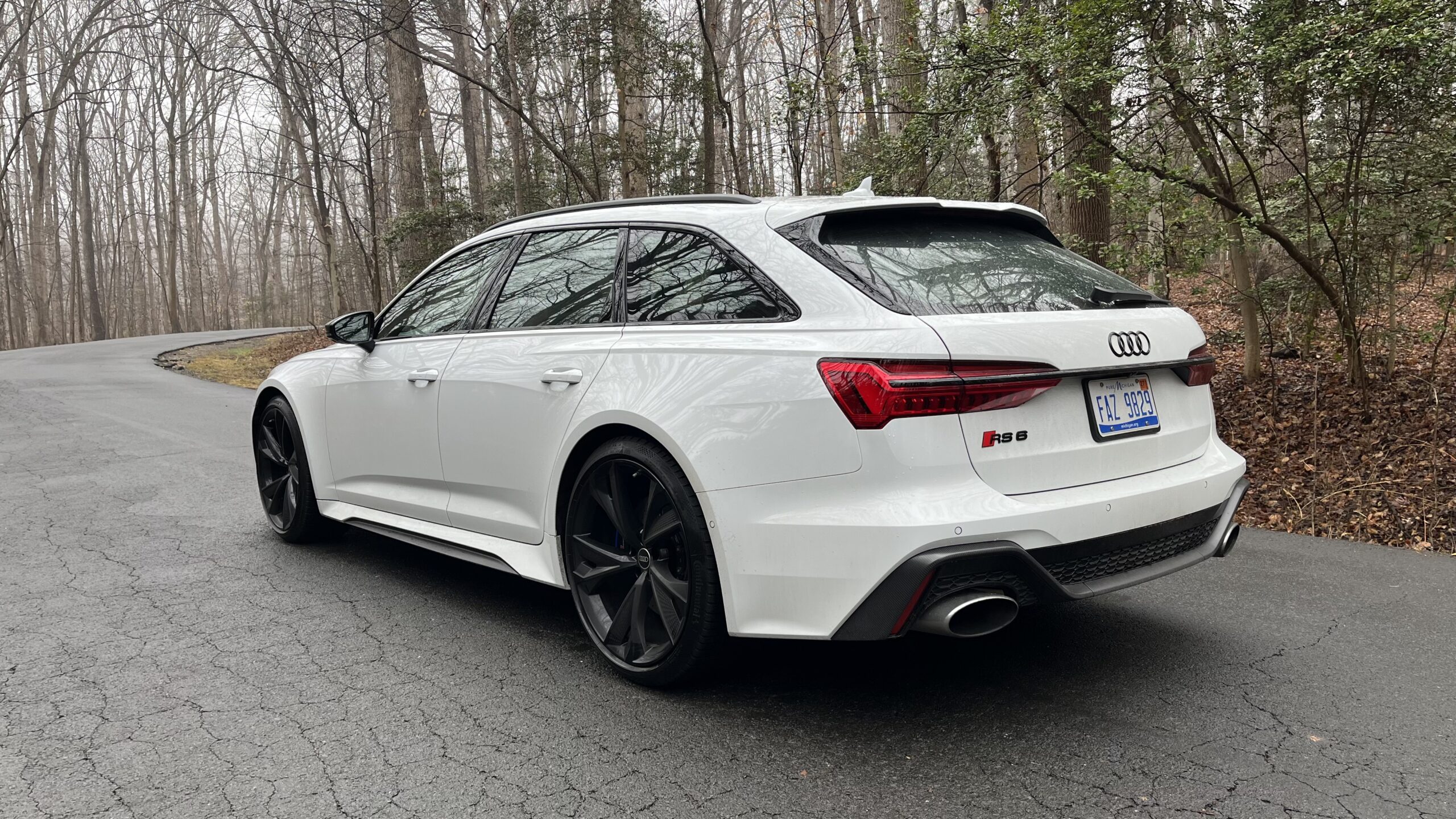
In an era where many high-performance vehicles lean heavily on exaggerated styling, the RS 6 feels mature. Its design isn’t chasing trends, which is one reason I believe it will age remarkably well. Years from now, its proportions are likely to look just as purposeful as they do today.
A Twin-Turbo V8 That Still Feels Special
Press the start button and the 4.0-liter twin-turbocharged V8 settles into a deep, restrained idle. It’s not obnoxiously loud, but there’s enough bass in the exhaust note to remind you that this isn’t an ordinary Audi.
With 621 horsepower and 627 lb-ft of torque delivered through Audi’s legendary quattro all-wheel-drive system, the numbers are undeniably impressive. What surprised me most, however, wasn’t how quickly the RS 6 accelerates. It was how effortlessly it builds speed.
On winding roads, the engine never seems to run out of breath. The torque arrives early and stays consistent, allowing you to focus on choosing the right line rather than chasing the perfect gear. Even after several spirited drives, the drivetrain never felt strained. Instead, it delivered the kind of confidence that encourages you to keep driving long after you originally planned to head home.
Remarkably Comfortable for Everyday Driving
Many cars capable of supercar-like acceleration become tiring after an hour behind the wheel.
The RS 6 isn’t one of them.
One of the biggest surprises during my time with the car was just how refined it felt during normal daily use. Leave it in Comfort mode and the adaptive air suspension smooths out broken pavement with impressive composure. Expansion joints, rough city streets, and uneven highways never upset the chassis. The ride remains composed without feeling disconnected from the road.
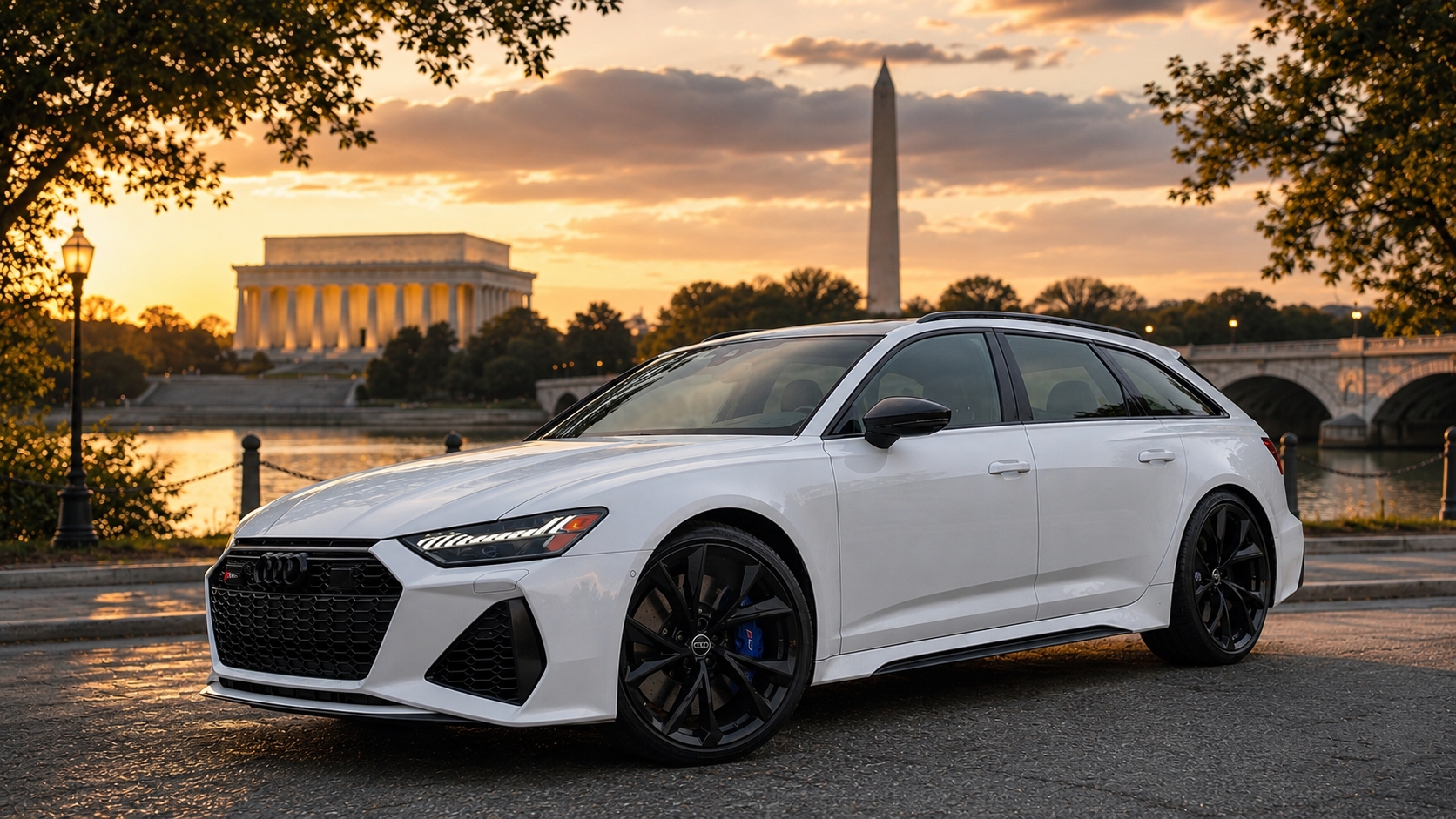
Road and wind noise are impressively subdued, making long highway journeys genuinely relaxing. The front sport seats strike an excellent balance between lateral support and long-distance comfort, while visibility is far better than many performance SUVs or exotic sports cars. After several hours of driving, I stepped out feeling refreshed rather than fatigued.
Switch into Dynamic mode, however, and the personality changes almost instantly. Steering gains weight, throttle response sharpens, the transmission holds gears longer, and the suspension firms noticeably. That transformation is one of the RS 6’s defining characteristics. Few vehicles switch so convincingly between luxury grand tourer and serious performance machine with the press of a button.
An Interior That Prioritizes the Driver
Audi continues to produce some of the most thoughtfully designed interiors in the luxury segment, and the RS 6 is no exception.
The RS-specific digital displays are crisp and easy to configure, the Virtual Cockpit presents essential information clearly, and the infotainment system responds quickly without feeling cluttered. Physical controls remain for key functions, reducing the need to navigate endless touchscreen menus while driving.
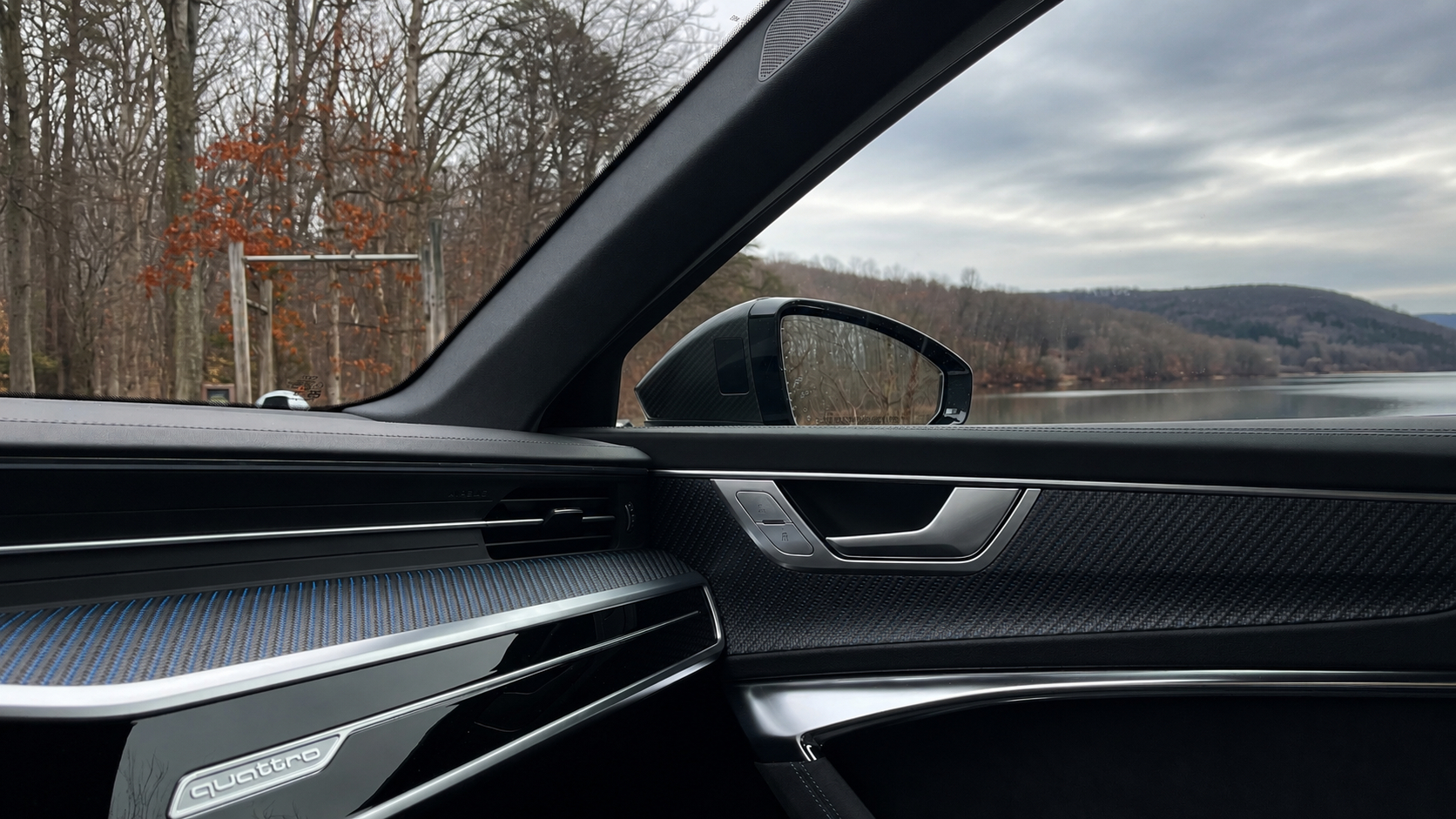
Material quality is exceptional throughout the cabin. Soft leather, Alcantara, carbon fiber trim, and brushed aluminum create an atmosphere that feels premium without becoming ostentatious. Every switch, button, and control operates with the precision you’d expect from a flagship Audi.
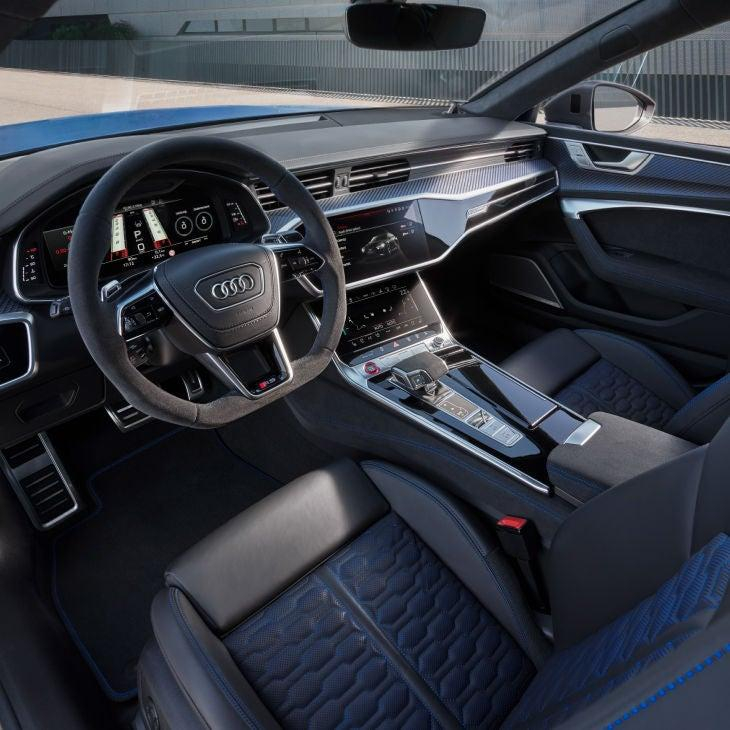
What impressed me most wasn’t any single feature but how naturally everything worked together. The technology serves the driver rather than demanding attention. After only a short time behind the wheel, every control feels intuitive, allowing you to focus on the road instead of searching through menus.
Why the RS 6 Avant Performance Could Become a Future Classic
Some collector cars become valuable because they’re produced in limited numbers.
Others earn legendary status because they represent the end of an era.
The 2026 Audi RS 6 Avant Performance has a compelling case for becoming both.
Performance cars are rapidly transitioning toward hybrid and fully electric powertrains. While those vehicles will almost certainly become faster, recreating the emotional character of a twin-turbocharged V8 working in harmony with Audi’s mechanical quattro system may prove impossible. The experience is about far more than acceleration figures. It’s about the sound, the effortless surge of torque, and the mechanical confidence that defines every drive.
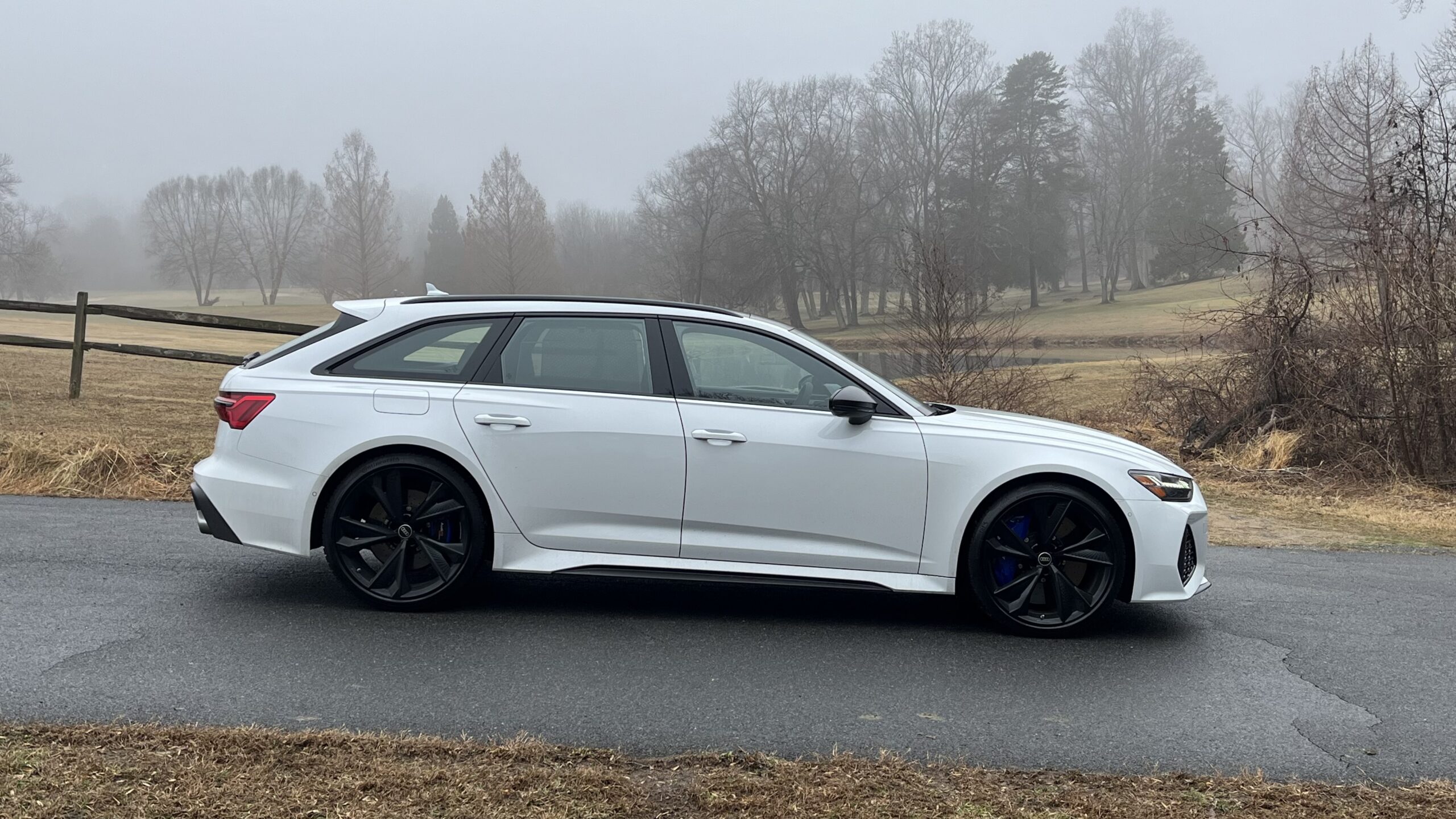
History suggests that enthusiasts gravitate toward vehicles marking important turning points. The original Audi Quattro, the first-generation R8 V8 and V10, and several iconic RS models have all become increasingly desirable because they captured a unique moment in Audi’s performance history.
The RS 6 Avant Performance feels poised to join that conversation. It blends everyday usability with extraordinary engineering in a way that may become increasingly rare as the industry evolves.
Ownership Is About More Than Performance
Buying an RS 6 isn’t simply purchasing a fast wagon. It’s choosing a vehicle that can genuinely replace multiple cars in your garage.
It offers the practicality of an SUV, the comfort of a luxury sedan, and the performance of a genuine sports car without feeling compromised in any of those roles. Add Audi’s renowned quattro system, and it becomes a vehicle capable of handling changing weather conditions with confidence throughout the year.
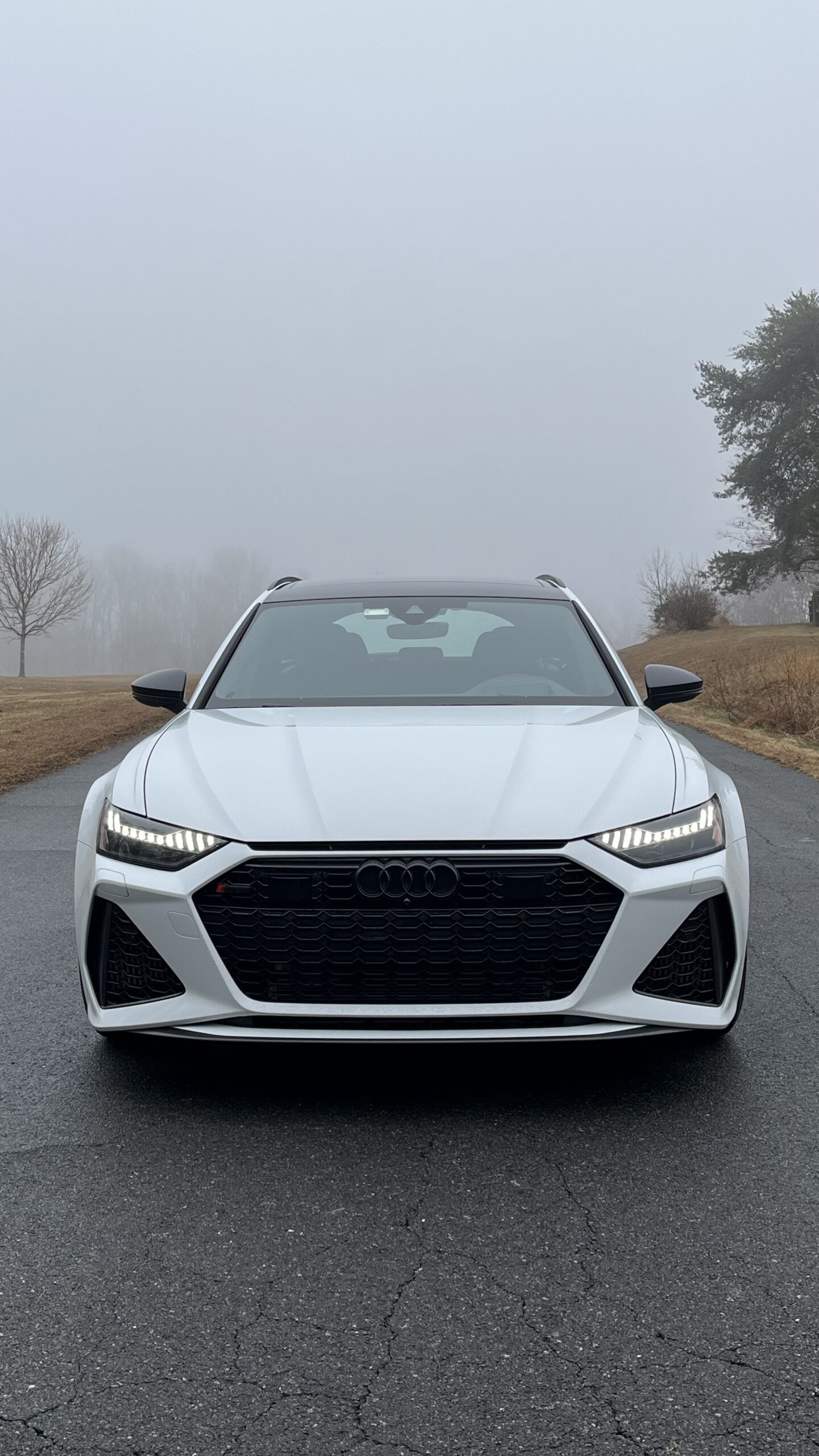
Will ownership involve premium maintenance costs? Certainly. High-performance luxury cars are never inexpensive to maintain. Yet for buyers considering a vehicle in this segment, the breadth of capability helps justify the investment. Few competitors can match the RS 6’s ability to excel at so many different tasks.
More importantly, it remains a car you’ll likely look back on with pride years after buying it. That emotional connection is difficult to quantify, but it’s one of the qualities that separates memorable cars from merely expensive ones.
Final Thoughts
After spending meaningful time with the 2026 Audi RS 6 Avant Performance, it’s easy to understand why enthusiasts speak about it with such admiration.
Its greatest strength isn’t simply the astonishing acceleration or the beautifully finished cabin. It’s the way every component works together to create an experience that feels remarkably complete. Whether you’re navigating city traffic, covering hundreds of highway miles, or carving through a favorite stretch of winding pavement, the RS 6 always feels perfectly suited to the moment.
As the automotive industry moves steadily toward electrification, cars like this are becoming increasingly uncommon. Future performance models may deliver greater speed and efficiency, but reproducing the character, balance, and everyday usability of Audi’s twin-turbocharged V8 performance wagon will be an enormous challenge.
For anyone considering the RS 6 Avant Performance today, my advice is simple: don’t think of it solely as a luxury performance wagon. Think of it as one of the last great expressions of everything Audi Sport has spent decades perfecting.
Years from now, I suspect enthusiasts won’t just remember the RS 6 Avant Performance as one of the best fast wagons ever built.
They’ll remember it as one of the finest Audis ever made.
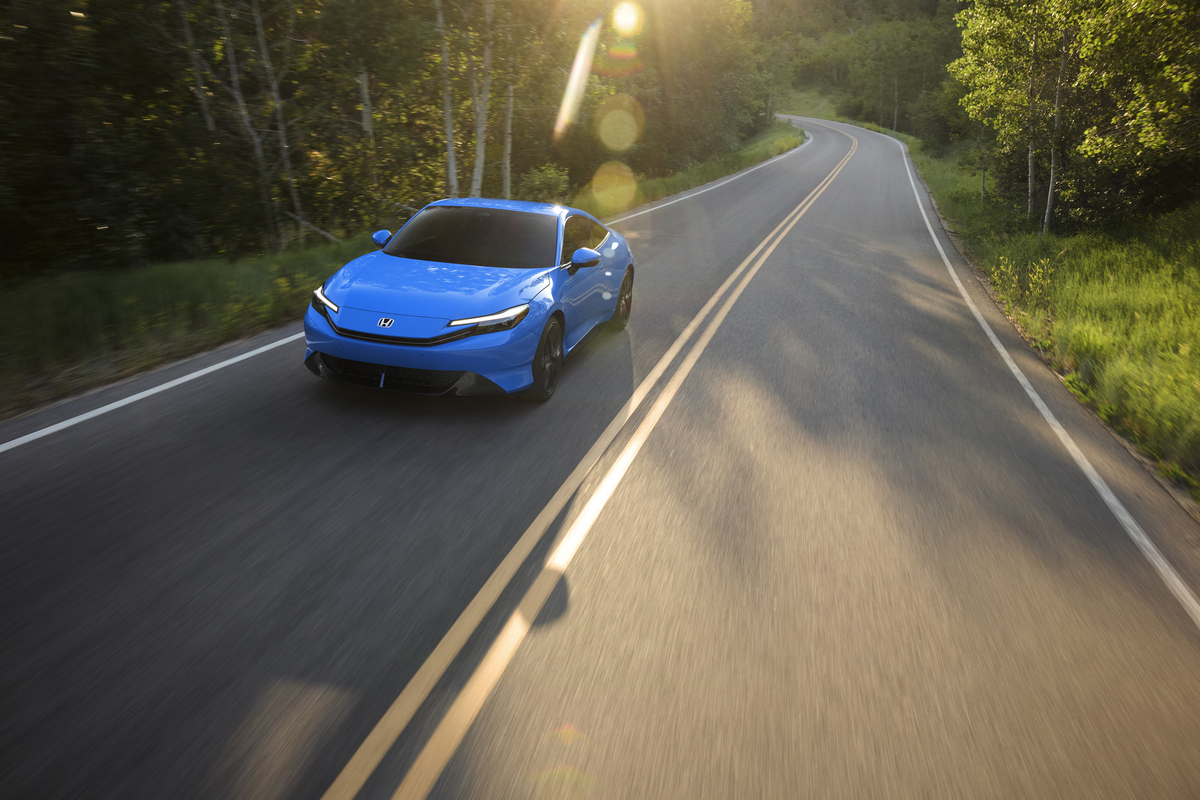
After spending a full week behind the wheel of the all-new 2026 Honda Prelude, I walked away impressed, not because it’s trying to be a hardcore sports car, but because Honda has created something that feels genuinely refreshing in today’s market.
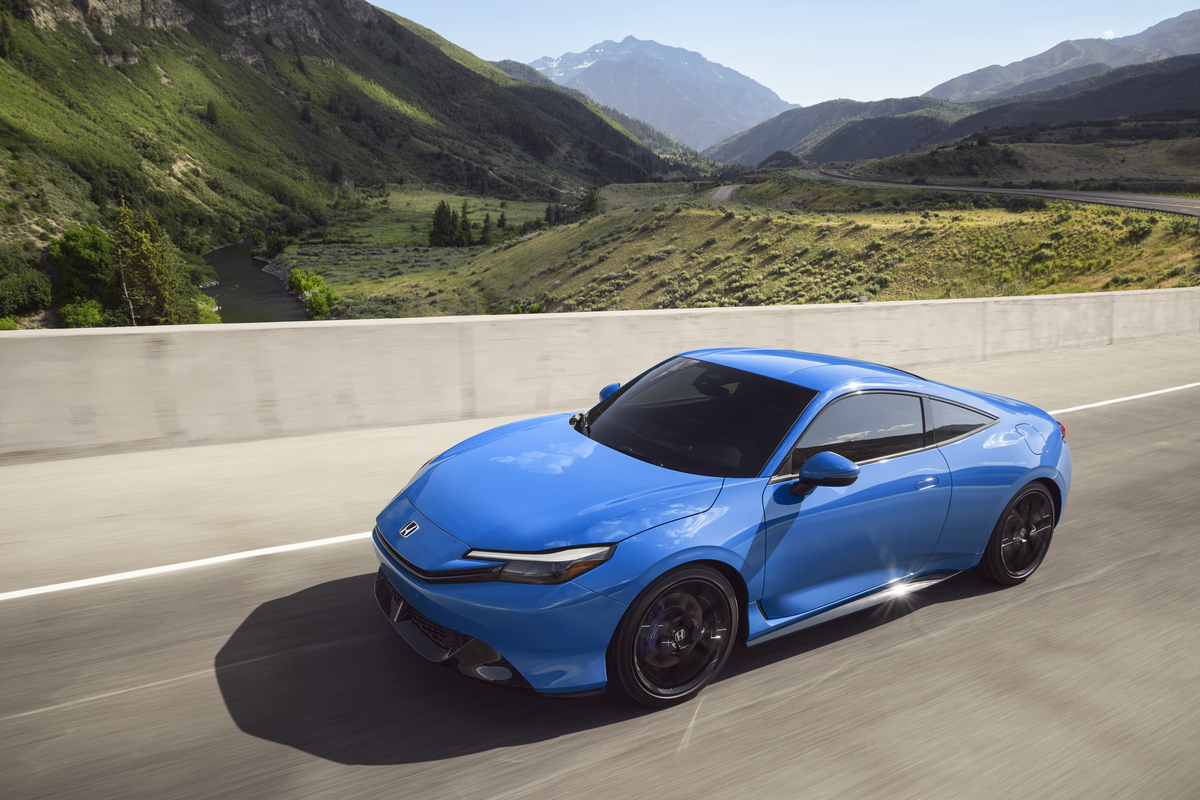
The Prelude isn’t built to compete with track-focused performance cars. Instead, it’s designed for drivers who want a stylish coupe that’s fun to drive every day, packed with technology, comfortable on long trips, and incredibly efficient. If you’re shopping for a car that stands out without sacrificing practicality, the Prelude deserves a serious look.
First Impressions
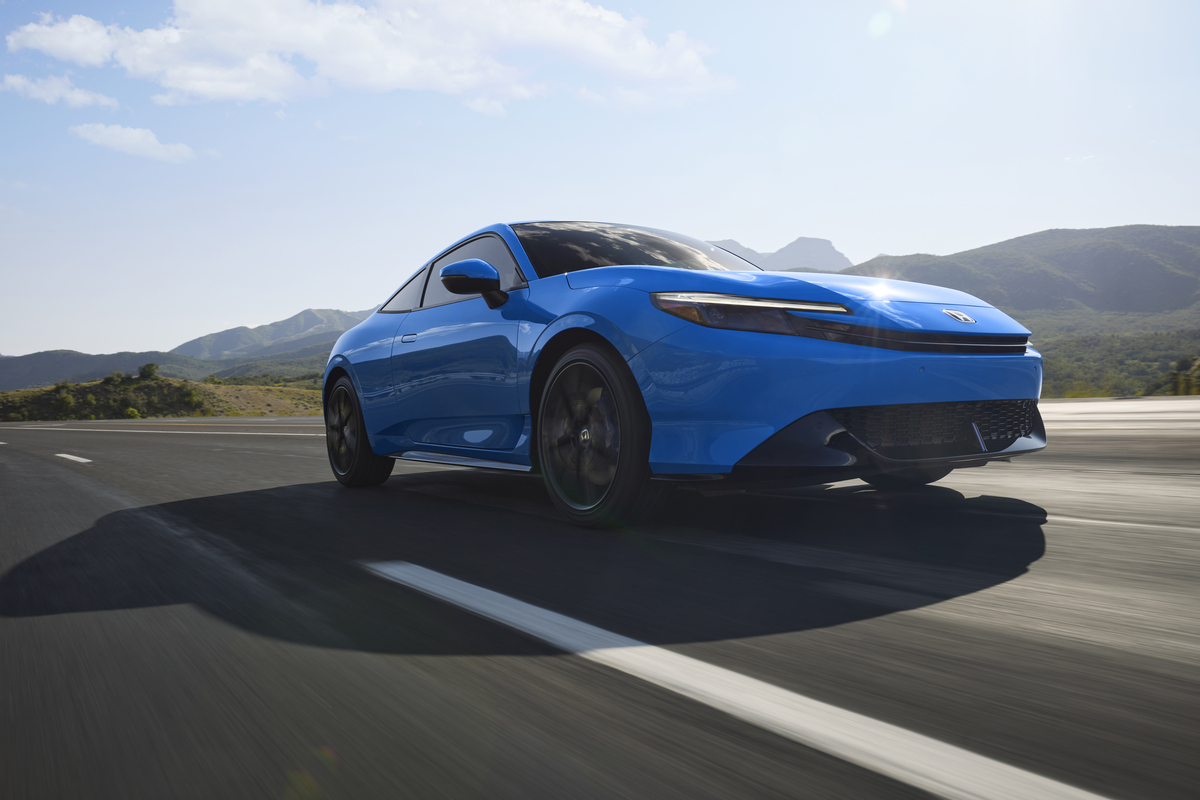
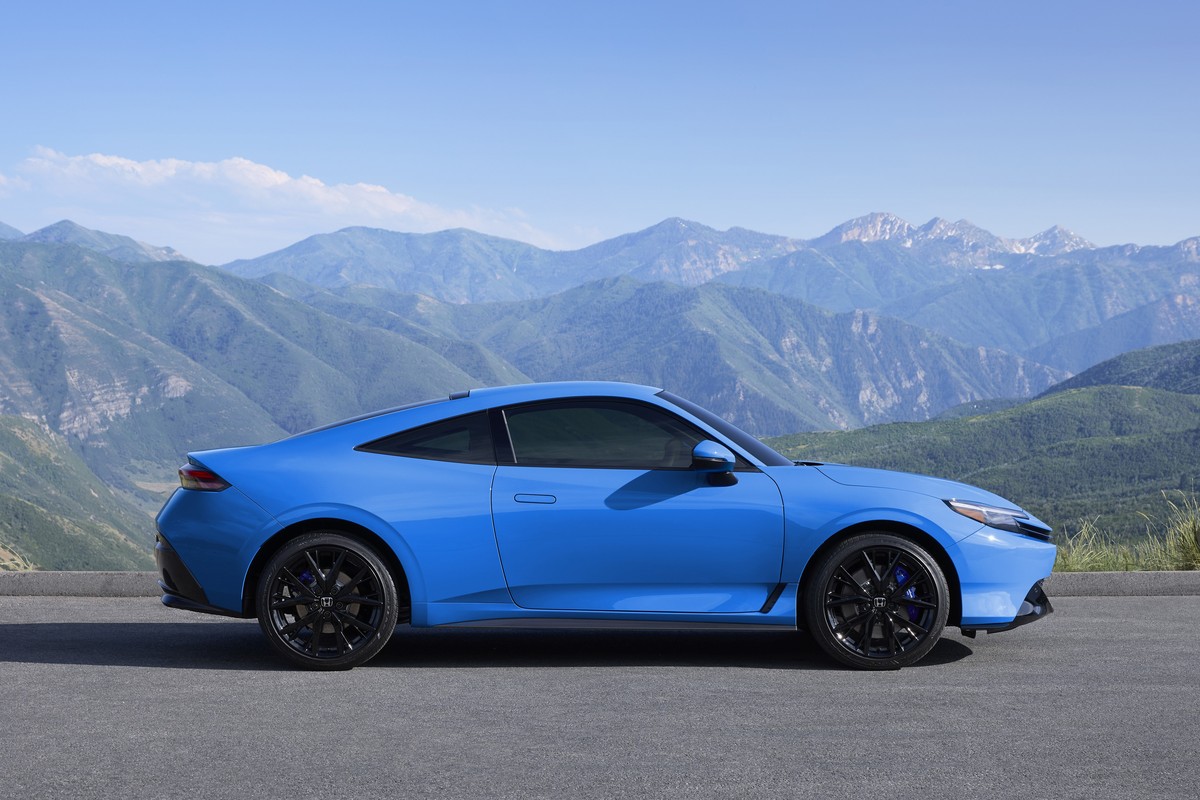
The first thing you’ll notice is the design. The Prelude has a low profile that turns heads without being flashy. It’s modern, elegant, and unmistakably Honda. Throughout my week with the car, people regularly asked about it at gas stations and parking lots, proving Honda has created something that captures attention.
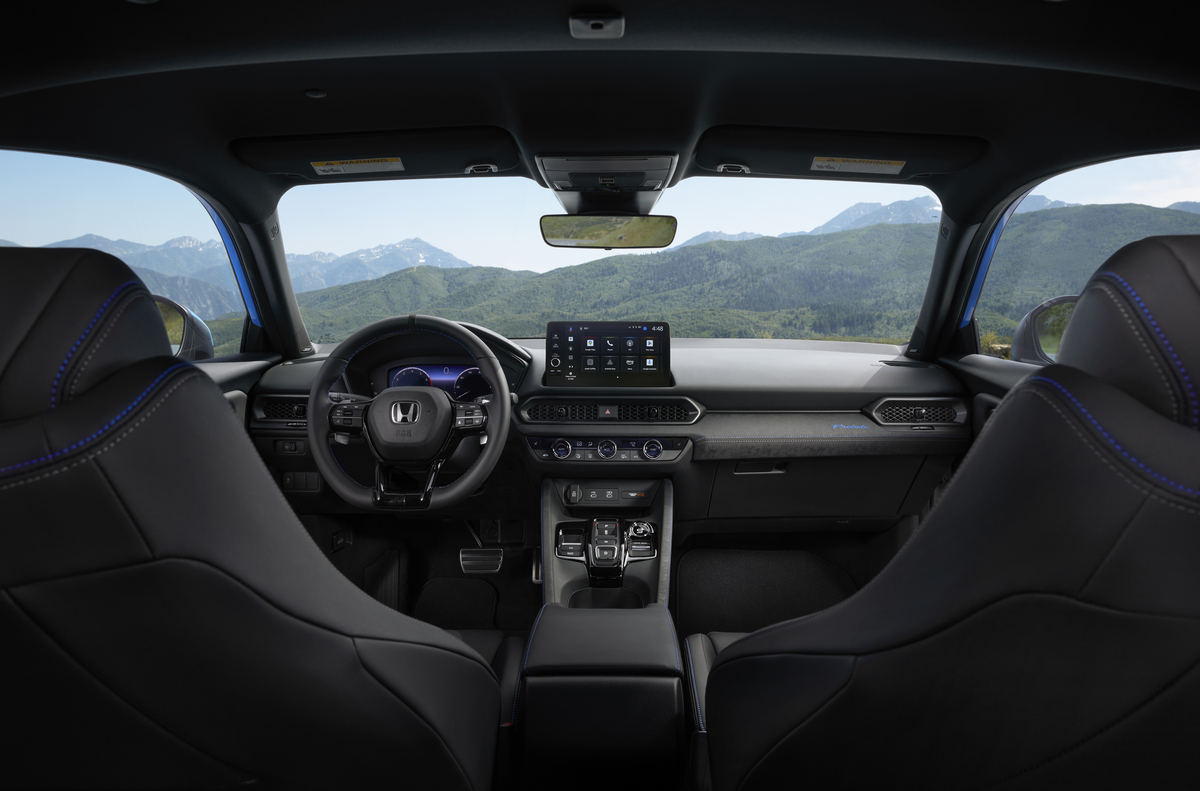
Inside, the cabin feels far more premium than most buyers might expect from a Honda coupe. The digital instrument cluster, head-up display, Bose premium audio system, wireless Apple CarPlay and Android Auto, Google Built-In, heated seats, and quality materials make every drive enjoyable. Everything is laid out exactly where it should be, making the car easy to live with from day one.
What It’s Like to Drive
The biggest surprise wasn’t the performance; it was how balanced the Prelude feels.
The hybrid powertrain delivers smooth acceleration and instant response around town while remaining exceptionally quiet. Whether I was navigating city traffic or cruising on the highway, the car always felt refined and effortless.
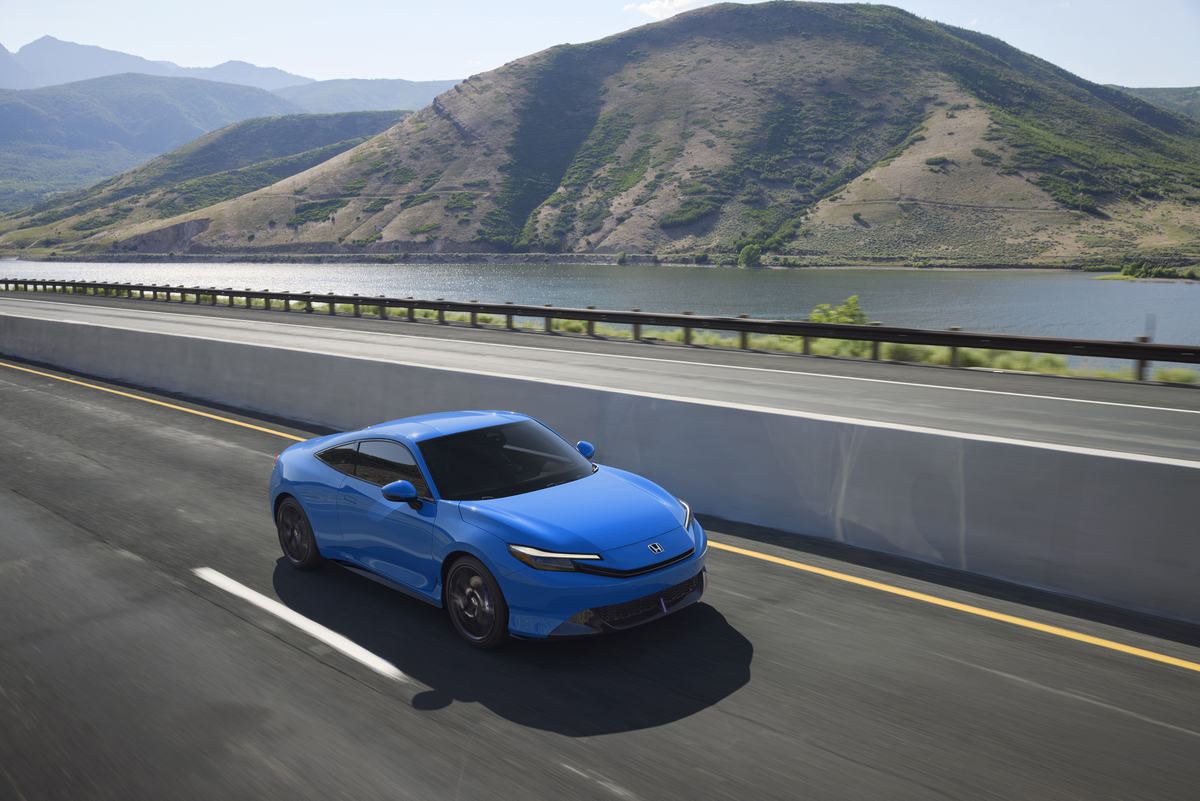
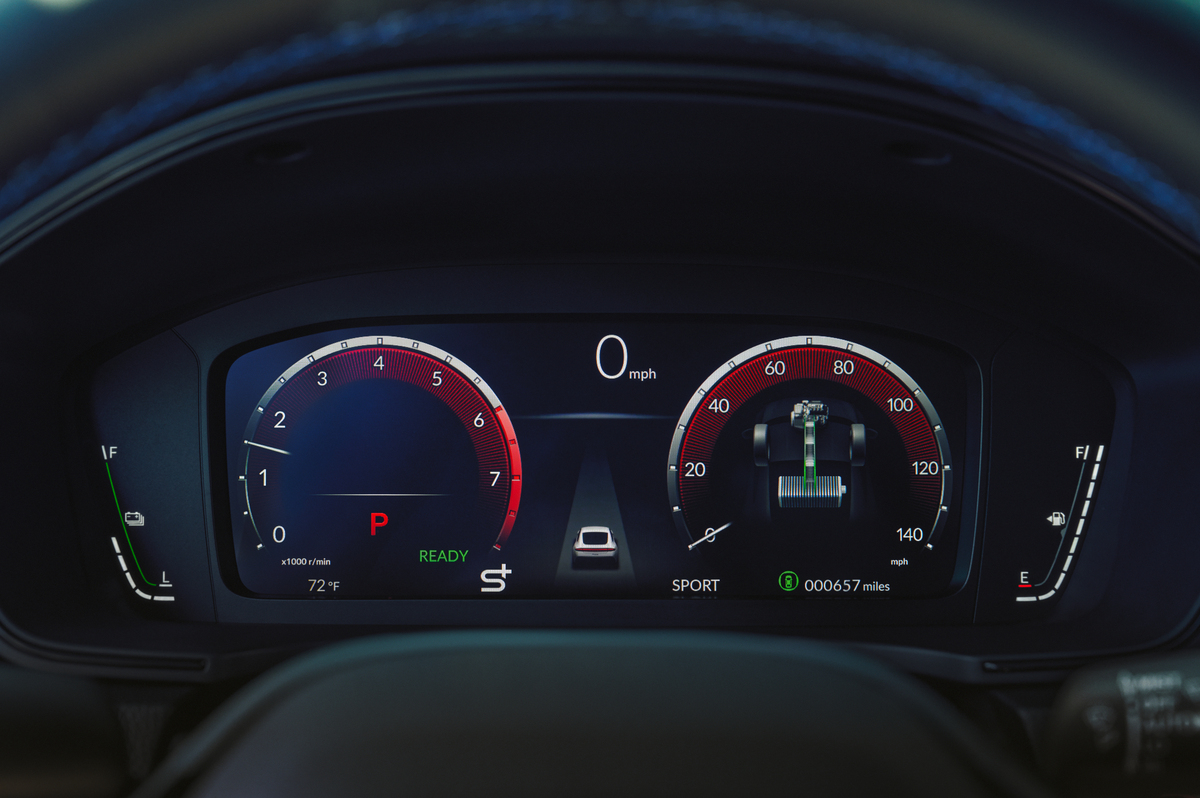
Honda also gives drivers several driving modes, including Comfort, Sport, Individual, and Shift Mode. Comfort is perfect for commuting, while Sport sharpens the car’s personality when the road becomes more interesting. Shift Mode adds another layer of driver involvement using the paddle shifters, making the Prelude feel more engaging than most hybrids I’ve driven.
What impressed me most was the suspension. The adaptive dampers, multi-link suspension, and Brembo front brakes give the Prelude a confident, planted feel through corners without sacrificing ride comfort. It’s a coupe you can enjoy on a winding road, but one that’s equally happy during your daily commute.
One of the Prelude’s biggest strengths is its efficiency.
Outstanding Fuel Economy
Honda estimates up to 44 MPG combined, which means you can enjoy the style and driving experience of a sporty coupe without constantly worrying about fuel costs. During a full week of driving, it became clear this is a car you can comfortably use every single day.
That’s a huge advantage over many traditional sporty coupes that require premium fuel and significantly more trips to the gas station.
Technology and Safety
Honda didn’t cut corners when it comes to technology.
The Prelude includes Honda Sensing, featuring Adaptive Cruise Control, Lane Keeping Assist, Collision Mitigation Braking System, Blind Spot Monitoring, Rear Cross Traffic Alert, parking sensors, and Traffic Jam Assist. These systems worked naturally throughout my time with the car, adding confidence without feeling intrusive.
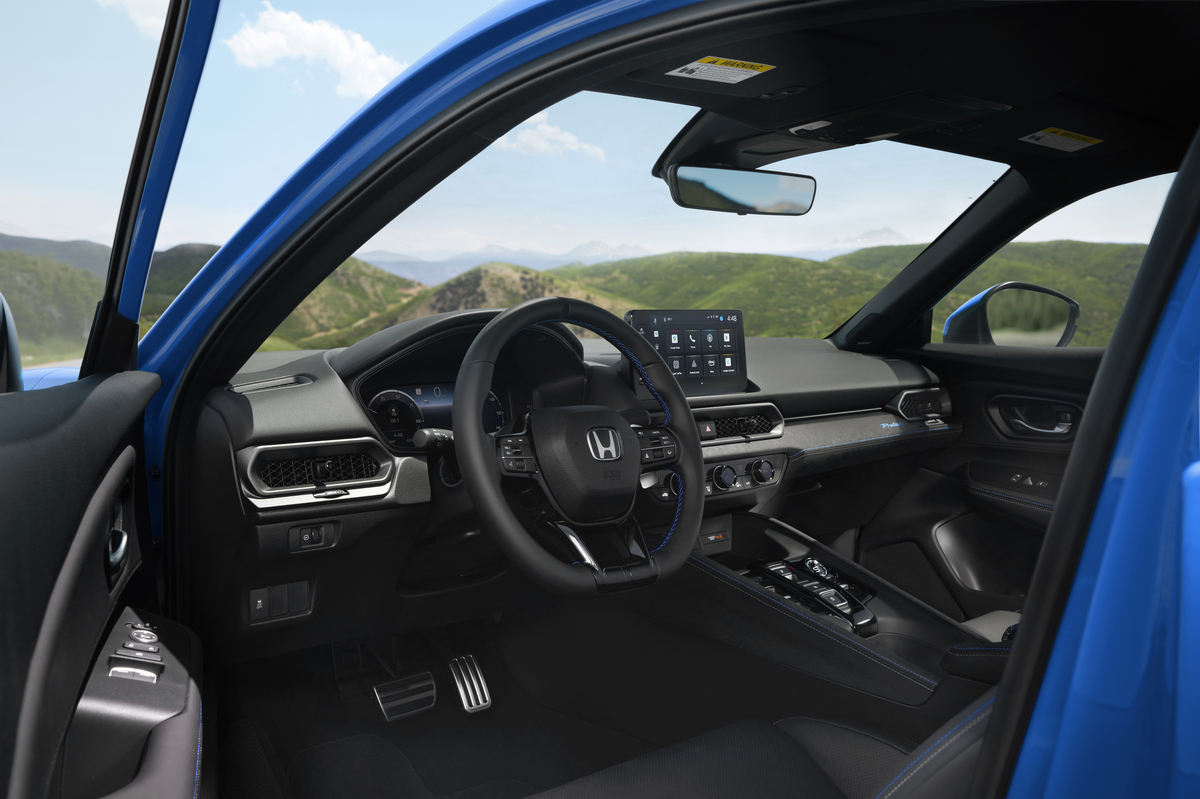
Wireless smartphone integration, wireless charging, multiple USB-C ports, and Google Built-In make the technology experience feel modern and intuitive.
Who Should Buy the Prelude?
After a week behind the wheel, I think Honda knows exactly who this car is for.
If you’re looking for a comfortable daily driver that offers excellent fuel economy, premium features, modern technology, distinctive styling, and a driving experience that’s more engaging than the average hybrid, the Prelude checks nearly every box.
It’s especially appealing for buyers who may have considered a compact luxury coupe but appreciate Honda’s reputation for reliability and lower ownership costs.
Final Thoughts
The 2026 Honda Prelude isn’t trying to relive the past, it creates its own identity.
It’s stylish without being impractical, efficient without feeling boring, and comfortable without losing the fun that has always been associated with the Prelude name. After spending a week driving it, I came away believing Honda has successfully built a coupe that makes sense in today’s market.
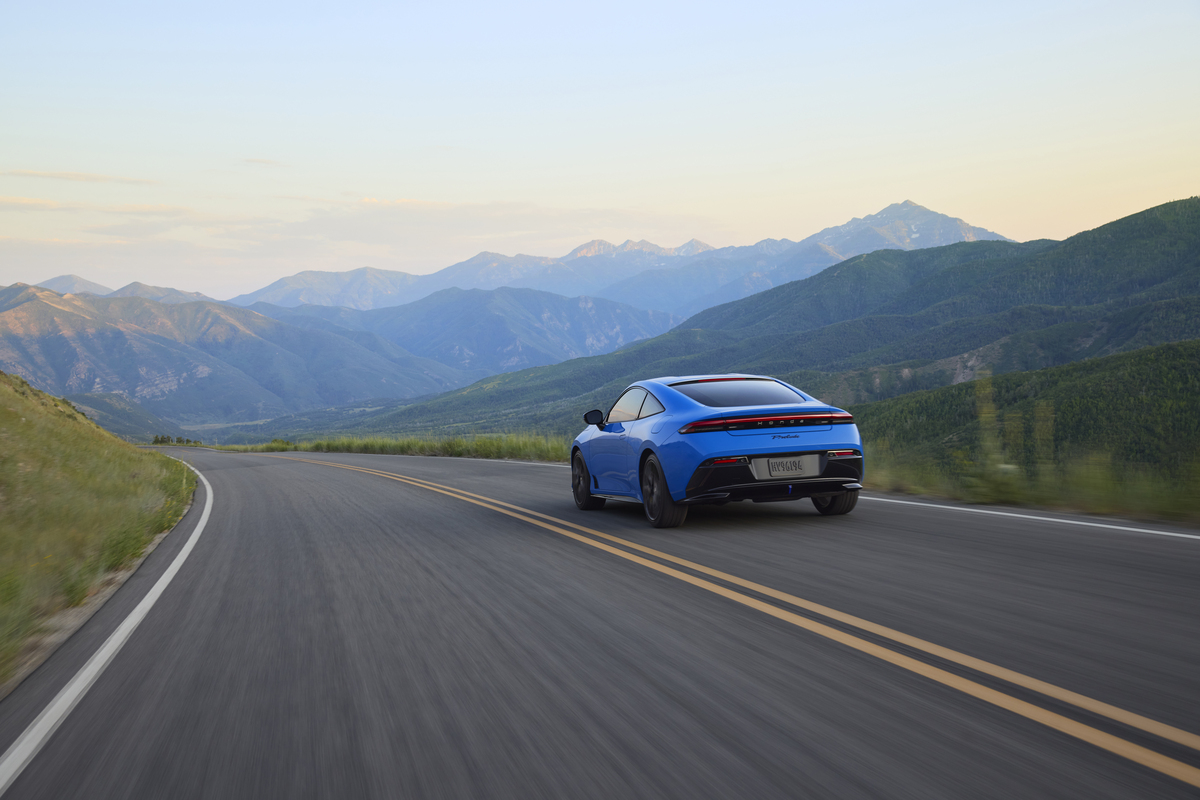
If you’re shopping for a vehicle that’s different from the sea of SUVs and crossovers but still practical enough to drive every day, the new Prelude should absolutely be on your test-drive list.
For me, the biggest takeaway wasn’t just the impressive fuel economy or the technology; it was how complete the entire package feels. Honda has built a coupe that’s enjoyable to own, rewarding to drive, and practical enough to serve as your only vehicle. That’s not an easy balance to achieve, but the 2026 Prelude does it remarkably well.
-
 INTELLIGENT MOBILITY2 months ago
2026 Cadillac Escalade IQL Redefines Luxury In The Electric SUV Segment
-
 RACING2 months ago
George Russell Leads Final Barcelona Practice As Kimi Antonelli Receives Reprimand
-

 NOW TRENDING1 month ago
Polestar to Exit U.S. Market After 2026 Due to Connected Vehicle Rules
-

 NOW TRENDING2 months ago
2026 Ford Bronco Brings Back Wildtrak And Adds New Features Across The Lineup
-
 TEST DRIVES2 months ago
Subaru’s New Uncharted GT Could Be The Brand’s Most Interesting Small EV Yet
-
 NOW TRENDING2 months ago
Volkswagen Prepares Massive Product Offensive With More Than 10 New Models In 2026
-
 NOW TRENDING1 month ago
Tesla Model Y L Arrives in the U.S. With More Space and Three Rows
-

 NOW TRENDING2 months ago
The 2026 Kia Sportage Is More Than A Mid-Cycle Refresh — It’s Kia’s Play To Keep Its Best-Seller At The Center Of America’s SUV Market
You must be logged in to post a comment Login