
NOW TRENDING
Nissan Warns Chinese Automakers Could Target the U.S. From Mexico

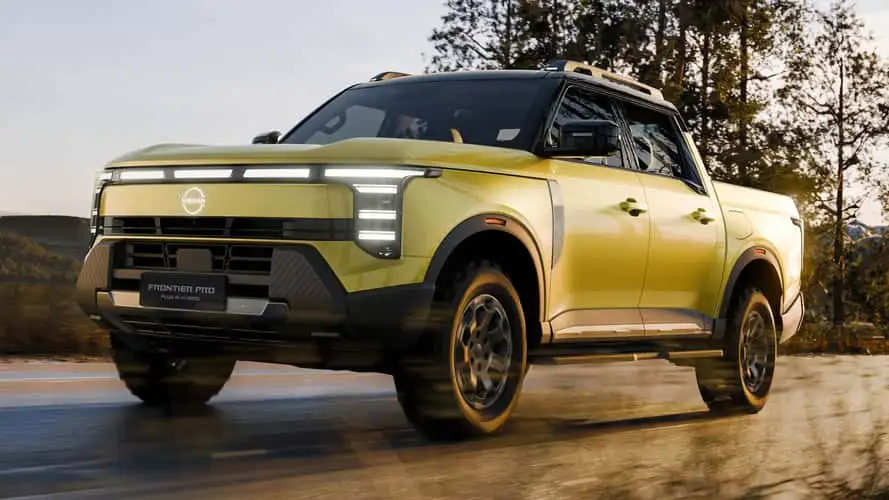
Nissan warns that Chinese automakers could use Mexico as a gateway to intensify competition in the U.S. market.
Nissan is preparing for a new North American price war
Nissan is preparing for a major shift in the North American auto industry.
The company expects Chinese automakers could begin building vehicles in Mexico within two to three years. Nissan Americas Chairman Christian Meunier says the industry needs to lower costs now before that happens.
The warning is especially important for the United States.
Chinese brands are already expanding across Latin America. Mexico also offers an established manufacturing base and direct access to the U.S. market.
For Nissan, the issue is not simply how many cars Chinese companies sell today. The bigger concern is what happens when they move production closer to North American customers.
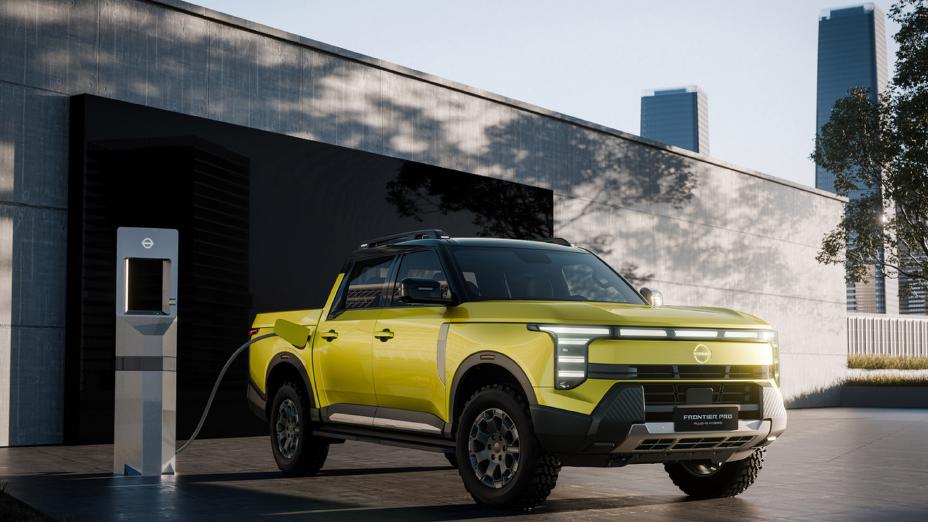
The Nissan Frontier Pro PHEV is one example of Nissan using China-developed technology for overseas markets.
Mexico could change the competitive landscape
Nissan believes Chinese automakers will eventually localize production in Mexico.
That would give those companies access to a mature supplier network and a large regional manufacturing base. It could also reduce some of the costs associated with exporting finished vehicles from China.
Meunier’s forecast is not an announcement from any specific Chinese automaker.
No company, factory location or production program was identified. The two-to-three-year timeline is Nissan’s expectation, not a confirmed industry timetable.
Still, Nissan is treating the possibility seriously.
The company says it needs to become much more competitive on cost. Meunier has described cost competitiveness as one of the defining issues for the automotive industry over the next five years.
Nissan is using China’s own playbook
Nissan’s response is not limited to cutting costs.
The automaker is also using China as a development and export hub. Its current strategy includes China-developed vehicles that can be sold in other regions.
The Frontier Pro PHEV is a clear example.
Nissan says the pickup was designed, developed and manufactured in China for global export. It is now being introduced in Latin America, with Mexico as its first market in the region.
The company is taking a similar approach with the N7 electric sedan.
Both models are part of Nissan’s broader China strategy. The company has previously said that its initial China export target is around 100,000 vehicles, with a longer-term objective of reaching 300,000 units annually.
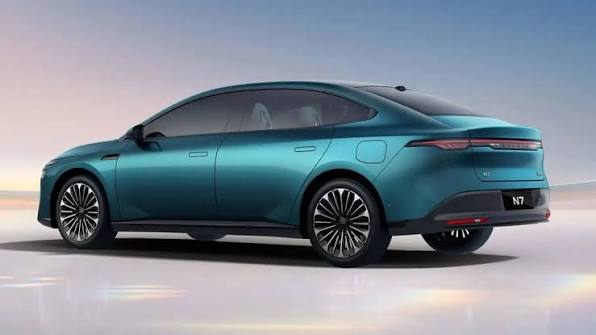
The N7 is another China-developed Nissan product intended for export to international markets.
The strategy represents a significant change for Nissan.
Instead of relying only on Japan or other traditional engineering centers, the company is increasingly using China’s speed, technology and cost structure to create products for international markets.
Nissan is effectively trying to fight Chinese competition with some of the same tools.
The U.S. remains a separate challenge
The United States is a different story.
Chinese automakers do not currently have the same direct presence in the U.S. market that they have established in Latin America, Europe and other regions. Significant trade and regulatory barriers remain in place.
Meunier nevertheless expects Chinese brands to eventually reach American consumers.
His current estimate puts that possibility at least five years away. That means Chinese production in Mexico could arrive several years before Chinese brands establish a direct presence in U.S. showrooms.
That distinction matters.
A factory in Mexico would not automatically give a Chinese automaker unrestricted access to the United States. Vehicle content, supply chains and trade rules would still determine how those products could enter the American market.
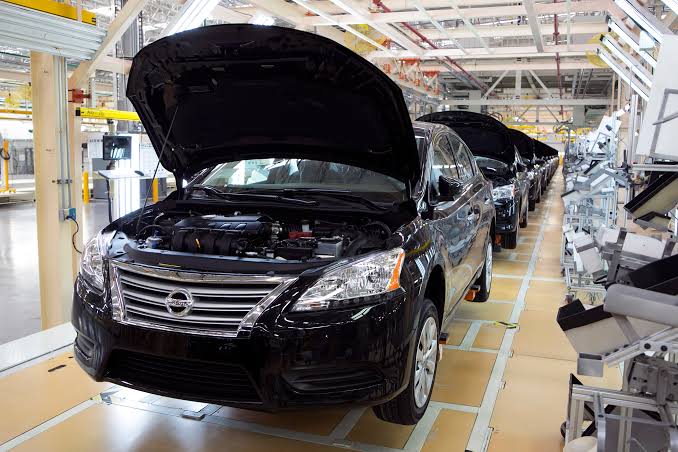
Nissan already operates major manufacturing facilities in Mexico, giving the company a strong local industrial base.
Nissan is already preparing for the price fight
The concern is ultimately about price.
Chinese automakers have built their international expansion around competitive pricing, rapid product development and increasingly sophisticated technology. Nissan believes established automakers need to respond before those advantages become even harder to match.
That explains Nissan’s focus on Mexico.
The company is already working to reduce costs there while expanding the use of China-developed products in other markets. Mexico is becoming an important part of that strategy because of its manufacturing scale and proximity to the United States.
The Frontier Pro PHEV is especially revealing.
It combines Nissan’s brand with technology developed in China. The company says the truck uses a 1.5-liter turbocharged engine, an integrated electric motor, more than 300 kW of combined power and up to 800 Nm of torque in its Chinese specification.
The N7 follows the same philosophy with an affordable electric sedan developed through Nissan’s China operation.
China is becoming a bigger part of Nissan’s global strategy
Nissan’s latest strategy makes the shift even clearer.
The company says China will serve not only as a domestic market but also as a global innovation and export hub. Products developed there are increasingly being considered for markets outside China.
That does not mean Nissan is preparing to sell every China-built vehicle in America.
The company has not announced U.S. plans for the Frontier Pro or N7. Its current export plans focus on Latin America, ASEAN and other selected markets, depending on the product.
For the U.S., the bigger story is competitive pressure.
Nissan believes Chinese automakers will eventually find a way to get closer to North American customers. Mexico could be the first major step, even before those brands can enter the United States directly.
The Nissan Chinese automakers warning is therefore less about an immediate invasion of American dealerships and more about preparing for a new competitive landscape. If Chinese brands establish production in Mexico within the next few years, Nissan and other established automakers will have to compete much more aggressively on cost, technology and value.









-

 NOW TRENDING2 months ago
Aston Martin DBX Becomes Harry Da Souza’s Ride in MobLand
-
 TEST DRIVES2 months ago
2026 Maserati GranTurismo Trofeo Review: Miami
-

 INTELLIGENT MOBILITY2 months ago
Tesla Cybercab Navigation Problem Hits Austin Robotaxis
-
 INTELLIGENT MOBILITY2 months ago
2027 Nissan Rogue Hybrid: e-POWER Comes to America
-

 TEST DRIVES2 months ago
2026 Maserati GranTurismo Coupe
-

 Formula12 months ago
Cadillac F1 2026 Faces an Eight-Race Logistics Challenge
-
 NOW TRENDING2 months ago
Land Rover Defender Recall 2026: 23,677 JLR SUVs Affected
-
 NOW TRENDING2 months ago
Every 2026 Chevrolet With AWD or 4WD