
American Airlines and Cadillac have formed a partnership to offer a broad series of exclusive benefits to travelers, ranging from luxury, on-site airport transfers to AAdvantage miles earning opportunities to Cadillac exhibits at major airports.
American and Cadillac currently offer a luxury airport transfer program at Los Angeles International Airport (LAX). This program identifies ConciergeKey members with tight transfer times and escorts them to their next gate of departure in a Cadillac CTS, SRX or Escalade. By the end of this year, American plans to roll out this program to Dallas/Fort Worth International Airport, New York’s LaGuardia Airport and John F. Kennedy International Airport, pending local approvals.
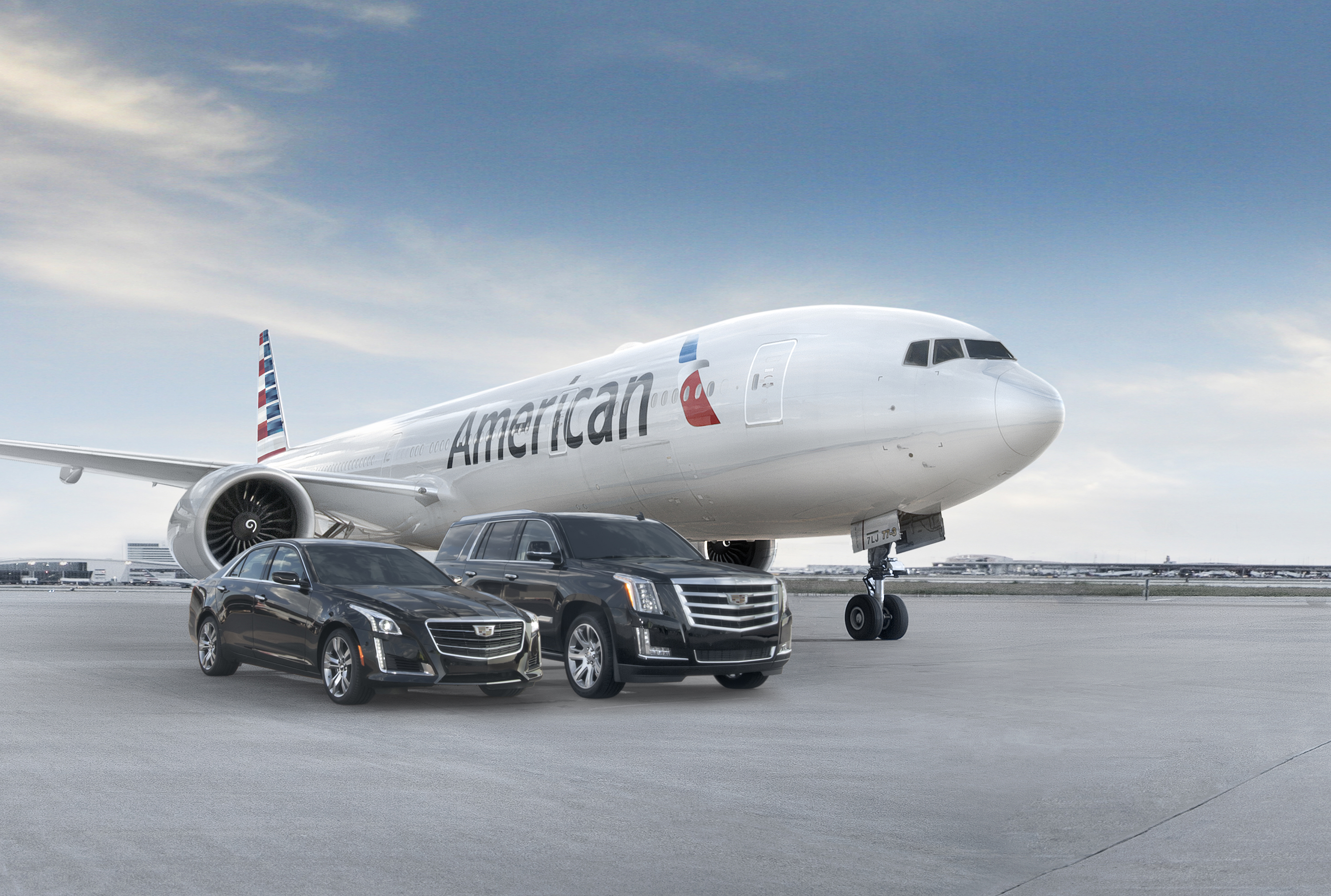
“American and Cadillac are two iconic American brands, both in the process of redefining the contemporary American luxury experience,†said Suzanne Rubin, president, AAdvantage Loyalty Program. “This is just the beginning of the opportunities we see with our partnership with Cadillac, and we are thrilled to be able to offer these benefits to our customers.â€
The partnership contains benefits for all AAdvantage members. Later this month, customers can earn AAdvantage miles in exchange for test driving a new Cadillac. Members can earn 7,500 AAdvantage miles when they call a service desk and register a time to test drive a Cadillac at a nearby dealership. More information on this promotion will be available soon.
“Traveling in style is a shared interest of premium customers the world over,†said Uwe Ellinghaus, chief marketing officer, Cadillac. “Partnering with American Airlines, the world’s largest airline, allows us to engage customers and deliver valuable benefits in meaningful ways. Both brands embody the vitality and universal appeal of the American spirit.â€
The American Airlines – Cadillac partnership will evolve with new reward opportunities and experiences following this initial phase.



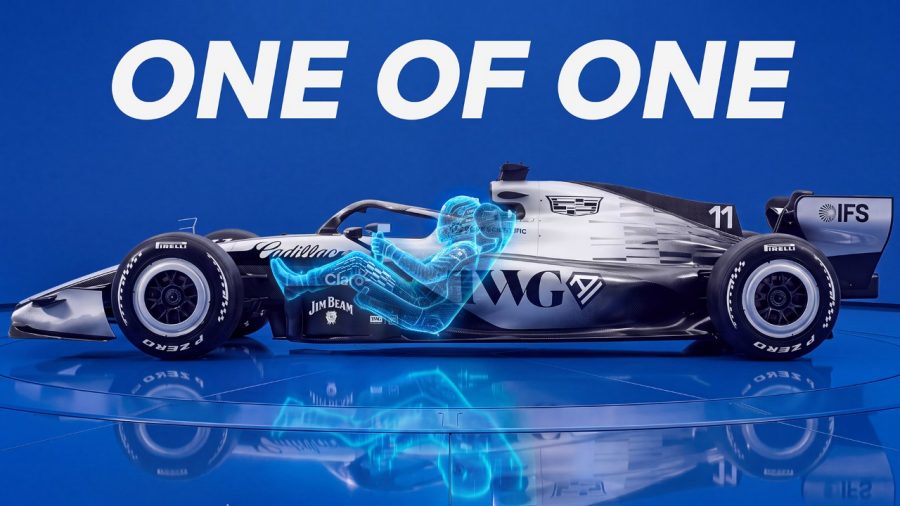
Every Cadillac Formula 1 driver gets a seat built specifically for their body. Here is how the team creates, tests and refines one before it reaches the track.
A Formula 1 car has countless components designed to maximize performance, but few are more personal than the driver’s seat. The Cadillac F1 driver seat must hold the driver securely through enormous G-forces while remaining comfortable throughout an entire race.
The fit has to be extremely precise. A seat that is too loose can allow excessive movement and increase fatigue, while one that is too tight can make a full race physically painful.
Cadillac recently showed the complete process behind creating one of its bespoke F1 seats, from the initial body mold to the final trackside adjustments.
The Process Starts With the Driver’s Body
The first step takes place at General Motors’ Charlotte Technical Center. The driver sits inside the Formula 1 chassis on top of a plastic bag while a technician fills it with a liquid mixture.
The material expands and hardens around the driver’s body, creating a detailed physical mold. That foam shape can then be measured precisely and converted into a digital representation of the finished seat.
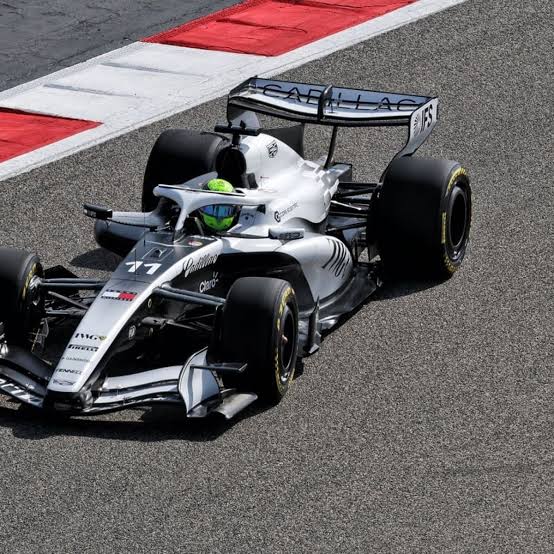
Cadillac creates an individual mold around the driver to capture the precise shape required for the F1 seat.
Once the digital model has been finalized, the physical seat can be manufactured.
This approach allows the team to reproduce the driver’s seating position with a high level of accuracy before making any final adjustments at the track.
Cadillac Uses Flax-Based Material Instead of Carbon Fiber
The actual seat is produced at Cadillac Formula 1 Team’s facility near Silverstone in the United Kingdom.
Unlike many components of an F1 car, the seat is not made from carbon fiber. Cadillac instead uses a natural flax-based fiber weave.
The material provides an important advantage for the driver. According to the team, it does a better job of isolating the cockpit occupant from the intense vibrations produced by the race car.
Cadillac manufactures its F1 seats from a flax-based fiber weave designed to improve vibration isolation.
That means material selection is about more than simply minimizing weight. The seat also plays an important role in driver comfort and fatigue management.
In Formula 1, even small improvements can make a difference over a long race distance.
Valtteri Bottas Puts the Seat to the Test
With the seat completed, Cadillac takes it to the circuit for a real-world fitting session.
At the British Grand Prix, Valtteri Bottas climbed into his new bespoke seat inside the team’s garage. Rather than simply accepting the first version, Bottas provided feedback on how it felt and where changes were needed.
The seat was then returned to the factory so the team could make precise modifications.
Valtteri Bottas test-fits his bespoke Cadillac F1 seat during the British Grand Prix weekend.
Engineers can add or remove material in specific areas until the fit is exactly right. That iterative process is essential because the driver needs both stability and comfort while remaining securely positioned inside the cockpit.
Once the adjustments were complete, Bottas had a finished seat ready for competition.
A Custom Seat Is a Performance Component
The Cadillac F1 driver seat may look relatively simple compared with an engine, suspension system or aerodynamic package, but its importance is difficult to overstate.
The seat determines how securely the driver is held during braking, cornering and acceleration. It also helps manage the physical demands created by the car’s vibrations and G-forces.
Moreover, every driver has different requirements. That is why Cadillac does not simply produce one standard seat and install it across its cars.
From Digital Scan to the Race Track
The entire process combines driver-specific fitting, digital modeling, specialized materials and repeated testing. It begins with a mold of the driver’s body and ends with a component that is refined through direct feedback from the cockpit.
For Bottas, the final step came almost immediately. After the fitting process was completed, he used the new seat during Free Practice 1 at the British Grand Prix.
That makes the Cadillac F1 driver seat a perfect example of how Formula 1 performance is built from details that spectators rarely see. The car may be engineered at the limits of technology, but ultimately, one of its most important components has to fit one person perfectly.
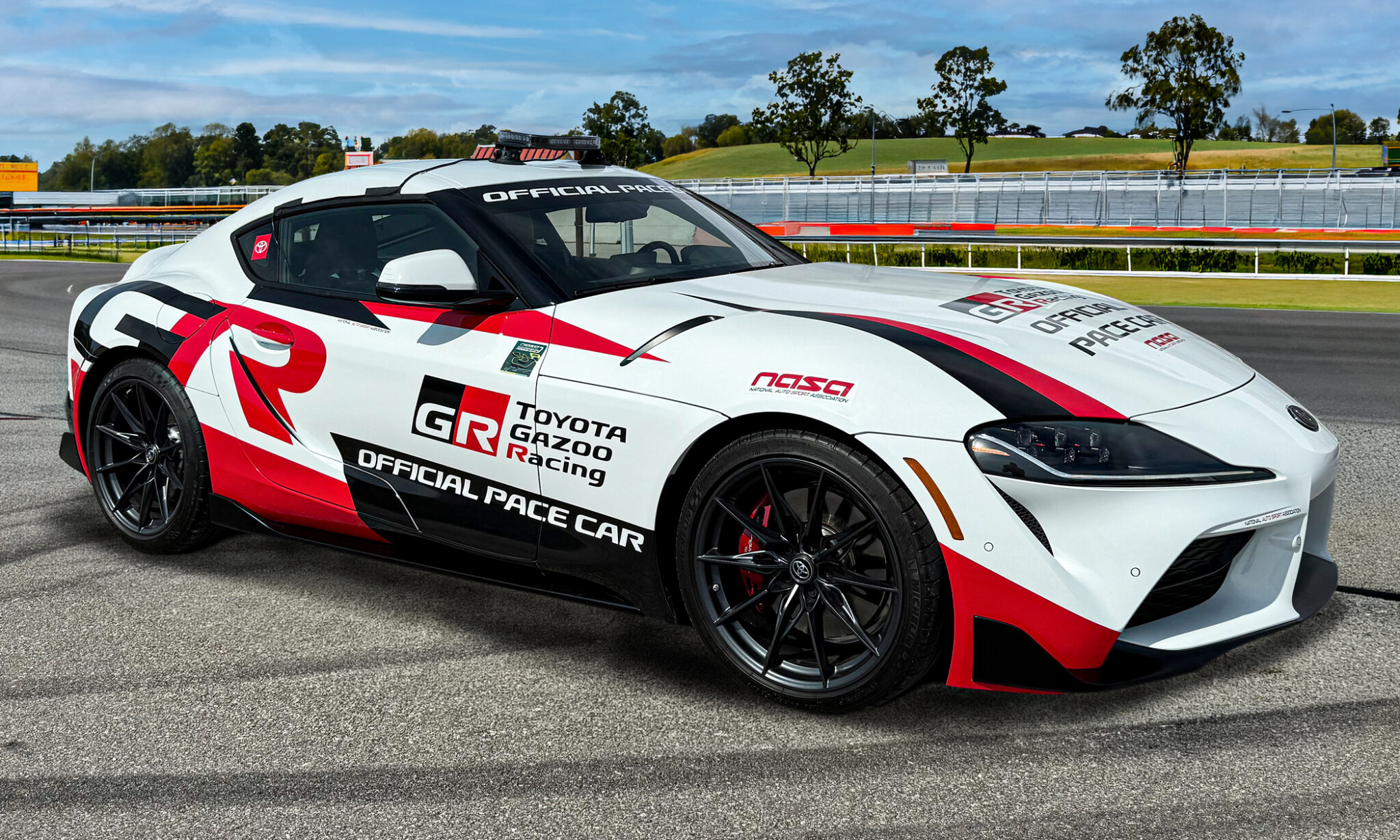
Toyota is bringing the GR Supra back as the official pace car for the 2026 NASA Championships at Sebring. The event will also mark the final model year of the fifth-generation Supra.
The 2026 Toyota GR Supra is heading back to the front of the field as the official pace car for the NASA Championships. Toyota’s sports car will lead the nation’s top amateur road racers when the event returns to Sebring International Raceway in Florida from September 24–27.
The race weekend will mark the 20th annual NASA Championships. Drivers representing 15 NASA regions will compete across multiple classes, with the national championship finales scheduled for Sunday.
For Toyota, the return of the GR Supra reinforces its continued involvement in grassroots motorsports and performance driving.
GR Supra Will Lead the Field at Sebring
The championship pace car will feature a GAZOO Racing-inspired red, white and black livery. Its job will be to lead the field during one of the biggest amateur road racing events in the United States.
Sebring provides a particularly fitting setting for the return. The historic circuit has been challenging drivers since 1950 and was constructed using the runways of a former Army Air Force training facility.
The 3.74-mile layout combines long straightaways with technical corners and a famously rough surface.

The Toyota GR Supra will serve as the official pace car for the 2026 NASA Championships at Sebring International Raceway.
The venue is also synonymous with the legendary 12 Hours of Sebring endurance race. That history makes it one of the most recognizable road racing facilities in North America.
For amateur racers competing for national titles, the circuit will provide a demanding test from the first session through the championship finals.
Toyota Continues Supporting Grassroots Motorsport
Toyota has emphasized its relationship with NASA as part of a broader effort to introduce enthusiasts to performance driving.
Every new GR sports car owner receives a complimentary one-year NASA membership. The program also includes a free High Performance Driving Event, giving owners an opportunity to experience their cars on a closed track in a controlled environment.

Toyota’s partnership with NASA gives GR sports car owners access to grassroots motorsport and performance driving events.
The program originally launched in 2019 for GR Supra buyers. It has since expanded to cover all GR sports car purchases.
That makes the pace car appearance more than a promotional exercise. It connects Toyota’s performance models directly with the enthusiasts who take them to racetracks around the country.
The Final Fifth-Generation Supra
The 2026 model year also carries added significance for the sports car itself. The GR Supra is entering its final model year for the fifth-generation car.
Under the hood, the 3.0-liter turbocharged inline-six produces 382 horsepower and 368 lb.-ft. of torque. Toyota offers the Supra in 3.0, 3.0 Premium and the limited MkV Final Edition grades.

The 2026 GR Supra uses a 382-horsepower turbocharged inline-six and marks the final model year of the fifth-generation car.
The combination of rear-wheel-drive sports car hardware and track-focused capability has helped make the GR Supra one of Toyota’s most enthusiast-oriented models.
Its role at Sebring therefore feels appropriate. The car will spend the championship weekend at a circuit where performance, precision and durability are constantly tested.
A Fitting Sendoff for the GR Supra
The 2026 Toyota GR Supra will have a prominent role at the NASA Championships just as the fifth-generation model reaches the end of its production run. Leading the field at Sebring gives the sports car another opportunity to stay closely connected to the grassroots racing community.
Moreover, the event highlights Toyota’s broader commitment to giving enthusiasts opportunities to experience performance driving beyond the street.
With its racing-inspired appearance, 382-hp turbocharged engine and final-model-year status, the GR Supra should make a fitting pace car for the 20th NASA Championships at one of America’s most historic racing venues.

George Russell believes winning the 2026 Formula 1 championship is now extremely unlikely after another difficult weekend left him 81 points behind Mercedes teammate Kimi Antonelli.
George Russell is beginning to accept that his F1 title hopes for 2026 may already be slipping away. After finishing fifth at Madring, the Mercedes driver now trails teammate Andrea Kimi Antonelli by 81 points in the championship.
The gap has grown dramatically over the last five races. Antonelli has finished ahead of Russell in each of those events, while his remarkable consistency has turned a 25-point advantage into a commanding championship lead.
Russell still believes Mercedes has a competitive car. However, after another weekend in which the final result failed to reflect his underlying pace, he admitted that his title chances are now extremely slim.
Russell Lost More Ground to Antonelli in Madrid
Russell qualified sixth at Madring and struggled to extract the maximum from his tires. He said he pushed hard through Turn 11, but the rubber simply could not cope with the demands placed on it.
His race became even more complicated after an early contact with Oscar Piastri. Although Russell appeared to escape significant damage, the Virtual Safety Car created a strategic problem that had a major impact on his afternoon.
Russell had started on the hard compound with the intention of going deep into the race. The VSC arrived on Lap 14, much earlier than Mercedes had expected.

George Russell battles for position at Madring as his Mercedes struggles to match the race pace of its main rivals.
The Virtual Safety Car Hurt Russell’s Strategy
Mercedes had expected drivers starting on mediums and softs to make their first stops around Lap 15. Russell, however, was hoping to extend his opening stint until around Lap 40.
The VSC changed everything.
Russell was one of only two drivers among the 12 starters on hard tires who stopped during the neutralization. He switched to the medium compound, only to later return to the hard tire he preferred.
“It was a very frustrating moment with the safety car,” Russell explained.
The strategy meant Russell never enjoyed the same flexibility as some of his rivals. Charles Leclerc, for example, stayed out during the VSC and delayed his stop until Lap 48.

Russell makes an early pit stop during the Virtual Safety Car, compromising the strategy Mercedes had planned for the race.
Russell still managed to apply pressure toward the end of the race. Leclerc was on fresh soft tires after his late stop, but the Ferrari driver narrowly held onto fourth place.
Russell therefore finished fifth, although he insisted the result did not accurately represent Mercedes’ actual performance.
“The Performance Was Much Better Than the Result”
Russell believes Madring produced a result that was heavily influenced by track position.
“The performance was much better than the result,” he said.
He compared the situation to Monaco, where qualifying position can often determine the outcome because overtaking opportunities are so limited.
That characteristic of Madring made Russell’s early strategic disadvantage even more difficult to overcome. Once drivers settled into position, a faster car could still struggle to complete a pass.
George Russell finishes fifth at Madring after a difficult strategy leaves him unable to recover further positions.
Antonelli Has Built a Huge Championship Advantage
While Russell endured another frustrating weekend, Antonelli continued his extraordinary run of form.
The young Italian secured his eighth victory of the season and his 12th podium in 14 races. That consistency has allowed him to stretch his advantage over Russell to 81 points.
With nine races theoretically remaining, Russell still has time to score heavily. However, the scale of the deficit means he would need a major turnaround in fortunes to put genuine pressure back on his teammate.
Russell Is No Longer Thinking About the Title
Russell was remarkably candid when asked about his championship prospects.
“I’m not going to say it’s over, but it’s very unlikely I’m still in this fight,” he admitted.
He added that he is no longer thinking about being involved in the title battle because he does not believe he currently is.
That mindset could actually change his approach for the remainder of the season. Instead of focusing on championship mathematics, Russell can concentrate on maximizing every individual weekend and trying to convert Mercedes’ pace into victories.
George Russell’s Title Fight Is Hanging by a Thread
The George Russell F1 title challenge is not mathematically finished, but the situation has become increasingly difficult. Antonelli’s consistency has given the Mercedes youngster a huge cushion, while Russell has repeatedly lost valuable points through strategy, qualifying and race circumstances.
Moreover, Russell believes the raw pace of his Mercedes remains stronger than his recent results suggest. The problem is turning that performance into finishes that can consistently close the gap.
For now, his approach is simple: take the season one race at a time and try to win as many Grands Prix as possible. The championship may be slipping away, but Russell still has nine opportunities to change the story.
-

 TEST DRIVES2 months ago
2026 Maserati MCPura Cielo
-

 NOW TRENDING2 months ago
2027 Range Rover GT Debuts as the Brand’s Lowest EV
-

 INTELLIGENT MOBILITY2 months ago
2027 Toyota Crown Gets New Hybrid System and Fresh Design
-
 NOW TRENDING2 months ago
Mercedes-AMG Admits the C63 Hybrid Was a Mistake for Buyers
-

 NOW TRENDING2 months ago
Next-Gen Cadillac CT5-V Blackwing Could Keep the V8 Alive
-
 NOW TRENDING2 months ago
Honda Civic Si Production Ends After 2026 Model Year Pause
-
 NOW TRENDING2 months ago
Rolls-Royce’s $32 Million Droptail Took 9 Months of Handcrafted Woodwork
-
 NOW TRENDING2 months ago
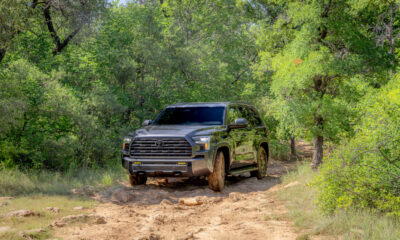
2027 Toyota Sequoia Adds Trailhunter Package and New Tech
You must be logged in to post a comment Login