
To celebrate the remarkable W12 engine that has powered its performance flagships and indeed the brand since 2003, Bentley has created the limited-edition Speed Edition 12. Powered by the most successful 12-cylinder engine of the modern era, the Speed Edition 12 models are a fitting farewell to an extraordinary engineering achievement.
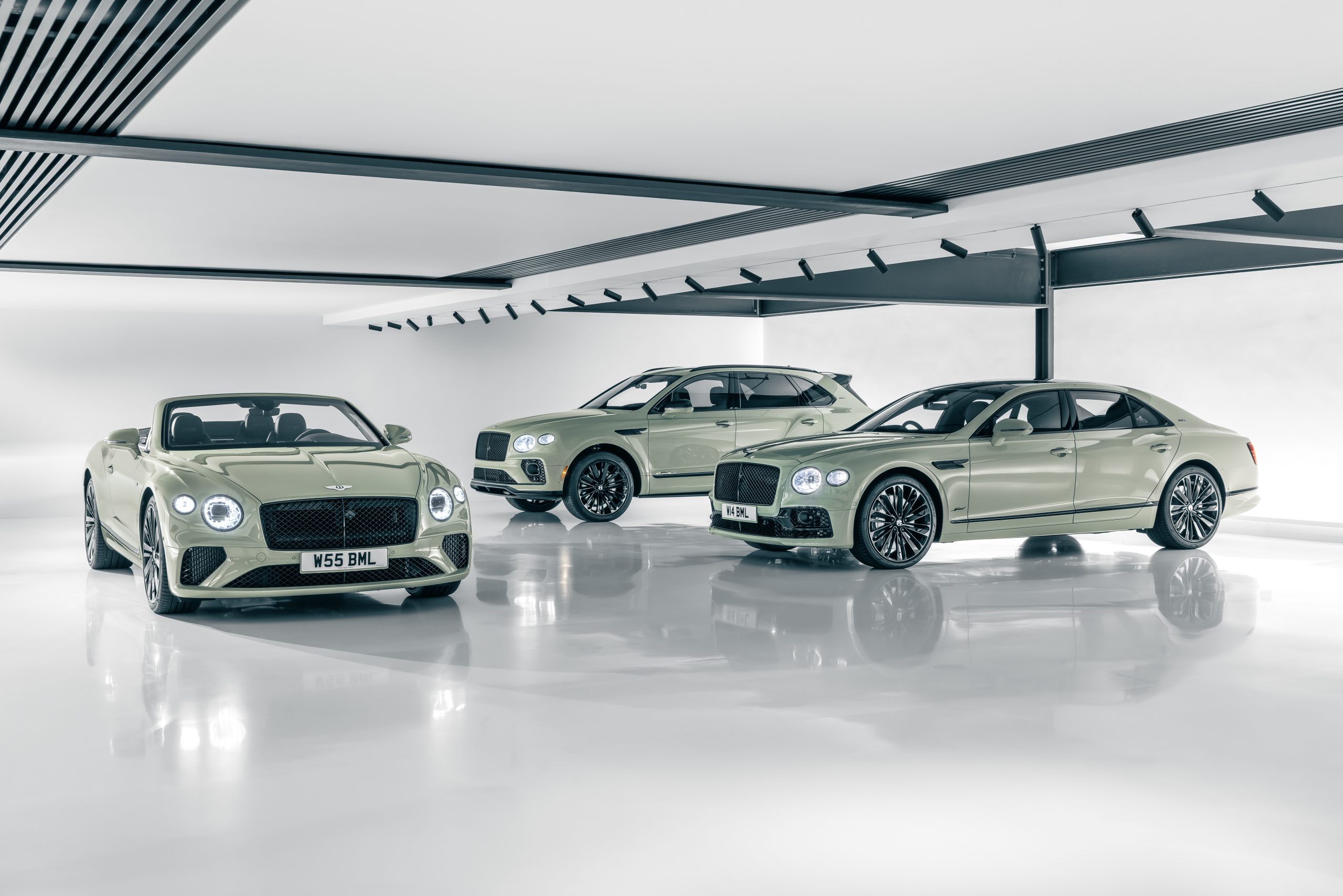
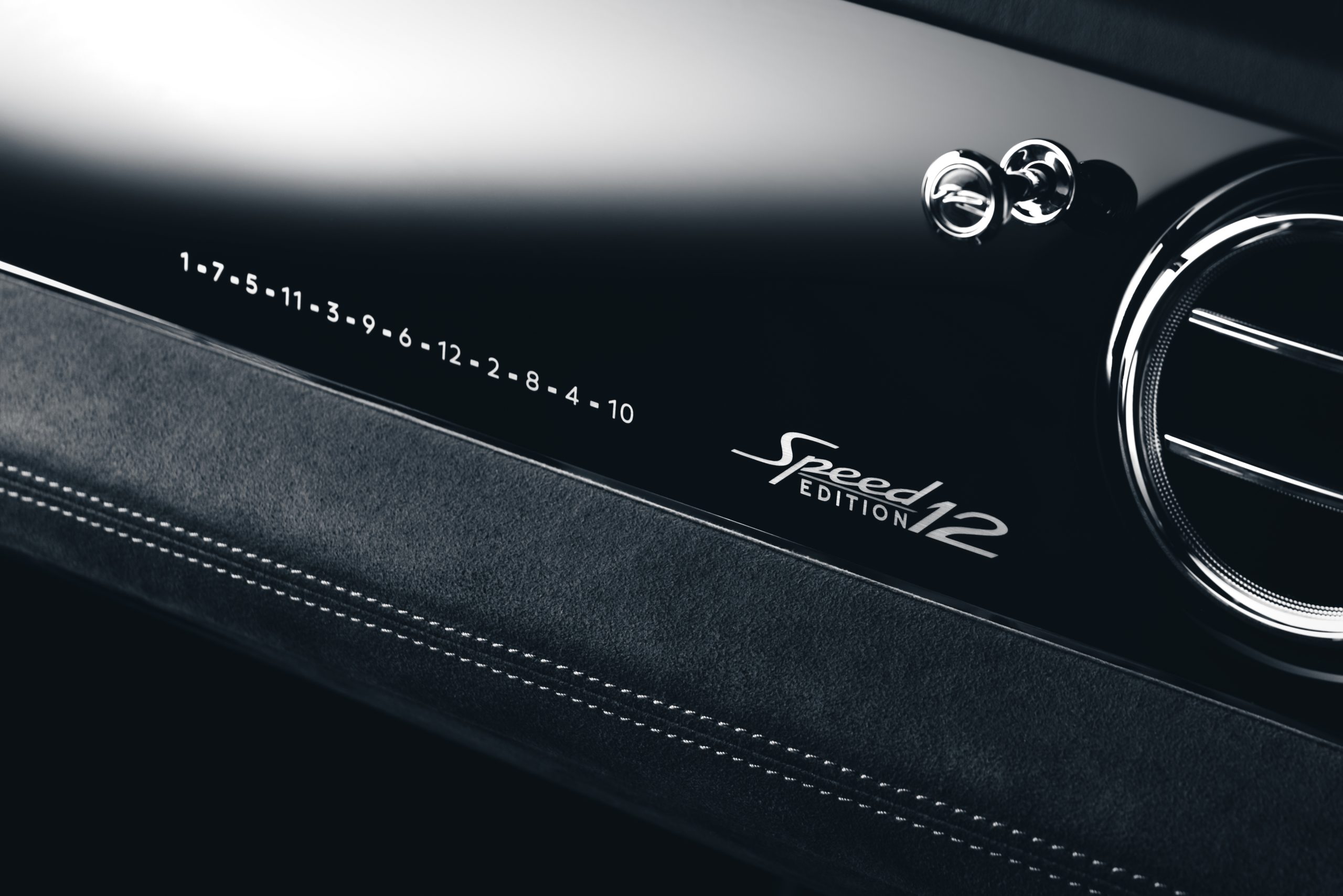
Based on the Speed specification Bentayga, Flying Spur, Continental GT and Continental GT Convertible, the Edition 12 package features many unique design enhancements. These include Edition 12 badging, numbered engine plaque, Edition 12 embroidery, colour graduated seat contrast stitching, and a fascia in Grand Black veneer with the engine firing sequence etched alongside an inlaid Edition 12 badge.
Only 120 of each of four models will be produced, ensuring that the Speed Edition 12 will become a rare and sought-after tribute to an engine that has powered the company’s cars – and its fortunes – for two decades.
The Bentley W12
In 2003, Bentley’s W12 engine heralded a new era for the company as the powertrain for the first all-new model under Volkswagen Group ownership, the Continental GT. The unique W-formation of the 6.0-litre twin-turbocharged W12 enabled it to be 24 per cent shorter than an equivalent V12 with no compromise in power, efficiency, or refinement. Ever since, continuous evolution has seen a 37 per cent increase in power and a 54 per cent increase in torque, along with a 25 per cent reduction in emissions. In the Speed Edition 12 models, the W12 now develops up to 659PS (650 bhp) @ 5000-6000 rpm, while the famed Bentley ‘tidal wave’ of torque sees a peak of 900Nm reached at just 1500rpm and continuing unabated through to 5000 rpm.
Exterior: understated distinction
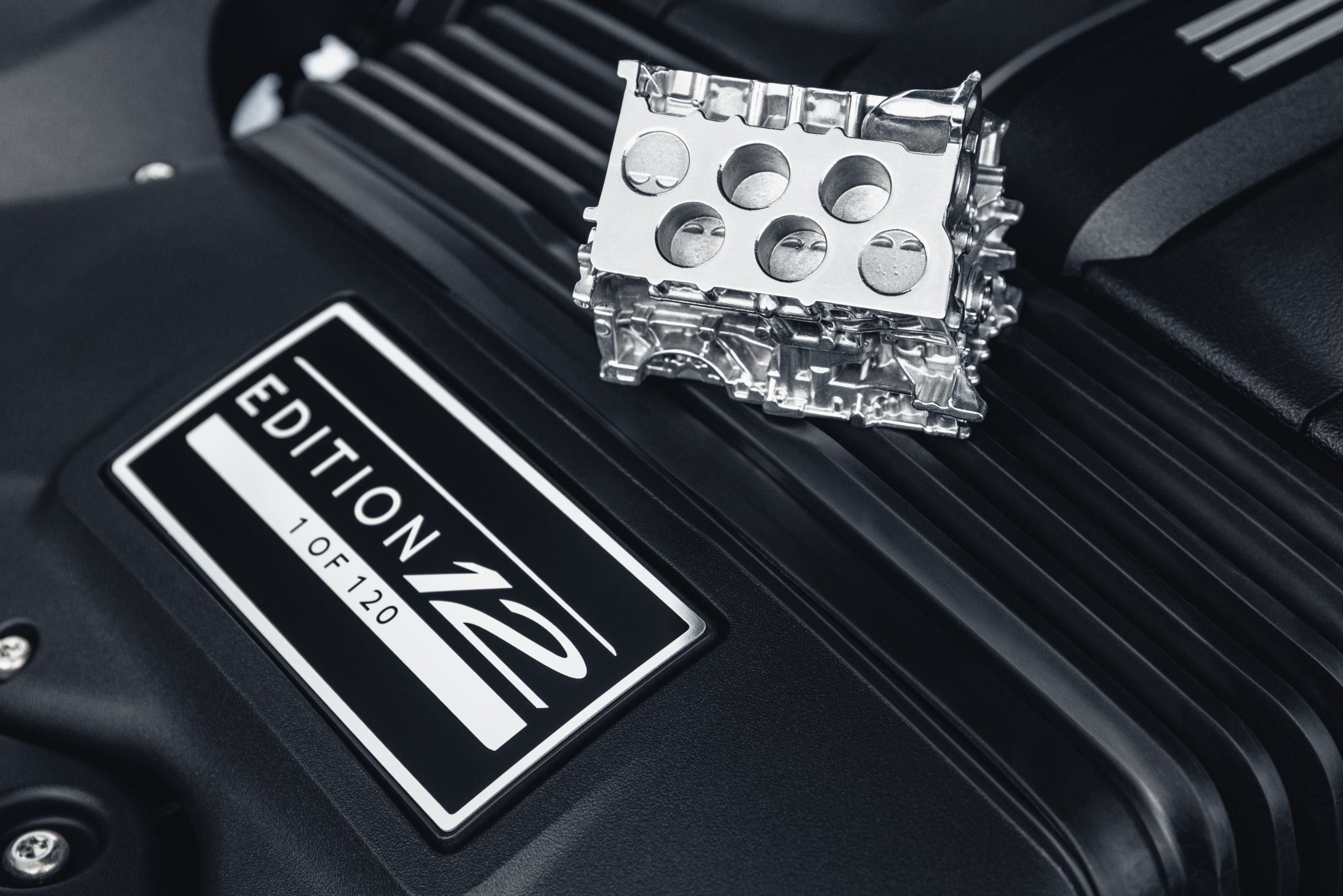
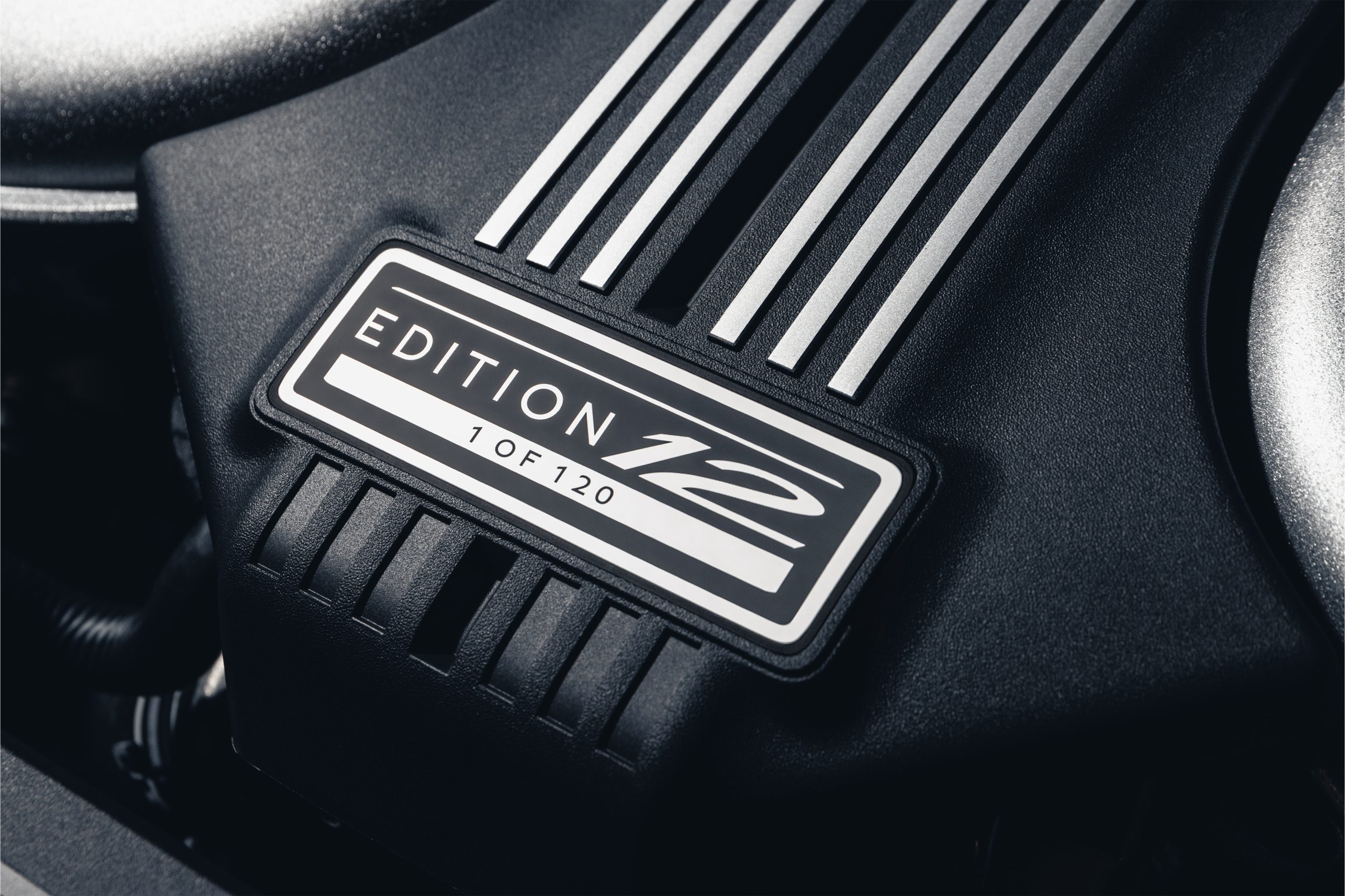
The external features of the Speed Edition 12 models are subtle yet carefully curated, making it instantly recognisable to those in the know. Among the distinctive details are silver brake callipers, which are not available for any other Bentley model. Continental GT and Convertible models feature Speed Edition 12 badging on the front fender while Bentayga and Flying Spur models carry Edition 12 badges on the rear quarter together with the existing Speed badge. Opening the bonnet reveals a numbered Edition 12 plaque in pride of place on the engine’s cover.
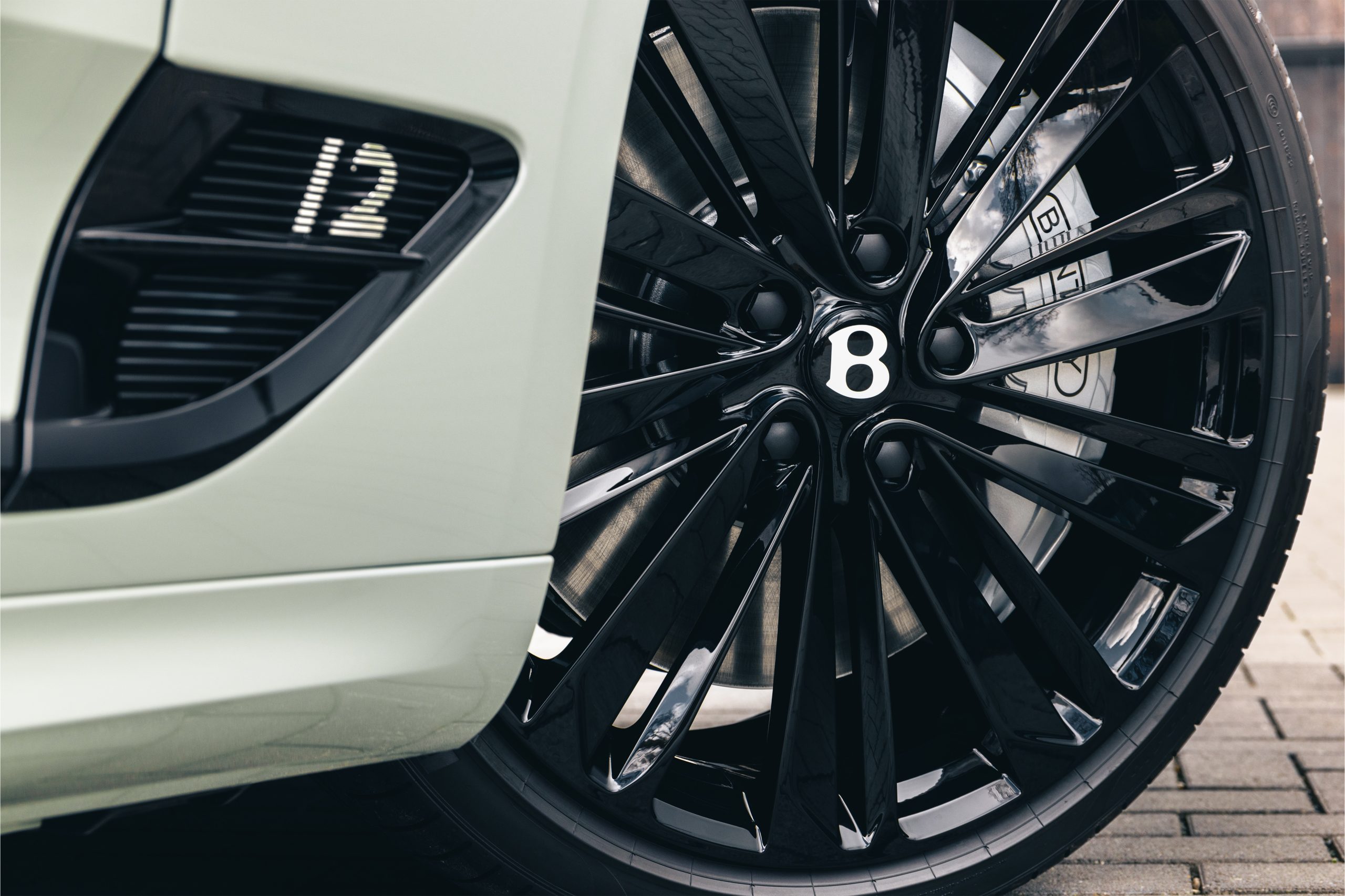
Other exterior features include Blackline specification exterior brightware, 22″ black painted Speed alloy wheels, and self-levelling wheel badges. A new paint colour, Opalite, is available as an option: a light grey-green, it has a subtle copper effect that glows in bright sunshine.
Interior: craftsmanship masterclass
Edition 12 welcome lamps and illuminated treadplates greet driver and passengers to an interior of hand-crafted individuality. All Edition 12 models are available with Bentley’s Speed colour splits; the main colour, Beluga black can either be chosen as the sole upholstery colour or complemented by Brunel blue, Cricketball red, Linen or Orange. Veneer in each case is high gloss Grand Black.
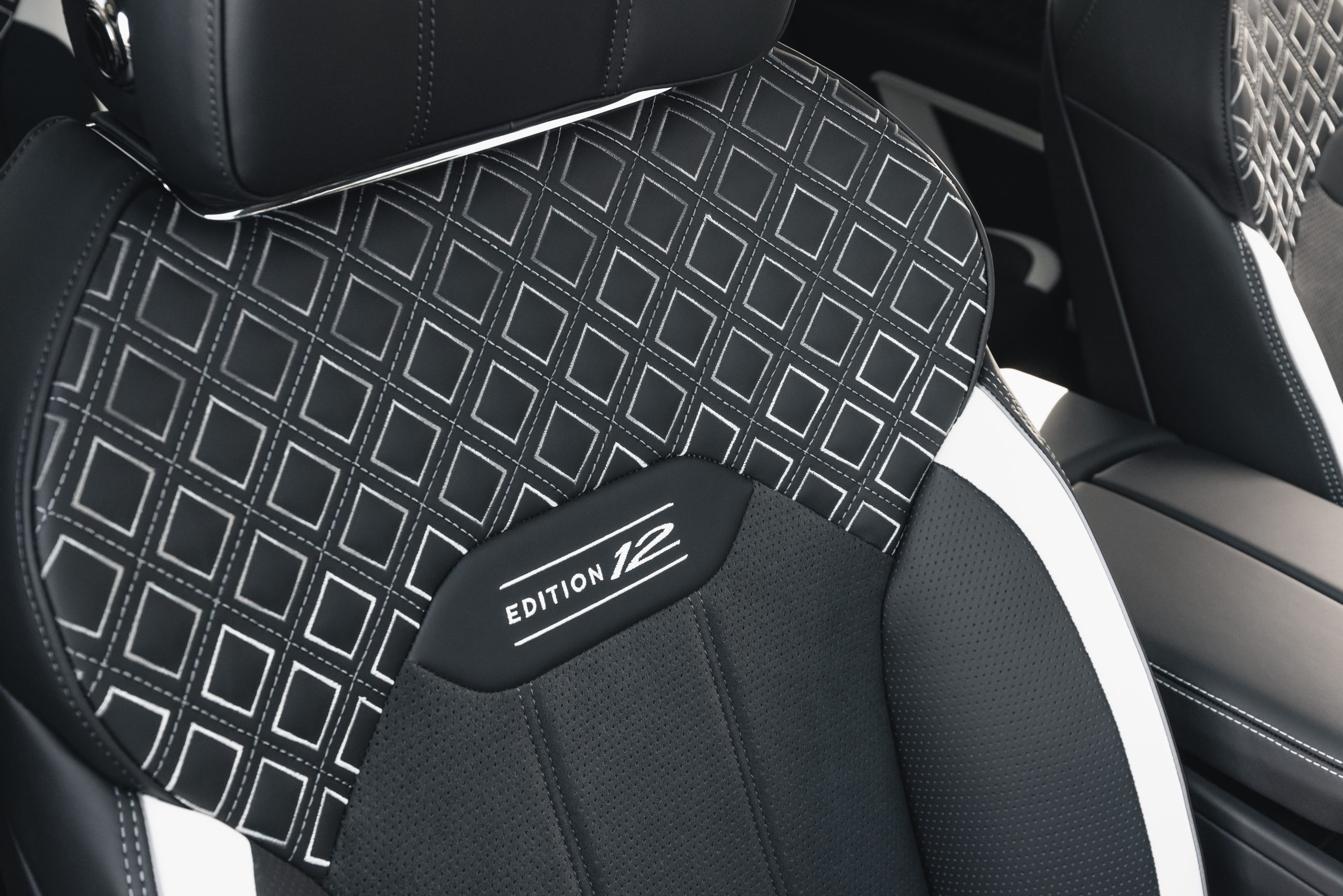
Unique features of this limited edition include seats with Mulliner Silver piping and embroidered Edition 12 namestyle. The upper seat areas are quilted, and contrast stitched in a graduated three-colour ‘fade’ from Anthracite through Porpoise to Stratos. Quilted door panels are contrast stitched.
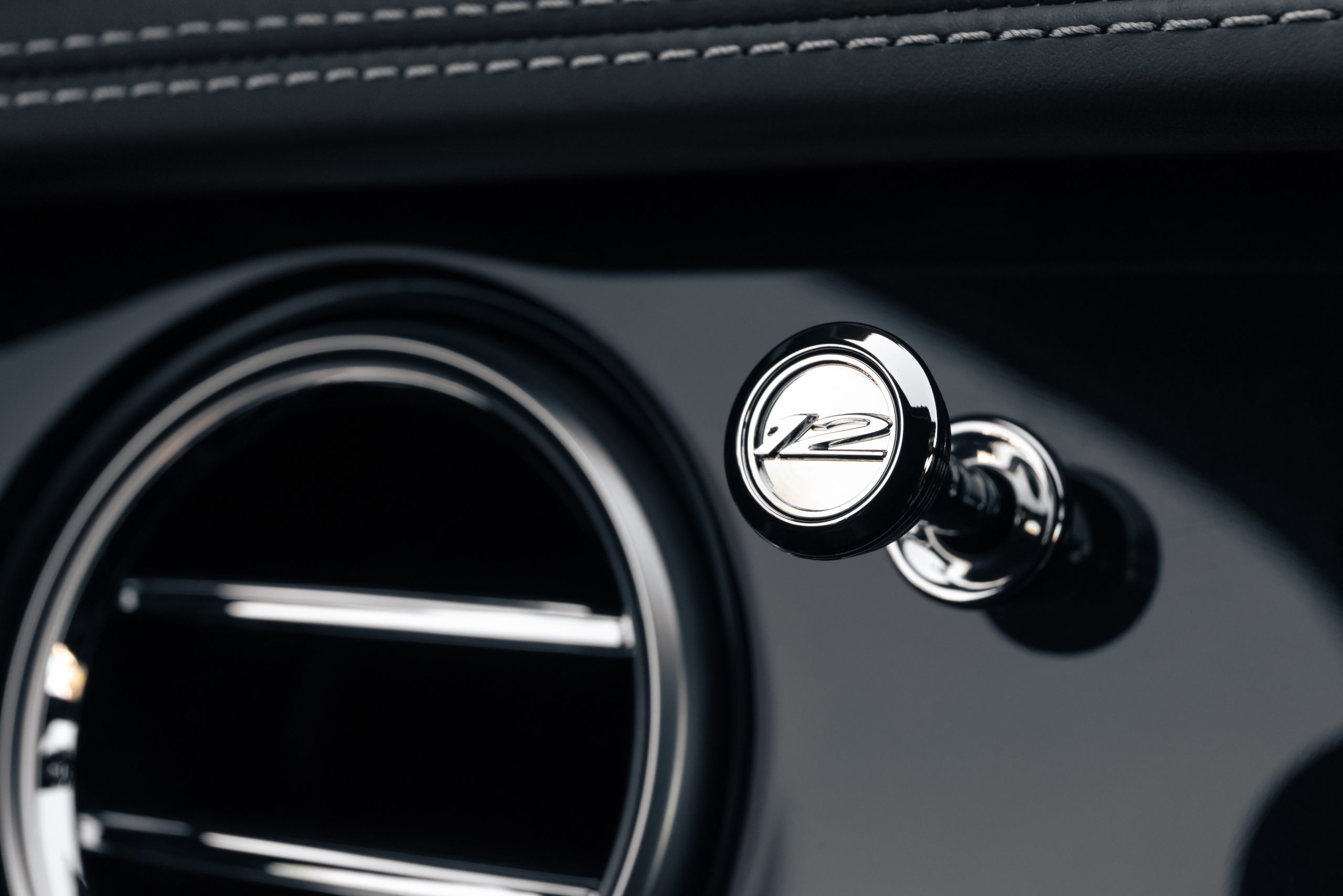
The organ stop air vents are also unique, featuring the numeral ’12’ machined from solid on the face of the control. As another delightful detail, the Grand Black veneer facia facing the front seat passenger features the firing sequence of the W12 engine etched alongside an inlaid Speed Edition 12 badge.
Commemorative 15% scale model W12 block
As a final touch, customers will receive a precise 15 per cent scale model of the Bentley W12 block as a commemorative artefact for display on desk, cabinet or shelf. The scale model W12 engines are cast using aluminium taken from a full-size W12 engine block and will serve as a permanent memento of one of Bentley’s most significant and powerful engines.











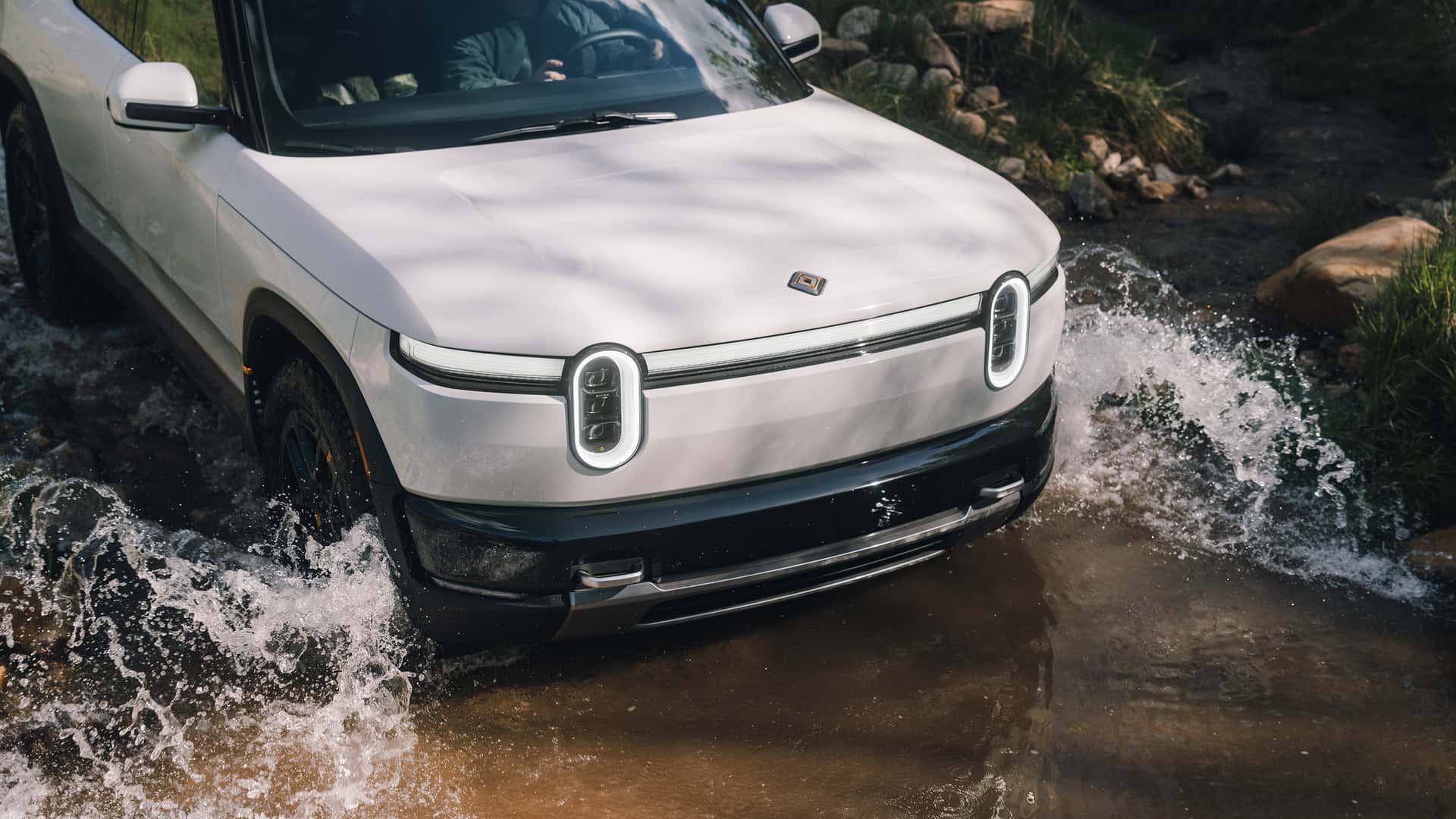
The automaker is inviting select R1 and R2 owners to try a new route-based driving assistant before a wider U.S. rollout.
Rivian is preparing to expand its driver-assistance technology with Point to Point, a system designed to handle more of a journey than conventional hands-free highway assistance. The first phase will be limited to selected customers, with a broader rollout planned for 2027.
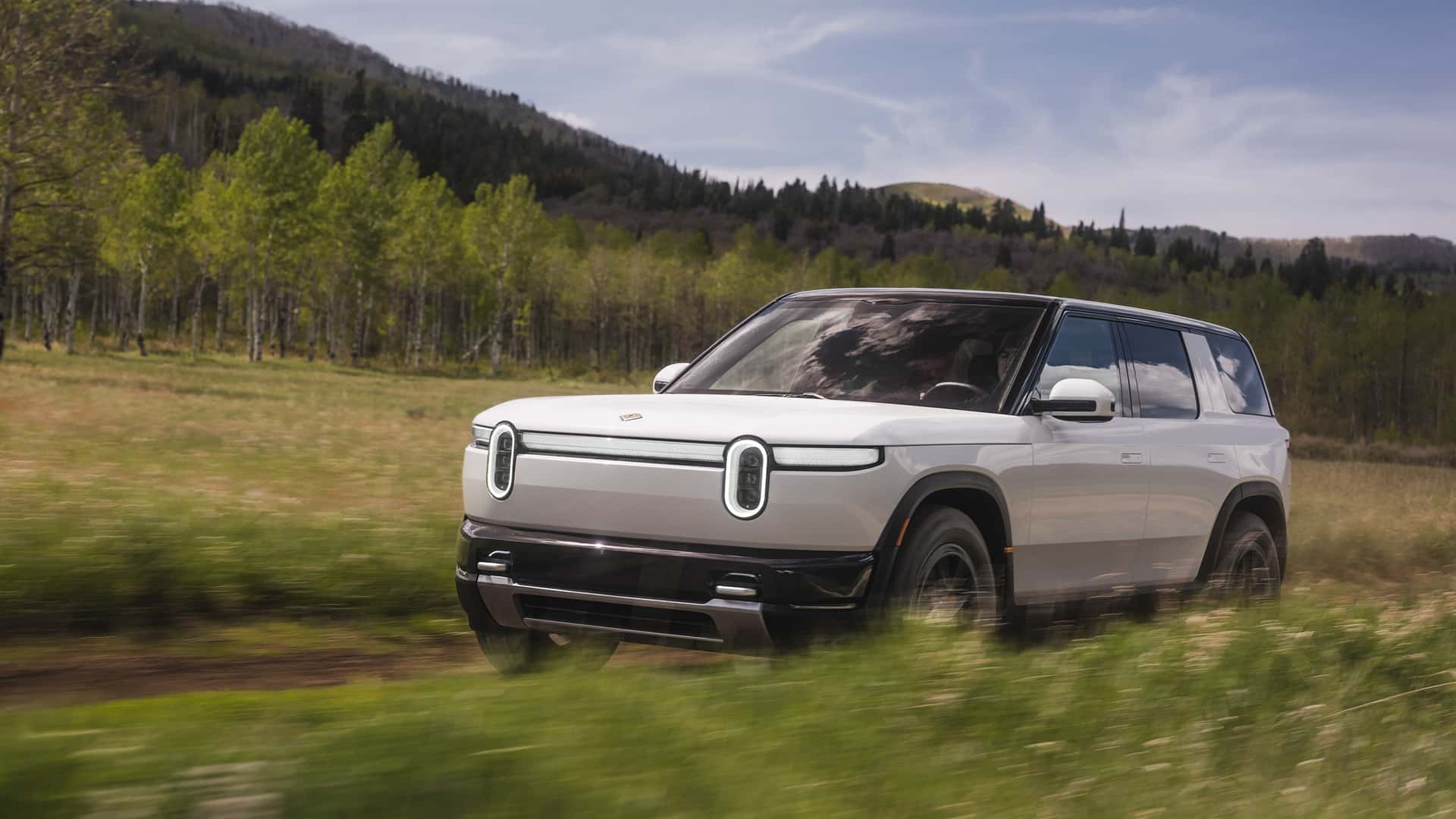
Rivian is starting its latest driving technology program with eligible owners of newer R1 models and the R2.
From Highway Assistance to Full Routes
Point to Point builds on Rivian’s existing Universal Hands-Free system. It is designed to follow a planned route, including turns, highway merges and surface streets, while the driver remains responsible for supervising the vehicle.
The technology combines the vehicle’s sensors and cameras with Rivian’s Large Driving Model, which interprets surrounding conditions and helps determine how the vehicle should respond.
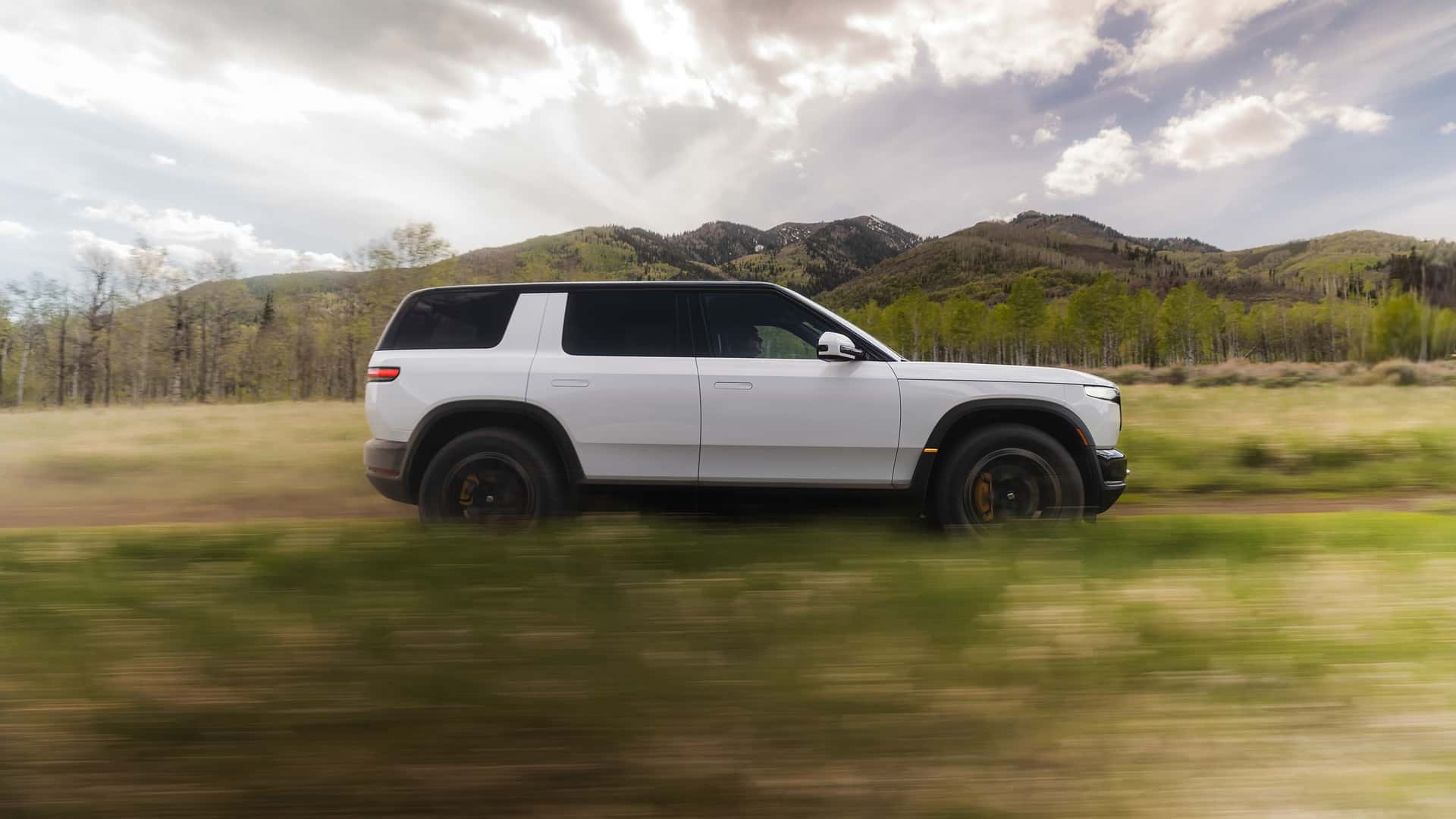
Point to Point aims to manage more of a planned journey while requiring the driver to remain attentive.
Who Can Join the Early Access Program?
The initial program targets eligible Gen 2 R1 and R2 owners in California and Florida. Applicants must have an active paid Autonomy+ subscription; free trials do not qualify.
Rivian will consider existing use of its driver-assistance features, recent safety records and a balance of vehicle models and regions when selecting participants. Owners can register their interest through the Autonomy Early Access tile in their Rivian account.
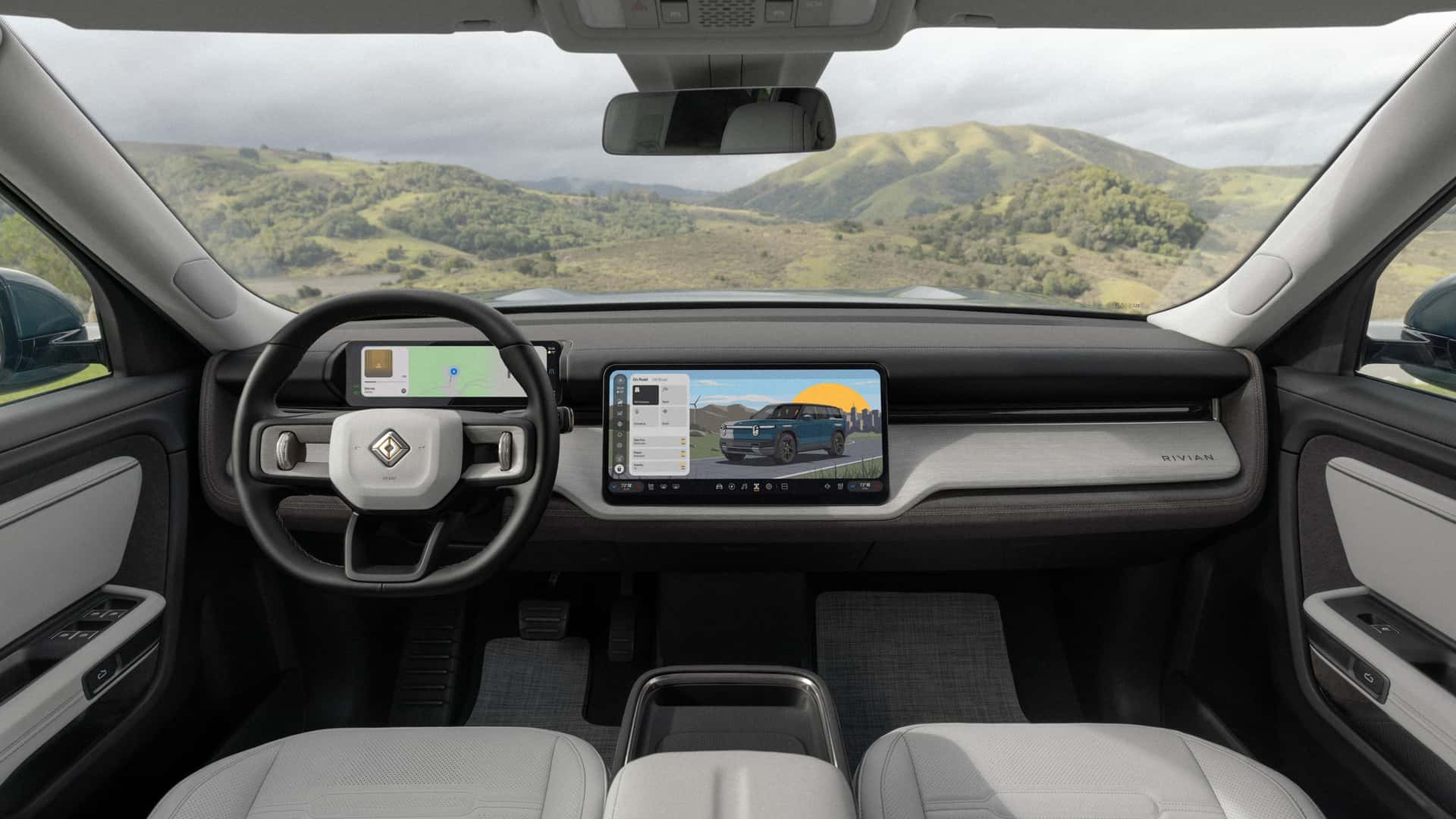
Eligible owners can register their interest through their Rivian account.
Testing Comes With Conditions
Selected participants must use the preview features weekly, report issues and complete monthly surveys. They must also agree to data collection that includes location and camera data, under a non-disclosure agreement.
The program is unpaid, and Rivian can reassess participants’ eligibility every 30 days. First-generation R1 vehicles and Canadian owners are excluded from the initial phase.
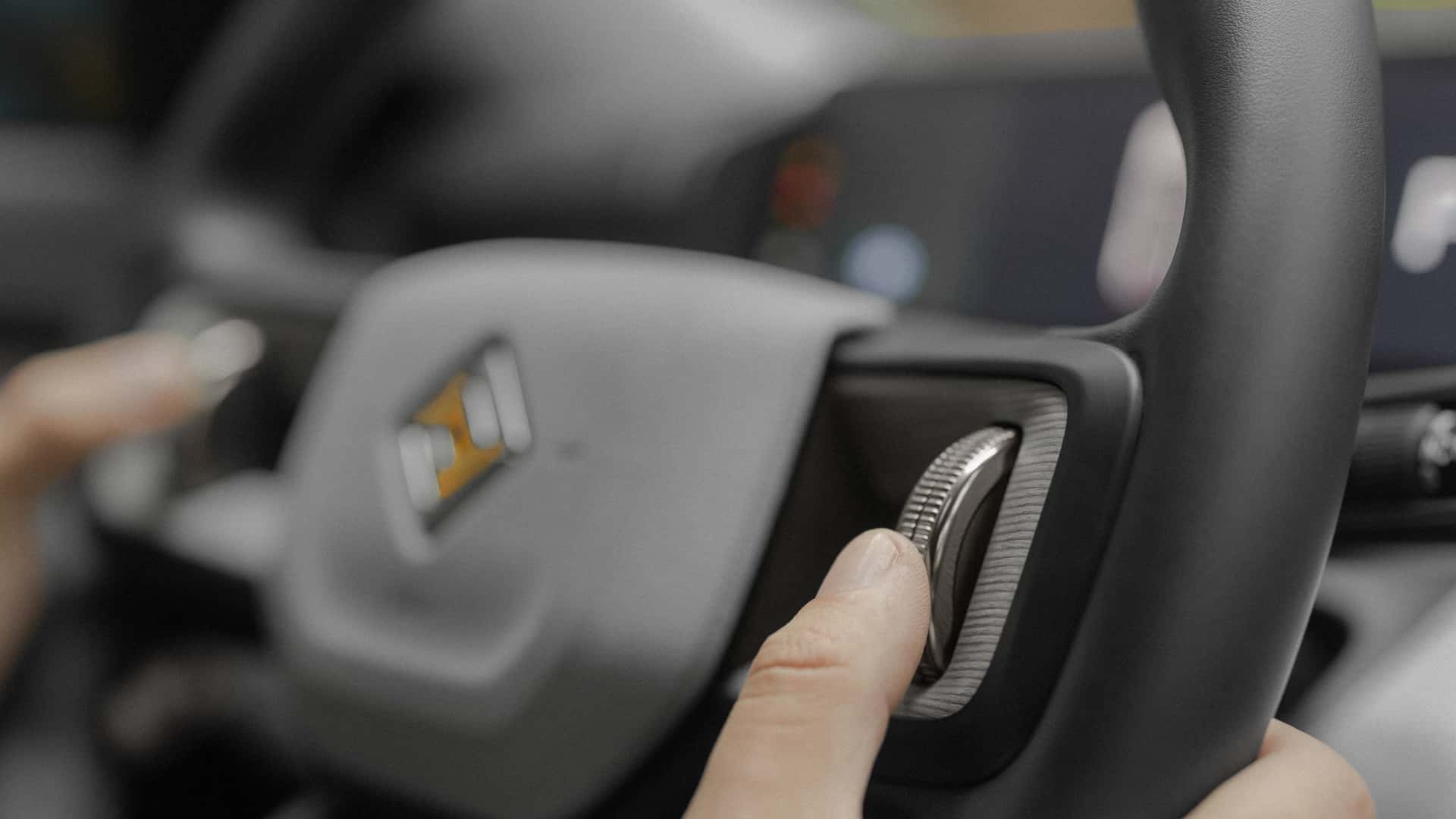
Camera and sensor data are part of the technology Rivian is developing and evaluating.
A Wider Rollout Is Planned for 2027
Rivian expects Point to Point to reach a broader group of Autonomy+ customers in 2027, following the early-access phase. Feedback from interested owners outside California and Florida may also help inform which states are considered for expansion.
The R2 is among the vehicles targeted for the initial program, with wider availability expected to follow.
Point to Point remains a Level 2 driver-assistance system, not fully autonomous driving. Drivers must stay attentive and be ready to take control at all times.
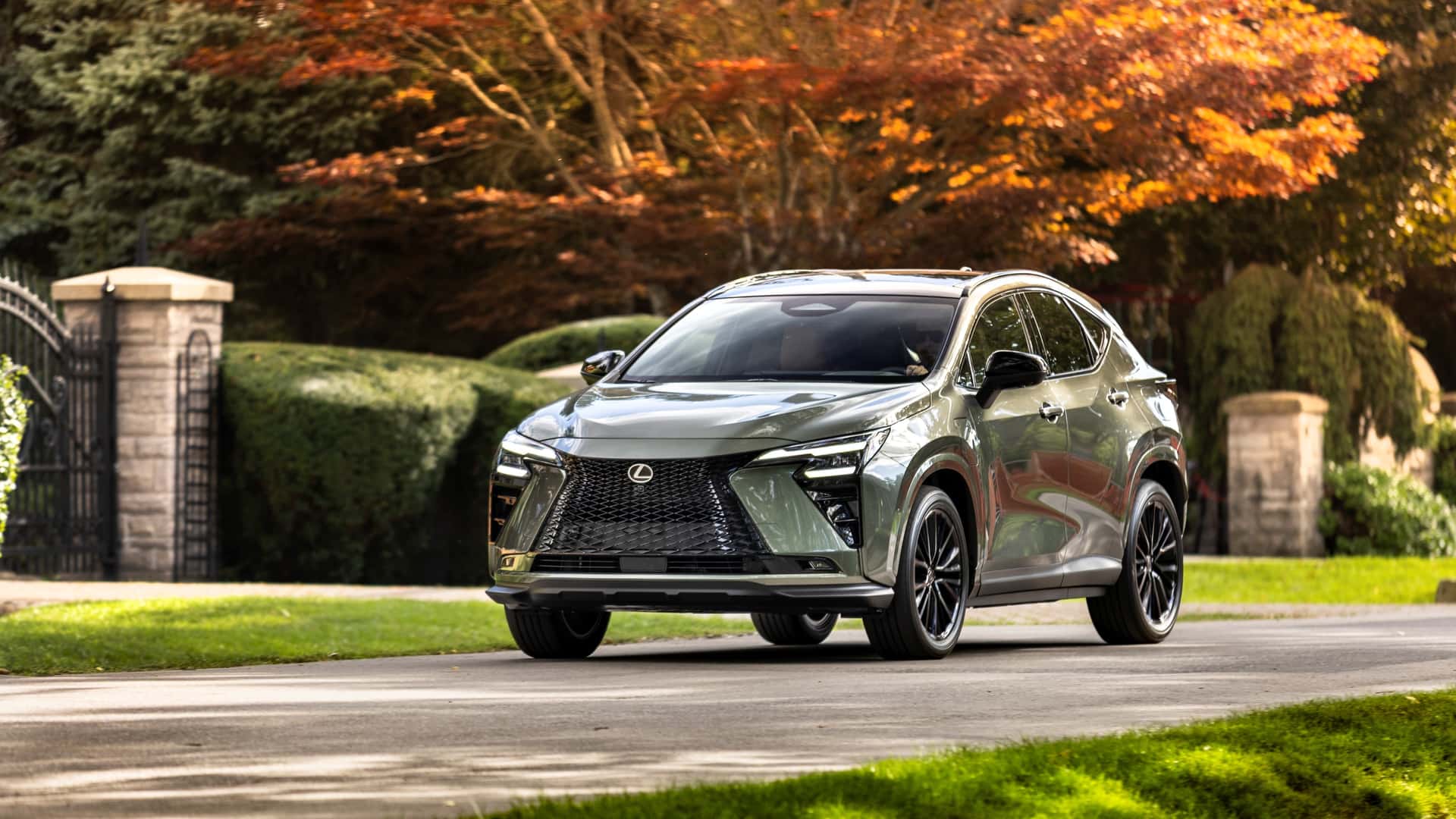
Lexus transforms its NX lineup for 2027 with more power, a redesigned cabin and an all-hybrid range.
The 2027 Lexus NX enters a new chapter as the luxury crossover drops its gasoline-only version. Buyers can now choose between the NX 350h hybrid and the NX 450h+ plug-in hybrid, with four trim levels and updated technology across the lineup.
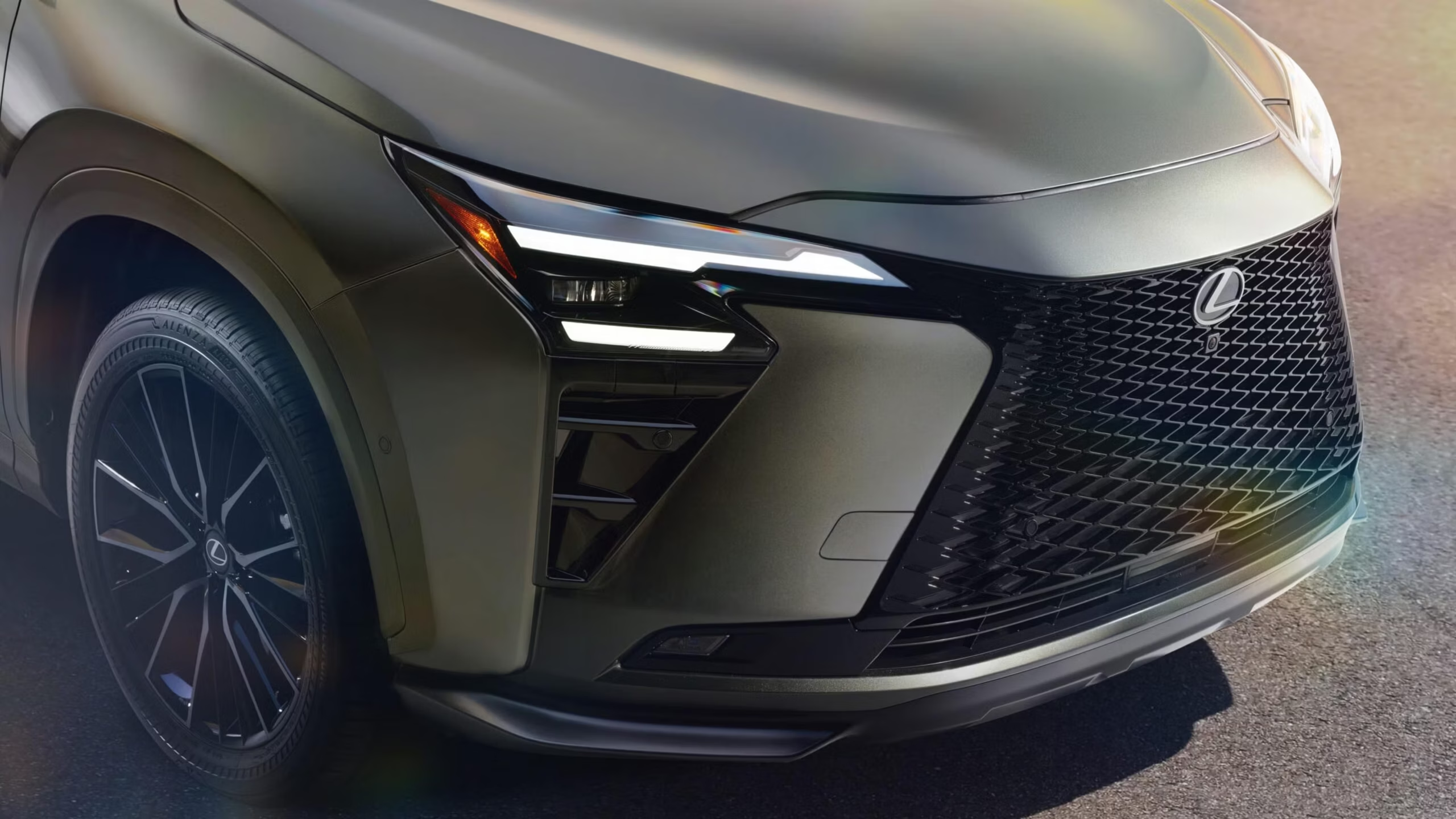
The 2027 Lexus NX adopts a sharper design with a new headlight signature and cleaner exterior details.
More Power Across the Hybrid Range
The NX 350h now delivers 244 horsepower, a 4-hp increase over the previous model. The NX 450h+ plug-in hybrid makes 324 horsepower, up from 304 hp, and offers an estimated 40 miles of electric-only range.
Both versions benefit from a revised e-Axle system and updated power electronics designed to improve efficiency and reduce weight.
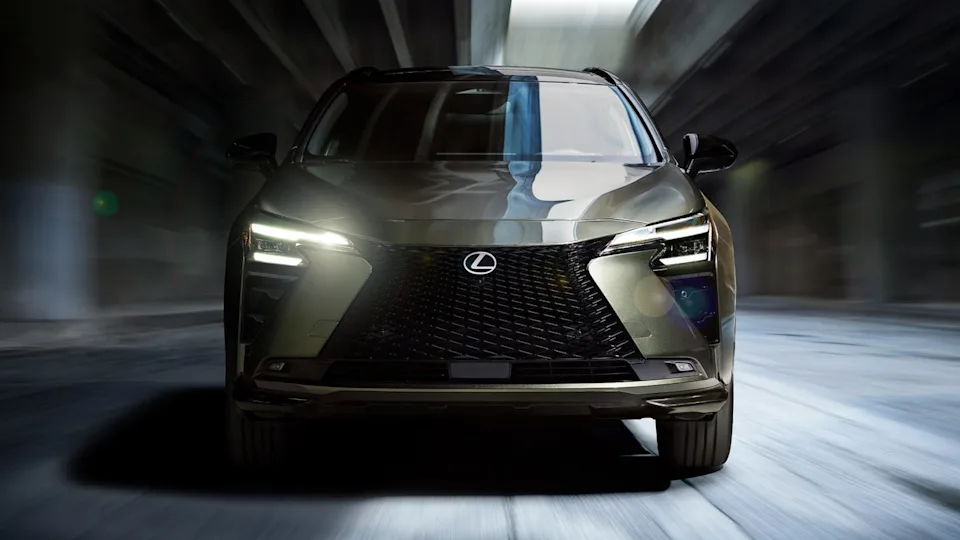
The NX 350h combines a 244-hp hybrid powertrain with a choice of front-wheel or all-wheel drive, depending on trim.
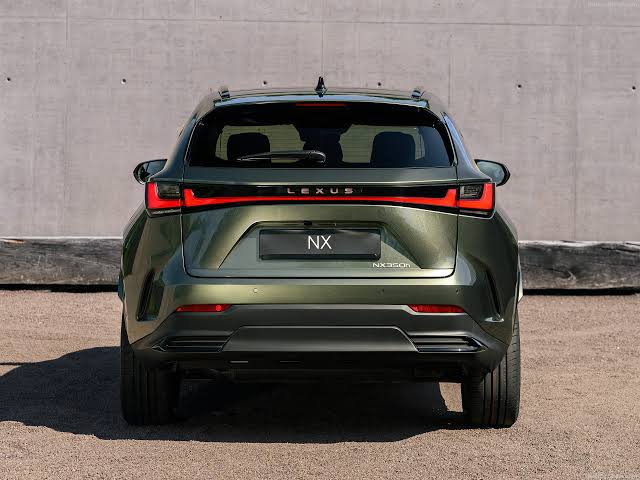
Updated rear lighting and a distinctive illuminated badge give the redesigned NX a more recognizable appearance.
A More Digital Cabin
Inside, every 2027 NX features a 14-inch central touchscreen and a 12.3-inch digital instrument cluster. Lexus Interface adds a customizable home screen, dual Bluetooth phone connectivity, a built-in drive recorder and standard over-the-air updates.
The Luxury and F Sport grades also offer Sensory Concierge, which coordinates cabin lighting, climate, seat temperature and fragrance through three selectable modes.
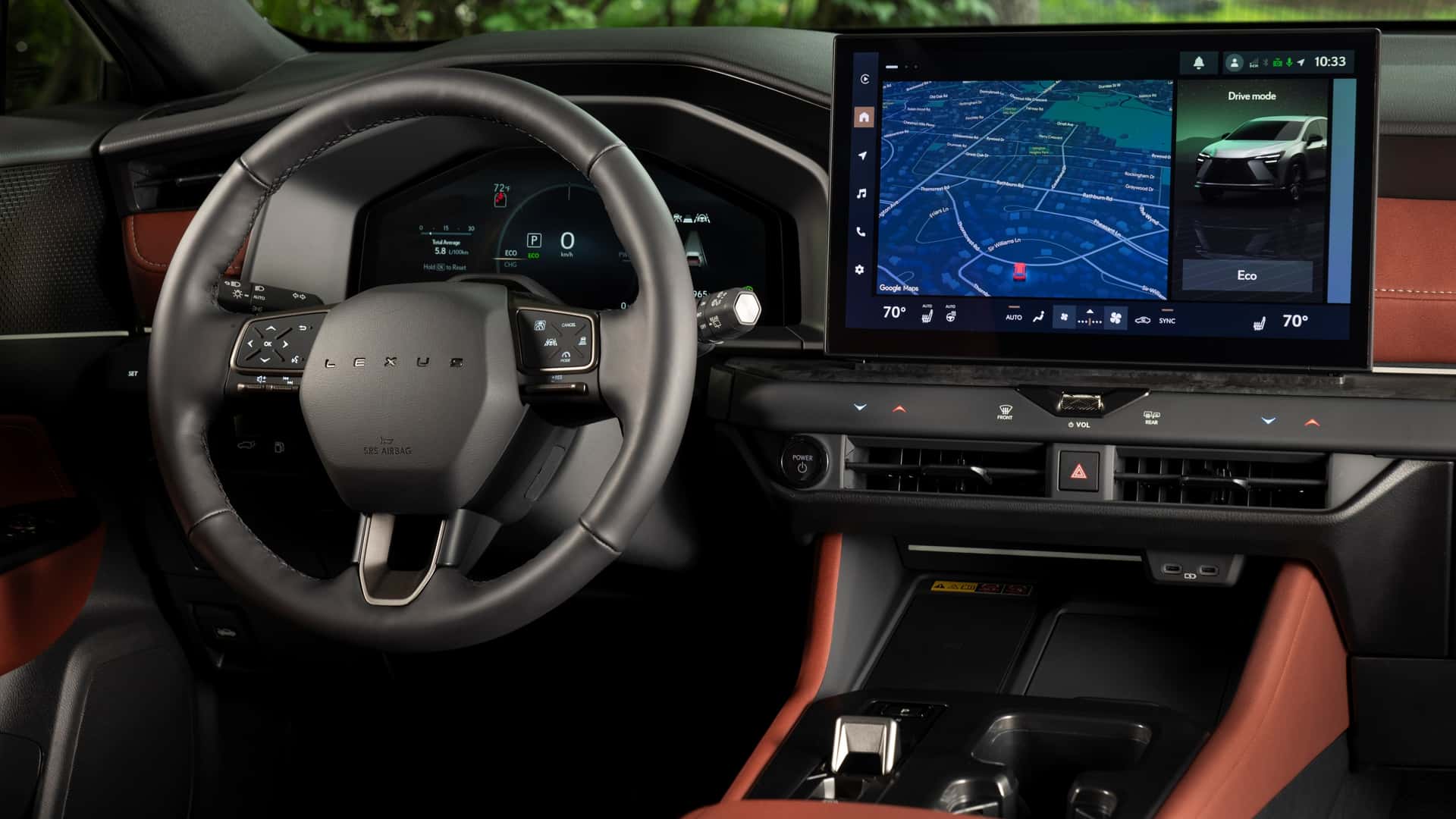
The updated interior makes a larger touchscreen and digital instrumentation standard across the lineup.
Four Grades and Expanded Driver Assistance
The 2027 Lexus NX lineup consists of Premium, Premium+, F Sport and Luxury. The NX 350h offers front-wheel or all-wheel drive on selected grades, while the NX 450h+ comes with all-wheel drive.
Lexus Safety System+ 4.0 is standard, bringing adaptive cruise control, automatic emergency braking with pedestrian detection, intersection assistance and emergency steering support.
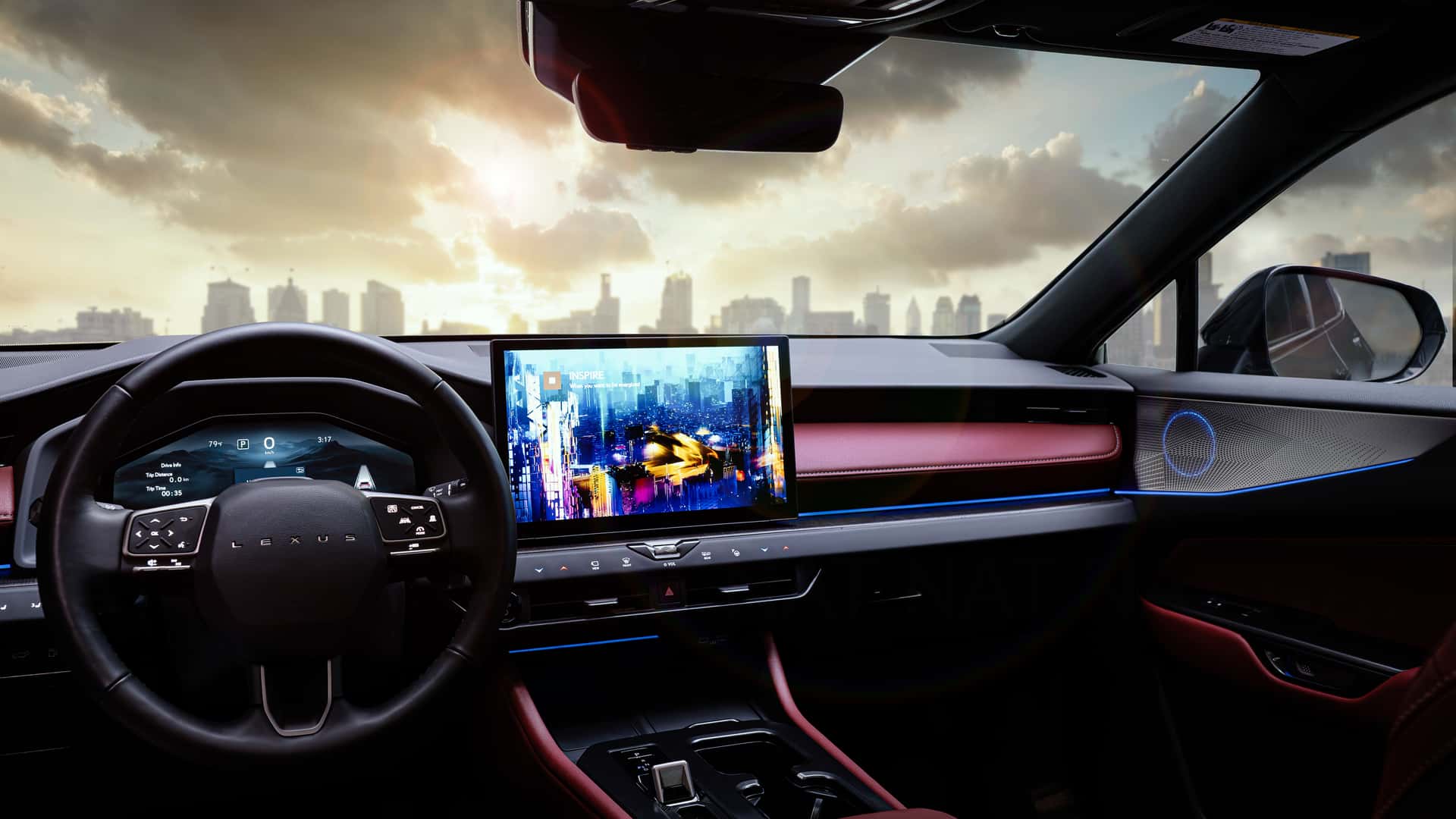
The 2027 NX combines its updated hybrid powertrains with standard driver-assistance technology.
Lexus has not yet announced pricing for the refreshed NX. Final prices for all four grades are expected closer to the model’s on-sale date.

Subaru’s new electric SUV combines 375 horsepower, standard all-wheel drive and up to 281 miles of estimated range.
The 2026 Subaru Trailseeker brings a new level of performance to the brand’s electric SUV lineup. With dual electric motors, 375 horsepower and standard all-wheel drive, the new crossover combines the utility Subaru buyers expect with acceleration that makes it the quickest vehicle the automaker has produced, according to the company.
The Trailseeker arrives as U.S. buyers gain more electric SUV options across different sizes, performance levels and price points. Its combination of power, ground clearance and cargo versatility gives Subaru a new way to appeal to drivers who want electric performance without giving up the capabilities associated with the brand.
2026 Subaru Trailseeker Offers 375 Horsepower
The Trailseeker uses two AC synchronous permanent-magnet electric motors, one mounted on each axle. Each motor produces 224 horsepower and 198 lb-ft of torque, while the combined system delivers up to 375 horsepower and 396 lb-ft of torque.

The 2026 Subaru Trailseeker combines a streamlined crossover design with a dual-motor electric powertrain.
Each motor forms part of an integrated transaxle that includes a single-speed reduction gear and power inverter. This configuration allows the vehicle to distribute power between the front and rear axles while supporting electronic torque management.
The result is a significant performance step for Subaru. The company says the Trailseeker can accelerate from 0 to 60 mph in 4.4 seconds, making it the brand’s quickest vehicle yet. Instant electric torque and the combined output of the two motors are central to that performance.
Subaru Trailseeker AWD Adds Off-Road Capability
All-wheel drive is a key part of the Trailseeker’s setup. Its electric motors drive both axles, while Subaru’s revised Symmetrical All-Wheel Drive system works with a dual-mode X-MODE system designed to improve traction on challenging surfaces.
Drivers can select Snow/Dirt or Deep Snow/Mud settings. The SUV also includes Grip Control and Hill Descent Control, features intended to help maintain control on slippery roads and uneven terrain.

The Trailseeker’s dual-motor AWD system and X-MODE settings are designed to support traction on varied surfaces.
Acceleration sensors at the front and rear provide information that helps the vehicle manage torque distribution and maintain stability. The system is designed to combine the rapid response of electric motors with Subaru’s focus on all-weather capability.
However, the Trailseeker’s specific off-road performance will depend on terrain, tires, ground clearance and driving conditions. Its traction technology should not be interpreted as a guarantee of capability on every surface.
Battery, Range and Charging Efficiency
The 2026 Trailseeker uses a 74.7-kWh lithium-ion battery pack containing 104 cells. The battery supplies energy to both electric motors, supporting the SUV’s combined power output while providing an estimated driving range of up to 281 miles.

The Trailseeker pairs its electric powertrain with the space and everyday utility expected from a Subaru crossover.
-

 NOW TRENDING2 months ago
Tesla Cybercab Gets September 3 Austin Launch Date
-
 TEST DRIVES2 months ago
2025 Ford Bronco Sport Badlands: The Adventure SUV You Can Drive Every Day
-
 TEST DRIVES2 months ago
2026 Toyota GR Supra MkV Final Edition
-
 NOW TRENDING1 month ago
Aston Martin DBX Becomes Harry Da Souza’s Ride in MobLand
-

 NOW TRENDING2 months ago
Tesla Cybercab Puts U.S. Regulations to the Test
-
 Formula12 months ago
FIA Reveals Second ADUO Results With Red Bull-Ford Still on Top
-
 NOW TRENDING2 months ago
2027 Hyundai Tucson Hybrid Gets a Power Boost
-
 NOW TRENDING2 months ago
Hyundai Reports Strong Hybrid Sales in August 2026
You must be logged in to post a comment Login