
Acura revealed a near-production interior styling and technology concept, the Acura Precision Cockpit, while highlighting three major themes in mobility innovation – electrification, automated driving and connectivity. Fusing an ergonomic design with a modern operating system and a touchpad-based interface that goes beyond traditional approaches, the Acura Precision Cockpit complements the exterior design direction revealed earlier this year in the Acura Precision Concept. Together, the Acura Precision Concept and Acura Precision Cockpit form the fundamental building blocks for Acura’s future vehicle design.
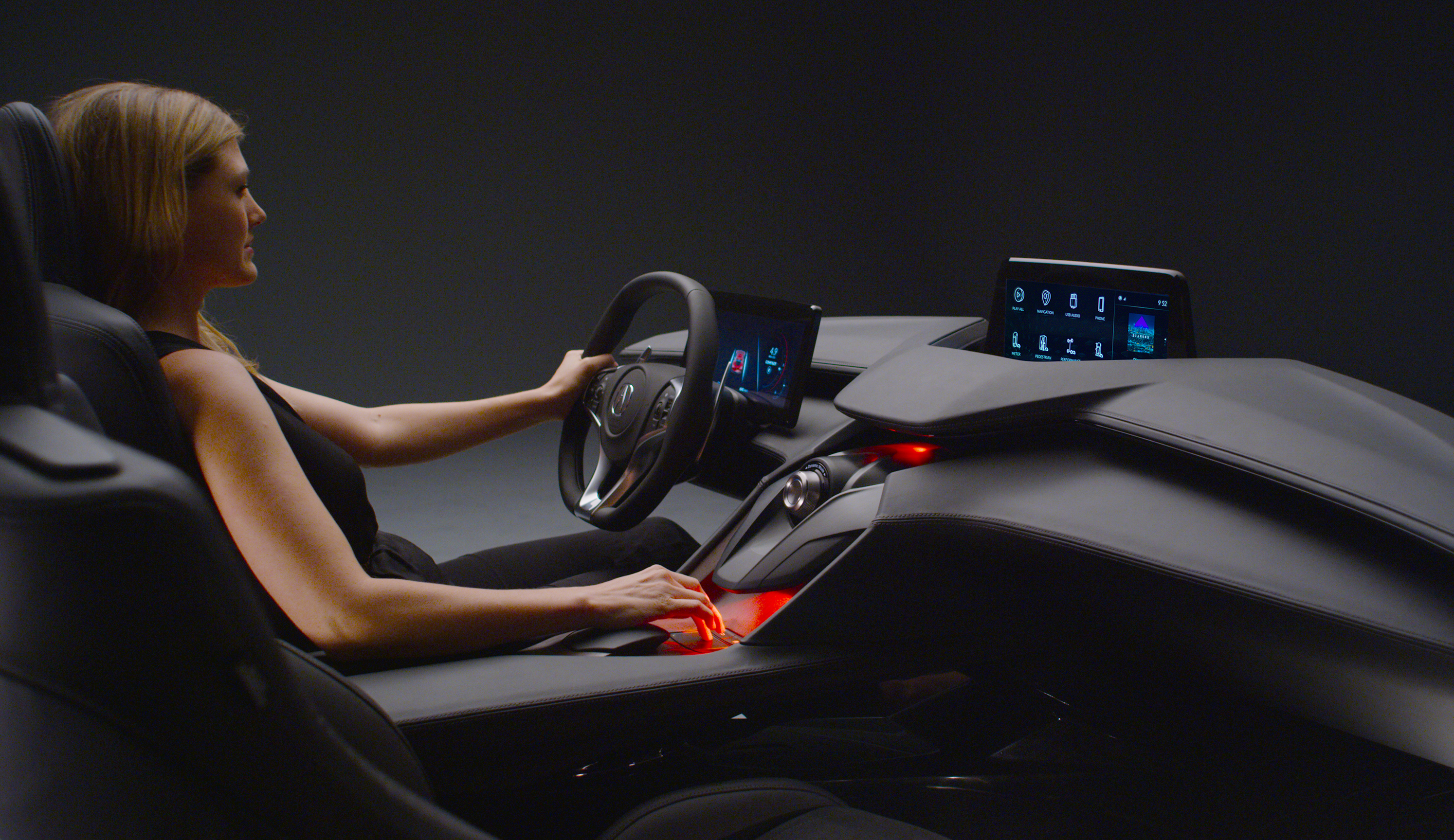
The Acura Precision Cockpit’s seats, steering wheel and drive mode dial are inspired by the NSX, pointing toward a sporty future for the Acura brand. Brushed metal, natural wood, leather and alcantara finishes create a premium look and feel. Expressive surfacing and modern detailing, including copper amber LED lighting, accentuate the cabin’s design aesthetic.
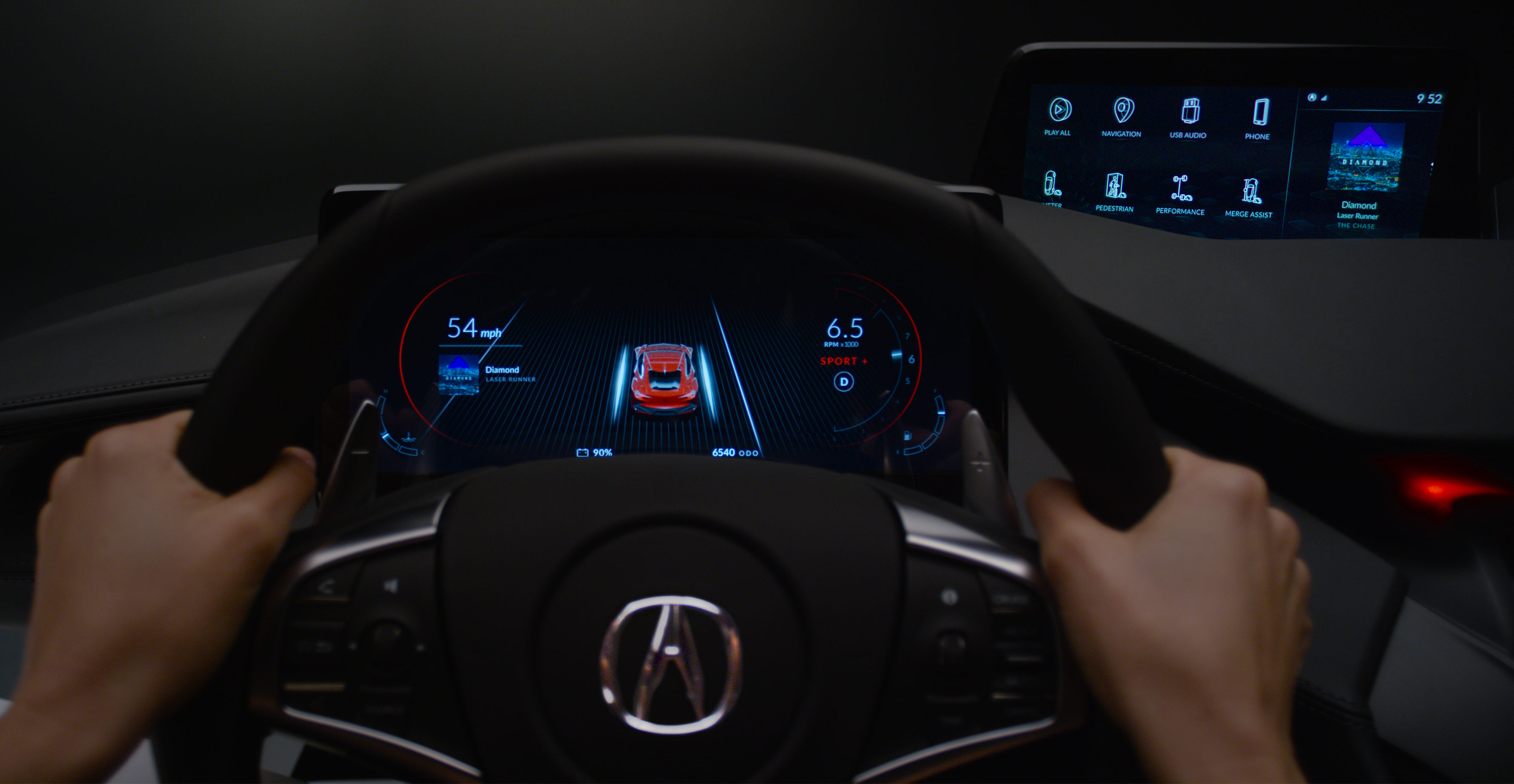
The instrument panel houses a wide, ultra-clear, 12.3-inch driver’s display. It sports a double-layered structure covered in stitched leather surfaces, providing a lightweight and high contrast image. A matching center display is placed high in the cabin, in a visually elegant location, close to the driver’s natural line-of-sight. Custom colors and animations match the mood of the driving mode selected by the driver – white for Snow, blue for Comfort, red for Sport and orange for Sport Plus.
The center display is operated through a curved touchpad that is optimally positioned in the center stack. The touchpad is ergonomically designed to eliminate the need to visually locate a button or a switch.

The Acura Precision Cockpit unlocks the benefits of connectivity and semi-automated driving technology, while enhancing the driving experience. For example, when automated systems are engaged, the digital meter in the driver’s display utilizes a real-time 3D engine to support a dynamic layout that displays other cars and road objects recognized by the vehicle’s advanced sensors, leveraging vehicle-to-vehicle communications to visually distinguish cars operating autonomously. An advanced vision mode leverages sensors to display cars, pedestrians, cyclists and other objects – even those obscured from vision – using artificial intelligence to predict future pathways. This mode builds human confidence in the car’s automated driving systems.
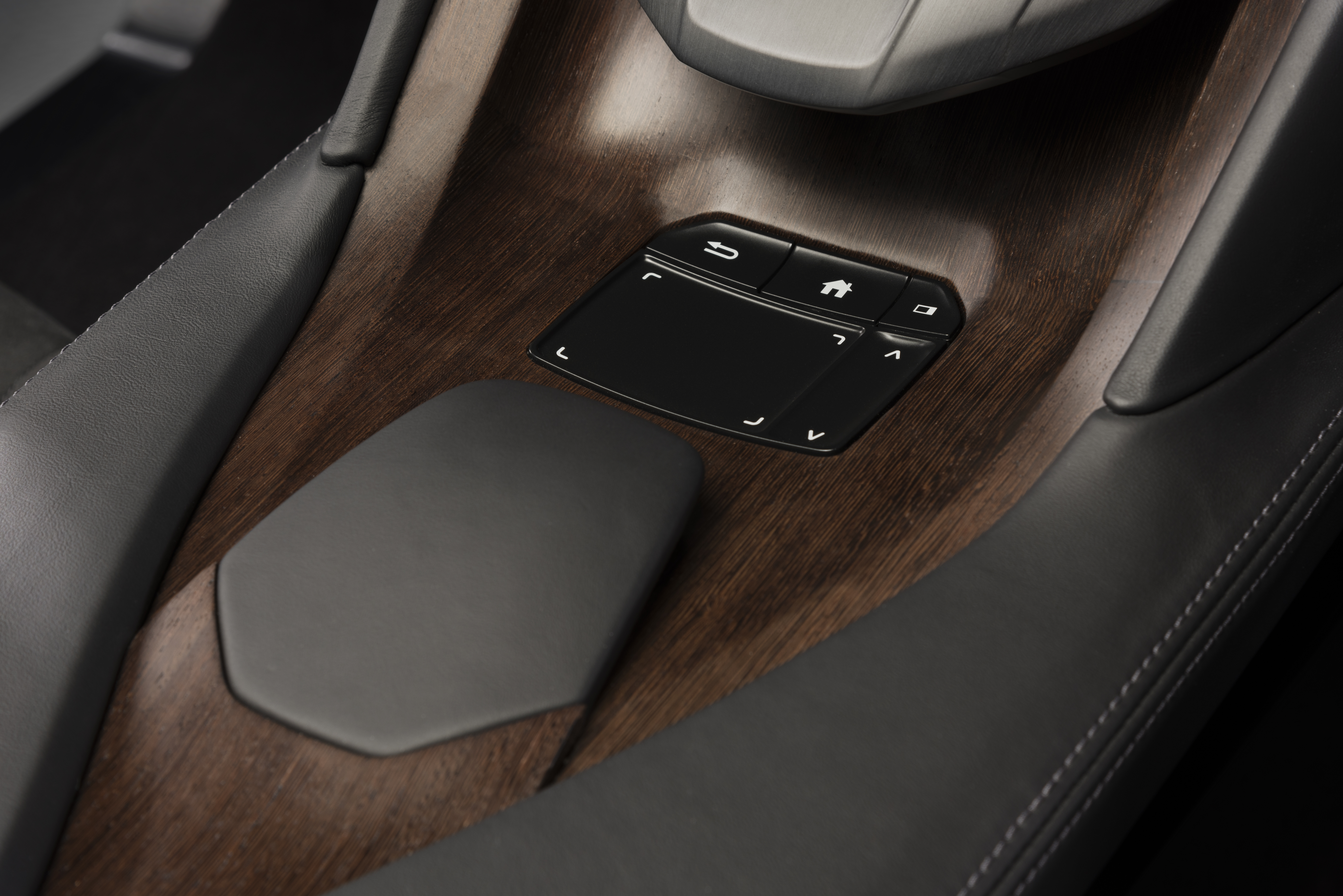
The Acura Precision Cockpit’s touchpad uses absolute position mapping for the first time in the driving environment, combining the flexibility and usability of a touchscreen with the comfort and reduced driver distraction of a remote-based approach. A traditional touchscreen approach is intuitive and direct, but forces a compromised placement of the screen close to the driver and out of the driver’s natural line-of-sight. A traditional remote-based interface – common in luxury cars – solves these challenges, but the interaction between the remote and the display is often indirect and clumsy.
With absolute positioning, the interaction with the touchpad aligns precisely with the actions on the main display. Every spot on the touchpad is mapped to a specific function on the main display, just like a touchscreen. Favorites are positioned along the bottom, and scrolling is positioned along the outer edges. A tap on the top left corner of the touchpad engages the content on the top left corner of the center display.
“Absolute positioning transforms the touchpad experience, making it personal, intuitive and particularly well-suited for premium, driver-centric, performance machines,” said Dave Marek, Acura’s executive creative director. “It’s also designed to be quickly and easily adopted, as drivers become acclimated and comfortable in minutes.”
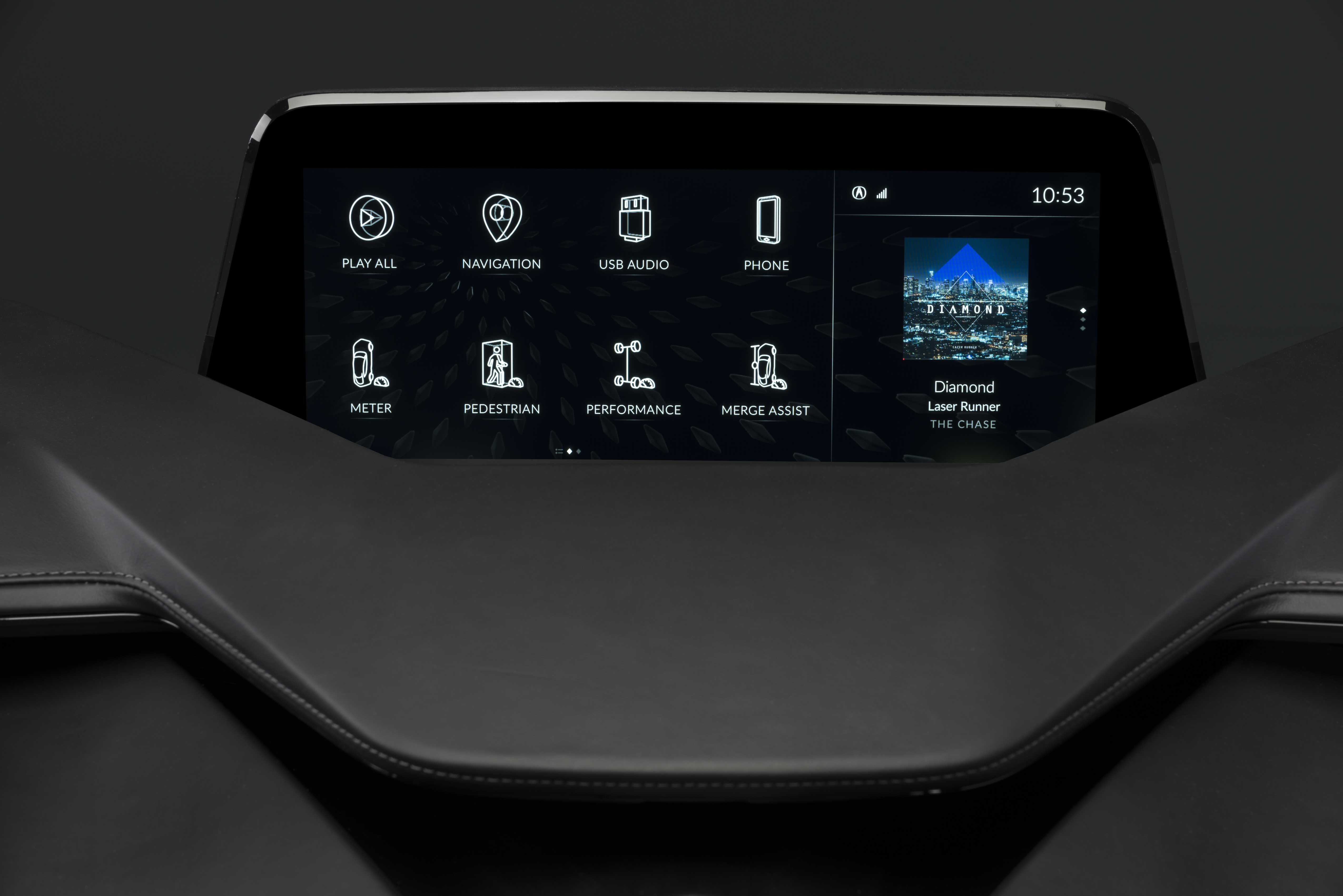
The Acura Precision Cockpit also previews the Android-based, next-generation Acura OS that will power future production cars, providing secure access to mobile apps, data and content. With a clean user interface that clearly displays the information to the driver, the center display features two dedicated zones to help the driver quickly switch through settings including audio, weather and notifications. This allows the navigation app to always remain front and center. Bespoke animations and audio chimes were engineered to enhance the in-cabin experience.
Every element of the Acura Precision Cockpit – physical, digital and audio – was designed by a core engineering team working together to create a seamless, choreographed experience. A prototype system, the Acura Precision Cockpit will be evolved into the new interior design for production vehicles starting in the next few years.
Alongside the reveal of the Acura Precision Cockpit, Acura highlighted achievements and advancements in the areas of active safety and electrification technologies.
The company announced that the AcuraWatchTM suite of active safety and driver-assistive technologies has now been deployed on more than 70,000 Acura vehicles. Next year, Acura will add Traffic Jam Assist to the suite in certain models, providing increased driver assistance and convenience in stop-and-go highway driving. Now offered as standard equipment on all 2017 MDX and 2017 RLX models, Acura also signaled its intent to eventually apply AcuraWatchTM as standard equipment on all core models.
A model of the second generation RLX development vehicle with automated driving systems was featured on the show floor. The automated RLX has been fitted with a suite of radar, Lidar, camera and GPS sensors, complemented by higher performance CPUs and GPUs, and improved cabling, heat management and circuitry. These enhancements have been combined with new, more intelligent software algorithms to support more complex testing scenarios.
The development vehicle is designed to achieve high reliability by fusing overlapping information together from various sensors. This concept, known as sensor fusion, allows test engineers to validate information from each signal with a higher degree of accuracy than can be obtained from any one of the sensors independently. For example, the vehicle’s radar sensors are adept at detecting the relative position and velocity of off-board objects with pinpoint accuracy, while the camera system is best suited to help detect and identify objects based on size and shape. This same concept is applied in the AcuraWatchâ„¢ safety and driver-assistive suite available on all model year 2017 Acura sedans and SUVs.
Highlighting its application of electrified powertrains to enhance vehicle performance while improving efficiency, Acura displayed the production-based 2017 NSX that earned a class victory at the Pikes Peak International Hill Climb in June, its North American racing debut. Piloted by Nick Robinson, NSX Vehicle Dynamics Project Leader, the NSX negotiated the 12.42-mile course in a time of 10:28.82 to win the Time Attack 2 class. Next spring, Acura will introduce its third electrified vehicle, the MDX Sport Hybrid.
“Advances in electrification, automated vehicles and connectivity are fundamentally reshaping the future of mobility,” said Jon Ikeda, vice president and general manager of Acura. “Acura is determined to leverage this massive shift to deliver unique expressions of performance to our customers.”




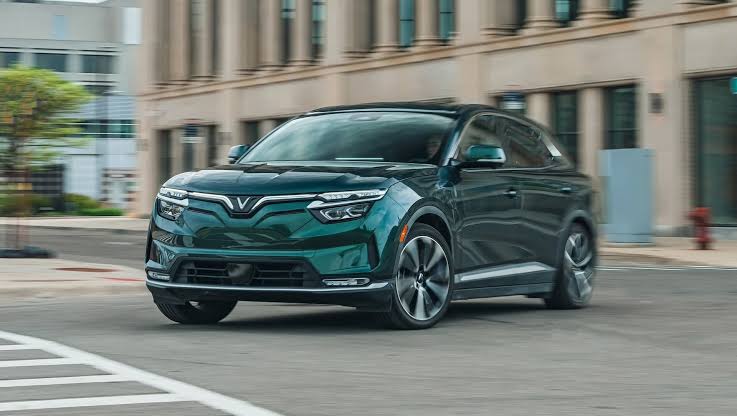
Green SM launches 500 electric SUVs in Southern California with company-employed drivers and a fleet it owns.
Green SM has entered the U.S. market with a 500-vehicle electric fleet in Los Angeles, introducing a ride-hailing model built around company-owned cars and full-time drivers. The Vietnamese company is betting that consistent service and an employment-based workforce can help it stand out in a market dominated by Uber and Lyft.
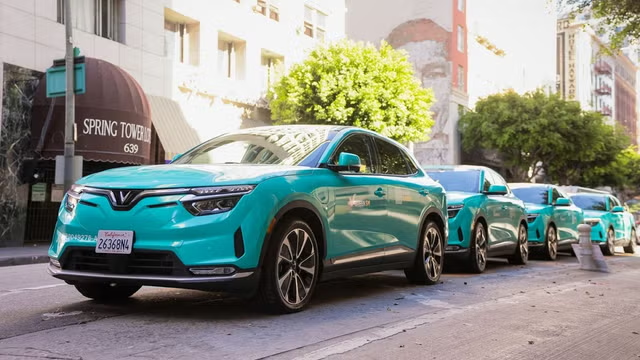
Green SM launches its U.S. ride-hailing service with a fleet of 500 VinFast VF 8 electric SUVs.
A Fleet Built Around the VinFast VF 8
Every vehicle in Green SM’s initial Los Angeles fleet is a five-seat VinFast VF 8 electric SUV. The company says its vehicles are operating across Los Angeles County and extending into Orange County.
Customers can request rides through the Green SM app, call the company’s hotline or hail a vehicle on the street. Fares depend on time and distance, while the company is promoting discounted rides to attract new customers.
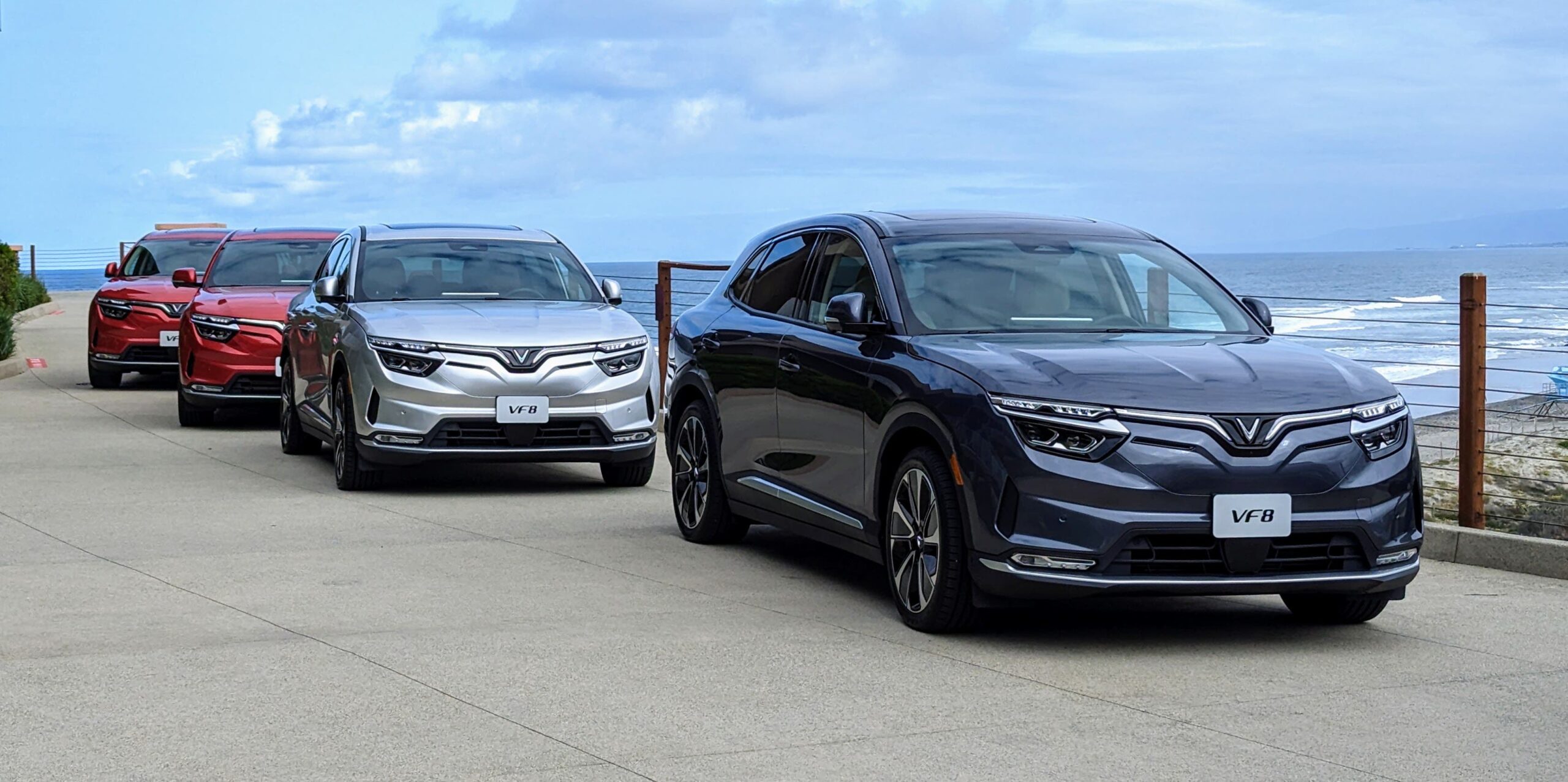
The VF 8 serves as Green SM’s primary vehicle for its Los Angeles operations.
Company Drivers Instead of Gig Workers
Green SM’s main distinction is its employment model. The company owns its vehicles and employs its drivers, providing training, maintenance and scheduled shifts rather than relying on independent contractors using their own cars.
The approach is designed to create a more consistent service experience. Drivers complete a selection and onboarding process before beginning work, while the company manages the vehicles and their upkeep.
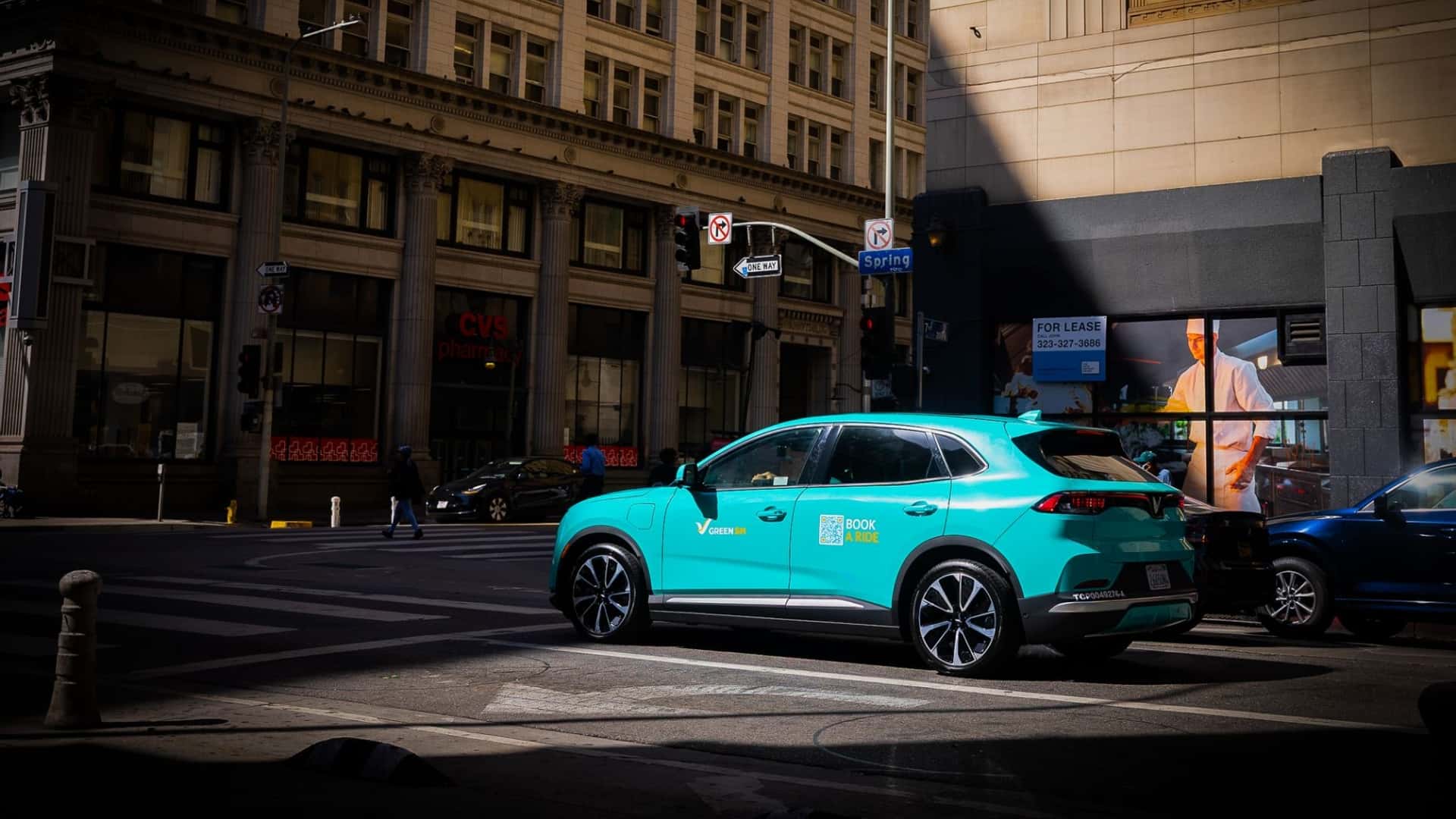
Green SM employs its drivers directly and manages the vehicles used for its ride-hailing service.
Discounts for Early Customers
Green SM is offering new customers 50% off their first five rides, with a maximum discount of $12 per trip. Its Green Pass membership also includes 10 monthly vouchers offering 30% off, capped at $10 per ride.
The company has also identified airport transfers as a potential service. However, the arrangements and timing for operations at Los Angeles International Airport have not been publicly detailed.
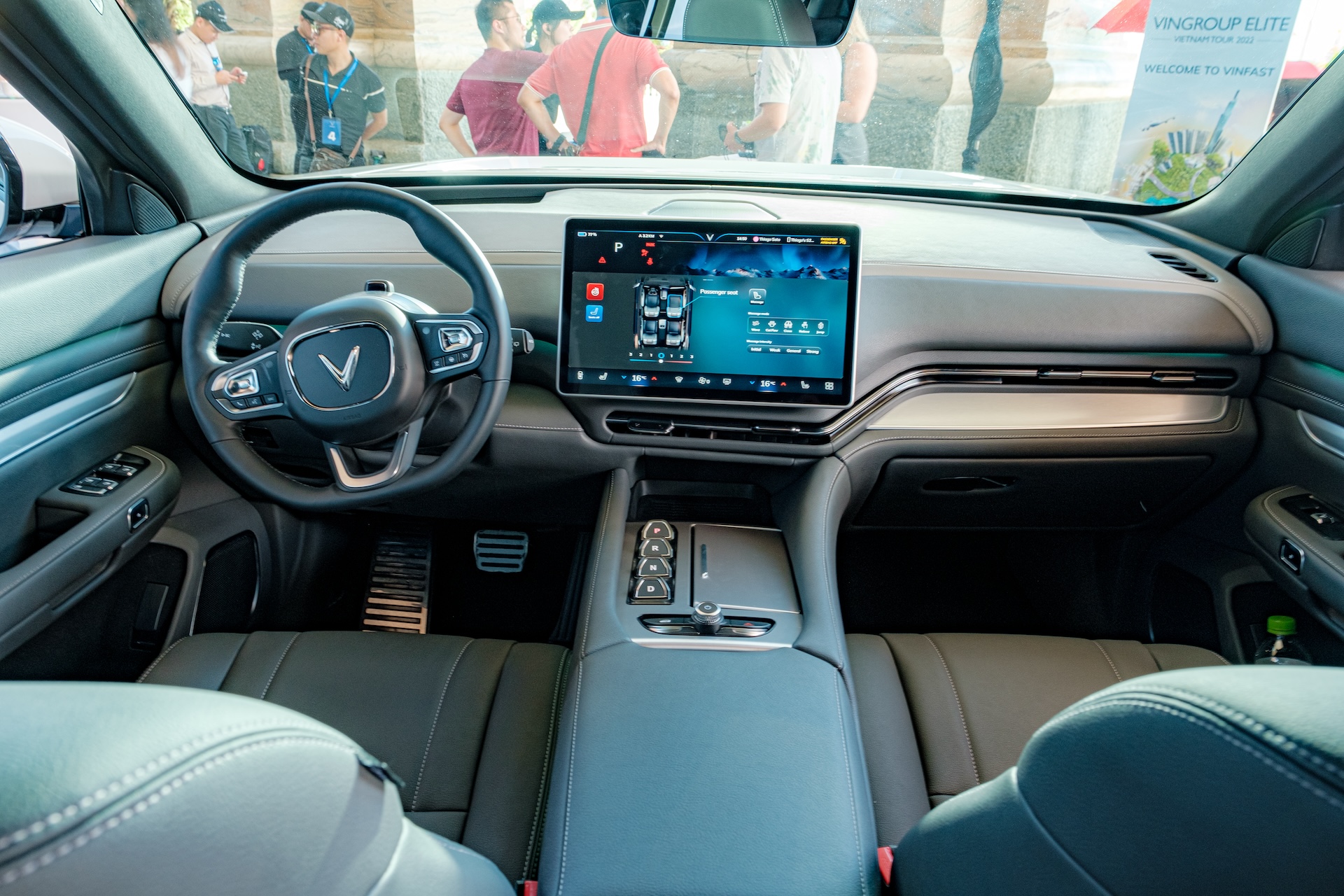
The VF 8’s cabin provides the passenger space used for Green SM’s ride-hailing trips.
Green SM Enters a Competitive Market
Los Angeles is Green SM’s first U.S. market. The business began in Vietnam in 2023 and has since expanded into other international markets.
Its arrival adds another competitor to Southern California’s evolving transportation sector, where conventional ride-hailing companies and autonomous vehicle services are expanding their presence. Green SM’s strategy centers on combining electric vehicles with company-managed operations rather than relying on a gig-based workforce.
Green SM is entering a competitive market as electric and autonomous transportation services continue to expand.
The company’s long-term prospects will depend on customer demand, service reliability and its ability to expand beyond its initial fleet. For now, its Los Angeles launch offers a different approach to electric ride-hailing in the United States.

The automaker is inviting select R1 and R2 owners to try a new route-based driving assistant before a wider U.S. rollout.
Rivian is preparing to expand its driver-assistance technology with Point to Point, a system designed to handle more of a journey than conventional hands-free highway assistance. The first phase will be limited to selected customers, with a broader rollout planned for 2027.
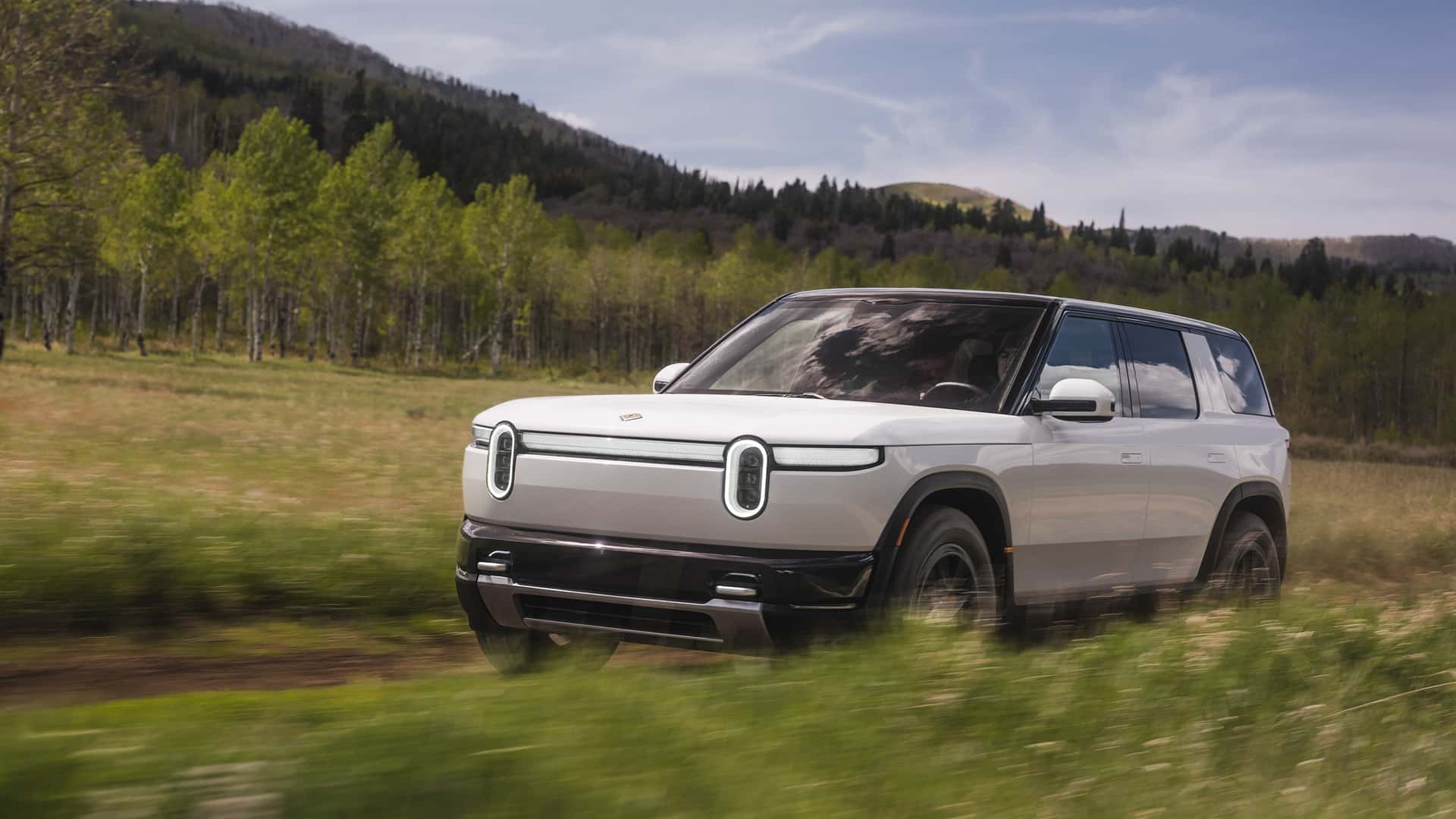
Rivian is starting its latest driving technology program with eligible owners of newer R1 models and the R2.
From Highway Assistance to Full Routes
Point to Point builds on Rivian’s existing Universal Hands-Free system. It is designed to follow a planned route, including turns, highway merges and surface streets, while the driver remains responsible for supervising the vehicle.
The technology combines the vehicle’s sensors and cameras with Rivian’s Large Driving Model, which interprets surrounding conditions and helps determine how the vehicle should respond.
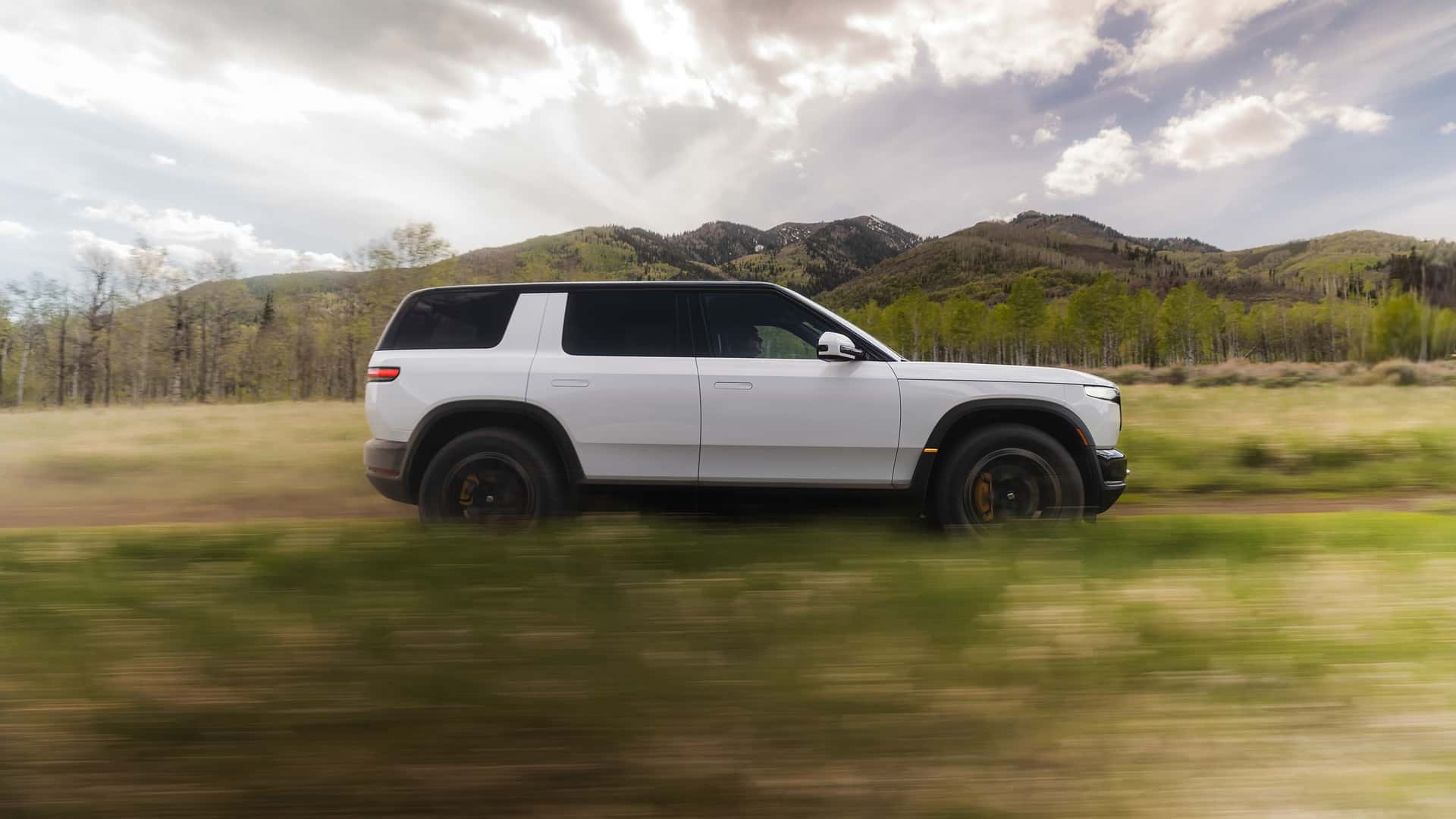
Point to Point aims to manage more of a planned journey while requiring the driver to remain attentive.
Who Can Join the Early Access Program?
The initial program targets eligible Gen 2 R1 and R2 owners in California and Florida. Applicants must have an active paid Autonomy+ subscription; free trials do not qualify.
Rivian will consider existing use of its driver-assistance features, recent safety records and a balance of vehicle models and regions when selecting participants. Owners can register their interest through the Autonomy Early Access tile in their Rivian account.
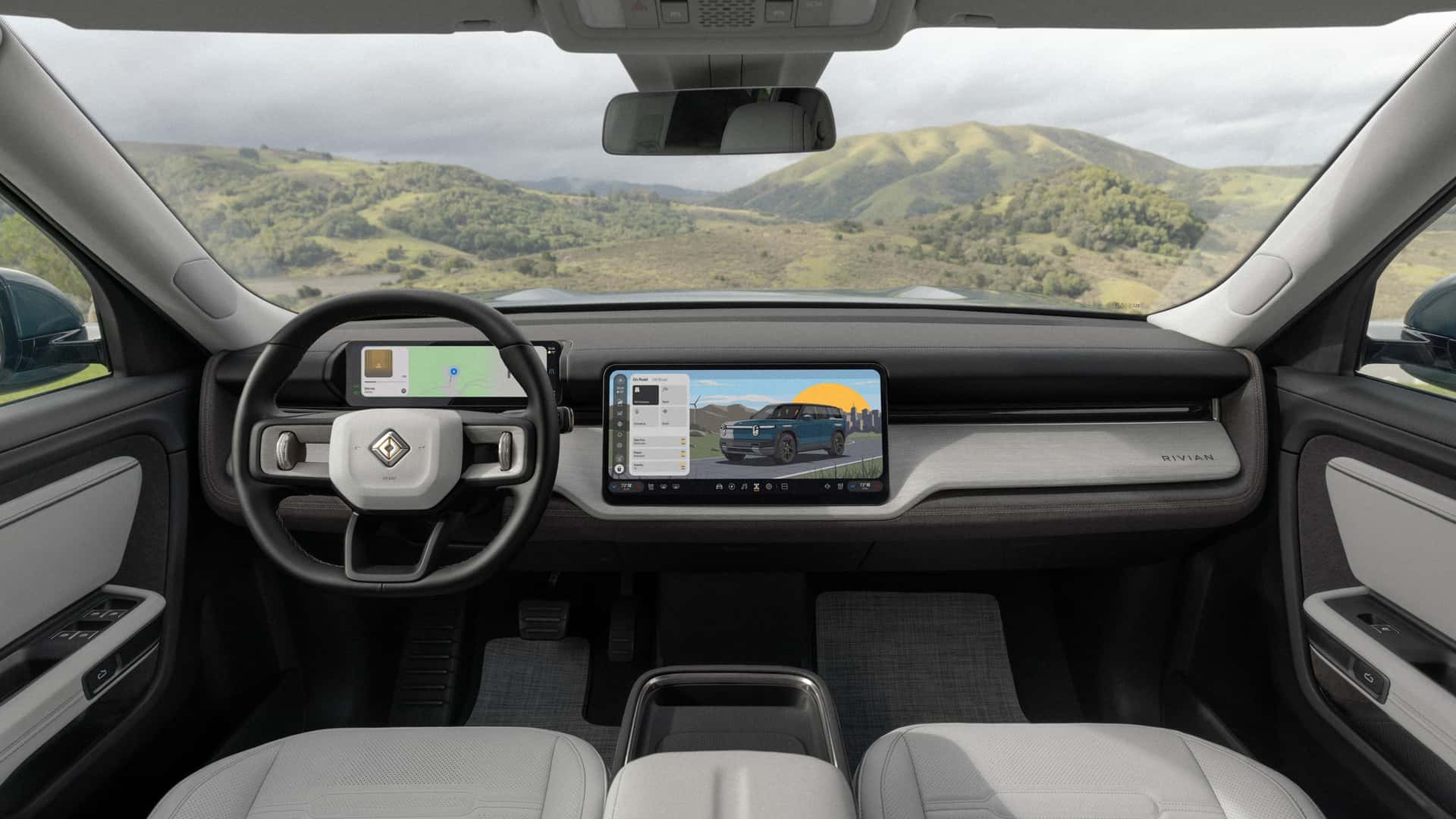
Eligible owners can register their interest through their Rivian account.
Testing Comes With Conditions
Selected participants must use the preview features weekly, report issues and complete monthly surveys. They must also agree to data collection that includes location and camera data, under a non-disclosure agreement.
The program is unpaid, and Rivian can reassess participants’ eligibility every 30 days. First-generation R1 vehicles and Canadian owners are excluded from the initial phase.
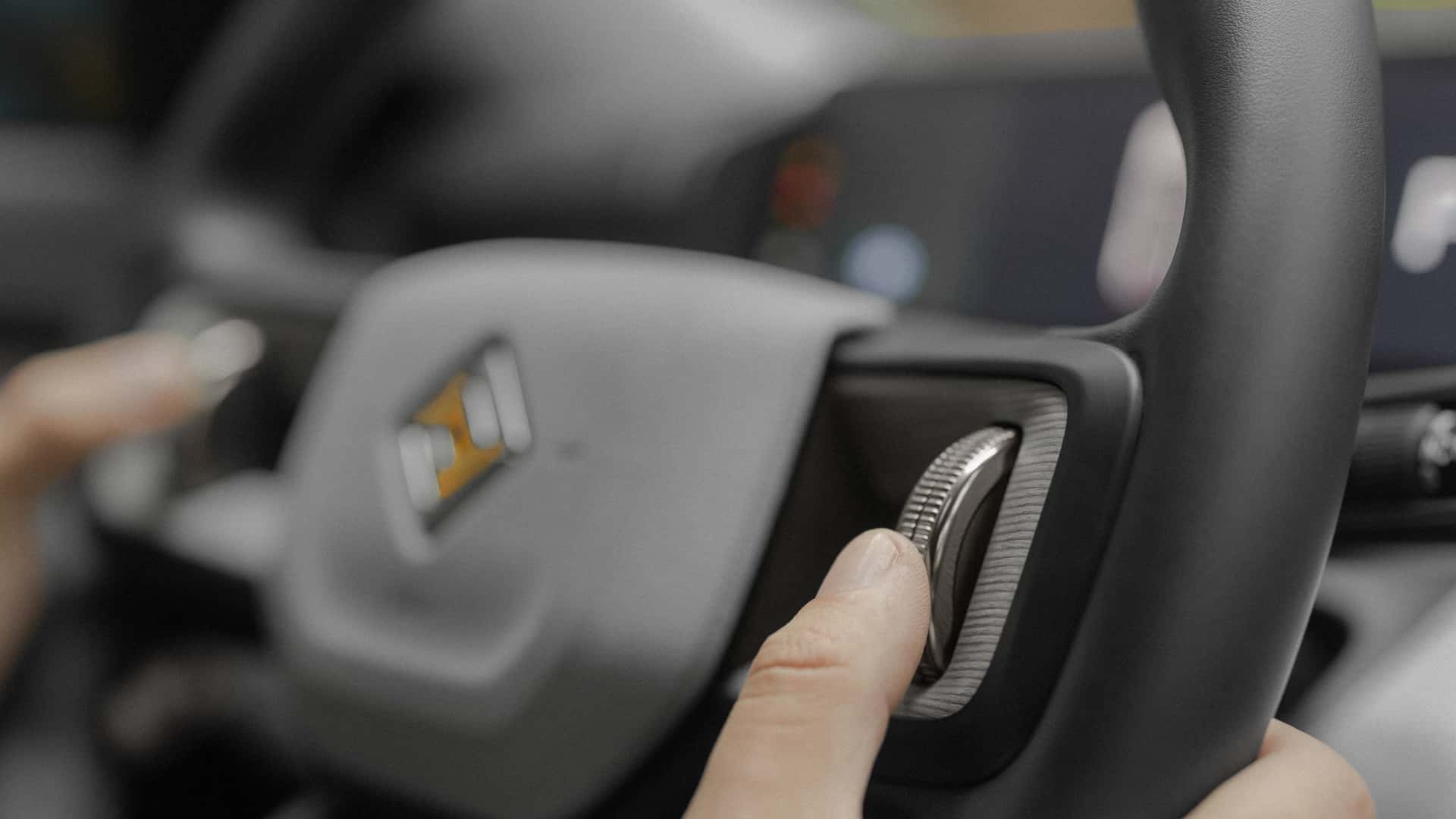
Camera and sensor data are part of the technology Rivian is developing and evaluating.
A Wider Rollout Is Planned for 2027
Rivian expects Point to Point to reach a broader group of Autonomy+ customers in 2027, following the early-access phase. Feedback from interested owners outside California and Florida may also help inform which states are considered for expansion.
The R2 is among the vehicles targeted for the initial program, with wider availability expected to follow.
Point to Point remains a Level 2 driver-assistance system, not fully autonomous driving. Drivers must stay attentive and be ready to take control at all times.
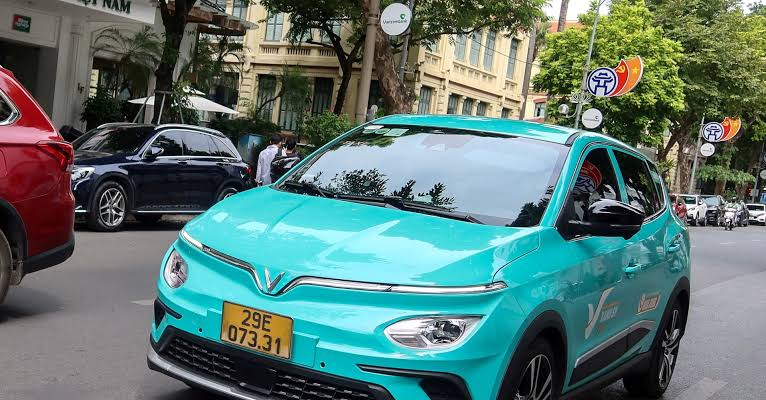
Green and Smart Mobility enters the U.S. market with an all-electric taxi and ride-hailing service.
GSM Expands Into the United States
Los Angeles is GSM’s first U.S. market and its ninth country of operation. Before entering the United States, the company operated in Vietnam, Laos, Indonesia, the Philippines, India, Kazakhstan, Denmark and the Netherlands.
The launch gives GSM a presence in North America as it pursues a broader international expansion strategy. Its all-electric fleet also connects the company’s growth to the development of electric mobility services, particularly in major cities where taxis and ride-hailing vehicles can accumulate substantial daily mileage.

GSM is expanding its all-electric mobility business into the United States with its launch in Los Angeles.
The scale of the company’s U.S. operation, including its initial fleet size, service coverage and passenger pricing, will be important factors in determining how quickly it can establish a presence in the local market.
VinFast Connection and Electric Vehicle Strategy
GSM is closely linked to VinFast, the Vietnamese electric vehicle manufacturer. The taxi operator has previously said it intends to purchase up to one million VinFast electric vehicles between 2026 and 2030, a target that would make fleet demand a significant part of its relationship with the automaker.
The planned purchases could support VinFast by creating a large potential source of demand for its vehicles. For GSM, meanwhile, using electric vehicles across its mobility operations aligns its fleet strategy with its focus on all-electric transportation.

VinFast is the vehicle supplier connected to GSM’s plans for expanding its electric mobility fleet.
However, the stated purchase target is a multi-year intention rather than confirmation that all the vehicles have already been ordered or delivered. The pace of deployment will depend on the company’s expansion plans and the operational requirements of each market.
GSM’s International Expansion Plans
The Los Angeles launch forms part of a wider international growth strategy. GSM has previously outlined plans to deploy fleets in the United States and Sweden, as well as expand its presence in the Netherlands. The company has also indicated that it wants to enter additional European markets in 2027.
Its U.S. entry is therefore one part of a larger effort to build an international electric mobility business. Expanding across multiple markets could increase the company’s operating scale, although each country presents different regulatory requirements, competitive conditions and customer expectations.

GSM is seeking to expand its electric taxi operations beyond its established Asian and European markets.
The company’s financial scale is another area of interest as it prepares for a potential Hong Kong stock market listing. GSM has been preparing for a possible pre-IPO phase, while previous valuation discussions have placed the business at approximately $20 billion, based on advice reportedly received by the company.
Vietnamese brokerage VNDirect estimated that GSM generated approximately $1 billion in gross merchandise value in 2025. Gross merchandise value represents the total value of transactions facilitated through a business and should not be confused with revenue or profit. GSM does not publicly disclose detailed financial results.
What the Los Angeles Launch Means for GSM
GSM’s entry into Los Angeles establishes its first North American operation and expands its international footprint to nine markets. The company’s strategy combines electric vehicle deployment, ride-hailing services and an existing relationship with VinFast.
The next indicators to watch will include fleet expansion, geographic coverage, passenger demand and the company’s ability to compete with established ride-hailing operators. Its potential listing in Hong Kong could also become an important milestone as it seeks to finance and scale its international business.
For now, the Los Angeles launch marks a significant geographic expansion for GSM. Its longer-term success will depend on how effectively it translates its experience in other markets into a competitive U.S. operation.
-

 NOW TRENDING2 months ago
Tesla Cybercab Gets September 3 Austin Launch Date
-
 TEST DRIVES2 months ago
2025 Ford Bronco Sport Badlands: The Adventure SUV You Can Drive Every Day
-

 TEST DRIVES2 months ago
2026 Toyota GR Supra MkV Final Edition
-

 NOW TRENDING2 months ago
Tesla Cybercab Puts U.S. Regulations to the Test
-

 NOW TRENDING1 month ago
Aston Martin DBX Becomes Harry Da Souza’s Ride in MobLand
-
 Formula12 months ago
FIA Reveals Second ADUO Results With Red Bull-Ford Still on Top
-
 NOW TRENDING2 months ago
2027 Hyundai Tucson Hybrid Gets a Power Boost
-
 NOW TRENDING2 months ago
Hyundai Reports Strong Hybrid Sales in August 2026
You must be logged in to post a comment Login