
Formula1
Mercedes F1: The Secret Code Behind Antonelli’s Win

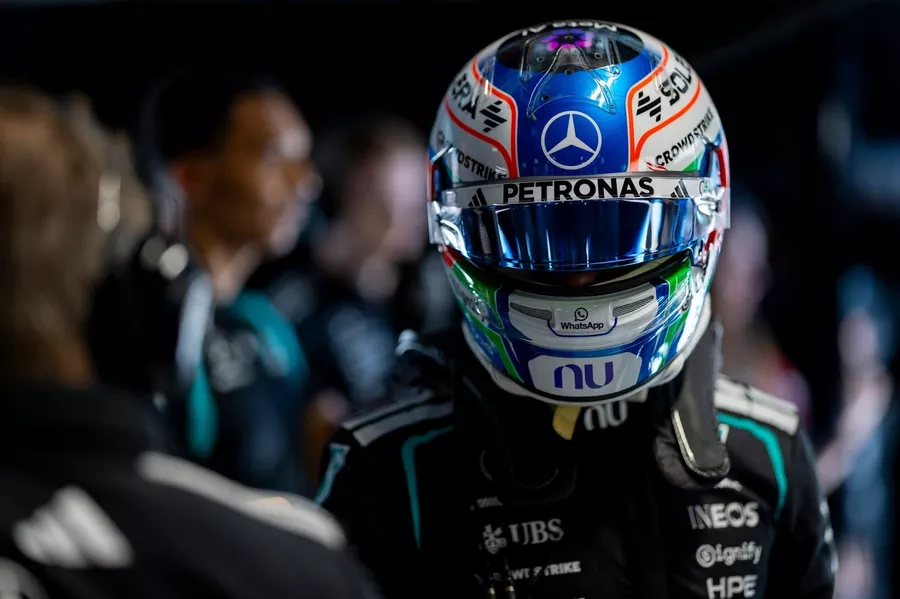
Mercedes has revealed how its changing secret radio codes prepared Kimi Antonelli for the Virtual Safety Car that transformed the 2026 Spanish Grand Prix.
Mercedes was ready for a possible VSC
The Mercedes F1 secret code became an important part of Kimi Antonelli’s victory in Madrid. The team had already prepared its drivers for a possible Safety Car or Virtual Safety Car.
When Lance Stroll’s Aston Martin stopped on track, yellow flags appeared around Turns 19 and 20. Peter Bonnington immediately warned Antonelli to slow down significantly.
Antonelli did more than simply respect the yellow flags. He also delayed his return to full throttle after the green flags appeared.
That decision helped him create extra time before reaching the pit-lane entrance.
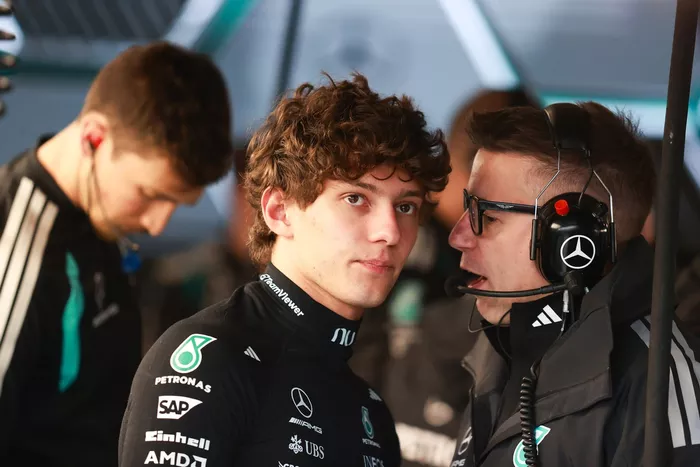
Andrew Shovlin explained that Mercedes regularly uses coded radio messages during races.
The system gives drivers an indication that they may need to consider a pit stop. The codes change from race to race, making it harder for rival teams to understand the messages.
The exact coded message used in Madrid has not been identified.
However, the radio exchanges show how quickly the situation developed.
Bonnington first told Antonelli: “Yellow, yellow, 19-20.” He then instructed him to make a large lift.
A few moments later, the Mercedes engineer told him that he was within the Safety Car window.
The VSC was activated soon afterwards.
One extra second made the difference
Antonelli was already very close to the pit-lane entrance when the Virtual Safety Car appeared.
That timing was crucial.
Thirty-five seconds passed between the first yellow flag and the VSC activation. Antonelli then reached his Mercedes pit box only 15 seconds after the VSC had been announced.
The Italian had used the earlier slowdown to gain approximately one additional second.
That margin gave Mercedes more time to react.
Shovlin explained that Antonelli might have made the pit entry without the extra second. However, the additional margin made the operation possible.
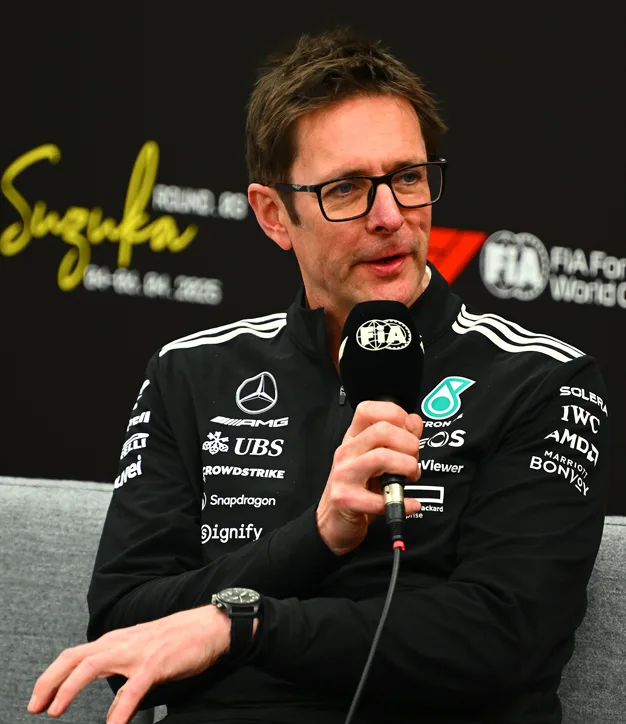
The pit stop itself was also extremely difficult.
The mechanics had to be ready almost immediately. The tyres arrived at the pit box at nearly the same moment as Antonelli.
Mercedes also had to prepare a second set of tyres for George Russell, because the team decided to pit both drivers during the VSC.
That required a very fast response from the entire crew.
The sequence shows why a coded message cannot work on its own.
The team needs a plan. The driver needs to understand the message. The engineers need to react. The mechanics also need to have everything ready.
Every part of Mercedes’ operation had to work within a few seconds.
The plan was discussed before the race
Mercedes had already discussed different safety-car scenarios before the Spanish Grand Prix.
That is standard preparation for Formula 1 teams.
Drivers and engineers review what they should do if an accident creates a Safety Car or VSC. They also consider which phase of the race could create a useful pit-stop opportunity.
Madrid provided exactly that situation.
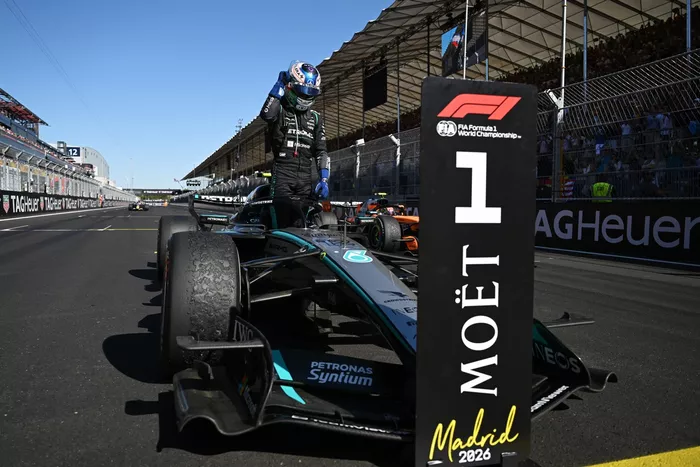
The VSC appeared after Antonelli had already slowed down.
Lando Norris had passed the pit-lane entrance when the neutralisation began, while Antonelli was close enough to enter the pits.
That difference changed the race.
Norris had started from pole position and led the opening stages. After the VSC, however, Antonelli gained a major strategic advantage by making his stop under the neutralisation.
Antonelli eventually won the Spanish Grand Prix. The victory was his eighth of the 2026 season, and it extended his championship lead to 81 points over Russell.
The result also showed how important preparation can be in Formula 1.
Mercedes did not know exactly when the VSC would appear. The team could only prepare for the possibility.
When the opportunity arrived, Antonelli, Bonnington and the Mercedes pit crew were ready to act immediately.
The secret code did not create the VSC. It helped Antonelli prepare for the possibility that one might appear.
That distinction is important.
A single second gave Mercedes enough extra time to turn an uncertain situation into a decisive strategic opportunity.
The Madrid victory was therefore built on both timing and preparation. Mercedes had already created a plan, and Antonelli executed it when the race suddenly changed.








-
 NOW TRENDING2 months ago
Aston Martin DBX Becomes Harry Da Souza’s Ride in MobLand
-
 TEST DRIVES2 months ago
2026 Maserati GranTurismo Trofeo Review: Miami
-

 INTELLIGENT MOBILITY2 months ago
Tesla Cybercab Navigation Problem Hits Austin Robotaxis
-

 INTELLIGENT MOBILITY2 months ago
Tesla Cybercab Cannot Be Charged at Home—Here’s Why
-

 INTELLIGENT MOBILITY2 months ago
2027 Nissan Rogue Hybrid: e-POWER Comes to America
-

 TEST DRIVES2 months ago
2026 Maserati GranTurismo Coupe
-
 Formula12 months ago
Cadillac F1 2026 Faces an Eight-Race Logistics Challenge
-

 NOW TRENDING2 months ago
2027 Lexus LS Gets Another Update, But Not in America