
NOW TRENDING
Mercedes F1: The Rear-End Trick It Dropped in Madrid

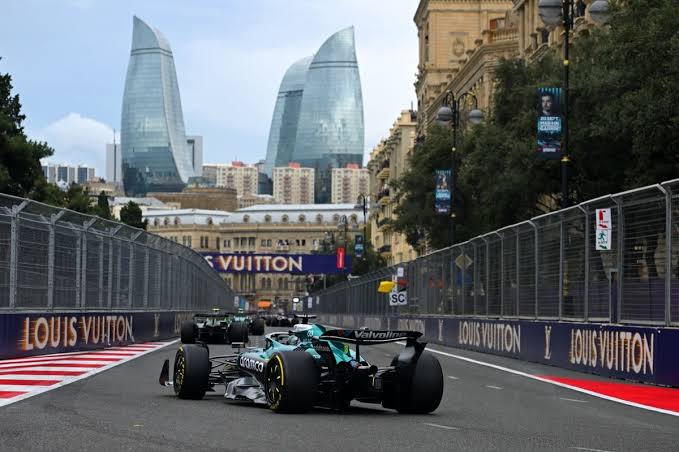
Mercedes tested a clever exhaust-area aerodynamic solution in Madrid, then removed it hours later after the track offered more grip than expected.
Mercedes arrived at Madrid with several changes for the W17. Some were designed for the new circuit. Others were aimed at gaining more performance.
One of the most unusual solutions appeared during Free Practice 1. The team tested a new aerodynamic device around the exhaust area.
The concept focused on increasing rear downforce. Mercedes expected the Madring surface to offer low grip. More aerodynamic load could therefore help the car generate traction and protect the rear tyres.
However, the track behaved differently.
Mercedes discovered that the asphalt offered more grip than expected. As a result, the team removed the new solution during Free Practice 2.
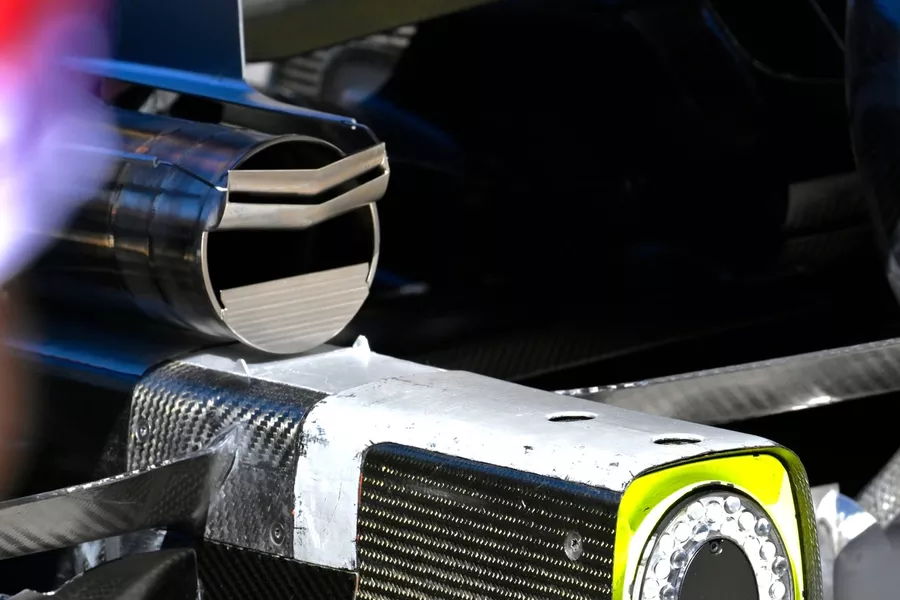
The new concept was linked to the way Mercedes managed the exhaust flow.
Ferrari had already developed an approach based on the aerodynamic potential of the hot exhaust gases. Other teams later explored similar solutions after the FIA allowed parts of the concept to be copied.
Mercedes chose a different interpretation.
The W17 featured longer-than-usual rear-wing support pillars. Those pillars carried small metal extensions with a double-profile element positioned ahead of the upper part of the exhaust outlet.
The shape looked slightly like an arrow.
That detail was not simply decorative. It formed part of a carefully designed micro-aerodynamic system around the exhaust.
The new element also worked with another flap near the lower section of the exhaust outlet. Together, these parts were designed to influence the airflow around the rear of the car.
The goal was more rear downforce
Mercedes had a clear reason for trying the solution.
The W17’s six-cylinder power unit gives the team a strong engine performance. That creates room to trade a small amount of power for additional aerodynamic load when the circuit requires it.
In Madrid, rear grip was a major concern before the weekend.
Teams expected the new surface to provide limited grip. More downforce could therefore help the rear tyres generate traction.
It could also reduce excessive tyre temperatures.
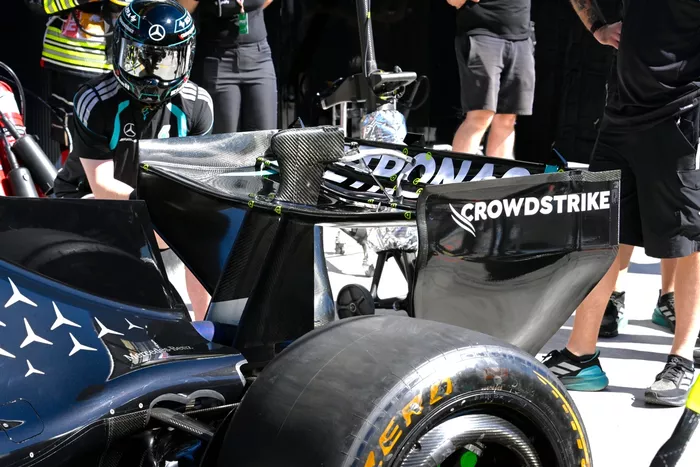
The unusual rear-wing arrangement was therefore designed around the specific characteristics Mercedes expected from Madring.
But those expectations changed once the cars started running.
The circuit had received extensive preparation before the Grand Prix. The organisers cleaned the surface with high-pressure washers.
That work helped produce more grip than some teams had anticipated.
Mercedes then faced a different technical problem.
The extra downforce was no longer as necessary as initially expected. With more mechanical grip available from the asphalt, the team could rethink the balance of the W17.
As a result, the black-and-silver arrow-shaped solution disappeared in FP2.
That does not necessarily mean Mercedes has abandoned the concept permanently.
The team could still reconsider the device if track conditions change. Engineers could also reduce aerodynamic load elsewhere and bring the solution back if its advantages become more useful.
Mercedes also revised other parts of the W17
The exhaust experiment was not the only change brought to Madrid.
Mercedes also adjusted the rear section of the car. The team did not use the additional flaps previously seen at Monaco and Budapest.
Instead, it reduced the size of the central profile that extends from the final movable flap.
The two outer elements also received a triangular shape.
Those parts followed an approach similar to solutions used elsewhere in the 2026 field.
The front end also received attention.
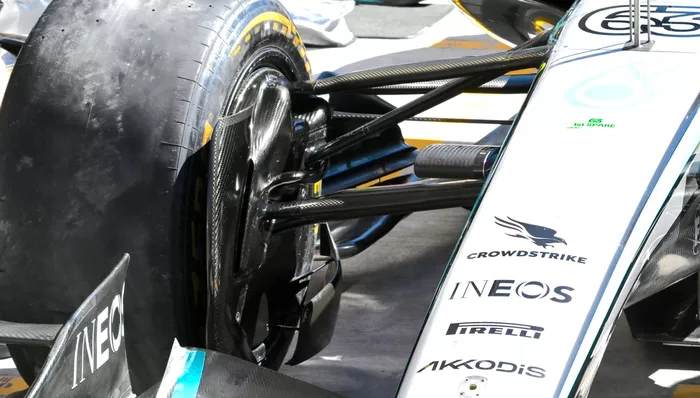
Mercedes revised the carbon front lip around the corner area. New attachment points were added to the assembly.
The engineers also modified the brake cooling inlet.
The new intake is longer and narrower. Its purpose is to improve the management of airflow travelling toward the rear of the car.
This change is especially relevant when the car enters a corner.
When the steering angle changes, the airflow around the front wheel and bodywork also changes. Mercedes wanted to improve the car’s behaviour during this yaw phase.
The Madrid weekend therefore became a useful aerodynamic experiment for Mercedes.
The team arrived expecting a low-grip surface. That expectation encouraged a more aggressive search for rear downforce.
Instead, the circuit provided more grip than expected.
Mercedes reacted quickly by removing the unusual exhaust-area solution after FP1.
That decision highlights how quickly F1 engineers must adapt during a race weekend.
A component can look useful in the garage. Then a few laps of real-world data can change the picture completely.
For Mercedes, the arrow-shaped exhaust device was therefore less about making a permanent change and more about finding the right aerodynamic balance for Madrid.
The W17 continued with other updates, while engineers kept evaluating how much rear load the circuit actually required.
The final lesson from the experiment was simple: the track dictated the setup more than the simulations did.


-

 NOW TRENDING2 months ago
Aston Martin DBX Becomes Harry Da Souza’s Ride in MobLand
-

 TEST DRIVES1 month ago
2026 Maserati GranTurismo Trofeo Review: Miami
-

 INTELLIGENT MOBILITY1 month ago
Tesla Cybercab Navigation Problem Hits Austin Robotaxis
-

 INTELLIGENT MOBILITY2 months ago
Tesla Cybercab Cannot Be Charged at Home—Here’s Why
-

 TEST DRIVES1 month ago
2026 Maserati GranTurismo Coupe
-

 INTELLIGENT MOBILITY1 month ago
2027 Nissan Rogue Hybrid: e-POWER Comes to America
-
 NOW TRENDING2 months ago
This Lotus Elise Restomod Weighs Just 1,320 Pounds
-

 NOW TRENDING2 months ago
Toyota Recalls Around 10,000 C-HR EVs Over Battery Overcharge Risk