
Formula1
Why Red Bull and Porsche’s F1 Deal Fell Apart in 2022

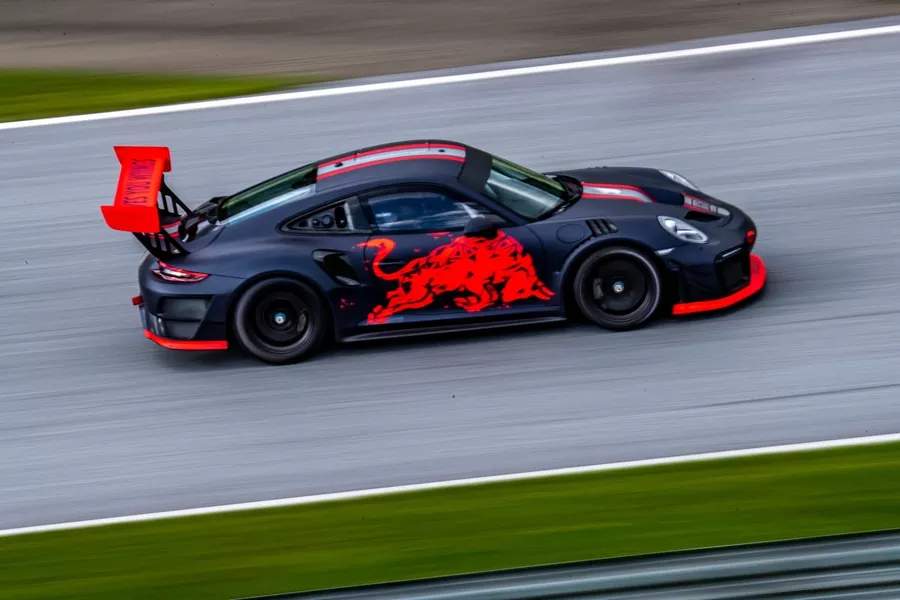
Porsche and Red Bull were remarkably close to joining forces for Formula 1 in 2022. Former Porsche Motorsport chief Fritz Enzinger has now revealed how advanced the deal really was and why it ultimately collapsed.
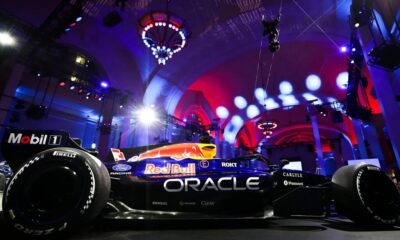
The Red Bull Porsche F1 deal came remarkably close to becoming one of the biggest partnerships in modern Formula 1. Porsche was preparing to enter the sport alongside Red Bull for the 2026 regulations, but the agreement collapsed shortly before the planned announcement.
Former Porsche Motorsport boss Fritz Enzinger has now provided new insight into just how advanced those negotiations had become. According to Enzinger, the two sides had already reached a handshake agreement between senior figures at Volkswagen and Red Bull before the project suddenly changed direction.
Porsche itself confirmed in September 2022 that discussions with Red Bull had ended. The manufacturer said the proposed partnership was supposed to be based on equal footing and include both the power-unit relationship and the F1 team, but those conditions could not be achieved.
Porsche Was Preparing to Announce the Partnership
Enzinger says the agreement had progressed far enough for Porsche and Red Bull to begin planning an official announcement.
The original plan was reportedly to make the partnership public at the Austrian Grand Prix at the Red Bull Ring, or at the following race. However, several questions surrounding the upcoming power-unit regulations remained unresolved.
Rather than announce an agreement before those issues had been settled, the two companies decided to wait.
Porsche and Red Bull came close to forming a Formula 1 partnership for the 2026 engine regulations.
The delay turned out to be much more significant than either side initially expected.
According to Enzinger, Red Bull subsequently experienced a change of direction, and the planned partnership was ultimately abandoned.
The Deal Was Supposed to Be More Than an Engine Agreement
One of the most important details surrounding the Red Bull Porsche F1 deal was its proposed structure.
Porsche was not simply preparing to become Red Bull’s engine supplier. The plan involved Porsche acquiring a significant stake in the Formula 1 operation and becoming a genuine partner of the team.
That was consistent with Porsche’s desire for an equal partnership rather than a traditional customer-engine arrangement.
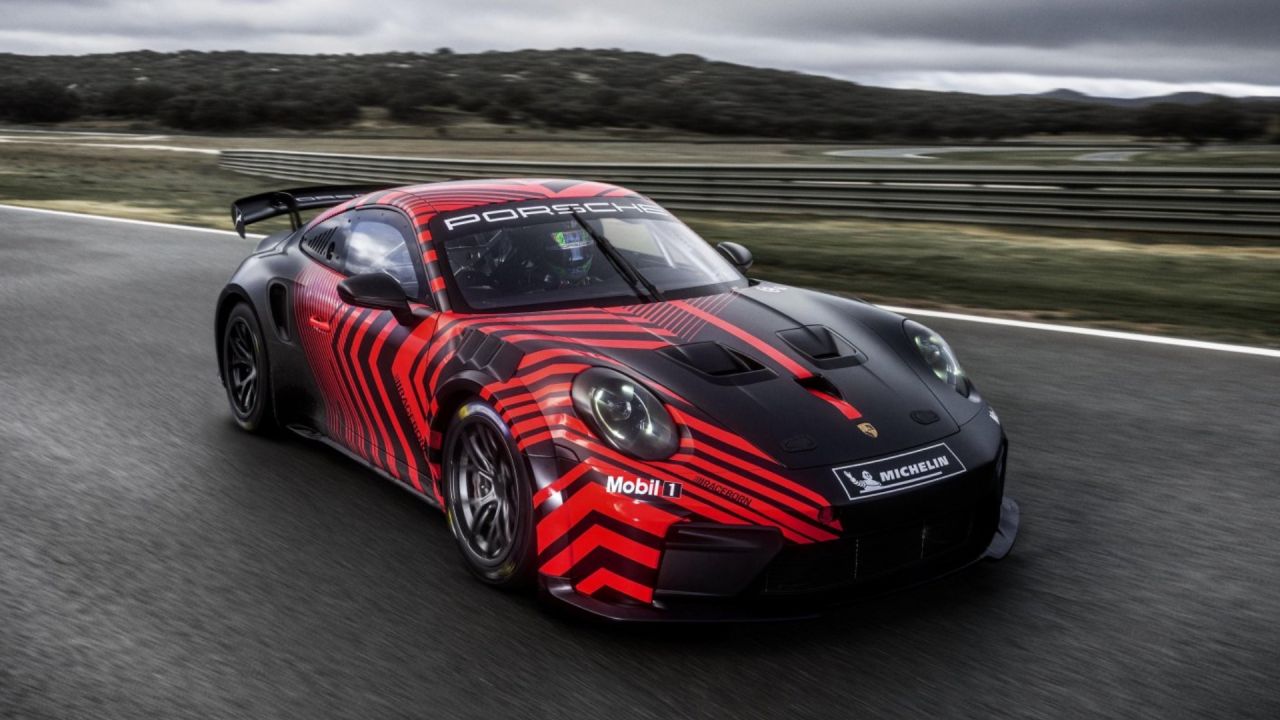
Porsche wanted its proposed Red Bull Formula 1 partnership to extend beyond supplying power units.
The arrangement would have given Porsche a much deeper role in Red Bull’s F1 operation while allowing the Austrian team to enter the new power-unit era with a major automotive manufacturer.
However, that structure also created one of the central obstacles in the negotiations.
Red Bull was not prepared to give up the level of independence Porsche wanted from the partnership.
Red Bull Eventually Changed Direction
Enzinger described the decisive moment simply as a change of direction within Red Bull.
He said Porsche had been focused almost exclusively on Red Bull during the negotiations and had not seriously pursued parallel discussions with other Formula 1 teams.
From Porsche’s perspective, Red Bull was the target.
“From Porsche’s point of view, there was really only one goal: entering Formula 1 with Red Bull,” Enzinger recalled.
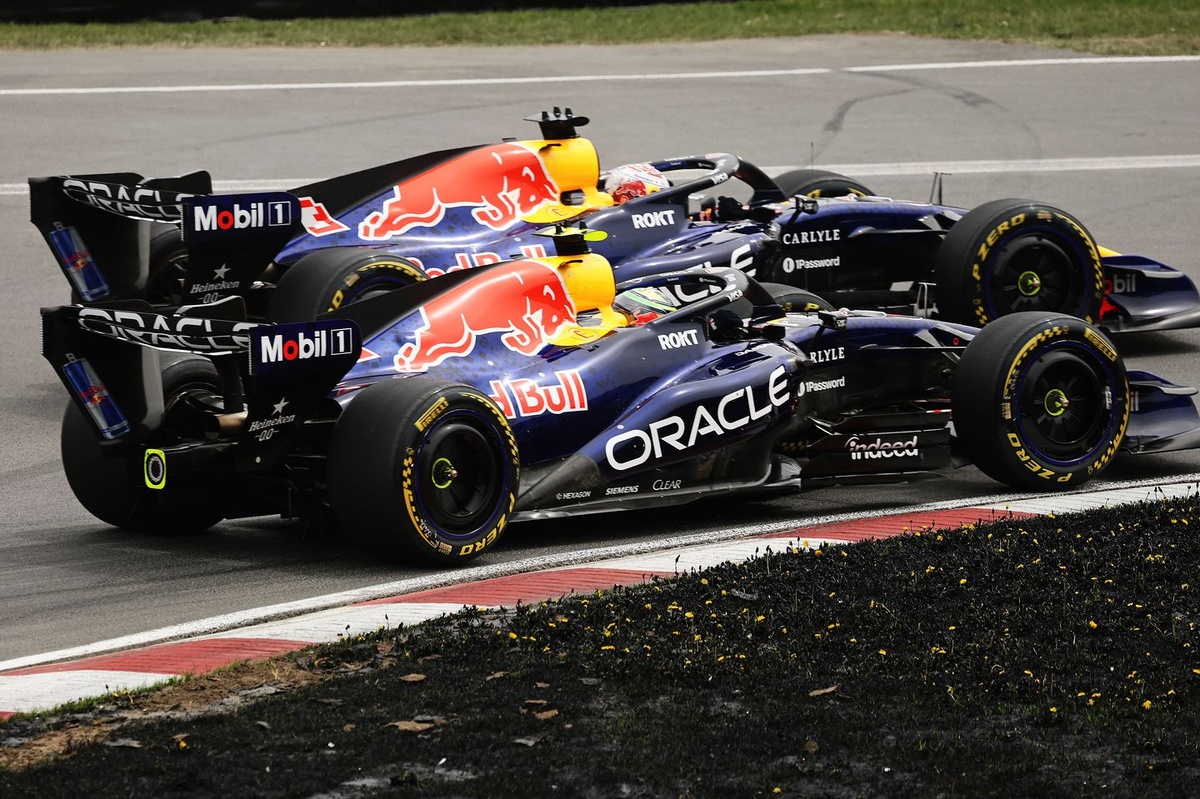
The Porsche-Red Bull partnership ultimately collapsed before the German manufacturer could enter Formula 1 for 2026.
The two sides eventually ended their negotiations in September 2022. Porsche’s official statement confirmed that the proposed equal-footing structure, including both the engine partnership and the team, could not be achieved.
That decision sent Porsche back to the drawing board while Red Bull eventually chose a different path for its 2026 power-unit program.
Audi Became Volkswagen Group’s Only F1 Project
The collapse also changed the Volkswagen Group’s Formula 1 strategy.
Audi ultimately became the group’s sole Formula 1 entrant, taking over Sauber and entering the championship as a works operation under the new 2026 regulations.
Enzinger now believes there was also a positive side to Porsche’s failed agreement.
Looking back at the much larger investment required to operate successfully in modern Formula 1, he said it would have been difficult for Volkswagen Group to sustain two separate programs at the highest level.
Red Bull Porsche F1 Deal Nearly Changed the Grid
The Red Bull Porsche F1 deal was much closer to reality than the final outcome suggested. Porsche had advanced discussions, a planned announcement and a structure that went far beyond supplying engines.
Ultimately, the two companies could not agree on the level of integration and control required for the partnership to work. Porsche officially ended the talks, while Red Bull moved forward with its own power-unit project before eventually partnering with Ford for the new generation.
Four years later, Enzinger’s account provides a clearer picture of how close the proposed alliance came to becoming reality. Had the agreement survived those final negotiations, the 2026 Formula 1 grid would have looked very different.








-
 NOW TRENDING2 months ago
Aston Martin DBX Becomes Harry Da Souza’s Ride in MobLand
-
 TEST DRIVES2 months ago
2026 Maserati GranTurismo Trofeo Review: Miami
-
 INTELLIGENT MOBILITY2 months ago
Tesla Cybercab Navigation Problem Hits Austin Robotaxis
-
 INTELLIGENT MOBILITY2 months ago
Tesla Cybercab Cannot Be Charged at Home—Here’s Why
-
 INTELLIGENT MOBILITY2 months ago
2027 Nissan Rogue Hybrid: e-POWER Comes to America
-
 TEST DRIVES2 months ago
2026 Maserati GranTurismo Coupe
-
 Formula12 months ago
Cadillac F1 2026 Faces an Eight-Race Logistics Challenge
-

 NOW TRENDING2 months ago
2027 Lexus LS Gets Another Update, But Not in America