
An iconic classic reinvented with cutting-edge electric technology: this is the Knepper 1303 RS-E, a Beetle capable of accelerating like a Formula 1 car from another era.
At first glance, this Marathon Blue Volkswagen Beetle 1303 could easily be mistaken for a well-preserved classic. But the moment it moves off, it becomes clear that this is something extraordinary. This Beetle delivers 601 horsepower and 518 lb-ft of torque thanks to a high-performance electric powertrain, making it one of the most radical restomods ever built on the legendary German icon. The project proves that electrification can not only respect, but significantly enhance, the legacy of the automotive greats.
From air-cooled classic to electric missile

The heart of this transformation is not an air-cooled boxer engine, but a modern three-phase asynchronous electric motor. For purists, that may sound like heresy, but for Rüdiger Knepper, founder of Knepper Bugs & More, it represents the natural evolution of the concept. In normal use, the car is limited to 200 hp to comply with TÃV regulations, while its full output is reserved for track use. Even so, the power delivery is brutal–instant and relentless–hurling the Beetle forward with an intensity worthy of a modern single-seater.
The project began with a 1975 VW 1303 rescued from a California junkyard. While the bodywork was badly damaged, the structure was sound–ideal for a full ground-up rebuild. During the restoration, almost every component was replaced or upgraded: the body was returned to near-original form but gained wider carbon-fiber rear fenders and a carbon roof spoiler, improving high-speed stability without compromising the classic silhouette.
From a technical standpoint, the chassis is a genuine engineering showcase. Much of the suspension comes from a Porsche 944, combined with components from KW, Bilstein, and Kerscher. Braking duties are handled by Porsche 944 Turbo S calipers with Porsche 964 front discs, while Porsche Cup 2 wheels are wrapped in Toyo Proxes TR-1 tires. Power is supplied by 17 battery modules from a Porsche Taycan, feeding a rear motor sourced from a Tesla Model S Performance. Power is sent directly to the wheels via Porsche 930 drive shafts, eliminating the need for a traditional gearbox.
The performance figures speak for themselves: 0 to 100 km/h in just 2.9 seconds, with a driving range between 100 and 250 kilometers depending on driving style. Charging is possible via CCS fast charging or standard AC using an adapter. Inside, the cabin largely retains its classic character, but a digital control panel replaces the clutch pedal and gear lever. As the ultimate proof of reliability, Knepper drove nearly 8,000 kilometers across Europe–including Spain–and even took a ferry to Morocco, without a single technical issue. An electric Beetle that impresses not only on paper, but in real-world use as well.


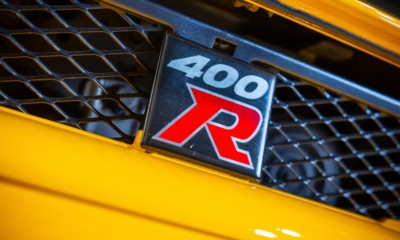








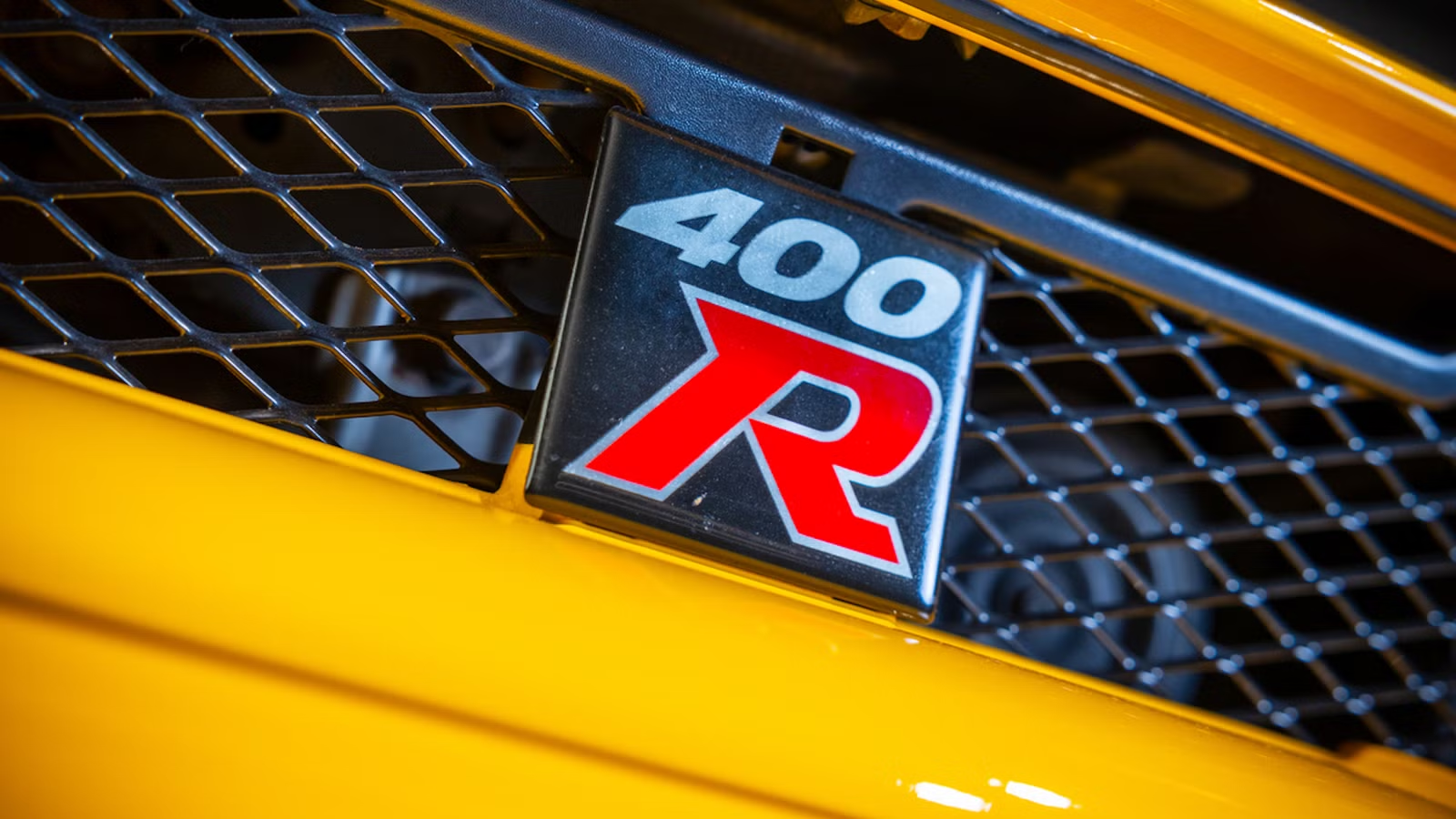
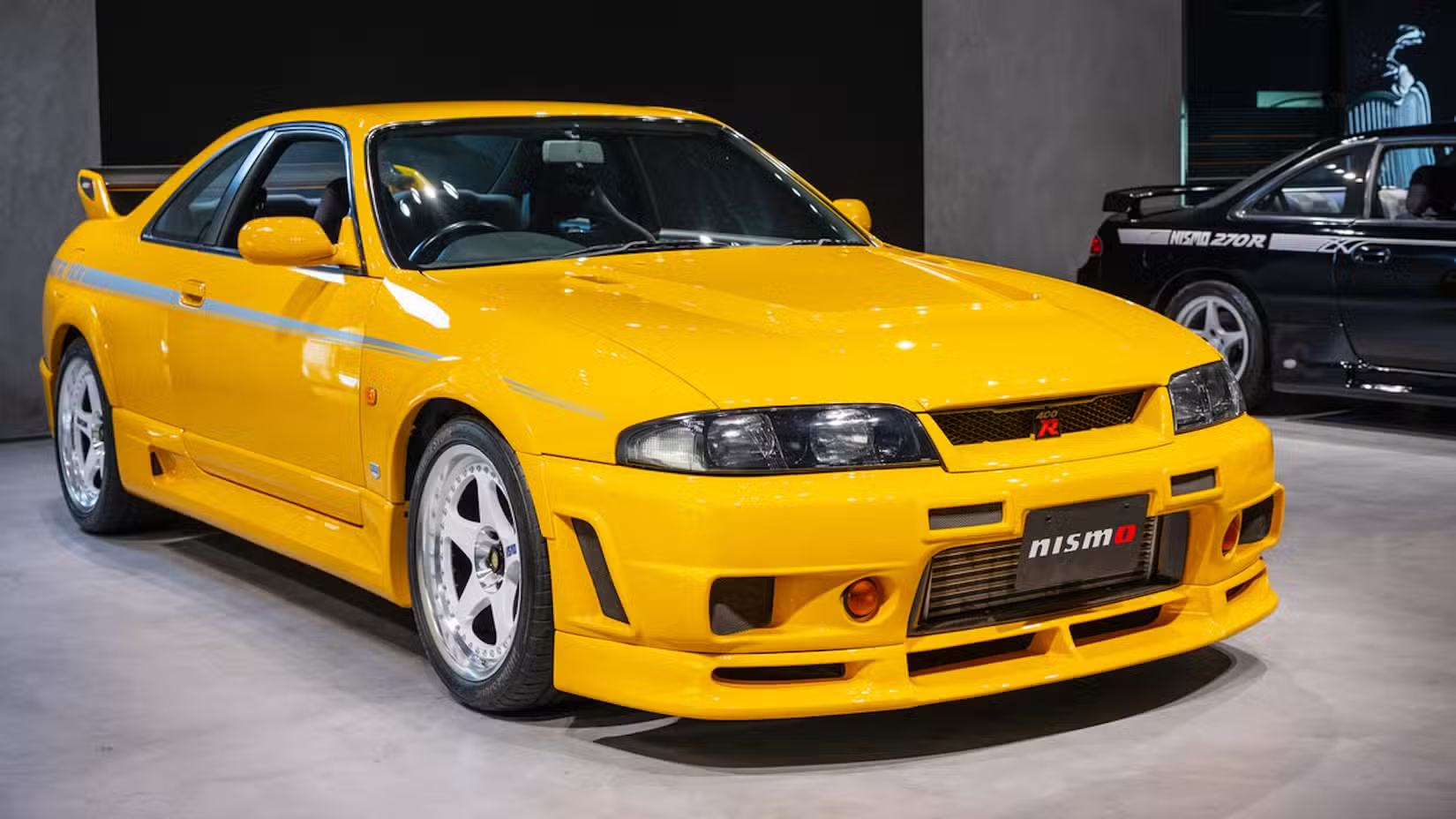
The Nismo 400R transformed the Skyline GT-R into one of the most extreme JDM performance cars ever built, combining Le Mans technology with limited production.
The Nismo 400R remains one of the most legendary Nissan performance cars ever created. While most Japanese manufacturers followed the unofficial 276-horsepower agreement, Nismo took a completely different approach by building a Skyline GT-R with an official 400 horsepower and race-derived engineering.
Moreover, the limited-production model became an instant icon thanks to its exclusive components and motorsport pedigree.
Built From Nissan’s Le Mans Experience
The Nismo 400R was developed after Nissan’s participation at the 1996 24 Hours of Le Mans.
Engineers used the endurance racing program as inspiration, adapting technology from the GT-R LM race car to create the ultimate road-going R33 Skyline GT-R. Consequently, the project went far beyond a traditional performance upgrade.
Instead, Nismo engineered a car that reflected its racing experience while remaining road legal.
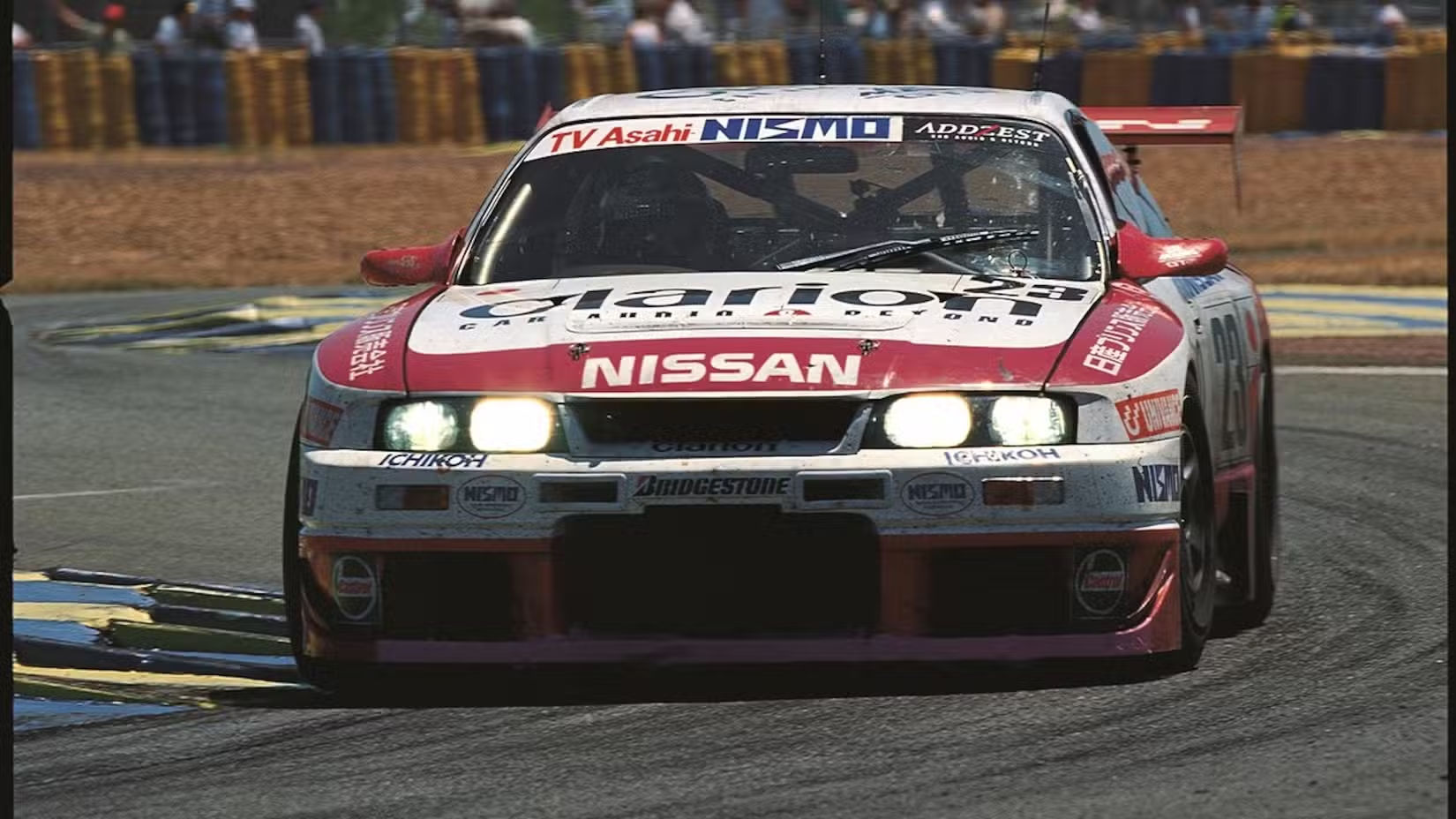
The Nismo 400R borrowed technology and inspiration from Nissan’s Le Mans racing program.
A Race-Bred Engine Produced 400 Horsepower
Although the standard Skyline GT-R already offered impressive performance, Nismo completely reworked its famous RB26DETT engine.
Engine displacement increased from 2.6 liters to 2.8 liters, while larger turbochargers, upgraded cooling components, reinforced internals and an exclusive engine control unit dramatically improved performance. As a result, the RB-X GT2 engine produced 400 horsepower, making the Nismo 400R one of the few Japanese performance cars to openly exceed the industry’s unofficial horsepower limit.
Furthermore, suspension, chassis and aerodynamic upgrades transformed the car into a far more capable machine than the standard R33 GT-R.
The RB-X GT2 engine helped the Nismo 400R officially produce 400 horsepower.
One of the Rarest Skyline GT-R Models Ever Built
Nismo originally planned to build 100 examples of the 400R.
However, production ended after only 44 hand-built cars were completed, instantly making the model one of the rarest Skyline GT-R variants ever produced. Consequently, surviving examples have become highly desirable among collectors and regularly command extraordinary prices.
Today, the Nismo 400R is widely regarded as one of the most collectible Japanese performance cars of the 1990s.
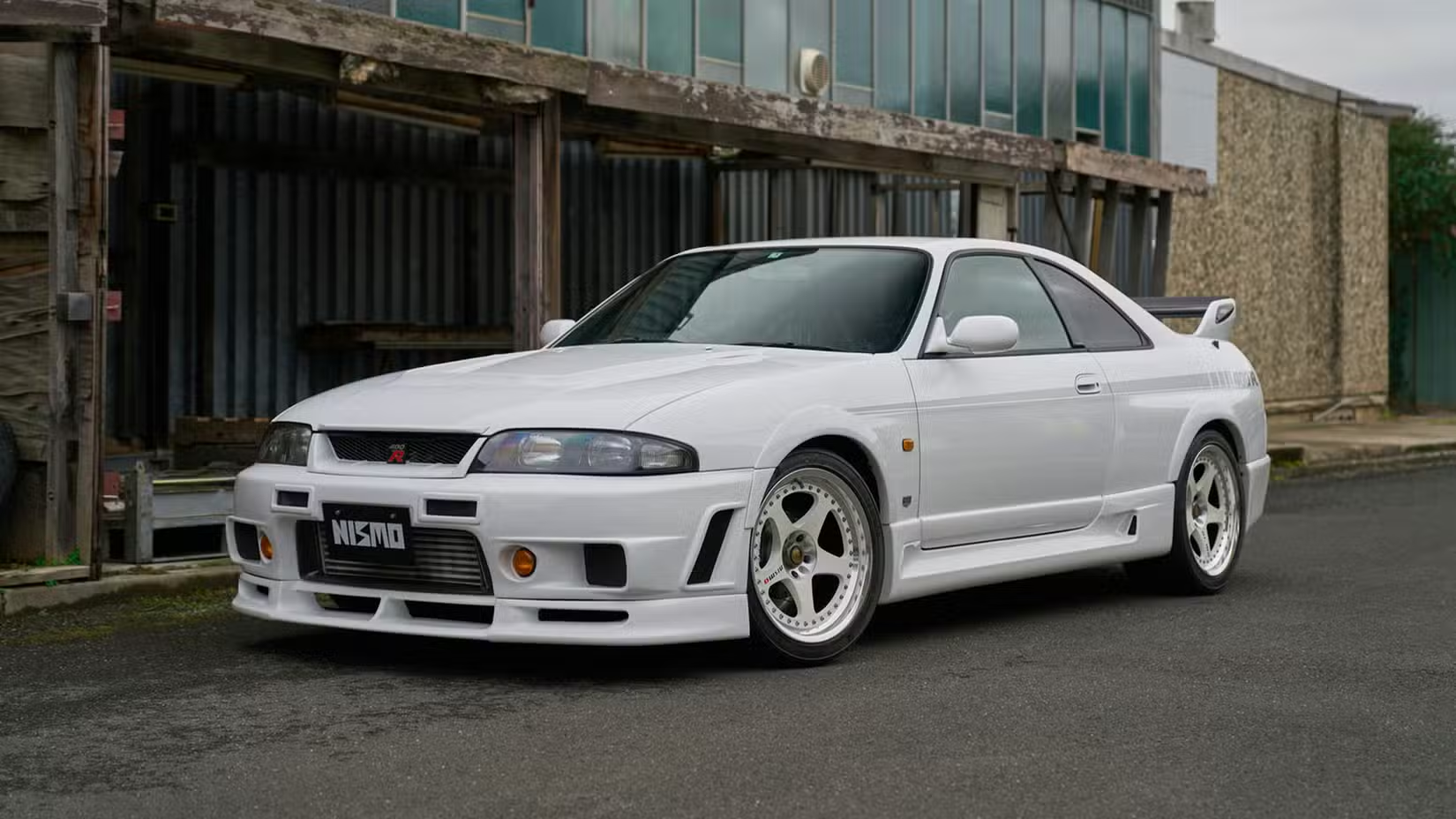
Only 44 examples of the Nismo 400R were hand-built, making it one of the rarest GT-R models.
Nismo 400R Became a JDM Legend
The Nismo 400R proved that Nissan’s performance division was willing to ignore convention in pursuit of engineering excellence.
Overall, its Le Mans-inspired technology, officially rated 400-horsepower engine and extremely limited production secured its place among the greatest JDM cars ever built. Decades later, the Nismo 400R remains one of the most sought-after Skyline GT-R models in automotive history.
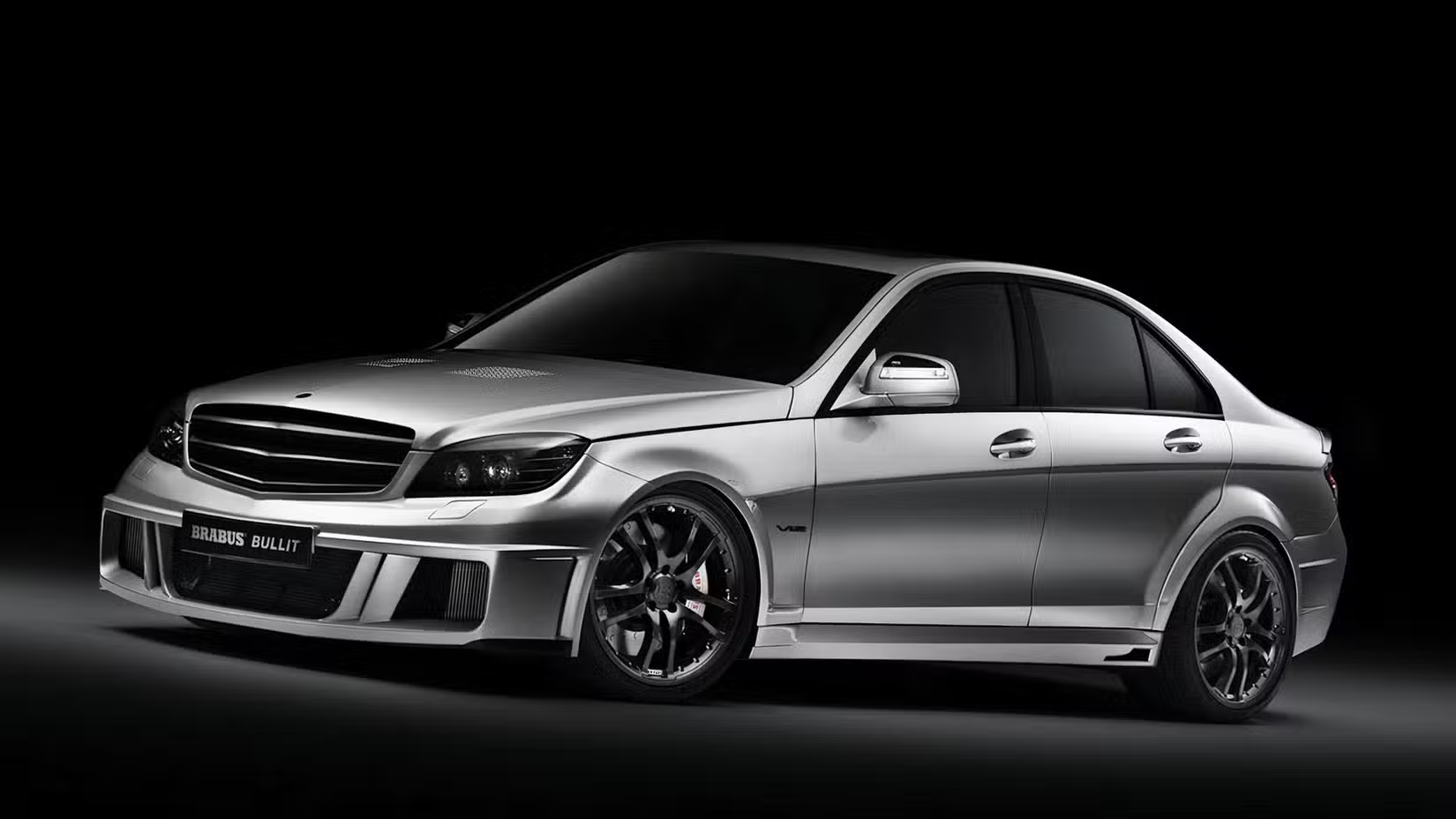
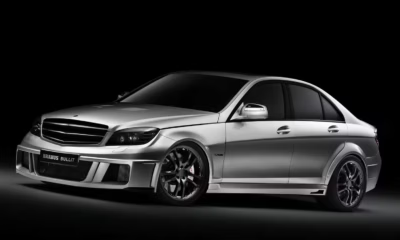
The Brabus Bullit transformed the Mercedes-Benz C-Class into one of the wildest performance sedans ever built by replacing its V8 with a massive twin-turbo V12.
The Brabus Bullit remains one of the most outrageous Mercedes-Benz performance cars ever created. Instead of upgrading the C63 AMG’s already impressive V8, Brabus replaced it with a twin-turbocharged V12, creating a super sedan capable of rivaling the world’s fastest supercars.
Moreover, the project showcased just how far Brabus was willing to push engineering in pursuit of ultimate performance.
A Radical Engine Swap Changed Everything
The standard Mercedes-Benz C63 AMG already stood out thanks to its naturally aspirated 6.2-liter V8.
However, Brabus wanted something even more extreme. As a result, the tuner installed a 6.3-liter twin-turbocharged V12, dramatically increasing both power and torque.
The upgraded engine produced 720 horsepower and 811 lb-ft of torque, allowing the Bullit sedan to sprint from 0 to 62 mph in just 3.9 seconds before reaching a top speed of more than 224 mph.
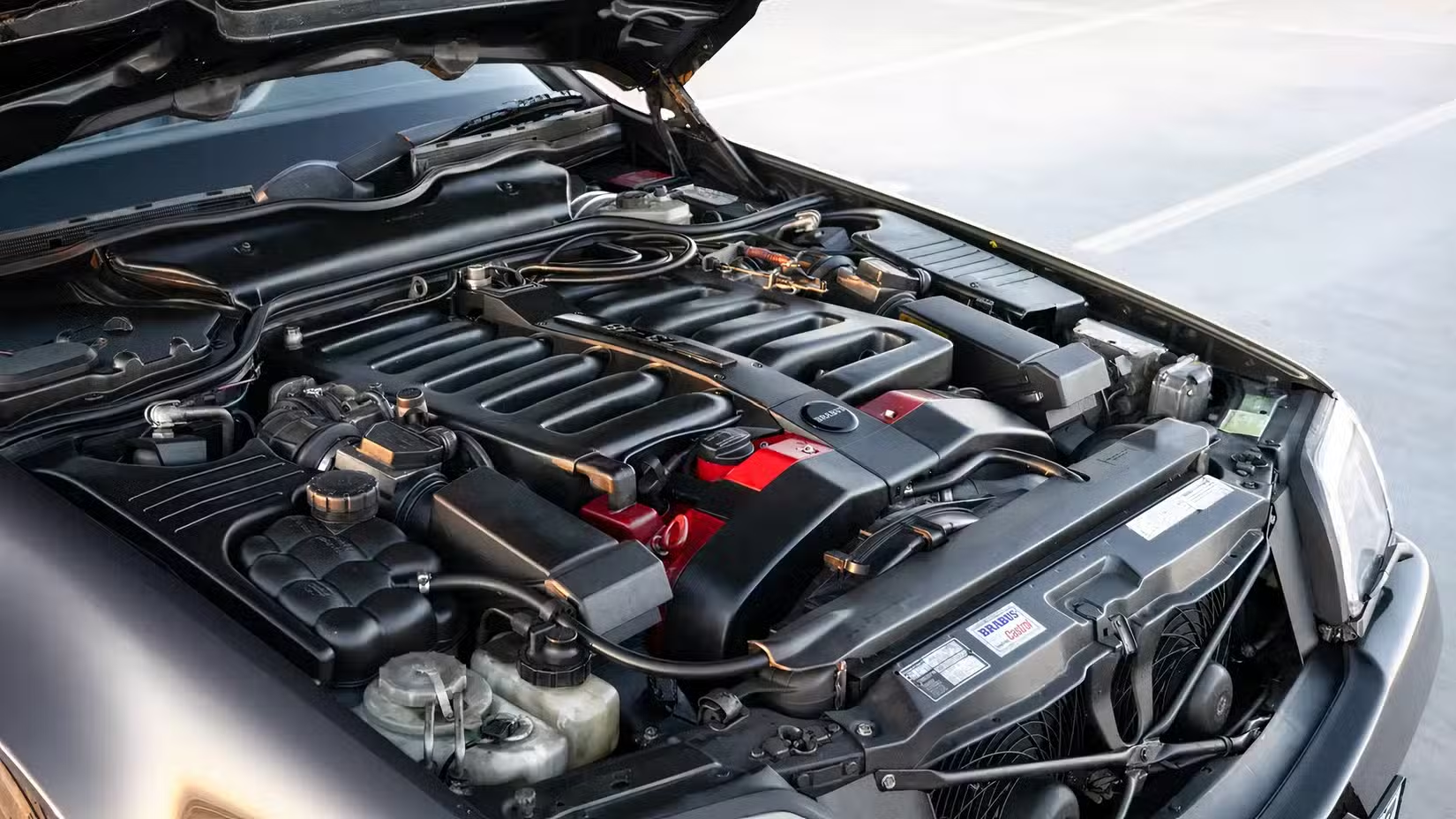
The Brabus Bullit replaced the C63 AMG’s V8 with a handcrafted twin-turbo V12.
The Bullit Coupe 800 Raised the Bar
Brabus didn’t stop with the original Bullit.
Several years later, the company introduced the Bullit Coupe 800, pushing output to an incredible 789 horsepower while maintaining the same torque figure to protect the transmission.
Furthermore, the coupe was capable of more than 230 mph, placing it among the fastest road-going Mercedes-based cars ever produced. Although traction remained a challenge at lower speeds, the Bullit became devastatingly fast once the power reached the pavement.
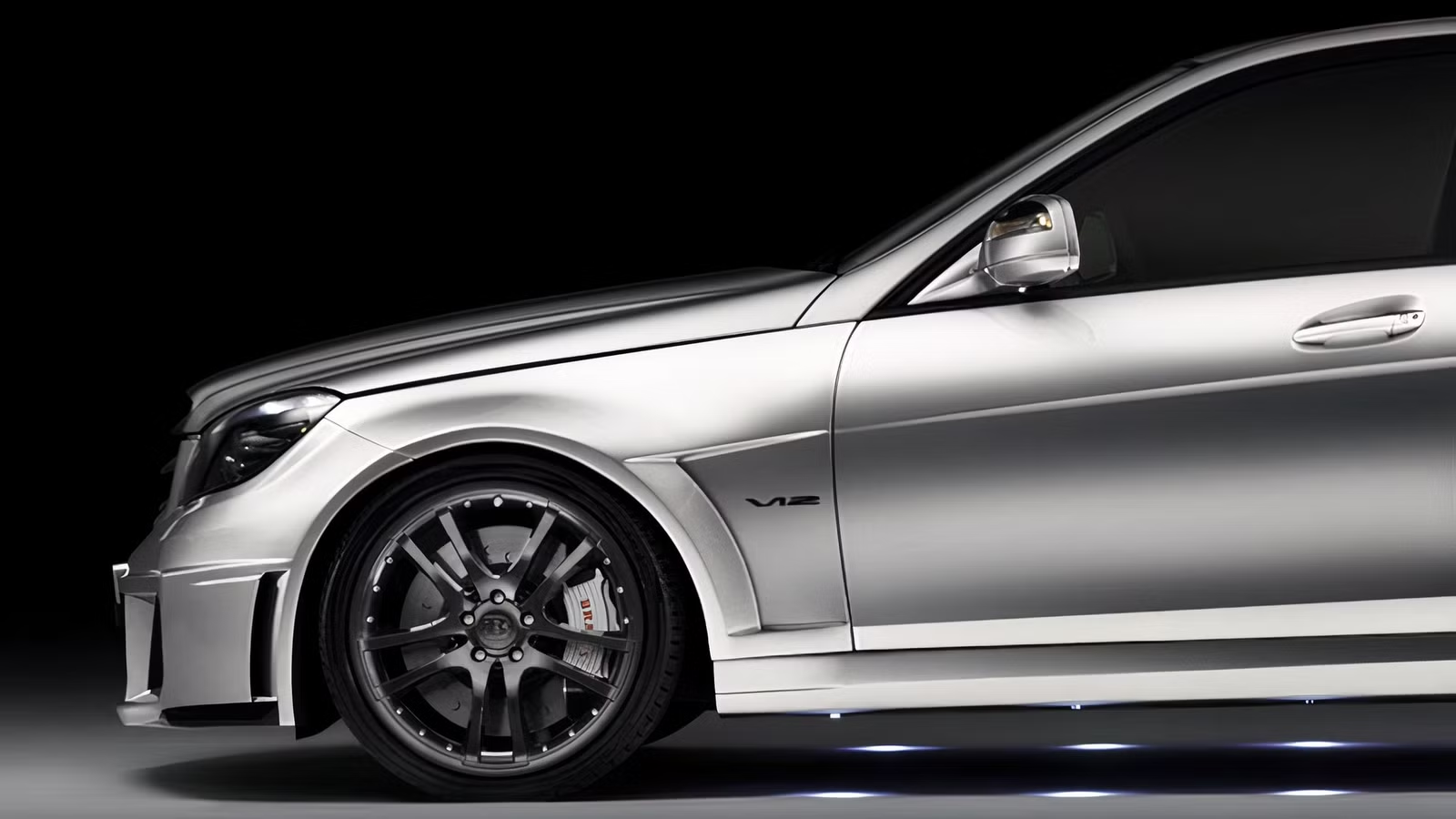
The Bullit Coupe 800 increased power to 789 horsepower and exceeded 230 mph.
Brabus Created More Than Just a Powerful Engine
The Brabus Bullit received far more than a new powertrain.
In addition to the V12 conversion, Brabus redesigned the exterior, upgraded the interior and enhanced the chassis to handle the enormous performance increase.
Because every example required extensive engineering and hand-built components, production remained extremely limited. Consequently, each Bullit carried a price tag of around $500,000, making it one of the most exclusive Brabus creations ever offered.
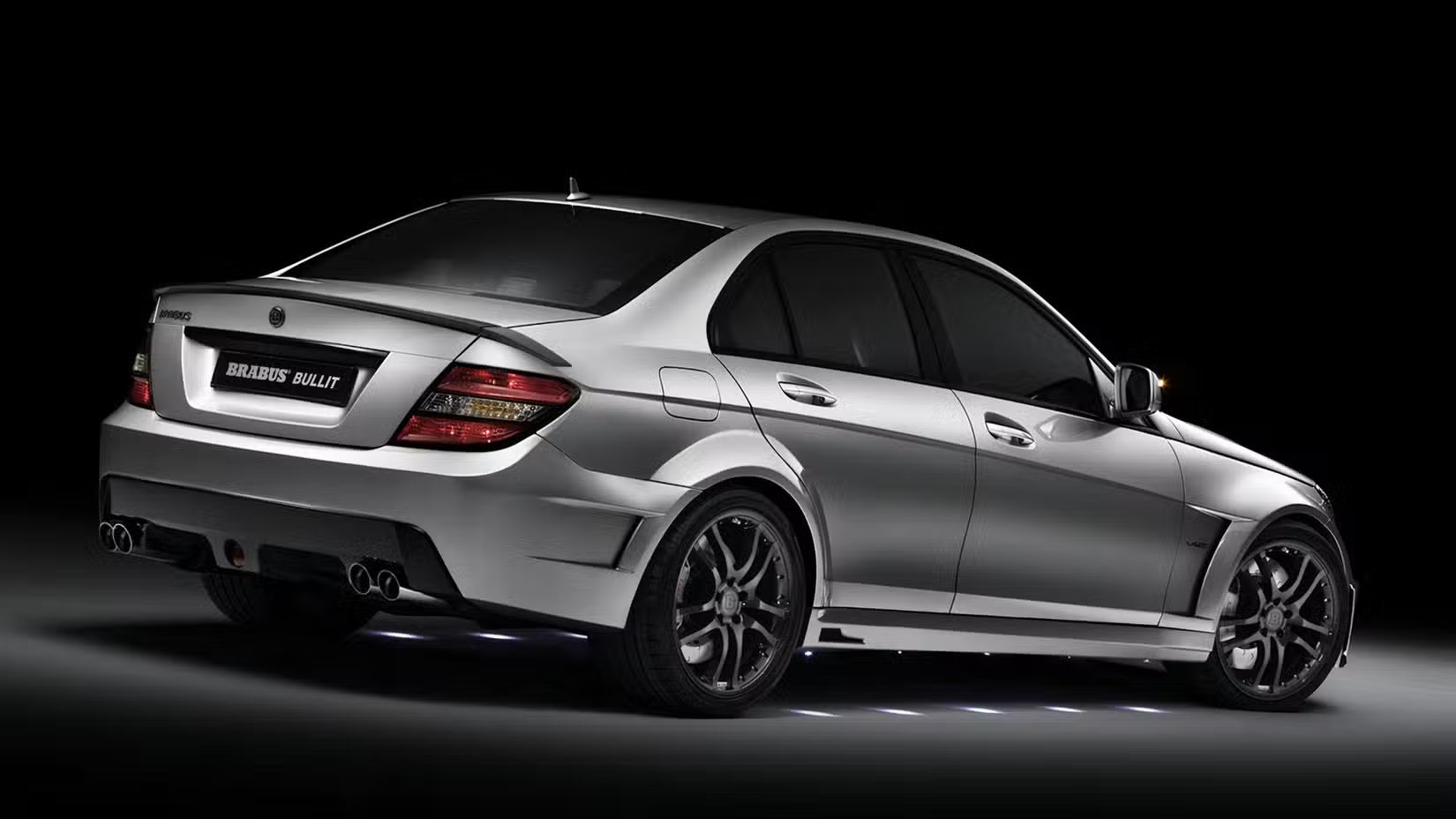
Every Brabus Bullit featured extensive mechanical, aerodynamic and interior modifications.
Brabus Bullit Became a Legend Among Performance Sedans
The Brabus Bullit demonstrated that even an already powerful Mercedes-AMG could become something far more extreme.
Overall, its twin-turbo V12, limited production and extraordinary performance cemented its reputation as one of the most iconic tuner cars ever built. Even today, the Bullit remains a benchmark for what is possible when engineering ambition takes priority over convention.
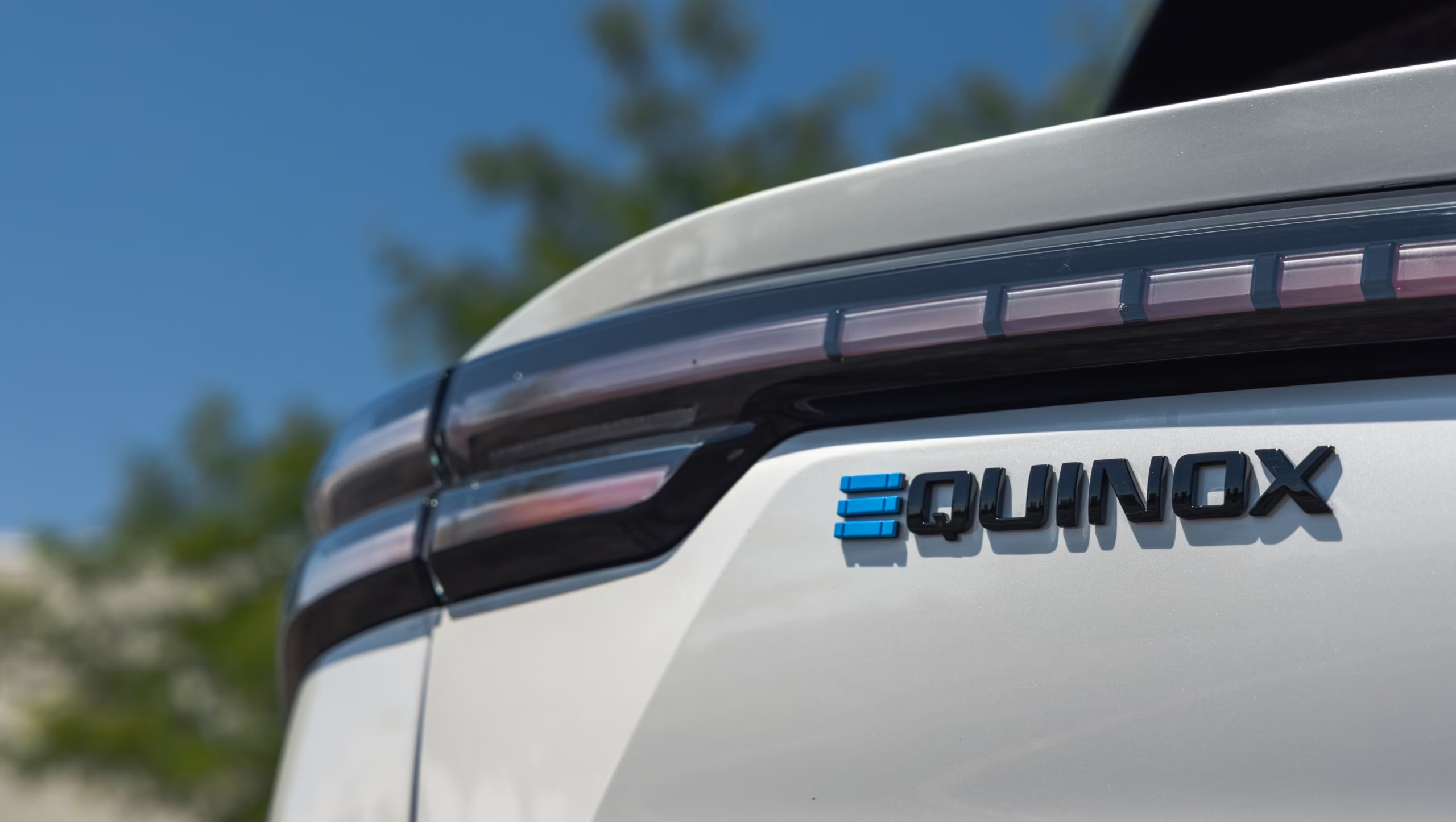
Chevrolet is reportedly developing a next-generation Equinox EV that could arrive for the 2029 model year with an all-new electric platform.
The Next-Gen Chevrolet Equinox EV may already be in development. According to a new report, Chevrolet is preparing a second generation of its affordable electric SUV even as sales of the current model have slowed in 2026.
However, the reported redesign suggests General Motors remains committed to expanding its electric vehicle lineup for the years ahead.
A New Platform Could Power the Next Generation
The biggest change could be found beneath the body.
According to the report, the Next-Gen Chevrolet Equinox EV is expected to ride on GM’s upcoming BEV-N architecture. The current model uses the BEV3 platform, which also supports several other General Motors electric vehicles.
As a result, the new platform could deliver improvements in efficiency, technology and overall performance. Even so, Chevrolet has not confirmed any technical details.
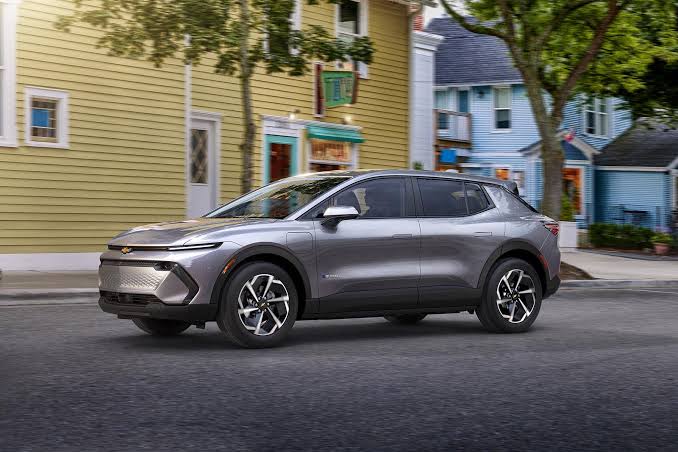
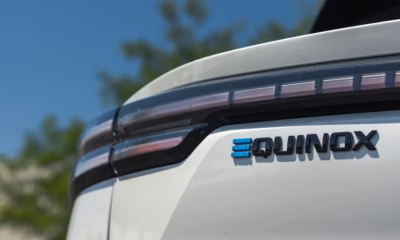
The next-generation Chevrolet Equinox EV could move to GM’s new BEV-N electric platform.
Sales Have Slowed After a Strong Start
The current Equinox EV enjoyed an impressive launch.
In 2025, Chevrolet sold nearly 58,000 units, making it one of the best-selling electric vehicles outside of Tesla. However, demand has cooled this year.
Through the first half of 2026, Chevrolet delivered just over 16,000 Equinox EVs. Consequently, the electric SUV has slipped in the sales rankings as competition from rival automakers continues to grow.
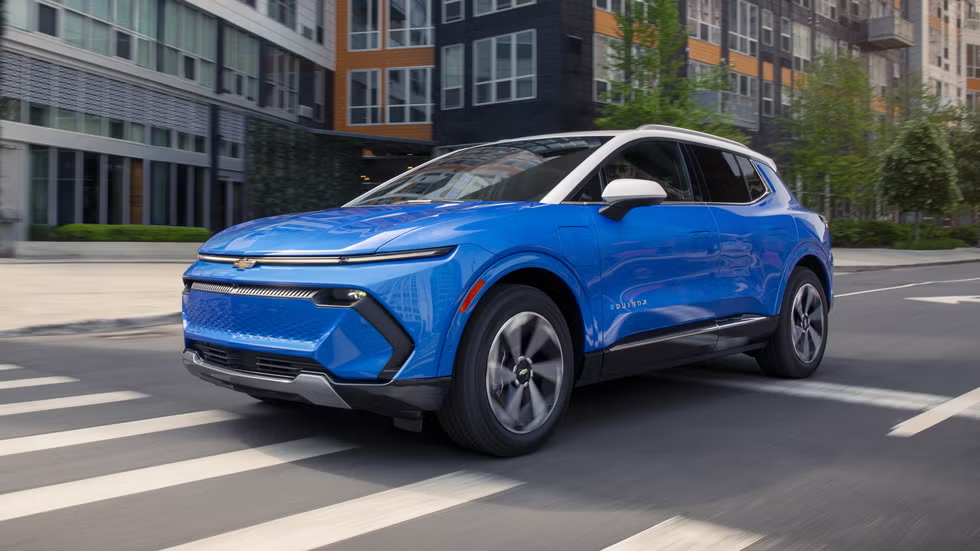
Chevrolet’s affordable electric SUV posted lower sales during the first half of 2026.
Chevrolet Is Looking Toward the Future
Despite weaker sales, General Motors appears to be planning ahead.
The report indicates the Next-Gen Chevrolet Equinox EV could debut in late 2028 or early 2029 before arriving as a 2029 model. Meanwhile, Chevrolet has declined to comment on future product plans.
Nevertheless, the company’s investment in a second-generation model suggests it still sees long-term potential in the Equinox EV.
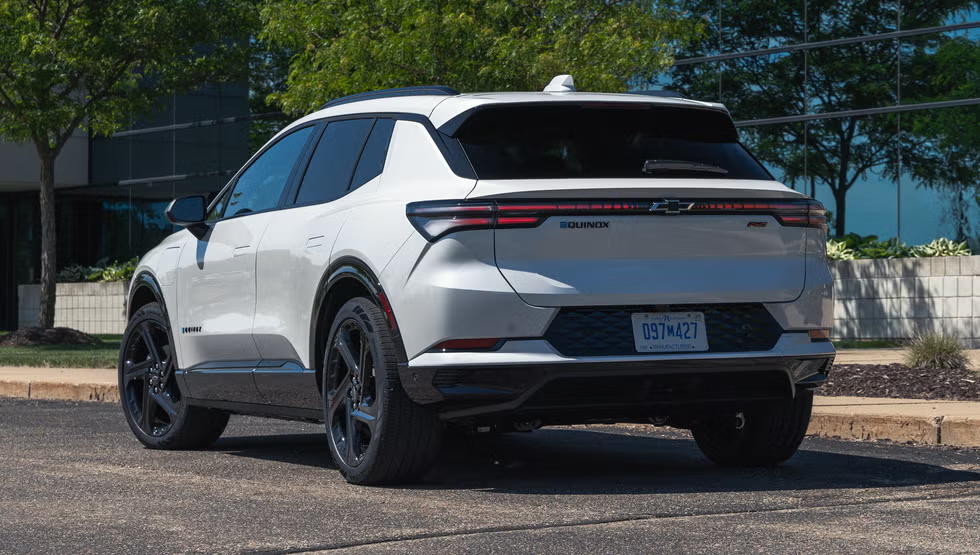
A redesigned Chevrolet Equinox EV could reach dealerships as a 2029 model.
Next-Gen Chevrolet Equinox EV Signals GM’s Long-Term EV Strategy
The Next-Gen Chevrolet Equinox EV may still be several years away, but it already appears to be an important part of General Motors’ future.
Overall, the reported redesign points to a continued investment in affordable electric vehicles. If the new platform delivers meaningful improvements, Chevrolet could strengthen its position in one of the industry’s fastest-growing segments.
-
 TEST DRIVES2 months ago
2026 Subaru Outback Touring
-
 TEST DRIVES1 month ago
Lamborghini prepares multiple launches for 2026 as electrification plans continue
-
 TEST DRIVES2 months ago
2026 Hyundai Santa Cruz Limited AWD
-

 RACING1 month ago
Barcelona-Catalunya Grand Prix: Everything You Need To Know About Formula 1’s Ultimate Benchmark Circuit
-
 INTELLIGENT MOBILITY1 month ago
2026 Cadillac Escalade IQL Redefines Luxury In The Electric SUV Segment
-
 RACING1 month ago
George Russell Leads Final Barcelona Practice As Kimi Antonelli Receives Reprimand
-

 NOW TRENDING2 months ago
Porsche Creates A Buzz Lightyear-Inspired 911 GT3 RS That Looks Ready To Go “To Infinity And Beyond”
-
 RACING2 months ago
Why Formula 1 Has Pit Lane Speed Limits And How They Are Measured
You must be logged in to post a comment Login