
“In the last few months, we have rapidly accelerated our pace in advancing Toyota’s automated driving capabilities with a vision of saving lives, expanding access to mobility, and making driving more fun and convenient,†said Dr. Gill Pratt, CEO of TRI. “Our research teams have also been evolving machine intelligence that can support further development of robots for in-home support of people.â€
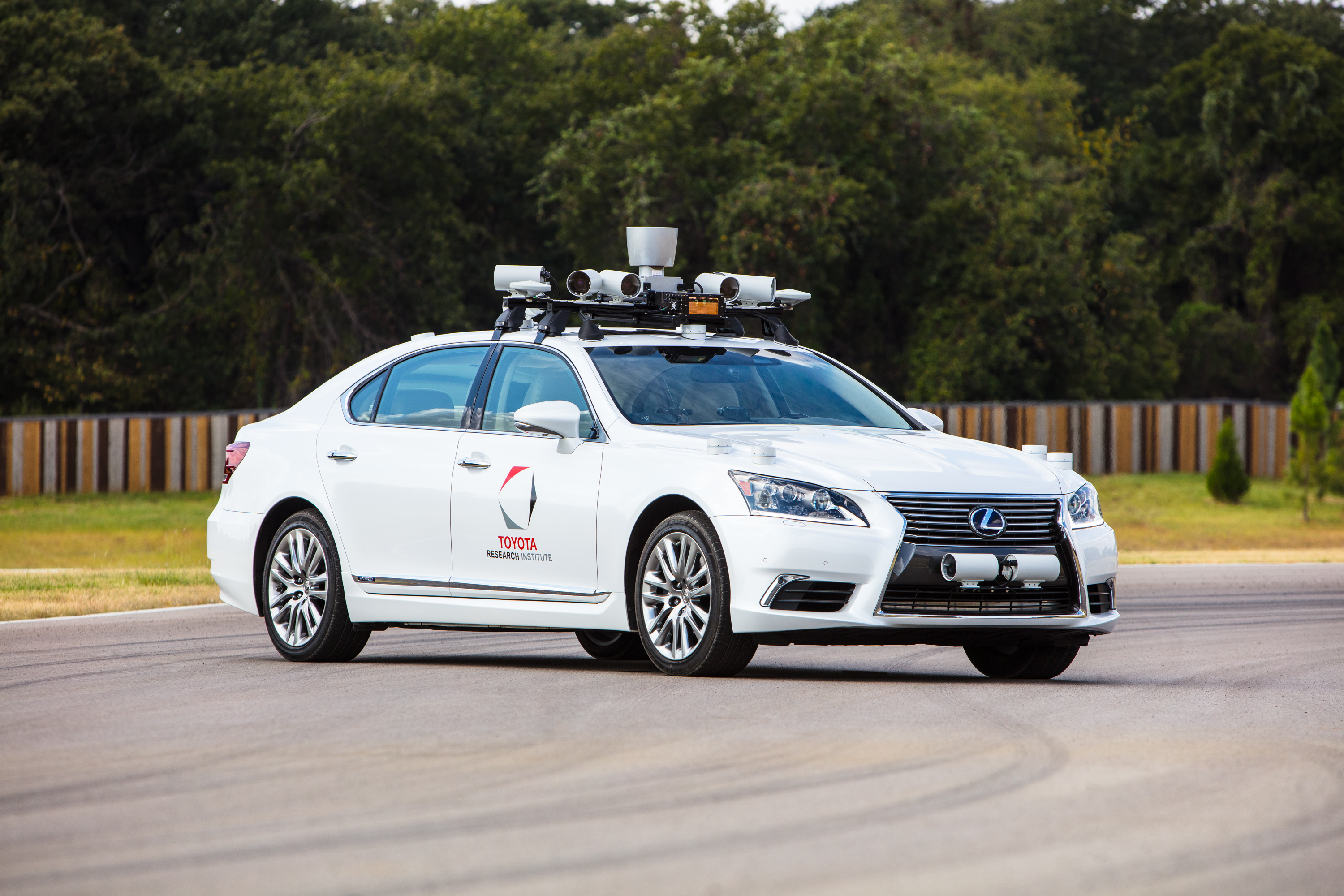
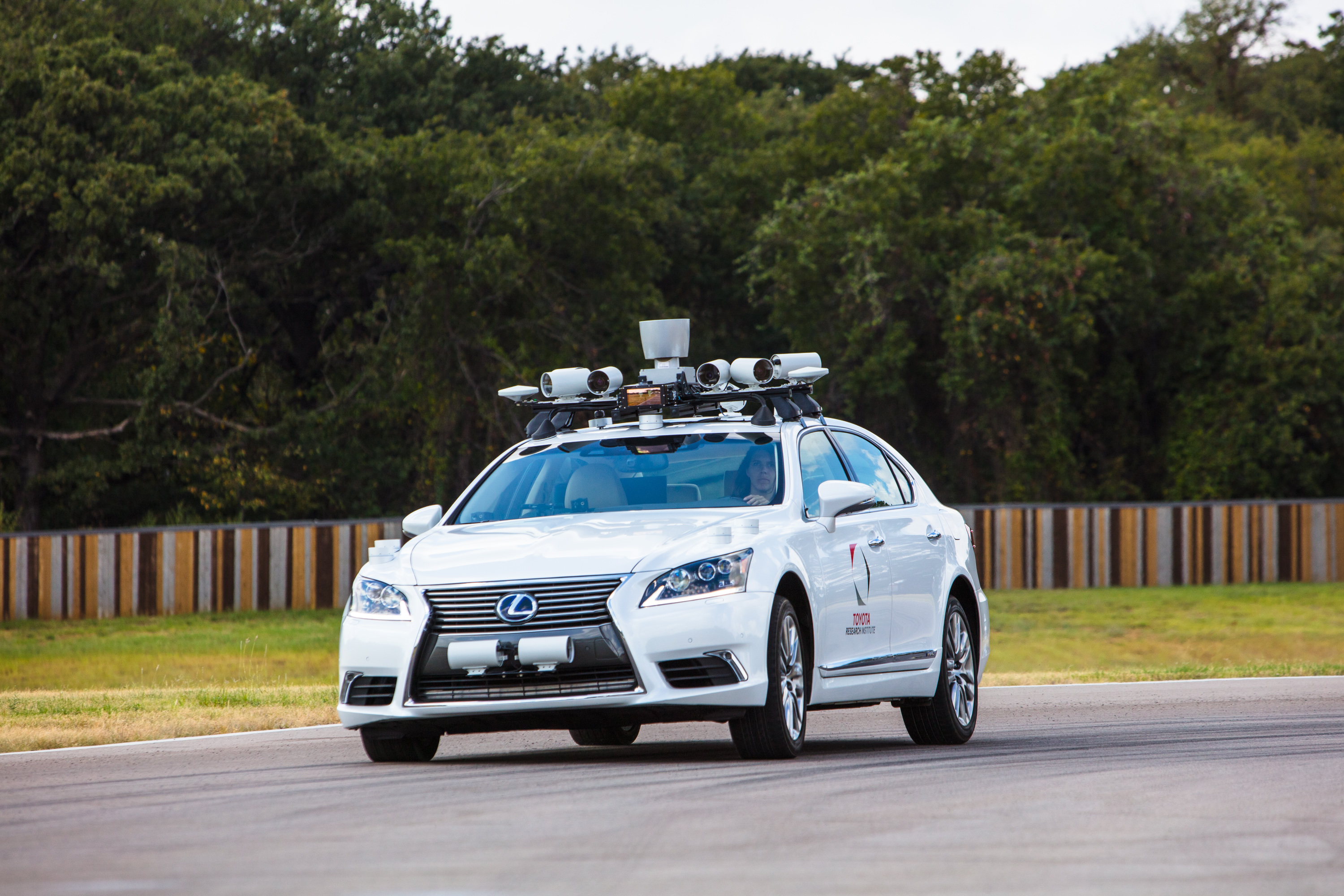
Since unveiling its Platform 2.0 research vehicle in March 2017, TRI has quickly updated its automated driving technology. The next iteration, dubbed Platform 2.1, is being shown for the first time on a closed-course. In parallel with the creation of this innovative test platform, TRI has made strong advances in deep learning computer perception models that allow the automated vehicle system to more accurately understand the vehicle surroundings, detecting objects and roadways, and better predict a safe driving route. These new architectures are faster, more efficient and more highly accurate. In addition to object detection, the models’ prediction capabilities can also provide data about road elements, such as road signs and lane markings, to support the development of maps, which are a key component of automated driving functionality.
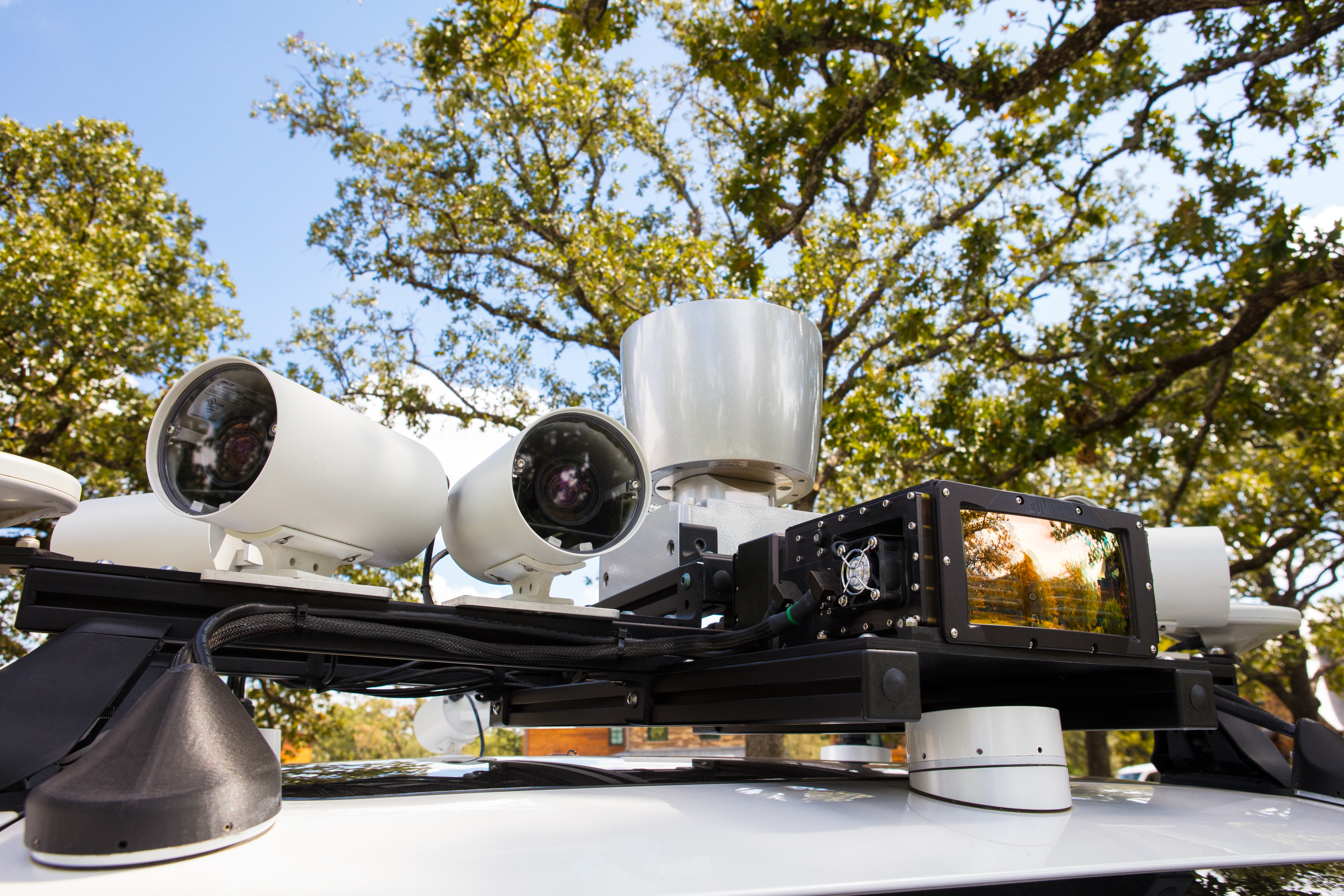
Platform 2.1 also expands TRI’s portfolio of suppliers, incorporating a new high-fidelity LIDAR system provided by Luminar. This new LIDAR provides a longer sensing range, a much denser point cloud to better detect positions of three-dimensional objects, and a field of view that is the first to be dynamically configurable, which means that measurement points can be concentrated where sensing is needed most. The new LIDAR is married to the existing sensing system for 360-degree coverage. TRI expects to source additional suppliers as disruptive technology becomes available in the future.
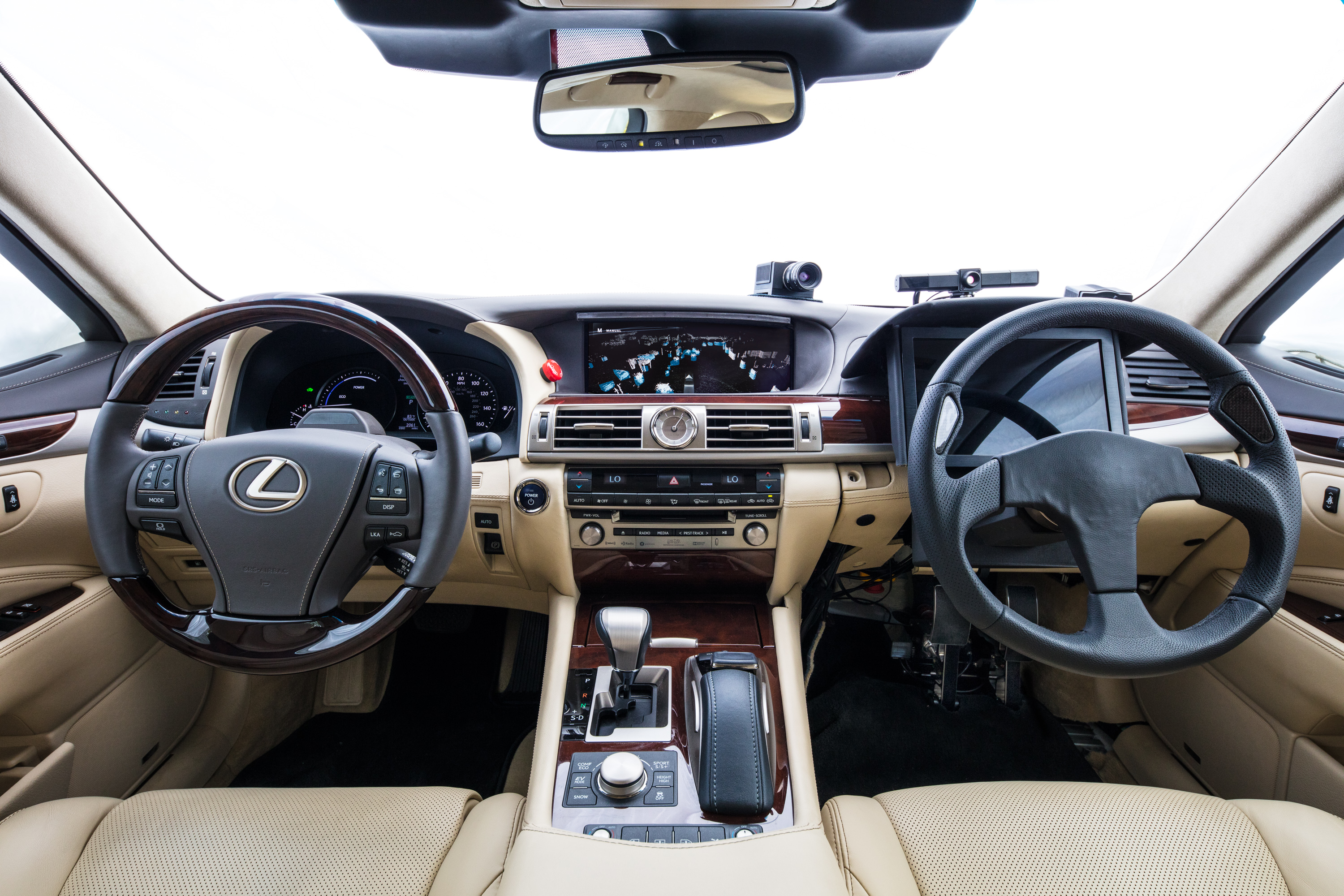
On Platform 2.1, TRI created a second vehicle control cockpit on the front passenger side with a fully operational drive-by-wire steering wheel and pedals for acceleration and braking. This setup allows the research team to probe effective methods of transferring vehicle control between the human driver and the autonomous system in a range of challenging scenarios. It also helps with development of machine learning algorithms that can learn from expert human drivers and provide coaching to novice drivers.
TRI has also designed a unified approach to showing the various states of autonomy in the vehicle, using a consistent UI across screens, colored lights and a tonal language that is tied into Guardian and Chauffeur. The institute is also experimenting with increasing a driver’s situational awareness by showing a point cloud representation of everything the car “sees†on the multi-media screen in the center stack.
With its broad-based advances in hardware and software, Platform 2.1 is a research tool for concurrent testing of TRI’s dual approaches to vehicle autonomy – Guardian and Chauffeur – using a single technology stack. Under Guardian, the human driver maintains vehicle control and the automated driving system operates in parallel, monitoring for potential crash situations and intervening to protect vehicle occupants when needed. Chauffeur is Toyota’s version of SAE Level 4/5 autonomy where all vehicle occupants are passengers. Both approaches use the same technology stack of sensors and cameras. This week marks the first time the Guardian and Chauffeur systems have been demonstrated on the same platform, which includes multiple test scenarios to demonstrate TRI’s advances in both applications.
These include the ability of the Guardian system to detect distracted or drowsy driving in certain situations, and to take action if the driver does not react to turns in the road. In such a situation, the system first warns and then will intervene with braking and steering to safely follow the road’s curvature. Chauffeur test scenarios demonstrate the vehicle’s ability to drive itself on a closed course, navigate around road obstacles, and make a safe lane change around an impediment in its path with another vehicle travelling at the same speed in the lane next to it.
In addition to real-world testing, TRI is using simulation to accurately and safely test engineering assumptions, and investors can experience automated driving test scenarios in a virtual simulator.
TRI is also making advancements in robotics and artificial intelligence.
As part of its research into human support robots that can assist with tasks in the home, such as item retrieval, TRI has pioneered new tools to give future robots enhanced, human-like dexterity in order to grasp and manipulate objects so that they are not dropped or damaged. TRI is also applying computer vision and artificial intelligence to robot development, allowing robots to detect the physical presence of humans and objects, note their locations and retrieve objects for humans when prompted. The robots can detect when objects have been relocated, updating the item’s location in the robot’s database, and even detect faces of known people and differentiate individuals.
TRI’s progress in robotics have been made possible by its ability to increase the value and accuracy of simulation to augment physical testing. Since it is impossible to physically test the wide variety of situations robots may encounter in the real world, the institute uses simulated environments, constantly adapting them with data collected in real-world testing for greater precision.
Additionally, TRI is pursuing new concepts for applying artificial intelligence inside a vehicle cabin to keep occupants comfortable, safe and satisfied. The institute has created a simulator showing an in-car AI agent that can detect a driver’s skeletal pose, head and gaze position and emotion to anticipate needs or potential driving impairments. For example, when the system detects the driver taking a drink and facial expressions which might indicate discomfort, the agent hypothesizes that the driver might be feeling warm and can adjust the air conditioning or roll down the windows. If the agent detects drowsiness, it might provide a verbal prompt in the cabin suggesting that the driver pull over for coffee or navigate the car to a coffee shop.
In addition to its technology demonstrations, Toyota also released a comprehensive overview of its work on automated driving, including the philosophy that guides its approach to the technology, its ongoing research programs, and its near-term product plans. The white paper reflects Toyota’s understanding of the potential for automated driving to dramatically expand mobility options for people around the world, helping to create a society where mobility is safe, convenient, enjoyable, and available to everyone. It summarizes the dual concepts of Guardian and Chauffeur that guide Toyota’s research and the Mobility Teammate Concept that guides its product development.
“Vehicles with automated driving technology will bring many benefits to society, but one of the top priorities at Toyota is to help make the traffic environment safer,†said Kiyotaka Ise, Chief Safety Technology Officer and Senior Managing Officer of Toyota Motor Corporation. “By having our vehicle technologies seamlessly anticipate and interact with human beings and the traffic environment, we will get closer to realizing a future without traffic injuries or fatalities.â€
The white paper is available atwww.automatedtoyota.com.
Media Contact:John Hanson










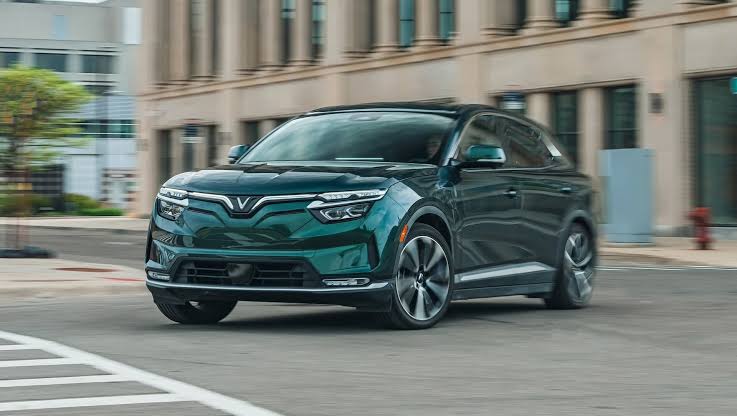
Green SM launches 500 electric SUVs in Southern California with company-employed drivers and a fleet it owns.
Green SM has entered the U.S. market with a 500-vehicle electric fleet in Los Angeles, introducing a ride-hailing model built around company-owned cars and full-time drivers. The Vietnamese company is betting that consistent service and an employment-based workforce can help it stand out in a market dominated by Uber and Lyft.
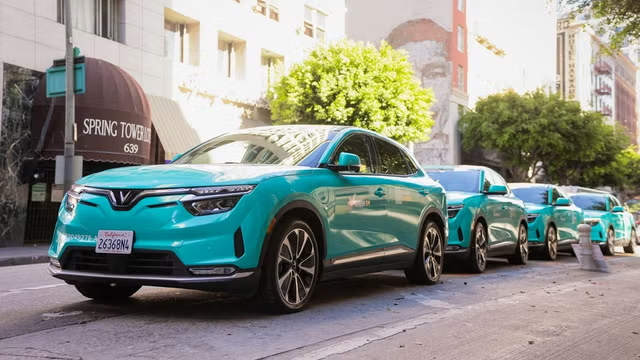
Green SM launches its U.S. ride-hailing service with a fleet of 500 VinFast VF 8 electric SUVs.
A Fleet Built Around the VinFast VF 8
Every vehicle in Green SM’s initial Los Angeles fleet is a five-seat VinFast VF 8 electric SUV. The company says its vehicles are operating across Los Angeles County and extending into Orange County.
Customers can request rides through the Green SM app, call the company’s hotline or hail a vehicle on the street. Fares depend on time and distance, while the company is promoting discounted rides to attract new customers.
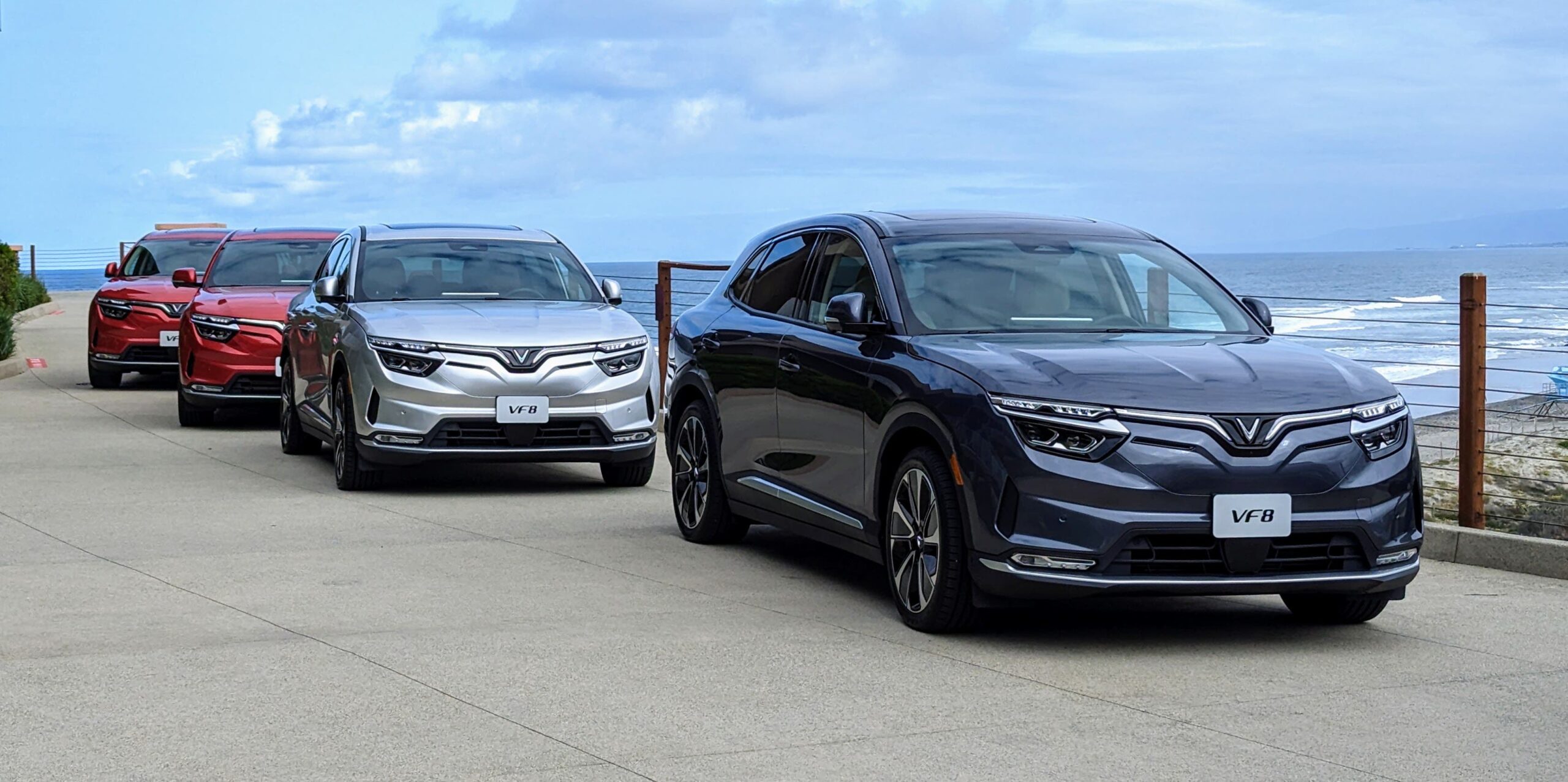
The VF 8 serves as Green SM’s primary vehicle for its Los Angeles operations.
Company Drivers Instead of Gig Workers
Green SM’s main distinction is its employment model. The company owns its vehicles and employs its drivers, providing training, maintenance and scheduled shifts rather than relying on independent contractors using their own cars.
The approach is designed to create a more consistent service experience. Drivers complete a selection and onboarding process before beginning work, while the company manages the vehicles and their upkeep.
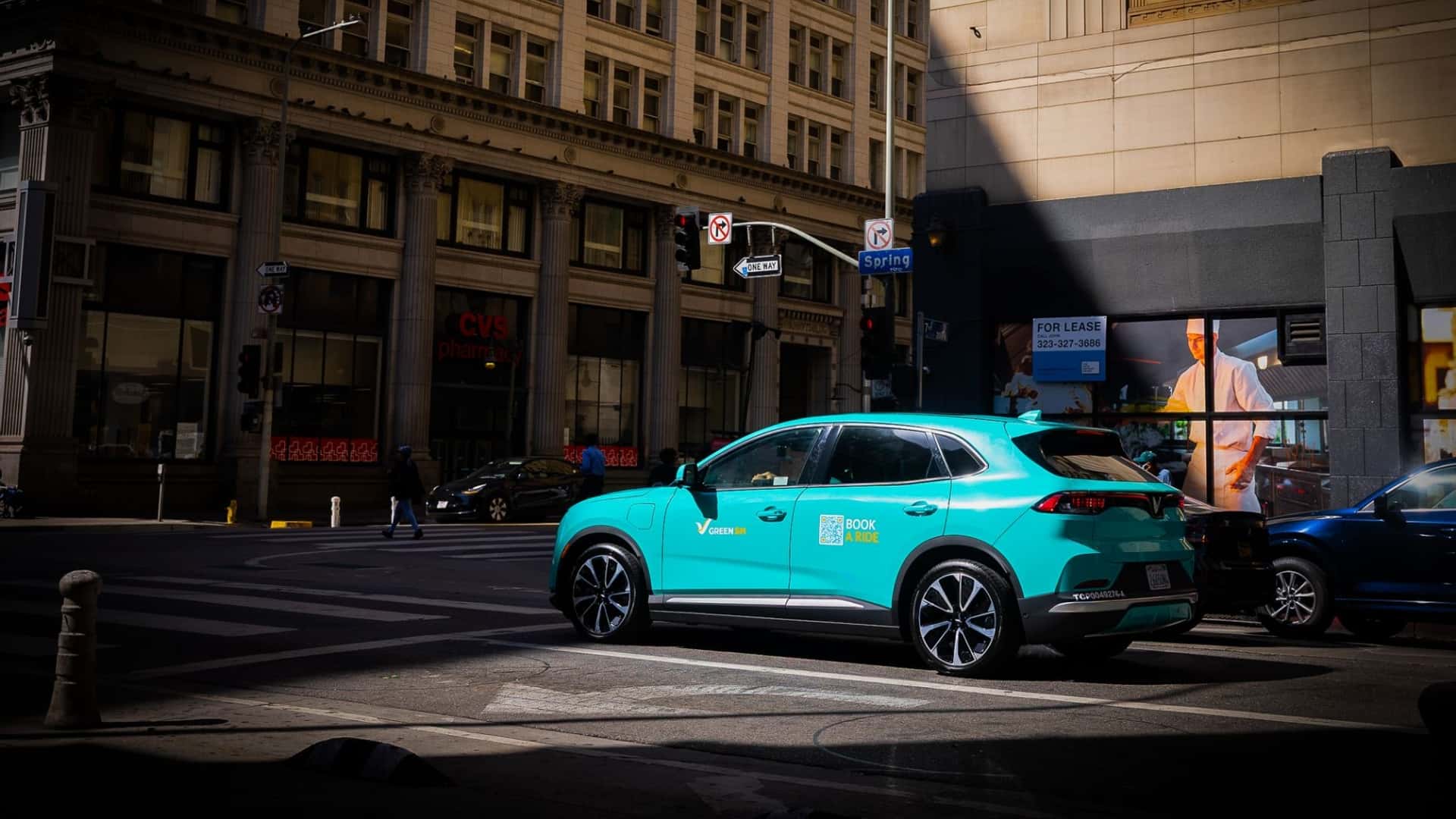
Green SM employs its drivers directly and manages the vehicles used for its ride-hailing service.
Discounts for Early Customers
Green SM is offering new customers 50% off their first five rides, with a maximum discount of $12 per trip. Its Green Pass membership also includes 10 monthly vouchers offering 30% off, capped at $10 per ride.
The company has also identified airport transfers as a potential service. However, the arrangements and timing for operations at Los Angeles International Airport have not been publicly detailed.
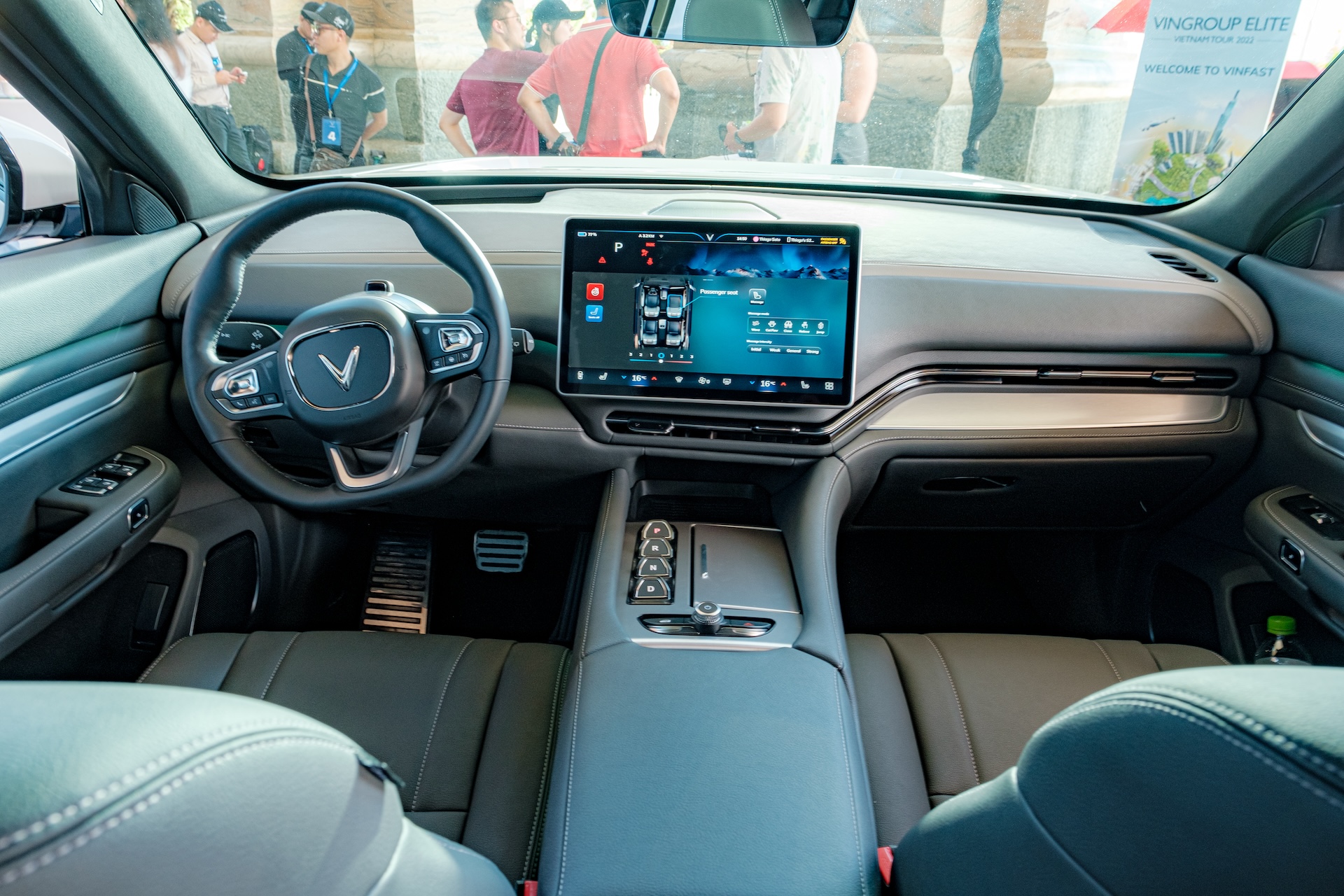
The VF 8’s cabin provides the passenger space used for Green SM’s ride-hailing trips.
Green SM Enters a Competitive Market
Los Angeles is Green SM’s first U.S. market. The business began in Vietnam in 2023 and has since expanded into other international markets.
Its arrival adds another competitor to Southern California’s evolving transportation sector, where conventional ride-hailing companies and autonomous vehicle services are expanding their presence. Green SM’s strategy centers on combining electric vehicles with company-managed operations rather than relying on a gig-based workforce.
Green SM is entering a competitive market as electric and autonomous transportation services continue to expand.
The company’s long-term prospects will depend on customer demand, service reliability and its ability to expand beyond its initial fleet. For now, its Los Angeles launch offers a different approach to electric ride-hailing in the United States.

The automaker is inviting select R1 and R2 owners to try a new route-based driving assistant before a wider U.S. rollout.
Rivian is preparing to expand its driver-assistance technology with Point to Point, a system designed to handle more of a journey than conventional hands-free highway assistance. The first phase will be limited to selected customers, with a broader rollout planned for 2027.
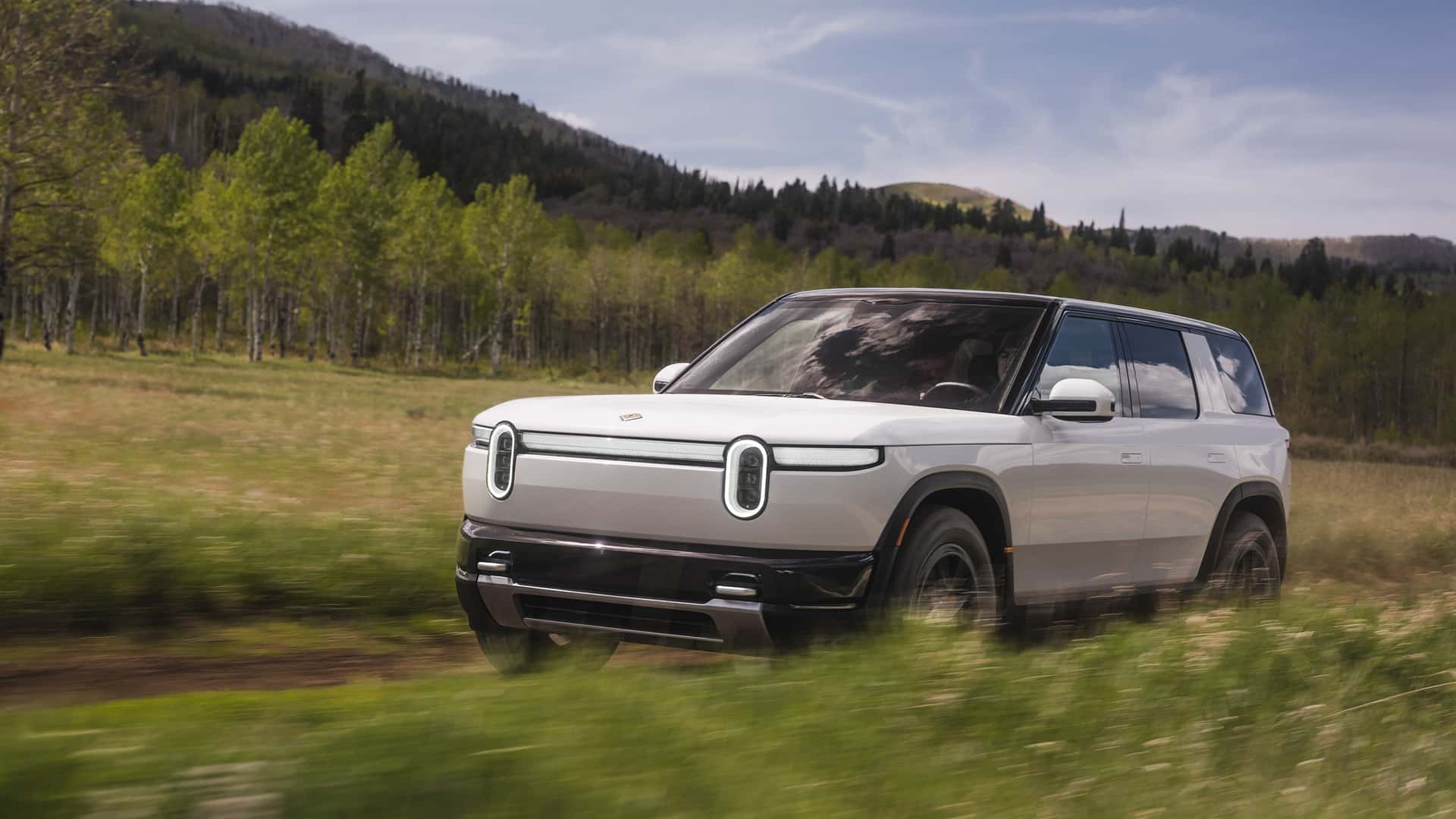
Rivian is starting its latest driving technology program with eligible owners of newer R1 models and the R2.
From Highway Assistance to Full Routes
Point to Point builds on Rivian’s existing Universal Hands-Free system. It is designed to follow a planned route, including turns, highway merges and surface streets, while the driver remains responsible for supervising the vehicle.
The technology combines the vehicle’s sensors and cameras with Rivian’s Large Driving Model, which interprets surrounding conditions and helps determine how the vehicle should respond.
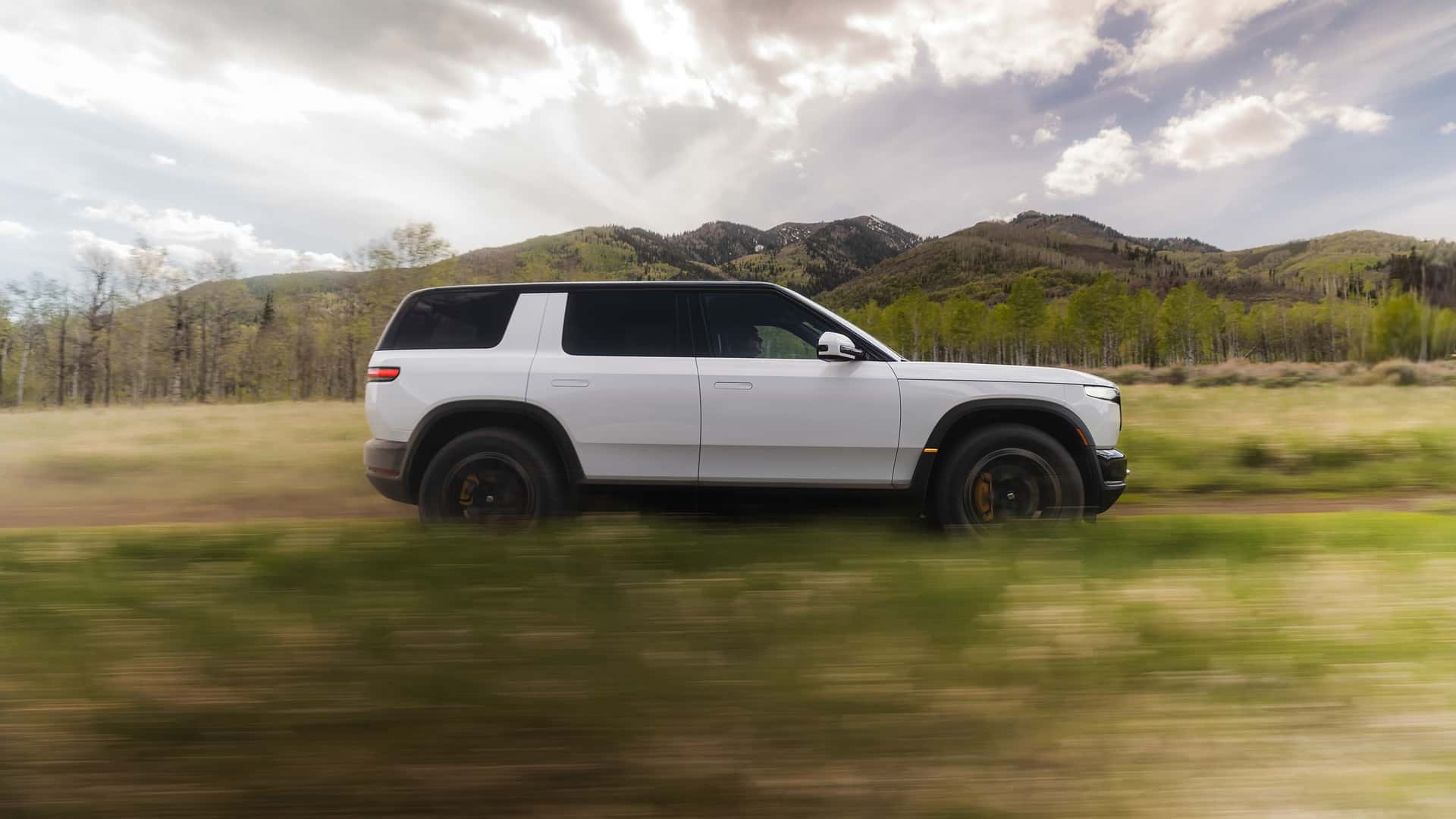
Point to Point aims to manage more of a planned journey while requiring the driver to remain attentive.
Who Can Join the Early Access Program?
The initial program targets eligible Gen 2 R1 and R2 owners in California and Florida. Applicants must have an active paid Autonomy+ subscription; free trials do not qualify.
Rivian will consider existing use of its driver-assistance features, recent safety records and a balance of vehicle models and regions when selecting participants. Owners can register their interest through the Autonomy Early Access tile in their Rivian account.
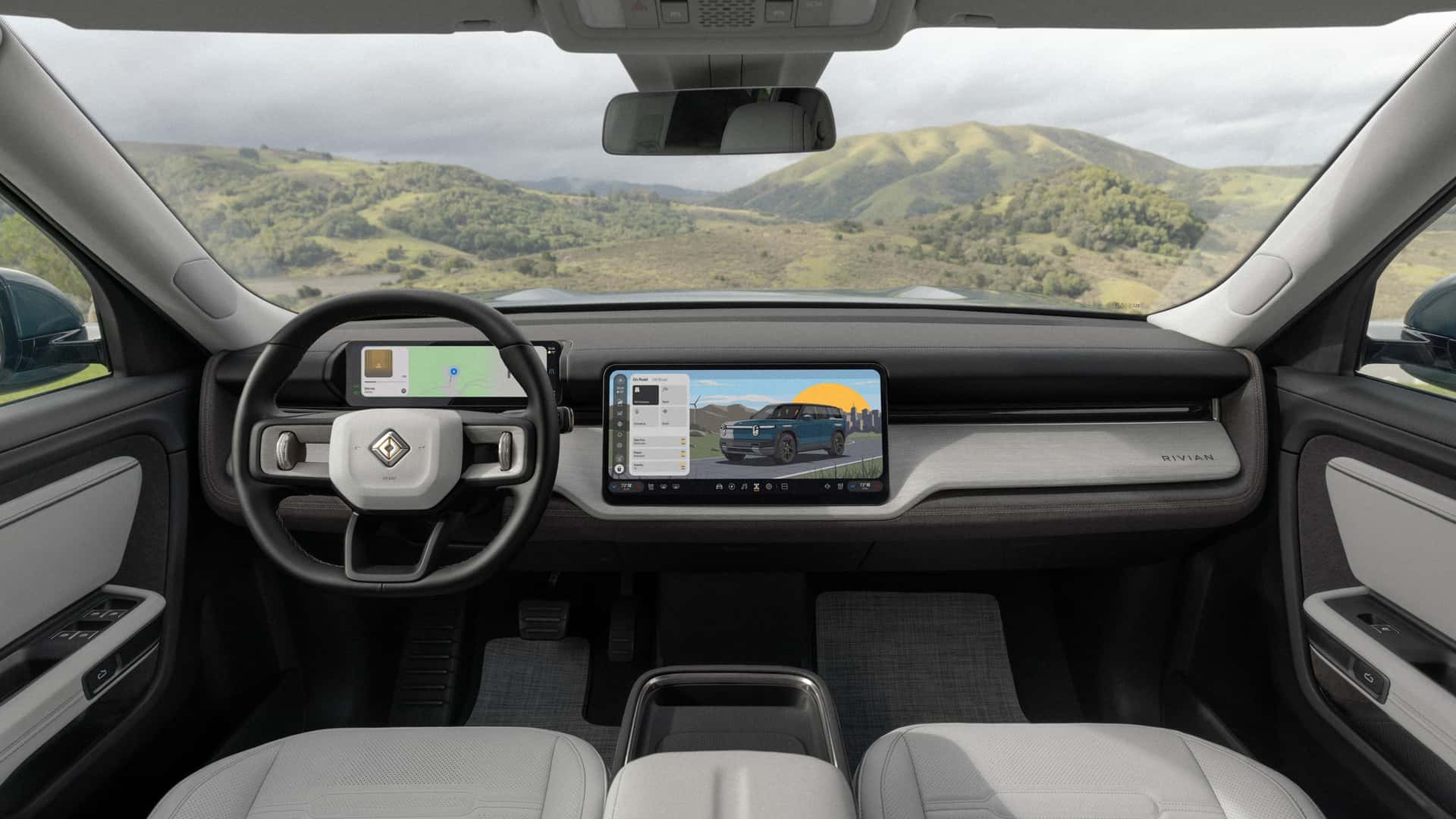
Eligible owners can register their interest through their Rivian account.
Testing Comes With Conditions
Selected participants must use the preview features weekly, report issues and complete monthly surveys. They must also agree to data collection that includes location and camera data, under a non-disclosure agreement.
The program is unpaid, and Rivian can reassess participants’ eligibility every 30 days. First-generation R1 vehicles and Canadian owners are excluded from the initial phase.
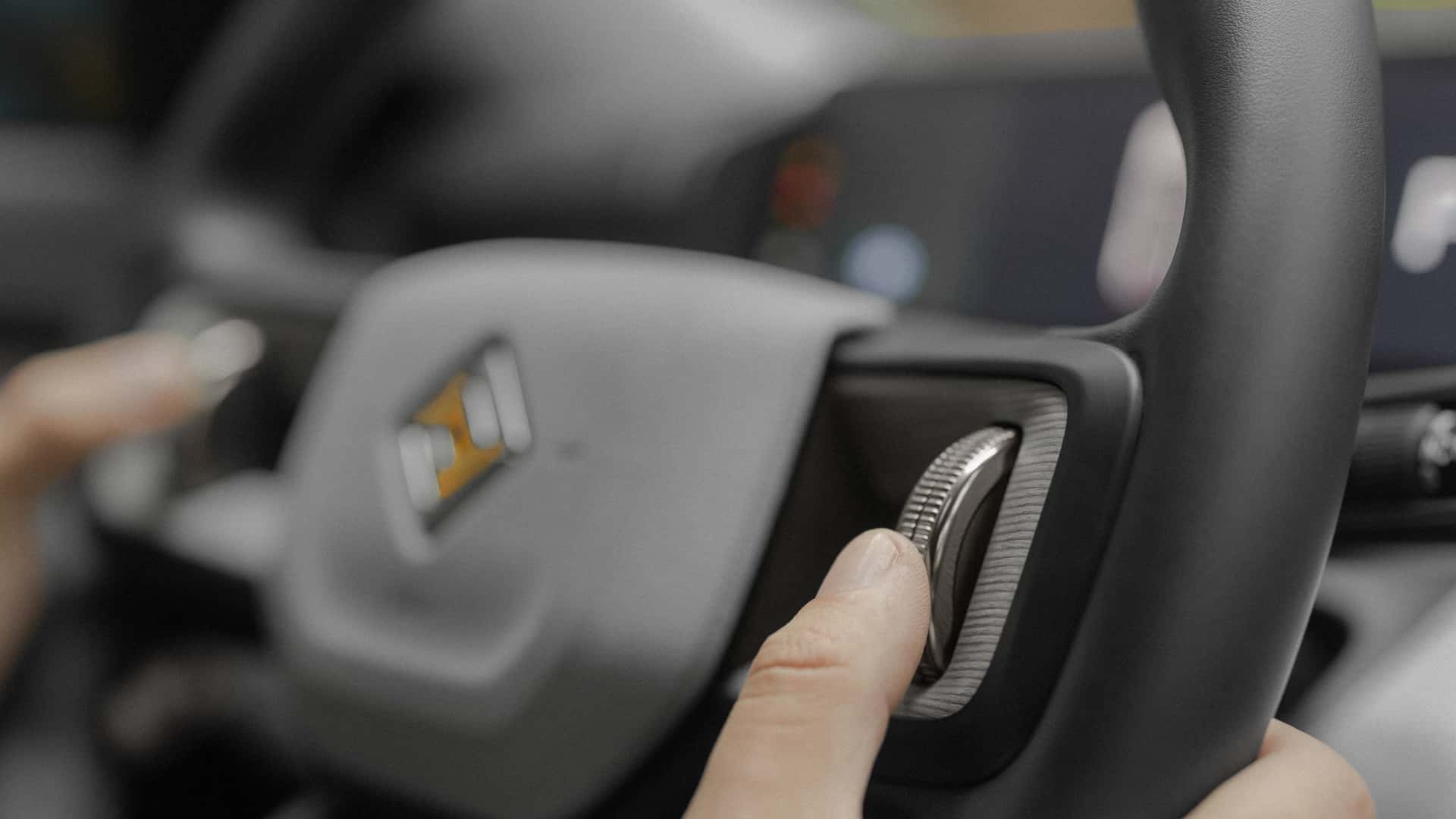
Camera and sensor data are part of the technology Rivian is developing and evaluating.
A Wider Rollout Is Planned for 2027
Rivian expects Point to Point to reach a broader group of Autonomy+ customers in 2027, following the early-access phase. Feedback from interested owners outside California and Florida may also help inform which states are considered for expansion.
The R2 is among the vehicles targeted for the initial program, with wider availability expected to follow.
Point to Point remains a Level 2 driver-assistance system, not fully autonomous driving. Drivers must stay attentive and be ready to take control at all times.
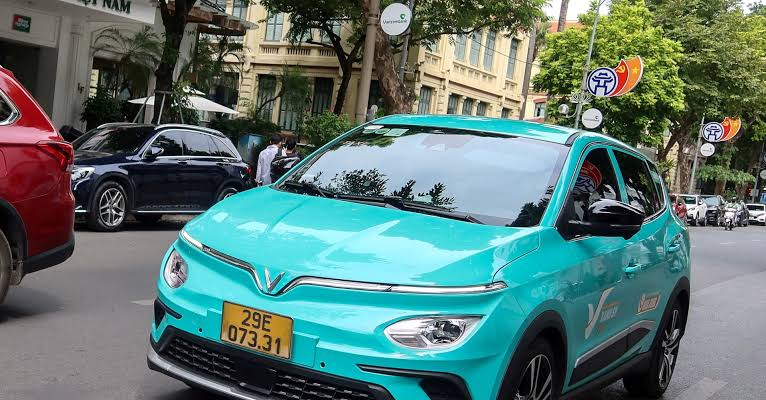
Green and Smart Mobility enters the U.S. market with an all-electric taxi and ride-hailing service.
GSM Expands Into the United States
Los Angeles is GSM’s first U.S. market and its ninth country of operation. Before entering the United States, the company operated in Vietnam, Laos, Indonesia, the Philippines, India, Kazakhstan, Denmark and the Netherlands.
The launch gives GSM a presence in North America as it pursues a broader international expansion strategy. Its all-electric fleet also connects the company’s growth to the development of electric mobility services, particularly in major cities where taxis and ride-hailing vehicles can accumulate substantial daily mileage.

GSM is expanding its all-electric mobility business into the United States with its launch in Los Angeles.
The scale of the company’s U.S. operation, including its initial fleet size, service coverage and passenger pricing, will be important factors in determining how quickly it can establish a presence in the local market.
VinFast Connection and Electric Vehicle Strategy
GSM is closely linked to VinFast, the Vietnamese electric vehicle manufacturer. The taxi operator has previously said it intends to purchase up to one million VinFast electric vehicles between 2026 and 2030, a target that would make fleet demand a significant part of its relationship with the automaker.
The planned purchases could support VinFast by creating a large potential source of demand for its vehicles. For GSM, meanwhile, using electric vehicles across its mobility operations aligns its fleet strategy with its focus on all-electric transportation.

VinFast is the vehicle supplier connected to GSM’s plans for expanding its electric mobility fleet.
However, the stated purchase target is a multi-year intention rather than confirmation that all the vehicles have already been ordered or delivered. The pace of deployment will depend on the company’s expansion plans and the operational requirements of each market.
GSM’s International Expansion Plans
The Los Angeles launch forms part of a wider international growth strategy. GSM has previously outlined plans to deploy fleets in the United States and Sweden, as well as expand its presence in the Netherlands. The company has also indicated that it wants to enter additional European markets in 2027.
Its U.S. entry is therefore one part of a larger effort to build an international electric mobility business. Expanding across multiple markets could increase the company’s operating scale, although each country presents different regulatory requirements, competitive conditions and customer expectations.

GSM is seeking to expand its electric taxi operations beyond its established Asian and European markets.
The company’s financial scale is another area of interest as it prepares for a potential Hong Kong stock market listing. GSM has been preparing for a possible pre-IPO phase, while previous valuation discussions have placed the business at approximately $20 billion, based on advice reportedly received by the company.
Vietnamese brokerage VNDirect estimated that GSM generated approximately $1 billion in gross merchandise value in 2025. Gross merchandise value represents the total value of transactions facilitated through a business and should not be confused with revenue or profit. GSM does not publicly disclose detailed financial results.
What the Los Angeles Launch Means for GSM
GSM’s entry into Los Angeles establishes its first North American operation and expands its international footprint to nine markets. The company’s strategy combines electric vehicle deployment, ride-hailing services and an existing relationship with VinFast.
The next indicators to watch will include fleet expansion, geographic coverage, passenger demand and the company’s ability to compete with established ride-hailing operators. Its potential listing in Hong Kong could also become an important milestone as it seeks to finance and scale its international business.
For now, the Los Angeles launch marks a significant geographic expansion for GSM. Its longer-term success will depend on how effectively it translates its experience in other markets into a competitive U.S. operation.
-
 NOW TRENDING2 months ago
Tesla Cybercab Gets September 3 Austin Launch Date
-

 TEST DRIVES2 months ago
2025 Ford Bronco Sport Badlands: The Adventure SUV You Can Drive Every Day
-

 TEST DRIVES2 months ago
2026 Toyota GR Supra MkV Final Edition
-

 NOW TRENDING1 month ago
Aston Martin DBX Becomes Harry Da Souza’s Ride in MobLand
-

 NOW TRENDING2 months ago
Tesla Cybercab Puts U.S. Regulations to the Test
-

 Formula12 months ago
FIA Reveals Second ADUO Results With Red Bull-Ford Still on Top
-
 NOW TRENDING2 months ago
2027 Hyundai Tucson Hybrid Gets a Power Boost
-
 NOW TRENDING2 months ago
Hyundai Reports Strong Hybrid Sales in August 2026
You must be logged in to post a comment Login