
The Heritage HUB in Turin exhibits the last Fiat 126 ever built, a yellow example from the limited ‘Happy End’ series that symbolizes the end of production for the car that mobilized the masses.
The Heritage HUB in Turin preserves pieces of this glorious cult small car to this day. This includes the first red example produced in Cassino. The last Maluch that rolled off the line in Tychy can also be admired. We were able to see both models in situ during the presentation drive of the new Fiat 500 Hybrid. The Fiat 500 is almost the grandchild of the blessed 126. “
The first red example features specific visual and technical traits. The chassis number is “provisional.” Furthermore, the engine air intake has a different position than on normal production vehicles. “
The Origin of a Mass Mobilization Legend
Those were different times, with compact dimensions and modest specifications. The Fiat 126 measured 3.05 meters long. Its engine was 650 cm3 and offered 23 hp. The car weighed 580 kilograms in running order. Production began in Italy in 1972. However, as early as 1973, part of the production also took place in Poland. This occurred at two plants of Fabryka Samochodów Małolitrażowych (FSM).
The Polish Volkswagen and its Official Nickname
Due to its relatively low price, the Fiat 126 quickly became the Polish Volkswagen. This car mobilized the masses. Despite this, 70,000 zlotys still equated to a good 20-month salary. The demand was immense. For this reason, a second factory was built in Tychy in 1975. Its tiny size gave the 126 the nickname ‘Maluch’. This term means ‘small,’ ‘little child,’ or ‘dwarf.’ The term became so popular that the manufacturer accepted it as the official name of the car in 1997.

The Cessation of Polish Production
Polish production was mainly intended for the domestic market. Nevertheless, from May 1985, all 126s were built in Polish factories. This included the models sold in Italy. These received the new name “Fiat 126 – Made by FSM.” Furthermore, Zastava in Yugoslavia used components produced in Poland. This was to assemble the ‘Zastava 126’ for the domestic market. In the last decade, it was manufactured only for the Polish market. Its designation was 126P 650 ‘Maluch.’ The technology was adapted to environmental regulations. This continued until the introduction of gasoline injection and the catalytic converter.
The Final ‘Happy End’
Finally, production ended in the year 2000. Over 1,350,000 units had been manufactured in Italy. More than 3,318,000 vehicles were produced in Poland. On September 22, 2000, exactly at 12 noon, a historic event occurred. The last Fiat 126 Maluch rolled off the production line. This car was part of a limited series of 1,000 units named ‘Happy End’ in yellow.




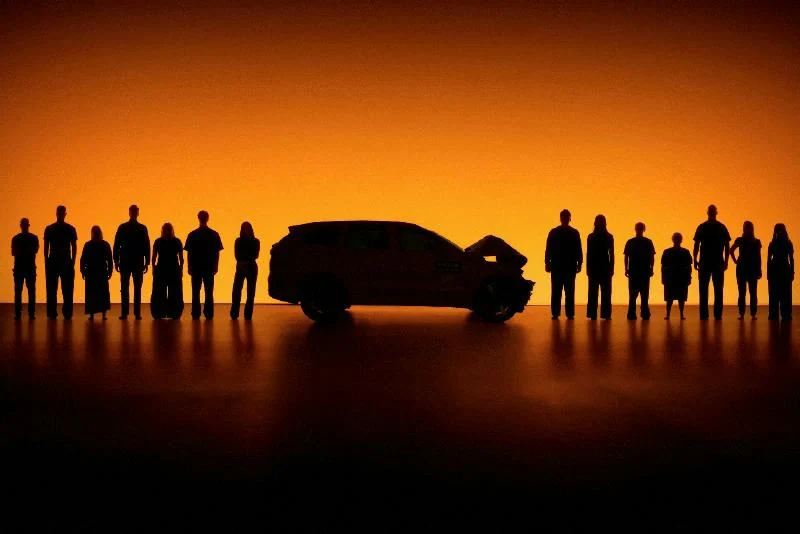
Volvo says five decades of crash research have helped reduce injury risks and improve protection for women and men across its vehicle lineup.
Volvo Cars has released new research highlighting decades of progress in occupant safety. The findings show that its vehicles have significantly reduced injury risks for both women and men, demonstrating the value of real-world crash data in vehicle development.
Volvo Reports Major Reductions in Injury Risk
Research conducted by the Volvo Cars Safety Centre compared vehicles from 1970–1979 with models from 2010–2019. The results showed that overall driver injury risk fell by 79 percent. For women, the reduction reached 88 percent, bringing their injury risk to the same level as men’s in the study.

Volvo uses crash research to evaluate how its vehicles protect occupants in real-world collisions.
The findings challenge the assumption that vehicle safety cannot provide comparable protection across genders. Volvo attributes the progress to a development process that considers differences in body shape, height, weight and other occupant characteristics.
The report also highlights improvements for people sitting in the rear seats. According to Volvo, restrained rear-seat occupants benefit from protection comparable to, and in some cases better than, that available to front-seat occupants.
Five Decades of Real-World Crash Research
Volvo has collected data from more than 50,000 real-world crashes involving over 80,000 occupants since 1970. The company uses these findings to guide vehicle design, testing and safety requirements through its Circle of Life development approach.

Real-world crash data helps Volvo identify risks that laboratory tests alone may not fully capture.
Unlike standardized crash tests, real-world collisions involve people with different physical characteristics and seating positions. Volvo says its research accounts for these differences to help develop protection systems for a broader range of occupants.
The company also applies its own Volvo Cars Safety Standard. This internal benchmark extends beyond regulatory requirements and conventional safety ratings, covering a wider range of crash scenarios and seating positions.
Sharing Safety Research Across the Industry
Volvo’s research has also contributed to its Equal Vehicles for All initiative, launched in 2019. Through this program, the company makes more than 50 years of safety research available to other automakers, researchers and policymakers through a digital library.

Occupant protection depends on safety systems designed for different body types and seating positions.
The goal is to help the wider automotive industry develop more inclusive safety systems. By sharing its findings, Volvo aims to encourage other manufacturers to consider a broader range of occupants when designing and evaluating vehicles.
The research reinforces a central principle of modern vehicle safety: protection should not depend on a person’s gender or where they sit. Volvo’s findings suggest that decades of data-driven development can make a measurable difference, although the reported results apply to the vehicle groups and time periods examined in the study.
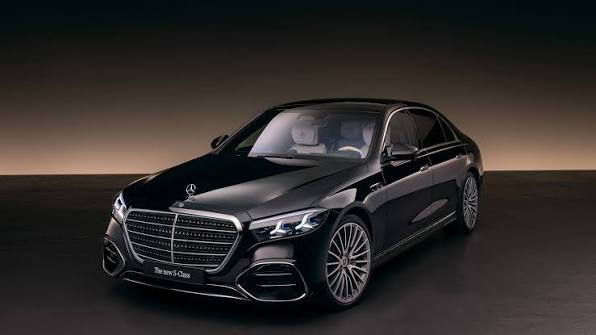
NHTSA plans to modernize U.S. headlight regulations, potentially allowing more advanced adaptive beams, smarter LED systems and legal LED replacement bulbs.
The NHTSA headlight rules update could change how automakers bring advanced lighting technology to the U.S. market. The National Highway Traffic Safety Administration plans to revise Federal Motor Vehicle Safety Standard No. 108, a regulation governing vehicle lighting that the agency considers outdated.
The process will use negotiated rulemaking with up to 18 representatives from automakers, suppliers, safety organizations, researchers and engineering groups. The goal is to modernize lighting requirements while improving road safety and aligning U.S. regulations more closely with international standards.
Why the NHTSA Headlight Rules Matter
The review could address headlight glare, lighting performance, testing procedures and emerging technologies. One major issue is adaptive driving beams, which can maintain high-beam illumination while selectively dimming sections of the light pattern to avoid dazzling other drivers.
The United States began allowing these systems in 2022, but its regulatory framework differs from European standards. That gap has limited the functions automakers can offer on vehicles sold in the American market.
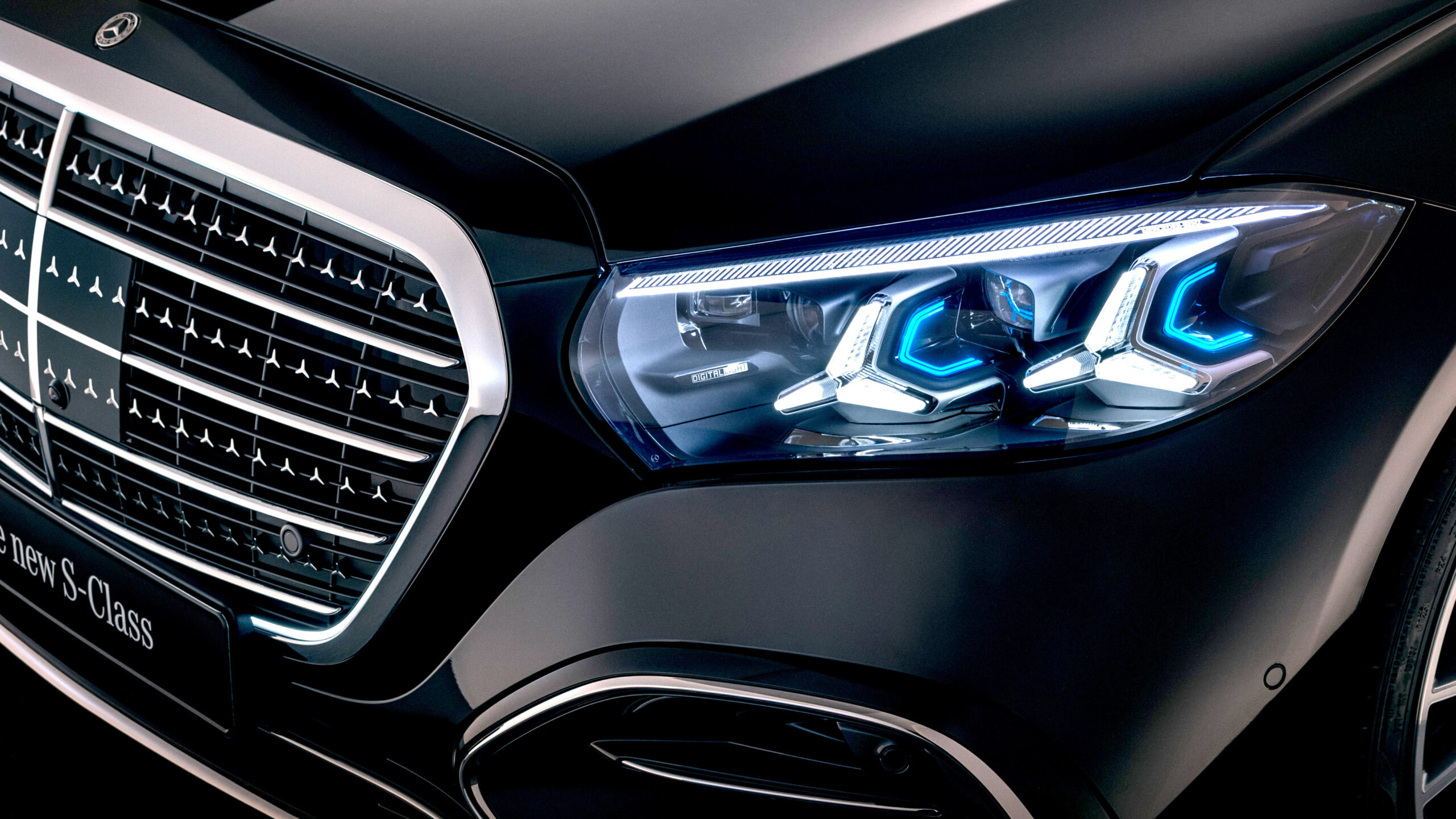
Advanced headlight systems could gain more capabilities if U.S. regulations move closer to international standards.
Automakers Could Unlock More Headlight Features
Several manufacturers have developed systems that comply with current U.S. requirements. Rivian and Tesla offer adaptive lighting technology, while Audi is preparing a U.S.-compatible version of its Digital Matrix headlights for the 2027 Q9 SUV.
Mercedes-Benz is also expanding its Digital Light technology. The latest micro-LED system will offer a partial high-beam function on the 2027 S-Class, GLE and GLS. Other manufacturers have kept certain functions disabled through software, even when vehicles share hardware with models sold in other markets.
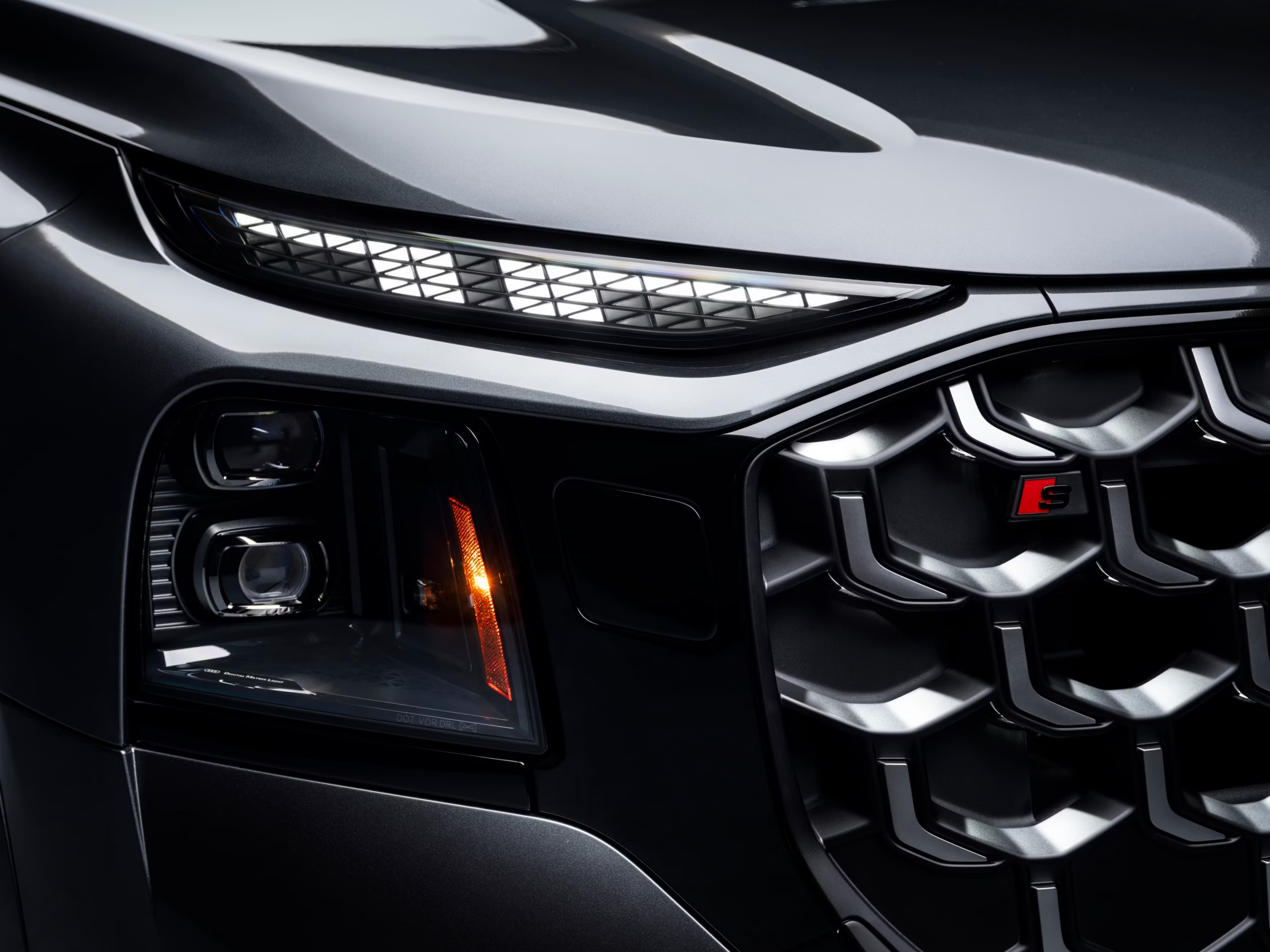
Audi’s Digital Matrix technology illustrates the advanced lighting functions that regulatory changes could help bring to more U.S. vehicles.
If the NHTSA headlight rules move closer to international standards, automakers could introduce more of these features without developing separate lighting systems for the United States. Some vehicles already have the necessary hardware, meaning certain capabilities could potentially become available through software updates. However, any upgrade would depend on the final regulations, vehicle hardware and manufacturer decisions.
Examples of affected technology include Porsche HD-Matrix Design LED headlights, Audi Matrix LED headlights and BMW Adaptive LED systems. Some BMW configurations include hardware for glare-free high-beam assistance, but the function remains deactivated for the U.S. market.
Could LED Replacement Bulbs Become Legal?
The proposed review could also address regulations for replaceable light sources. Current federal requirements make it difficult to use drop-in LED bulbs as replacements for conventional halogen bulbs in many applications.
For a replacement LED bulb to comply, it would need to meet the applicable requirements for light distribution and performance, not simply fit inside the existing housing. A regulatory change could establish a clearer path for road-legal LED retrofit products that meet federal safety standards.
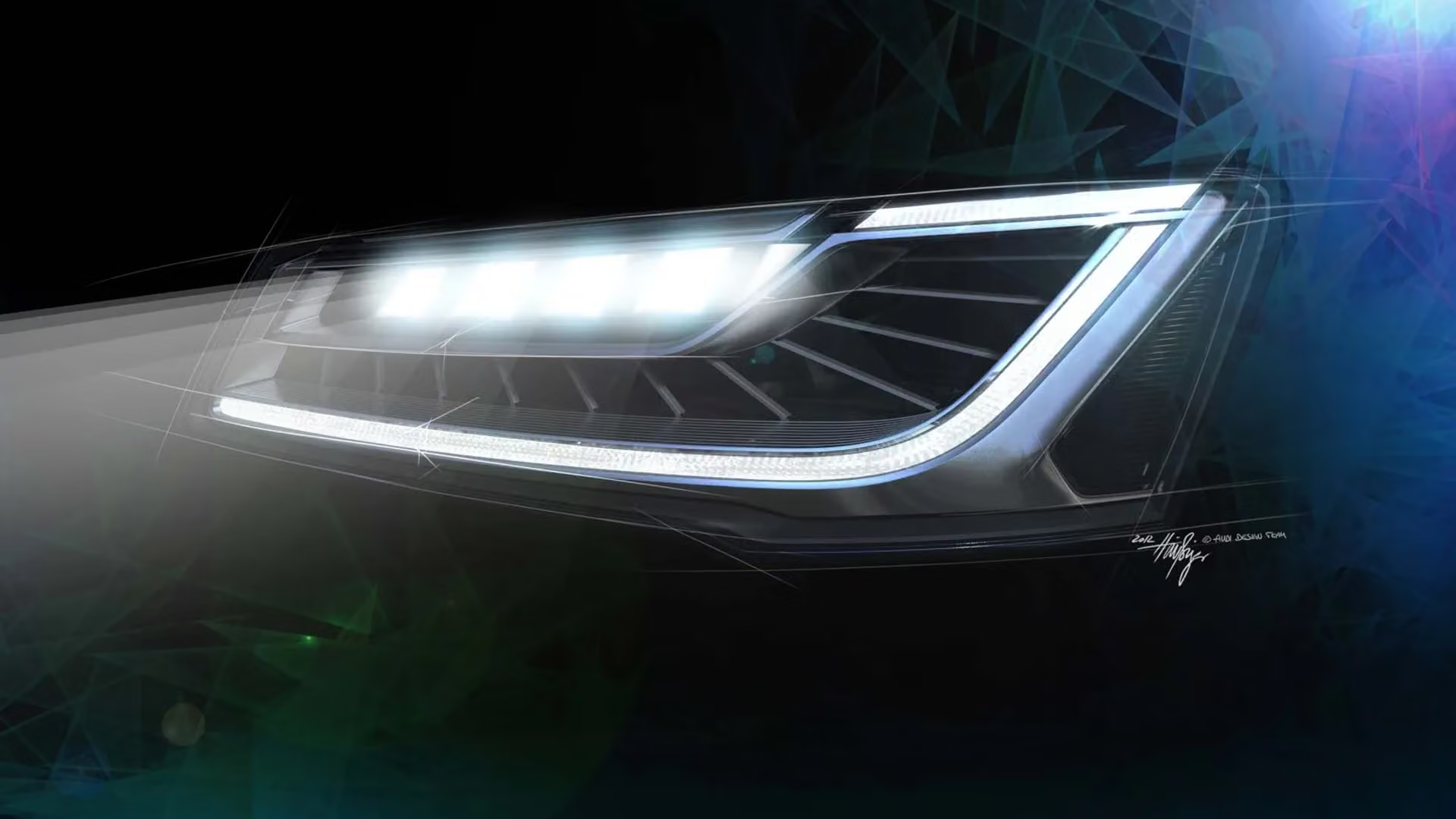
Updated requirements could help define a path for LED retrofit bulbs that meet federal lighting standards.
Public Comments Remain Open
The NHTSA headlight rules review could influence future vehicle lighting, from glare-control technology to replacement bulbs. The agency is accepting public comments through November 9, giving drivers, engineers and industry stakeholders an opportunity to weigh in on the proposed process.
Any changes will depend on the outcome of the rulemaking process. For now, the announcement signals a potential shift toward more modern lighting regulations in the United States.
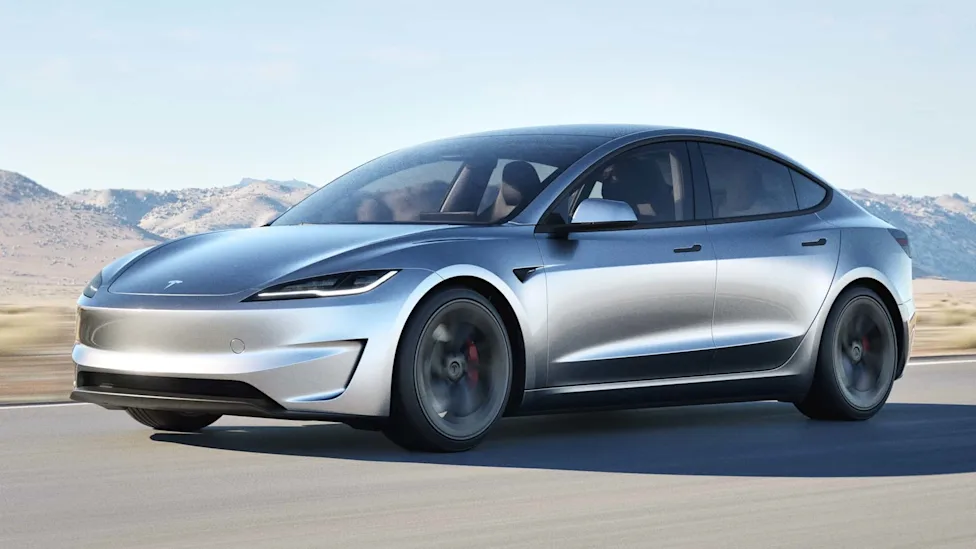
Tesla is finally bringing vehicle-to-home charging to the Model 3 and Model Y, allowing compatible cars to provide backup electricity through a Powerwall 3 system.
Tesla is expanding the energy capabilities of its two best-known electric vehicles. The Model 3 and Model Y can now support vehicle-to-home (V2H) bidirectional charging, allowing their batteries to provide electricity to a home during a power outage.
The feature has already been available on the Cybertruck, but Tesla’s volume-selling EVs require specific hardware to use it. The rollout is also being introduced gradually, meaning not every Model 3 or Model Y is compatible.
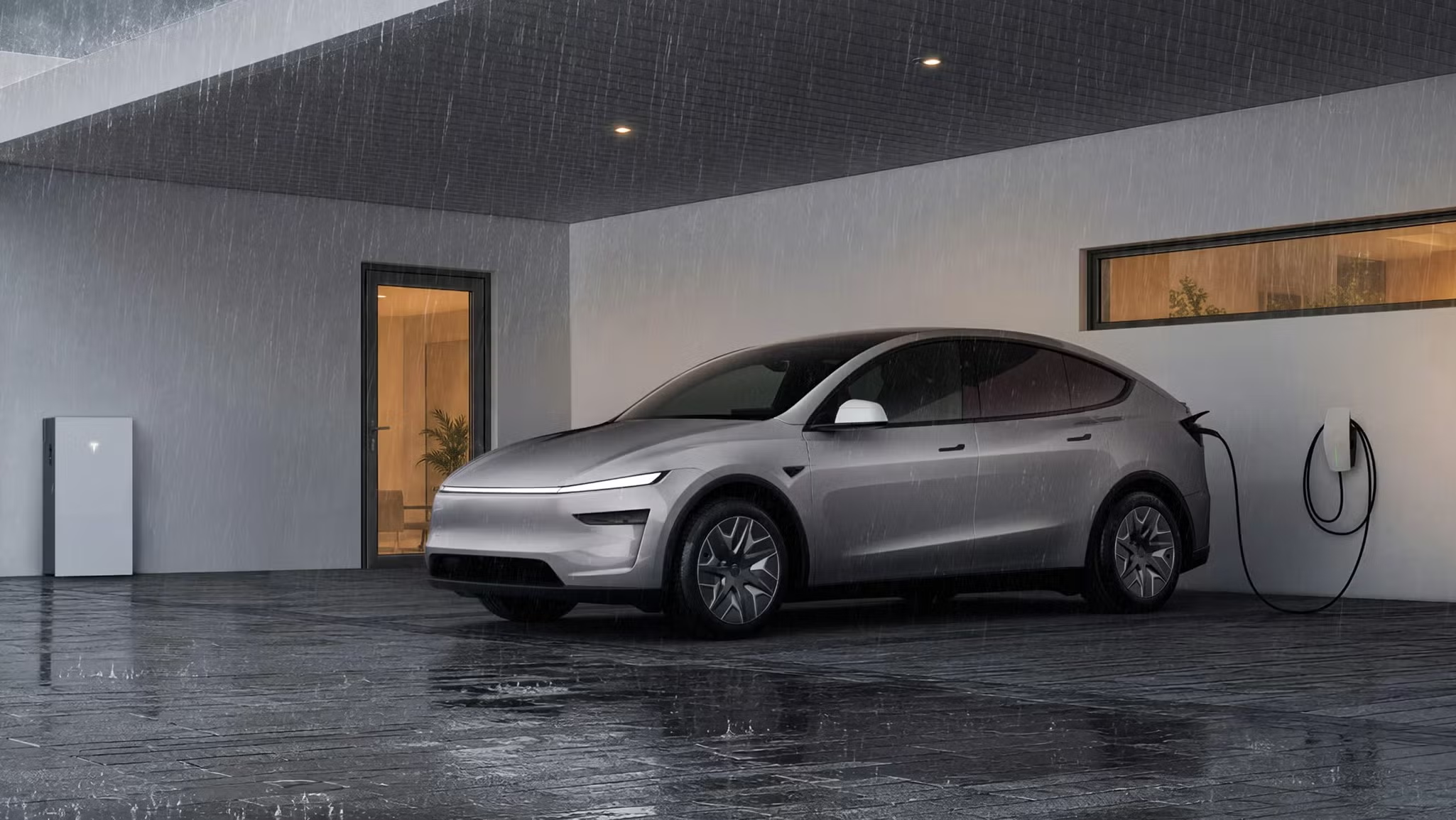
Compatible Model 3 and Model Y vehicles can now provide backup electricity to a home.
Model 3 and Model Y Need New Hardware
Tesla’s V2H functionality is enabled by a new inverter known as PCS2 Lite, short for Power Conversion System.
The hardware is related to the PCS2 inverter used by the Cybertruck. However, there is an important difference between the systems.
The Cybertruck can provide electricity directly to a home, while the Model 3 and Model Y require additional Tesla Energy hardware.
Compatible vehicles need a Powerwall 3 home battery and either a Tesla Universal Wall Connector or a Gen 3 Wall Connector.
Tesla says support for older Powerwall versions is expected to arrive in the future.
The additional hardware requirement makes the feature more difficult to adopt for owners who do not already have a compatible home energy system.
Which Tesla Vehicles Support V2H?
Tesla says Model 3 and Model Y vehicles ordered in the United States after October 1 will have the required capability.
Some vehicles produced before that date are also compatible.
Owners can check an individual vehicle through the Powershare Support section in the software menu. The information appears under the Additional Vehicle Information screen.
That check is important because the feature depends on the vehicle’s specific inverter hardware rather than simply being enabled through a software update.
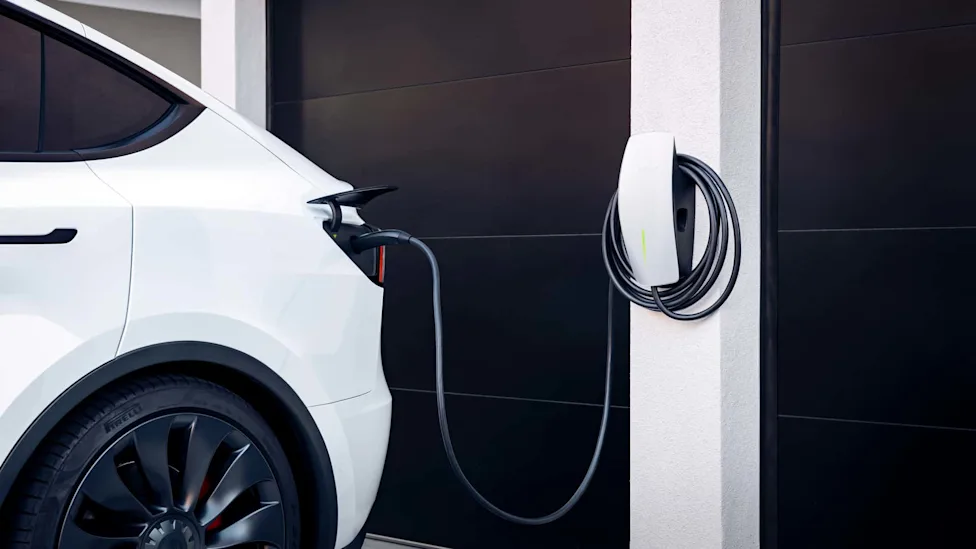
Powerwall 3 is a required part of Tesla’s current Model 3 and Model Y V2H setup.
The Powerwall Acts as a Backup to the Backup
Tesla’s approach is different from some other vehicle-to-home systems because the Powerwall 3 remains part of the energy chain.
During a power outage, the home can first use the energy stored in the Powerwall.
Once that battery is depleted, the compatible Model 3 or Model Y can begin supplying electricity to the home while also recharging the Powerwall.
That means the vehicle effectively becomes a backup for the home’s existing backup battery.
The arrangement can also reduce the amount of time the vehicle needs to remain directly involved in powering the house. Once the outage ends, the vehicle can return to normal use.
How Much Backup Power Can a Tesla Provide?
The amount of energy available depends on the vehicle’s battery capacity and state of charge when the backup system is activated.
The home’s energy demand also plays a major role. Running essential appliances and lights will consume much less electricity than attempting to power every system in a house.
Tesla estimates that a standard Model 3 or Model Y battery can extend backup power for an average home by approximately two days.
Vehicles equipped with larger battery packs, including Premium and Performance models, can extend that period to more than two days.
The maximum power output is rated at 11.5 kW, giving the Model 3 and Model Y a substantial amount of available power for household backup.
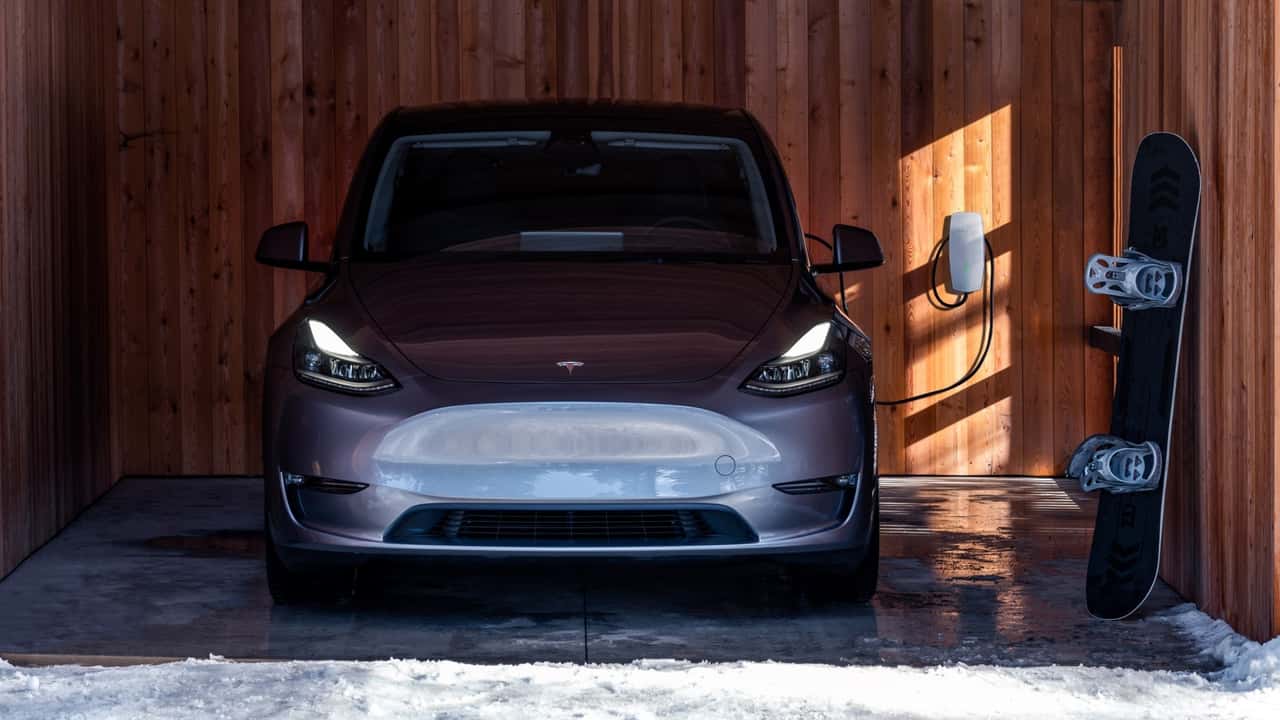
Tesla estimates that compatible vehicles can add roughly two days of backup power for an average home.
Tesla Is Late to the V2H Market
The arrival of V2H on the Model 3 and Model Y is significant because several competing EV manufacturers have offered vehicle-to-home functionality for years.
Tesla has also been active in the home energy market through its Powerwall products, making the absence of V2H from its highest-volume vehicles particularly notable.
The company had previously discussed moving toward vehicle electronics capable of supporting bidirectional energy flow.
Now, that technology is finally reaching the Model 3 and Model Y through the new PCS2 Lite hardware.
Older Model 3 and Model Y Vehicles Could Get an Upgrade
Owners of older Tesla vehicles may not necessarily be excluded forever.
Tesla service documentation includes a draft procedure for upgrading a Model Y from PCS1 to PCS2 Lite hardware.
That suggests a retrofit could be technically possible. However, it remains unclear whether the same approach will work with the Model 3 or whether Tesla will offer a retrofit program to customers.
For now, the safest assumption is that V2H availability depends on the specific hardware installed in the vehicle.
A Major New Role for Tesla’s EV Batteries
The addition of V2H gives the Tesla Model 3 and Model Y a new function beyond transportation.
Compatible vehicles can now become part of a home’s energy system, using their large battery packs to provide electricity during outages and extend the usefulness of a Powerwall 3 installation.
The 11.5-kW maximum output and estimated multi-day backup capability make the system potentially valuable for households that already have Tesla’s energy hardware.
For Tesla owners without the required equipment, however, the cost and hardware requirements remain significant.
-
 NOW TRENDING2 months ago
Tesla Cybercab Gets September 3 Austin Launch Date
-
 NOW TRENDING2 months ago
Audi’s New SUVs Could Help Reverse Its Sales Decline in 2026
-
 TEST DRIVES2 months ago
2025 Ford Bronco Sport Badlands: The Adventure SUV You Can Drive Every Day
-
 INTELLIGENT MOBILITY2 months ago
GM Super Cruise: How It Works and What Comes Next in 2028
-
 TEST DRIVES1 month ago
2026 Toyota GR Supra MkV Final Edition
-
 NOW TRENDING2 months ago
2027 Toyota Corolla Celebrates 60 Years With Special Edition
-
 NOW TRENDING2 months ago
Rivian R2 Autonomy+ Adds New Hands-Free Driving Features
-
 RACING2 months ago
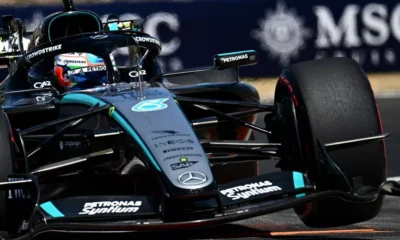
Mercedes Solves Its Biggest F1 Problem After Four Seasons
You must be logged in to post a comment Login