Innovation
Nissan & The Future of the Next Generation of Car Buyers
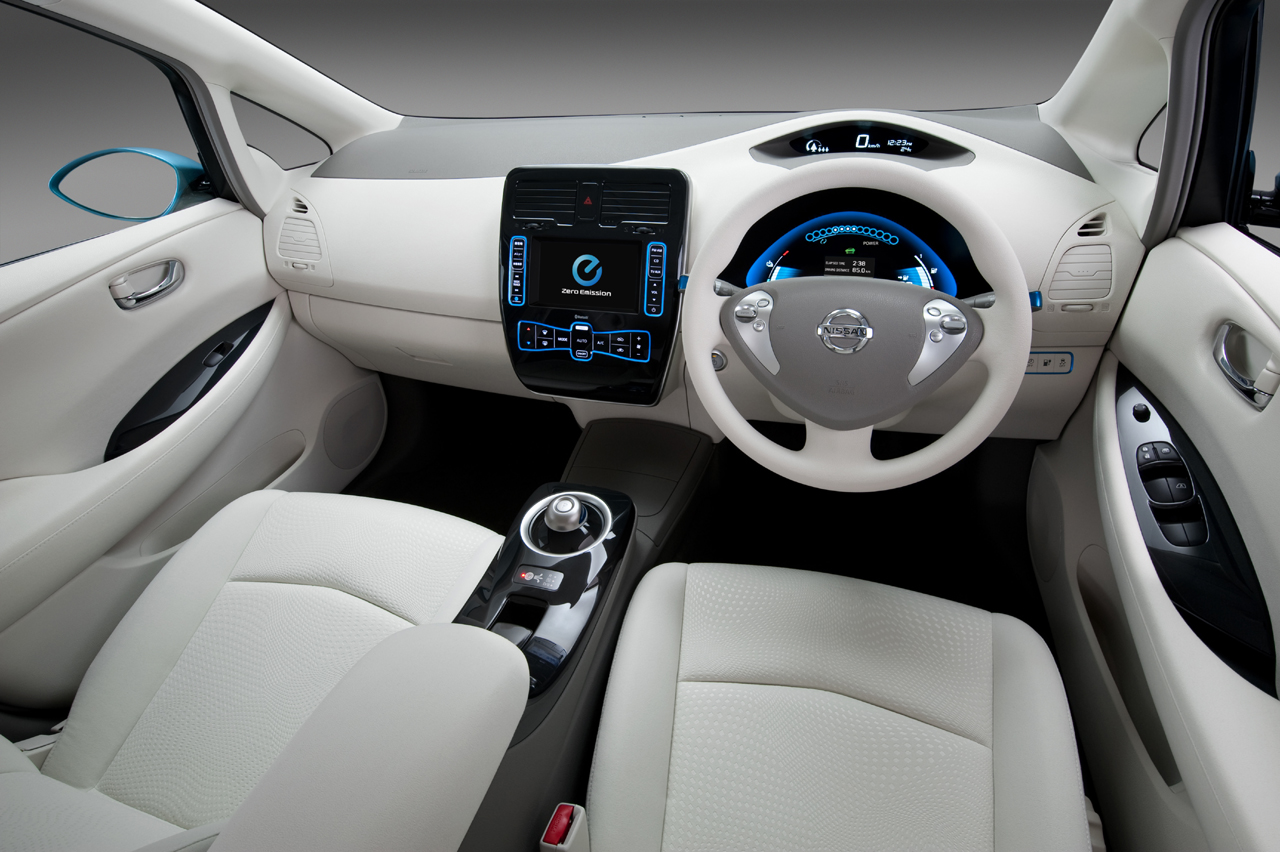
Nissan Motor Co., Ltd. and Microsoft Corp. on Tuesday announced that all Nissan LEAF models and Infiniti models in Europe will have Connect Telematics Systems (CTS) powered by Microsoft Azure. Since the Nissan LEAF’s launch in 2010, more than 200,000 have been sold worldwide, making it the world’s best-selling electric vehicle. Nissan selected Azure to meet customers’ expectations about in-vehicle mobility solutions, create additional ways to interact with their vehicles, and enhance safety.
Nissan designs cars to meet the needs of the next generation of car buyers, the environmentally conscious “digital natives.” Having transformed the performance, practically and public perception of EVs around the world since the LEAF’s launch, Nissan remains one of the leaders in EV technology. The connectivity to their owners and to the world around them makes electric cars more attractive and convenient. Maps, range prediction, charging station availability, charge status, plus all the services customers have come to expect when inside a vehicle are dependent on that connectivity. Azure provides a global cloud platform with cutting-edge security that allows Nissan to deliver services worldwide to this broad customer base.
Nissan CTS is coupled to Azure, allowing a remote connection to the vehicle. With CTS, Nissan LEAF drivers can perform a range of functions on their car, while not even inside. These include using mobile phones to turn on and adjust climate controls and set charging functions remotely even when the vehicle is powered down. An onboard timer can also be programmed to start the charging event.
As countries and regulations become more stringent on data privacy and technology standards, Nissan and Microsoft are committed to investing in meeting regulatory standards around the globe. Nissan selected Azure because of its enterprise-grade security and compliance. Microsoft was the first major cloud provider to adopt the world’s first international cloud privacy standard, ISO 27018, providing another reason enterprise customers can move with confidence to Azure. Azure supports multiple operating systems, programming languages and tools, providing flexibility and choice for Nissan.
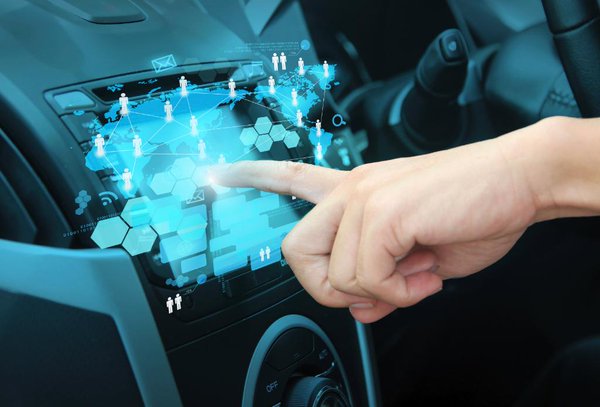
With the standard Hands-Free Text Messaging Assistant for all Nissan LEAF around the world, drivers can manage incoming text messages via voice control without taking their hands from the wheel or their eyes off the road. Drivers are alerted to an incoming text and, after initiating the system, can hear the text read out loud and respond by voice, or via the steering wheel switches using preset answers such as “driving, can’t text,” “on my way,” “running late,” “okay.” These experiences are powered by the back-end connectivity and support of Azure.
Nissan can also send over-the-air “point of interest” (POI) updates as they become available, enabling customers to have the latest information as the company continues to refresh its services. Connectivity to Azure allows Nissan to bring new connected features to market faster and offer flexibility for the future.
The partnership allows Nissan to tap into Microsoft’s deep expertise across critical areas such as data management and analytics. Azure offers Nissan the scale and commitment to security it needs to support its global operations. The expansive global footprint of Microsoft’s datacenters provides the coverage to support Nissan’s vehicles anywhere they are in the world.
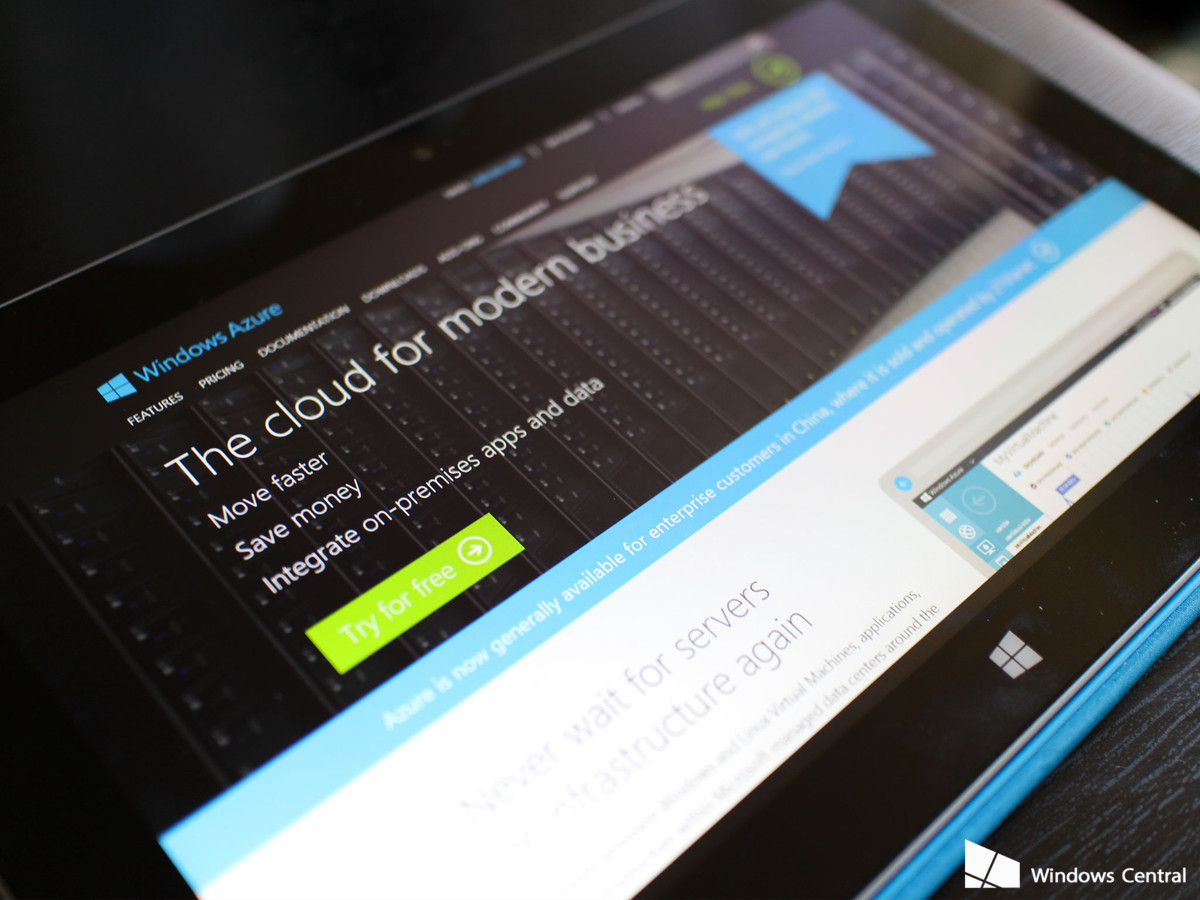
“Microsoft Azure will help us deliver a more innovative and intelligent future for our connected technologies,” said Celso Guiotoko, chief information officer and corporate vice president in charge of global corporate IS/IT, Nissan. “This is also a bold first step toward innovations that will realize future new mobility.”
Nissan’s connected platform powered by Azure is allowing Nissan to continue to provide its customers with exceptional value and add new services throughout the vehicle life cycle.
“Our partnership with Nissan shows what automakers can accomplish by tapping into Microsoft’s intelligent cloud platform,” said Peggy Johnson, executive vice president of business development, Microsoft. “Further, our collaboration reveals tremendous possibilities for how consumers can get more out of their connected driving experience.”
INTELLIGENT MOBILITY
Volvo Safety Coach Helps Drivers Save on Insurance Rates
Volvo has launched Safety Coach, an optional app that analyzes driving behavior, provides personalized safety tips, and could help eligible drivers lower insurance costs.
Volvo Cars is introducing Safety Coach, a new optional app designed to help drivers develop safer habits while potentially reducing their insurance costs.
The system provides driving feedback through the vehicle’s infotainment display and the Volvo Cars mobile app. It analyzes everyday driving behavior, including braking, acceleration, and cornering.
Each driver receives a personalized Safety Coach score that changes based on their driving habits.
Personalized feedback for safer driving
The app uses Volvo’s decades of real-world safety research to generate individual driving insights.

Volvo Safety Coach provides personalized driving feedback through the vehicle’s infotainment system.
Drivers can receive real-time tips designed to encourage smoother and more predictable driving.
Volvo says behaviors such as excessive speed and sudden maneuvers can make vehicles less predictable for other road users. By encouraging drivers to avoid abrupt actions, the system aims to reduce potential collision risks.
The company sees this type of feedback as another tool for improving everyday road safety.
Insurance rewards could follow safer habits
Safety Coach is not limited to driving advice. Volvo is also connecting the program with usage-based insurance opportunities.
The first rollout is taking place in Sweden and Norway. Customers in those markets will be able to opt in to share their driving data with affiliated insurance providers.

Drivers in Sweden and Norway can opt in to share driving data for potential usage-based insurance benefits.
Volvo says eligible customers can receive offers from Volvia based on their driving behavior.
The approach gives drivers the possibility of receiving personalized insurance benefits when they demonstrate safer habits.
The company plans to expand Safety Coach to the United States and additional European markets after its initial launch. Insurance-related programs are also expected to become part of that wider rollout.
AI and telematics power the system
Safety Coach was developed through a collaboration between Volvo Cars and Cambridge Mobile Telematics (CMT).
CMT provides the algorithm used to calculate each driver’s Safety Coach score. The company specializes in telematics and AI systems focused on safer mobility.

Cambridge Mobile Telematics provides the technology used to calculate each Safety Coach score.
CMT says data from its safe-driving programs shows that participants often reduce behaviors such as speeding and hard braking.
For Volvo, that suggests personalized feedback can help drivers build better habits over time rather than simply providing information after an incident.
Drivers control their data
Privacy and transparency are also central to the system.
Drivers must first opt in to Safety Coach before using the service. They can then separately decide whether to share their driving information with participating insurance companies.
That second choice is optional and is intended to allow customers to receive potential usage-based insurance benefits without automatically sharing their information.
The Volvo Safety Coach therefore combines driving feedback, personalized scoring, telematics, and potential insurance rewards in a single system. Volvo says the goal is to help drivers become safer while giving them more control over their driving data and potential insurance savings.
INTELLIGENT MOBILITY
Ford Expands AI Assistant to 8 Million More Vehicles
Ford is expanding its AI Assistant to 8 million more eligible vehicles, giving drivers faster access to vehicle-specific information through the Ford and Lincoln companion app.
Ford is expanding its AI Assistant to 8 million additional eligible vehicles, making vehicle-specific information easier to access through the Ford and Lincoln companion app.
Drivers do not need to remember their model year, engine, or trim level before asking a question. The system automatically connects to the vehicle’s information and can use the owner’s manual to provide a direct answer.
The expansion gives Ford and Lincoln owners a more convenient way to understand their vehicles without searching through pages of documentation.
Questions, images, and vehicle-specific answers
The Ford AI Assistant can be accessed directly through the Ford or Lincoln smartphone app. A blue oval and spark icon appears in the upper-right corner when the feature is available.
Users can type a question or upload an image. The assistant then provides an answer based on the specific vehicle.

Ford’s AI Assistant is available through the Ford and Lincoln companion app.
That means drivers can ask detailed questions about everyday use. For example, the assistant can explain the required engine oil, cargo capacity, or how specific features work.
It can also provide guidance on BlueCruise, Ford’s hands-free highway driving technology.
The assistant can read real-time vehicle data
The system goes beyond the information found in the owner’s manual. Ford’s AI Assistant can also connect to the vehicle’s real-time telemetry through the companion app.
That allows the system to provide information about current vehicle conditions.

The AI Assistant can provide real-time information such as tire pressure, fuel level, and oil life.
Drivers can ask about tire pressure, fuel level, and remaining oil life. Location data can also be used to answer practical questions.
For example, a driver can ask whether the vehicle has enough fuel to reach a specific destination.
The assistant can also provide step-by-step guidance for simple problems. That includes troubleshooting a power window or explaining warning lights shown on the instrument cluster.
Ford plans deeper integration in 2027
Ford is already working on the next stage of the technology.
Beginning in 2027, the Ford and Lincoln AI Assistant is expected to be embedded directly into the infotainment systems of select vehicles.

Ford plans to integrate its AI Assistant directly into the infotainment system of select vehicles starting in 2027.
Instead of relying on a smartphone display, the embedded assistant will become part of the vehicle’s digital experience.
Ford plans to combine the assistant with its own vehicle data and connected services. That could create a more personalized system capable of responding to both vehicle-specific questions and other in-car requests.
Ford AI Assistant and Google Gemini will work together
Ford is also upgrading its existing voice-assistance technology. The company is allowing customers to use Google Gemini as an alternative to Google Assistant for more natural conversations.
Ford describes Gemini and its own assistant as companion technologies.
The Ford AI Assistant is designed for specific vehicle questions and functions. Gemini can handle broader requests, such as helping drivers adjust the cabin temperature.
The Ford AI Assistant rollout gives millions of owners easier access to vehicle information today, while its planned 2027 integration could make the technology an even more important part of the Ford and Lincoln driving experience.
INTELLIGENT MOBILITY
GM EVs Get Native NACS Charging Across the 2027 Lineup
General Motors is moving all Cadillac, Chevrolet, and GMC electric vehicles to native NACS charging ports for the 2027 model year.
General Motors is preparing to standardize NACS charging across its electric vehicle lineup. While current EVs can already access compatible North American Charging Standard plugs with an adapter, GM expects every 2027 model to feature a native NACS port.
The transition will cover Cadillac, Chevrolet, and GMC, giving customers a simpler way to access fast-charging networks across the United States.
GM is moving to native NACS charging
GM says all of its electric vehicles currently sold can use compatible NACS chargers. However, some 2026 models still require an adapter because they use a CCS charging port from the factory.
That will change for the 2027 model year.

GM plans to equip all 2027 Cadillac, Chevrolet, and GMC EVs with native NACS charging ports.
The company announced that it expects all 2027 EVs to launch with a standard NACS port, removing the need for an adapter when using compatible NACS fast chargers.
The move should also make road trips easier as more public charging stations adopt the NACS connector.
Which GM EVs already have NACS?
Not every 2026 GM electric vehicle needs an adapter.
The Cadillac Optiq already features a native NACS port for 2026. The Chevrolet Bolt is also equipped with NACS, although GM lists it as a 2027 model-year vehicle for its return to the market.

The Cadillac Optiq and returning Chevrolet Bolt already feature native NACS charging.
The 2026 Optiq offers up to 317 miles of GM-estimated range, depending on configuration. The new Bolt combines its native NACS port with an EPA-estimated 262 miles of range.
Other 2026 GM EVs can still use NACS fast chargers, but they require the appropriate adapter.
These include the Cadillac Escalade IQ, Escalade IQL, Lyriq, Vistiq, Chevrolet Blazer EV, Equinox EV, Silverado EV, GMC Hummer EV Pickup, Hummer EV SUV, and Sierra EV.
2027 GM EV lineup will eliminate the adapter
GM’s 2027 lineup will make the transition much simpler.
The company expects the following models to feature native NACS charging:
- Cadillac Escalade IQ
- Cadillac Escalade IQL
- Cadillac Lyriq
- Cadillac Optiq
- Cadillac Vistiq
- Chevrolet Bolt
- Chevrolet Blazer EV
- Chevrolet Equinox EV
- Chevrolet Silverado EV
- GMC Hummer EV Pickup
- GMC Hummer EV SUV
- GMC Sierra EV

The 2027 GM EV lineup will feature native NACS ports across Cadillac, Chevrolet, and GMC.
Customers with native NACS vehicles can still use Level 1 and Level 2 charging with the appropriate J1772 cable. They can also access CCS fast chargers with a NACS-to-CCS adapter.
Energy Pass adds another layer of convenience
GM is also simplifying the charging experience through its Energy Pass system, which is built into the MyChevrolet, MyCadillac, and MyGMC apps.
The service combines registration and payment for multiple charging networks. Currently supported networks include Tesla Supercharger, IONNA, Electrify America, and ChargePoint, while EVgo is planned for future support.
The goal is to reduce the number of apps and passwords drivers need when charging on the road.
For GM, the move to GM EV NACS charging represents a major step toward a more consistent EV ownership experience. By 2027, customers should have native access to the NACS network across the entire Cadillac, Chevrolet, and GMC electric vehicle lineup.
-
NOW TRENDING2 months agoPolestar to Exit U.S. Market After 2026 Due to Connected Vehicle Rules
-
TEST DRIVES2 months agoSubaru’s New Uncharted GT Could Be The Brand’s Most Interesting Small EV Yet
-
NOW TRENDING2 months agoTesla Model Y L Arrives in the U.S. With More Space and Three Rows
-
NOW TRENDING2 months agoThe 2026 Kia Sportage Is More Than A Mid-Cycle Refresh — It’s Kia’s Play To Keep Its Best-Seller At The Center Of America’s SUV Market
-
RACING2 months agoWhy F1 2026 Batteries Have Become The Biggest Reliability Headache On The Grid
-
NOW TRENDING2 months agoThe 2026 Lexus ES Is No Longer Just A Hybrid Sedan — It’s Now A Three-Way Luxury Play With Hybrid And EV Power
-
INTELLIGENT MOBILITY2 months agoBolt, Pony.ai and Stellantis launch autonomous mobility pilot in Luxembourg
-
RACING2 months agoMcLaren F1 Unveils Special Silverstone Livery Honoring Its History


You must be logged in to post a comment Login
