
Formula1
Mercedes F1 Upgrade Leaves Drivers and Wolff Unsure

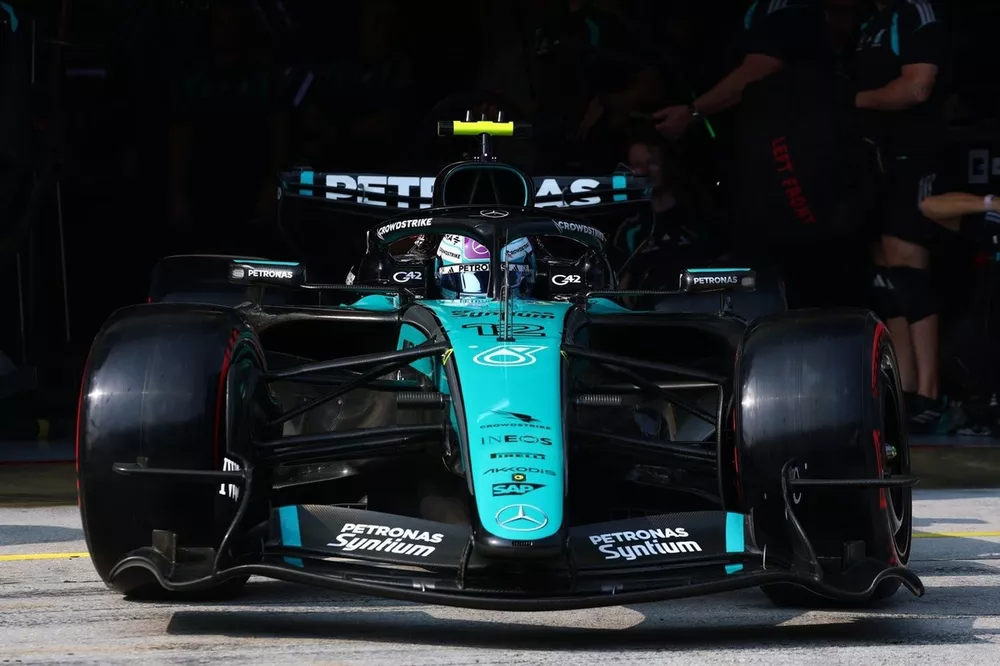
Mercedes expected its latest F1 upgrade to deliver a clear step forward in Malaysia. Instead, Kimi Antonelli, George Russell and Toto Wolff are still trying to understand its true performance.
Mercedes leaves Sepang with more questions than answers
Mercedes arrived at the 2026 Bahrain Grand Prix in Malaysia with its first major upgrade package in months.
The team introduced changes to the floor edge, sidepods and rear diffuser. The goal was to extract more performance from the W17 during the final part of the season.
The first signs were mixed.
George Russell was second in FP1. Kimi Antonelli then went fastest in FP3. But qualifying told a very different story.
Antonelli qualified fourth. Russell could only manage eighth.
After Isack Hadjar’s penalty, Antonelli moved to third on the grid and Russell to seventh. Even so, Mercedes was surprised by the gap to Max Verstappen’s Red Bull.
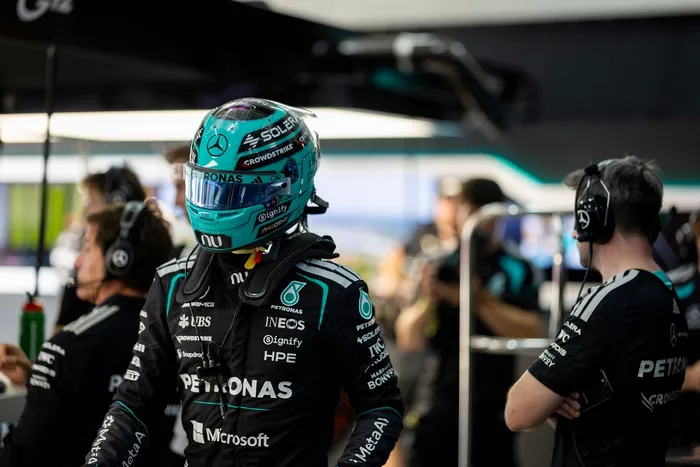
George Russell struggled to explain Mercedes’ qualifying deficit after the team’s latest upgrade package arrived in Sepang.
Russell was direct after the session.
He said Mercedes did not know exactly why the pace had disappeared. He also pointed to Sepang’s unusual asphalt and the severe tire degradation affecting the W17.
Antonelli sees speed, but only in some corners
Antonelli offered a similar assessment.
The championship leader said the new package appears to operate in a different performance window. Mercedes was strong in high-speed corners, but it struggled more in slower sections.
That creates an important question.
Is the problem caused by Sepang’s surface and heat? Or has the new package changed the car’s behavior in a way Mercedes has not fully understood yet?
Antonelli said the team needed to answer that question quickly.
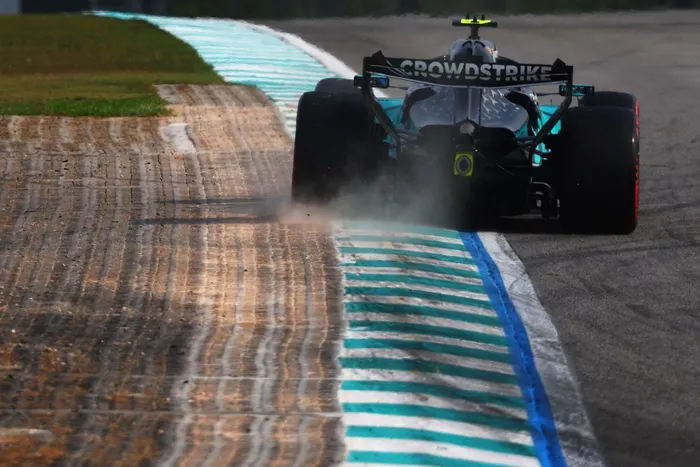
Kimi Antonelli topped FP3 before Mercedes lost ground during qualifying.
There is another problem.
Mercedes cannot make a direct comparison between the old and new versions of the car during this weekend. The upgrade was fitted to both cars, so the team has no identical back-to-back test on the same track and under the same conditions.
That makes the data harder to interpret.
A strong result would have suggested the upgrade was working. A poor result could have indicated a problem. Instead, Sepang has delivered a mixture of both signals.
The numbers say the upgrade is working
Russell highlighted that contradiction.
According to the Mercedes driver, all the internal numbers indicate that the upgrade is an improvement. The problem is that the stopwatch did not show the same thing in qualifying.
That difference is critical in Formula 1.
A wind tunnel, simulator and trackside models can point in one direction. Lap time remains the final measurement.
Mercedes therefore needs to determine whether Sepang is hiding the package’s potential or exposing a weakness created by its operating window.
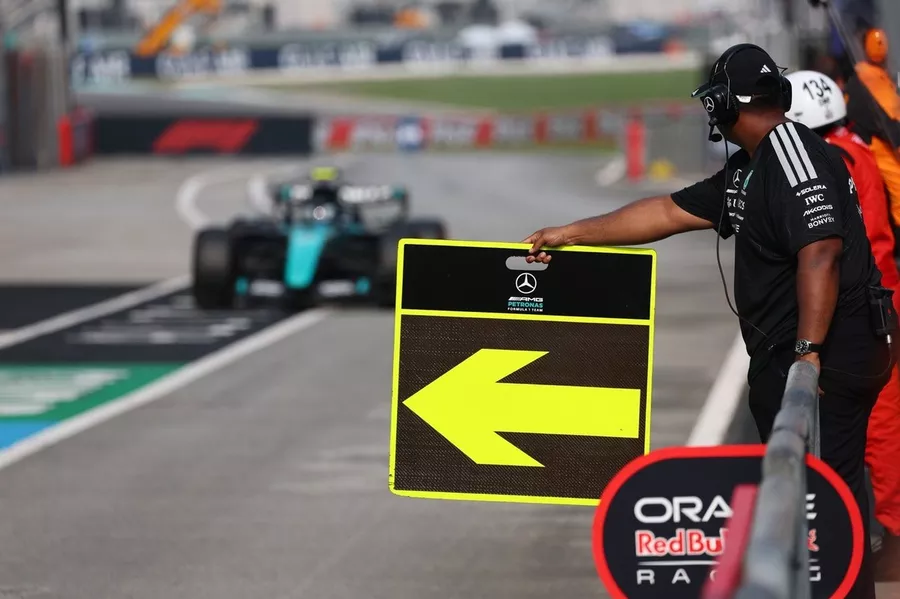
The W17 showed competitive flashes during practice, but Mercedes struggled to maintain that performance when qualifying arrived.
Toto Wolff is also searching for an explanation
Toto Wolff’s assessment was almost identical.
The Mercedes team principal said the car displayed behavior the team had not seen all season. He also pointed to the combination of extreme heat and Sepang’s very different asphalt.
The biggest problems were visible in two areas.
Mercedes appeared to lose too much time on the straights. In slower corners, the W17 also suffered from excessive understeer.
Wolff also rejected the idea that rival teams had simply been hiding performance.
Instead, he believes something else is happening with the Mercedes package.
Sepang may not provide the final answer
The track itself makes the situation harder.
Sepang has a very abrasive surface. The heat also pushes the tires toward overheating, which can reduce the benefit of additional aerodynamic downforce. Mercedes acknowledged that both factors were affecting the new package.
The race could therefore provide a different picture.
Russell expects very high tire degradation, with all three available compounds potentially playing a role. That could make race pace more representative than one qualifying lap.
Mercedes therefore has one more opportunity this weekend.
The team can study tire behavior, long-run pace and the way the W17 reacts to different track conditions. That information should help separate a genuine weakness from a difficult circuit.
Singapore could be the real test
The next race may provide a cleaner answer.
Formula 1 moves from Sepang to Singapore on October 9-11. The Marina Bay circuit has very different characteristics, which could help Mercedes understand whether the new package works across a broader range of conditions.
Mercedes still believes the upgrade works.
The problem is not the data itself. The problem is understanding why the expected lap-time advantage did not appear in Malaysia.
That makes the Mercedes F1 upgrade one of the biggest technical questions heading into the final races of 2026.
The answer may come from the data collected in Sepang, but Mercedes will likely need another circuit before it can confidently determine whether the new W17 package is truly a step forward.








-

 NOW TRENDING2 months ago
Land Rover Defender Recall 2026: 23,677 JLR SUVs Affected
-
 NOW TRENDING2 months ago
Hyundai September 2026 Sales Hit Record 77,439
-
 NOW TRENDING2 months ago
2027 Silverado HD: New 8.3L Duramax V8 Revealed
-
 NOW TRENDING2 months ago
Cadillac EVs 2026: All Five Electric Models Explained
-

 NOW TRENDING2 months ago
Porsche Gas Macan Returns in 2028 as EV Plans Evolve
-
 NOW TRENDING2 months ago
2027 Toyota Grand Highlander Woodland Adds Adventure
-
 INTELLIGENT MOBILITY2 months ago
GM and PG&E Make Home EV Charging Easier for Buyers
-
 INTELLIGENT MOBILITY2 months ago
Waymo Safety Data Shows 82% Fewer Injury Crashes